Sending Flowers to Desnogorsk from Abroad? Read This First
Desnogorsk sits quietly in the Smolensk region, a small city where a bouquet arriving at the door means something real — it travels from you, across time zones and distance, and lands in someone's hands as proof that you remembered. Ordering from abroad feels complicated at first, but once you understand how Russian flower delivery works and what your recipient will actually love, the whole process becomes straightforward. This guide walks you through every decision, from picking the right flowers for the season to making sure your arrangement looks as good on arrival as it did in the photograph.
Why Desnogorsk Is Different from Ordering to a Big City
Most people ordering flowers internationally think first of Moscow or Saint Petersburg, cities with dense infrastructure and instant familiarity. Desnogorsk is smaller, more intimate, and that changes the experience of receiving flowers in a meaningful way. A bouquet arriving here is noticed. Neighbors may comment. The recipient will almost certainly tell someone about it, which means presentation and freshness carry even more weight than usual.
The city has a continental climate, which matters for your flower choices. Summers are warm and humid, winters drop well below freezing, and spring and autumn bring rapid temperature swings. A bouquet of garden roses that travels beautifully in May can suffer in a January frost if the packaging is not designed for cold transit. Turboflora accounts for seasonal temperature when preparing arrangements for delivery to the Smolensk region, using insulated wrapping in colder months to protect petals and stems during the final leg.
Because Desnogorsk is a close-knit community, the gesture of sending flowers from abroad lands with particular warmth. Recipients here tend to appreciate classic, generous arrangements over minimalist designs. Lush bouquets with layered textures — think garden roses combined with lisianthus and eucalyptus — read as genuinely celebratory rather than understated. When you are choosing from an international location, lean toward fullness and color rather than spare, modern compositions, and your recipient will feel the care behind the choice immediately.
Bouquets we can deliver

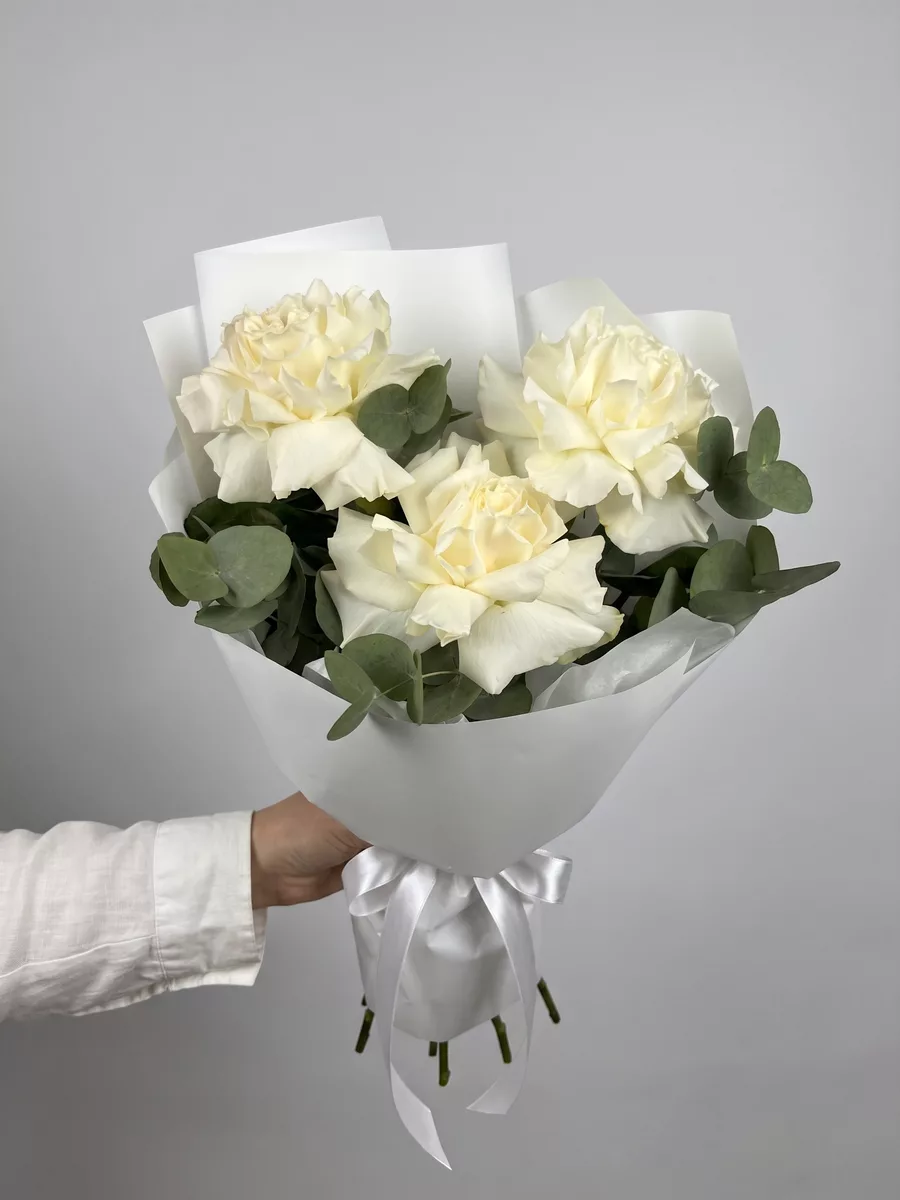
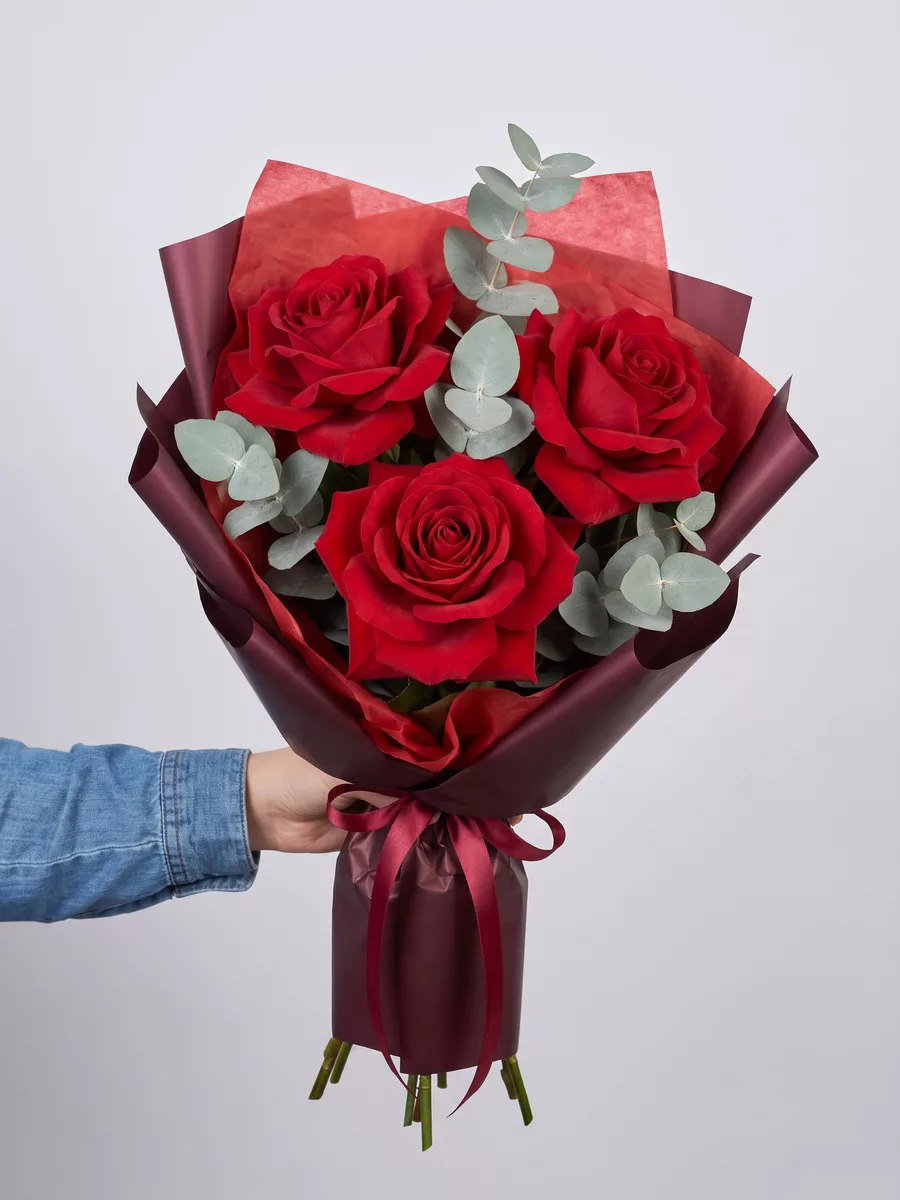
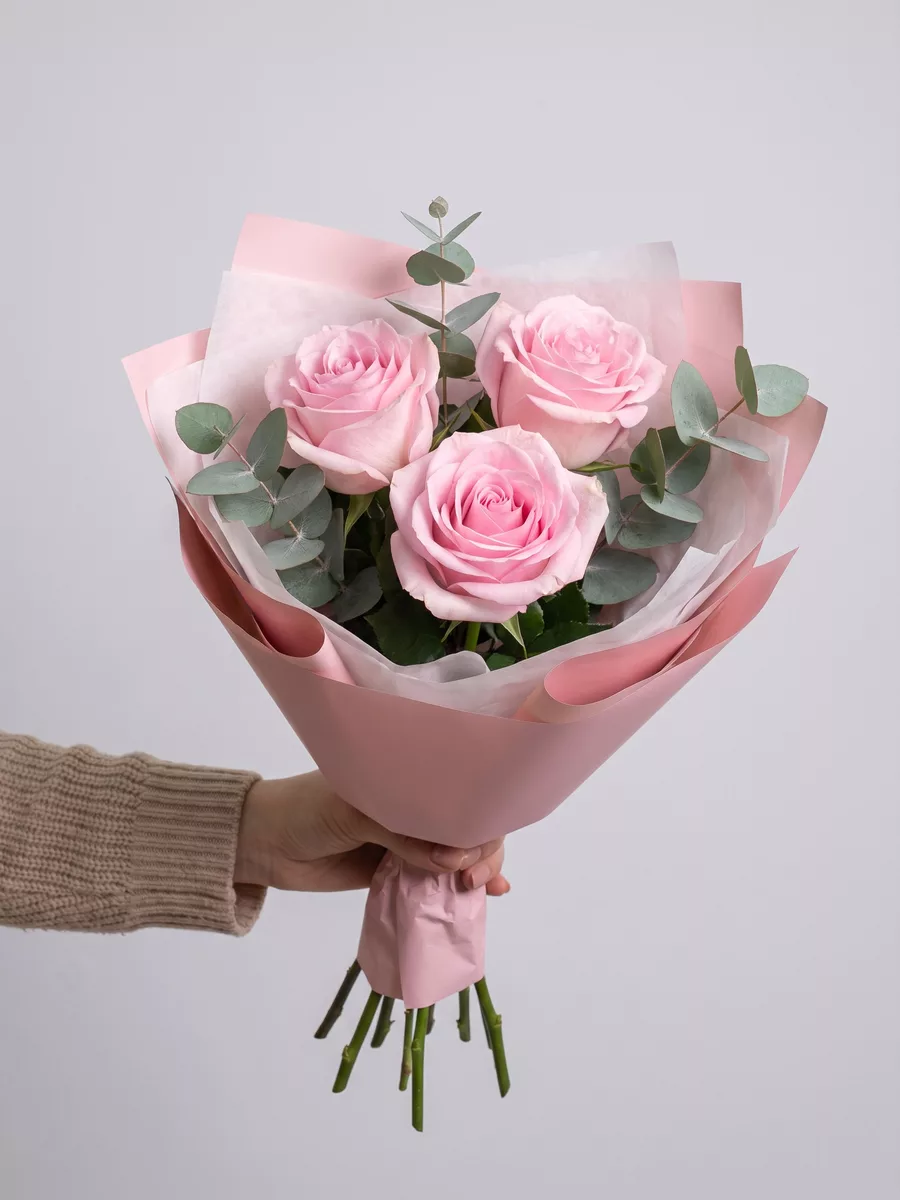
The Best Time to Order and How Far Ahead to Plan
Ordering from abroad means working across time zones, and that single fact shapes everything about your timing. Saint Petersburg, where Turboflora prepares and dispatches orders, operates on Moscow Time, which is UTC plus three hours with no daylight saving adjustment. If you are in Western Europe, you are two to three hours behind. If you are in North America, the gap stretches to eight or eleven hours depending on your coast. The practical result is that an order placed in the evening your time may already be early morning the next day in Russia.
For standard deliveries, placing your order at least twenty-four hours before the desired arrival time gives the florist room to source the freshest stems and compose the arrangement without rushing. For major Russian holidays — International Women's Day on the eighth of March is the busiest single day in Russian floristry — plan a minimum of three to four days ahead. Demand on that date is extraordinary, and the most sought-after varieties, particularly tulips, spray roses, and mimosa, sell out quickly.
For birthdays and anniversaries, same-day delivery is available within Turboflora's service window, but international orders benefit from a buffer. Payment processing across borders occasionally takes slightly longer to confirm, and you want that confirmation secured before the florist begins building your arrangement. A morning delivery in Desnogorsk is often the most appreciated — the recipient starts their day with your flowers already on the table, and that feeling of being remembered first thing is genuinely special.
Choosing Flowers for the Person, Not Just the Occasion
Russian gifting culture places enormous value on the act of giving flowers, but the choice of flower carries its own quiet language that is worth understanding. Red roses remain the most universally recognized romantic gesture. For a mother, a colleague, or a friend, softer palettes work better — blush peonies in season, white and cream freesias, lavender lisianthus, or a mixed bouquet built around soft pink spray roses and white chrysanthemums.
One custom that surprises many international senders: in Russia, even numbers of flowers are traditionally associated with mourning, while odd numbers are given for celebrations. This applies most strictly to single-variety bouquets. A mixed arrangement with multiple flower types is less rigidly counted, but if you are sending a single-variety bouquet — say, eleven red roses or fifteen tulips — the odd number is the right instinct and your recipient will notice it with appreciation.
Think about who is receiving the flowers and what they will feel in that moment. A young woman receiving flowers from a partner abroad will want something that photographs beautifully and lasts on her windowsill for days. A grandmother celebrating a birthday will treasure a full, fragrant arrangement with alstroemeria and carnations, flowers she recognizes and associates with joy. A colleague marking a work anniversary appreciates something elegant but not overly romantic — white and green compositions with lisianthus, green trick dianthus, and eucalyptus strike exactly that note. Start from the person, then build the bouquet around what they would genuinely love.
Seasonal Availability and What to Expect Month by Month
Flowers available in Russia shift with the seasons, and knowing what is genuinely fresh in a given month helps you choose an arrangement that looks alive rather than forced. From December through February, the strongest choices are roses imported from Ecuador and Colombia, alstroemeria, chrysanthemums, and hypericum berries. Dutch tulips begin arriving in good volume by late January, making them a wonderful choice for February birthdays.
March is peak tulip and mimosa season, timed around International Women's Day. Ranunculus appear in good supply from March through April, and their layered petals make them one of the most luxurious-looking flowers at any price point. By May, peonies arrive — first the tighter Coral Charm varieties, then the fuller Sarah Bernhardt and bowl-shaped varieties that open wide in a warm room. June and July bring sunflowers, eustoma in full abundance, and garden-style roses with open, cupped blooms.
August through October is a strong period for dahlias, which are underused in international orders but deeply loved in Russia. Their geometric petals and rich autumn colors — burgundy, burnt orange, deep plum — create arrangements that feel genuinely seasonal rather than generic. November is a transitional month when imported roses and chrysanthemums carry the main weight of availability, supplemented by dried accents and preserved eucalyptus for texture. Telling the florist the delivery month and letting them suggest the freshest varieties for that window will always produce a better result than insisting on something out of season.
How to Write a Card Message That Lands Well in Russian Culture
The card that accompanies your bouquet is the moment your voice arrives. When ordering from abroad, you can write your message in English, and Turboflora will include it exactly as written — many recipients in Russia have some English reading ability, and a message in your own language carries its own authenticity. If you prefer a Russian translation, you can provide one or request assistance when placing the order.
Russian card messages tend to be warmer and more direct than what many Western European or North American senders are used to. Phrases like "I am thinking of you every day" or "You deserve every beautiful thing" land naturally in Russian emotional culture, where expressing feeling openly is considered a sign of sincerity rather than excess. Brief, formal messages can feel slightly cold to a Russian recipient who is used to more expansive sentiment.
Avoid humor that depends on cultural references your recipient may not share — a joke that works perfectly in English can lose all its meaning in translation. Instead, focus on something specific and true: a shared memory, the reason you chose these particular flowers, or a simple and honest statement of how you feel about the person. Specificity is what transforms a card from a formality into something the recipient keeps. Many people in Russia save cards from meaningful bouquets for years, tucking them into books or keeping them in a drawer. Write something worth keeping. A few genuine sentences will always outperform a longer message that says nothing particular.
Payment from Outside Russia and What to Expect
Paying for a flower delivery in Russia from an international bank account or card requires a small amount of preparation, but it is entirely manageable. Turboflora accepts international payment methods through its website, and the checkout process is designed to handle orders from customers based outside Russia. The key practical point is that some international cards, particularly those issued by banks in countries with specific transaction restrictions, may require you to notify your bank before making the payment to prevent an automatic fraud block.
If your first payment attempt is declined, the most common reason is your bank's automatic security system flagging an unfamiliar merchant location rather than any issue with the order itself. A quick call or app notification to your bank confirming the transaction is intentional typically resolves this within minutes. Currency conversion happens at your bank's current exchange rate, and the final charge will appear in your home currency.
When you place the order, you will need to provide the recipient's full address in Desnogorsk, including the apartment number and entrance number if applicable — Russian residential buildings often have multiple entrances numbered separately, and a delivery without the correct entrance number can cause delays. The recipient's phone number is equally important, as the courier will call ahead to confirm they are home. If you do not have the recipient's number, a note explaining that the delivery is a surprise will prompt the courier to handle the arrival discreetly. Providing accurate contact details is the single most effective thing you can do to ensure a smooth delivery experience.
Helping Your Recipient Keep the Flowers Fresh Longer
A beautiful bouquet deserves a long life, and a few simple habits make a significant difference. When the flowers arrive, the recipient should unwrap them promptly and trim the stems at an angle — about two centimeters from the bottom — using sharp scissors rather than tearing or using a blunt knife. An angled cut increases the surface area through which the stem draws water, and this single step can extend vase life by two or three days.
The vase should be filled with cool, clean water. In Desnogorsk's warm summer months, adding a few ice cubes to the water helps keep roses and tulips upright and firm. The florist will often include a small sachet of flower food with the bouquet — this should be dissolved in the water as directed, as it contains a mild bactericide and sugar that genuinely extend freshness. Water should be changed every two days, with stems re-trimmed each time.
Placement matters as much as water. Flowers last longest away from direct sunlight, radiators, and drafts from open windows. A cool room — around eighteen to twenty degrees Celsius — is ideal. Fruit sitting nearby releases ethylene gas, which accelerates petal drop in roses and tulips, so keep the vase away from the fruit bowl. Lilies and freesias, if included, will open gradually over several days in a cool room, meaning the bouquet actually becomes fuller and more fragrant after arrival rather than peaking immediately. Sharing these simple tips with your recipient when you message them — perhaps after the flowers have arrived — turns the gift into something they can genuinely enjoy for ten days or more.
Sending flowers to Desnogorsk from abroad is one of the most direct ways to close the distance between you and someone you care about. The planning takes a little more thought than a local order — time zones, seasonal availability, address details, the quiet customs around odd numbers and card messages — but none of it is difficult once you know what to expect. What arrives at the door in Desnogorsk is not just an arrangement of flowers. It is the fact that you thought of this person, chose something beautiful for them, and made it happen across thousands of kilometers. That is what they will remember long after the last petal falls.
Frequently asked questions
Can I order flowers to Desnogorsk if I do not speak Russian?
Yes, entirely. Turboflora's website operates in multiple languages and the ordering process is designed for international customers. You can write your card message in English and it will be delivered exactly as written. Customer support can assist with address formatting if you are unsure how to enter a Russian residential address correctly.
How do I find out if my recipient is home before the delivery arrives?
The courier contacts the recipient by phone before arriving, so a working mobile number is the most important detail to include. If the delivery is a surprise and you do not want the recipient called in advance, note this when placing the order and the courier will handle the arrival discreetly, attempting the door directly rather than calling ahead.
What flowers work best for a winter delivery to Desnogorsk?
In winter, roses, alstroemeria, chrysanthemums, and hypericum berries are the most reliably fresh choices. Tulips become available in good quality from late January onward. Turboflora uses insulated cold-weather packaging for deliveries during freezing temperatures, protecting petals during transit so the bouquet arrives in the same condition it left the studio.
Is International Women's Day really as significant as people say for flower orders?
It genuinely is the single busiest day in Russian floristry, far exceeding Valentine's Day in volume. Almost every woman receives flowers — from partners, children, colleagues, and friends. Tulips and mimosa are the iconic choices for this date. Ordering three to four days ahead is strongly recommended, as popular varieties and delivery slots fill up quickly across the entire country.
What if the recipient is not home when the flowers arrive?
The courier will call the recipient's number to arrange a suitable moment. If there is no answer, the delivery can be rescheduled for a short time later the same day. This is why a current, working mobile number for the recipient is the single most important piece of information to include when placing an international order for delivery to Desnogorsk.
Ready to send flowers?
Pick the city, choose the bouquet, and a local florist takes it from there.
Choose a city →