Sending Flowers to Dubovka from Abroad? Here Is What to Expect
You are somewhere far from Russia — a different time zone, a different season, maybe a different continent — and someone in Dubovka is about to have a birthday, an anniversary, or simply a day that deserves flowers. The distance feels enormous, but the gesture does not have to. With the right information and a shop that actually reaches Dubovka, you can send a fresh, beautifully arranged bouquet that arrives within hours of when you need it — no guesswork, no middlemen, no wilted stems.
Why Dubovka Is Perfectly Reachable for Same-Day Flower Delivery
Dubovka is a small city in the Volgograd Oblast, sitting along the Volga River. Its size often makes people abroad assume that flower delivery there is complicated or unreliable. In practice, a shop with genuine logistics coverage across Russia can reach Dubovka just as efficiently as a major city, delivering within one to two hours of your order being confirmed.
What matters most is not the city's size but the freshness of the supply chain. Turboflora sources flowers daily, which means that even for a city like Dubovka, the stems going into your bouquet have not been sitting in a warehouse for days. Roses, spray chrysanthemums, alstroemeria, and seasonal tulips are among the varieties that travel and hold up well — they are the backbone of most arrangements sent to smaller Russian cities.
For the person receiving the flowers, none of this logistical detail matters. What matters is that the door opens, and there is colour and fragrance waiting for them. Knowing that the delivery infrastructure genuinely covers Dubovka means you can order with confidence rather than hope. The Volgograd region has warm summers and cold winters, which affects both what is in season locally and how flowers are transported — an experienced shop accounts for both.
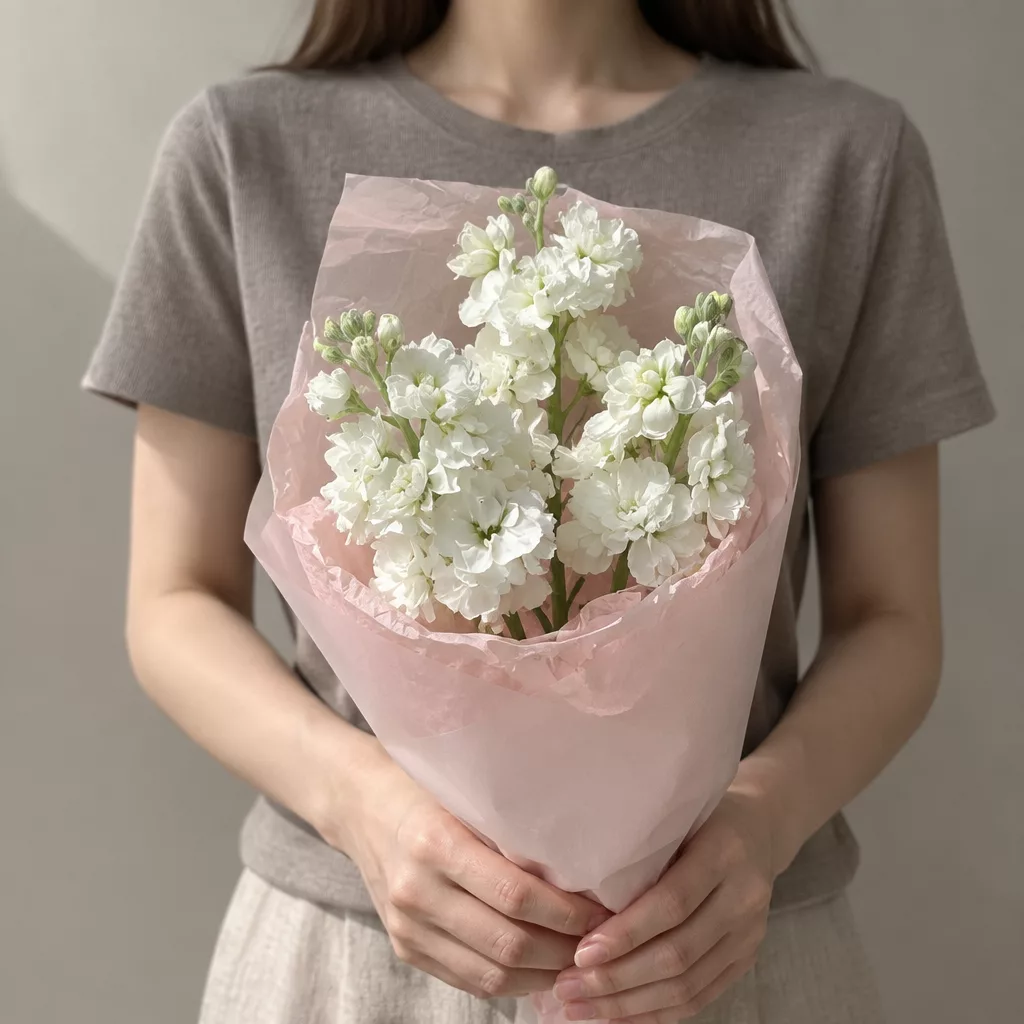
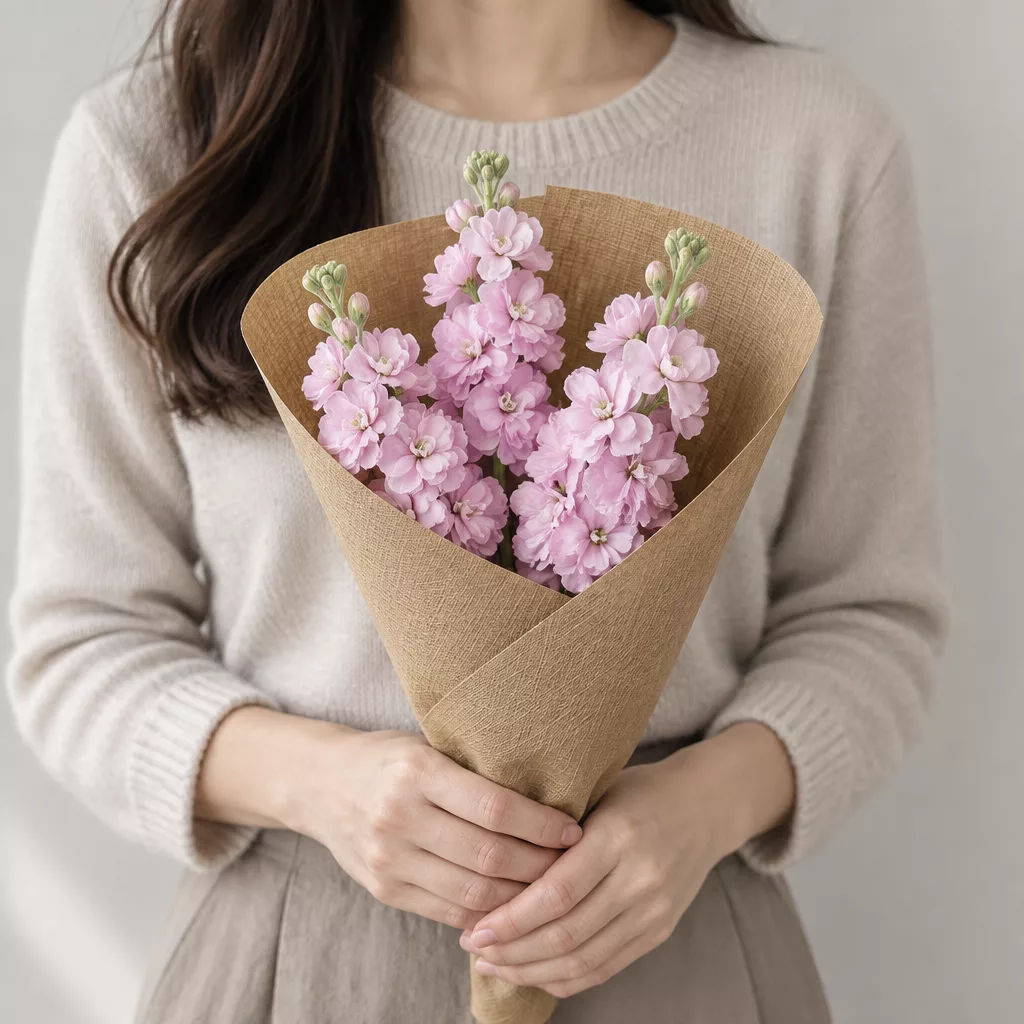
Bouquets we can deliver


Choosing the Right Occasion Tone for a Russian Recipient
Russian flower culture has its own rhythms, and understanding them helps you choose more meaningfully. Flowers are given far more frequently in Russia than in many Western countries — not just for birthdays and anniversaries but for teacher appreciation days, the first day of school, professional milestones, and even casual visits. If your recipient is Russian, they will read the bouquet instinctively: the size, the colours, and the flower types all communicate something.
Odd numbers of flowers are the standard for celebratory occasions. Even numbers carry a different cultural association and are avoided for happy events. This is not superstition so much as deeply embedded etiquette, and a good florist will always compose a bouquet with this in mind. You do not need to specify it — it should be the default.
Colour carries meaning too. Red roses signal romantic love clearly and universally. Soft pinks and whites read as tender and affectionate, ideal for a mother, grandmother, or close friend. Bright yellows and oranges feel energetic and celebratory, excellent for a birthday. Purple tones — think lisianthus or lavender — feel elegant and slightly more formal, well-suited to professional appreciation or a significant birthday milestone. Letting the occasion guide your colour palette, rather than just your personal preference, makes the bouquet feel personal to the recipient rather than generic.
Navigating Time Zones When Ordering from Outside Russia
This is the detail that catches most international senders off guard. Dubovka runs on Moscow Time, which is UTC plus three hours, and there is no daylight saving adjustment in Russia. If you are in New York, that is an eight-hour difference in winter and a nine-hour difference in summer. If you are in London, it is three hours ahead. Sydney is five or six hours behind Moscow Time, meaning your morning is already Dubovka's afternoon.
The practical consequence is that if you want flowers delivered at a specific time — say, when your recipient arrives home from work at six in the evening Dubovka time — you need to place your order well before that moment in your own time zone. A good rule is to order at least three to four hours before the desired delivery window, accounting for any processing time and the one-to-two hour delivery itself.
For surprise deliveries, timing is everything. If the recipient is at home all day, you have flexibility. If they are at work or out for the afternoon, you will want to coordinate the delivery window carefully. When you place your order, you can specify a preferred delivery time. Being precise about this — rather than leaving it open — dramatically increases the chance that the flowers arrive when the moment is right, not when the recipient has already left or gone to bed.
What to Order: Bouquets That Travel and Last
Not every flower is equally suited to delivery in a city like Dubovka, particularly in extreme temperatures. Russian summers can push well above thirty degrees Celsius in the Volgograd region, and winters regularly drop below minus fifteen. Both extremes affect how flowers survive transit, and choosing varieties with good durability makes a real difference to what the recipient unwraps.
Roses are the most reliable choice year-round. Garden roses with dense petals hold up particularly well. Spray roses — the smaller clustered variety — add texture and volume without adding fragility. Chrysanthemums, both standard and spray types, are extraordinarily hardy and last ten to fourteen days in a vase with proper care. Alstroemeria is another excellent choice: it opens gradually over several days, meaning the recipient gets a bouquet that evolves rather than peaks and drops immediately.
Avoid heavily tropical varieties like bird of paradise or anthuriums for winter deliveries, as temperature shock during transit can cause visible damage. Gerberas are beautiful but fragile; if included, they should be in mixed arrangements where other stems provide structural support. Peonies, when in season in late spring and early summer, are a spectacular choice and deeply beloved in Russian flower culture — a peony bouquet carries a sense of occasion that few other flowers match. Combining a dominant flower with supporting textures — eucalyptus, ruscus, or wax flower — adds depth and extends the overall vase life of the arrangement.
Budget Ranges and What They Look Like in the Vase
When ordering from abroad, it helps to understand what different investment levels actually produce — not in abstract price tiers but in the physical reality of what arrives at the door. A modest bouquet at the lower end of the range will typically be a single-variety arrangement: five to seven roses, or a cluster of spray chrysanthemums, wrapped simply and presented cleanly. It is a genuine, warm gesture and should never be underestimated.
A mid-range bouquet introduces combination: a focal flower like a rose or lisianthus paired with complementary blooms and greenery. The arrangement has more visual weight, more dimension, and a longer collective vase life because different flowers peak at different times. This is the range that tends to feel most considered — not extravagant, but clearly chosen rather than default.
At the higher end, you are looking at premium focal varieties — garden roses, peonies in season, large-headed ranunculus — combined with supporting blooms and styled presentation. These arrangements make an immediate impression when the door opens. The box or wrapping is part of the experience, and the overall composition reads as an event in itself rather than a passing gesture.
For international senders, the conversion from your home currency to rubles will vary, but the key is to think in terms of what the arrangement communicates rather than what it costs numerically. A thoughtfully composed mid-range bouquet will always outperform a larger but generic arrangement. Specificity of choice — a particular colour, a particular flower the recipient loves — matters more than sheer volume.
Writing a Message That Lands Well Across the Distance
The card message is often the last thing an international sender thinks about, and it is one of the most important. In Russia, a handwritten or printed card accompanying flowers is expected, not optional. Arriving without a message can leave the recipient uncertain — was this a mistake? Is it from who they think? A clear, warm message closes the loop and makes the gesture complete.
You can write in English if your recipient reads English comfortably, and many Russians, particularly younger generations, do. If you are unsure, keep the message simple enough that it could be understood even with basic English — or ask the shop to transliterate a short phrase into Russian for you. Even a single sentence in Russian, however imperfect, lands with warmth.
Avoid overly formal or corporate phrasing. Russian emotional culture tends toward directness and warmth rather than polished distance. Saying exactly what you feel — that you are thinking of them, that you wish you could be there, that you are proud of them — reads as genuine rather than sentimental. Specific references work beautifully: mentioning why today matters, or naming a memory you share, transforms a card from a formality into the actual heart of the gift.
Keep the message under fifty words if possible. Longer messages sometimes get truncated on small cards, and the most powerful sentiments are usually the briefest ones. Read it aloud once before you submit — if it sounds like you, it is right.
After Delivery: Helping Your Recipient Care for Their Flowers
Once the flowers are delivered, their lifespan depends almost entirely on what happens in the first hour. Most recipients in Russia know the basics, but if your recipient is younger or simply not accustomed to fresh flowers, a brief note with the bouquet — or a quick message from you — can make a significant difference to how long the arrangement lasts.
The essentials are straightforward. Stems should be cut at a diagonal, about two centimetres from the bottom, using a sharp knife rather than scissors, which can crush the vascular tissue. The vase should be filled with cool, clean water — not cold, not warm. Flower food sachets, if included with the delivery, should be dissolved in the water before the stems go in. The arrangement should be kept away from direct sunlight, radiators, and fruit bowls, as ripening fruit releases ethylene gas which accelerates petal drop.
Water should be changed every two days, with a fresh diagonal cut each time. Removing any leaves that fall below the waterline prevents bacterial growth, which is the primary reason flowers fade faster than they should. With this routine, roses will last seven to ten days, chrysanthemums ten to fourteen, and alstroemeria up to two weeks.
In Dubovka's hot summers, keeping the arrangement in the coolest room overnight — or even briefly in the refrigerator, away from fruit — can meaningfully extend vase life. This is not fussiness; it is simply the difference between flowers that peak on day three and flowers that are still beautiful on day eight.
Sending flowers to Dubovka from abroad is less complicated than it sounds, and far more meaningful than it might seem from a distance. The key is treating the order with the same care you would if you were standing in a flower shop yourself: thinking about who the person is, what the moment calls for, what colours and textures they would love, and what the card should say. The logistics — the time zones, the delivery window, the temperature considerations — are things an experienced shop handles on your behalf. What only you can provide is the intention behind it. Get that right, and the flowers will do the rest.
Frequently asked questions
Can I order flowers for Dubovka if I do not speak Russian?
Yes, entirely. The ordering process can be completed in English, and you can write your card message in English as well. If you would like a short phrase translated or transliterated into Russian for the card, simply note it in your order comments. The delivery itself requires no language skills from you — only the recipient's address and a contact phone number.
How far in advance should I place my order from a different time zone?
Ideally, place your order at least three to four hours before the delivery window you want, accounting for the time difference. Dubovka runs on Moscow Time, UTC plus three hours. If you are in a time zone significantly behind Moscow, placing your order the evening before your local time is a safe approach that gives you the most flexibility over the delivery window.
What flowers are best to send to Dubovka in summer when it is very hot?
In summer, prioritise hardy varieties: roses, spray roses, chrysanthemums, and alstroemeria all handle heat better than delicate blooms. Avoid heavily tropical flowers or thin-petalled varieties that are sensitive to temperature swings during transit. A well-composed bouquet of roses with eucalyptus or ruscus greenery is a reliable, beautiful choice that will survive the journey and last well in the vase.
Is it acceptable to send flowers to someone in Russia for a non-birthday occasion?
Absolutely — in Russian culture, flowers are given far more broadly than in many other countries. Professional achievements, teacher appreciation, returning from a long trip, a new home, or simply wanting someone to know you are thinking of them are all entirely appropriate reasons to send flowers. There is no need for a formal occasion. The gesture is understood and warmly received in almost any positive context.
Can I include a gift alongside the flowers for delivery to Dubovka?
Yes, many orders include add-ons such as a box of chocolates, a soft toy, or a balloon alongside the bouquet. These can be selected during the ordering process. Keeping the add-on simple and lightweight ensures it travels well alongside the arrangement. A small, thoughtful extra can make the delivery feel like a complete celebration rather than a single gesture.
Ready to send flowers?
Pick the city, choose the bouquet, and a local florist takes it from there.
Choose a city →