Sending Flowers to Dyatkovo from Abroad? Read This First
Dyatkovo is a small city in the Bryansk region, known for its crystal glassworks and its quietly proud residents who genuinely appreciate a thoughtful gesture from far away. If you are sitting in London, Berlin, New York or Tel Aviv trying to send flowers to someone there, the distance feels enormous — but the actual process does not have to be. What matters is knowing a few things about timing, Russian flower customs, and what grows well in the conditions of central Russia, so that your bouquet arrives looking exactly as you imagined it.
Why Dyatkovo Is Worth the Extra Effort to Get Right
Dyatkovo sits roughly 340 kilometres south-west of Moscow, in a region where winters are genuinely cold and summers are warm but short. It is not a city that receives flowers from abroad every day, which means a well-chosen bouquet lands with real impact. The recipient will almost certainly tell people about it — flowers here carry social weight in a way that can feel unfamiliar to senders from Western Europe or North America.
Russians generally treat a delivered bouquet as a formal statement of care. The presentation matters as much as the flowers themselves. A loosely wrapped bunch in plain paper reads very differently from a structured arrangement in kraft or fabric wrapping with a ribbon. If you are sending to mark a birthday, a professional milestone, or a family celebration, the packaging signals that you took the occasion seriously.
Dyatkovo's population skews toward people with deep roots in the area — many families have lived there for generations. Gestures that feel small in a large city feel significant here. A bouquet delivered to a home or workplace becomes a talking point. Getting the flowers right, choosing varieties that hold well and colours that suit the person, is not overthinking it. It is simply understanding the place.
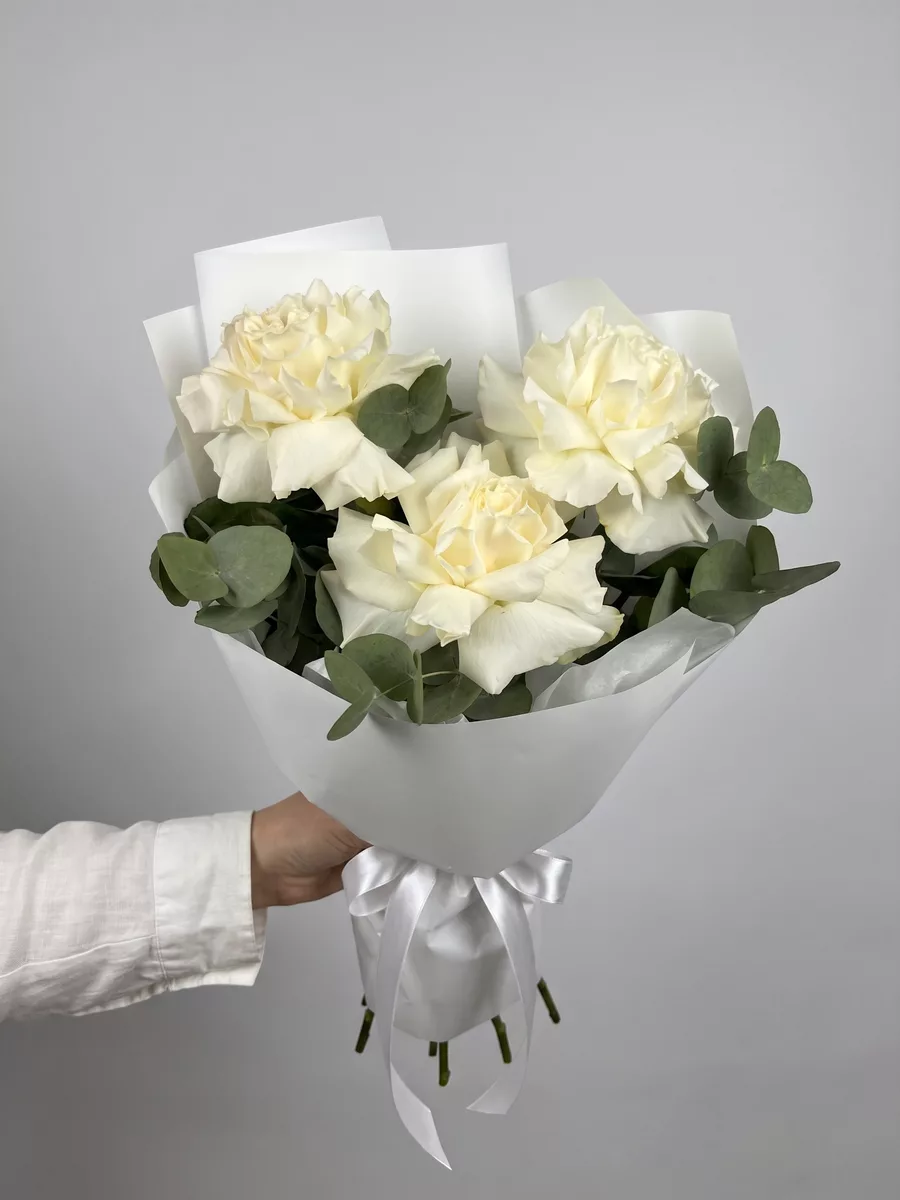
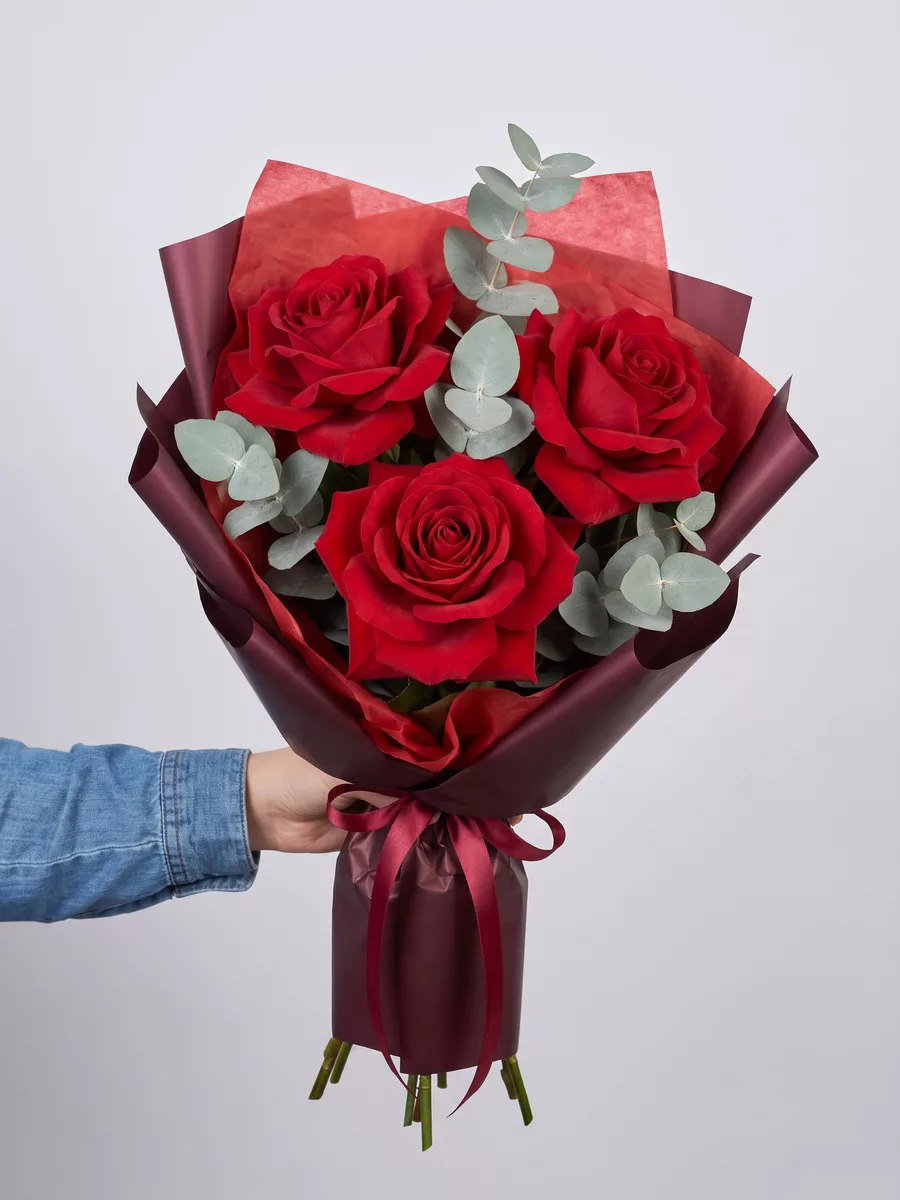
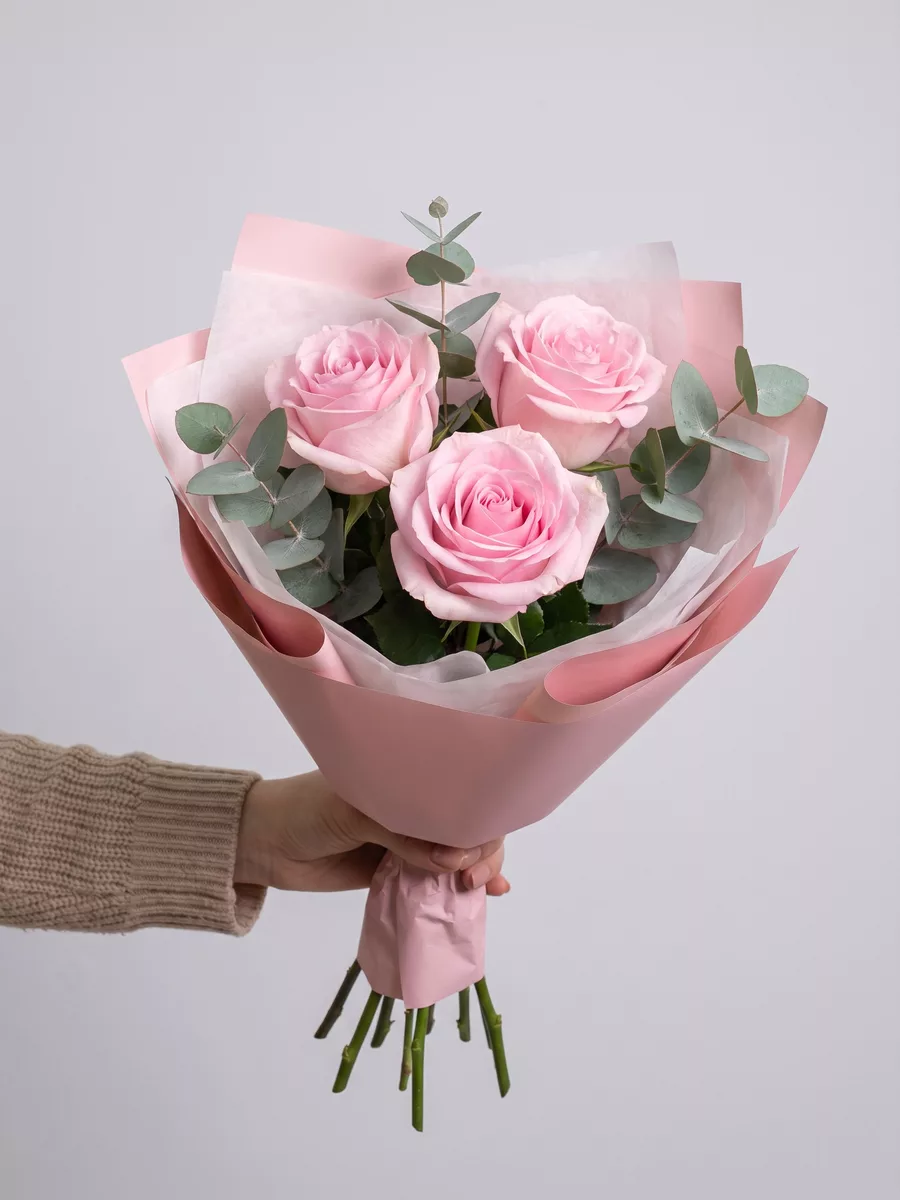
Bouquets we can deliver

Timing Your Order Across Time Zones
This is where most international senders make their first mistake. Dyatkovo operates on Moscow Standard Time, which is UTC+3 year-round — Russia does not observe daylight saving. That means if you are in New York, you are nine hours behind. If you are in London in winter, you are three hours behind; in summer, two. A birthday that starts at nine in the morning in Dyatkovo may require you to place your order the previous evening from North America.
Turboflora delivers within one to two hours of order confirmation, but the order still needs to be placed during operational hours. If you want flowers to arrive before noon on a specific date, work backwards from Dyatkovo time and place your order accordingly. A celebration lunch at one in the afternoon local time means flowers should arrive by twelve, which means ordering by ten at the latest — and from New York that is one in the morning your time. Setting a calendar reminder the evening before is not excessive; it is practical.
For major occasions like anniversaries or significant birthdays, consider ordering a day ahead and specifying a morning delivery window. This removes the time-zone pressure entirely. It also gives the florist flexibility to source the freshest stems available that morning rather than working against a tight same-day clock. The extra day of planning almost always produces a better result.
Choosing Flowers for the Dyatkovo Climate
Dyatkovo winters run from November through March, with temperatures regularly dropping to minus ten or minus fifteen Celsius. This matters for flower choice. Delicate tropical blooms like anthuriums or bird of paradise can suffer even during the short journey from a vehicle to a front door in severe cold. For winter deliveries, roses, chrysanthemums, alstroemerias and spray carnations are far more resilient. They tolerate brief cold exposure without bruising or blackening at the petal edges.
Spring in Dyatkovo brings tulips into season, and from late March through May they are genuinely at their best — locally meaningful, affordable in volume and visually generous. A large bunch of tulips in a single bold colour, say deep violet or coral, makes a stronger impression than a mixed arrangement at the same price point. Peonies arrive in late May and June, and they are enormously popular for birthdays and celebrations during that window.
Summer allows for more variety. Lisianthus, eustoma and garden roses hold well in moderate temperatures and travel reliably. Sunflowers are cheerful and culturally resonant in Russia — they appear at markets and kitchen tables throughout July and August. Autumn calls for warmer tones: burgundy chrysanthemums, orange roses, hypericum berry branches and leucadendron all photograph beautifully and last well in cooler indoor temperatures. Matching the flower to the season is not just aesthetics; it is the difference between a bouquet that lasts five days and one that lasts ten.
Russian Flower Customs an International Sender Should Know
The most important rule, and the one that surprises people most: always send an odd number of flowers. Even numbers of flowers are associated with mourning in Russian tradition and are brought to cemeteries. This is not a regional quirk specific to Dyatkovo — it applies across Russia. A bouquet of eleven roses or twenty-one tulips is celebratory. A bouquet of ten or twenty reads as a serious cultural misstep. When in doubt, let the florist count; a professional will never send an even number for a celebration.
Colour carries meaning too, though less rigidly than the odd-number rule. Yellow flowers have historically been associated with separation or farewell in Russian folk tradition, though this association is fading among younger generations in cities. In a smaller city like Dyatkovo, where older customs persist more strongly, it is safer to avoid all-yellow arrangements unless you know the recipient well and know they have no feeling about it. A mixed bouquet that includes yellow among other colours is generally fine.
Red roses are unambiguously romantic. Sending a large red rose bouquet to a colleague or a friend's mother will be read as a declaration, not a compliment. For professional or family relationships, choose pinks, whites, peaches or mixed seasonal palettes. White flowers are elegant and appropriate for most occasions except, as noted, anything related to loss. For a birthday, an anniversary or a new home, white roses or white lisianthus paired with greenery is a sophisticated and well-received choice.
What to Write on the Card When You Are Far Away
A card message from abroad carries its own particular warmth. The recipient knows you thought of them across a significant distance, and that context makes even a simple message feel meaningful. You do not need to write in Russian — a message in English, French, German or any other language can be transcribed as written, and many recipients in Russia appreciate seeing the original language as part of the gesture.
If you want to include a Russian phrase, keep it simple and phonetically safe. 'S dnyom rozhdeniya' means happy birthday. 'Pozdravlyayu' means congratulations. 'S lyubovyu' means with love. These are easy to copy correctly and will be genuinely appreciated. Avoid attempting longer phrases unless you are confident in the transliteration, as a garbled message can read as comic rather than heartfelt.
Be specific rather than general in your card text. 'I thought about you today and wanted you to know' lands better than 'Wishing you all the best.' Mention the occasion by name, say something particular to the person, and sign with your name clearly. Cards that arrive with flowers from abroad are often kept — recipients in smaller cities sometimes display them. A message that sounds like it was written by a real person rather than copied from a template is the one that gets remembered.
Keep the card message under fifty words. Longer messages on small cards become difficult to read and the warmth gets lost in the density.
Bouquet Combinations That Work Well as Gifts
For a woman's birthday in Dyatkovo, one of the most reliably received combinations is garden roses in blush or cream paired with eucalyptus and white waxflower. It reads as considered and elegant without being overly formal. The eucalyptus scent adds a sensory dimension that photographs do not capture but the recipient will notice immediately upon receiving the bouquet. This combination also holds well in a vase for seven to nine days with basic care.
For a younger recipient — a student, a daughter, a niece — a bright seasonal mix works better than something structured. Anemones in late winter, ranunculus in spring, or a loose gathering of spray roses and limonium in summer all feel more personal and less corporate. Volume matters here too: a generous bunch of twenty-five stems in a casual wrap feels like abundance, which is the right emotional register for a young person's celebration.
For men, which is a question international senders often have, bouquets are absolutely appropriate in Russian culture — perhaps more so than in some Western countries. A structured arrangement of large-headed chrysanthemums in white and burgundy, or a bold grouping of dark red roses with minimal greenery, reads as strong and deliberate rather than feminine. Succulents or tropical foliage mixed with sturdy stems like protea or anthurium also work well for men who appreciate something architectural. The key is avoiding anything that looks fragile or pastel-delicate, and instead choosing flowers with visual weight.
Helping the Recipient Care for Their Flowers
Most people in Russia know the basics of flower care, but a note in your card or a message sent separately can extend the life of the bouquet noticeably. The single most effective instruction is to recut the stems at a forty-five-degree angle under running water before placing them in the vase. This removes the air lock that forms at the cut end during transport and allows the flower to drink immediately.
Water temperature matters more than most people realise. Lukewarm water, around room temperature, is absorbed more efficiently than cold water for most cut flowers. The exception is tulips, which prefer cool water and will last longer in a vase kept away from heat sources. Roses and chrysanthemums do well in slightly warm water with a small amount of sugar dissolved in it — roughly one teaspoon per litre — if no commercial flower food is available.
Dyatkovo homes in winter are heated to comfortable indoor temperatures, typically between twenty and twenty-three Celsius. This is warm enough to shorten vase life significantly if the bouquet sits near a radiator or in direct sunlight from a window. Advising the recipient to keep the flowers in a cooler part of the room, away from heating vents, can add two or three days to the display.
Changing the water every two days and removing any leaves that sit below the waterline prevents bacterial growth, which is the main cause of premature wilting. These small steps, communicated kindly, show that you thought about the flowers not just as a gift but as a living thing worth caring for.
Sending flowers to Dyatkovo from abroad is a gesture that carries more weight than you might expect. In a city where grand gestures are uncommon, a well-chosen bouquet arriving on a birthday morning or a celebration afternoon becomes part of how that day is remembered. The practical details — time zones, odd numbers, seasonal varieties, card wording — are all learnable in a few minutes, and getting them right transforms the gift from a nice thought into something the recipient will genuinely talk about. Turboflora handles the logistics from Saint Petersburg, delivering fresh flowers across Russia including Dyatkovo within one to two hours of your order, so the distance between you and the person you are celebrating does not have to feel quite so large.
Frequently asked questions
Can I order flowers for Dyatkovo delivery if I do not speak Russian?
Yes, entirely. Turboflora's website and ordering process are accessible to international customers. You can write your card message in any language and it will be delivered as written. You do not need to translate anything or communicate in Russian at any point during the order process.
How far in advance should I place my order from a different time zone?
For a specific morning delivery, place your order at least twelve hours ahead of the desired arrival time, accounting for Dyatkovo's UTC+3 time zone. For same-day delivery, order before midday Dyatkovo time. If you are unsure about the time difference, ordering the day before removes the pressure entirely and often results in better flower selection.
Is it acceptable to send flowers to a man in Russia?
Absolutely. Bouquets for men are common and well-received in Russian culture, particularly for birthdays, professional achievements and significant anniversaries. Choose structured arrangements with bold, sturdy flowers — dark roses, large chrysanthemums or tropical stems — rather than delicate pastel combinations, and the gesture will land perfectly.
Why does the number of flowers matter so much?
In Russian tradition, even numbers of flowers are associated with mourning and are brought to graves. Sending an even-numbered bouquet for a celebration is considered a serious cultural error. Always choose an odd number — seven, eleven, fifteen, twenty-one or more. Turboflora's florists always apply this rule automatically for celebration orders.
What flowers last longest in a Dyatkovo home during winter?
Chrysanthemums, alstroemerias and spray carnations are the most durable in heated Russian interiors during winter, typically lasting ten to fourteen days with basic care. Roses last seven to ten days. Tulips are shorter-lived at five to seven days but are beloved enough to be worth sending. Keeping flowers away from radiators significantly extends vase life for all varieties.
Ready to send flowers?
Pick the city, choose the bouquet, and a local florist takes it from there.
Choose a city →