Sending Flowers to Fokino from Abroad Without the Guesswork
Fokino is a quiet city in Primorsky Krai, tucked into the far east of Russia, and when someone you love lives there, distance has a way of making every occasion feel heavier. Ordering flowers from London, Berlin, Tokyo, or New York sounds complicated — time zones, unfamiliar customs, language barriers — but it does not have to be. This guide walks you through everything a sender outside Russia needs to think about, from choosing the right bouquet to getting it to the door while it is still fresh and beautiful.
Why Fokino Is Different from Sending Flowers to a Big City
Fokino sits on the Shkotovsky Peninsula along Ussuri Bay, and its geography shapes everything about flower delivery there. The city is small and close-knit, which means a bouquet arriving at someone's door is a genuinely noticeable gesture — neighbours see it, colleagues hear about it, and the recipient feels it more intensely than they might in a crowded metropolis. That intimacy is worth understanding before you order.
The climate in Primorsky Krai is continental with a strong maritime influence. Summers are humid and warm, winters are cold and dry, and the seasonal swings are real. A bouquet that travels through a February frost needs different handling than one delivered on a warm August afternoon. Flowers that are sealed and conditioned properly before dispatch will survive these extremes, but choosing hardy varieties makes a meaningful difference.
Because Fokino is geographically remote from central Russia, flowers are sourced and dispatched with the logistics of the far east in mind. Turboflora delivers across Russia, including to Fokino, within one to two hours of order confirmation. For a sender abroad, the key is placing the order at the right local time — which we will cover in detail — and trusting that the cold chain is maintained from the moment the bouquet is assembled to the moment it reaches the recipient's hands.
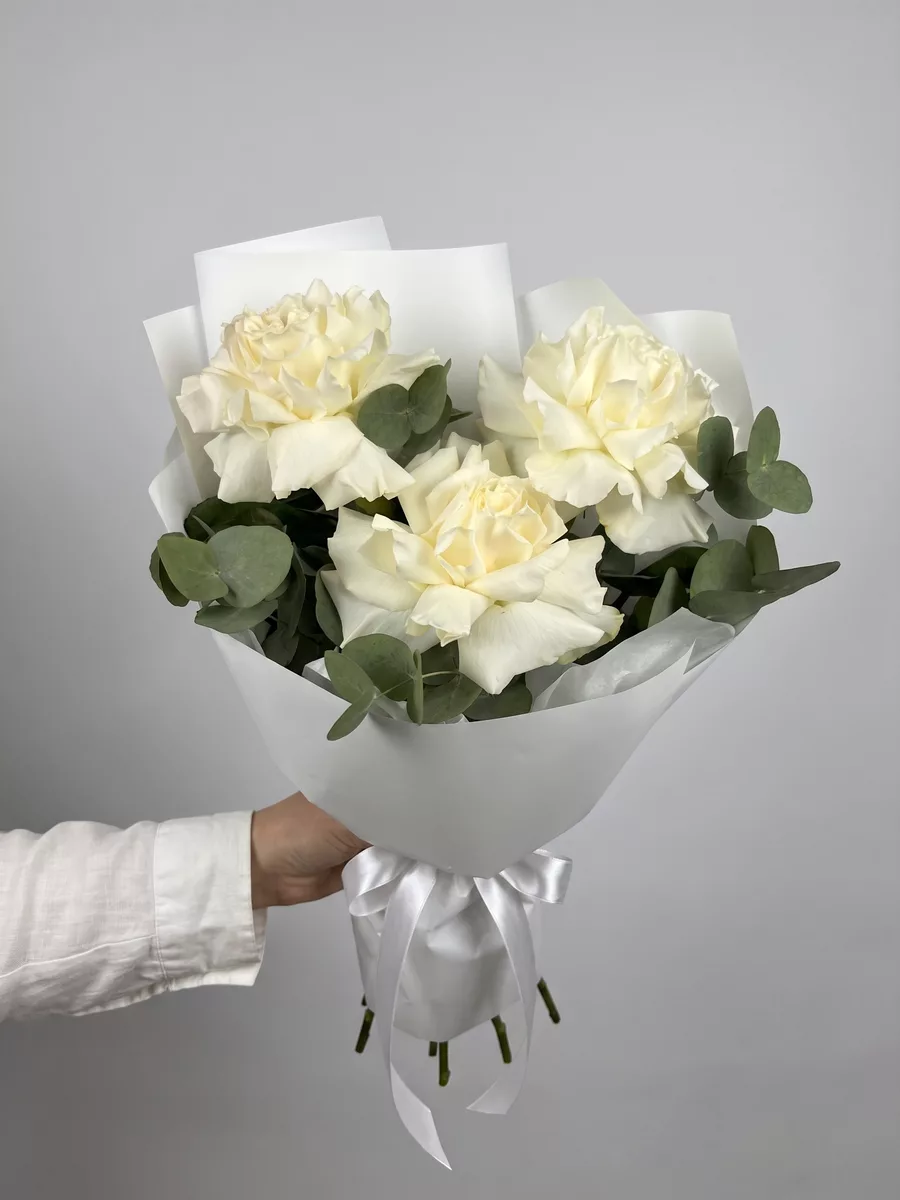
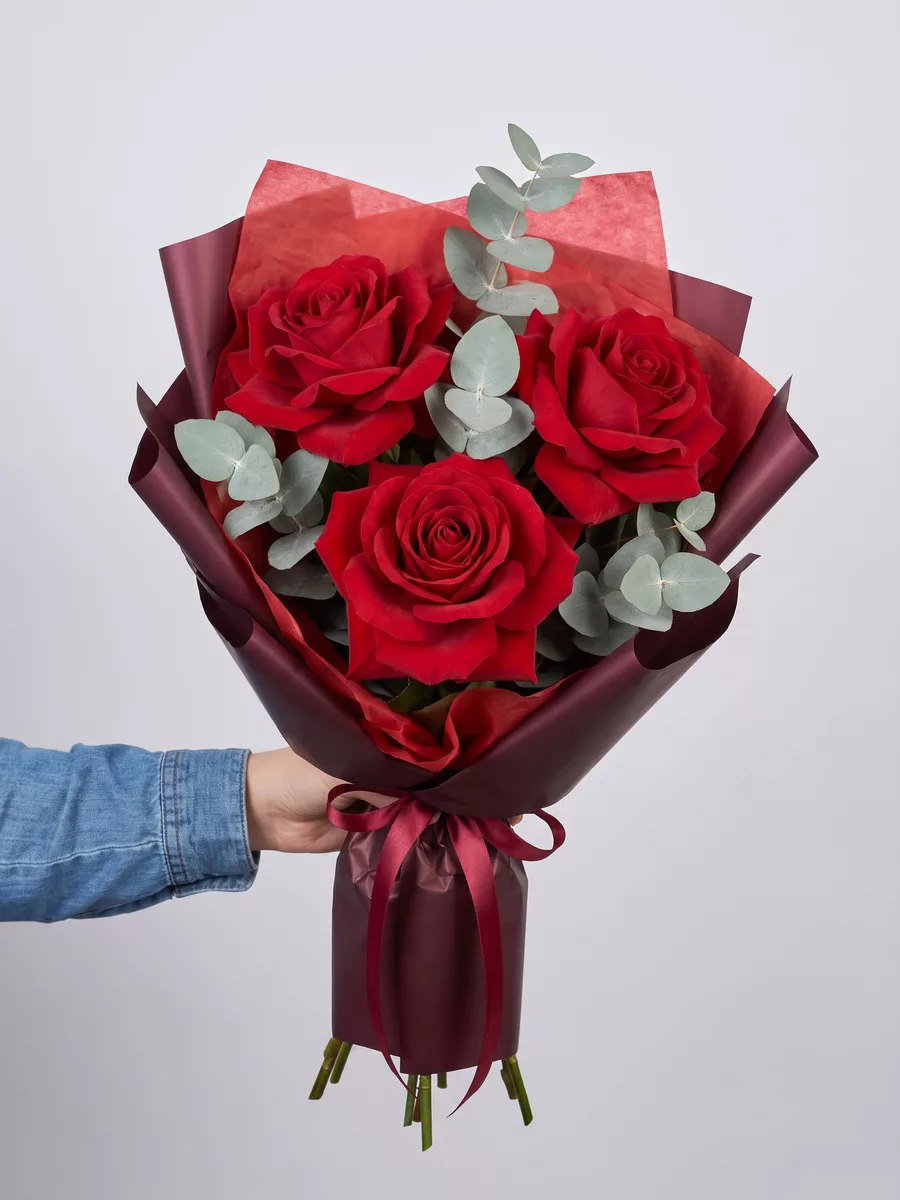
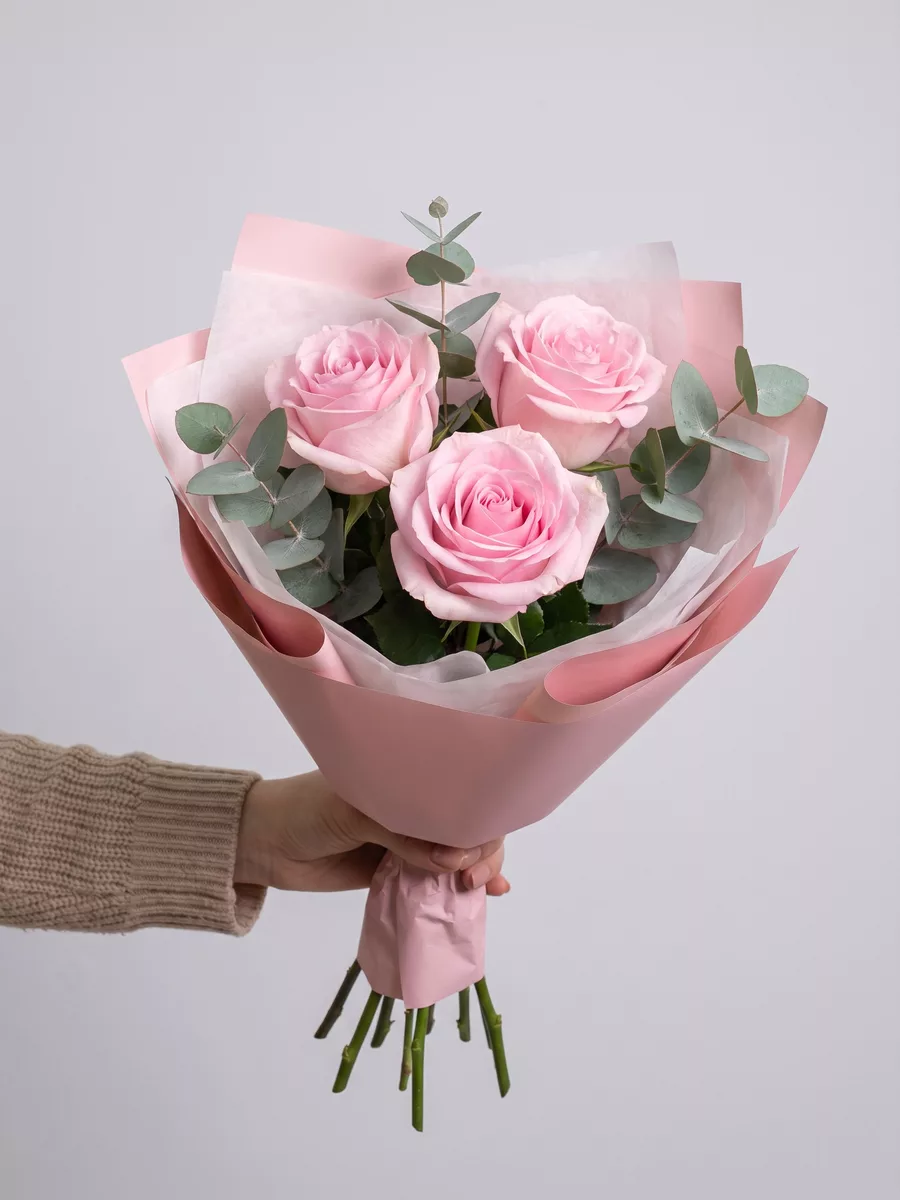
Bouquets we can deliver

Reading the Clock: Time Zones and the Best Moment to Order
Fokino operates on Vladivostok Time, which is UTC plus ten hours. That puts it eleven hours ahead of Central European Time in winter, and significantly further ahead of North American time zones. If you are ordering from New York, Fokino is thirteen hours ahead. From Tokyo, it is just one hour ahead, which makes Japan one of the easiest places to send flowers to the Russian far east without losing sleep over timing.
The practical rule is simple: think about when you want the flowers to arrive at the recipient's door, then count backwards. If you want delivery at noon Fokino time on a Saturday, you need to place the order before noon Fokino time — which might be eleven in the evening on Friday in Paris, or two in the afternoon on Friday in Los Angeles. Writing this down before you open the order form saves confusion.
Avoid scheduling delivery in the early morning hours in Fokino, typically before nine. Even when delivery is technically possible, recipients who receive flowers before they are dressed and ready for the day often feel caught off guard rather than delighted. Mid-morning to early evening, roughly ten until seven, is the window that feels natural and celebratory. For surprise deliveries to a workplace, aim for before one in the afternoon so the recipient has colleagues around to share the moment — that shared reaction is part of the gift.
Russian Flower Customs a Sender from Abroad Should Know
Russia has a few flower traditions that differ noticeably from Western European or North American norms, and knowing them helps you order with confidence rather than accidentally sending the wrong message.
The most important rule is the odd number. Bouquets in Russia are always given in odd numbers — five roses, seven stems of lisianthus, eleven peonies. Even numbers are associated with mourning and are reserved for solemn occasions. When you place an order and select a quantity, always choose an odd number. If you are ordering a pre-arranged bouquet, reputable florists follow this convention automatically, but it is worth confirming if you are customising.
Colour carries meaning too, though the associations are softer than the number rule. Red roses are romantic and passionate — ideal for a partner, less appropriate for a grandmother or a professional colleague. White flowers read as elegant and sincere across many occasions. Yellow flowers were once considered unlucky in Soviet-era thinking, but that association has faded considerably among younger Russians, particularly in cities. Still, if you are unsure of your recipient's generation or preferences, a mix of blush pinks, whites, and soft purples is universally safe and genuinely beautiful.
Wrapping matters as well. In Russia, bouquets are typically presented wrapped rather than in a box, and the paper or fabric wrapping is considered part of the gift. A well-dressed bouquet with a ribbon and a handwritten card feels complete in a way that a bare bunch of stems does not. Always include a card message — even a short one in English is warmly received.
Choosing Flowers That Travel and Last in Fokino's Climate
Not every flower handles the conditions of the Russian far east equally well. When you are ordering from abroad and cannot inspect the bouquet yourself, choosing varieties known for resilience gives you peace of mind and gives your recipient a longer-lasting gift.
Roses are the most reliable choice year-round. Ecuadorian and Kenyan roses, which make up the majority of premium stems available in Russia, are bred for long vase life and handle temperature variation well when properly hydrated. A bouquet of garden roses in blush or cream will look full and lush for seven to ten days if the recipient trims the stems and changes the water every two days.
Lisianthus, sometimes called eustoma, is another excellent option. It looks like a delicate peony but is far sturdier, with a vase life of up to two weeks. Chrysanthemums are deeply embedded in Russian floral culture and are exceptionally long-lasting — if your recipient is older or more traditional, a bouquet featuring chrysanthemums will feel familiar and generous. Alstroemeria is affordable, colourful, and lasts well over a week.
In summer, sunflowers are joyful and widely loved in Russia. In autumn, dahlias and spray roses work beautifully together. In winter and early spring, tulips from Dutch growers arrive in excellent condition and carry a sense of warmth and optimism that feels particularly welcome in the colder months. Avoid tropical flowers like anthuriums or birds of paradise for Fokino in winter — they are sensitive to cold and may arrive stressed even with good packaging.
How to Write a Card Message That Lands Well Across the Distance
The card is often the part of the order that international senders think least about, and yet it is what the recipient reads first, holds longest, and sometimes keeps for years. A few minutes spent on the message makes the entire bouquet more meaningful.
If you write in English, do not worry. English is widely understood among younger Russians and is received as a sincere gesture from someone abroad. If you want to include a line in Russian, simple phrases transliterate well: 'S lyubovyu' means 'with love,' 'Pozdravlyayu' means 'congratulations,' and 'Schastya tebe' means 'happiness to you.' You do not need to be fluent — one warm phrase in Russian alongside your message in English shows effort and care.
Keep the message personal rather than generic. Instead of 'Happy Birthday,' try 'I thought of you the moment I saw these — happy birthday from across the world.' That specificity is what transforms a card from a formality into something the recipient actually feels. Mention the occasion, the feeling, and if it suits, the distance — acknowledging that you are far away but thinking of them is itself a meaningful thing to say.
Avoid very long messages on the card. Three to five sentences is ideal. If you have more to say, send a letter or a voice message separately and reference it on the card. The bouquet and the card together create the first impression; everything else can follow.
Occasions When Sending Flowers to Fokino Makes the Most Impact
Russians celebrate many of the same occasions as the rest of the world — birthdays, anniversaries, new babies, professional achievements — but there are also distinctly Russian dates that an international sender might not immediately think of.
The eighth of March, International Women's Day, is one of the biggest flower-giving occasions in Russia, often surpassing Valentine's Day in scale. Nearly every woman receives flowers on this date — from partners, children, colleagues, and friends. If you have a mother, sister, friend, or colleague in Fokino, sending flowers on the eighth of March is one of the most culturally resonant things you can do from abroad.
New Year in Russia is celebrated on the first of January and is the most important holiday of the year, roughly equivalent to Christmas in Western Europe. Flowers are a wonderful New Year gift — white lilies, red roses, and winter greenery all work beautifully. The twenty-third of February is Defender of the Fatherland Day, a holiday when men are typically celebrated, though flowers are less traditional for this occasion.
Beyond calendar dates, think about the moments that matter to your specific recipient. A promotion, a university graduation, a recovery from illness, a difficult week that you know about from a phone call — these personal occasions often mean more than public holidays. A bouquet that arrives unexpectedly on an ordinary Tuesday, simply because you were thinking of someone, is frequently described by recipients as the most touching flower gift they have ever received.
What Happens After Delivery: Helping Your Recipient Care for the Bouquet
When you are thousands of kilometres away, you cannot trim the stems yourself or remind your recipient to change the water. But you can include care instructions in your card or follow up with a quick message after delivery. A little guidance significantly extends vase life and keeps the bouquet looking beautiful for longer.
The most important step is the first one: as soon as the bouquet arrives, the recipient should unwrap it, cut one to two centimetres off each stem at a diagonal angle, and place it immediately in a clean vase with fresh, room-temperature water. Diagonal cuts increase the surface area for water uptake. This single action can add two to three days to the life of almost any bouquet.
The vase should be kept away from direct sunlight, radiators, and draughts — all of which accelerate wilting. In Fokino's dry winter interiors, where central heating runs warm, placing the vase in a cooler part of the room overnight makes a real difference. Water should be changed every two days, and any leaves sitting below the waterline should be removed to prevent bacterial growth.
For roses specifically, if the heads begin to droop before the stems have wilted, the recipient can re-cut the stems under running water and wrap the entire bouquet loosely in newspaper for two hours — this revives them surprisingly well. Lisianthus and alstroemeria need almost no intervention and simply continue opening over the course of a week, which makes them particularly good choices when you cannot provide ongoing care guidance to the recipient.
Sending flowers to Fokino from abroad is not as complicated as the distance might suggest. The time zone arithmetic takes a moment to work out, the cultural customs are easy to follow once you know them, and choosing sturdy, well-loved varieties means your bouquet arrives looking exactly as you imagined. What matters most is the intention behind the order — someone far away taking the time to send something real, something that can be held and smelled and placed on a table. That gesture crosses any distance.
Frequently asked questions
Can I place an order in English on the Turboflora website?
Yes. The order process is straightforward, and you can write your card message in English — it will be printed exactly as you write it. If you need help selecting a bouquet for a specific occasion or recipient, reaching out via the site's contact form in English works well. Turboflora handles international senders regularly and is accustomed to the questions that come with ordering across time zones.
How far in advance should I place my order from abroad?
For a specific delivery time, placing your order at least three to four hours before the desired arrival window in Fokino is a safe approach. This accounts for time zone calculations and any confirmation steps. For major Russian holidays like the eighth of March or New Year, ordering a day or two in advance is strongly recommended, as demand increases significantly and early orders allow for better bouquet preparation.
Is it possible to send flowers to a Fokino address I am not completely sure of?
A complete street address including the apartment number is essential for delivery in Fokino. If you are missing the apartment number, contact your recipient casually before ordering — most people do not guess the reason. An incorrect address causes delays and, in extreme temperatures, can affect flower condition. Double-checking the postcode against the street name is also worthwhile, as errors in transliteration between Russian and Latin script are common.
What flowers are available in Fokino in winter?
Winter availability in Fokino is good for roses, lisianthus, chrysanthemums, alstroemeria, and carnations — all of which are imported through established cold-chain routes and arrive in excellent condition. Tulips from Dutch growers are available from late January onwards and are particularly popular. Tropical varieties are less advisable in deep winter due to cold sensitivity. A classic rose bouquet in red, white, or blush is the most dependable winter choice.
Will the recipient know the price of the bouquet?
No pricing information appears on the bouquet, the wrapping, or the card. The delivery is presented simply as a gift, which is standard practice. If the recipient asks how much was spent, that is entirely your conversation to have — but the flowers themselves carry no price tag. This is consistent across all Turboflora deliveries, whether the sender is in the same city or on the other side of the world.
Ready to send flowers?
Pick the city, choose the bouquet, and a local florist takes it from there.
Choose a city →