Sending Flowers to Gay from Abroad? Here Is Everything That Matters
You are somewhere outside Russia — maybe in Berlin, Dubai, or New York — and someone you care about is in Gay, a city in the Orenburg region of the southern Urals. You want to send them flowers that arrive fresh, look beautiful, and feel personal. The distance feels enormous, but the gesture does not have to be complicated. What you actually need is the right information upfront, so nothing is left to guesswork on the day that matters.
What Makes Gay Different as a Delivery Destination
Gay sits in the Orenburg region, close to the border with Kazakhstan, in a part of Russia that experiences a strongly continental climate. Summers are hot and dry, winters are genuinely cold. This matters for flowers more than most people realise. In July and August, a bouquet left in direct sunlight for even twenty minutes will begin to wilt, so timing your delivery to land in the cooler part of the day — morning or early evening — is a practical choice worth making. In January and February, the reverse is true: extreme cold can damage delicate petals during transit, which is why robust, thick-petalled flowers handle the season better than thin, open blooms.
Gay is not a small village, but it is not a metropolitan hub either. It is a city with its own rhythm, and the people there appreciate a thoughtful gesture just as much as anyone in Moscow or Saint Petersburg. The difference is that recipients in smaller Russian cities are often pleasantly surprised by a high-quality arrangement, because it is not something they encounter every day. That surprise is part of the gift.
For a sender abroad, the key practical point is that you are ordering across time zones. Gay operates on Yekaterinburg Time, which is UTC plus five. When you place your order, factor that offset in. If you are in Western Europe, Gay is four hours ahead of you. If you are on the US East Coast, Gay is eight hours ahead. Getting the timing right is the single most important step before you even think about which flowers to choose.
Bouquets we can deliver

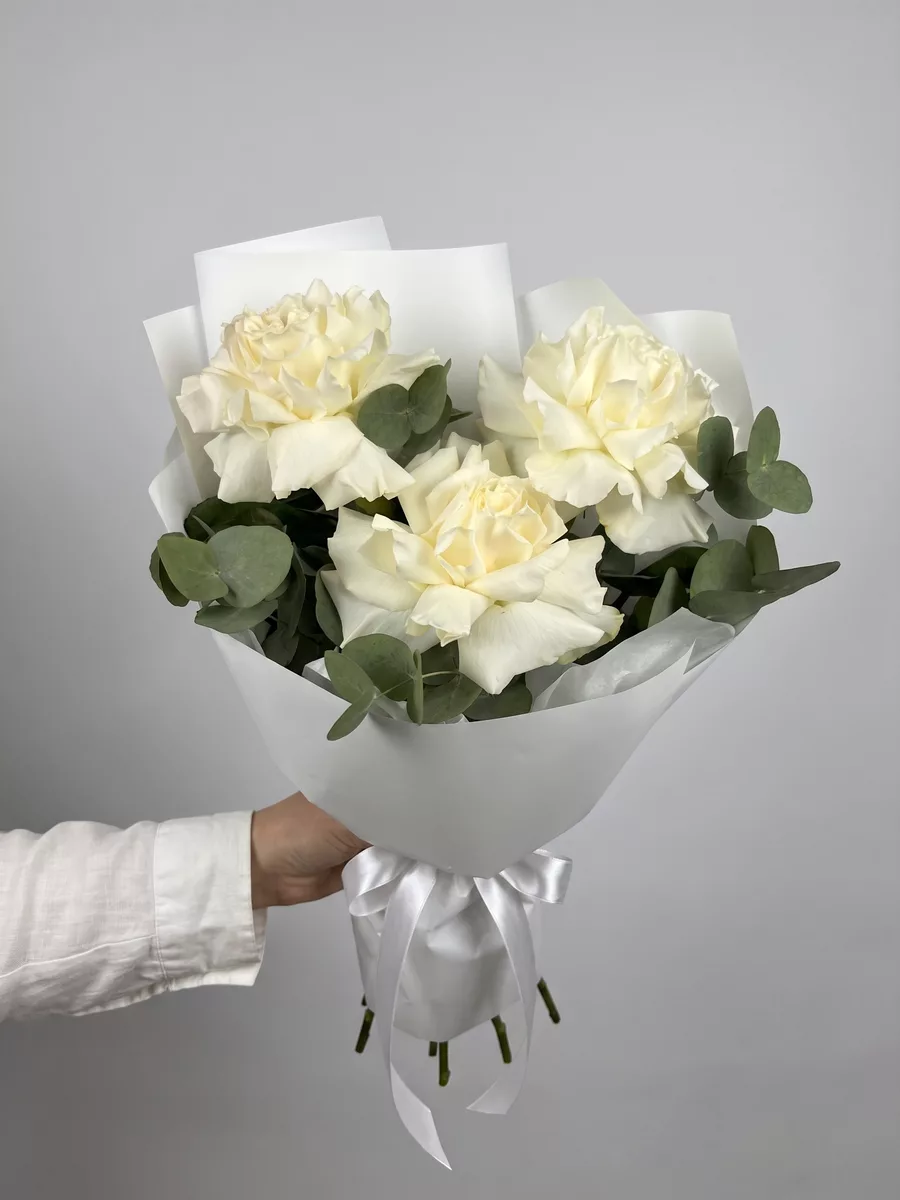
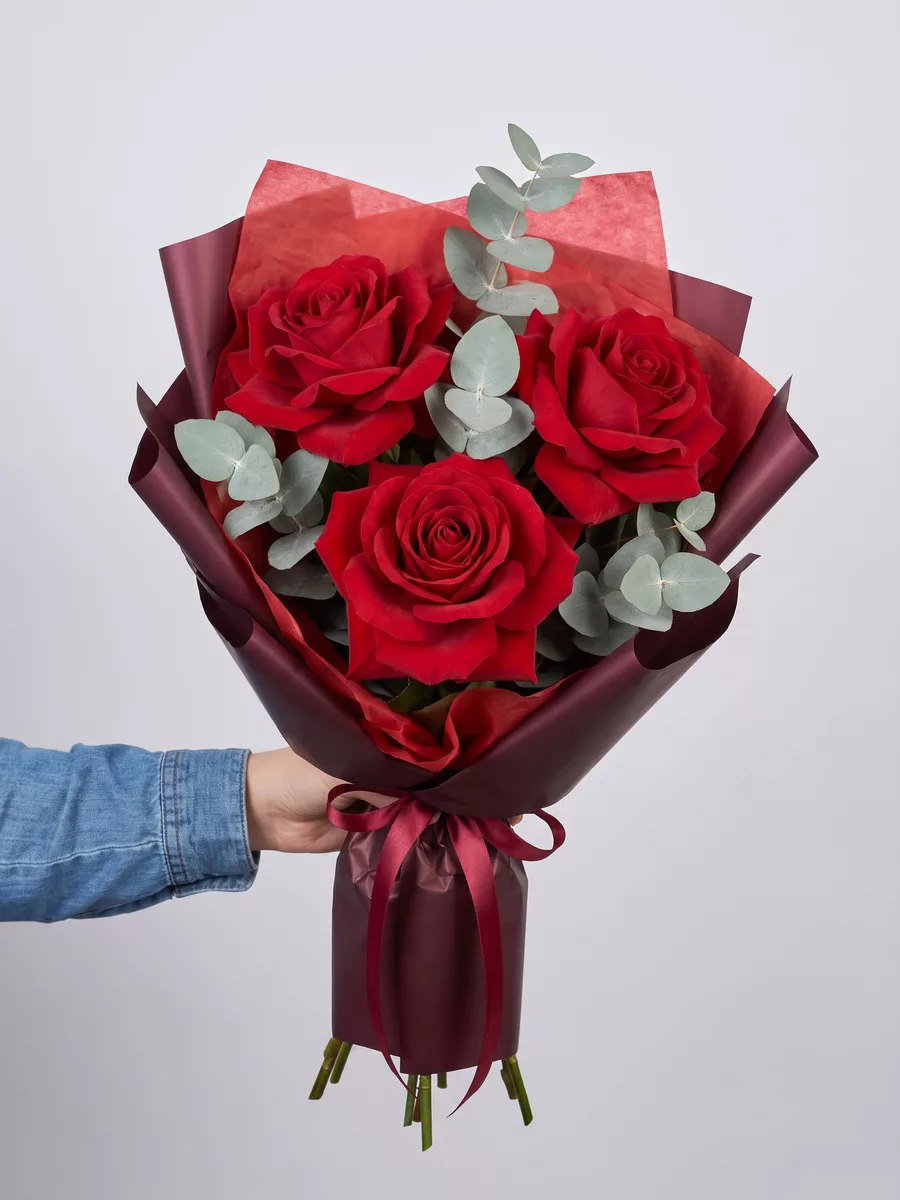
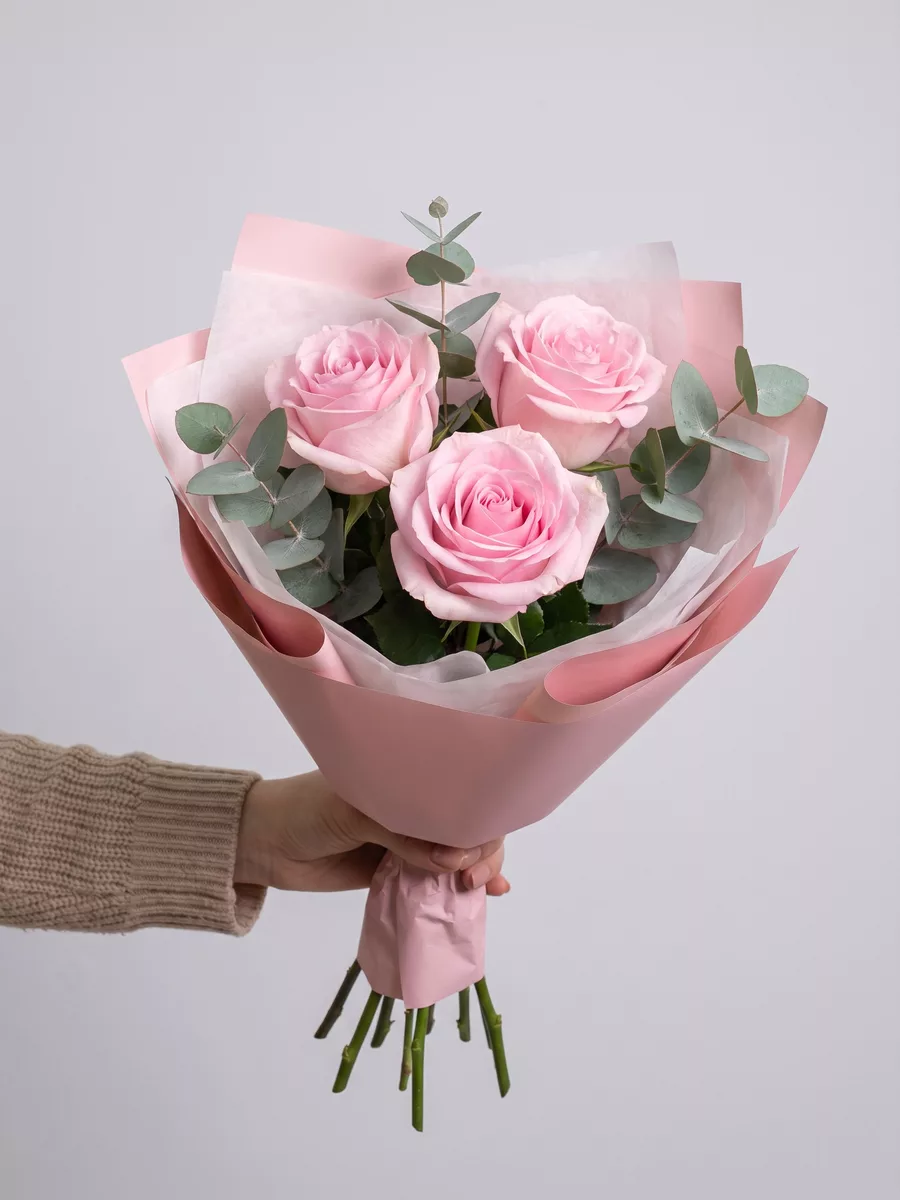
Choosing Flowers for the Person, Not Just the Occasion
The best bouquet starts with the recipient, not a category on a website. Think about who they are before you think about what the occasion is. A woman in her sixties who keeps a tidy home and grows her own tomatoes will respond differently to flowers than her daughter who works in design and follows European trends. One might love a classic arrangement of garden roses and lisianthus in cream and blush tones. The other might want something architectural — protea, anthurium, or a sculptural bundle of calla lilies in a single bold colour.
For recipients you know well, lean into their personality. If they always have a vase on the windowsill, they will know how to look after fresh flowers and you can choose something more delicate, like ranunculus or sweet peas in season. If they are more likely to leave flowers in a bag while they make tea, choose something forgiving — chrysanthemums, alstroemeria, and spray roses all hold their shape and colour for a long time without fussing.
For recipients you know less well — a colleague, a distant relative, a business contact — a classic mixed bouquet in warm or neutral tones is always safe. Avoid anything too avant-garde or too sparse-looking; Russian recipients generally read fullness and volume as generosity. A bouquet that looks abundant, even if it is modest in price, will always land better than a minimalist arrangement that looks like it is missing something. Presentation matters enormously: good wrapping, a ribbon, and a handwritten card transform even simple flowers into something that feels considered.
Understanding Russian Flower Customs Before You Order
If you have not sent flowers inside Russia before, a few customs are worth knowing so you do not accidentally cause confusion. The most widely known one is the odd-number rule. In Russia, even numbers of flowers are traditionally associated with mourning and are brought to cemeteries. Always choose an odd number — five, seven, nine, eleven — for any celebratory or affectionate occasion. Most professional florists count this automatically, but if you are specifying a number in your order notes, keep it odd.
Colour carries meaning too, though the rules are softer than the number rule. Red roses are strongly romantic and are best reserved for partners or people you have a clearly romantic relationship with. Yellow flowers have a complicated reputation in Russian popular culture — some people associate them with separation or bad luck — though this belief is fading among younger generations. If you are unsure, white, pink, peach, and lilac tones are universally well-received and carry no ambiguity.
Russians also tend to appreciate a card. A short, warm message in Russian is a lovely touch if you can manage it, but a message in English is perfectly fine and often charming to the recipient. Avoid very formal or corporate language on the card — even for professional occasions, something warm and human reads better than stiff congratulations. Finally, be aware that in Russia it is common for the recipient to open flowers immediately and show them to whoever is nearby. Your bouquet will be seen by more people than just the person it is addressed to, so think of it as a small public statement of how much you care.
Which Varieties Travel Best in Each Season
Flowers are perishable, and not all varieties handle the journey from a cold-chain facility to someone's doorstep with equal grace. Knowing which blooms are at their best in each season helps you order something that will look magnificent on arrival rather than something that peaked two days earlier.
In spring, tulips and hyacinths are at their natural best and arrive full of life. Peonies appear from late May and are spectacular in arrangements — full, fragrant, and generous in scale. If your recipient loves something romantic and lush, a peony bouquet in late spring is hard to beat. In summer, garden roses, eustoma, and dahlias are excellent choices. Dahlias in particular are underused by people ordering from abroad; they are bold, long-lasting, and come in a range of colours from deep burgundy to soft apricot.
Autumn is the season for chrysanthemums, which are genuinely underrated. Modern varieties — particularly the large-headed disbud chrysanthemum — look nothing like the old-fashioned funeral associations some people carry. In jewel tones of bronze, rust, and deep purple, they make striking seasonal arrangements. Winter is the time to rely on roses, which are grown under controlled conditions year-round and arrive in excellent condition even in harsh weather. Alstroemeria is another winter-reliable choice: it lasts up to two weeks in a vase, which is a meaningful advantage when the recipient may not be home immediately to put flowers in water. Avoid open-faced flowers like anemones in very cold winter months, as frost can bruise the petals during the final delivery stage.
How to Place Your Order from Outside Russia
Ordering flowers internationally used to feel like a leap of faith. Today it is straightforward if you know the steps. The most important thing is to have the recipient's address written out in full — street name, building number, apartment number, and the city name. Gay is in the Orenburg region, so including the region in the address avoids any ambiguity. If you have the recipient's phone number, include it. Russian delivery drivers will often call ahead to confirm they are at the right entrance of a building, and having a local contact number makes this much smoother.
When it comes to payment, international credit and debit cards are accepted for online orders. If you encounter any difficulty with a card issued outside Russia, a PayPal transaction or a transfer via international payment platforms is usually an option worth asking about when you contact the shop directly. Do not be shy about reaching out — a quick message explaining that you are ordering from abroad and want to confirm the details is always welcome and often results in a more personalised experience.
Specify the delivery window carefully. If the occasion is a birthday and you know the person will be at work until six in the evening, ask for an afternoon or early evening delivery rather than a morning slot. If it is a surprise, note that too, so the driver does not call in a way that gives it away. Leave a message on the card that feels like you — not a template phrase, but something the recipient will recognise as coming from you specifically. That personal detail is what makes a flower delivery from abroad feel like a real embrace across the distance.
Vase Life and Care Tips to Pass On to Your Recipient
Part of giving flowers well is making sure they last. When you write your card or send a follow-up message to your recipient, passing on a few simple care tips is a kind extra step that extends the life of your gift by days.
The first thing your recipient should do is cut the stems at an angle — about two centimetres from the bottom — using scissors or a knife, ideally while the stems are submerged in water. This prevents an air bubble from forming at the cut end, which would block water uptake. They should then place the flowers in a clean vase filled with cool, not cold, water. Changing the water every two days and re-cutting the stems slightly each time will make a noticeable difference to how long the bouquet lasts.
Flowers last longest away from direct sunlight, heat sources like radiators, and fruit bowls. Ripening fruit releases ethylene gas, which accelerates the ageing of petals — this is a lesser-known tip that genuinely works. In Gay's warm summers, keeping flowers in the coolest room of the apartment during the day is a practical habit.
Different varieties have different natural lifespans. Alstroemeria and chrysanthemums can last ten to fourteen days with good care. Roses typically give seven to ten days. Tulips and ranunculus are shorter-lived — around five to seven days — but they are so beautiful in their prime that the brevity feels worth it. Peonies open slowly over several days and reach their most spectacular just before they begin to drop petals, which is itself a kind of beauty. Knowing the rhythm of the flowers you have chosen helps your recipient enjoy each stage rather than worrying when petals begin to fall.
Making the Moment Feel Personal from Thousands of Kilometres Away
The logistics of sending flowers from abroad are solvable. What is harder — and more important — is making the gesture feel genuinely personal rather than transactional. A few deliberate choices at the ordering stage make all the difference between a delivery that is appreciated and one that is truly remembered.
Start with the card. Write something specific. Not just a name and a date, but a sentence that only you could have written — a reference to a shared memory, a joke that belongs to the two of you, or a simple statement of what this person means to you. Recipients keep cards. They re-read them. A card is often the part of the gift that matters most.
Think about colour in terms of the recipient's home or style if you know it. A person whose apartment is full of warm terracotta tones will love a bouquet in amber, rust, and deep orange. Someone who dresses in cool, clean colours will appreciate white and green with a structural quality. This level of thought is invisible to most people but felt immediately by the person receiving the flowers.
Consider the timing as a message in itself. Flowers that arrive first thing in the morning on a birthday say something different from flowers that arrive in the middle of a working day — the latter is a surprise that breaks the routine in the best way. An evening delivery on a day that was not a special occasion at all can be the most touching of all: flowers for no reason other than that you were thinking of someone. From abroad, that kind of spontaneous warmth is the most powerful thing you can send.
Sending flowers to Gay from outside Russia is entirely achievable, and when it is done with care, the distance makes the gesture more meaningful rather than less. The person receiving your bouquet knows that you thought about time zones, seasonal varieties, Russian customs, and the small details that turn a delivery into a real connection. Turboflora handles the logistics — the cold chain, the timing, the careful presentation — so that what arrives at the door reflects the intention you put into ordering it. Your job is simply to choose well and write something true on the card.
Frequently asked questions
Does the continental climate in Gay affect which flowers I should order?
Yes, and it matters more in summer than winter. Between June and August, heat in the Orenburg region is intense, so avoid delicate open blooms like garden roses at full petal or sweet peas. Closed buds, sunflowers, and sturdy chrysanthemums travel and hold far better. In winter the concern shifts to cold damage during the final carry from vehicle to door, so ask for insulated wrapping.
How do I account for the time zone difference when scheduling a delivery to Gay?
Gay runs on Yekaterinburg Time, UTC plus five. Write out the exact local Gay time you want the bouquet to arrive before you open the order form. If you are in London, add five hours to your current time. If you are in New York, add eight. Placing the order with a clear local delivery window removes the most common reason international flower orders arrive at the wrong moment.
What combinations work well if I want the bouquet to feel personal rather than generic?
A single flower type in one colour reads as considered rather than assembled. Monochrome tulips or a tight bunch of white spray chrysanthemums feel deliberate. If you want mixed arrangements, keep the palette to two colours and ask for greenery that adds texture without bulk. Recipients in smaller Russian cities notice presentation detail precisely because elaborate arrangements are less routine there than in Moscow.
Can I include a message in Russian even if I do not speak the language?
Most international florists serving Russia, including services covering Gay, accept message text in any language and will print it as written. If you want the card in Russian, write your message in your own language and use a translation tool, then paste the Cyrillic text directly into the message field. Double-check names and key words before submitting, since automated translation handles sentiment better than proper nouns.
What should I do if I only have the recipient's approximate address in Gay?
Contact the florist directly before completing the order. Gay is a city of distinct residential districts, and a partial address such as a street name without a building or apartment number will cause delays. A phone number for the recipient is the most reliable backup, as local couriers can call ahead to confirm the exact entrance. Providing both the address and a contact number gives the delivery the best chance of landing correctly on the first attempt.
Ready to send flowers?
Pick the city, choose the bouquet, and a local florist takes it from there.
Choose a city →