Sending Flowers to Gornozavodsk from Abroad: What You Need to Know
You are somewhere far from Russia — a different time zone, a different season — and someone you care about is in Gornozavodsk waiting, perhaps without knowing it yet. Sending flowers across that distance feels complicated, but the actual steps are straightforward once you understand how delivery works in this part of the Perm Krai and what makes a bouquet land well in a Russian home.
Where Gornozavodsk Is and Why Location Matters for Flowers
Gornozavodsk is a small industrial city in the Perm Krai region of the Ural Mountains, sitting at an elevation that gives it genuinely cold winters and short but warm summers. For anyone ordering from Western Europe, North America or Asia, this geography matters more than it might seem. The Urals experience temperatures that regularly fall below minus twenty Celsius from November through February, and that cold affects how flowers travel on the last stretch of delivery. Delicate open blooms — fully open garden roses, for instance — can suffer in extreme cold even during a short trip from a vehicle to a front door. This is not a reason to avoid sending flowers; it is a reason to choose varieties that handle cold well and to time your order for daylight hours when temperatures are slightly less severe. Turboflora packs bouquets with insulating sleeves specifically for Ural winters, but the choice of flowers still makes a difference. Tight rose buds, sturdy chrysanthemums, alstroemeria and carnations all travel through cold air far better than fully open peonies or hydrangeas. In summer, Gornozavodsk warms considerably, and the constraints shift — you want flowers that do not wilt quickly in a warm apartment. Knowing the season at the destination, not the season where you are sitting, is the first practical step every international sender should take before choosing a bouquet.
Bouquets we can deliver

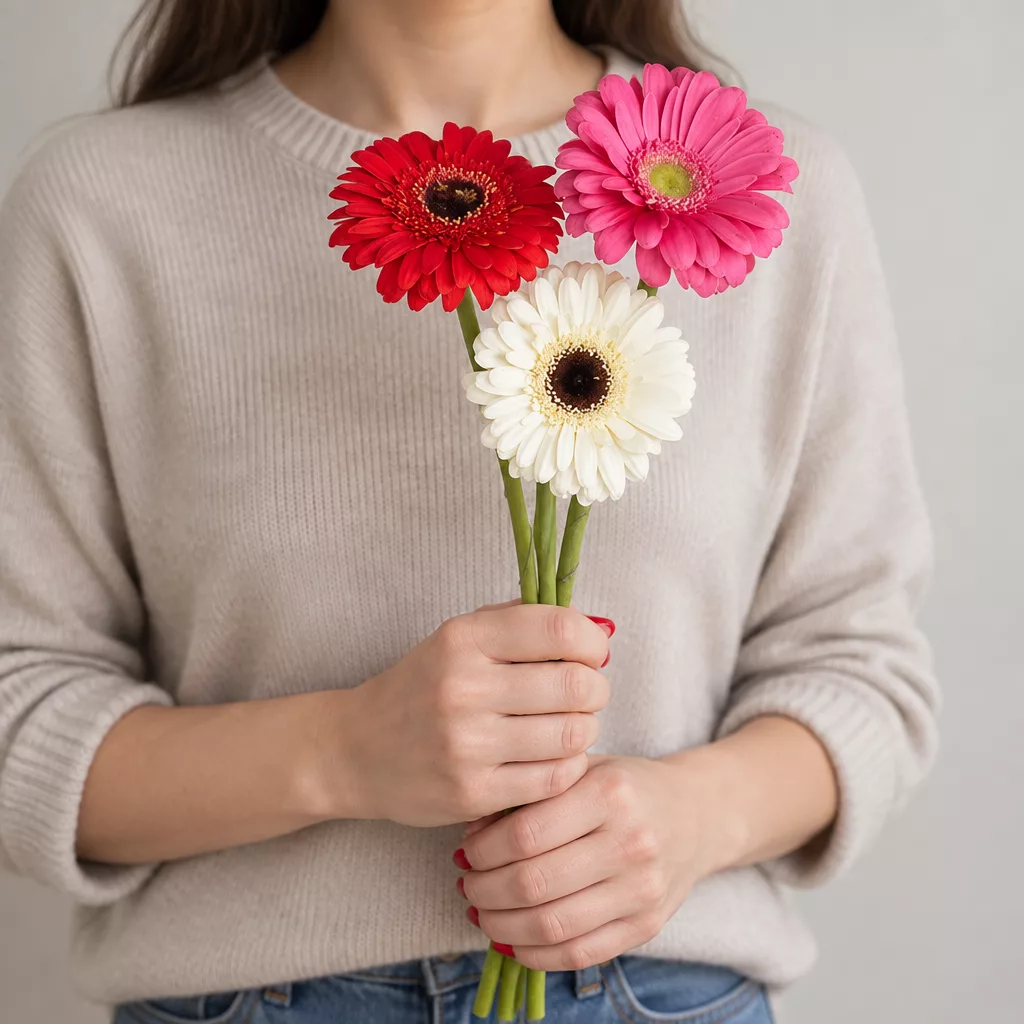

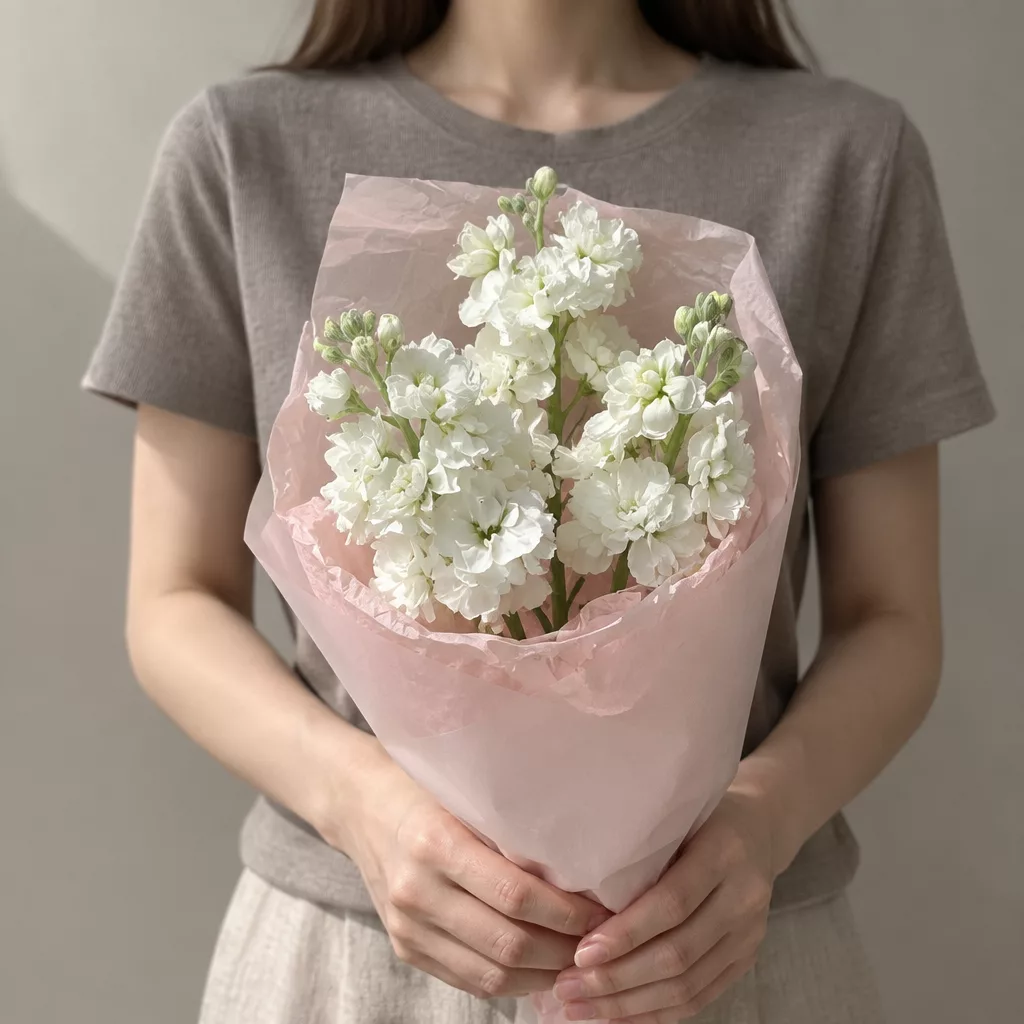
Reading the Occasion Before You Choose the Bouquet
Russian gifting culture places enormous weight on the occasion, and a bouquet that feels appropriate in one context can feel oddly formal or too casual in another. Birthdays are the most common reason people send flowers from abroad, and for birthdays the expectation is something celebratory and generous — bold colours, a mix of textures, something that looks abundant rather than minimal. A tight cluster of a single variety reads as a funeral tribute in Russian tradition, so always aim for combination arrangements or at least add complementary greenery and filler flowers. For anniversaries and romantic occasions, red roses remain the classic choice and carry exactly the meaning you would expect. However, a bouquet of mixed garden roses in blush, cream and coral reads as more contemporary and is increasingly popular among younger recipients in cities like Gornozavodsk. For congratulations — a new job, a graduation, a new baby — bright mixed bouquets with sunflowers, gerberas or spray roses feel festive and warm. One important cultural note: always order an odd number of flowers. Even numbers are reserved for mourning in Russian tradition, and sending twelve roses instead of eleven or thirteen is the kind of detail that a recipient will notice immediately. It is not a superstition to dismiss; it is a genuine social convention that your recipient will appreciate you following, even if they never mention it.
Timing Your Order Across Time Zones
Gornozavodsk operates on Yekaterinburg Time, which is UTC plus five, with no daylight saving adjustment. If you are in London, that is seven hours ahead of you in winter and six in summer. New York is ten hours behind Gornozavodsk in winter. This gap is the single most common source of confusion for international senders. People place an order at what feels like a reasonable morning hour and do not realise their recipient is already asleep or that the delivery window they selected has already passed. The practical solution is simple: work backwards from when you want the flowers to arrive at the door. If you want a midday delivery in Gornozavodsk, place your order the evening before from New York, or early morning from Central Europe. Turboflora's ordering system displays times in Moscow Time, so add two hours to convert to Gornozavodsk local time. For special occasions like a birthday morning surprise, plan to place the order at least twelve hours in advance to give yourself a comfortable buffer across any time zone. Same-day delivery within one to two hours is genuinely available, but that window refers to Gornozavodsk time, not your local time. Writing the recipient's phone number correctly — with the Russian country code plus seven — is equally important, because the delivery team may need to call ahead, especially in a city where some addresses require access codes or building entry instructions.
Choosing Flowers by Season in the Ural Climate
The Ural calendar divides fairly cleanly into a long cold period and a compressed warm season, and matching your bouquet to that rhythm makes the flowers feel intentional rather than generic. From October through April, the city is cold and often grey, and a bouquet of warm-toned flowers — deep orange alstroemeria, burgundy spray roses, rich yellow chrysanthemums — carries extra emotional weight precisely because colour is scarce outside. These varieties also hold up well in cold transit and last seven to ten days in a cool apartment when properly cared for. Tulips are enormously popular in Russia from late February through April, peaking around March eighth, which is International Women's Day and the single biggest flower-giving occasion in the Russian calendar. If your recipient's birthday or anniversary falls near that date, expect high demand and order a day or two in advance. From May through September, the range opens up considerably. Peonies arrive in late May and June and are deeply beloved — a large, fragrant peony bouquet is considered one of the most romantic gifts you can send. Lisianthus, matthiola and mixed summer bouquets with statice and greenery all thrive in this window. By late August, sunflowers become the defining seasonal flower, and a generous bunch of them reads as warm, unpretentious and genuinely joyful. Avoid ordering flowers that are obviously out of season for Gornozavodsk even if they are available — a recipient notices when a gift feels considered.
Budget Ranges and What They Actually Look Like
International senders often feel uncertain about what a given spend translates to in terms of visual impact, because flower pricing in Russia differs from Western European or North American markets. A modest budget produces something meaningful and presentable — think five to seven alstroemeria stems with eucalyptus and a ribbon, or a cluster of seasonal spray roses with waxflower filler. It is not a grand gesture, but it is a real bouquet that will sit nicely on a table and last well. A mid-range spend moves you into mixed arrangements with fifteen to twenty stems, combinations like roses with lisianthus and greenery, or a generous tulip bouquet in season. This is the range that covers most birthdays and anniversary occasions comfortably. At the higher end, you are looking at large format arrangements — twenty-five or more stems, premium varieties like garden roses or peonies when in season, elaborate compositions with multiple flower types and decorative elements. These feel genuinely impressive when the door opens. One practical note for international payments: Turboflora accepts cards and payment systems that work outside Russia, so you do not need a Russian bank account. The total you see at checkout is the total you pay, with delivery included. There are no hidden conversion fees added on the flower side, though your own bank may apply a foreign transaction fee depending on your card.
Writing a Message That Arrives as You Intended
A card message is often the part of a flower order that international senders rush through, and it deserves more thought than it usually gets. If you write your message in English, it will be printed in English — the recipient will receive it exactly as you typed it. Many people in Gornozavodsk, particularly those over fifty, have limited English, so a message in Russian will land more warmly and feel more personal. You do not need to speak Russian to include one. Write your message in your language, then use a reliable translation tool or ask a Russian-speaking friend to help you phrase it naturally. Avoid direct machine translation for emotional phrases — the grammar often comes out awkward in Russian, and the recipient will notice. Short and sincere works better than long and stilted. Something like a birthday wish, a line about missing the person or a simple expression of affection translates cleanly and reads well. If you are sending to mark a specific occasion — a promotion, a new home, a milestone — name it explicitly in the card. Russian recipients appreciate specificity; a vague congratulations feels less considered than one that names what you are celebrating. The card is also where you can include a request about timing if the recipient needs to be home to receive the bouquet, though for most residential addresses in Gornozavodsk, the delivery team can coordinate directly with the recipient by phone.
Helping Your Recipient Keep the Flowers Fresh
Flowers arriving in Gornozavodsk in winter need immediate attention when they come indoors. If they have been in cold air, even briefly, let them sit in their wrapping at room temperature for fifteen minutes before unwrapping and placing in water. Rushing them into warm water while still chilled can cause condensation damage to the petals. Once unwrapped, cut the stems at a diagonal — about two centimetres off the bottom — under running water or in a bowl of water, which prevents air bubbles from blocking water uptake. Russian apartments tend to run warm in winter because of centralized heating systems, and this warmth accelerates wilting. Keep the bouquet away from radiators and out of direct sunlight. A cool corner of a kitchen or a hallway is better than a sunny windowsill. Change the water every two days and re-cut the stems each time. Most cut flowers last five to eight days with this care. Alstroemeria and chrysanthemums often push ten to twelve days. Roses and tulips are more sensitive to heat and typically give five to seven days in a warm apartment. Including a care note with your order message is a thoughtful touch, especially if your recipient is not accustomed to receiving fresh flowers regularly. You can ask Turboflora to include a printed care card with the bouquet. Small practical gestures like this are what make a long-distance gift feel genuinely attentive rather than transactional.
Sending flowers to Gornozavodsk from another country is less complicated than the distance makes it feel. The time zone calculation, the odd-number rule, the seasonal awareness — these are learnable details, and once you know them, placing an order becomes a straightforward act of care. What stays constant is the moment the door opens and someone finds flowers waiting for them, proof that someone far away was thinking about them specifically, on this day, in this city in the Urals.
Frequently asked questions
Can I send flowers to Gornozavodsk if I do not have a Russian phone number?
Yes. You place the order using your own contact details and provide the recipient's Russian mobile number for delivery coordination. The Turboflora team contacts the recipient directly in Russian to arrange access if needed. You do not need a Russian number, a Russian bank account or any Russian-language skills to complete the order successfully.
What is the best flower to send in winter when it is very cold in Gornozavodsk?
Chrysanthemums, alstroemeria, carnations and tight rose buds all handle cold transit well and last long in a warm apartment. Avoid fully open blooms like open peonies or large hydrangeas in deep winter — they are more vulnerable to cold shock during the brief outdoor portion of delivery. Warm, rich colours also feel more emotionally resonant against a grey Ural winter backdrop.
Is March 8th really as significant as people say for flower orders in Russia?
It is the single largest flower-giving day in the Russian calendar, comparable to Valentine's Day and Mother's Day combined in Western countries. Almost every woman receives flowers. Demand across Russia spikes dramatically in the days before and on the day itself. If your recipient's occasion falls anywhere near March 8th, place your order at least two days early to secure your preferred delivery time and bouquet.
How do I write the delivery address correctly for a city like Gornozavodsk?
Russian addresses follow a specific order: city, street name, building number, apartment number. A typical format looks like: Gornozavodsk, ulitsa Lenina, dom 5, kvartira 12. Ask your recipient for their address written in Russian if possible, since Cyrillic spelling avoids transliteration errors. Include the postal code if you have it. The recipient's mobile number is equally important for the delivery team.
Can I schedule delivery for a specific time rather than just a date?
Yes, you can select a delivery window when placing your order. Remember to convert to Yekaterinburg Time, which is UTC plus five, when choosing your slot. If you want a morning surprise, select a window between nine and eleven in the morning Gornozavodsk time and place the order the evening before from your time zone to ensure it processes before the window opens.
Ready to send flowers?
Pick the city, choose the bouquet, and a local florist takes it from there.
Choose a city →