Sending Flowers to Gorodets from Abroad? Here Is What to Expect
Gorodets sits quietly on the Volga bank in the Nizhny Novgorod region, a town known for its painted crafts and unhurried pace. When you are sitting in Berlin, Toronto or Dubai and want to send something beautiful to someone there, the distance feels enormous. It does not have to. With the right information about timing, seasonal flowers and Russian gifting customs, you can arrange a delivery that arrives fresh, feels personal and genuinely surprises the person opening the door.
Why Gorodets Is Different from Sending to a Major City
Most international senders think first about Moscow or Saint Petersburg, where flower infrastructure is dense and same-day delivery is almost automatic. Gorodets operates on a different rhythm. It is a smaller town, which means your order benefits from planning ahead rather than assuming last-minute is always possible. The good news is that the Nizhny Novgorod region is well connected by road, and Turboflora routes deliveries there with the same care given to any major destination across Russia.
The key difference for a sender abroad is time zones. Gorodets follows Moscow Time, which is UTC plus three hours and does not observe daylight saving. When you are placing an order from London in the morning, it may already be early afternoon in Gorodets. From the west coast of North America, the gap stretches to ten or eleven hours. Building that calculation into your plan is the single most important practical step you can take before choosing flowers.
Gorodets also has strong local traditions around gifting. Flowers are not a casual gesture here — they carry weight. Arriving with a full, well-composed bouquet signals genuine care. A sparse or wilted arrangement would feel like an afterthought. Understanding that context helps you choose not just what to order but how much attention to put into the presentation and accompanying note.
Bouquets we can deliver

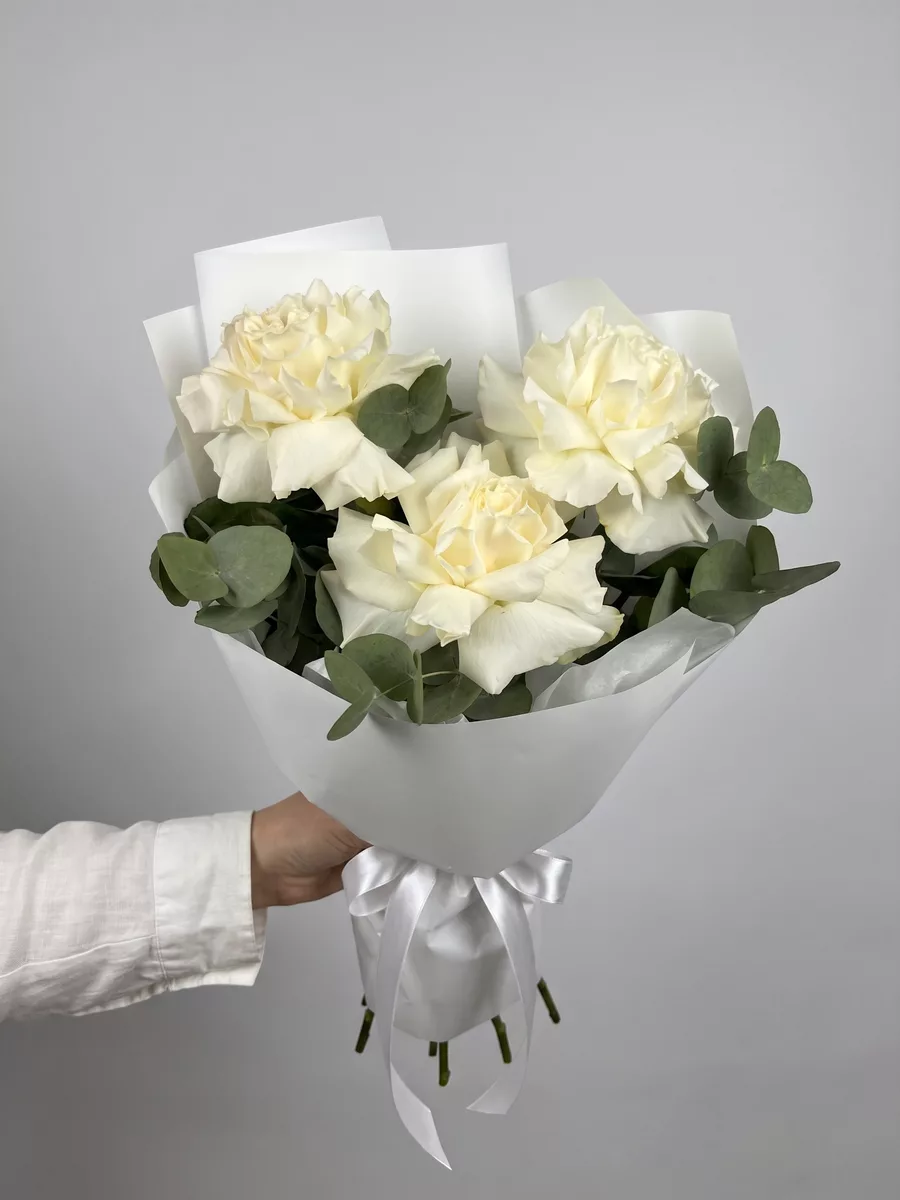
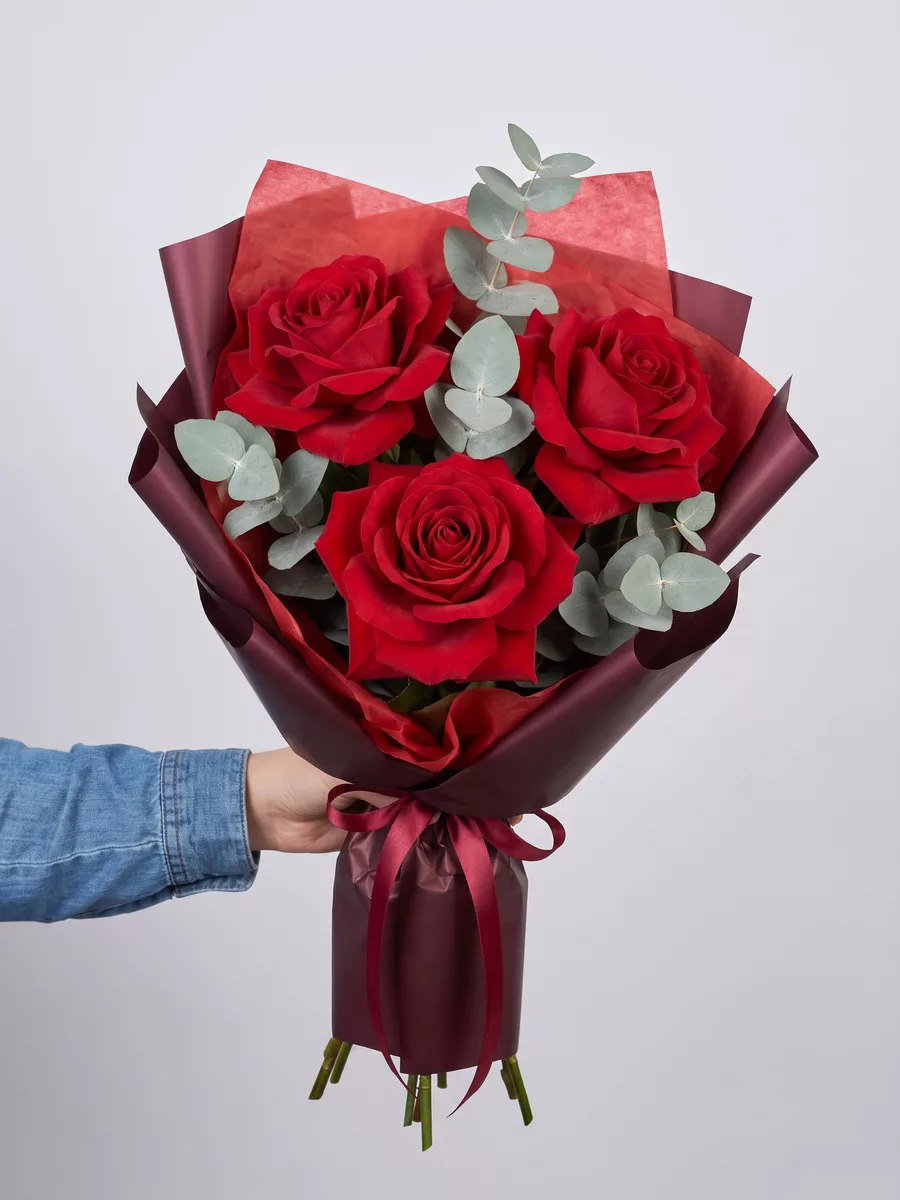
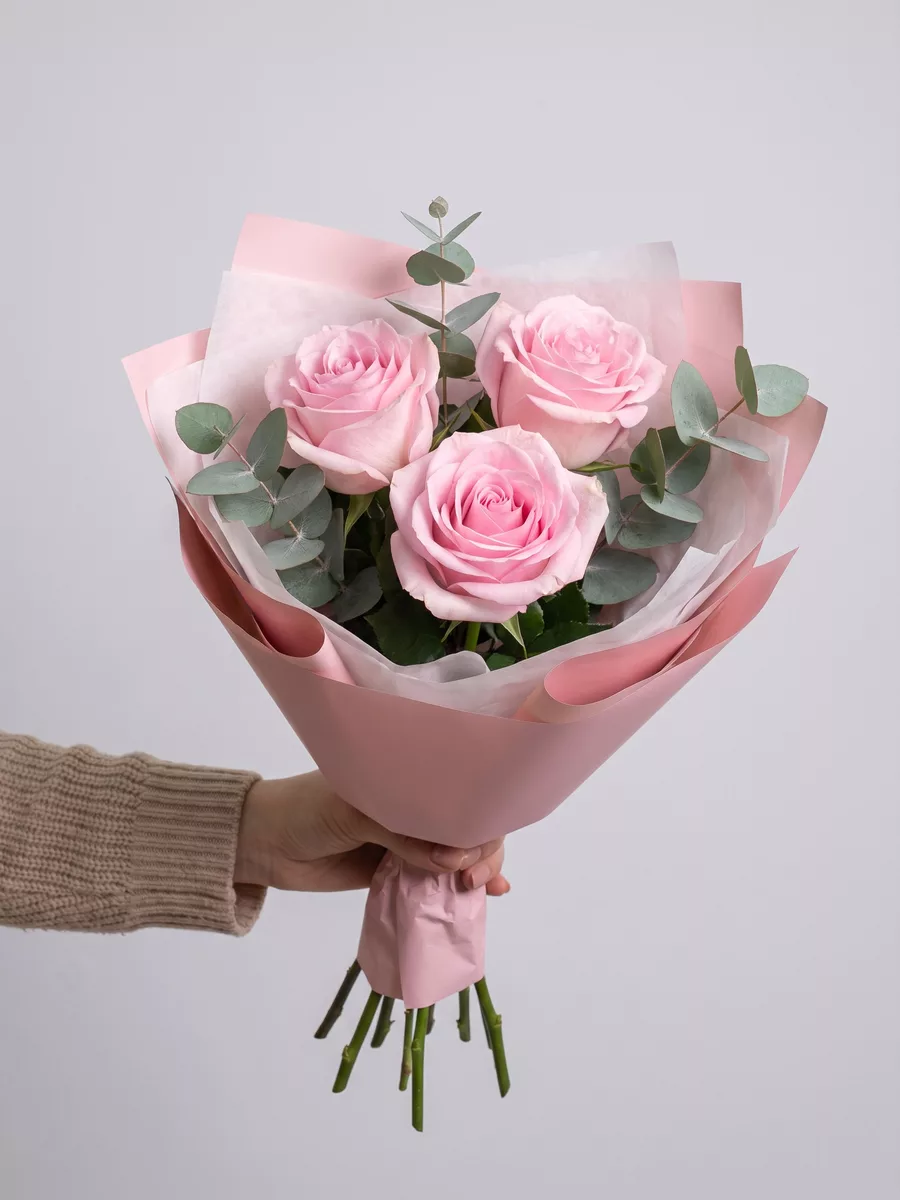
Understanding Russian Flower Customs Before You Order
If you have never sent flowers inside Russia before, a few customs will save you from well-meaning mistakes. The most important one is the odd-number rule. Bouquets in Russia are always given in odd numbers — three roses, five stems of lisianthus, seven tulips. Even numbers of flowers are reserved exclusively for funerals, so a bouquet of ten or twelve stems, however generous it looks, carries an uncomfortable association. Your florist will apply this automatically, but it is worth knowing so you can confirm it when you specify quantities.
Yellow flowers carry a separate cultural note. In Russian tradition, yellow blooms — particularly yellow roses — are sometimes associated with separation or jealousy, depending on the recipient's age and background. Younger generations in cities are less attached to this belief, but in a town like Gorodets, where older traditions still hold, it is safer to choose warm yellows only as accents within a mixed bouquet rather than as the dominant colour. Sunflowers are a happy exception and are widely loved across all generations.
Russian recipients appreciate abundance. A bouquet that looks full, layered and generous reads as respectful and warm. This does not mean you need the most expensive option — it means choosing flowers that have volume and presence. Roses paired with eucalyptus, spray chrysanthemums mixed with alstroemeria, or lisianthus grouped with wax flower all create that sense of generosity without relying on a single dramatic stem. The combination matters more than any individual flower.
Choosing Flowers for the Season and the Volga Climate
Gorodets experiences a continental climate with cold winters and warm summers. This is not just background information — it directly affects which flowers travel best and which will look their finest on arrival. In January and February, outdoor temperatures can drop well below minus fifteen degrees Celsius. A bouquet of delicate garden roses or open peonies exposed to that cold even briefly, during the handover at the door, will show petal damage within hours. For winter deliveries, roses with tighter bud stages, chrysanthemums, carnations and alstroemeria handle cold transitions far better.
Spring is the season of tulips in Russia, and they are culturally tied to International Women's Day on the eighth of March, one of the most significant flower-giving occasions of the year. If your recipient's birthday or anniversary falls in late February or early March, tulips — in soft pinks, whites or lilacs — feel completely right and seasonally honest. They are also sturdy travellers in moderate cold.
Summer in Gorodets is warm and humid, which means lush arrangements with hydrangea, eustoma and garden-style roses are both available and appropriate. Autumn calls for rich, warm tones — burgundy spray roses, orange alstroemeria, deep-coloured chrysanthemums and textured foliage like copper beech. Matching the arrangement to the season makes it feel considered rather than generic, and it tells the recipient that someone thought carefully about the moment, not just the gesture.
Occasions That Call for Flowers in Gorodets
Birthdays are the most common reason international senders reach out, and they deserve a bouquet that feels celebratory rather than polite. For a woman, roses remain the classic choice — garden-style David Austin varieties in blush or cream, or classic hybrid teas in deep red or coral, both read as festive and warm. For a man, something architectural works better: a structured arrangement with anthuriums, tropical foliage and a few strong stems of gerbera or sunflower feels confident without being foxy.
Anniversaries call for romance, and romance in a Russian context often means red roses. A full bouquet of long-stemmed red roses, presented in a round, dome-shaped arrangement, is one of the most emotionally resonant gifts you can send. If you want something less traditional, a mix of garden roses in blush, peach and ivory with ranunculus and eucalyptus gives the same warmth with a softer, more contemporary feel.
New baby arrivals are celebrated with flowers in Russia just as they are in most of the world. Soft whites, pale pinks and very light lavenders are the usual palette — lisianthus, white spray roses, wax flower and baby's breath all work beautifully together. Housewarming gifts, graduations, professional achievements and name-day celebrations — which are observed in Russia alongside birthdays — are all occasions where flowers are expected and appreciated. If you are unsure which occasion applies, a versatile mixed bouquet in warm, bright tones is almost always welcome.
How to Place Your Order from Outside Russia Without Confusion
The practical mechanics of ordering internationally are simpler than many senders expect, but a few details make the difference between smooth and stressful. The most important is the delivery address. Russian addresses follow a specific format: street name, then building number, then apartment number if applicable. Gorodets uses standard Russian postal addressing. If your recipient lives in an apartment block, you need the korpus number (building section) and the apartment number, not just the street. An incomplete address causes delays that no florist can recover from.
Phone numbers matter enormously in Russian deliveries. The courier will call ahead or upon arrival, and a recipient who does not answer may miss their delivery window. Always provide a local Russian mobile number for the recipient. If you are sending a surprise, you can note that in your order instructions — the courier can be briefed to ring the bell rather than call ahead, though this depends on the building setup.
Payment from abroad is handled through international card processing, so your usual credit or debit card will work. When you write the message card, you can write in English — it will be printed as you submit it. If you want the message in Russian and do not write the language yourself, a simple, heartfelt sentence translated with a standard tool is perfectly acceptable. Recipients appreciate the effort even when the phrasing is slightly imperfect. Avoid overly long messages on the card; three or four sincere sentences land better than a paragraph.
Timing Your Order Across Time Zones
The time zone gap between Gorodets and most international locations is the detail that catches senders off guard most often. If you want flowers delivered by noon in Gorodets on a Thursday, you need to place your order while it is still Wednesday evening in New York, or early Thursday morning in London. Working backwards from the desired delivery time, accounting for the Moscow Time offset, is the single most effective way to avoid disappointment.
For significant occasions — a milestone birthday, a major anniversary, a celebration tied to a specific date — placing your order twenty-four to forty-eight hours in advance removes almost all timing risk. You choose the date and preferred delivery window, and the logistics are handled from there. Last-minute orders are often possible, but the further you are from the Russian time zone, the more likely you are to miscalculate and find that your urgent request arrives the morning after the event.
Public holidays in Russia affect delivery logistics in ways that differ from Western calendars. Russian New Year is celebrated from the first to the eighth of January, and this period sees enormous flower demand across the country. International Women's Day on the eighth of March is equally busy. If you are sending around these dates, earlier ordering is strongly advisable — not because delivery stops, but because the most popular varieties sell out and lead times extend. Victory Day on the ninth of May and other national holidays are quieter for flowers but worth noting if you are planning a precise delivery window.
Keeping the Flowers Beautiful After Delivery
A bouquet that arrives in perfect condition can stay that way for seven to twelve days with simple care, or fade within two days without it. Sharing a few care instructions with your recipient — either in the card message or in a separate note — is one of the kindest things a sender can do. Most people genuinely do not know that the vase water makes such a difference.
Fresh water every two days is the foundation. The stems should be cut at an angle with a sharp knife or scissors before they go into the vase — a clean diagonal cut, about two centimetres from the bottom, opens the stem's water channels properly. Cutting underwater prevents air bubbles from blocking the stem. Roses and lisianthus benefit especially from this treatment. Tulips prefer cool water and will last longer in a cooler room away from direct sunlight and radiators.
In a Gorodets apartment during winter, central heating runs constantly and the air is very dry. This shortens vase life for delicate flowers like open garden roses and ranunculus. Keeping the bouquet away from the radiator and misting the petals lightly with water can add a day or two to their freshness. Chrysanthemums and alstroemeria are the most resilient in dry heated rooms and are excellent choices for recipients you know keep their homes very warm. Removing any leaves that fall below the waterline is also important — submerged foliage rots quickly and turns the water cloudy, shortening the life of every stem in the arrangement.
Sending flowers to Gorodets from abroad is a genuinely meaningful gesture, and getting it right is less complicated than the distance suggests. Know the time zone, respect the odd-number custom, choose flowers that suit the season and the occasion, and give your recipient's address and phone number in full. The bouquet that arrives at a Volga-bank doorstep will carry everything you intended — warmth, care and the unmistakable feeling that someone far away was thinking of them.
Frequently asked questions
Does the odd-number rule apply to every bouquet I send to Gorodets, or only for certain occasions?
It applies to every celebratory bouquet sent inside Russia, Gorodets included. Even numbers are associated with funerals and mourning, so a bouquet of ten roses reads very differently from eleven. When you are ordering remotely and cannot count the stems yourself, confirm the final number with your florist before the order is placed.
What seasonal flowers actually reach Gorodets in good condition during a Volga winter?
Chrysanthemums, alstroemeria and carnations travel and hold well in cold months because they are sturdy and do not bruise easily in transit. Roses arrive reliably when sourced from a regional wholesaler rather than flown in last minute. Delicate open blooms like garden peonies or ranunculus are better saved for late spring and summer orders when local supply is stronger.
How does the time zone gap between my country and Gorodets affect when I should actually place my order?
Gorodets runs on Moscow Time, UTC plus three, with no daylight saving shift. If you are ordering from the west coast of North America, the town is ten or eleven hours ahead of you. Place your order the evening before the delivery date by your local clock, and confirm the florist has received it before their working day closes in Gorodets.
Can I include a handwritten-style note in Russian even if I do not write Russian myself?
Yes. Most florists working with international senders can transcribe a short message into Russian if you provide the text in English and ask them to translate it. Keep the note brief — a sentence or two of genuine sentiment lands better than a long message that loses tone in translation. Confirm this service is available when you place the order.
Is Gorodets's painted-craft culture something I can reference in how I present the bouquet?
It is a thoughtful touch if your recipient is local and proud of the town's identity. Asking your florist to wrap the bouquet in warm earthy tones or deep reds echoes the palette of Gorodets lacquer painting without being literal about it. A short note acknowledging the town itself, not just the occasion, tends to land with particular warmth for someone who lives there.
Ready to send flowers?
Pick the city, choose the bouquet, and a local florist takes it from there.
Choose a city →