Sending Flowers to Gorokhovets from Abroad? Read This First
Gorokhovets is a small, quietly beautiful town in the Vladimir region, and when someone you love lives there, distance feels especially sharp. Whether you are marking a birthday from Berlin, celebrating a new baby from Dubai, or simply saying you are thinking of someone from Toronto, flowers are still the most direct way to close that gap. Ordering from abroad is simpler than most people expect, but a few details — timing, seasonal realities, what Russian recipients genuinely appreciate — make the difference between a bouquet that arrives glowing and one that disappoints.
Understanding What Gorokhovets Means for Delivery
Gorokhovets sits along the Klyazma River, roughly 350 kilometres east of Moscow, and it carries the calm, unhurried character of a Russian provincial town. It is not a major logistics hub, which matters when you are planning a flower delivery. Roads are well-maintained along the main routes, but the town itself is small, so precise address information is more important here than it would be in a large city. A building number alone is rarely enough — include the apartment or office number, the entrance number if relevant, and a working local phone number for the recipient.
Delivery windows in smaller towns tend to be slightly less granular than in Saint Petersburg or Moscow. When you order through Turboflora, the courier works from the closest available point to reach Gorokhovets within the promised timeframe, so placing your order well before the occasion — ideally the evening before — gives the best chance of on-time arrival. Last-minute orders placed in the early morning can still work, but they leave less room for any adjustment.
One practical note: many recipients in smaller Russian towns are at home during the day, especially older family members, which actually makes daytime delivery easier to coordinate than in a busy city. If the recipient is at work, confirm their schedule and pass it along when you order. A missed delivery in a small town is harder to reschedule quickly than in a metropolitan area, so a brief heads-up call to the recipient — even if it slightly reduces the surprise — is often worth it.
Bouquets we can deliver


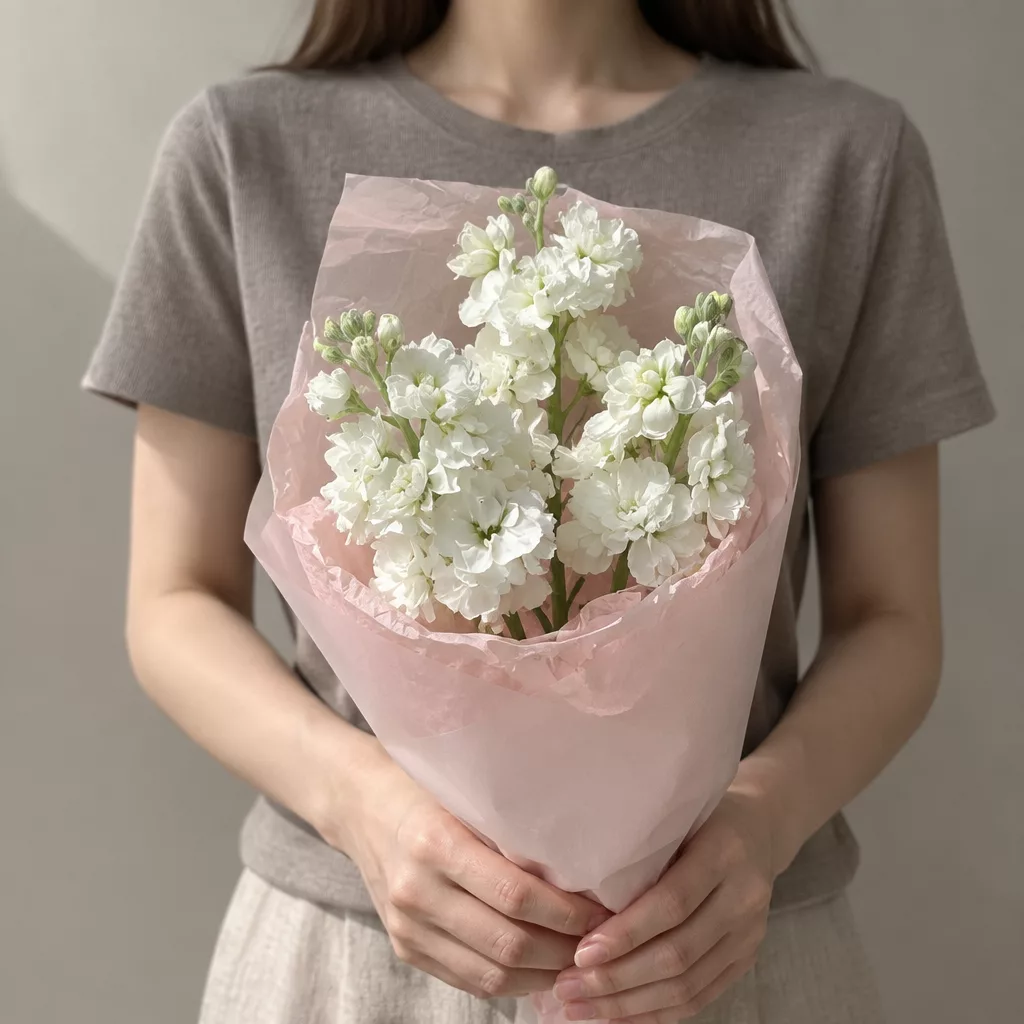
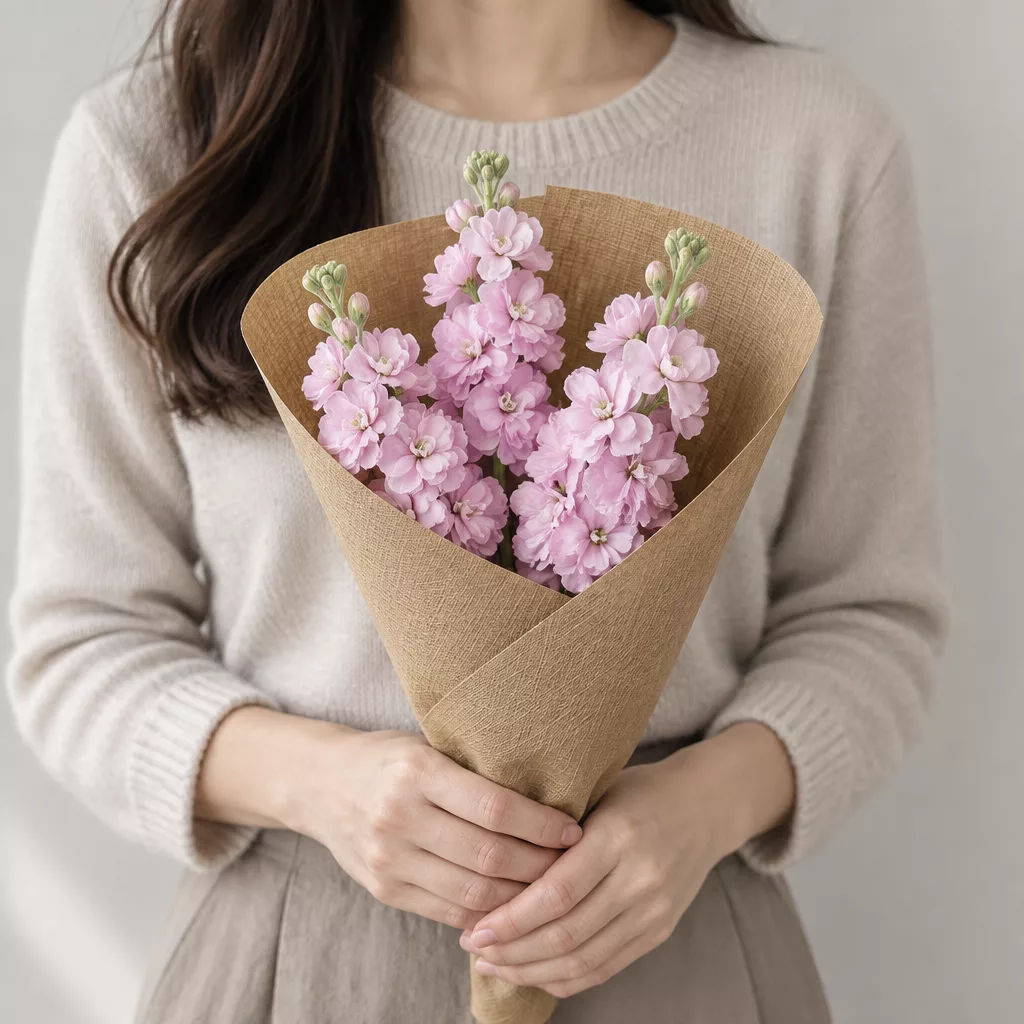
Choosing Flowers for the Person, Not Just the Occasion
Before you think about budget or variety, think about the person receiving the bouquet. Russian recipients across all generations tend to appreciate bouquets that feel generous and considered rather than minimal and architectural. A single stem, however elegant, reads differently here than it might in Scandinavia or Japan. Volume, warmth and colour communicate care in a way that sparse arrangements sometimes do not.
For a grandmother or older relative, classic combinations work beautifully: garden roses paired with alstroemeria and soft greenery, or chrysanthemums mixed with carnations in warm pinks and creams. These are not old-fashioned choices — they are genuinely loved and carry real emotional weight for that generation. For a younger woman, ranunculus, lisianthus or peonies in season feel more contemporary without being cold or unfamiliar.
For men, which is a more common request than many international senders expect, succulent arrangements, bold tropical foliage, or a structured mix of sunflowers and solidago land well. Russian culture does not have the same hesitation around giving flowers to men that some other countries carry — a bouquet for a father, a brother or a colleague is entirely normal and warmly received.
Children and teenagers respond to colour and playfulness: bright gerberas, mixed seasonal stems in vivid shades, or a small wrapped bouquet that feels like a gift rather than a formal arrangement. Think about what makes the specific person smile, and let that guide the choice more than any rule about what is appropriate.
Navigating the Russian Flower Calendar from Abroad
Russia has a strong seasonal flower culture, and knowing the calendar helps you make smarter choices even when ordering from the other side of the world. The biggest dates are 8 March — International Women's Day — when demand for flowers across the entire country surges dramatically, and 1 September, the first day of the school year, when children traditionally bring bouquets to teachers. If your occasion falls near either of these dates, order at least three to four days ahead.
In winter, which in the Vladimir region means genuine cold from November through March, hardy varieties hold up better in transit and in the home. Spray roses, chrysanthemums, alstroemeria and carnations are excellent choices because they tolerate temperature fluctuations. Delicate tropical flowers or fully open peonies in January are a risk — not impossible, but they need careful handling and a warm interior environment on arrival.
Spring and early summer are the most generous seasons for variety. Tulips arrive in abundance from late February, ranunculus and anemones follow in March and April, and peonies peak in May and June. If you are sending in this window, you have the widest palette to work with. Late summer brings sunflowers, dahlias and lush mixed garden-style arrangements. Autumn is the season for rich, warm tones — burgundy roses, orange gerberas, deep purple lisianthus — that suit the light and the mood of September and October.
Always mention the season when you are unsure, and a good florist will guide the selection to what is freshest and most appropriate for that exact moment.
Budget Thinking When Ordering Internationally
Ordering flowers from abroad involves a currency conversion in your head, and it is worth doing that calculation clearly before you place an order. The total cost you see should reflect the bouquet, the packaging and the delivery to Gorokhovets — not just the flowers themselves. If a price seems very low for what is described, ask what is included, because delivery to a smaller regional town carries a real logistical cost that reputable services price honestly.
At a modest budget, you can still send something genuinely beautiful. A compact arrangement of five to seven spray roses with eucalyptus and seasonal filler is complete and well-presented. It does not look sparse if it is composed thoughtfully, and it will make the recipient feel remembered in exactly the right way.
A mid-range budget opens up mixed bouquets with premium stems: garden roses, lisianthus, or a seasonal focal flower like a peony or a large-headed ranunculus surrounded by complementary textures. This is where most senders land, and it covers most occasions comfortably.
A generous budget allows for larger, more sculptural arrangements — long-stemmed roses in significant quantities, orchid stems added for drama, or a full mixed bouquet that feels truly celebratory. For milestone birthdays, anniversaries or congratulations on major life events, this level communicates the weight of the occasion.
One common mistake from international senders is under-ordering because they are converting currency and the total seems large. Trust the florist's framing of what each level looks like in person — photographs help, and a reputable shop will show you exactly what to expect.
What to Write: Cards, Messages and Russian Custom
The card message is often the part international senders think least about, and it is the part the recipient reads most carefully. In Russian culture, a warm and personal message is valued over a brief, polished one. Do not worry about sounding formal — write the way you would speak to this person if you were in the same room. If you are writing in English and the recipient reads English, that is perfectly fine and often touching. If you want the message in Russian but do not speak it yourself, write your message clearly and ask the florist to translate it accurately rather than using a generic phrase.
Avoid overly literal translations of English idioms, which can read strangely in Russian. Phrases like "thinking of you" translate naturally, but something like "you rock" or "you are killing it" will confuse more than delight. Simple, direct warmth is always the right register.
For birthdays, Russians typically wish health first — zdorovya — before happiness or success. This is not superstition but genuine priority, and including it in your message will feel culturally fluent even if you are writing from far away. For new babies, wishes for the mother's health and the child's strength are the most natural opening.
If you are sending flowers as a thank-you — to a host who looked after a family member, a teacher, a doctor — acknowledge the specific thing they did. Specificity matters in Russian card culture far more than elaborate phrasing. A short, precise message that names what the person did will be remembered long after a beautiful but generic sentiment fades.
How the Recipient Should Care for the Bouquet
Most people receiving flowers do not know how to extend their life significantly, and a quick note with the bouquet — or a message you send separately — can make a real difference. The first step is always the same: cut the stems at a diagonal, about two centimetres from the bottom, ideally under running water or while the stems are submerged. This prevents an air bubble from forming at the cut and blocking water uptake.
The water in the vase should be cool and changed every two days. Remove any leaves that fall below the waterline immediately, because submerged foliage rots quickly and clouds the water with bacteria that shorten every stem in the arrangement. A clean vase matters as much as fresh water.
In Gorokhovets, as across Russia, apartments in winter are heated intensely — central heating in Russian buildings tends to run warm, and dry indoor air is hard on flowers. Keep the bouquet away from radiators and from direct sunlight through windows. A cool corner of the room, or even a cool hallway overnight, will add days to the vase life.
Different varieties have very different staying power. Chrysanthemums and alstroemeria can last ten to fourteen days with proper care. Spray roses typically give seven to ten days. Tulips, ranunculus and anemones are shorter-lived at five to seven days but so vivid and beautiful in that window that they are worth it. Knowing the variety helps set realistic expectations and prevents the recipient from feeling the flowers failed when they were simply at the end of a naturally short season.
Common Mistakes International Senders Make and How to Avoid Them
The most frequent mistake is ordering too late. International senders often underestimate the time difference and the logistical chain involved in reaching a smaller Russian town. If the occasion is on a Saturday, ordering on Friday afternoon your local time may already be Friday evening Moscow time — which compresses everything. Build in a full extra day whenever possible, especially around major holidays.
The second mistake is providing an incomplete address. Russian addresses follow a specific format: region, city or town, street, building number, apartment or office number. Missing any element — especially the apartment number in a multi-unit building — can cause a delivery failure. Double-check the address with the recipient in advance, even if it means revealing that something is coming.
A third mistake is choosing flowers based on what looks impressive in a photograph rather than what travels and holds well. Fully open garden roses or delicate sweet peas can look stunning online but arrive wilted if conditions are not perfect. A bouquet of firm, partially open roses with good foliage will look better on arrival and last longer in the vase.
Fourth, some international senders skip the card entirely because writing in Russian feels too difficult. Do not skip it — even a message in your own language, or a simple transliterated phrase, means more than nothing. The card is what the recipient returns to after the flowers have been arranged.
Finally, do not assume that a smaller town means lower expectations. The recipient in Gorokhovets will appreciate a thoughtful, well-made bouquet just as much as anyone in a capital city — perhaps more, because beautiful things arrive there less often.
Sending flowers to Gorokhovets from abroad is a genuinely meaningful gesture, and the distance that makes it feel complicated is exactly what makes it matter so much to the person who receives them. Get the address right, order a day ahead of when you need it, choose varieties that suit the season, and write something personal on the card. Those four things, done well, will carry everything else. The flowers themselves — whatever you choose, at whatever budget — will do the rest of the work.
Frequently asked questions
Can I order flowers to Gorokhovets if I do not speak Russian?
Yes, entirely. You can place your order in English, provide the recipient's address and phone number in any format you have, and write your card message in your own language. The florist will confirm all details with you before dispatch, and the card can be printed in English or translated accurately into Russian at your request.
How far in advance should I order for a birthday in Gorokhovets?
One full day ahead is the comfortable minimum for a smaller regional town like Gorokhovets. If the birthday falls on or near 8 March or another major Russian holiday, order three to four days early. Time zone differences between your location and Russia can compress your ordering window more than you expect, so earlier is always safer.
What flowers last longest in a Russian winter apartment?
Chrysanthemums, alstroemeria, spray roses and carnations are the most resilient choices for warm, dry winter interiors. They tolerate central heating well and can last ten to fourteen days with basic care. Avoid fully open tropical flowers or delicate ranunculus in deep winter unless the recipient's home is known to be cool and well-humidified.
Is it normal to send flowers to a man in Russia?
Completely normal and warmly received. Giving flowers to men — for birthdays, professional achievements, name days or simply as a gesture of appreciation — is a natural part of Russian culture. Bold, structured arrangements with sunflowers, large chrysanthemums or tropical foliage tend to work well, though there are no strict rules.
What if the recipient is not home when the flowers arrive?
The courier will call the recipient's phone number before and on arrival. This is why a working local number is essential when you order. If the recipient is temporarily unavailable, the courier will coordinate a short wait or a revised drop-off time. Providing accurate delivery timing preferences when you order significantly reduces the chance of a missed handover.
Ready to send flowers?
Pick the city, choose the bouquet, and a local florist takes it from there.
Choose a city →