Sending Flowers to Gryazi from Abroad? Here Is What Actually Matters
You are somewhere outside Russia — maybe in Berlin, Dubai, New York or Almaty — and someone you love is in Gryazi, a quiet city in the Lipetsk region of central Russia. You want to send them flowers that arrive fresh, look generous and feel personal. The distance is real, but it does not have to translate into guesswork. This guide walks you through every practical step, from choosing the right bouquet for the occasion to understanding what your recipient will see at the door.
Why Gryazi Is Different from Sending to Moscow or Saint Petersburg
Gryazi sits in the Lipetsk Oblast, roughly in the geographic heart of European Russia. It is not a megacity, which means your recipient is likely to be genuinely surprised and moved by a flower delivery — it is less routine here than in a capital. That emotional weight matters when you are choosing what to send. A bouquet that might feel ordinary in Moscow can feel like a real event in Gryazi.
The city experiences a continental climate with cold winters and warm summers. This affects what flowers travel well at any given time of year. In January or February, temperatures can drop well below minus fifteen Celsius, so bouquets need to be wrapped and insulated during transit. In July, the heat can push above thirty Celsius, which shortens the vase life of delicate varieties like garden roses and sweet peas unless they are conditioned properly before delivery.
Gryazi is also a city where people tend to know their neighbours. A delivery of fresh flowers is a visible gesture — it is noticed, talked about and appreciated in a way that feels different from an anonymous urban drop-off. If you want the moment to land well, think about presentation as much as flower choice. A well-wrapped bouquet with a handwritten card message in Russian, even a short one, will be remembered long after the flowers have faded.
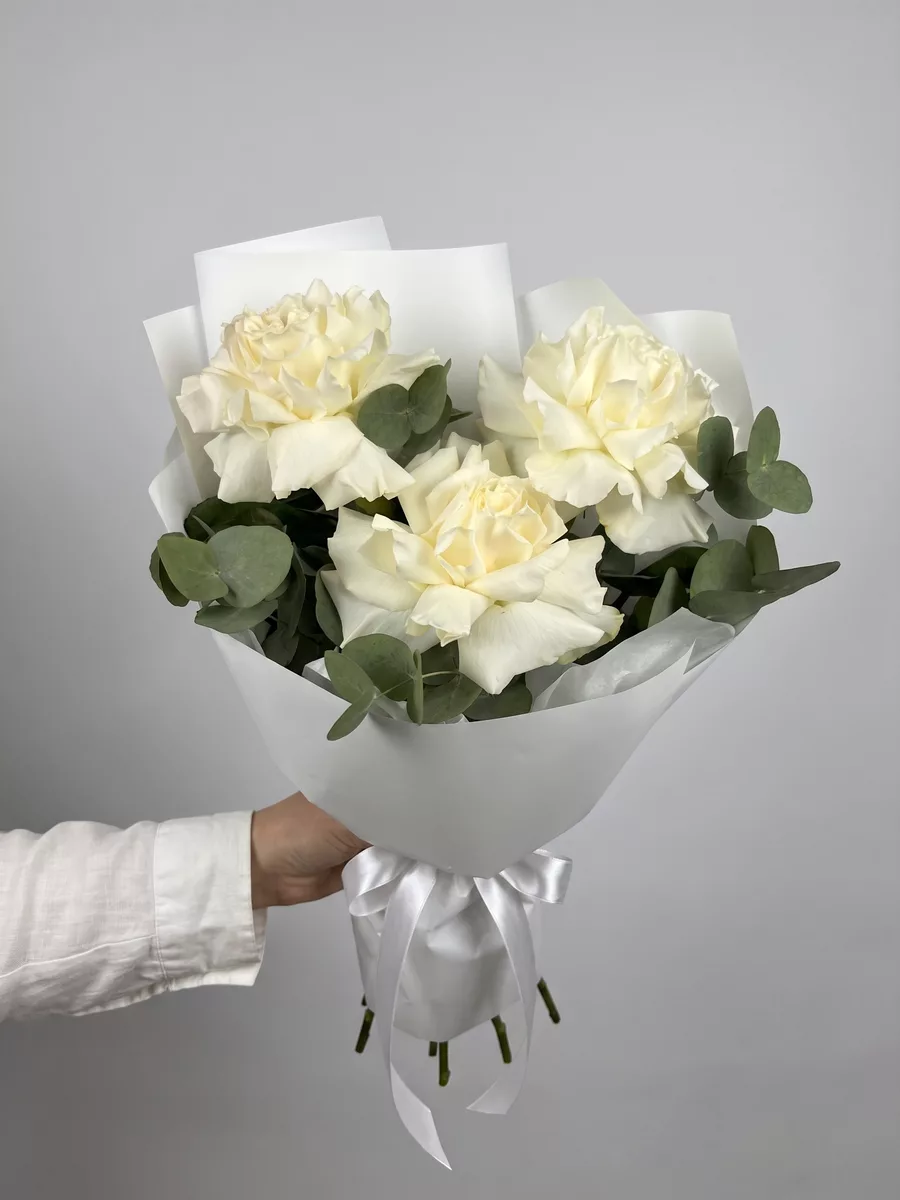
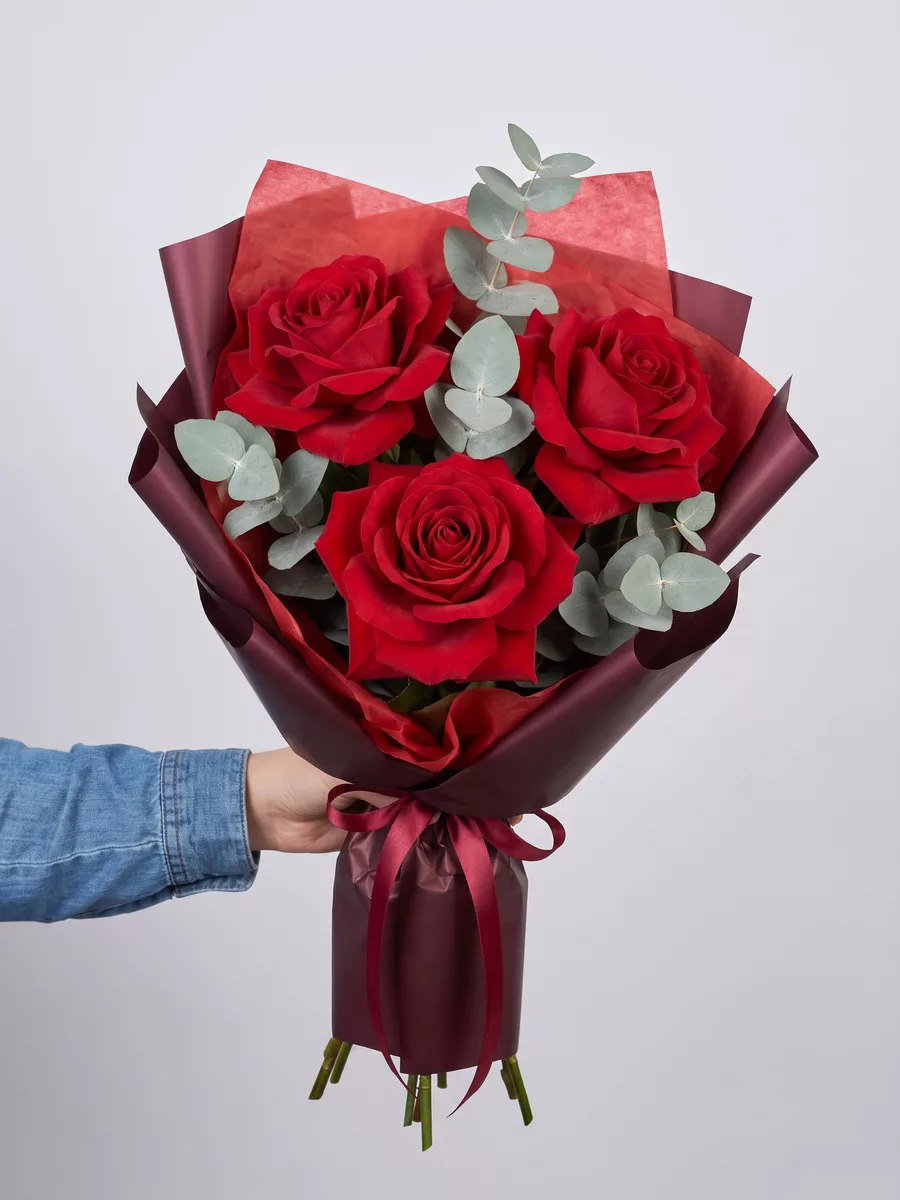
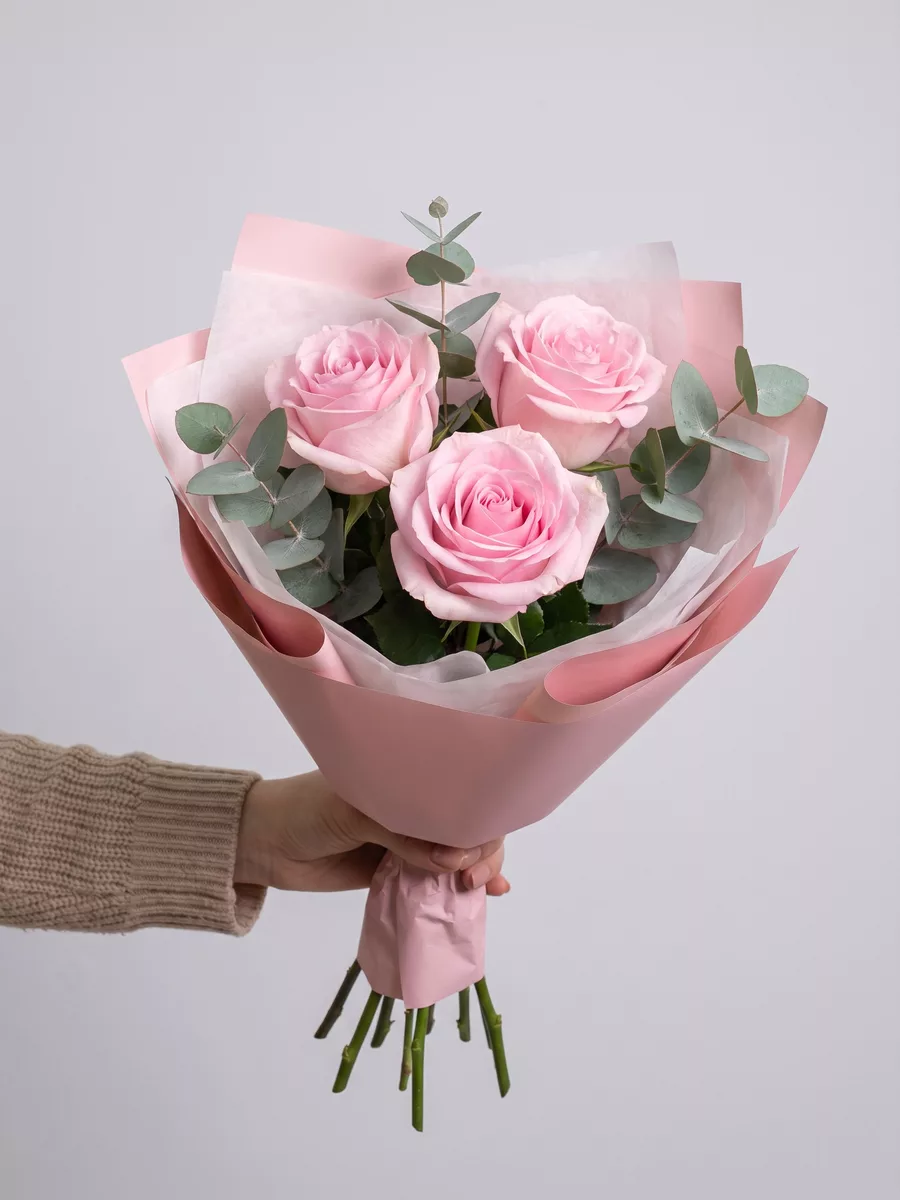
Bouquets we can deliver

Choosing Flowers for the Person, Not Just the Occasion
The most common mistake senders make from abroad is choosing flowers for the occasion first and the person second. Russian gifting culture does place meaning on certain flowers — red roses carry romance, white chrysanthemums are traditional for respectful occasions, sunflowers feel joyful and unpretentious — but the person receiving the bouquet will feel it most if the choice reflects something true about them.
For a mother or grandmother in Gryazi, consider warm-toned arrangements: peach spray roses, orange gerberas and cream alstroemeria hold well in transit and feel generous without being showy. For a younger woman celebrating a birthday, a mixed bouquet of ranunculus, lisianthus and eucalyptus reads as modern and considered. For a colleague or teacher being thanked, tulips or carnations in a single colour are clean, respectful and never misread.
One thing worth knowing: in Russia, flowers are almost always given in odd numbers. This is not superstition so much as long-standing custom, and even if your recipient is perfectly relaxed about it, the florist assembling the bouquet will follow this rule automatically. You do not need to count stems yourself — it is handled at the shop level. What you do need to decide is whether the bouquet should feel intimate and hand-held, or full and display-worthy. Describing the recipient's personality when you place your order is the single most useful thing you can do from abroad.
Timing Your Order Across Time Zones
Gryazi operates on Moscow Time, which is UTC plus three, with no daylight saving adjustment. If you are in London, you are three hours behind. If you are in New York on Eastern Standard Time, you are eight hours behind. If you are in Dubai, you are one hour ahead. These gaps matter enormously when you are aiming for a specific delivery window.
Turboflora delivers within one to two hours of order confirmation. That means if you want flowers to arrive at noon Gryazi time, you need to place your order by ten in the morning Gryazi time at the latest — and you need to be awake and at your device to do that. Work backwards from the recipient's schedule, not your own local clock.
Birthday mornings are the most emotionally powerful moment for a delivery. Arriving with flowers before the recipient has left for work or plans turns a regular morning into something memorable. Anniversary deliveries often work better in the evening when both partners are home. For a congratulatory bouquet after a new job or exam result, same-day delivery is almost always the right call — waiting until tomorrow loses the energy of the moment.
If you are placing an order late at night by your local time, check whether that falls within business hours in Gryazi. Planning one day ahead and scheduling a morning delivery is often more reliable than rushing an order through at an unusual hour. A little time-zone arithmetic before you start the order process saves a lot of anxiety.
What Flowers Work Best by Season in Central Russia
Central Russia has four distinct seasons, and each one shapes what is available, what travels well and what will last longest in a home vase. Understanding this helps you set the right expectations and make a better choice.
In winter, from November through February, the reliable workhorses are roses, chrysanthemums, carnations and gerberas. These are grown in controlled conditions and arrive in consistent quality. Avoid ordering delicate open-headed flowers like anemones or garden peonies in deep winter — they are either unavailable or sourced from far away and may not be at peak freshness. A compact bouquet of spray roses in burgundy or deep red, wrapped tightly against the cold, is a genuinely beautiful winter gift.
Spring brings tulips in abundance from March onward. Dutch tulips are widely available across Russia by early March, which aligns perfectly with International Women's Day on the eighth of March — the single biggest flower-giving day in Russia, when demand is extraordinary and ordering early is essential. By April and May, ranunculus, hyacinths and early peonies begin to appear.
Summer is the richest season. Peonies peak in June, sunflowers are available from July, and the range of garden-style flowers expands significantly. Lisianthus, statice and solidago add texture and longevity to summer arrangements. Autumn brings dahlias, echinacea and the last of the outdoor roses. These seasonal rhythms are worth factoring into your choice — a bouquet that matches the season always feels more alive than one that fights it.
How to Write a Card Message That Lands in Russian Culture
A card message is often the part that international senders worry about least, but it carries enormous weight. In Russia, written words accompanying a gift are read carefully and kept. A thoughtful message elevates even a simple bouquet.
You do not need to write in Russian if you are not confident — a sincere message in English, French or another language will be understood and appreciated by most recipients. However, if you want the message to feel fully local, ask for a translation when you place your order, or prepare one using a reliable tool and have it checked. Even a single phrase in Russian — something like a warm birthday wish — shows effort and care.
Avoid overly formal language. Russian emotional expression in personal contexts tends to be direct and warm rather than flowery or distant. Say what you actually feel: that you are thinking of them, that you are proud of them, that you miss them. Specificity matters more than elegance. Mentioning a shared memory, a joke between you, or a detail only you two would know transforms a card from polite to personal.
Keep the message to three or four sentences at most. A card tucked into a bouquet is not the place for a long letter. It is a punctuation mark on the gesture of the flowers themselves. The florist will print or handwrite your message and attach it to the bouquet before delivery, so it arrives as part of the whole presentation rather than as an afterthought.
What Your Recipient Should Do When the Bouquet Arrives
This section is worth sharing with your recipient directly, especially if they are not experienced with fresh cut flowers. A beautiful bouquet can last anywhere from five days to two weeks depending on the varieties and how it is cared for once it arrives.
The first step is to re-cut the stems. Using a sharp knife or scissors, cut about two centimetres off each stem at a diagonal angle. This opens up the stem's water channels, which may have begun to seal during transit. Do this under running water or while the stems are submerged to prevent air bubbles from entering. Never use blunt scissors — they crush rather than cut.
Fill a clean vase with cool water. Lukewarm water encourages tulips to open faster, which is sometimes desirable, but for most other flowers cool water extends vase life. Add the flower food sachet if one is included — it contains a mild acidifier and a small amount of sugar that genuinely helps. Remove any leaves that would sit below the waterline, as submerged foliage rots quickly and clouds the water.
Place the vase away from direct sunlight, radiators and fruit bowls. Ripening fruit releases ethylene gas, which accelerates the aging of cut flowers — roses and carnations are particularly sensitive to this. Change the water every two days and re-cut the stems each time. Roses, carnations, alstroemeria and chrysanthemums treated this way can easily last ten to fourteen days. Tulips and ranunculus are shorter-lived but no less beautiful for it.
Practical Steps for Placing Your Order from Outside Russia
Ordering from abroad is straightforward once you know what information to have ready. The most important detail is the recipient's full address, including the apartment number, entrance number and floor if applicable. Russian addresses follow a specific format: street name, building number, apartment number. If your recipient lives in a multi-entrance apartment block — which is common in Russian cities — the entrance number is essential for the delivery to go smoothly.
Have a working phone number for the recipient. Delivery drivers in Russia typically call ahead to confirm the recipient is home and to coordinate access to the building. If the recipient is surprised and you want to keep the delivery secret, you can note this when placing the order — the driver will adapt. However, be realistic: if the recipient is out, the bouquet cannot simply be left at the door in warm weather without risking the flowers.
Payment from abroad is handled through international card processing, so your standard credit or debit card should work. If you encounter any issue, contact the shop directly before assuming the order has gone through. Keep a confirmation email or order number.
Finally, double-check the delivery date and time against Gryazi local time one more time before confirming. It sounds obvious, but time-zone confusion is the most common reason an otherwise well-planned delivery misses its moment. A few seconds of verification saves the entire gesture.
Sending flowers to Gryazi from the other side of the world is a genuinely meaningful act. The distance makes the gesture larger, not smaller — your recipient knows what it took to arrange, and they will feel it. The practical side is manageable once you understand the time zones, the seasons and the small customs that make a Russian flower delivery feel right. Choose flowers that suit the person, write something true on the card, share the care instructions and let Turboflora handle the rest.
Frequently asked questions
Does the continental climate in Gryazi affect which flowers I should order in winter versus summer?
Yes, and it matters more than most senders expect. In January and February temperatures can fall below minus fifteen Celsius, so hardy stems like chrysanthemums, carnations and spray roses travel better than delicate garden varieties. In July heat above thirty Celsius shortens vase life sharply, so ask your florist to prioritise tight buds over open blooms and request insulated wrapping regardless of season.
Will a flower delivery feel different in Gryazi than it would in Moscow or another large Russian city?
It genuinely will. Gryazi is a smaller city where neighbours notice things and a delivery carries more social weight than it does in a capital. Your recipient is likely to feel the gesture more acutely, which means presentation earns its place. A well-wrapped bouquet with a card message, even a short one in Russian, amplifies the moment in a way that a plain delivery simply does not.
What combinations work well for someone in Gryazi who is not marking a specific occasion?
Think warmth over drama. Mixed seasonal bouquets built around alstroemeria, solidago and spray carnations feel generous without requiring a formal reason. Adding a few stems of eucalyptus or ruscus gives the arrangement structure and extends its life. Avoid all-white arrangements outside of weddings, as white carries mourning associations in Russian gifting culture and can send an unintended message.
Is it worth including a card message in Russian, and how do I do that if I do not write the language?
A short message in Russian adds genuine warmth and most international florists, including Turboflora, offer this as part of the order process. You can write your message in English and ask for it to be translated, or simply provide a phonetic phrase. Even three or four words in Russian signals care and effort to the recipient in a way that an English-only card from abroad rarely achieves.
How does the fact that Gryazi is not a major city affect delivery reliability and florist quality?
Turboflora delivers across the Lipetsk region itself, so delivery to Gryazi is handled by someone who knows the area rather than routed through a distant fulfilment centre. This matters for freshness and timing. Ordering through a service that delivers in the region itself rather than a generic aggregator reduces the risk of substitutions and gives you a more accurate picture of what your recipient will actually receive.
Ready to send flowers?
Pick the city, choose the bouquet, and a local florist takes it from there.
Choose a city →