Sending Flowers to Gubakha from Abroad? Read This First
Gubakha sits in the Perm Krai, tucked into the western foothills of the Ural Mountains, and it carries the quiet, unhurried feel of a town where a bouquet truly means something. When you are ordering from London, Berlin, Toronto or anywhere else outside Russia, you cannot walk into a shop, touch the stems or ask a florist face to face. What you can do is understand exactly how the process works, what the climate there demands of fresh flowers, and which choices will make the person opening the door feel genuinely seen — not just remembered.
Why Gubakha Specifically Changes How You Should Order
Gubakha is not a large city, and that matters the moment you start thinking about flowers. It is a town of roughly thirty thousand people in a region where winters are long, cold, and serious. The Ural climate means temperatures can sit well below freezing from November through March, and even April can surprise with frost. That temperature range directly affects which flowers survive the journey from the warehouse to the recipient's hands.
When you order from abroad, you are not just choosing a bouquet — you are choosing something that will travel through cold air, possibly in a vehicle without climate control for part of the route. Delicate tropical stems like anthuriums or strelitzia are risky in deep winter because they blacken quickly once exposed to frost. Hardy varieties hold up far better. Roses with tight, firm buds, spray chrysanthemums, alstroemeria, and carnations are all built for this kind of journey.
The other thing worth knowing is that Gubakha recipients tend to appreciate sincerity over spectacle. A well-made, honest bouquet with good foliage and a clear colour story lands better than an overcrowded arrangement that looks impressive in a photo but feels impersonal in person. Think about the room the flowers will go into, the person's personality, and the occasion — then let those details guide the composition rather than defaulting to the biggest option available.
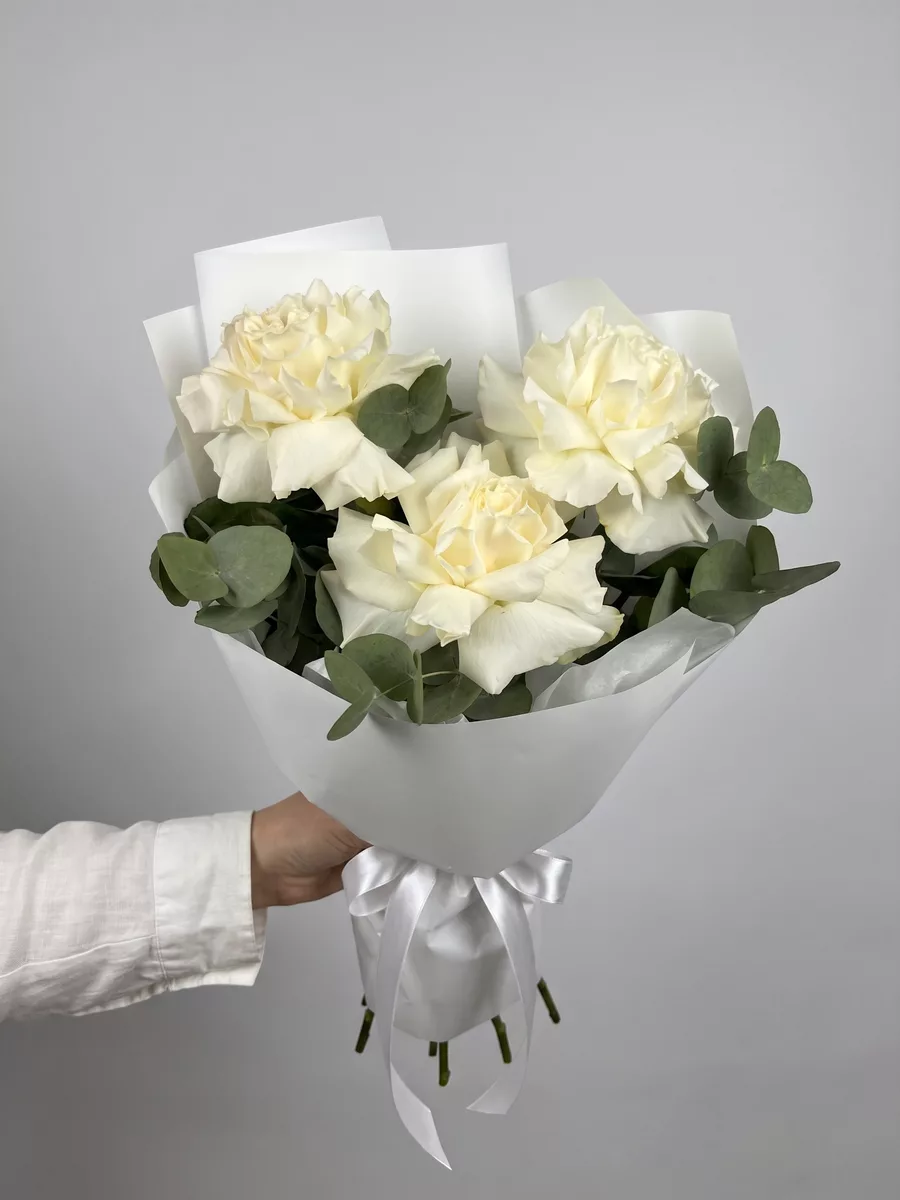
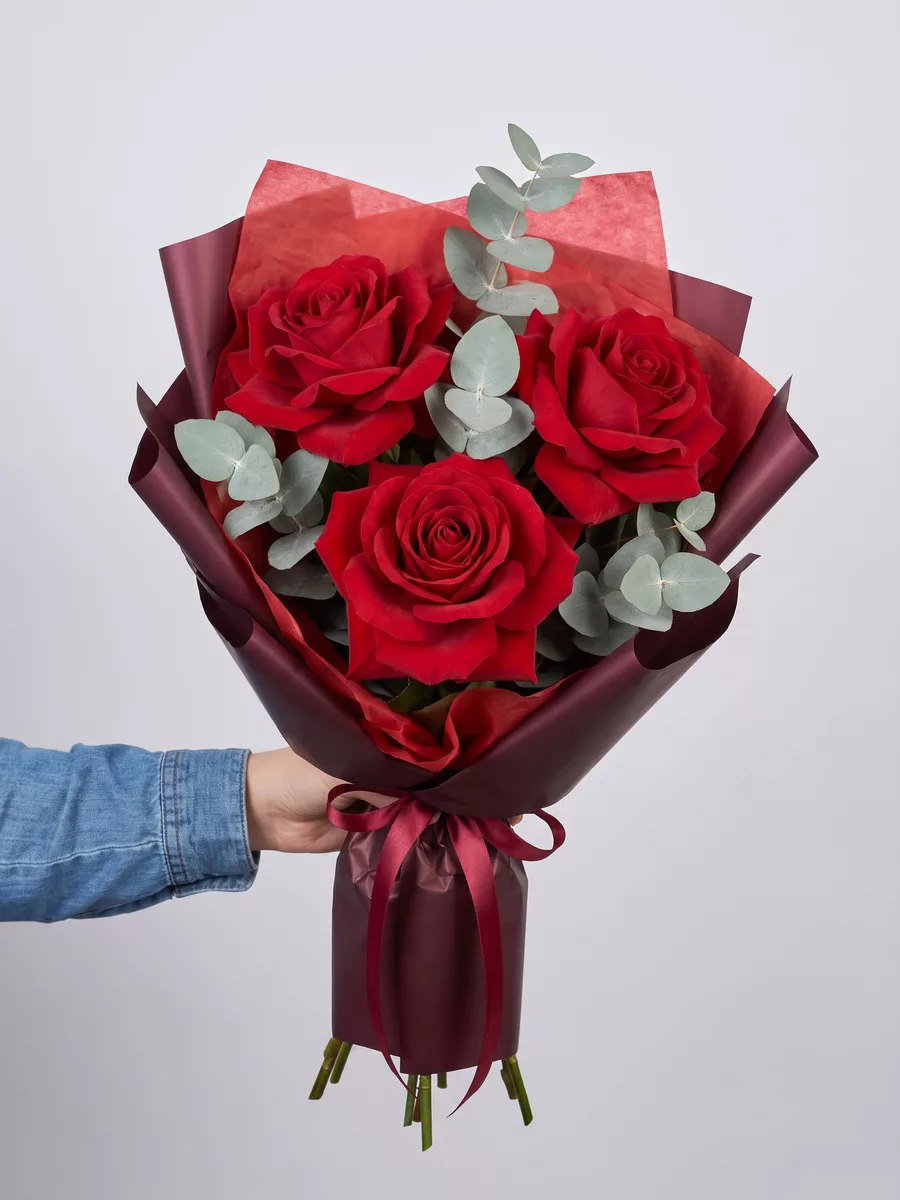
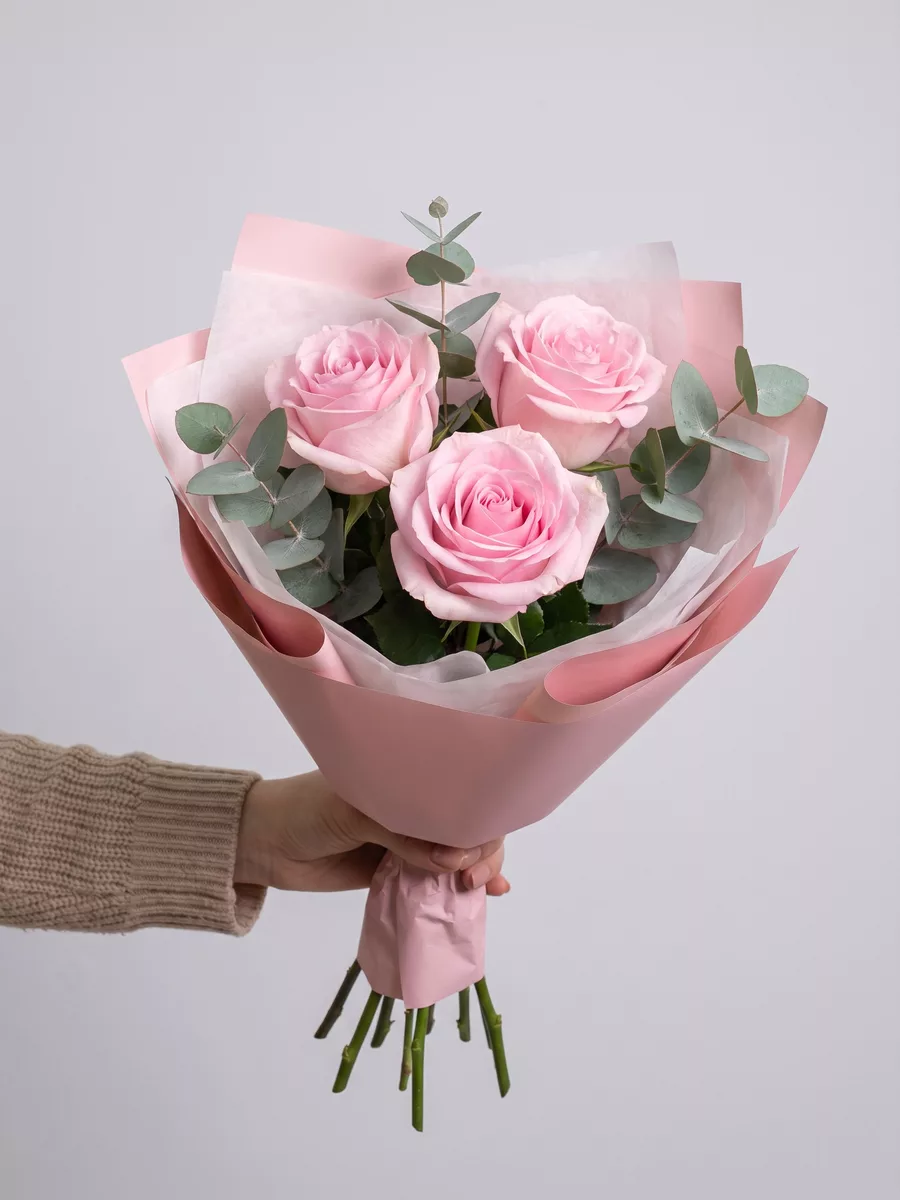
Bouquets we can deliver

Choosing the Right Moment: Timing Your Order Across Time Zones
Gubakha runs on Moscow time plus two hours, which puts it in the GMT+5 zone. If you are ordering from Western Europe, you are already three to four hours behind. From North America, the gap stretches to eight, ten, or even thirteen hours depending on your coast. This is the single most common source of disappointment for international senders, and it is entirely avoidable with a little planning.
Turboflora delivers within one to two hours across Russia, including Gubakha. But that window starts from the moment your order is confirmed and assembled — not from the moment you begin filling in the form. If you place an order at 11 p.m. your time thinking it will arrive in the morning, do the maths for Gubakha first. What feels like evening to you may already be early the next morning there, which is actually helpful — or it may be the middle of the night, which means the delivery will fall into the next delivery window.
The cleanest approach is to choose a specific delivery date and a broad time window — morning, afternoon, or evening — rather than trying to engineer an exact hour from thousands of kilometres away. For milestone occasions like birthdays or anniversaries, ordering a day ahead is wise. Russian name days, known as imeniny, are also celebrated warmly and are worth knowing if the recipient observes them. Build in a buffer, confirm the recipient will be home or reachable, and communicate with them loosely so the arrival is a surprise but not a missed delivery.
What the Occasion Tells You About the Bouquet
Russian floral customs have their own logic, and understanding even the basics will help you choose something that feels right rather than accidentally awkward. The most important rule for a sender from abroad: always give an odd number of stems. Even numbers of flowers are traditionally associated with mourning in Russia and would be an unwelcome signal at a birthday, graduation, or romantic occasion. Most florists compose bouquets with this in mind automatically, but if you are customising, keep it in mind.
For a birthday, warmth and abundance read well — think full-headed garden roses in peach or coral, mixed with lisianthus and eucalyptus. For a romantic gesture, classic red roses remain deeply meaningful in Russian culture and are not considered cliché the way they sometimes are in Western Europe. For a professional achievement or a thank-you, white and cream tones with structured greenery feel polished and respectful without being overly intimate.
New baby congratulations call for soft pinks or whites — ranunculus, sweet peas if in season, and delicate wax flower work beautifully together. If you are celebrating a housewarming, sunflowers are a genuinely beloved choice in Russia and carry a sense of warmth and welcome that translates perfectly to a new home. The key is to match the emotional register of the occasion rather than simply picking what looks impressive. A florist-composed bouquet that fits the moment will be remembered far longer than a large arrangement that feels generic.
Seasonal Availability and What Grows Well in Each Month
Flowers in Russia follow the seasons more visibly than in countries with year-round mild climates. While imported varieties are available throughout the year, certain flowers are genuinely at their best — and most affordable — at specific times, and knowing this helps you choose something that arrives looking its finest.
From December through February, the safest and most beautiful choices are roses, carnations, spray chrysanthemums, and alstroemeria. These are robust, cold-tolerant, and hold their colour under artificial light during the short winter days. Tulips become widely available from late January onward, and by February they are everywhere — particularly around the 8th of March, International Women's Day, which is one of the most significant flower-giving occasions in Russia. If you are sending around that date, order several days in advance.
Spring brings ranunculus, hyacinths, and daffodils, all of which feel fresh and optimistic after a long Ural winter. Summer opens up peonies — deeply loved in Russia, they arrive in late May and peak through June — as well as dahlias, lisianthus, and garden-style arrangements with seasonal foliage. Autumn is the season for chrysanthemums, which are treated with far more respect in Russia than in some Western markets, and for warm-toned roses in amber, burgundy, and rust. Matching your bouquet to what is genuinely in season means better quality, longer vase life, and a composition that feels alive rather than forced.
Budgeting from Abroad: What Affects the Final Cost
Ordering internationally means you are working in a different currency, often without a clear sense of what Russian flower prices look like at different levels. The good news is that fresh flowers in Russia are generally excellent value compared to Western European or North American pricing, and a meaningful, well-composed bouquet does not require an extravagant budget.
At a modest budget, you can expect a clean, single-variety bouquet — a dozen roses or a generous bunch of spray chrysanthemums with complementary foliage — that will look genuinely lovely and last well. Moving into a mid-range spend opens up mixed compositions: roses combined with lisianthus, eucalyptus, and wax flower, or a seasonal arrangement that uses whatever is at its peak. At the higher end, you are looking at premium rose varieties with large heads, peonies in season, or structured arrangements with dried accents and specialty foliage.
One thing international senders sometimes overlook is the delivery fee for more remote addresses within Gubakha. The town is not enormous, but some addresses require longer routes, and it is worth confirming the full cost at checkout rather than being surprised. Payment from abroad is straightforward — Turboflora accepts international cards — and the currency conversion happens automatically. If you want to include a card message in Russian but do not speak the language, write your message in English and note that you would like it transliterated or kept in English; recipients in smaller Russian cities often find a message in the sender's own language more touching than a translated one.
Keeping Flowers Fresh: What to Tell the Recipient
One of the most useful things you can do as a sender is pass along a few simple care instructions, especially if the recipient is not used to receiving fresh flowers regularly. In Gubakha's climate, the indoor environment matters as much as the outdoor temperature. Russian apartments are typically kept very warm in winter — heating systems in Perm Krai buildings run at full capacity from October through April, and a room that sits at 24 or 25 degrees Celsius is hard on cut flowers.
Tell the recipient to keep the bouquet away from radiators and direct heat sources. A cool spot near a window — but not a drafty one — is ideal. Roses and lisianthus prefer water that is changed every two days. A clean diagonal cut on the stems before placing them in the vase makes a significant difference to how long they drink. Chrysanthemums and carnations are among the longest-lasting cut flowers and can easily reach ten to fourteen days with basic care. Tulips continue to grow after cutting and will lean toward light, so rotating the vase keeps them upright.
If the bouquet arrives wrapped, the recipient should unwrap it promptly and get the stems into water within the first hour. Leaving flowers in their wrapping in a warm apartment accelerates wilting noticeably. For arrangements with mixed varieties, removing any leaves that fall below the waterline prevents bacterial growth that shortens vase life. These are small steps, but they are the difference between flowers that last four days and flowers that last nearly two weeks.
Making the Delivery Feel Personal from a Distance
The gap between sending flowers from abroad and being physically present is real, but it does not have to feel impersonal. The details you add around the bouquet are what make the moment land with genuine warmth. A handwritten card message — even a short one — carries far more weight than no message at all. Be specific: mention a shared memory, use the person's nickname if they have one, or reference something about Gubakha itself. Specificity is what transforms a flower delivery into a moment.
If you know the recipient's home, think about what will suit it. A tall, architectural arrangement works in a spacious living room but can feel overwhelming in a small Khrushchev-era apartment. A compact, round bouquet with a tight colour palette is easier to display and often more appreciated in everyday spaces. If you are unsure, a medium-sized, well-proportioned bouquet in a single colour family is almost always right.
Russian recipients also respond warmly to flowers that feel seasonal and local rather than exotic. A bouquet that looks like it belongs in the landscape — sunflowers in late summer, tulips in early spring, rich dahlias in autumn — feels considered in a way that out-of-season imports sometimes do not. You do not need to be physically present in Gubakha to understand what the town and the season feel like. Ask the recipient about the weather there, look up what month it is, and let that guide your final choice. That kind of attention is what makes a gift feel like it came from someone who truly thought about them.
Sending flowers to Gubakha from outside Russia is entirely straightforward once you understand the climate, the timing, and the small cultural details that make a bouquet feel right rather than just adequate. The Ural winters demand sturdy, cold-tolerant varieties. The time zone gap demands a little planning. And the person receiving the flowers deserves a choice that reflects who they are and what the occasion means — not just what looked good in a thumbnail. Turboflora delivers fresh flowers to Gubakha within one to two hours, handles the logistics on the Russian end, and makes it possible for someone in another country to create a genuinely warm, well-timed moment for someone they care about.
Frequently asked questions
Can I send flowers to Gubakha if I do not speak Russian?
Yes, entirely. Turboflora's website and ordering process work in English, and you can write your card message in any language. Many recipients in smaller Russian cities find a message in the sender's own language more personal and touching than a translated one. The delivery team handles all Russian-language communication on your behalf.
Which flowers should I avoid sending to Gubakha in winter?
Avoid tropical varieties like strelitzia, anthurium, and orchid stems during deep winter months — November through March — as they are highly sensitive to cold and can blacken during outdoor transit. Roses, carnations, alstroemeria, and chrysanthemums are all cold-tolerant and arrive in excellent condition even in harsh Ural winter temperatures.
What is the most important flower-giving occasion in Russia I should know about?
The 8th of March — International Women's Day — is the single biggest flower occasion in Russia, far larger than it is in most Western countries. Almost every woman receives flowers that day. If your recipient is a woman and the date is approaching, order at least two to three days ahead to secure your preferred bouquet and delivery window.
How do I make sure the recipient is home when the flowers arrive?
Choose a broad delivery window — morning, afternoon, or evening — rather than a precise hour, and give the recipient a loose heads-up that something is coming without revealing the details. Turboflora's delivery team will contact the recipient before arrival. Confirming the full address, including apartment number and entry code, prevents any delay on the day.
Does the number of flowers in the bouquet matter in Russian culture?
Yes, it matters significantly. In Russia, even numbers of flowers are traditionally associated with mourning and are not given at celebratory occasions. Always choose an odd number of stems for birthdays, anniversaries, congratulations, or romantic gifts. Turboflora compositions follow this convention automatically, but it is worth knowing if you are customising your order.
Ready to send flowers?
Pick the city, choose the bouquet, and a local florist takes it from there.
Choose a city →