Sending Flowers to Gubkinsky from Abroad: What You Need to Know
You are somewhere far from Russia — maybe London, Berlin, Dubai, or Toronto — and someone you care about is in Gubkinsky, a city in the Yamalo-Nenets Autonomous Okrug in the far north of Western Siberia. You want to send flowers. The distance feels enormous, the logistics feel uncertain, and you are not sure whether fresh blooms can even reach a city that most people outside Russia have never heard of. They can, and this article will walk you through everything that actually matters: when to order, what to choose, how the climate affects the flowers, and what small gestures will mean the most to a recipient in that part of Russia.
Understanding Gubkinsky and Why Location Matters for Flowers
Gubkinsky sits in the Yamalo-Nenets Autonomous Okrug, deep in the West Siberian Plain, and its climate is genuinely subarctic. Winters are long and severe, with temperatures regularly dropping to minus twenty-five or minus thirty degrees Celsius. Summers are short but surprisingly warm. This matters enormously for anyone sending flowers, because the cold is not just a backdrop — it is an active factor in how a bouquet travels and arrives.
The city itself is a relatively compact, modern settlement built around the oil and gas industry. It has a close-knit community feel, which means a flower delivery is a visible, meaningful gesture. People notice when someone receives a beautiful arrangement, and the recipient will almost certainly mention it to friends and family. That social warmth is something worth knowing: your bouquet is not just a private moment, it becomes a small shared event.
For the sender abroad, the key practical point is that Gubkinsky is not a major metropolitan hub, so planning ahead is essential. Ordering with at least twenty-four hours of lead time gives the best chance of a smooth delivery. During extreme cold snaps — which can last for weeks in January and February — the packaging and routing of the flowers require extra care to prevent freeze damage, so a florist who knows the region is not a luxury but a necessity.
Bouquets we can deliver

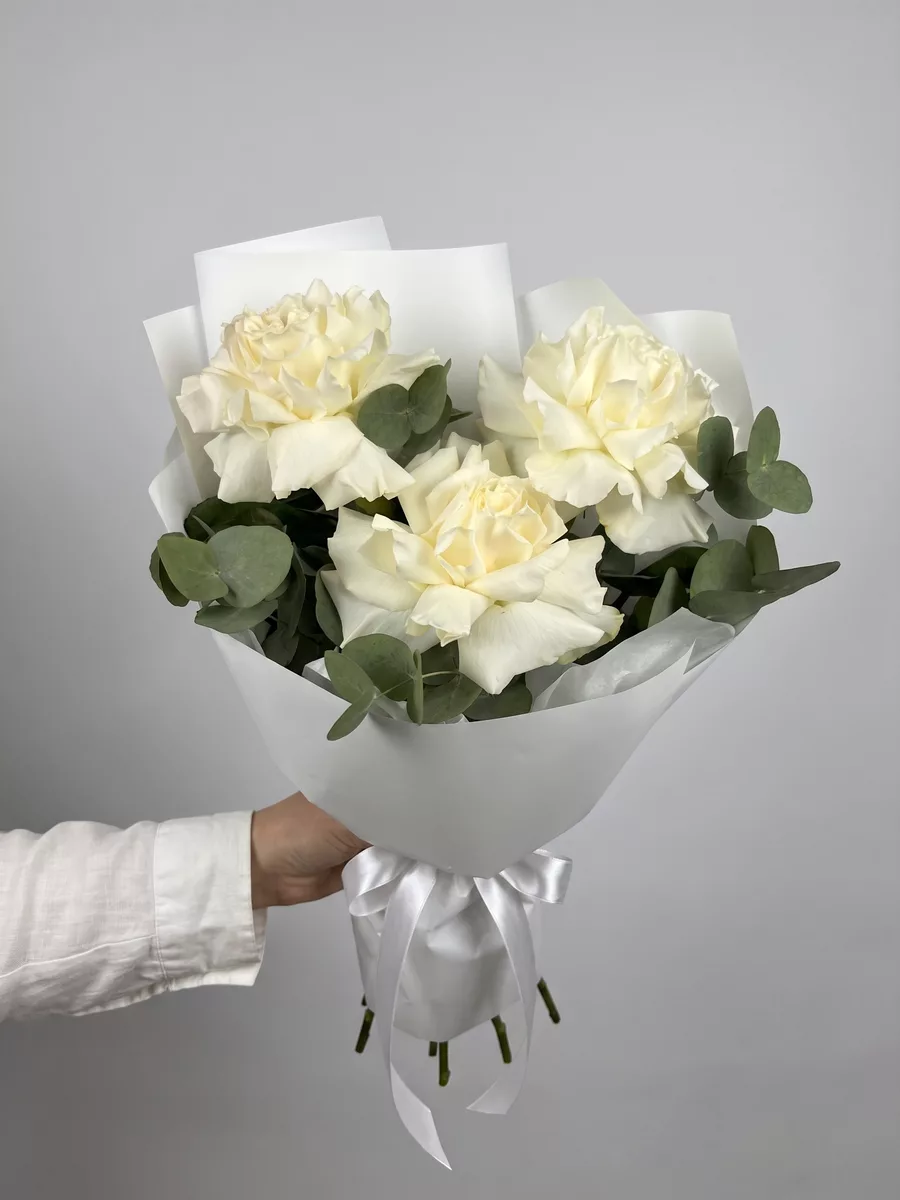
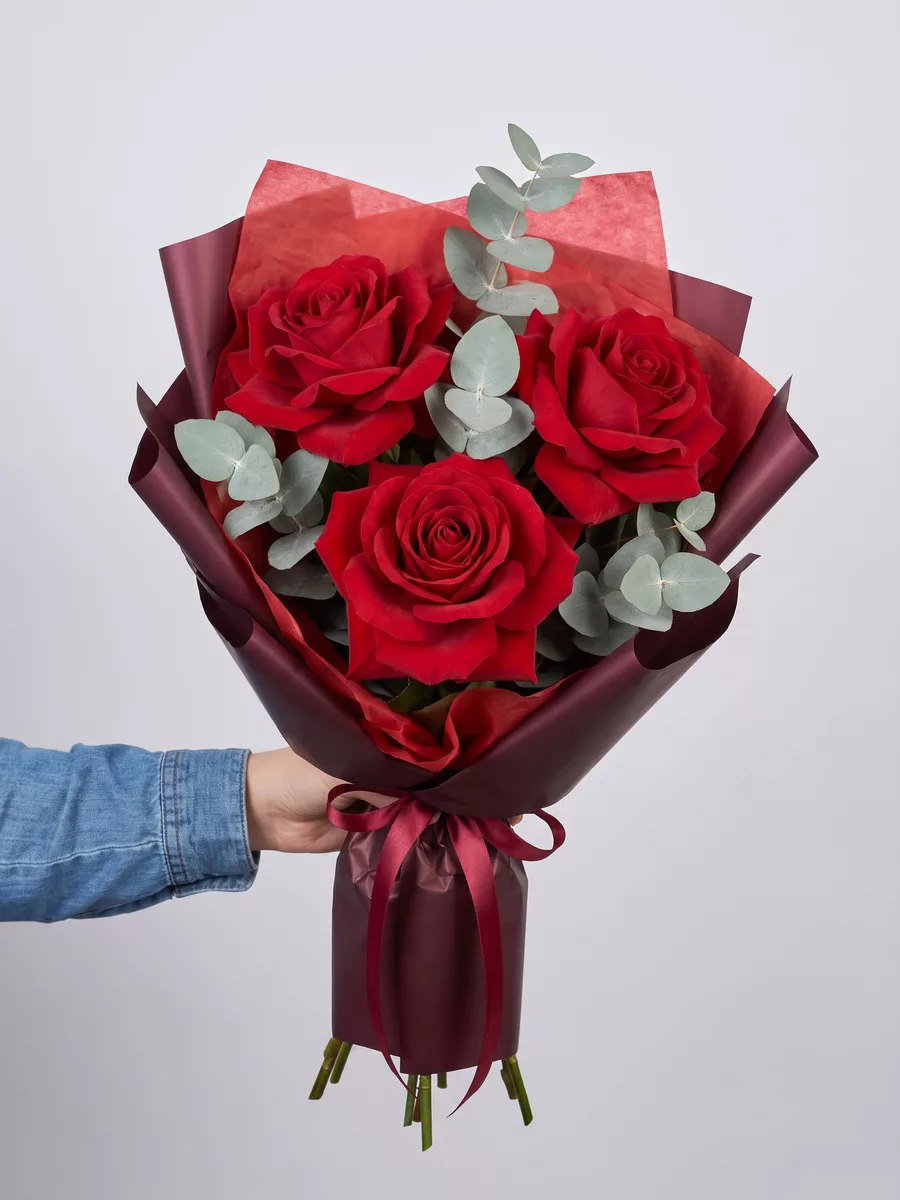
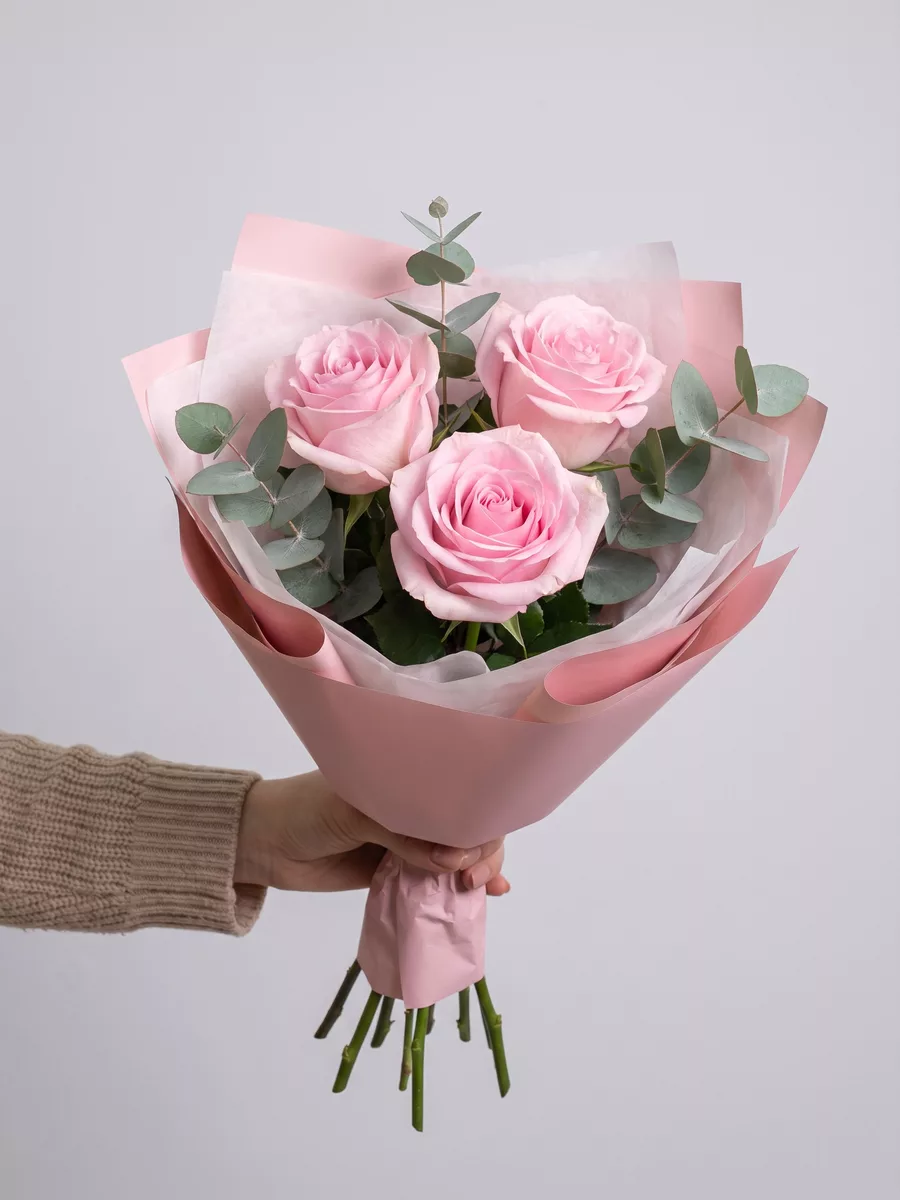
Choosing the Right Occasion Framing Before You Pick a Single Stem
Before you think about roses versus tulips, think about the person and the moment. Russian flower-giving culture is rich and specific, and getting the emotional register right matters more than picking the most expensive variety. Flowers in Russia are given for birthdays, anniversaries, professional milestones, graduations, the first day of school, International Women's Day on the eighth of March, and many other occasions. Each has its own unspoken visual language.
For a birthday, abundance signals celebration — a generous bouquet with volume and colour reads as festive and caring. For a romantic occasion, red roses remain the clearest statement, though a mix of deep burgundy and blush tones feels more contemporary and is extremely well received. For a professional achievement or a congratulatory moment, white and cream flowers with some greenery project elegance and respect without being overly personal.
One important custom to know: in Russia, even numbers of flowers are traditionally associated with mourning, so bouquets are always made with an odd number of stems — three, five, seven, eleven, fifteen, and so on. A reputable florist will handle this automatically, but it is worth being aware of if you are specifying exact quantities. Mentioning the occasion when you place your order allows the florist to calibrate the composition, the colour palette, and even the wrapping style to match what the recipient will instinctively expect and appreciate.
Which Flowers Survive the Siberian Cold and Still Look Beautiful
Not every flower handles a subarctic delivery route equally well. When temperatures outside are extreme, the transit from courier vehicle to doorstep — even a short walk of thirty seconds — can stress delicate petals. Knowing which varieties are naturally more resilient helps you make a choice that arrives looking genuinely lovely rather than wilted and apologetic.
Roses are the most reliable long-distance flower when they are fresh and properly conditioned. Ecuadorian and Kenyan roses, which have become the standard for quality in the Russian market, have thick petals and strong stems that handle cold shock better than many alternatives. Chrysanthemums are exceptionally hardy and hold their structure even after temperature fluctuations — a single large-headed chrysanthemum or a spray variety adds both volume and longevity to any arrangement. Alstroemeria is another excellent choice: it travels well, lasts up to two weeks in a vase, and comes in a wide range of warm and cool tones.
In summer months, when Gubkinsky temperatures rise, ranunculus and lisianthus become viable and beautiful options — their layered petals give a bouquet a lush, almost peony-like quality without the fragility of a true peony in transit. Tulips are popular in spring and are surprisingly robust if kept cool. Avoid tropical varieties like bird of paradise or anthuriums for winter deliveries to northern cities — they are sensitive to cold and do not recover well from temperature stress. Seasonal awareness is the single most useful filter when choosing what to send.
How to Order from Outside Russia Without Getting Lost in the Process
Ordering flowers internationally for delivery inside Russia is simpler than most people expect, but there are a few points where senders from abroad commonly stumble. The first is the address format. Russian addresses are written with the postal code, city, street, building number, and apartment number — in that order. If you are sending to an apartment building, you will also need the entrance number and the floor, because large residential blocks in Russian cities can have multiple stairwells and a courier needs to find the right one without calling the recipient and spoiling the surprise.
The second point is the phone number. Provide a local Russian mobile number for the recipient whenever possible. Couriers in Russia routinely call ahead before arriving, and if the recipient does not answer a number they recognise, they may miss the delivery. If you only have an international number for the recipient, mention this when placing the order so the florist can make a note and handle the contact carefully.
Time zones are the third practical consideration. Gubkinsky operates on Yekaterinburg Time, which is UTC plus five. When you are placing an order from Western Europe, North America, or the Gulf, calculate the local time in Gubkinsky before selecting a delivery window. A slot that feels like midday to you might be the middle of the night there. Most online order forms will show local delivery times, but double-checking prevents the most common scheduling mistake senders from abroad make.
Budget Ranges and What They Look Like in the Vase
Flower budgets translate into very different visual outcomes, and understanding what each tier actually produces helps you set expectations and make a confident choice without second-guessing yourself after the order is placed.
At an entry level, you are typically looking at a neat, single-variety bouquet — five or seven roses in a coordinated wrap, or a cluster of alstroemeria with some decorative greenery. It is a genuine, warm gesture that photographs well and feels personal. This is a solid choice for a colleague's birthday or a friendly congratulation.
A mid-range budget opens up mixed compositions. Think roses combined with lisianthus and eucalyptus, or chrysanthemums layered with spray roses and ruscus. The added variety creates texture and visual depth that a single-variety bouquet simply cannot achieve. These arrangements feel considered and generous, and they suit romantic occasions, significant birthdays, and milestone celebrations.
At the higher end, you move into large-format bouquets with premium stems — long-stemmed Ecuadorian roses, garden-style arrangements with multiple focal flowers, or structured compositions with a clear design concept. The packaging at this level also becomes part of the gift: layered wrapping, ribbon, and a gift card with a handwritten-style message. For someone in Gubkinsky receiving a premium bouquet from a sender abroad, the presentation itself communicates the effort and distance involved, which adds a layer of meaning that the recipient will feel immediately upon opening the door.
Caring for the Bouquet Once It Arrives in Gubkinsky
A bouquet that arrives in Gubkinsky in winter has often come in from the cold, and the recipient may not know the simple steps that make a significant difference to vase life. If you are writing a card message, including a brief care note is a genuinely thoughtful touch — it shows you thought beyond the moment of delivery.
The most important first step is letting the flowers acclimatise before unwrapping them. If the bouquet has been in cold packaging, placing it in a warm room still wrapped for ten to fifteen minutes prevents the thermal shock that causes petals to bruise and stems to go limp. Once unwrapped, the stems should be cut at a diagonal — about two centimetres from the base — using a sharp knife rather than scissors, which can crush the vascular tissue and reduce water uptake.
The vase water should be cool and clean, changed every two days. Flowers last longest away from direct heat sources, which in Gubkinsky's heated apartments means keeping them away from radiators, which are typically running at full capacity for most of the year. Direct sunlight also shortens vase life, even in winter when the sun is low and pale. Roses and alstroemeria will typically last seven to ten days with basic care. Chrysanthemums can go two weeks or more. Removing any leaves that fall below the waterline prevents bacterial growth, which is the main reason flowers die early in a vase. These are small habits, but they extend the joy of the bouquet well beyond the day it arrives.
Making the Moment Feel Personal Across the Distance
The logistics of an international flower delivery are solvable. What takes more thought — and what the recipient will actually remember — is the personal layer you add to the gesture. A bouquet arriving at a door in Gubkinsky from someone in another country is already remarkable. A few small decisions can make it genuinely moving.
The card message is the most underused element of any flower order. Many senders write something brief and generic because they feel awkward, but a specific, honest sentence or two lands far better than a polished phrase. Mentioning a shared memory, naming the occasion clearly, or simply saying where you are writing from and that you are thinking of them — these details transform a beautiful bouquet into a conversation across distance.
Colour choice is also more communicative than most senders realise. Warm tones — peach, coral, deep orange, and rich red — feel celebratory and energetic. Cool tones — white, lavender, soft lilac, and pale pink — feel tender and gentle. Choosing a palette that matches the emotional tone of your relationship with the recipient, rather than defaulting to whatever seems most impressive, shows a level of attention that flowers alone cannot convey.
Finally, consider the timing. Flowers arriving on the morning of a birthday, rather than the evening, give the recipient the whole day to enjoy them and show them to people they see. For an anniversary or a romantic occasion, an evening delivery creates a different kind of atmosphere. When you are ordering from a different time zone, getting the delivery window right is one of the most loving things you can do.
Sending flowers to Gubkinsky from abroad is not a complicated act, but it is a deliberate one. You are choosing to bridge a significant distance — geographical, cultural, and sometimes emotional — with something living and beautiful. The subarctic climate, the address format, the odd-number custom, the choice of cold-hardy varieties, the care note tucked into the card: each of these small decisions adds up to a delivery that feels genuinely thoughtful rather than merely transactional. The recipient in Gubkinsky will know that someone, somewhere far away, took the time to get it right. That knowledge is often the most meaningful part of the bouquet.
Frequently asked questions
Can flowers really be delivered fresh to Gubkinsky in winter?
Yes, with the right variety selection and proper cold-weather packaging. Hardy varieties like roses, chrysanthemums, and alstroemeria handle the transit well. The key is working with a florist who understands the subarctic conditions and packs accordingly, ensuring the bouquet arrives in good condition even when outdoor temperatures are well below freezing.
How far in advance should I order if I am sending from outside Russia?
At least twenty-four hours ahead is the practical minimum, and forty-eight hours is more comfortable. This accounts for time zone differences when placing the order, allows the florist to prepare the freshest possible stems, and gives enough scheduling flexibility to hit the delivery window you want in Gubkinsky local time, which is UTC plus five.
Why do Russian bouquets always have an odd number of flowers?
Even numbers of flowers are traditionally associated with mourning in Russian culture and are brought to funerals. For any celebratory or affectionate occasion, bouquets are composed with an odd number of stems — three, five, seven, and so on. A good florist will follow this automatically, but it is useful to know if you are specifying quantities yourself.
What information do I need to provide for a successful delivery?
You will need the full address including postal code, street, building number, apartment number, entrance number, and floor. A local Russian mobile number for the recipient is important because couriers typically call ahead. You should also specify the preferred delivery time window using Gubkinsky local time, and note the occasion so the florist can tailor the arrangement appropriately.
Which flowers should I avoid sending to Gubkinsky in winter?
Avoid tropical varieties such as bird of paradise, anthurium, and heliconia during cold months — they are highly sensitive to temperature drops and do not recover well after cold exposure. Delicate garden flowers like sweet peas are also risky in deep winter. Stick to roses, chrysanthemums, alstroemeria, or lisianthus for the most reliable winter delivery results.
Ready to send flowers?
Pick the city, choose the bouquet, and a local florist takes it from there.
Choose a city →