Sending Flowers to Gulkevichi from Abroad: What You Need to Know
You are somewhere in Europe, North America, or the Middle East, and someone you love is in Gulkevichi — a quiet city in Krasnodar Krai, in the south of Russia. You want to send flowers that arrive fresh, look generous, and feel personal. The distance is real, but the gesture does not have to feel remote. Here is what actually matters when you place that order from abroad.
Why Gulkevichi Is Worth Sending Flowers To
Gulkevichi sits in the Krasnodar region, a part of Russia known for its warm continental climate and strong local culture around celebration and hospitality. People here take flowers seriously. A birthday without a bouquet, a housewarming without something blooming on the table — these things are noticed. If your recipient is a woman, she will almost certainly expect flowers for any meaningful occasion, and the size and freshness of the arrangement carry real social weight.
The city is not enormous, which means a delivery that arrives on time and in good condition will stand out even more than it would in a major metropolis. There are fewer florists competing for attention, and a beautifully presented arrangement from an online sender abroad can feel genuinely special rather than routine.
For the sender, the key insight is this: you do not need to be physically present in Russia to make the gesture feel warm and local. What you need is a clear occasion in mind, a reliable delivery window, and a bouquet that suits the season and the person. The rest of this article walks you through each of those decisions, so you can order with confidence from wherever you are sitting right now.
Bouquets we can deliver

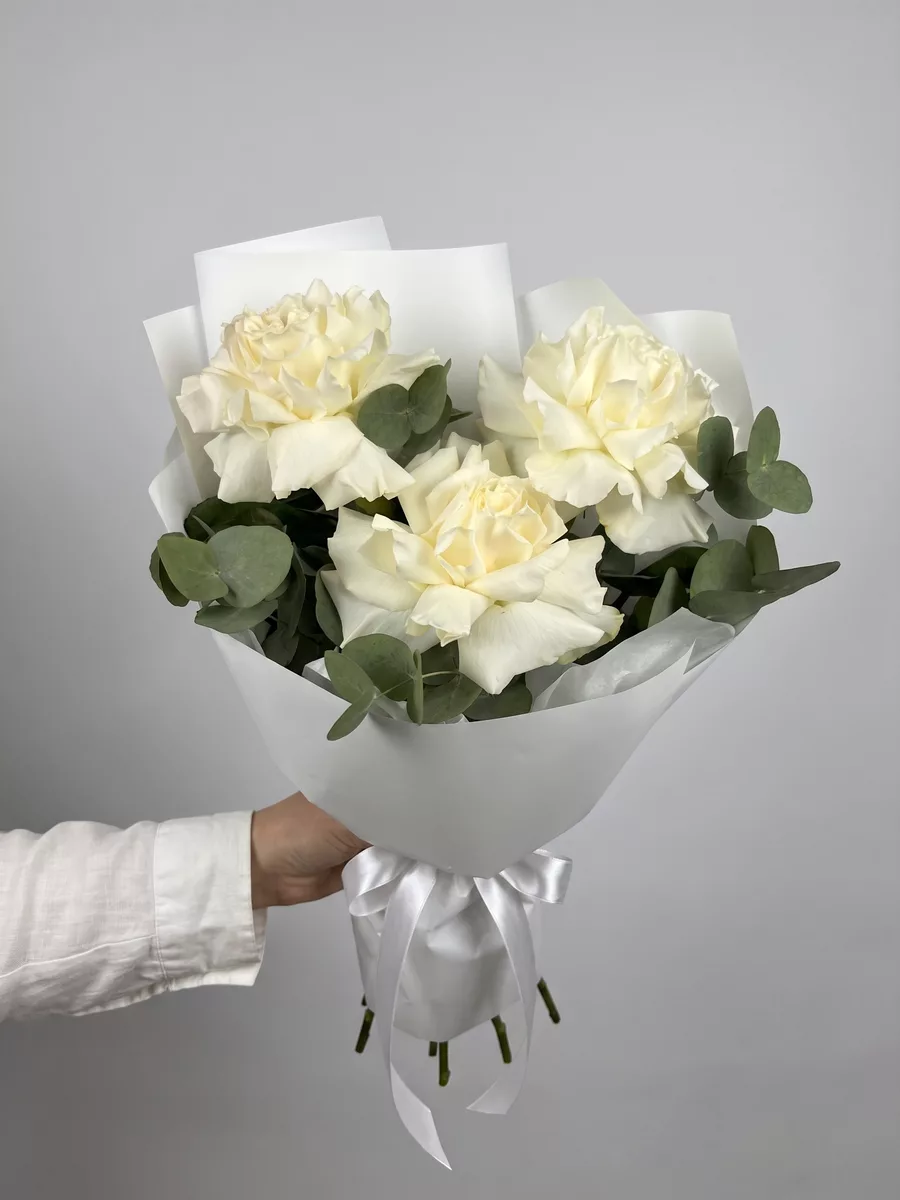
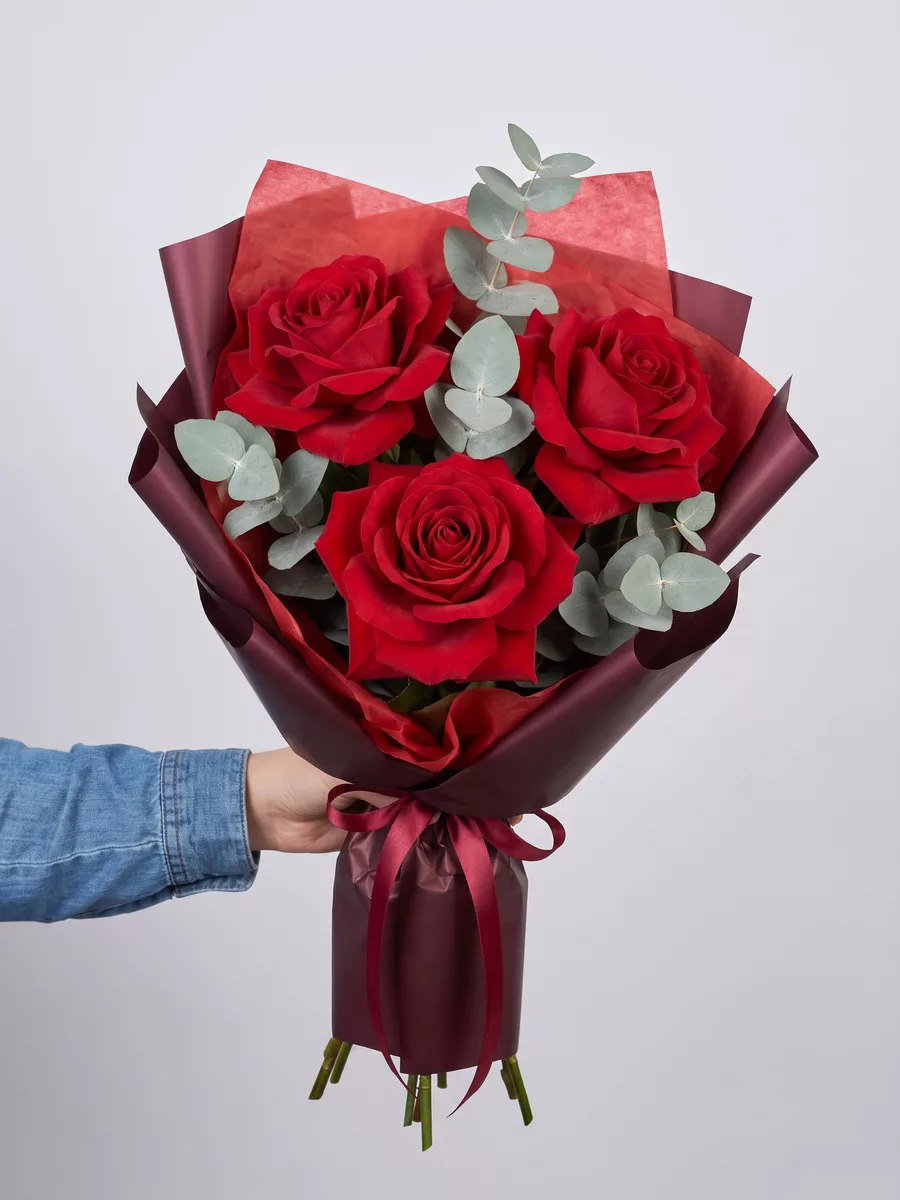
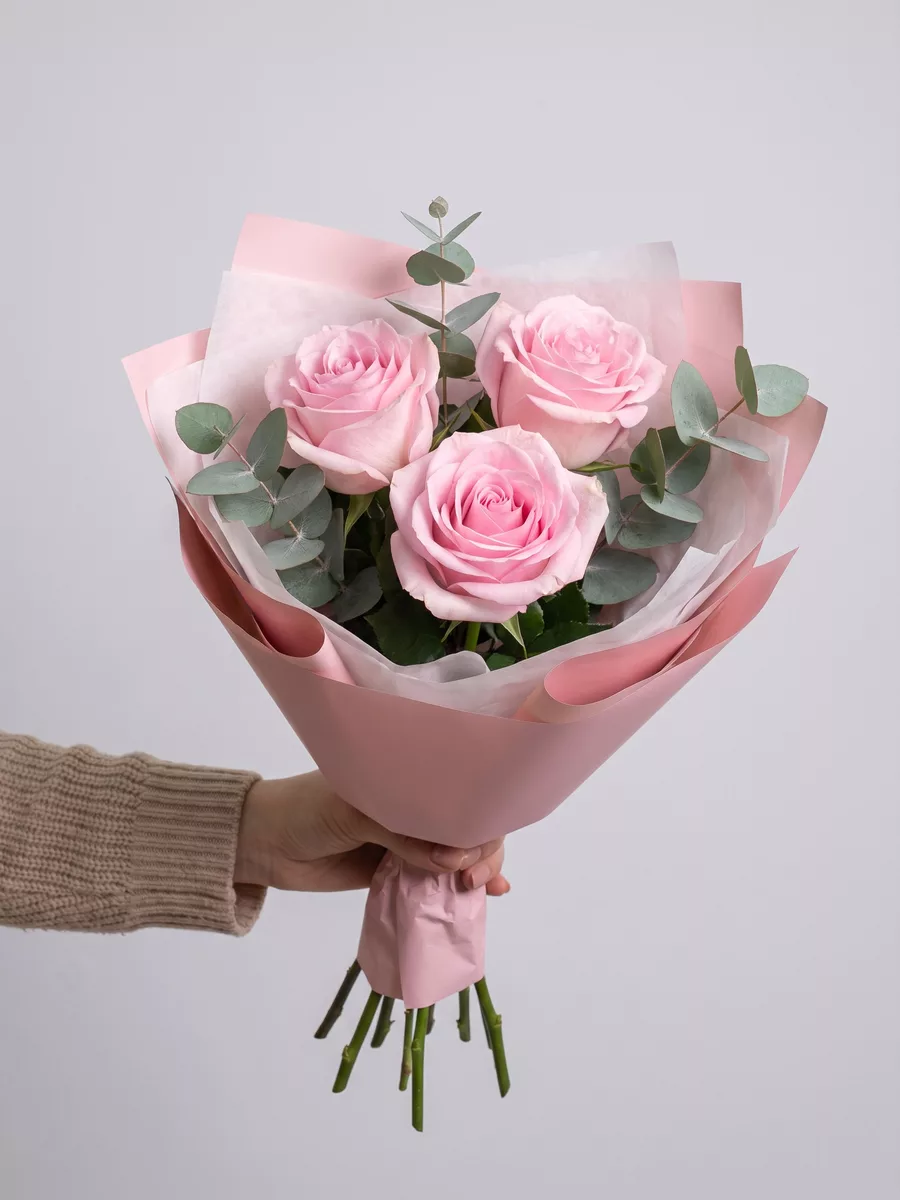
Choosing the Right Occasion and Reading Russian Flower Customs
If you did not grow up in Russia, a few customs are worth knowing before you choose your arrangement. Odd numbers of flowers are for celebrations — birthdays, anniversaries, promotions, new babies. Even numbers are associated with mourning and are not appropriate for joyful occasions. This is not a loose preference; it is a firm social rule. When you place your order, confirm that the bouquet follows odd-number logic, or choose a design where the count is not the focus, such as a lush mixed arrangement or a hatbox composition.
Red roses carry a romantic message in Russia just as they do in most of the world, but they are also entirely acceptable between close friends or from a child to a parent if the occasion is significant enough. White flowers — roses, lisianthus, chrysanthemums — read as elegant and respectful, suitable for teachers, colleagues, or anyone you want to impress without being overly personal.
Yellow flowers deserve a specific mention. In older Russian tradition, yellow blooms were associated with separation or jealousy. That association is fading among younger recipients, particularly in southern cities like Gulkevichi where tastes have modernised. However, if your recipient is over fifty or more traditional in outlook, it is safer to avoid a purely yellow arrangement. A mixed bouquet with yellow accents alongside other colours is always a comfortable middle ground.
Knowing these details lets you choose with intention rather than guesswork, and your recipient will feel that care the moment they open the door.
How to Place an Order from Outside Russia Without Confusion
Ordering from abroad introduces a few practical questions that do not come up when you are ordering locally. The most important is time zones. Gulkevichi operates on Moscow Standard Time, which is UTC plus three hours. If you are in London, that is three hours ahead of you. If you are in New York, it is eight hours ahead. When you want flowers delivered at two in the afternoon Gulkevichi time on a Saturday, you need to place your order well before that moment in your local time — ideally the evening before, or early that morning.
Payment from foreign cards is something Turboflora handles regularly. You do not need a Russian bank account or a Russian phone number to complete a transaction. Standard international cards work through the checkout process, and the order confirmation comes to your email address in whatever language you used to navigate the site.
The delivery address needs to be complete and in a format the courier can use. For Gulkevichi, that means the street name, building number, apartment number if applicable, and the recipient's phone number. A Russian mobile number for the recipient is strongly preferred, because the courier will call ahead to confirm. If your recipient does not have a Russian number, provide an alternative contact method in the order notes and explain the situation clearly. A short note in the comments field — written in English — will be read and acted on.
Picking the Best Flowers for the Season and the Journey
Krasnodar Krai has warm summers and mild winters compared to most of Russia, but Gulkevichi still sees cold snaps in January and February when temperatures can drop below zero. This matters for flower choice because delicate blooms like garden roses, ranunculus, and anemones are more vulnerable to cold shock during the final stretch of delivery. In winter months, opt for hardier varieties: spray roses, alstroemeria, chrysanthemums, and carnations all travel well in cold conditions and hold their structure even if the courier steps briefly into cold air.
In spring and summer, the options open up considerably. Peonies are a favourite in this region and come into season from late April through June. Sunflowers, which are practically a symbol of Krasnodar Krai given the region's agricultural identity, make an unexpectedly personal and locally resonant choice for a summer bouquet. Lisianthus in purple or white adds texture and a long vase life without the premium cost of roses.
Autumn calls for dahlias, solidago, and warm-toned spray roses. These varieties photograph beautifully and last well in indoor conditions, which is important if your recipient lives alone and will be enjoying the bouquet over several days.
Whatever the season, a bouquet with varied textures — one focal flower, one or two secondary varieties, and greenery or filler — looks more considered than a single-variety bunch. It also gives the arrangement more visual depth in photos, which matters because your recipient will almost certainly send you a picture.
Budgeting When You Are Paying in a Foreign Currency
Flower prices in Russia are quoted in roubles, and exchange rates shift constantly. The practical approach from abroad is to think in tiers of generosity rather than fixed foreign-currency amounts. A modest but sincere arrangement — something a colleague or acquaintance would receive — sits at the lower end of the range and typically includes five to seven stems of a single focal variety with basic greenery. It is appropriate for a thank-you or a casual birthday.
A mid-range bouquet, which is what most senders from abroad choose for someone they genuinely care about, includes a mix of varieties, more stems, and a more deliberate presentation. Think eleven roses with eucalyptus, or a mixed arrangement of peonies and lisianthus in a neutral palette. This is the level where the recipient understands that real thought went into the order.
A premium arrangement — a hatbox, a large wrapped bouquet of twenty-five stems or more, or a composition with orchids or imported garden roses — signals a significant occasion. These are appropriate for milestone birthdays, anniversaries, or moments where you want the flowers to be the centrepiece of the day.
One practical tip: when your currency is strong against the rouble, as many Western currencies have been in recent years, you may find that what feels like a modest spend from your end translates into a genuinely impressive arrangement by local standards. Check the current rate before you set your budget, and you may be pleasantly surprised by what is possible.
Writing a Message That Lands Well Across the Distance
The card message is the part of the order that most senders from abroad underestimate. A bouquet without a message feels anonymous. A message that is too formal or too brief feels like an afterthought. The right note is specific, warm, and personal — something the recipient could not have received from anyone else.
If you are writing in English, Turboflora can include your message as written. If you want the message in Russian but do not speak the language, you have a few options. You can write your message in English and ask for it to be translated in the order notes — keep it simple and literal so the meaning survives the translation. Alternatively, you can use a trusted translation tool for a short, clear sentence and then paste the result into the message field.
Avoid generic phrases like "wishing you all the best" on their own. Instead, anchor the message to something real: the specific birthday year, a shared memory, the distance between you, or the reason this person matters to you. Even one concrete detail makes the message feel written rather than generated.
In Russian culture, a heartfelt card message is read carefully and often kept. Recipients in smaller cities like Gulkevichi, where large deliveries from abroad are less common, may share the message with family members as part of the celebration. Write something you would be comfortable with a room full of people hearing, and write it as if you are standing in that room yourself.
Helping Your Recipient Care for the Flowers Once They Arrive
You will not be there to unwrap the bouquet or trim the stems, so the best thing you can do is send a brief set of care instructions alongside the flowers — or message your recipient directly after delivery. Fresh flowers from a professional florist arrive in good condition, but what happens in the first hour at home determines how long they last.
The single most important step is a fresh diagonal cut on every stem, made with a sharp knife rather than scissors, immediately before placing them in water. Scissors crush the vascular tissue and reduce water uptake. A diagonal cut increases the surface area and keeps the stem from sitting flat against the bottom of the vase, which blocks flow.
Water temperature matters more than most people realise. Lukewarm water is absorbed faster than cold water for most cut flowers. The exception is bulb flowers like tulips and hyacinths, which prefer cool water. Change the water every two days and rinse the vase each time to prevent bacterial buildup.
Keep the bouquet away from direct sunlight, radiators, and fruit bowls. Ripening fruit releases ethylene gas, which accelerates petal drop in roses and carnations. A cool room — around eighteen to twenty degrees Celsius — extends vase life noticeably compared to a warm kitchen.
With proper care, spray roses and alstroemeria last ten to fourteen days. Standard roses last seven to ten days. Chrysanthemums are among the longest-lasting cut flowers and can hold for two weeks or more. Knowing this helps your recipient prioritise which stems to enjoy first and which will still look beautiful at the end of the week.
Sending flowers to Gulkevichi from abroad is not complicated once you understand the timing, the customs, and what makes a bouquet feel personal rather than transactional. The distance between you and your recipient is real, but a well-chosen arrangement that arrives fresh and on time closes that gap in a way that a message or a call simply cannot. Your recipient in Gulkevichi will know that you thought carefully about them — and that is the whole point.
Frequently asked questions
Does Gulkevichi's location in Krasnodar Krai affect which flowers arrive in the best condition?
It helps more than it hurts. Krasnodar Krai has a relatively mild southern climate, which means flowers are not sitting in extreme cold during local transit the way they might be in Siberian cities. Roses, chrysanthemums, and seasonal blooms from regional growers often travel shorter distances to reach Gulkevichi, which works in your favour for freshness.
Should I send an odd number of stems even if the bouquet looks fuller with an even count?
Yes, stick to odd numbers for any celebratory occasion. This is taken seriously in southern Russia, not as superstition but as basic social literacy. A bouquet of eleven or thirteen roses reads as generous and correct. An even number, however beautiful the arrangement, carries an association with grief that your recipient will notice immediately.
What occasions in Gulkevichi actually warrant sending flowers from abroad rather than a gift card?
Birthdays, anniversaries, and Women's Day on March 8th are the clearest cases where flowers are expected rather than optional. A housewarming or a graduation also calls for something blooming on the table. In a smaller city like Gulkevichi, receiving an international flower delivery for these moments carries real weight precisely because it is less common than in Moscow or St Petersburg.
Can I include a card message in English, or should it be in Russian?
A message in Russian will land more warmly, especially if your recipient is not a confident English reader. Most services including Turboflora allow you to type your message in either language. If you write in English, keep it short and direct so nothing is lost. A few words in Russian transliterated phonetically, even just a greeting, will make the card feel more personal.
How do I choose between a single flower type like roses and a mixed seasonal arrangement for someone in Gulkevichi?
A single-variety bouquet reads as more deliberate and romantic, which suits anniversaries or declarations. A mixed seasonal arrangement feels warmer and more celebratory, making it the better choice for birthdays or congratulations. For a recipient whose preferences you know well, lean toward what she actually keeps in her home. For someone you are less certain about, a mixed bouquet in warm tones is rarely wrong.
Ready to send flowers?
Pick the city, choose the bouquet, and a local florist takes it from there.
Choose a city →