Sending Flowers to Gurevsk from Abroad? Here Is What to Expect
You are sitting in another country, thinking about someone in Gurevsk — a birthday, an anniversary, a moment you simply want to mark — and you want fresh flowers to arrive at their door. The distance feels like the hardest part, but it rarely is. What actually matters is understanding a few practical realities about delivery timing, seasonal flower availability in Siberia, and the small cultural details that make a Russian recipient feel genuinely seen. Get those right and the flowers do everything you hope they will.
Why Gurevsk Is Different from Sending to a Major City
Gurevsk is a small industrial town in Kemerovo Oblast, tucked into the Kuznetsk Basin in southwestern Siberia. It is not Moscow or Saint Petersburg, and that distinction matters when you are ordering flowers from abroad. The climate is sharply continental — winters are long and severe, summers are short and warm — and that shapes which flowers travel well and which arrive looking tired.
Because Gurevsk sits at a meaningful distance from the largest flower distribution hubs, the logistics of same-day or next-day delivery require a florist who has already solved the cold-chain problem for Siberian routes. Turboflora handles this directly, which means your order does not pass through a chain of intermediaries who may not treat temperature-sensitive stems with care.
For you as an international sender, the practical takeaway is this: place your order with enough lead time to account for the time difference between your country and Kemerovo Oblast, which runs on Moscow time plus four hours. A noon order placed in Berlin lands in the system at what is already mid-afternoon Kemerovo time. Building in a cushion of several hours — or ordering the evening before for a morning delivery — removes almost all timing risk and means the recipient opens the door to something genuinely fresh.
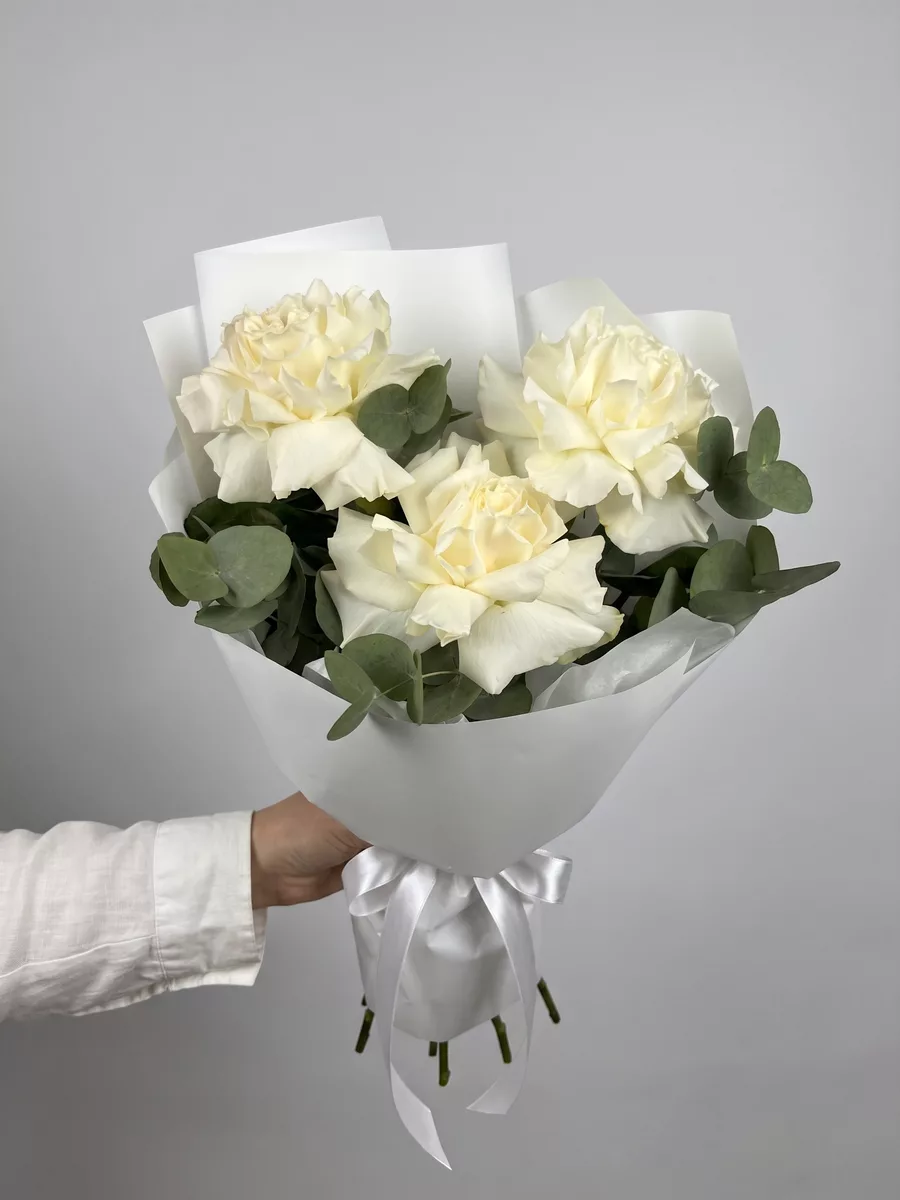
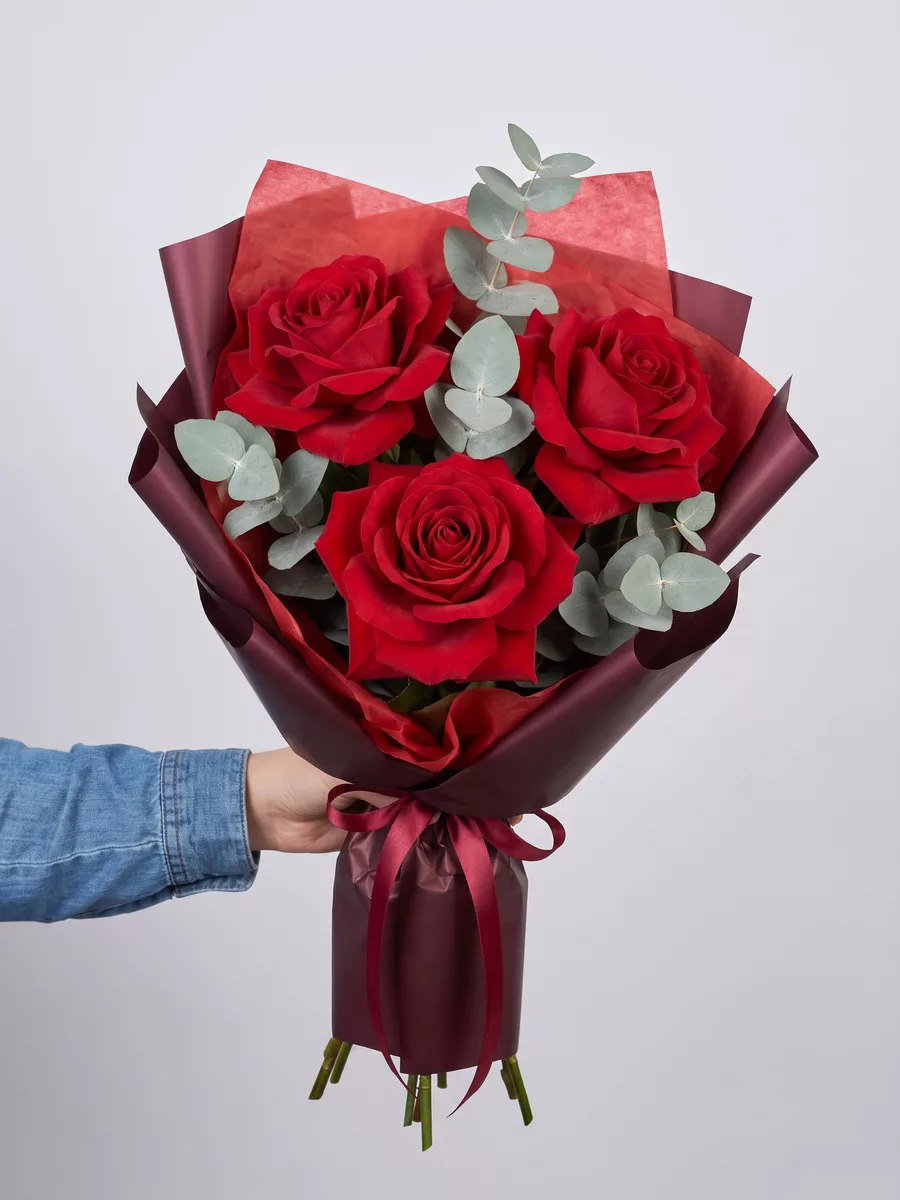
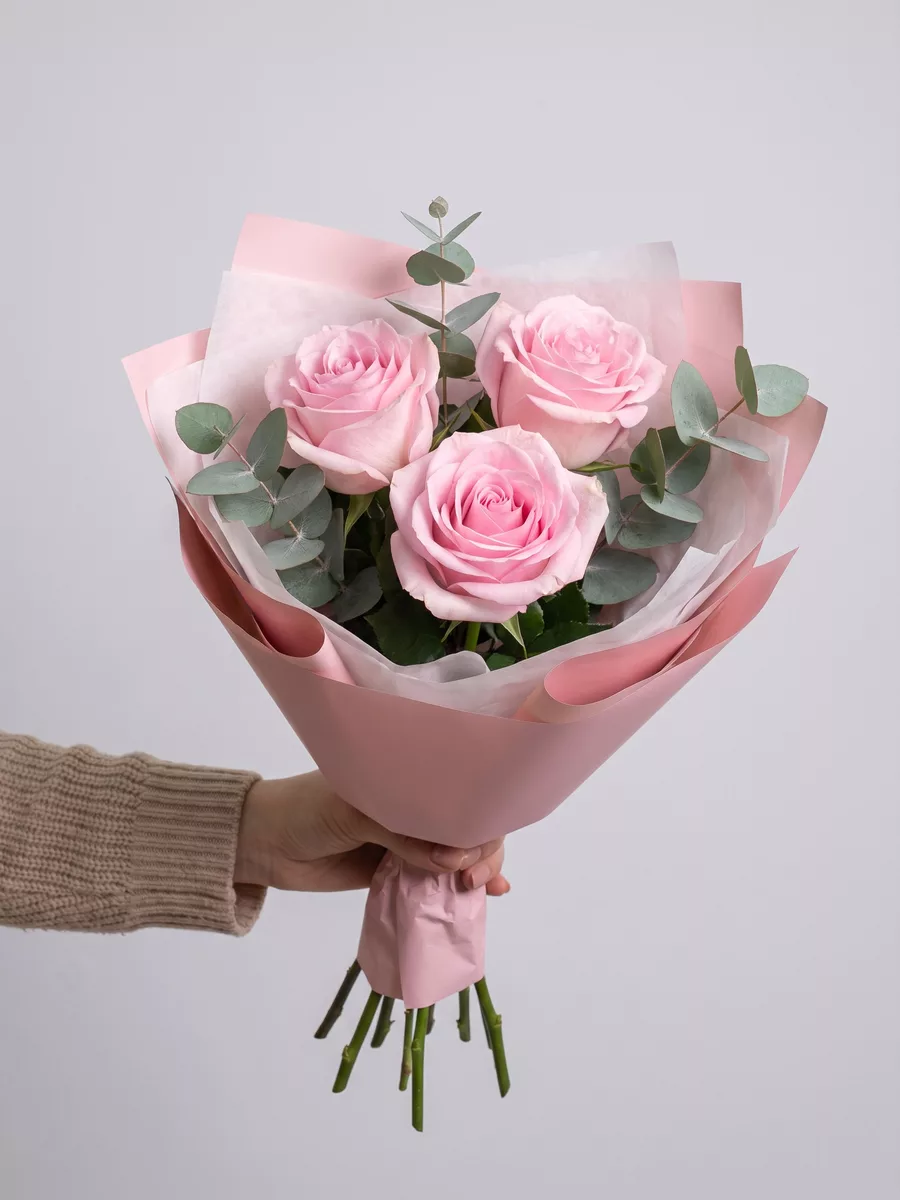
Bouquets we can deliver

Reading the Occasion Before You Choose a Single Stem
Before you think about roses versus chrysanthemums, think about the person and the moment. Russian gifting culture places real weight on the emotional register of a bouquet. A cheerful, abundant arrangement for a birthday reads completely differently from a restrained, elegant one for a professional milestone. Getting the mood right matters as much as the flowers themselves.
For a woman's birthday in Russia, generosity of volume is a positive signal — a full, layered bouquet communicates that you put thought and care into the gesture. Alstroemeria, spray roses, and lisianthus hold well in transit and still look abundant when they arrive. For a romantic occasion, classic long-stemmed roses remain deeply meaningful in Russian culture; a dozen red roses is never misread.
If you are sending to mark a promotion, a new home, or a personal achievement, consider something with texture and longevity — a mixed bouquet combining eustoma, matthiola, and seasonal greenery feels considered rather than impulsive. For a child's celebration or a young woman's birthday, bright gerberas or sunflowers bring an immediate lift that heavier, more formal arrangements sometimes miss. The point is to match the bouquet's personality to the recipient's, and to the specific reason you are sending it. A florist who asks you about the occasion before confirming your order is one worth trusting.
Seasonal Realities: What Flowers Actually Survive a Siberian Delivery
Kemerovo Oblast experiences temperatures that can fall below minus twenty-five Celsius in January and February. That is not a detail you can ignore when choosing flowers. Delicate tropical varieties — anthuriums, birds of paradise, or open garden roses with large, soft petals — are genuinely vulnerable to cold shock during the final stretch of outdoor delivery, even when the packaging is good.
The varieties that consistently perform well in Siberian winter conditions are those with sturdy, closed or semi-closed blooms: roses in bud stage, chrysanthemums, alstroemeria, carnations, and statice. These flowers tolerate brief exposure to cold air without immediate petal damage, and they continue to open beautifully once they are inside a warm room.
In summer — June through August — Gurevsk can see temperatures above twenty-five Celsius, which creates the opposite problem. Heat accelerates the opening of blooms and shortens vase life. For summer deliveries, request flowers that are still in early bud and avoid varieties that are particularly heat-sensitive, such as open garden peonies or fully bloomed tulips. Spring tulips are wonderful in March and April when they arrive closed and firm; they open gradually indoors and give the recipient several days of changing beauty. The honest rule is to let the season guide the variety, not the other way around. Your florist should be steering you toward what will actually look its best on arrival day.
Budgeting Without Losing the Gesture
Sending flowers internationally often comes with an instinct to spend more as a way of compensating for the distance. That instinct is understandable but not always necessary. A well-composed bouquet of seven stems in the right combination can outperform a crowded arrangement of thirty stems that lacks a coherent idea.
At a modest budget, a monobouquet — a single variety presented cleanly — works beautifully. White or cream spray roses wrapped in kraft paper with a ribbon is simple, elegant, and arrives looking intentional. Chrysanthemums in a single bold colour are another strong choice at this level; they last exceptionally well and feel genuinely festive.
At a mid-range budget, mixed compositions come into their own. Combining lisianthus with alstroemeria and eucalyptus gives you texture, colour variation, and a vase life of seven to ten days. Adding a few stems of waxflower or statice as filler extends the visual fullness without dramatically increasing cost. For a premium arrangement, long-stemmed roses in a single colour — particularly deep red, white, or soft peach — remain the most universally understood luxury signal in Russian flower culture. Fifteen or twenty stems presented in a round, hand-tied style with minimal decoration read as genuinely generous. Whatever your budget, ask for the packaging to include a water sachet on the stems; it matters more than ribbon for a delivery that covers real distance.
How to Place an Order from Outside Russia Without Confusion
The mechanics of ordering from abroad are simpler than many international senders expect. Turboflora's website operates in both Russian and English, and the order form asks for the recipient's full name, their street address in Gurevsk, and a contact phone number in Russian format. That phone number is the most important field — delivery confirmation and any access questions go through it directly.
If you do not know the recipient's exact address — perhaps you want the delivery to be a surprise and cannot ask without revealing it — consider whether a mutual friend or family member can quietly confirm it for you. Delivering to a workplace is also a legitimate option if the recipient is reliably there during business hours; a flower delivery at the office carries its own particular warmth in Russian social culture, where public acknowledgment of a person matters.
Payment from abroad is handled through international card processing, so your standard Visa or Mastercard works without needing a Russian bank account. When you write the card message, keep it in either Russian or English — both are fine. If you write in English and want it transliterated or translated for the card, note that in the order comments. The message on the card is often what the recipient reads first, before they even look at the flowers, so give it the same attention you give the bouquet selection. A specific, personal line lands better than a generic greeting, regardless of the language.
Russian Customs Around Receiving Flowers: What Your Recipient Expects
If you have not sent flowers to someone in Russia before, a few cultural notes will help you understand how the gesture will be received. Russians take flowers seriously as a social language. The number of stems in a bouquet carries meaning: even numbers are traditionally associated with mourning, so always order an odd number — seven, nine, eleven, fifteen. Most professional florists handle this automatically, but it is worth confirming if you are building a custom arrangement.
The wrapping matters as much as the flowers inside it. In Russian gifting culture, a beautifully packaged bouquet — kraft paper, organza, or a box presentation — signals care and respect. An unwrapped bunch, however fresh, reads as incomplete. Turboflora's arrangements are wrapped as standard, but if you have a preference for a specific presentation style, note it in the order.
When the flowers arrive, your recipient will almost certainly put them in water immediately — Russians are practical about flower care in a way that extends vase life considerably. They will trim the stems, change the water every day or two, and keep the bouquet away from direct heat sources. This is simply what most Russian households do, and it means your flowers are likely to last longer than they might in other cultural contexts. The arrival of flowers from abroad also carries a particular emotional weight — the fact that someone thought of them across that distance is often what the recipient mentions first when they tell others about it.
Care Instructions Worth Passing Along to Your Recipient
Even if your recipient already knows how to care for flowers, a small note with specific instructions for the variety you sent is a thoughtful addition to the delivery card. Different flowers have genuinely different needs, and knowing them extends vase life by several days.
Roses should be cut at a forty-five-degree angle under running water, placed immediately in a clean vase, and kept away from fruit bowls — ethylene gas from ripening fruit shortens rose life noticeably. Change the water every two days and recut the stems each time. In a warm Siberian apartment — central heating in Russian homes runs high in winter — roses will open faster than the packaging timeline suggests, so the recipient should move them to a cooler room overnight if they want to slow the process.
Chrysanthemums and alstroemeria are the most forgiving varieties for recipients who are not experienced with flower care. They tolerate slightly irregular water changes, handle moderate warmth, and last ten to fourteen days with basic attention. Lisianthus and eustoma benefit from a small amount of flower food in the water, which your delivery can include on request. Tulips, if you have sent them, need cold water and a cool room — they continue to grow after cutting and will reach toward any light source in the room, which is part of their charm but also means the vase position matters. Passing along even two or three of these specific tips as part of your message shows a level of care that the recipient will notice and remember.
Sending flowers to Gurevsk from another country is not complicated once you understand the moving parts: the time zone, the seasonal climate, the cultural weight of the gesture, and the practical details that keep stems fresh across a real distance. The person on the receiving end will not think about any of that. They will open the door, see the bouquet, read your card, and feel exactly what you wanted them to feel. That is the whole point, and it is entirely achievable from wherever you are in the world.
Frequently asked questions
Can I order flowers for Gurevsk delivery if I do not speak Russian?
Yes. Turboflora's website is available in English and the order form is straightforward to complete in either language. You can write your card message in English and note in the comments if you would like it transliterated into Russian for the recipient. Payment works with standard international cards, so no Russian bank account or language knowledge is required to complete the order.
How far in advance should I order to guarantee same-day delivery in Gurevsk?
Kemerovo Oblast runs on Moscow time plus four hours, so factor that into your calculation. Placing your order by early afternoon your local time typically gives the team enough working hours in Gurevsk to complete same-day delivery. For important occasions — birthdays, anniversaries — ordering the evening before removes timing risk entirely and is the approach most experienced international senders prefer.
Why does the number of stems in a Russian bouquet matter?
In Russian tradition, even numbers of flowers are associated with mourning and are brought to funerals. For any celebratory or affectionate occasion, the bouquet should contain an odd number of stems — five, seven, nine, eleven, and so on. Most florists apply this automatically, but if you are specifying a custom quantity, always choose an odd number to ensure the gesture reads correctly to your recipient.
Which flowers hold up best during winter delivery to Gurevsk?
Roses in bud stage, chrysanthemums, alstroemeria, carnations, and lisianthus all tolerate brief cold exposure during the final outdoor delivery stretch. Avoid fully open blooms or tropical varieties in January and February when temperatures in Kemerovo Oblast can drop sharply. A good florist will automatically steer you toward cold-resilient options in winter months without you needing to ask.
Can I send flowers to a workplace address in Gurevsk rather than a home address?
Yes, workplace deliveries are entirely possible and are a popular choice when the sender wants the gesture to be witnessed by colleagues — it adds a social dimension that many recipients enjoy. Provide the full organisation name, street address, and the recipient's direct phone number so the delivery can be confirmed on arrival. Office deliveries work best during standard business hours on weekdays.
Ready to send flowers?
Pick the city, choose the bouquet, and a local florist takes it from there.
Choose a city →