Sending Flowers to Isilkul from Abroad? Here Is Everything That Matters
You are sitting in Berlin, Toronto or Dubai, and someone you love is celebrating a birthday in Isilkul — a quiet Omsk-region town in the middle of the West Siberian plain. You want to send flowers, but you are not sure how delivery works across that distance, which flowers survive the journey, or what a Russian recipient actually expects to unwrap. This article answers all of that in plain terms, so your order goes smoothly and the bouquet lands exactly as you imagined it.
Who Receives Flowers in Isilkul and What the Moment Feels Like
Isilkul is a small city with a close community feel. When a bouquet arrives at someone's door there, it is an event — neighbours notice, family members gather around, and the recipient often photographs the flowers immediately to share with relatives. That social warmth shapes what the arrangement should look like: generous, visually bold, and clearly intentional rather than minimal or corporate.
Think about the person first. A grandmother celebrating a jubilee anniversary wants something she can display proudly in her living room for a week — full-headed roses, lisianthus, or chrysanthemums that hold their shape in a warm interior. A young woman turning thirty responds to something more sculptural: garden-style bouquets mixing ranunculus, eucalyptus, and spray roses feel current and personal. A colleague receiving congratulations on a promotion appreciates clean whites and greens that read as respectful without being cold.
Russian recipients pay attention to the number of flowers. Odd numbers are standard for celebratory occasions — seven, nine, eleven stems — while even numbers are traditionally reserved for mourning. If you are ordering online from abroad, confirm the stem count with your florist rather than leaving it to chance. Getting this detail right shows cultural awareness and transforms a simple gift into something genuinely thoughtful. The recipient in Isilkul will notice, and they will appreciate that you knew.
Bouquets we can deliver

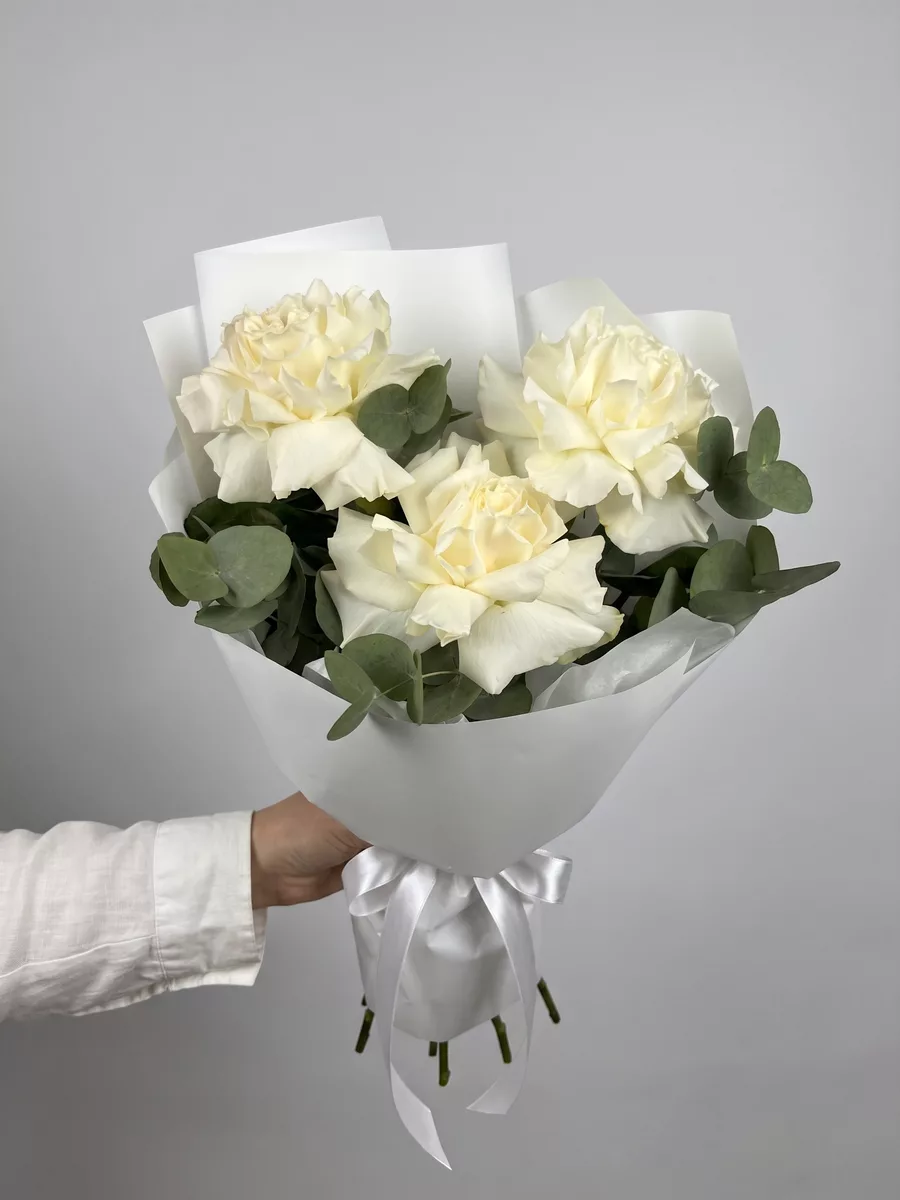
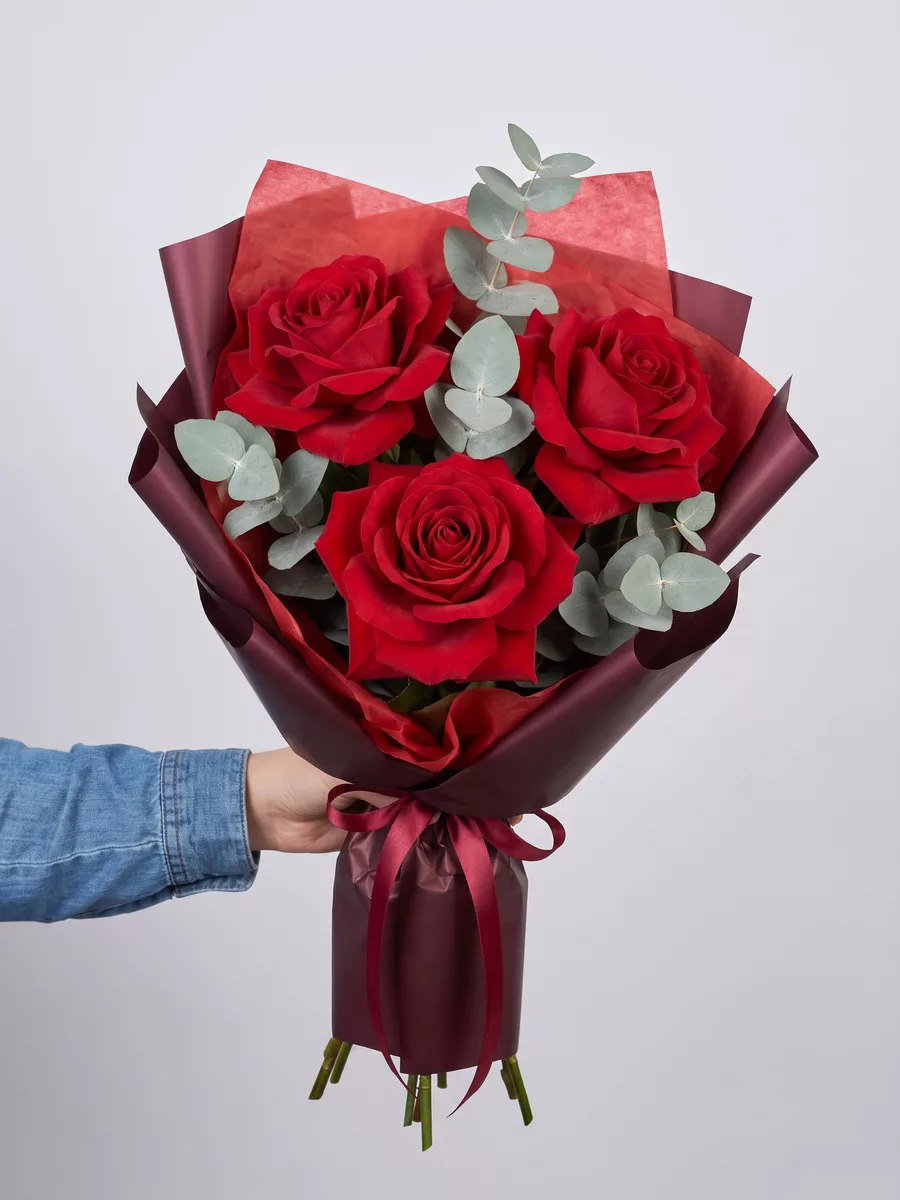
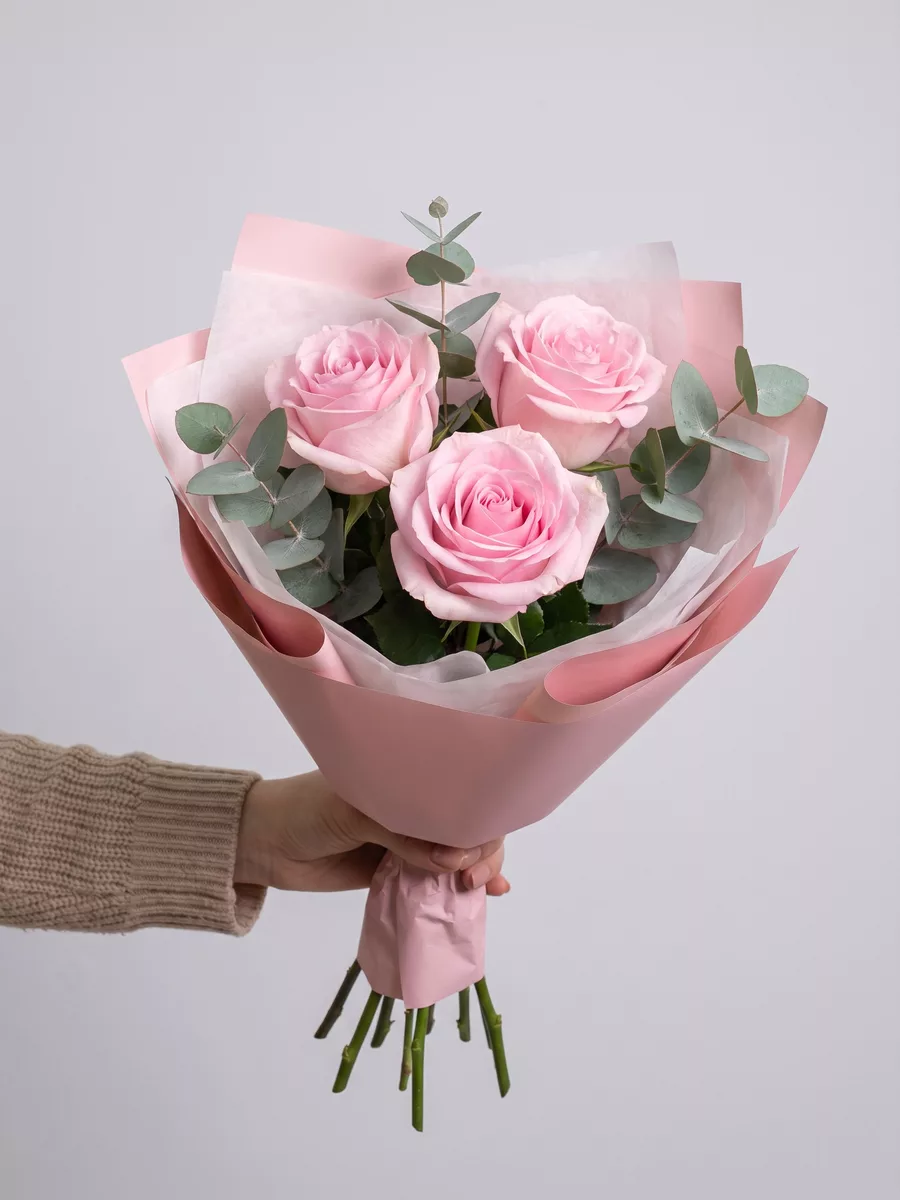
Timing Your Order Across Time Zones: The Detail Most Senders Miss
Isilkul operates on Omsk Time, which is UTC plus six hours. If you are in London, that is eight hours ahead of you. New York is nine hours behind Isilkul. This gap is the single most common source of confusion for international senders, and it causes more missed deliveries than any other factor.
When you place your order, the delivery window you choose applies to the recipient's local time, not yours. If you want flowers to arrive before a birthday dinner at seven in the evening Isilkul time, you need to place and confirm your order with enough lead time — ideally the evening before in your own time zone. Same-day delivery within one to two hours is available, but that window is calculated from when the order is confirmed and assembled, not from when you first visit the website.
Peak demand days in Russia follow a predictable pattern. March eighth, International Women's Day, is the busiest single day of the year for flower deliveries across the country, including smaller cities like Isilkul. February fourteenth is growing in popularity, particularly among younger recipients. Order at least two to three days ahead for these dates. For standard birthdays or anniversaries, ordering the evening before your recipient's local morning gives the delivery team comfortable preparation time and guarantees the flowers are cut fresh that day rather than the day before.
Which Flowers Travel Well and Look Right for the Season
Isilkul sits in a continental climate zone with cold winters and warm summers. That climate affects both which flowers are locally meaningful and which varieties hold up best during the final leg of delivery in varying temperatures.
In winter, from November through March, temperatures in the Omsk region regularly drop below minus fifteen Celsius. Flowers transported from the assembly point to the door need to be wrapped properly to survive even a short outdoor exposure. Sturdy varieties perform best: standard roses with tight buds, alstroemeria, carnations, and chrysanthemums all tolerate brief cold exposure without wilting or blackening. Avoid ordering tropical varieties like anthurium or bird of paradise in deep winter — their cells rupture in the cold and they arrive looking bruised.
Spring and early summer are the most rewarding seasons to send flowers to Isilkul. Tulips in March and April feel seasonal and festive, perfectly matched to Women's Day and spring birthdays. Peonies appear in May and June and are enormously popular with Russian recipients of all ages — a peony bouquet reads as generous and romantic without being overly formal. Late summer brings sunflowers, which are cheerful and long-lasting in a vase. Autumn is the season for dahlias and late-season roses in deep reds and burgundies, which suit the mood of the turning leaves and feel warm against the cooling weather outside.
Choosing by Occasion: From Birthday to New Baby to Just Because
The occasion shapes the palette and the structure of the bouquet more than any other factor. Russian recipients read these signals clearly, so it is worth thinking through what the arrangement communicates before you finalise your order.
For birthdays, the dominant instinct in Russia is abundance. A bouquet that looks full and slightly overflowing reads as celebratory and affectionate. Roses remain the default for good reason — they are universally understood as a gesture of appreciation — but mixing them with lisianthus, wax flower, or seasonal foliage adds texture and makes the arrangement feel considered rather than generic. Warm pinks, corals, and creamy whites work across almost all age groups.
For a new baby, soft colours and gentle textures are appropriate: white or pale yellow spray roses, white freesia, and soft green foliage create an arrangement that feels tender without being saccharine. Avoid strongly scented flowers like lilies if the bouquet will be in the same room as a newborn. For a housewarming or a new apartment celebration — a common occasion in Russia — bold, architectural arrangements with sunflowers or large-headed dahlias feel energetic and optimistic, matching the mood of a fresh start.
Sometimes you simply want to say that you are thinking of someone far away. In that case, choose flowers the recipient loves rather than flowers that match a category. If you know she always grew lavender in her garden or that he lights up around deep blue irises, lead with that. A bouquet that references something personal lands far more powerfully than any standard celebration arrangement.
Budget Ranges and What They Actually Look Like in the Vase
Flower prices in Russia are quoted in rubles, and exchange rates shift, so it is more useful to think in terms of what different investment levels produce visually rather than fixed numbers.
At the entry level, a modest bouquet typically contains seven to nine stems of a single variety — tulips, spray roses, or carnations — with minimal foliage. It is a genuine gesture and perfectly appropriate for a colleague or a casual friend. The arrangement is clean and simple, and it fits easily on a desk or windowsill. Do not underestimate it; a tight bunch of nine white tulips is quietly beautiful.
A mid-range bouquet opens up the combinations. You can have fifteen to nineteen stems mixing two or three varieties, with foliage and filler flowers adding depth. This is the level where a birthday bouquet starts to feel genuinely impressive — think roses with lisianthus and eucalyptus, or peonies with ranunculus and ruscus. The recipient has something to arrange in a tall vase and display with pride.
At the higher end, you are looking at large-format arrangements: twenty-five or more stems, premium varieties like garden roses or peonies as the focal point, layered with complementary textures and sometimes presented in a hatbox or wrapped in structured kraft paper with ribbon. These arrangements photograph beautifully and last well when cared for properly. For a significant milestone — a fiftieth birthday, a wedding anniversary, a major professional achievement — this level of arrangement signals that you treated the occasion seriously, even from thousands of kilometres away.
What to Write in the Card: Notes on Tone and Language
The card that accompanies a bouquet in Russia is read carefully. It is often kept long after the flowers have faded. Writing it thoughtfully is part of the gift, and a few cultural notes will help you get the tone right even if you are not a native Russian speaker.
Russian greetings tend to be warm and direct rather than understated. Where an English speaker might write 'thinking of you,' a Russian card would more typically say 'wishing you everything wonderful' or 'may this day be as bright as you are.' Effusive warmth is not embarrassing in Russian culture — it is expected and appreciated. If you are writing in English and the recipient reads it, that is perfectly fine; many Russians, particularly younger ones, read English comfortably and will appreciate the effort.
If you want the card written in Russian and you are not a speaker, you can request the translation from the florist at the time of order. Keep your message short enough to translate cleanly: a single warm sentence plus your name is always sufficient and never feels insufficient. Avoid idioms that do not translate literally, such as 'break a leg' or 'over the moon,' as they can puzzle a translator and produce an odd result.
One small but meaningful detail: address the recipient by their first name and patronymic if you know it — for example, 'Dear Olga Nikolaevna' — rather than just their first name. For older recipients especially, this form of address signals deep respect and will be noticed with pleasure.
Caring for the Bouquet: What to Tell the Recipient
You can extend the life of your gift by passing along a few care instructions to the person receiving it. Most recipients in Russia are experienced with flowers and will handle them well, but a reminder is always welcome, particularly for premium or unusual varieties.
As soon as the bouquet arrives, the stems should be cut at a diagonal angle under running water or while submerged — this prevents an air bubble from forming in the stem and blocking water uptake. Remove any leaves that would sit below the waterline in the vase, as submerged foliage decays quickly and clouds the water. Change the water every two days and re-cut the stems slightly each time.
Keep the vase away from direct sunlight, radiators, and drafts. In Russian apartments, which are often very warm in winter due to central heating, flowers dehydrate faster than in a cooler room. Placing the bouquet near a window that is not in direct sun, or even moving it to a cooler room overnight, can add two or three days to the vase life.
Different varieties have different lifespans. Chrysanthemums and carnations regularly last ten to fourteen days with proper care. Roses and lisianthus typically give seven to ten days. Tulips are shorter — around five to seven days — but they continue to open and move as they age, which many recipients find beautiful rather than disappointing. Peonies last five to seven days and are at their most spectacular on days two and three when the heads are fully open. Sharing this timeline helps the recipient enjoy each stage rather than feeling the bouquet is fading too quickly.
Sending flowers to Isilkul from the other side of the world is genuinely achievable, and when it goes right, the effect is profound. A bouquet arriving at a door in a small Siberian city from someone in Amsterdam or Melbourne carries a weight that a local gift simply cannot match — it says that distance is not an obstacle and that the occasion mattered enough to cross it. Get the timing right, choose varieties suited to the season, write something warm in the card, and let the flowers do the rest. The recipient will remember it.
Frequently asked questions
Can I order flowers for Isilkul delivery if I am outside Russia and do not have a Russian phone number?
Yes. Turboflora accepts international orders online. You will need to provide the recipient's local phone number and full delivery address in Isilkul so the courier can coordinate arrival. Your own contact details can be a foreign number or email address — the order process accommodates both without any issue.
What happens to the flowers if the recipient is not home when the courier arrives?
The courier will call the recipient ahead of delivery to confirm they are available. If there is no answer, the delivery team will contact you as the sender to arrange a new window. Flowers are never left unattended outside a door, particularly in winter when temperatures in the Omsk region can damage them within minutes.
Is it appropriate to send flowers to a man in Russia, or is that unusual?
Flowers for men are common in Russia on specific occasions: birthdays, professional achievements, and February 23rd, the national Defender of the Fatherland Day. Choose structured, less frilly arrangements — single-variety bouquets of sunflowers, large roses, or tropical foliage work well. Avoid pastel palettes; deep reds, oranges, and greens read as more appropriate for male recipients.
How far in advance should I order for March 8th delivery in Isilkul?
March 8th, International Women's Day, is the peak delivery day of the year across Russia. Order at least three days in advance to guarantee your preferred bouquet and time slot. Certain varieties, particularly tulips and roses, sell out quickly in the days leading up to this date, so earlier is always better.
Can I include a gift alongside the flowers, such as chocolates or a small toy?
Yes, add-on gifts can be included with the bouquet at the time of ordering. Chocolates, soft toys, and small balloon arrangements are the most popular additions. Mention any specific preferences in the order notes. The courier delivers everything together as a single presentation, which makes the arrival feel more complete and celebratory for the recipient.
Ready to send flowers?
Pick the city, choose the bouquet, and a local florist takes it from there.
Choose a city →