Sending Flowers to Kalach from Abroad? Start Here
You are somewhere outside Russia — maybe in Berlin, Dubai, or Toronto — and someone you love is in Kalach waiting for a reason to smile. You want to send flowers, but you are not sure how ordering works across that distance, what arrives looking fresh, or whether Russian customs around gifting are different from what you know. They are, a little, and knowing the details ahead of time is what turns a nice idea into a moment the recipient actually remembers.
Who Is Receiving the Flowers and What Will They Feel
Before you think about roses versus peonies, think about the person standing at the door when the courier arrives. In Kalach, as in most Russian cities, receiving flowers unexpectedly carries real emotional weight. It signals that someone far away was thinking of you specifically, not just clicking through a website on autopilot. That context shapes everything about how you should order.
If the recipient is a mother or grandmother, soft garden arrangements — think lisianthus, alstroemeria, and spray roses in blush or cream — read as thoughtful and personal rather than formal. For a partner or spouse, a tight bouquet of garden roses or a mono-bouquet of peonies in season says exactly what you mean without needing a translation. For a colleague or friend, something with texture and a little wildness — eucalyptus stems, ranunculus, and freesia — feels generous without being overwhelming.
Russian recipients tend to appreciate volume and lushness. A bouquet that looks full and layered from the outside is valued more than a minimal, architectural arrangement, even if the latter costs more in other markets. This is not a rule you must follow, but it is useful to know when you are choosing between two options at a similar price point. Fullness reads as generosity here, and generosity is the whole point of sending flowers from across the world.
Bouquets we can deliver
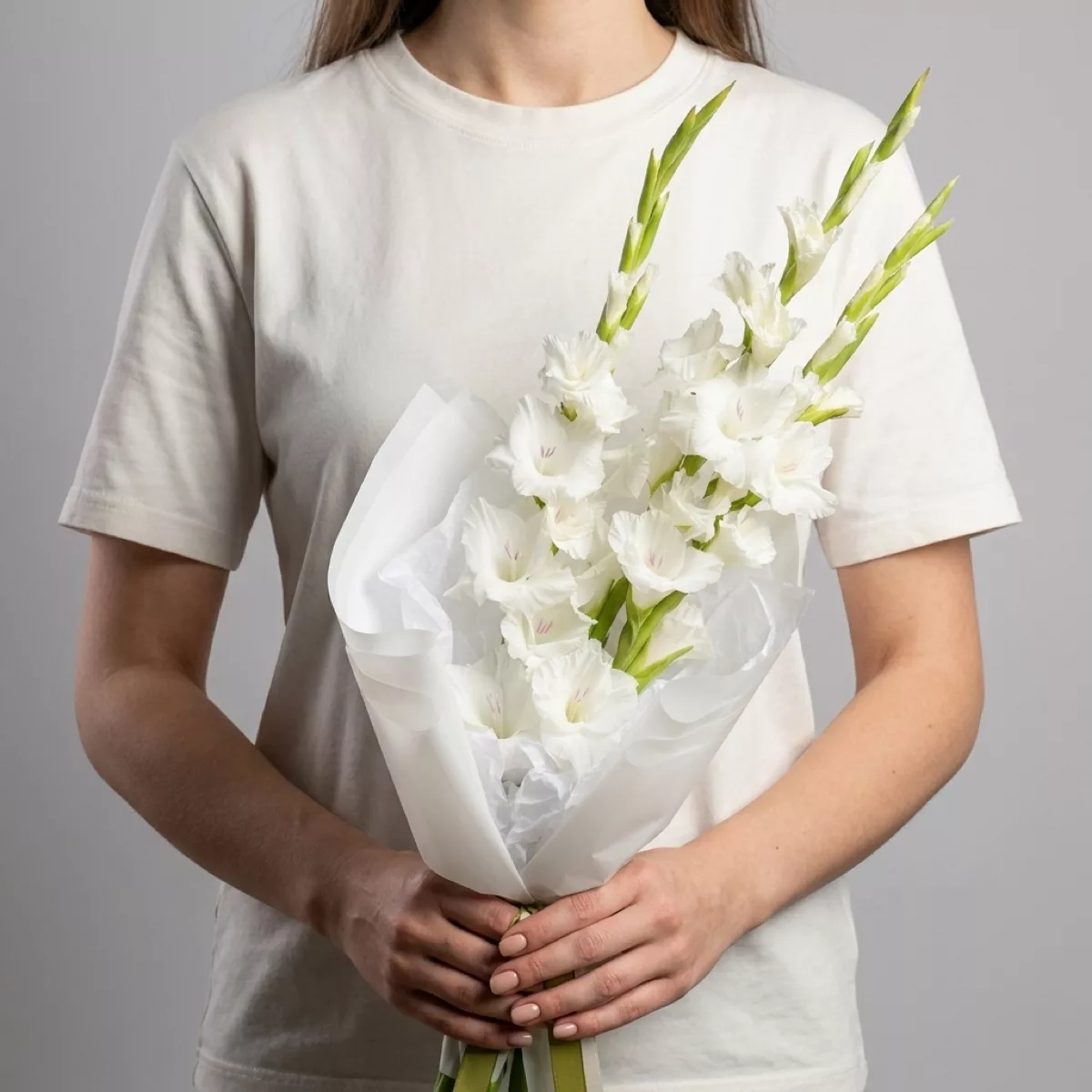
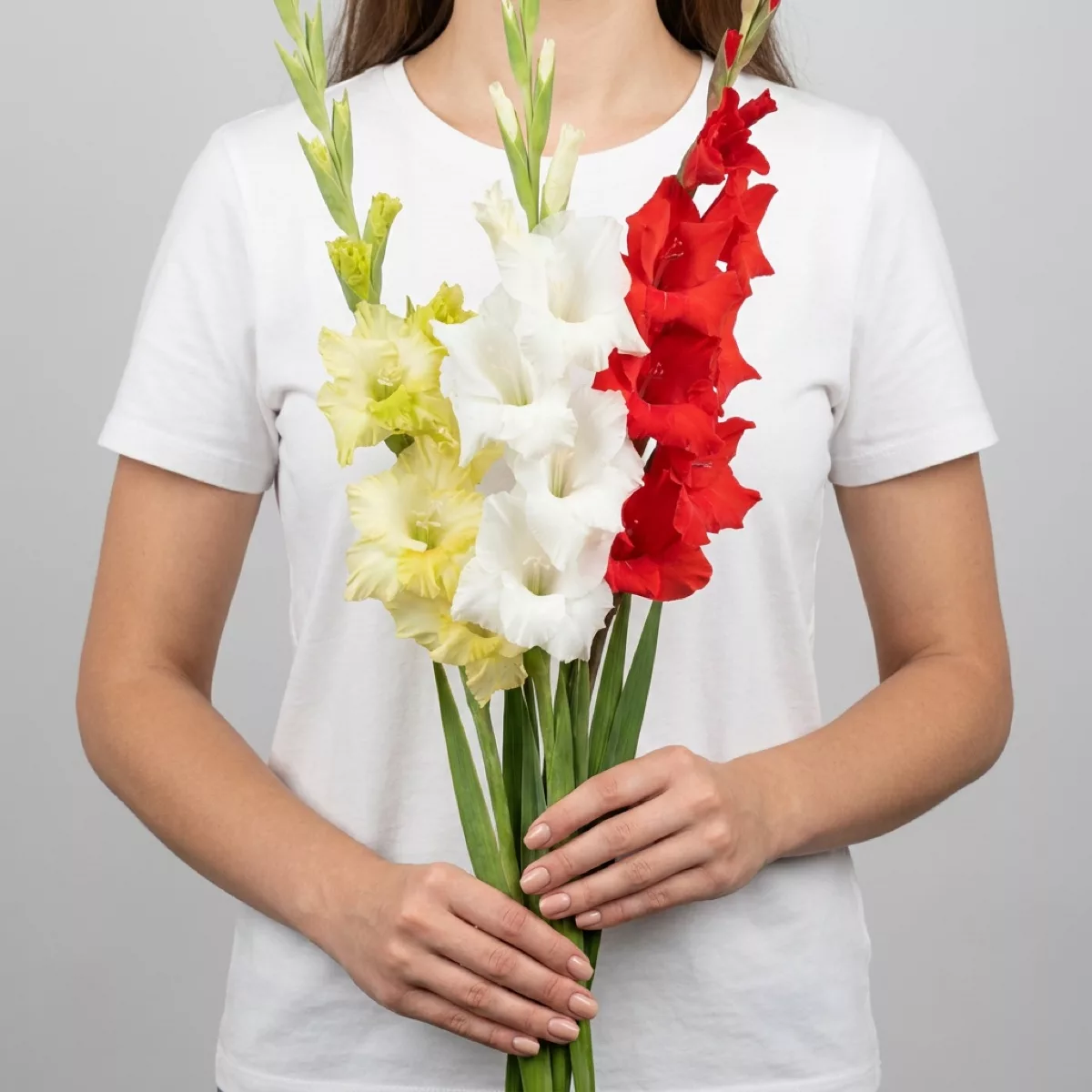
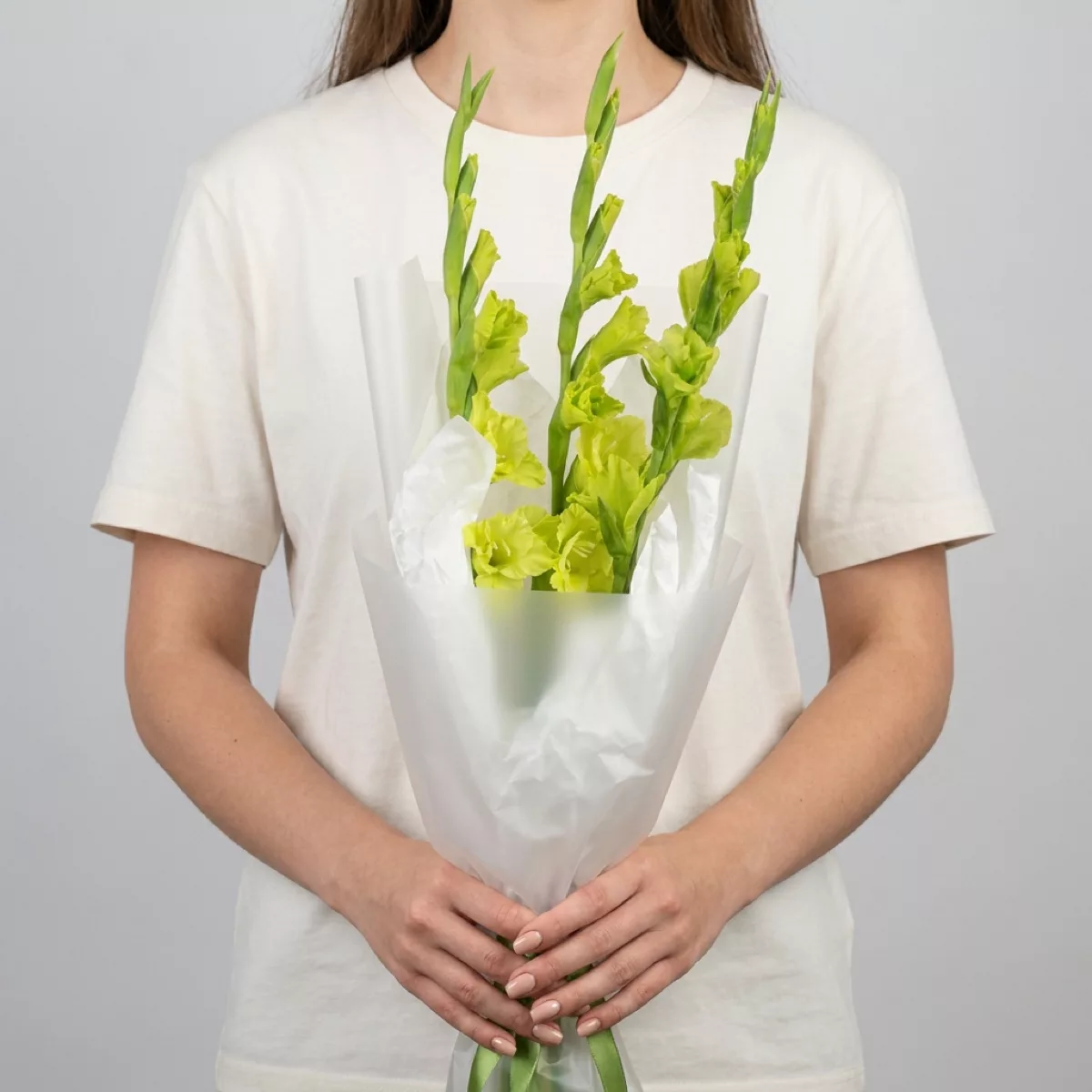
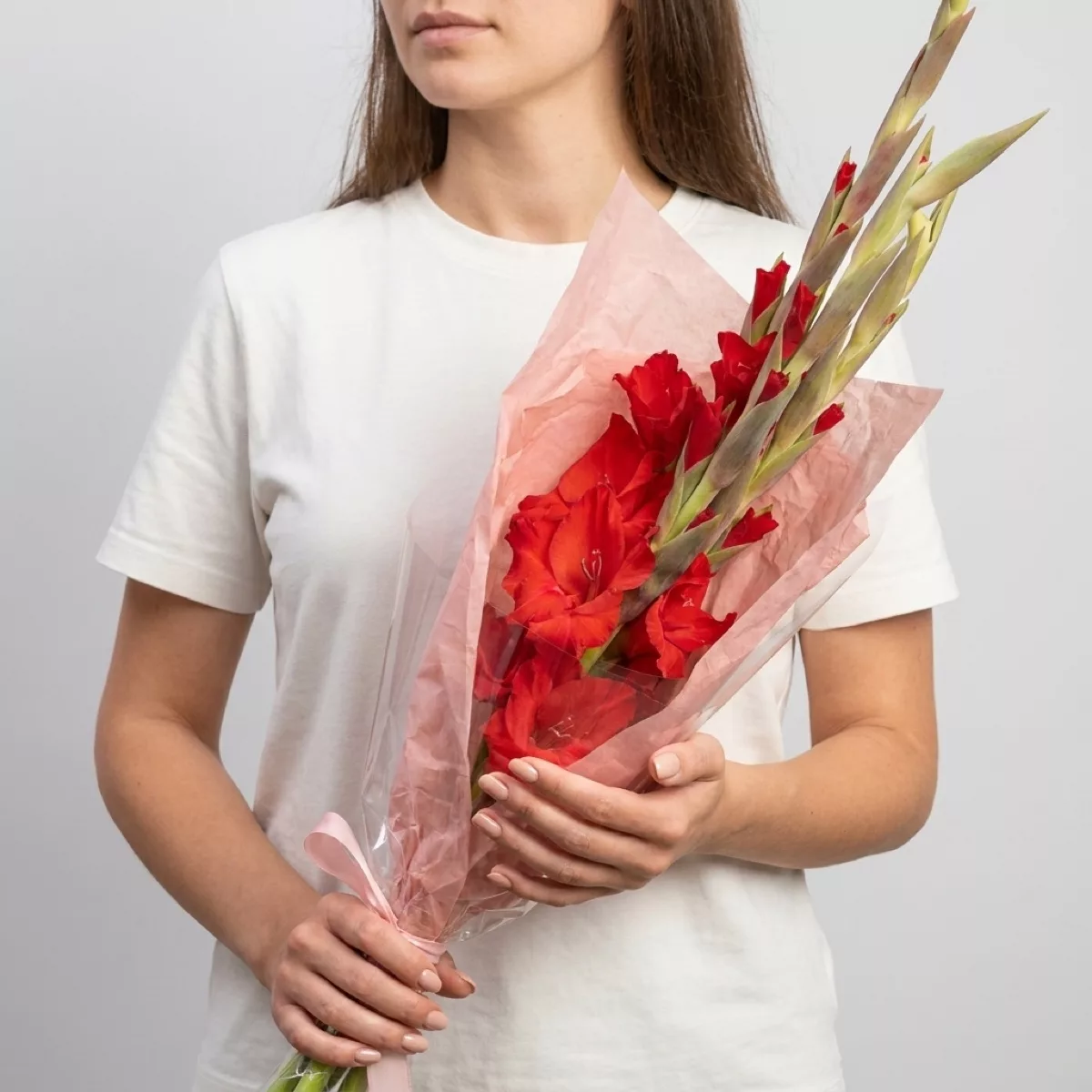
Understanding Kalach: Geography, Climate and Delivery Realities
Kalach is a town in Voronezh Oblast in central Russia. It sits far enough from major logistics hubs that understanding the delivery window matters before you place an order. Turboflora delivers across Russia, and for a town like Kalach, the key variable on your end is timing the order correctly relative to the Russian time zone, which in Voronezh Oblast is Moscow Time, three hours ahead of Central European Time and six hours ahead of UTC.
If you are ordering from Western Europe, you are working with a meaningful time difference. An order placed at noon in Amsterdam is already 3 PM in Kalach. Factor this into your delivery window request, especially if you want same-day or next-morning arrival. Ordering the night before your target date — by your local evening — is a reliable way to ensure the flowers arrive when you intend.
Kalach experiences a continental climate with cold winters and warm summers. This matters for the flowers themselves. In January and February, temperatures outside can drop well below freezing, which means a courier carrying tulips or open garden roses needs to protect them during transport. Turboflora's couriers use insulated packaging in cold months, but you should still avoid ordering fully open blooms in deep winter — tight buds travel better and open beautifully once inside. In summer, heat is the opposite concern; carnations and chrysanthemums hold up better in warmth than, say, sweet peas or open peonies. Knowing the season when you order is not a small detail — it is what keeps the arrangement looking like it was meant to.
Russian Gifting Customs an International Sender Should Know
Flowers in Russia carry specific social meaning that differs from customs in, say, the United Kingdom or the United States. The most important thing to know is the odd-number rule. Bouquets given as gifts should contain an odd number of stems — one, three, five, seven, and so on. Even numbers of flowers are associated with mourning and are left at memorials. If you are ordering a ready-made arrangement, this is already handled. If you are customizing, mention it or simply trust the florist to count correctly.
Color symbolism also carries more weight in Russia than in many Western countries. Yellow flowers — sunflowers, yellow tulips, yellow roses — are sometimes associated with separation or the end of a relationship, particularly among older generations. This is not a universal belief and younger Russians often ignore it entirely, but if your recipient is traditional or you simply want to avoid any ambiguity, staying with red, pink, white, coral, or mixed palettes is always safe.
Presenting flowers without the wrapping is also different here. In Russia, the bouquet is often handed over still wrapped, and the recipient unwraps it themselves. This is considered more ceremonious. If you are sending via delivery, the courier handles this naturally, but it is good to know so you do not specifically request that the wrapping be removed before delivery.
Finally, a handwritten card in Russian is appreciated but not required. Writing your message in English is completely fine — the gesture is understood regardless of language.
Choosing Flowers for the Season and the Occasion
Matching the flower to the moment is what separates a memorable bouquet from a forgettable one. For birthdays, volume and color work in your favor — a mixed bouquet with roses, alstroemeria, and decorative greens like pistacia or ruscus reads as celebratory and warm. For anniversaries, a mono-bouquet of garden roses or a curated pairing of roses and lisianthus feels more intimate and intentional.
Seasonality in Russia is worth respecting even when ordering from abroad. In spring, from March through May, tulips are at their absolute best — they arrive firm, last well, and feel genuinely of the moment. Peonies appear from late May into June and are enormously popular; a full peony bouquet is one of the most beloved gifts you can send a Russian woman. In summer, sunflowers become widely available and feel joyful rather than heavy. Autumn calls for dahlias, chrysanthemums, and warm-toned roses. Winter is the season for roses, carnations, and orchids — flowers that hold their composure in the cold.
If you are sending for a specific holiday, know the Russian calendar. March 8th, International Women's Day, is the single biggest flower occasion in Russia — demand is enormous and ordering at least two to three days in advance is strongly recommended. February 23rd is Defender of the Fatherland Day, when men receive gifts. May 9th, Victory Day, is a national holiday with its own emotional weight. Knowing which occasion you are gifting for helps the florist build something that fits the moment precisely.
How to Order from Outside Russia Without Confusion
Ordering internationally is simpler than most people expect, but a few practical points will save you frustration. First, have the recipient's full address ready in advance, including the apartment number, building entrance number if applicable, and a working Russian mobile phone number. Russian addresses include details that differ from Western formats — the building, corpus, and apartment are all separate fields. An incomplete address is the most common reason a delivery is delayed.
Payment from abroad is handled online, and most major international cards work without issue. If you encounter a problem with your card, a PayPal-linked payment or a digital wallet option is usually available as an alternative. When you fill in the order form, the message field accepts both Latin and Cyrillic text, so you can write your card message in English and it will be printed exactly as you type it.
Time zone coordination is your main practical task. Decide what time you want the flowers to arrive in Kalach — mid-morning is often ideal because it gives the recipient the whole day to enjoy them — and then work backward to figure out when you need to place the order in your local time. If you are in a time zone significantly behind Moscow, placing the order the evening before your target date is the safest approach.
If you want to surprise the recipient without spoiling the moment, do not send a message telling them to expect a delivery. Let the knock on the door be the surprise. The courier will call ahead, which is standard practice in Russia, but by then the element of surprise is still intact.
Bouquet Combinations That Travel Well and Last Longer
Not every flower is equally suited to being delivered across a city in varying temperatures. Some combinations are genuinely more resilient and will look better on arrival and for longer afterward. As a general principle, flowers with thick, waxy petals — roses, carnations, chrysanthemums, alstroemeria — hold up better than delicate, thin-petaled varieties like anemones or sweet peas, especially in cold or warm extremes.
A combination that works beautifully in almost any season is roses paired with alstroemeria and eucalyptus. The roses provide drama and color, the alstroemeria adds smaller blooms and extends the visual interest, and eucalyptus holds its fragrance and structure for well over a week. This trio is also visually lush, which matters for the Russian preference for full, generous arrangements.
For spring, tulips combined with muscari and a few stems of white freesia is a classic that looks effortless and smells wonderful. The freesia fragrance is particularly appreciated in enclosed spaces like apartments, which is where most Russian recipients live. For summer, a sunflower and rose combination with solidago or limonium filling adds warmth and texture without going overboard.
For winter gifting, roses and spray roses in deep red, burgundy, or white with dark decorative greens like salal or pittosporum look sophisticated and hold well in cold transport. Avoid fully open blooms in winter — buds that are just beginning to open arrive looking pristine and give the recipient the pleasure of watching them open over the following days. That unfolding is part of the gift.
Caring for the Bouquet Once It Arrives: What to Tell the Recipient
When you send flowers from abroad, you will not be there to trim the stems or fill the vase. Passing along a few simple care instructions — either in the card message or in a separate message — means the bouquet lasts as long as it should. Most people know to put flowers in water, but fewer know the details that actually make a difference.
The first thing the recipient should do is cut about two centimeters from each stem at a diagonal angle, ideally under running water or in a basin. This removes the air bubble that forms after the initial cut and allows the stem to draw water immediately. A sharp knife is better than scissors, which can crush the stem tissue. This single step adds several days to the life of most flowers.
The vase should be clean — bacteria in a dirty vase is the fastest way to shorten a bouquet's life. Fill it with cool, not cold, water. Lukewarm water is fine for most flowers in winter when the room is warm. If a flower food sachet comes with the bouquet, it should be dissolved into the water; it genuinely works by providing sugar and a mild bactericide.
Keep the bouquet away from direct sunlight, heating radiators, and fruit bowls. Ripening fruit releases ethylene gas, which accelerates petal drop in roses and carnations noticeably. In a typical Russian apartment with central heating running in winter, a cooler corner of the room — away from the radiator — will add two or three days to the vase life. Roses and alstroemeria typically last seven to ten days with good care; tulips last five to seven days; peonies, when well-maintained, can reach a full week.
Sending flowers to Kalach from another country is a gesture that arrives with its own meaning before the bouquet is even unwrapped — it says that distance did not stop you. Getting the details right, from the timing and the flower choice to the odd stem count and the care note, is what turns that gesture into something the recipient talks about. Turboflora handles the delivery and the freshness; your job is to choose with the recipient in mind and order with enough lead time to let everything arrive exactly as you imagined it.
Frequently asked questions
Can I send flowers to Kalach if I do not speak Russian?
Yes, completely. The order form and customer support are accessible in English, and your card message can be written in any language. The recipient will receive the card exactly as you wrote it. The courier will contact the recipient by phone before arrival, which is standard practice, and no Russian-language input is required from you at any stage of ordering.
How far in advance should I order flowers to Kalach from abroad?
For a regular occasion, ordering the day before your intended delivery date is reliable and accounts for time zone differences. For major Russian holidays such as March 8th or Valentine's Day, order two to three days in advance. Last-minute same-day orders are sometimes possible depending on the time you place them relative to Moscow Time, so check the current availability when you visit the site.
What flowers should I avoid sending in the Russian winter?
Avoid fully open blooms with thin, delicate petals — anemones, sweet peas, and wide-open garden roses are vulnerable to cold during transport. Choose flowers that travel in bud form: roses, alstroemeria, carnations, and lisianthus all arrive in better condition and open gradually indoors. Tight tulip buds are also excellent in winter and open beautifully once placed in a warm room.
Is it true I should not send yellow flowers to someone in Russia?
The association between yellow flowers and separation is a real cultural belief, particularly among older generations in Russia. Younger recipients often do not share this view at all. If you are unsure of your recipient's outlook or simply want to avoid any ambiguity, choose pink, red, white, coral, or mixed-color arrangements. When in doubt, ask the florist to guide you toward a palette that feels safe and warm.
What information do I need to complete a delivery order to Kalach?
You need the recipient's full postal address including street, building number, corpus number if applicable, and apartment number. A working Russian mobile phone number for the recipient is essential — the courier will call ahead. Having the recipient's name in both Latin and Cyrillic spelling is helpful but not mandatory. Your own contact email and payment details complete the order.
Ready to send flowers?
Pick the city, choose the bouquet, and a local florist takes it from there.
Choose a city →