Sending Flowers to Kalachinsk from Abroad? Here Is What to Actually Expect
You are sitting in Berlin, Toronto or Dubai, and someone you love is celebrating a birthday in Kalachinsk, a quiet Siberian town in the Omsk region. You want flowers on their doorstep before they leave for dinner, and you want them to look like you chose them yourself, not like an afterthought. That gap between intention and delivery is exactly what this article closes.
Why Kalachinsk Requires a Little More Planning Than a Big City
Kalachinsk sits roughly 75 kilometres east of Omsk along the Trans-Siberian corridor. It is a real town with real addresses and real people who love receiving flowers, but it is not Moscow, and the logistics reflect that. When you order from abroad, the time difference is the first thing to sort out. Kalachinsk runs on Omsk Time, which is UTC plus 6. If you are in London, that is seven hours ahead of you in winter and six in summer. A birthday dinner at seven in the evening local time means you need your order placed well before noon your own time.
The town's climate is genuinely continental. Winters are long and cold, with temperatures regularly dropping below minus 20 degrees Celsius from November through February. Summers are short and warm, sometimes reaching 30 degrees in July. This matters because flowers behave very differently at each extreme. A bouquet of garden roses left in an unheated hallway in January will freeze within minutes; the same roses in a July heatwave will wilt before the recipient opens the door. Knowing the season shapes every choice you make.
Delivery to residential addresses in Kalachinsk is straightforward when the address is precise. Russian addresses follow the format: street name, building number, apartment number. If your recipient lives in a multi-entrance apartment block, the entrance number (podyezd) and floor help the courier move faster. Ask your recipient casually beforehand, or check an old message — it saves everyone time.
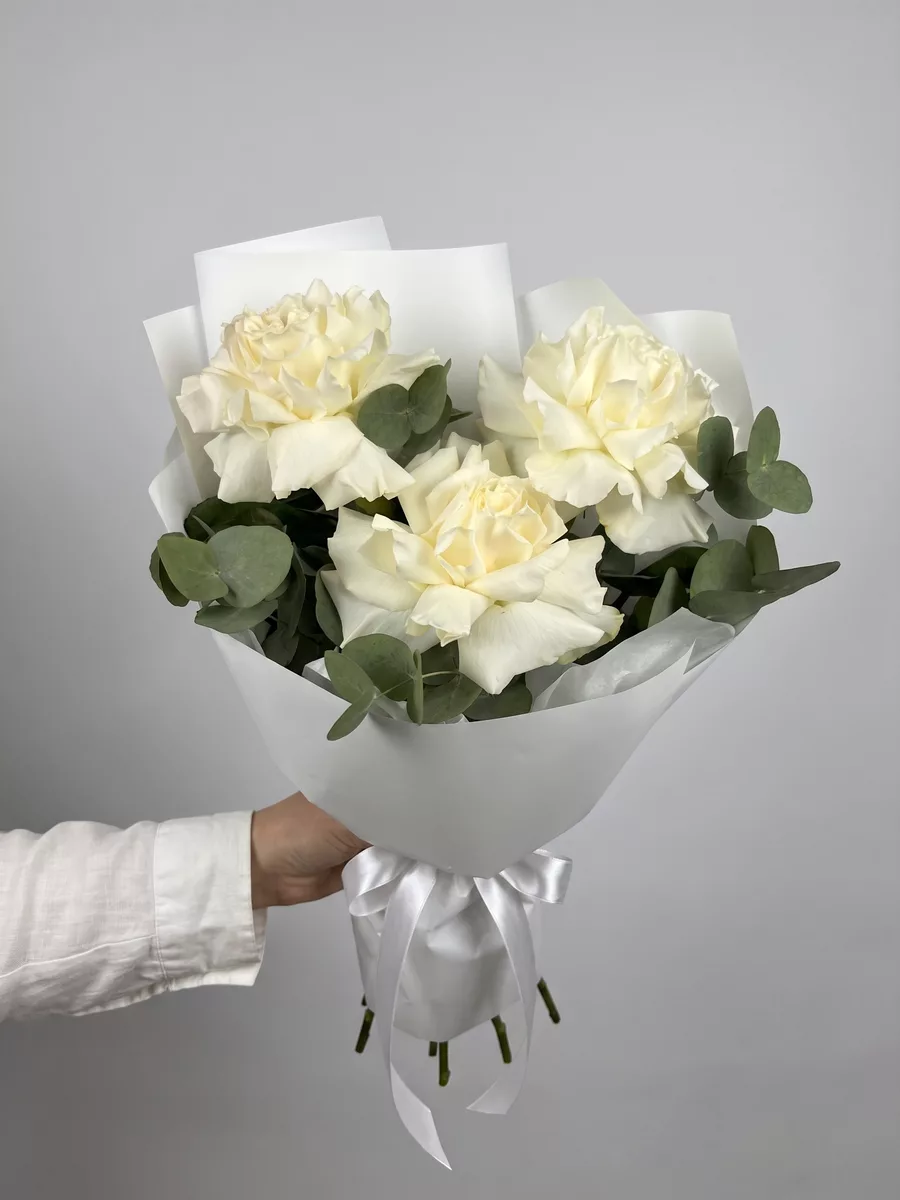
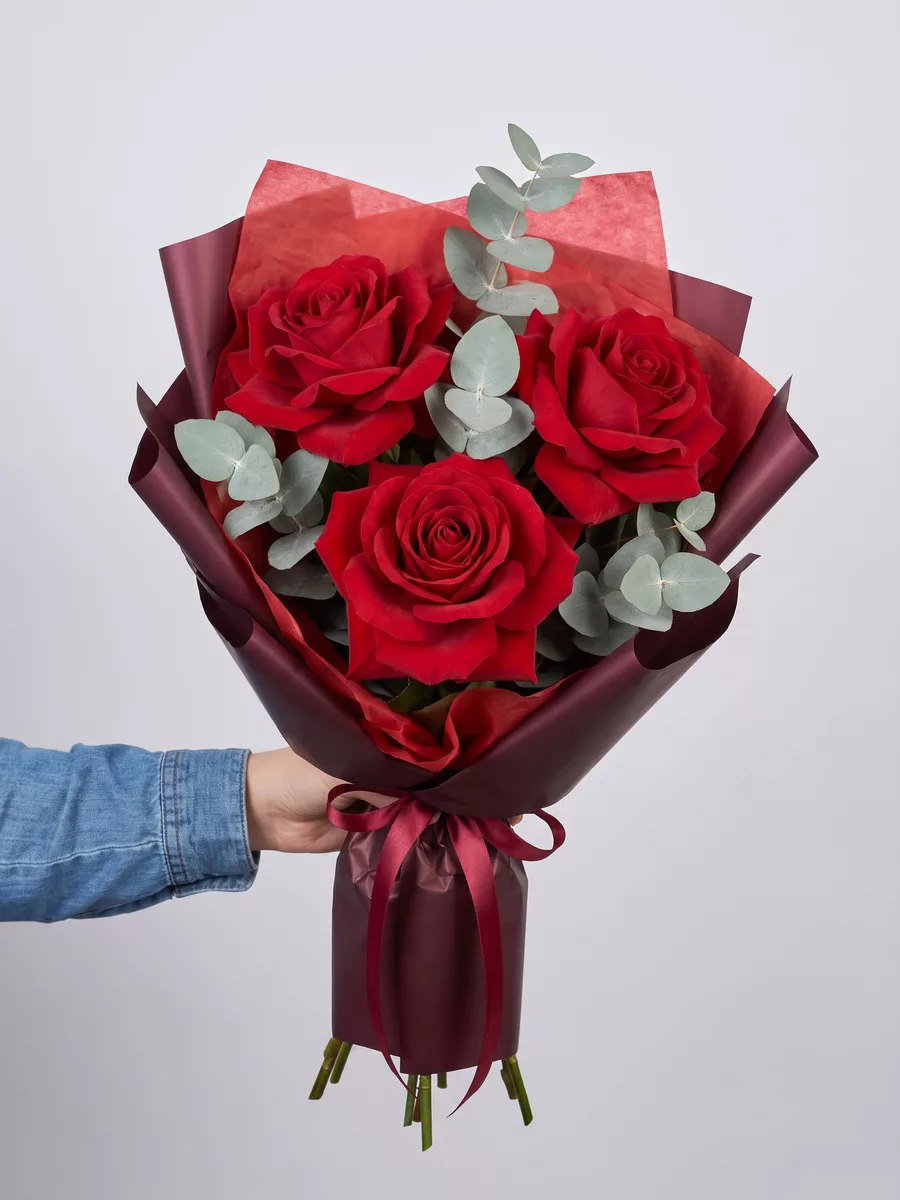
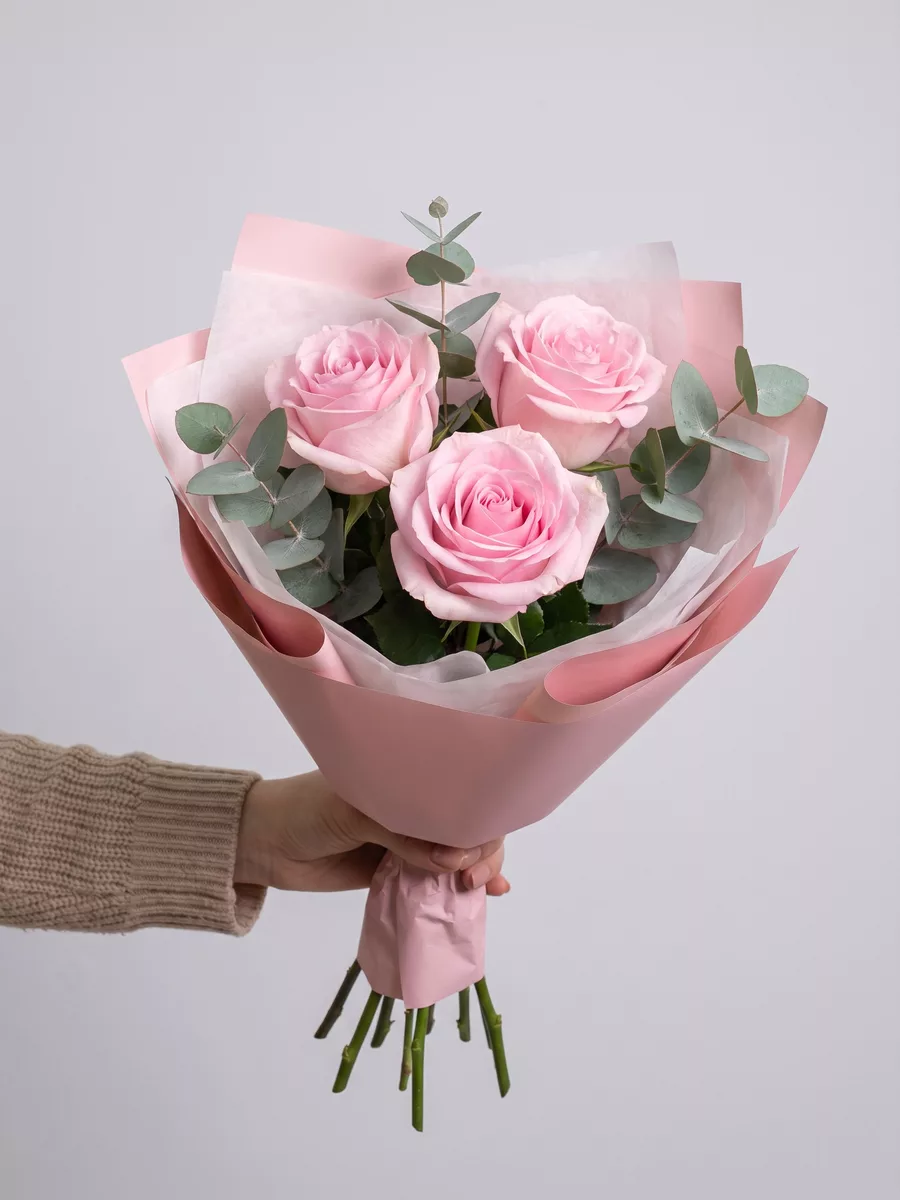
Bouquets we can deliver

Reading the Occasion Before You Pick a Single Stem
Russian gift-giving culture places enormous weight on the number of flowers in a bouquet. An odd number — five, seven, nine, eleven — is the standard for celebrations and everyday joy. Even numbers are reserved for solemn occasions and are genuinely avoided at birthdays, anniversaries and congratulations. If you grew up in a country where a dozen roses is the romantic ideal, this is the single most important local custom to absorb before ordering.
Beyond the count, think about who is receiving the flowers and what they will feel when they unwrap them. A grandmother celebrating her seventieth birthday will likely adore a lush, fragrant arrangement built around spray carnations, alstroemeria and soft-toned chrysanthemums — flowers she recognises and associates with warmth. A young woman marking a promotion responds differently to sculptural calla lilies, garden roses and eucalyptus, something that looks like it came from a Scandinavian florist's window.
For a couple's anniversary, think in pairs and depth: double-headed ranunculus alongside garden roses in complementary tones, finished with dusty miller for texture. The combination reads as deliberate and romantic rather than assembled. If the occasion is a child's recital or school achievement, bright sunflowers mixed with solidago and a few stems of bright lisianthus carry genuine cheerfulness without looking childish. Matching the arrangement to the person rather than the occasion alone is what separates a memorable gift from a polite gesture.
Choosing Flowers for Kalachinsk's Climate: Season by Season
Winter, roughly October through March, is the season when tropical and greenhouse varieties travel best to Kalachinsk because the cold outside actually slows cellular breakdown in transit. Orchid stems, anthuriums and roses shipped in insulated packaging hold their form well. The risk is the last hundred metres: the walk from the delivery vehicle to the front door. A well-wrapped bouquet in a sleeve with tissue inner lining survives a brief exposure to minus 15 degrees, but anything unwrapped or loosely packed suffers immediate petal damage. Always request winter packaging when ordering during these months.
Spring, April and May, brings variable temperatures and the first local tulips from Omsk-region greenhouses. Tulips are enormously popular for Women's Day on the eighth of March, Russia's most flower-intensive holiday, and supplies tighten sharply around that date. If you are ordering for early March, place your order at least three days ahead. Dutch tulips in mixed pastels alongside white freesia make a combination that feels like the season arriving early.
Summer allows for the widest palette. Garden roses, peonies in late May and June, sunflowers from July, and dahlias from August are all at their best. Peonies especially are beloved across Russia and carry a sense of abundance that photographs beautifully. The challenge in summer is heat: arrangements should include a water source or gel sachet and recipients should be told to place the bouquet in water immediately. Autumn brings chrysanthemums, hypericum berries and warm-toned roses — combinations that feel grounded and generous.
Ordering from Outside Russia: Practical Steps That Save You Stress
The ordering process itself is simpler than many international senders expect. You do not need a Russian phone number or a Russian bank card. Turboflora accepts international payment methods through its website, and the order form is available in English. What you do need is the recipient's full address in Russian transliteration or Cyrillic if possible, their local phone number, and a clear delivery window.
When writing a card message from abroad, keep it in simple Russian if you can manage a few words — even a phonetically spelled 'pozdravlyayu' (congratulations) or 's dnem rozhdeniya' (happy birthday) lands with warmth. If Russian is beyond you, a heartfelt message in English is perfectly fine; the card will be printed and included, and the gesture itself communicates everything. Avoid overly formal corporate phrasing — a working florist's instinct is that personal, slightly imperfect messages feel more genuine than polished ones.
Payment timing matters when you are crossing time zones. Kalachinsk florists operate during daylight hours local time, which means the effective ordering window for same-day delivery closes around 5 PM Omsk Time. If you are in a UTC minus zone — the American east coast, for example — that window closes at roughly 11 AM your time. Building in a buffer of one to two hours is wise. For important dates like milestone birthdays or anniversaries, ordering a day ahead entirely removes the stress of time-zone arithmetic and ensures the arrangement is prepared with proper care rather than urgency.
Bouquet Combinations That Work Well as Gifts in This Region
Kalachinsk is a town where flowers are received with genuine delight, and where a well-composed bouquet is seen as a mark of real thoughtfulness. Certain combinations consistently land well here. For a mid-range gift, seven garden roses in a blush or cream tone paired with three stems of white lisianthus and a collar of ruscus leaves is clean, classic and universally appreciated. It reads as neither too showy nor too sparse.
For something more generous, a mixed arrangement of nine peony-type roses, five stems of alstroemeria in a contrasting colour, and eucalyptus branches creates a sense of abundance without becoming chaotic. The eucalyptus adds a light, clean scent and extends the visual life of the arrangement even as individual blooms fade. This combination works across ages and occasions.
If the recipient is known to prefer something simpler, a mono-bouquet of eleven tulips in a single colour — deep violet, coral or pure white — is striking precisely because of its restraint. Mono-bouquets photograph extremely well and have grown in popularity across Russia over the past several years. They also travel well because there is less structural complexity to protect.
For a celebratory table centrepiece rather than a hand-held bouquet, a low arrangement of dahlias, spray roses and hypericum berries in a compact vase shape works beautifully. Mention this preference when ordering so the florist can adjust the stem lengths and wrapping accordingly. A centrepiece-style arrangement is a thoughtful choice for a dinner party or a housewarming.
Vase Life and Care Instructions Your Recipient Will Actually Use
Most people in Russia know how to care for flowers, but a reminder tucked into the card is always welcome, especially if the recipient is elderly or very young. The basics are universal: cut the stems at a diagonal under running water using a sharp knife rather than scissors, which crush the vascular tissue. Remove any leaves that would sit below the waterline, because submerged foliage rots quickly and contaminates the water. Change the water every two days.
In Kalachinsk's cold winters, the apartment itself is often very warm due to central heating, which runs continuously from October through April. This dry indoor heat accelerates wilting. Placing the vase away from radiators and direct sunlight extends vase life noticeably. A cool hallway or a spot near a north-facing window is ideal. Misting the petals lightly with a spray bottle each morning also helps, particularly for roses and lisianthus.
Roses typically last seven to ten days with proper care. Alstroemeria is one of the longest-lasting cut flowers, often reaching twelve to fourteen days. Tulips last five to seven days but continue to grow after cutting, sometimes dramatically, so a vase with room for movement suits them. Chrysanthemums are exceptionally hardy and can last two weeks. Peonies, beloved as they are, have a shorter vase life of five to seven days but open so dramatically that the show feels worth it.
If you include a care card with your order, the florist can print specific instructions matched to the varieties in the bouquet — a small detail that shows genuine attention.
Common Mistakes Senders from Abroad Make and How to Avoid Them
The most frequent mistake is ordering an even number of flowers without realising the cultural weight it carries. Twelve roses, ten tulips, four stems of anything — these combinations read as inappropriate for celebrations in Russia. The fix is simple: always choose an odd number, and if you are unsure, ask the florist to make the call based on the arrangement size.
The second mistake is underestimating delivery address precision. In a small town like Kalachinsk, where many residents live in Soviet-era apartment blocks with multiple entrances, an address that says only the street and building number can send a courier to the wrong entrance and delay delivery by thirty minutes or more. That half-hour matters when someone is leaving for a celebration. Collect the full address including apartment number and entrance number if possible.
A third mistake is choosing flowers based on what is available in your own country rather than what travels well or suits the season in Siberia. Delicate garden flowers like sweet peas or anemones that you might buy at a local market at home are often not available in the same form in Kalachinsk, and substitutions made without guidance can feel disappointing. Trust the florist's seasonal knowledge.
Finally, senders sometimes forget to account for the time zone when requesting a specific delivery time. Writing 'please deliver at 6 PM' without specifying the time zone creates genuine confusion. Always write the time in Omsk Time explicitly, or simply describe the situation — 'she finishes work at 5 PM local time and I would like the flowers to arrive before 7 PM local time' — and let the florist coordinate accordingly.
Sending flowers to Kalachinsk from the other side of the world is less complicated than it sounds, and the reward is entirely real. Someone opens their door to a bouquet that smells of peonies or freesia, reads a card with your words on it, and feels genuinely seen across the distance. The details — the odd number, the right season, the precise address, the winter packaging — are not bureaucratic hurdles. They are the difference between a flower delivery and a moment someone remembers. Turboflora handles the logistics and the cold; you bring the intention.
Frequently asked questions
Can I order flowers for Kalachinsk if I do not speak Russian?
Yes, entirely. Turboflora's website and order form are available in English, and international payment methods are accepted. Your card message can be written in English and will be printed exactly as you write it. You do not need a Russian phone number or any knowledge of Russian to complete the order successfully.
What is the latest I can order for same-day delivery to Kalachinsk?
The effective cut-off for same-day delivery is approximately 5 PM Omsk Time, which is UTC plus 6. Senders in Western Europe should place orders by late morning their time; senders on the US East Coast need to order before noon their time. For important occasions, ordering a full day ahead removes any time-zone uncertainty and allows proper preparation.
Why do Russian bouquets always have an odd number of flowers?
In Russian tradition, even numbers of flowers are associated with mourning and are brought to funerals. For any celebration — a birthday, anniversary, graduation or simple greeting — an odd number is standard and expected. Ordering an even number for a joyful occasion would feel culturally out of place to the recipient, even if unintentionally.
How do flowers survive delivery in Kalachinsk's winter temperatures?
Bouquets delivered in winter are wrapped in insulated sleeves and tissue to protect against brief cold exposure during transit. The flowers themselves are stored and transported in temperature-controlled conditions. The critical moment is the handover at the door, which lasts seconds. Recipients should move flowers indoors immediately and trim the stems before placing them in water.
Which flowers last the longest for someone in Kalachinsk who may not have a vase ready?
Alstroemeria is the most resilient common cut flower, lasting up to two weeks with basic care. Chrysanthemums are also exceptionally hardy. Both tolerate brief periods without water better than roses or tulips. If you are unsure whether your recipient has a vase or will be home promptly, asking the florist to include one of these varieties in the arrangement is a practical choice.
Ready to send flowers?
Pick the city, choose the bouquet, and a local florist takes it from there.
Choose a city →