Sending Flowers to Kalininsk from Abroad? Here Is What Actually Matters
You are somewhere far from Russia — another country, another time zone, possibly another season entirely — and someone you love is in Kalininsk waiting for a reason to smile. The distance feels enormous. But a bouquet that arrives fresh, on time, and chosen with real thought can close that gap better than a phone call. This guide is written for you: the sender who wants to get it right without speaking Russian or knowing the local flower market.
What Kalininsk Is Like and Why It Matters for Your Order
Kalininsk is a small city in the Saratov region of central Russia, sitting on the Volga plain where summers are hot and dry and winters are genuinely cold. This climate shapes which flowers survive the journey from the shop to your recipient's door, and it is worth keeping in mind when you choose. A delicate garden rose in July heat needs to be handled differently than a sturdy chrysanthemum in January frost.
The city is modest in size, which means your recipient will almost certainly know the delivery is coming from someone who made a deliberate effort. That context matters. In smaller Russian cities, receiving flowers at home or at work is still a meaningful gesture, not an everyday occurrence. People notice, and they remember.
Kalininsk does not have the round-the-clock pace of Moscow or Saint Petersburg, so timing your delivery to a sensible hour — mid-morning or early afternoon on a weekday — tends to feel more natural and considerate. Avoid ordering for very late evening unless you know the recipient keeps late hours. The goal is a moment of warmth, not a surprise knock at nine at night.
Understanding the setting helps you choose the right arrangement. Something lush and celebratory works beautifully for a birthday or anniversary. Something softer and more restrained suits a thank-you or a thinking-of-you gesture. The city's quieter rhythm actually makes the arrival of flowers feel more special, not less.
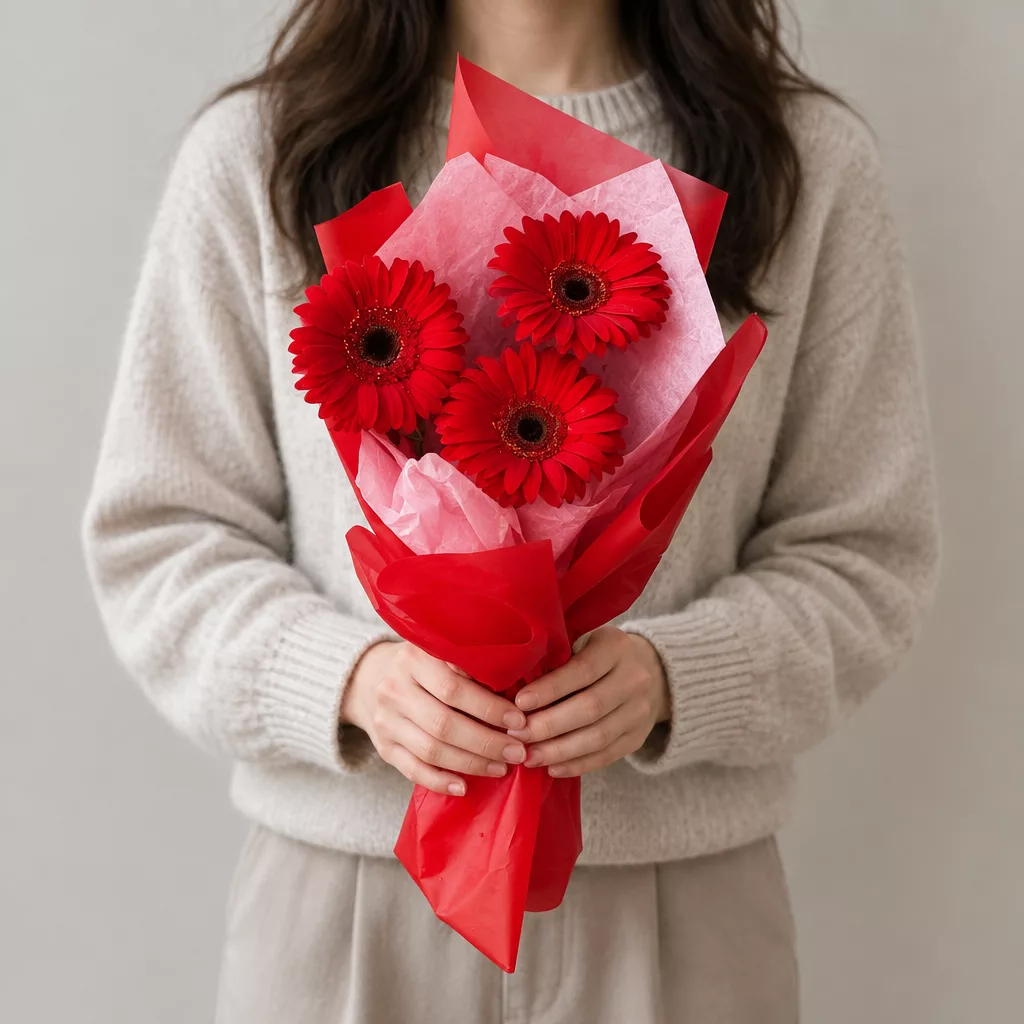
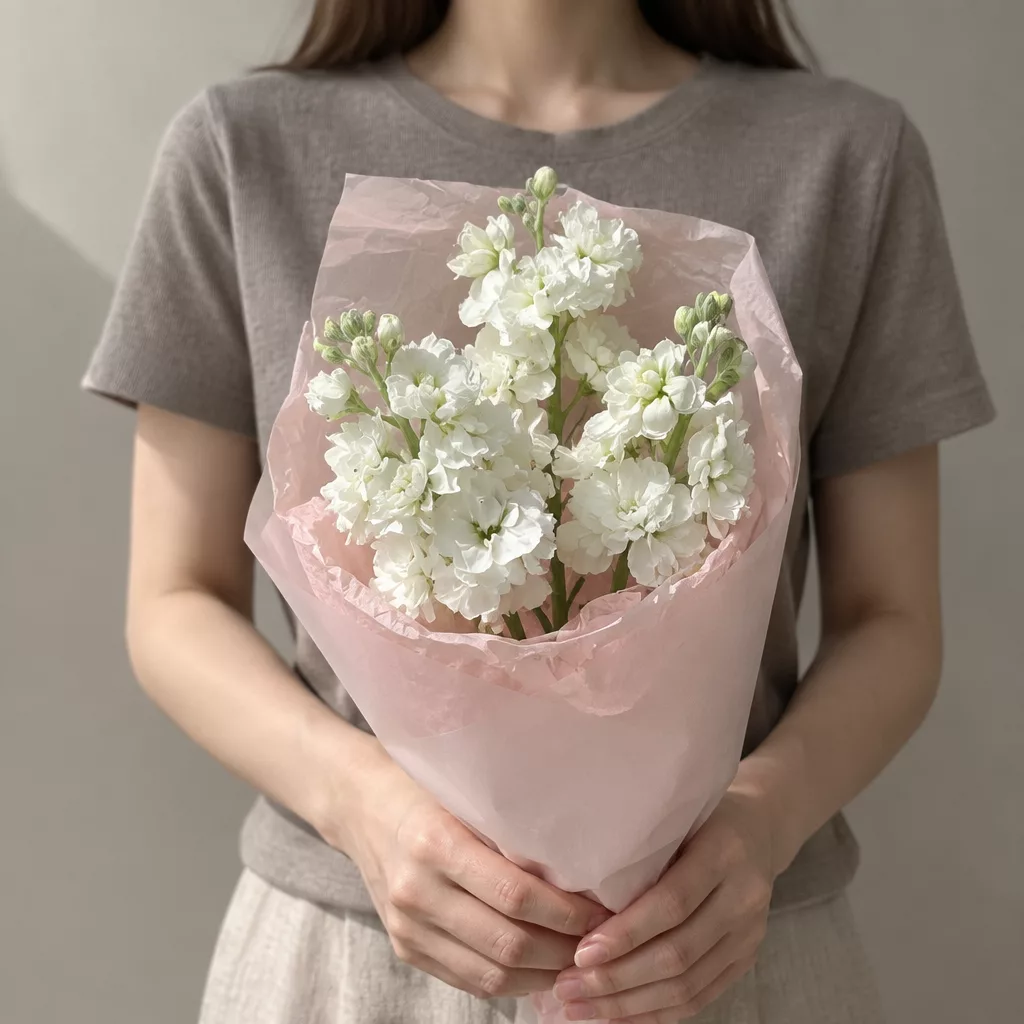
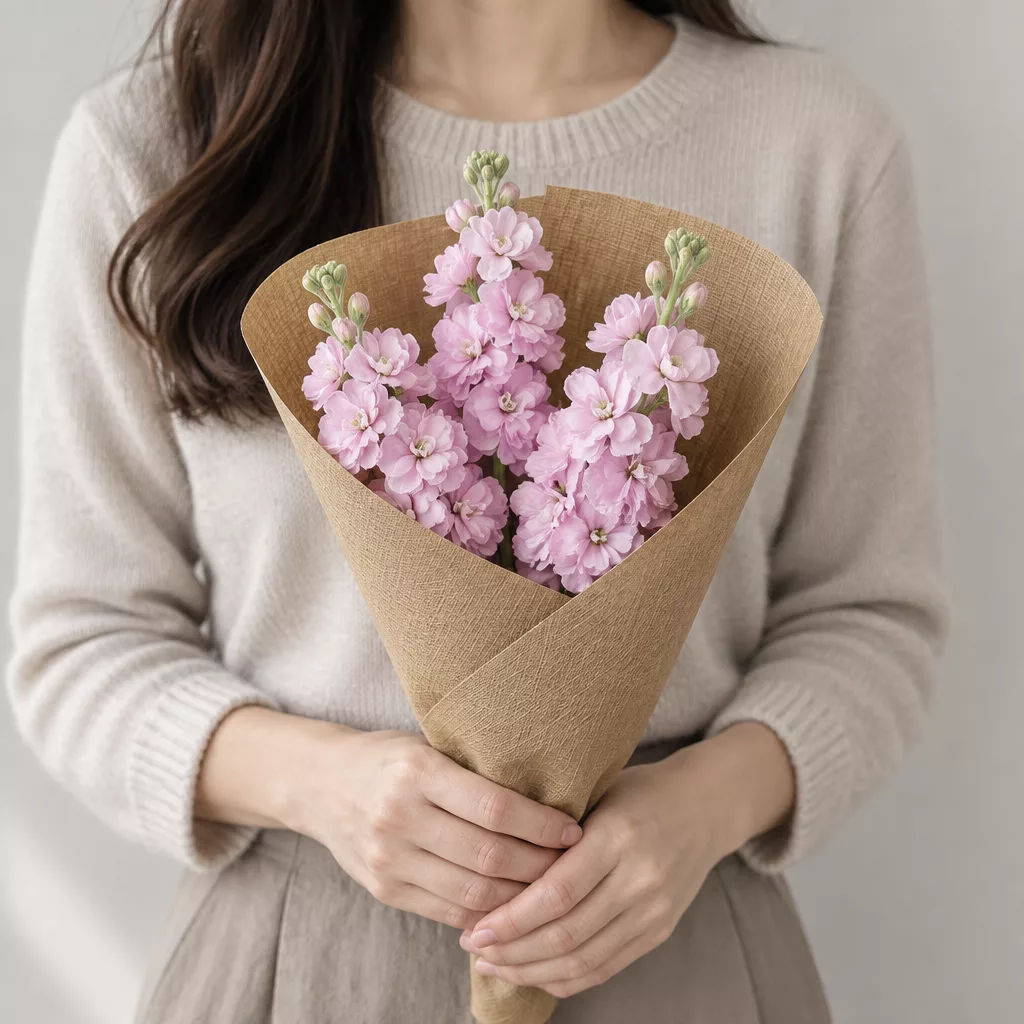
Bouquets we can deliver

The Time Zone Gap: Planning Your Order Across Borders
Kalininsk follows Moscow Standard Time, which is UTC plus three hours and does not observe daylight saving. If you are ordering from Western Europe, you are typically two to three hours behind. From North America's East Coast, you are eight hours behind. From the West Coast of the United States, eleven hours. These numbers are not just trivia — they determine whether your order lands at a florist's desk in time to be processed for same-day delivery.
The practical rule is this: place your order before noon Kalininsk local time if you want same-day delivery. That means ordering by nine in the morning from Central Europe, or the previous evening from the Americas. If you miss that window, scheduling delivery for the following morning is not a failure — it is simply the smarter choice, and it lets you pick a precise time rather than rushing.
For birthdays and anniversaries, the exact date matters emotionally. Build in a buffer of at least one day when ordering internationally. Connection issues, bank verification steps for foreign cards, and occasional address questions can add thirty to sixty minutes to processing time. Starting early removes that stress entirely.
If the occasion has a fixed time — say, a birthday dinner at seven in the evening — request delivery for two to three hours before. Flowers that arrive while the recipient is getting ready feel more celebratory than ones that show up after the evening has already begun. A little timing thought from your side of the world makes a real difference on theirs.
Choosing Flowers for the Person, Not Just the Occasion
The best bouquet starts with a clear picture of the person receiving it, not a category on a website. Think about what they actually like. Does your mother in Kalininsk keep a tidy home with classical taste? Roses and lisianthus in soft pinks and creams will feel right. Is your colleague someone energetic and cheerful? Sunflowers, gerberas, and bright alstroemeria make a more fitting statement.
For Russian recipients, there are a few customs worth knowing if you are unfamiliar. Flowers are traditionally given in odd numbers — one, three, five, seven, and so on. Even numbers are associated with mourning and funerals, so a bouquet of twelve roses, while perfectly normal in many countries, carries an unintended meaning in Russia. A good florist will automatically follow this convention, but it is worth being aware of.
White flowers are not exclusively associated with grief in Russia the way they sometimes are in other cultures. White roses, white tulips, and white peonies are all given freely for celebrations and romantic occasions. Red roses remain the classic romantic gesture. Yellow flowers, however, are sometimes associated with separation or bad luck in Russian popular belief — not universally, but enough that many people prefer to avoid them for romantic or sentimental gifts. When in doubt, stick to pinks, corals, lilacs, and whites.
If you know the recipient's favourite flower, use it. A bouquet built around one beloved variety — say, ranunculus or freesia — feels far more personal than a generic mixed arrangement, even if the mixed arrangement is technically more elaborate.
Seasonal Sense: What Flowers Suit Which Time of Year
Kalininsk's continental climate means the seasons are distinct and the temperature swings are real. In winter, from November through February, outdoor temperatures can drop well below minus fifteen Celsius. Flowers transported in that cold need to be wrapped and protected carefully. Varieties that hold up well in winter conditions include chrysanthemums, carnations, spray roses, and hypericum berries. These are not second-choice flowers — they are genuinely beautiful and long-lasting when chosen with care.
Spring, from March through May, is the season of tulips, daffodils, and hyacinths. These are enormously popular in Russia, especially around International Women's Day on the eighth of March, which is the single biggest flower holiday in the country. If you are sending around that date, order at least three to four days in advance. Demand peaks sharply and delivery slots fill quickly.
Summer brings peonies in late May and June — arguably the most beloved flower in Russia for that season — followed by lisianthus, alstroemeria, and garden roses through July and August. These months offer the widest variety and the most vibrant colours. Heat is the main challenge: flowers in transit during a thirty-degree day need to move quickly from cool storage to the recipient's hands.
Autumn suits dahlias, chrysanthemums, and sunflowers beautifully. The warm amber and burgundy tones of autumn arrangements feel especially fitting for the season's mood. If your recipient is celebrating something in September or October, lean into those rich colours rather than fighting the season with tropical varieties.
How to Write a Card Message That Feels Right
The card is often what your recipient reads first, before they even properly look at the flowers. It deserves more thought than a last-minute line. If you are writing in English for a Russian speaker, keep the message simple and direct — warmth translates across languages even when the words need to be read slowly. Most recipients will appreciate the effort of a handwritten-style message in your own language far more than a stilted translation.
If you want to write in Russian but are not a native speaker, keep it very short: a single sentence is safer than a paragraph full of grammatical errors that might confuse the meaning. Something like a name, a date, and one honest feeling is enough. The flowers carry the rest.
Avoid overly formal business language in personal cards. Russian culture values sincerity and directness in personal messages. A card that says something genuine — even something as simple as "I am thinking of you today and wanted you to know it" — lands better than a polished but impersonal phrase.
For milestone occasions like a fiftieth birthday or a wedding anniversary, consider a slightly longer message that references something specific: a shared memory, a quality you admire in the person, a wish that is particular to them. These details are what people re-read later. They are also what makes a delivery from abroad feel like a real embrace rather than a transaction.
If the delivery is a surprise, do not put your name in the subject line of the order — put it in the card. Let the recipient discover who sent the flowers through the message itself. That small moment of recognition is part of the gift.
Practical Steps for Placing an International Order
Ordering from outside Russia is straightforward if you prepare a few things before you start. The most important is the delivery address in full. Russian addresses follow a specific format: city, street, building number, apartment number, and sometimes entrance number and floor. If your recipient lives in a multi-storey building — which is common in Russian cities — missing the apartment number or entrance code will delay delivery significantly. Ask your recipient casually in advance, or check with someone who knows their address well.
Have the recipient's phone number ready in international format. The delivery team may need to call ahead, especially if the building has a coded entrance door, which is standard in most Russian apartment blocks. A recipient who is not reachable by phone can mean a missed delivery, so confirm they will be available or arrange for a neighbour or building manager to accept the order.
For payment, international cards are accepted, but have your bank's international transaction approval ready. Some banks flag foreign merchant charges automatically. A quick check with your bank before placing the order saves the frustration of a declined payment at checkout.
Specify the delivery window clearly. If you want morning delivery, say so. If the recipient has a lunch break at a specific time and that is the only window they are home, include that detail in the order notes. The more context you provide, the better the delivery can be timed. Vague requests like "afternoon" cover a wide range — narrow it down to a two-hour window if you can.
Double-check the spelling of the recipient's name for the card. Names matter, especially in Russian culture where diminutives and formal names are distinct.
Keeping the Flowers Beautiful After Delivery
Your job ends when the flowers arrive, but the recipient's experience continues for days. A few simple care tips, shared via your card message or a note with the bouquet, can extend the life of the arrangement significantly and show that you thought about the whole experience, not just the delivery moment.
Fresh-cut flowers need clean water changed every two days. The stems should be re-cut at an angle — about two centimetres — each time the water is changed. This sounds like a small detail, but it makes a real difference to how long the flowers stay upright and vibrant. A diagonal cut increases the surface area available for water uptake.
Keep the bouquet away from direct sunlight and heat sources. In a Kalininsk apartment in summer, a windowsill in full afternoon sun will shorten the life of roses or tulips from seven days to three. A cool corner of the room, away from radiators in winter, is ideal. Many Russian apartments are kept quite warm in winter due to central heating, so this is worth mentioning.
Remove any leaves that fall below the waterline immediately. Submerged leaves rot quickly and cloud the water, which introduces bacteria that block the stems. A clean vase, clean water, and trimmed stems are the three pillars of good flower care.
Different varieties have different vase lives. Chrysanthemums and carnations routinely last two weeks. Roses and lisianthus give you seven to ten days with good care. Tulips and ranunculus are shorter — five to seven days — but they are so beautiful in their prime that the brevity is forgiven. Knowing this helps your recipient appreciate what they have while it lasts.
Sending flowers to Kalininsk from another country is not complicated once you know the rhythm of it. Get the address right, mind the time zone when placing your order, choose flowers that suit the person and the season, and write a card that says something true. The distance between you and your recipient is real, but a bouquet that arrives fresh and thoughtfully chosen does something that a text message or a video call cannot quite replicate — it fills a room with colour and fragrance and the unmistakable feeling that someone, somewhere, was thinking of you.
Frequently asked questions
Does the Kalininsk summer heat affect which flowers I should choose from abroad?
Yes, and it matters more than most senders realise. July and August in Kalininsk are genuinely hot, so delicate blooms like garden roses or sweet peas can wilt quickly between the shop and the door. Chrysanthemums, alstroemerias, and sunflowers hold up far better in that heat. If you are ordering in winter, the concern reverses — ask the florist how they protect arrangements during cold transit.
Will a bouquet feel significant in a smaller city like Kalininsk, or is it an ordinary gesture?
It will feel significant. Kalininsk is a modest-sized city where receiving flowers at home or at work is still a genuine occasion. Your recipient will almost certainly understand that someone made a deliberate effort from abroad, and that context travels with the bouquet. The gesture carries more weight here than it might in a large Russian city where deliveries are routine and unremarkable.
What flower combinations suit Russian tastes for a birthday in Kalininsk specifically?
Russians tend to appreciate full, generous-looking arrangements over minimal ones. For a birthday, think roses paired with alstroemerias and greenery, or a mixed bouquet built around a strong central flower like a peony or gerbera. Avoid anything that reads as sparse. The impression of abundance matters culturally, and a well-filled bouquet signals that the sender thought carefully rather than chose the cheapest available option.
How do I make the delivery feel personal when I am ordering from a completely different country?
Write the card message yourself rather than leaving it blank or using a template. A specific detail — a shared memory, the reason you chose that particular flower, something only the two of you would recognise — does more than any elaborate arrangement. Local Kalininsk florists who accept international orders can usually include a handwritten card insert, so ask explicitly when you place the order.
Is there a best day of the week to send flowers to someone in Kalininsk from abroad?
Weekday mornings, particularly Tuesday through Thursday, tend to work well. Florists are fully stocked after the weekend rush, delivery slots are more predictable, and your recipient is likely to be reachable at home or at a workplace. Monday can carry leftover weekend disruption, and Friday deliveries risk the recipient being out. Mid-morning arrival, roughly ten to noon local Kalininsk time, gives the bouquet the best reception.
Ready to send flowers?
Pick the city, choose the bouquet, and a local florist takes it from there.
Choose a city →