How to Send Flowers to Kalyazin from Abroad the Right Way
Kalyazin sits quietly on the Volga, a small town with a big heart, and when someone you love lives there, distance should not get in the way of a proper gesture. Ordering flowers from London, Berlin, Dubai or New York feels complicated until you understand exactly how it works — the timing, the seasonal realities, the Russian customs around giving flowers, and the small details that turn a delivery into a memory. This guide is written for you: the person abroad who wants to get it right.
What Kalyazin Is Like and Why It Changes Your Flower Choice
Kalyazin is a small Tver Oblast town of roughly thirty thousand people, famous for its half-submerged bell tower rising from the Uglich Reservoir. It is not a metropolitan city, and that matters when you are choosing flowers. The recipient will likely live in a house or a modest apartment without a large vase collection, so enormous architectural arrangements can feel impractical rather than generous. Compact, well-structured bouquets tend to land better here than sprawling display pieces.
The town also experiences a genuine continental climate. Winters are cold and long, summers are warm and sometimes very dry. This means flowers delivered in January or February face temperatures that can drop well below minus fifteen Celsius during transit from the nearest sorting hub. Delicate tropical varieties like anthuriums or open garden roses can bruise or freeze in those conditions if packaging is not handled with care. Hardier varieties — spray chrysanthemums, alstroemeria, sturdy tulips in winter, and sunflowers in summer — survive the journey with their heads held high.
The emotional register of Kalyazin is warm and personal. People there tend to value sincerity over spectacle. A thoughtfully chosen bouquet of fifteen peonies wrapped simply in kraft paper will move someone more than an elaborate box stuffed with foam inserts and filler greens. Think of what your recipient actually keeps on their windowsill, and let that guide the composition.
Bouquets we can deliver

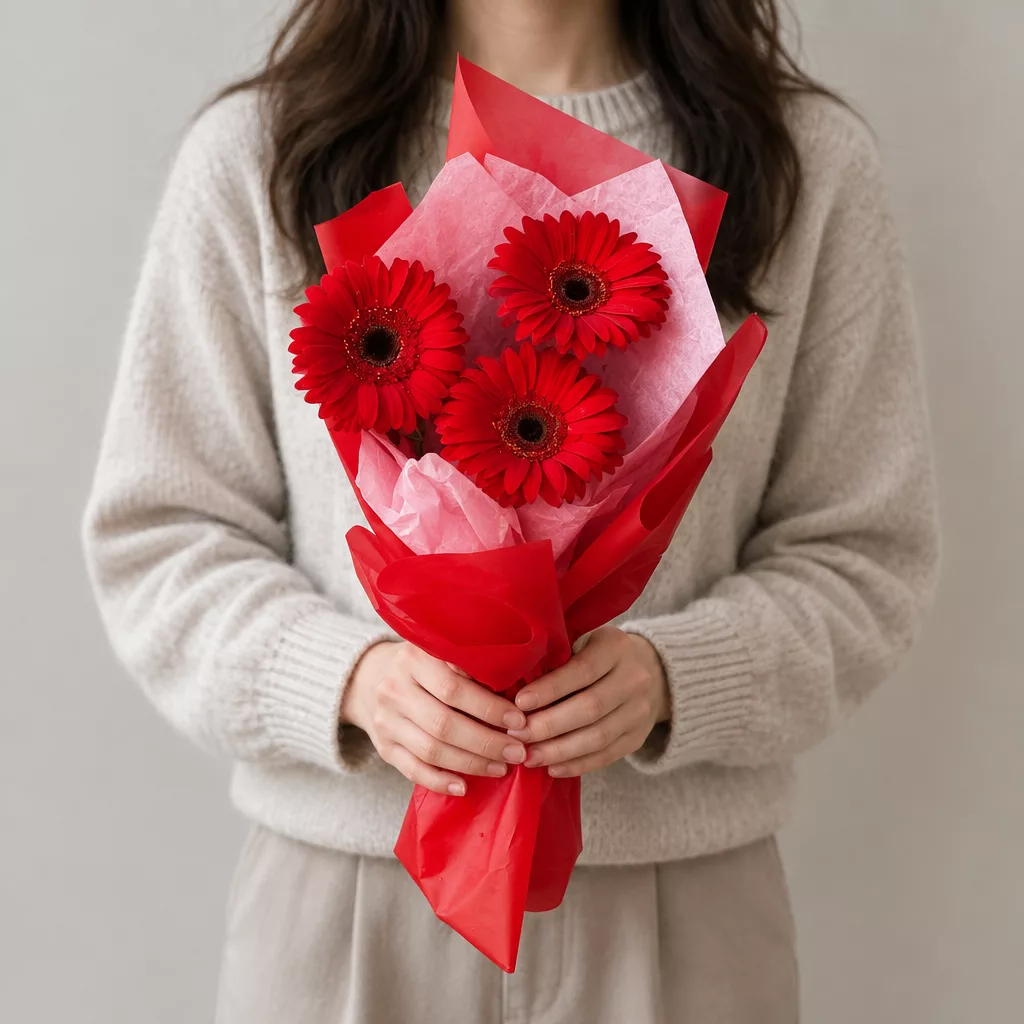
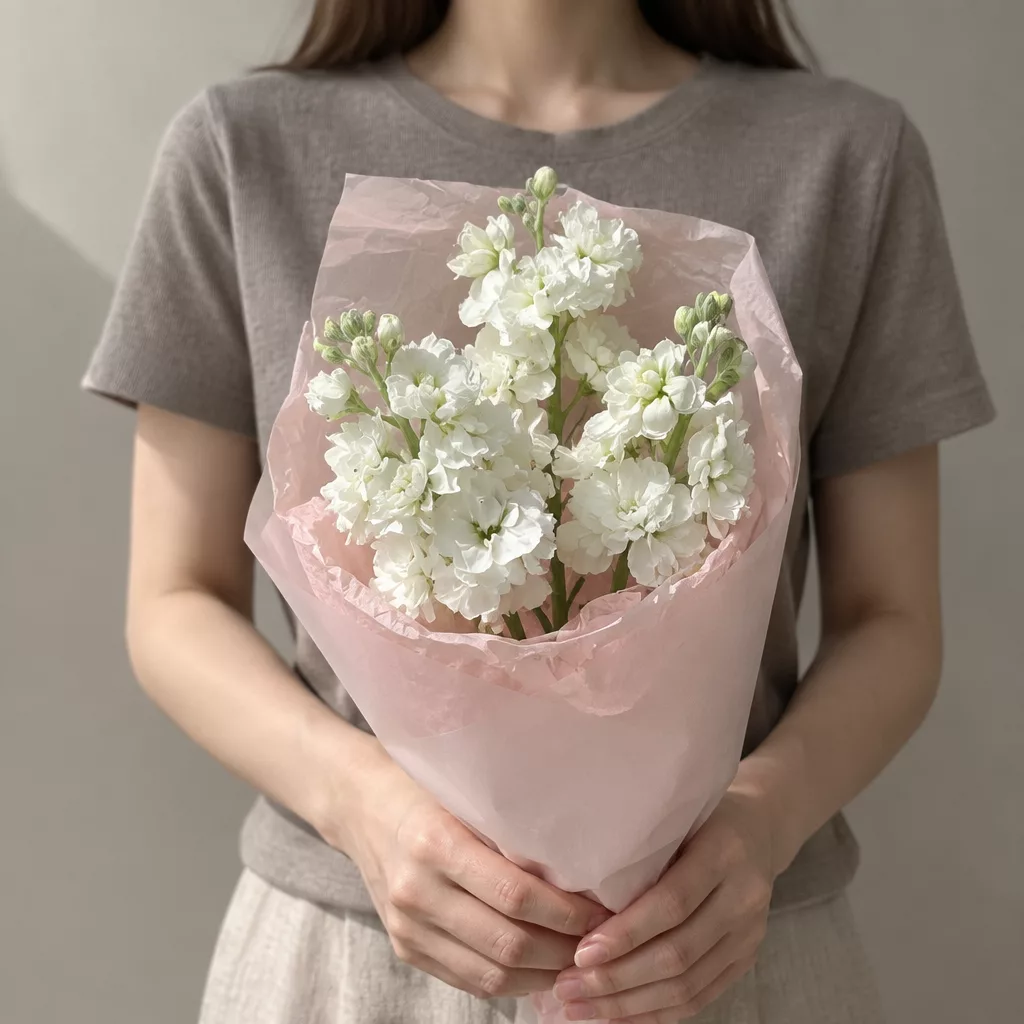
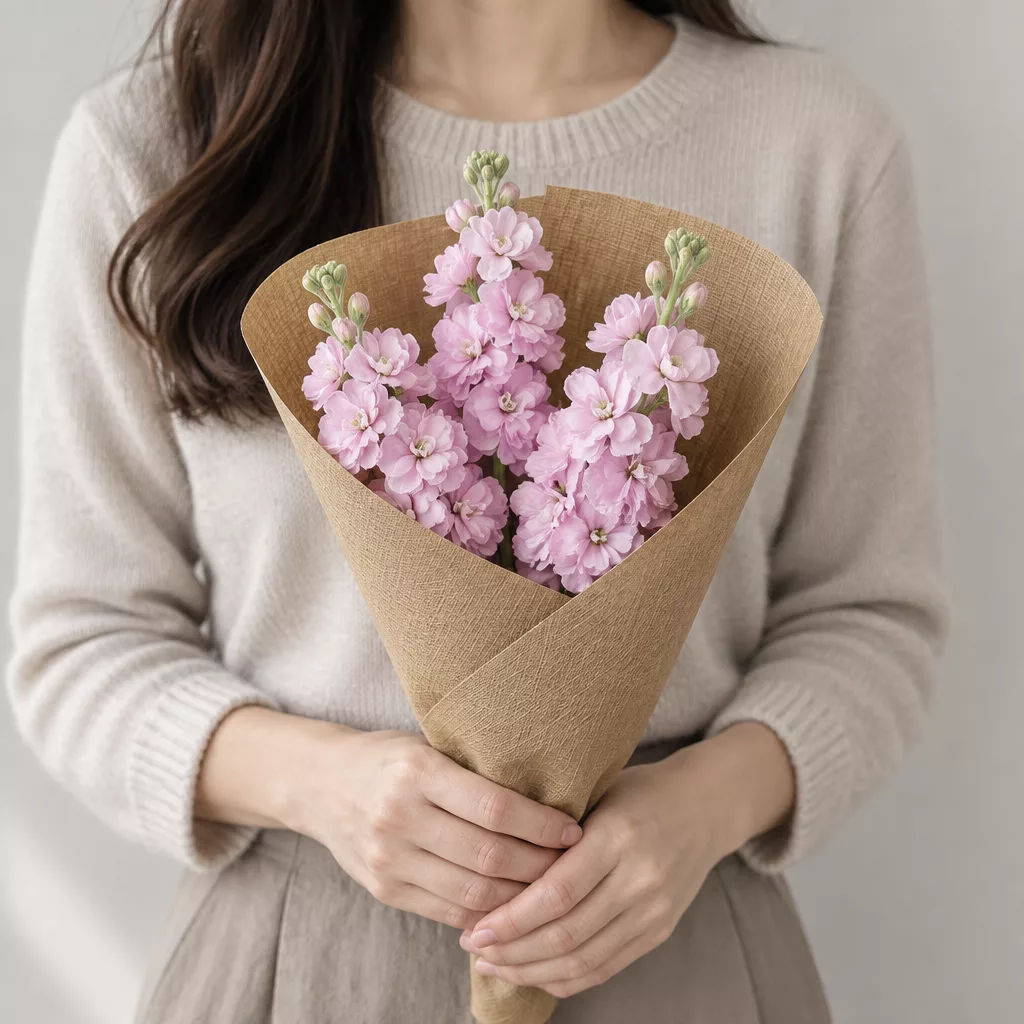
Timing Your Order When You Are in a Different Time Zone
Kalyazin operates on Moscow Standard Time, which is UTC plus three hours and does not observe daylight saving. If you are in New York, that is an eight-hour gap in winter and a nine-hour gap in summer. If you are in London, it is three hours ahead. Dubai is only one hour behind Moscow. These differences matter enormously when you want same-day delivery or a morning arrival for a birthday.
Turboflora delivers across Russia within one to two hours of order confirmation, but that clock starts when the order is placed and confirmed — not when you wake up and remember the occasion. A sender in Los Angeles who orders at ten in the evening local time is already placing an order at six in the morning Moscow time the next day, which is actually ideal. A sender in Sydney ordering at noon local time may find it is already late afternoon in Moscow.
The safest approach from any international time zone is to order at least twenty-four hours before the intended delivery window. For significant dates — March 8th, which is International Women's Day and the single busiest flower day in Russia, or February 14th — place your order two to three days in advance. Demand on those dates is intense across all Russian cities and towns, and delivery slots fill quickly. A standing reminder in your calendar for the week before any important date will save you from the anxiety of last-minute ordering across time zones.
Russian Flower Customs That Surprised Senders Before You
If you have not given flowers in Russia before, a few customs will seem unusual at first but make complete sense once you know the reasoning behind them. The most important one: always give an odd number of flowers. In Russian tradition, even numbers of flowers are associated with mourning and are brought to funerals. A bouquet of twelve roses, however beautiful, carries an uncomfortable connotation. Thirteen roses, or eleven, or fifteen — these are the numbers for celebration, love and congratulation.
The second custom is that flowers are almost always unwrapped in front of the giver or the delivery person. Russians examine their bouquet immediately, smell it, and comment on it. This is not rudeness — it is enthusiasm and appreciation. Make sure the bouquet looks as good from the inside as from the outside, because it will be fully unwrapped within minutes of arrival.
Colour carries meaning too, though it is less rigid than the odd-number rule. Red roses signal romantic love clearly. Yellow flowers were once considered unlucky in Soviet-era superstition, but that association has largely faded among younger generations, and yellow tulips or yellow sunflowers are now widely accepted as cheerful gifts. White flowers are elegant and appropriate for any occasion except, as noted, the ones we are not covering here. When in doubt, mix warm colours — coral, peach, soft orange — with a few stems of white or cream to create something universally well-received.
Choosing Flowers by Season in a Town With Real Winters
Kalyazin's seasons are distinct and they directly affect what is available, what travels well, and what the recipient will find beautiful in the context of their surroundings. In winter, from November through March, the landscape is white and the indoor warmth makes certain flowers especially welcome. Tulips are the great winter flower of Russia — they arrive from Dutch and local growers in abundance, they are affordable, and they open magnificently in a warm room. Ranunculus, freesia and hyacinths also do well in winter and carry a fragrance that transforms a cold-season apartment.
Spring is short and explosive. April and May bring lilac, which is perhaps the most emotionally resonant flower for older Russian recipients — the smell of lilac in May is tied to childhood memories for an entire generation. If your recipient is over forty, a bunch of lilac in season will mean more than almost anything else you could send. Peonies begin arriving in May and peak in June.
Summer in Kalyazin is warm enough for sunflowers, lisianthus and garden roses to feel completely at home. These months are forgiving for delivery because there is no frost risk. Autumn brings dahlias, which are underused and spectacular, and the last of the outdoor chrysanthemums before the cold returns. Matching your flower choice to the season is not just practical — it shows the recipient that someone thought carefully about their moment, not just about filling a box.
Combinations That Work and Ones to Avoid
A single-variety bouquet done well is almost always more elegant than a mixed arrangement done carelessly. Fifteen matching stems of spray roses in a single colour, cut to the same length and wrapped tightly, look intentional and confident. When you mix varieties, the combinations need a logic — usually one dominant flower, one supporting flower, and one textural element, with a maximum of three or four colours that sit comfortably together on the colour wheel.
For romantic occasions, consider deep red or burgundy roses paired with white waxflower and a few stems of eucalyptus. The eucalyptus scent is fresh rather than floral and balances the heaviness of red roses beautifully. For a birthday or a thank-you, coral alstroemeria with cream lisianthus and a handful of pale yellow solidago creates warmth without reading as romantic. For a grandmother's birthday, soft pink peonies with white sweet peas and a few sprigs of mint is deeply traditional and universally loved.
Avoid combinations that fight each other visually: orange gerberas with purple statice, for example, or hot pink roses with red carnations. These are not wrong in an absolute sense, but they look unplanned. Also avoid pairing very fast-opening flowers with very slow ones in the same bouquet — tulips open in a warm room within a day, while alstroemeria lasts ten days. The bouquet will look unbalanced by day three. When mixing, choose varieties with similar vase-life timelines so the whole arrangement ages gracefully together.
What to Tell the Recipient So the Flowers Last Longer
Flowers delivered to Kalyazin will have travelled from a central hub, and even with careful cold-chain handling, they need immediate attention on arrival. If you are sending flowers as a surprise, include care instructions in the card message — a brief, practical note that does not spoil the sentiment but genuinely helps. Something as simple as: cut the stems at an angle, use a clean vase with fresh cold water, and keep away from direct sunlight and radiators.
Radiators are the particular enemy of flowers in Russian apartments during winter. Central heating in Russian residential buildings runs hot and dry from October to April, and a bouquet placed on a windowsill above a radiator will lose half its vase life in a single day. The best spot is a cool corner of the room, away from heat sources and away from any fruit bowl — ripening fruit releases ethylene gas, which accelerates flower aging noticeably.
Water quality matters more than most people realise. Tap water in many Russian towns contains chlorine, which is not harmful to flowers but can be improved by letting the water sit uncovered for an hour before using it. Changing the water every two days and re-cutting the stems by a centimetre each time will extend the bouquet's life by three to five days. Tulips in particular benefit from a very deep vase — they continue to grow after cutting and will lean and droop in a shallow one. Sharing these tips in your card message is a small act of care that the recipient will notice and appreciate.
Writing the Card Message When You Are Far Away
The card is the part of the delivery that carries your voice, and from abroad it carries extra weight because you cannot be there in person. A message that is too formal feels cold; one that is too long becomes difficult to read on a small card. The sweet spot is three to five sentences that are specific to this person and this moment, not generic well-wishing that could apply to anyone.
If you are writing in English for a Russian recipient, consider whether they read English comfortably. Many Russians under fifty have functional English, but for older recipients, a message in Russian — even a simple one translated carefully — will land with far more warmth. Online translation tools are imperfect, but for a short, sincere message they are usually sufficient. You can also write in both languages: your original English on one line, the Russian below it.
Avoid superlatives that feel hollow: words like amazing, incredible and wonderful have lost their texture through overuse. Instead, be precise. Do not write that you are thinking of them — write what specific memory came to mind when you chose these flowers. Did the peonies remind you of the ones in their garden? Did the yellow tulips match the curtains in their kitchen that you remember from your last visit? That specificity is what makes a card message something a person keeps rather than something they recycle with the wrapping paper. From abroad, that small paragraph is your presence in the room.
Sending flowers to Kalyazin from another country is not as complicated as it first appears — it is mostly a matter of understanding the time difference, respecting a few local customs around numbers and colour, and choosing varieties that suit the season and the journey. The recipient on the other end is not thinking about logistics. They are thinking about the fact that someone, from far away, made an effort to put something beautiful in their hands on an ordinary or extraordinary day. That is what flowers do, and from Turboflora's side, getting them there fresh and on time is the part we take seriously so you can focus entirely on the message.
Frequently asked questions
Can I order flowers for Kalyazin if I do not speak Russian?
Yes. The Turboflora website and order process are available in English, and all delivery details including the recipient's address and card message can be submitted in Latin characters. Our team handles the Russian-language coordination on your behalf, so you do not need to speak or write Russian at any point during the ordering process.
How far in advance should I order for a specific delivery time in Kalyazin?
For a precise delivery window — morning, afternoon or evening — place your order at least twenty-four hours ahead, accounting for the time zone difference between your location and Moscow. For major Russian holidays such as March 8th or February 14th, two to three days advance notice is strongly recommended, as demand across Russian towns including Kalyazin rises sharply on those dates.
Why do Russian bouquets always have an odd number of stems?
In Russian tradition, even numbers of flowers are reserved for mourning occasions and are brought to funerals. Giving an even-numbered bouquet as a celebration gift carries an unintended and unwelcome association. Odd numbers — eleven, thirteen, fifteen, twenty-one — are the standard for birthdays, anniversaries, congratulations and romantic gestures. Turboflora composes all celebration bouquets following this convention automatically.
Which flowers survive cold Kalyazin winters best during delivery?
Spray chrysanthemums, alstroemeria, tulips and carnations are the most cold-tolerant cut flowers and handle transit through sub-zero temperatures reliably. Tropical varieties such as anthuriums, open garden roses and large-headed gerberas are more vulnerable to cold damage. In winter months we recommend staying with hardy varieties and trust our packaging to protect them through the final delivery stage.
Can I include a card message in English for a Russian recipient?
Absolutely. You can write your message in English, in Russian, or in both languages side by side on the same card. For recipients who may not read English fluently — often those over sixty — a short Russian message alongside your English original adds warmth and ensures nothing is lost. Simple translation tools work well for brief, sincere messages, and our team can flag obvious errors if requested.
Ready to send flowers?
Pick the city, choose the bouquet, and a local florist takes it from there.
Choose a city →