Sending Flowers to Kamen-Na-Obi from Abroad: What You Need to Know
You are somewhere far from Russia — a different time zone, a different season, maybe a different continent — and someone in Kamen-Na-Obi is about to have a birthday, an anniversary, or simply a day that deserves something beautiful. The distance feels enormous, but the gesture does not have to be complicated. Here is everything a sender abroad needs to understand before placing an order, so the bouquet arrives fresh, meaningful, and perfectly timed.
Understanding Kamen-Na-Obi Before You Order
Kamen-Na-Obi is a small city on the Ob River in the Altai Krai region of western Siberia. It sits roughly 200 kilometres from Barnaul, the regional capital, and it has the character of a close-knit provincial town where a flower delivery is genuinely noticed and appreciated. People here are warm, and a bouquet from abroad carries real emotional weight — it says that someone across the world was thinking of them specifically.
The climate matters practically. Kamen-Na-Obi has a continental climate with cold winters and warm summers. In January and February, outdoor temperatures can drop well below minus twenty Celsius, which means flowers transported from a vehicle into a building need to be wrapped properly to survive even a short exposure to the cold. In summer, the opposite challenge appears: heat can stress delicate blooms during transit. When you order, note the season honestly — it shapes which varieties hold up best.
The city is smaller than Novosibirsk or Barnaul, so residents are accustomed to receiving deliveries that come from larger hubs. That makes the choice of a reliable delivery service more important than in a major metropolitan area. Turboflora handles the logistics end-to-end, so you do not need to coordinate with anyone locally. Your job as the sender is simply to give clear recipient details and choose the right bouquet for the person and the moment.
Bouquets we can deliver

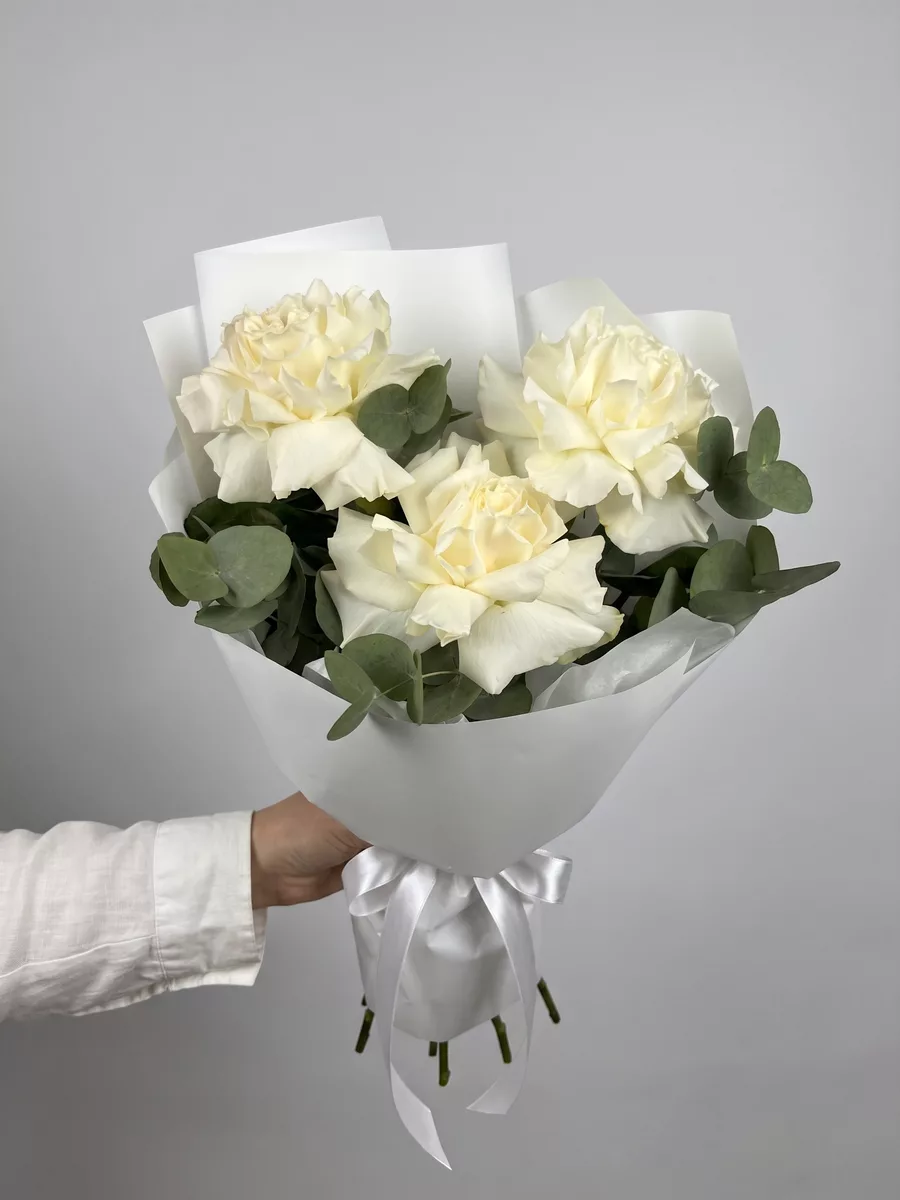
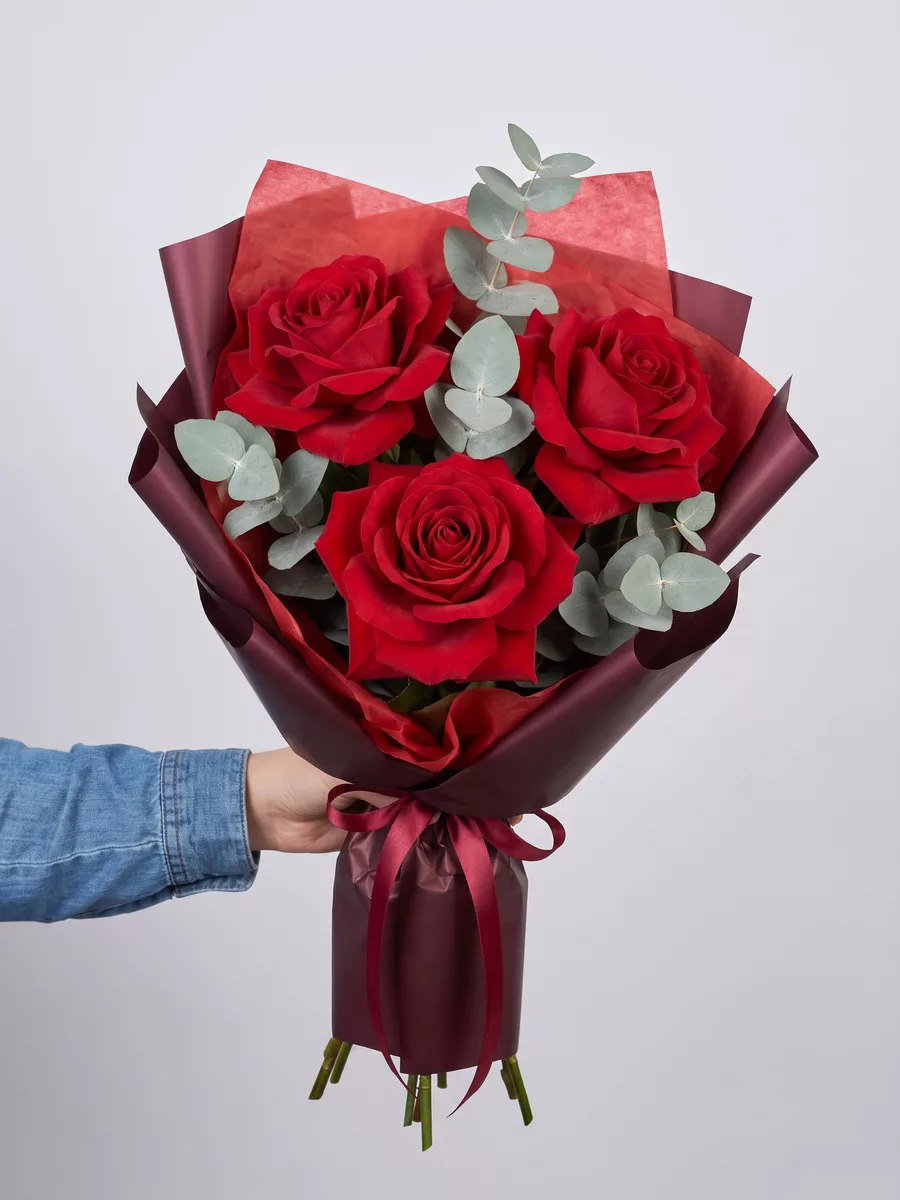
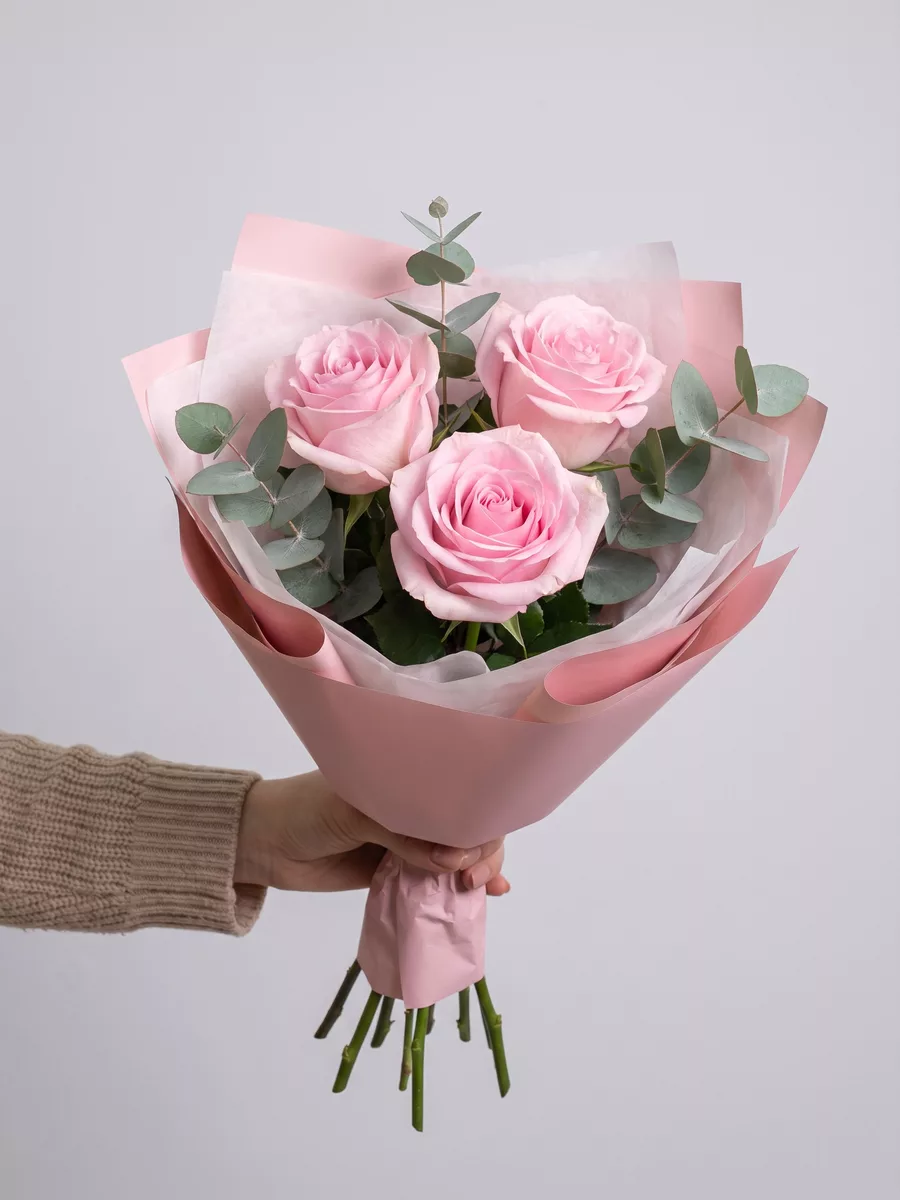
Picking the Right Moment: Time Zones and Delivery Windows
Kamen-Na-Obi operates on Omsk Time, which is UTC plus six. If you are placing an order from Western Europe, you are seven or eight hours behind. From the east coast of the United States, the gap is nine hours in one direction. From Tokyo or Seoul, the city is actually just a few hours behind. Knowing this before you sit down to order prevents the most common mistake senders abroad make: placing an order in the evening their time and assuming it will arrive that same morning in Russia.
Turboflora delivers within one to two hours of order confirmation, but that window only works if the order reaches the team during operating hours. Calculate the local Kamen-Na-Obi time before you finalise anything. A delivery timed to arrive at noon in Siberia needs to be placed well before noon Omsk Time — not midnight your time, which might already be morning the next day in Russia.
For occasions where timing is ceremonial — a birthday breakfast, flowers waiting before a dinner — be specific in the delivery notes. Write the desired arrival window in Moscow Time as well as local time if you are unsure, and the team can clarify. Surprise deliveries work beautifully in a smaller city like Kamen-Na-Obi because neighbours and building staff tend to be helpful, but the recipient's address must be precise: full street name, building number, apartment number, and a working Russian mobile phone number. Without a reachable phone number, even the best bouquet can sit undelivered.
What Russian Flower Customs Mean for Your Choice
Russia has a few floral customs that are worth knowing before you select a bouquet, especially if you are sending from a country where these conventions do not exist. The most important one: always send an odd number of flowers. Even numbers — two roses, four stems — are reserved for funerals, and giving an even-numbered bouquet to a living recipient is considered inauspicious. Most pre-made bouquets from a professional florist already follow this rule, but if you are customising, count the stems.
Yellow flowers carry complicated associations in Russian culture. Yellow roses in particular are sometimes linked to separation or infidelity, depending on the generation of the recipient. This is not a universal belief — younger Russians in cities often ignore it entirely — but if you are sending to someone older or more traditional, it is safer to choose another colour or mix yellow blooms with white and orange so the palette reads as cheerful rather than symbolic.
Red roses remain the most universally understood romantic gesture across Russia, and they land well in Kamen-Na-Obi just as they do in Moscow. For non-romantic occasions — a friend's birthday, a colleague's promotion, a mother's name day — mixed seasonal bouquets with chrysanthemums, spray roses, lisianthus, or alstroemeria read as festive and generous without being overly intimate. White flowers, particularly white roses and white eustoma, are elegant for almost any celebratory occasion and are especially appreciated by recipients who have refined, understated taste.
Choosing by the Occasion and the Person
Start with the recipient, not the flower. A woman in her sixties who tends a garden will respond differently to a bouquet than her granddaughter celebrating a university graduation. Think about what the person loves, what their home looks like, and what the occasion is asking of you emotionally.
For birthdays, volume and colour create the right impression. A generous round bouquet of garden roses — varieties like Mondial or Avalanche hold their shape well — mixed with eucalyptus and seasonal greenery feels abundant and personal. If the recipient is someone who prefers drama over softness, tall gladioli or bold sunflowers paired with solidago and bear grass make a strong, joyful statement.
For anniversaries and romantic occasions, the classic choice is still red or deep pink roses, but consider adding white freesias for fragrance or burgundy lisianthus for depth. Freesia has a scent that fills a room gently, which makes the bouquet a presence in the home for days rather than just a visual gift.
For a new baby, a promotion, or a housewarming, think about what will last and what will brighten a space. Alstroemeria is an excellent choice here — it lasts ten to fourteen days with basic care, it comes in soft peachy tones and warm yellows, and it does not overwhelm a busy household. Chrysanthemums, often underestimated, are another reliable option: they hold up exceptionally well in variable temperatures and look full and generous without requiring elaborate care from the recipient.
Budget, Presentation, and What Actually Reaches the Door
When ordering from abroad, the gap between what you imagine and what arrives is usually about presentation rather than flower quality. A thoughtfully wrapped bouquet with good kraft paper, a ribbon, and a handwritten card feels like a considered gift. A bunch in plain cellophane, however fresh, reads as an afterthought. When you place your order, note any preferences about wrapping style — romantic and soft, graphic and modern, natural and textural — so the bouquet matches the occasion visually as well as botanically.
At a more modest budget, a single-variety bouquet done with confidence often looks more intentional than a mixed arrangement that feels crowded. Five or seven stems of a beautiful spray rose like Majolica, wrapped simply with eucalyptus and twine, is a complete and elegant gift. Moving upward in budget, combinations become more interesting: garden roses with ranunculus in spring, dahlias with veronica and ornamental grasses in late summer, tulips with hyacinths in early spring when they are in season.
Always include a card message, even a short one. In Russian culture, the written word accompanying flowers carries meaning — it is not considered redundant or obvious. If you want to write in Russian but are unsure of the phrasing, a simple transliteration or even a note in your own language is better than nothing. The team can help format a message if you explain what you want to convey. The recipient will keep that card long after the flowers have faded.
How Flowers Survive the Journey in Siberian Conditions
Temperature management is the most critical factor in flower delivery to Kamen-Na-Obi, particularly in the colder months. From October through March, bouquets are wrapped in insulating sleeves before leaving the shop, protecting the blooms during the brief but potentially brutal exposure to outdoor temperatures. This is standard practice rather than an extra service — it is simply how deliveries work safely in a Siberian climate.
Certain varieties handle cold stress better than others. Roses, particularly hybrid tea varieties with thick petals, are resilient if properly conditioned before delivery. Chrysanthemums are remarkably cold-tolerant. Tulips, by contrast, are sensitive to both cold shock and warm interiors — they can open very rapidly when brought from a cold car into a heated apartment, which shortens their vase life. If you are ordering tulips in winter, the recipient should know to keep them in a cool room initially and change the water daily.
In summer, the challenge reverses. Heat accelerates wilting, so deliveries are timed to avoid the hottest part of the afternoon when possible, and flowers are kept in temperature-controlled conditions until the final handoff. Varieties like lisianthus, statice, and alstroemeria hold up better in warm conditions than soft-petalled garden roses or peonies. If you are ordering in July or August, lean toward these sturdier choices unless you know the recipient will be home to receive and immediately care for the flowers.
Helping the Recipient Get the Most from the Bouquet
The vase life of any bouquet depends almost entirely on what happens in the first thirty minutes after it arrives. Sharing a few care tips with the recipient — either through the card message or a quick message of your own — dramatically extends how long the flowers last and how good they continue to look.
The basics are universal: cut the stems at an angle under running water using a clean knife or sharp scissors, remove any leaves that would sit below the waterline, and place the bouquet in a clean vase with fresh, cool water. Change the water every two days. Keep the arrangement away from direct sunlight, radiators, and fruit bowls — ethylene gas released by ripening fruit accelerates petal drop, particularly in roses and carnations.
For mixed bouquets, some flowers will fade before others, and that is natural. Removing spent stems as they go and adjusting the remaining flowers into a tighter arrangement keeps the bouquet looking intentional rather than tired. A small handful of roses and eucalyptus still in good condition, rearranged in a smaller vessel, can look beautiful for another week after the larger bouquet has peaked.
Alstroemeria and chrysanthemums routinely last twelve to sixteen days with basic care. Roses last seven to ten days if the water is changed consistently. Tulips are shorter — five to seven days — but they move and open in ways that make them captivating for their entire life. Remind the recipient that shorter-lived flowers are not inferior; they are just more immediate, and that immediacy is part of what makes them feel alive.
Sending flowers to Kamen-Na-Obi from abroad is less complicated than the distance suggests, and far more meaningful than almost any other gift you could arrange remotely. The key is preparation: know the time zone, choose varieties suited to the season, follow the simple customs around flower count and colour, and give the recipient enough information to enjoy the bouquet at its best. When all of that comes together, what reaches the door is not just a bunch of flowers — it is evidence that someone on the other side of the world was paying attention.
Frequently asked questions
Can I order flowers to Kamen-Na-Obi if I do not speak Russian?
Yes. The order form works in English, and you can write your card message in any language. If you want the message transliterated into Russian or need help with phrasing, include a note in the order comments and the team will assist. The recipient's address and phone number do need to be accurate and in Russian format for delivery to proceed smoothly.
How far in advance should I place my order from a different time zone?
Calculate the current time in Kamen-Na-Obi first — the city runs on UTC plus six. Place your order at least two to three hours before the desired delivery window to allow for confirmation and preparation. For a timed surprise delivery, ordering the evening before your local time is often the safest approach, as it gives the team full flexibility the following morning in Siberia.
Which flowers hold up best in Kamen-Na-Obi winters?
Chrysanthemums, spray roses, and alstroemeria are the most cold-resilient choices for winter delivery. They tolerate brief temperature fluctuations during transit better than soft-petalled varieties. Roses in standard hybrid tea form also travel well when properly wrapped. Avoid ordering delicate open blooms like peonies or garden ranunculus in January or February unless you are confident about indoor conditions at the destination.
Is it true I should never send an even number of flowers in Russia?
Yes, this custom is widely observed across Russia, including in smaller cities like Kamen-Na-Obi. Even numbers of flowers are associated with mourning occasions. Always send an odd number — three, five, seven, eleven, and so on. Professional bouquets from Turboflora follow this convention automatically, but it is worth checking if you are specifying an exact stem count in a custom order.
What information do I absolutely need to provide for a successful delivery?
You need the recipient's full address including street, building number, and apartment number, plus a working Russian mobile phone number. The courier will call ahead to confirm delivery. A name for the recipient and your desired delivery window are also essential. If the recipient is at work during the day, note the workplace address as an alternative or specify an evening window when they will be home.
Ready to send flowers?
Pick the city, choose the bouquet, and a local florist takes it from there.
Choose a city →