Sending Flowers to Kamenka from Abroad? Read This First
You are sitting somewhere far from Russia — maybe London, Berlin, Dubai or New York — and you want someone in Kamenka to open their door and feel genuinely surprised and loved. That is a very specific thing to arrange across a time zone, a language barrier and a geography most international flower platforms have never heard of. This article is written for exactly that situation: a real sender, a real recipient, a town in the Penza region, and flowers that need to arrive fresh and on time.
Understanding Kamenka and Why Location Matters for Flower Delivery
Kamenka is a town in the Penza region of central Russia, sitting roughly 130 kilometres from Penza city itself. It is not a remote village, but it is also not a metropolitan hub, and that distinction matters when you are ordering flowers from abroad. Delivery logistics to smaller Russian towns require a courier network that actually reaches there — not one that stops at the regional capital and calls it done.
Turboflora delivers across Russia, including Kamenka, within one to two hours of order confirmation. That speed is meaningful when you are working across time zones and cannot afford a half-day window of uncertainty. When you place an order from Amsterdam at noon, you want to know the bouquet arrives before your recipient leaves for the evening, not sometime the next morning.
The town itself has a temperate continental climate, which means winters are genuinely cold — temperatures regularly drop below minus fifteen Celsius between December and February — and summers can be warm and dry. This affects which flowers travel well at different times of year and how the courier handles the final stretch of delivery. A florist who understands that context chooses varieties and wrapping accordingly, not as an afterthought but as part of the order itself.
Knowing the destination also helps with timing your message. Kamenka operates on Moscow Standard Time, which is UTC plus three, with no daylight saving adjustment. If you are in California, that is an eleven-hour difference. Planning ahead by even a few hours makes the difference between a morning surprise and an evening one.
Bouquets we can deliver

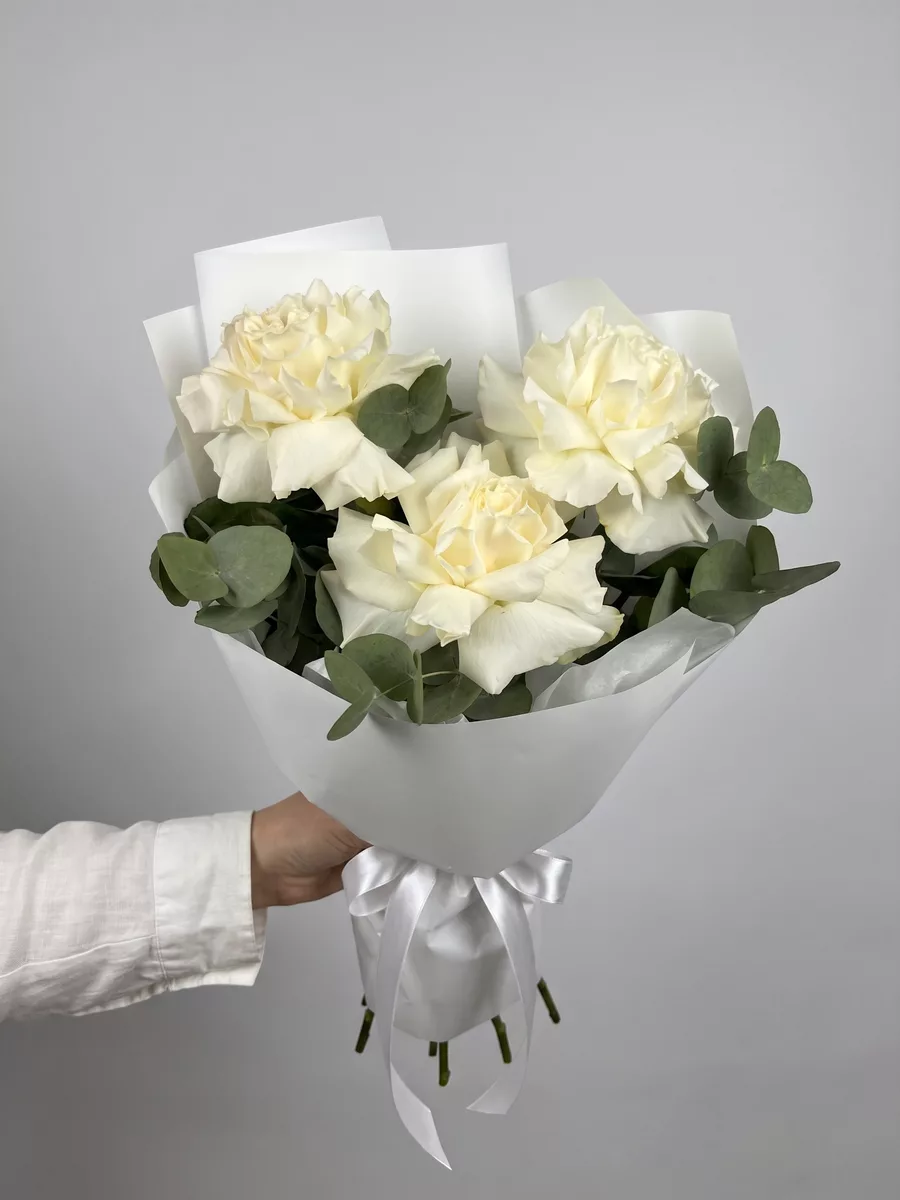
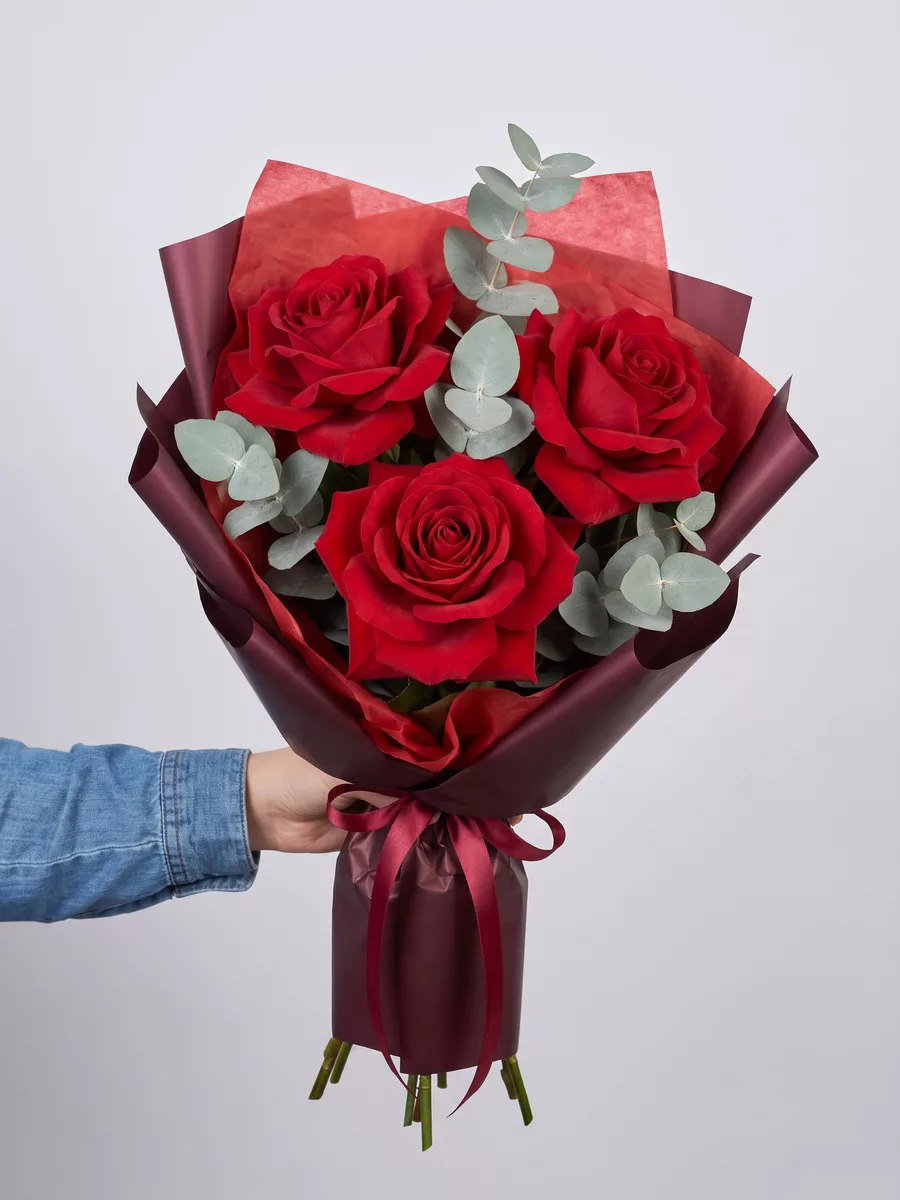
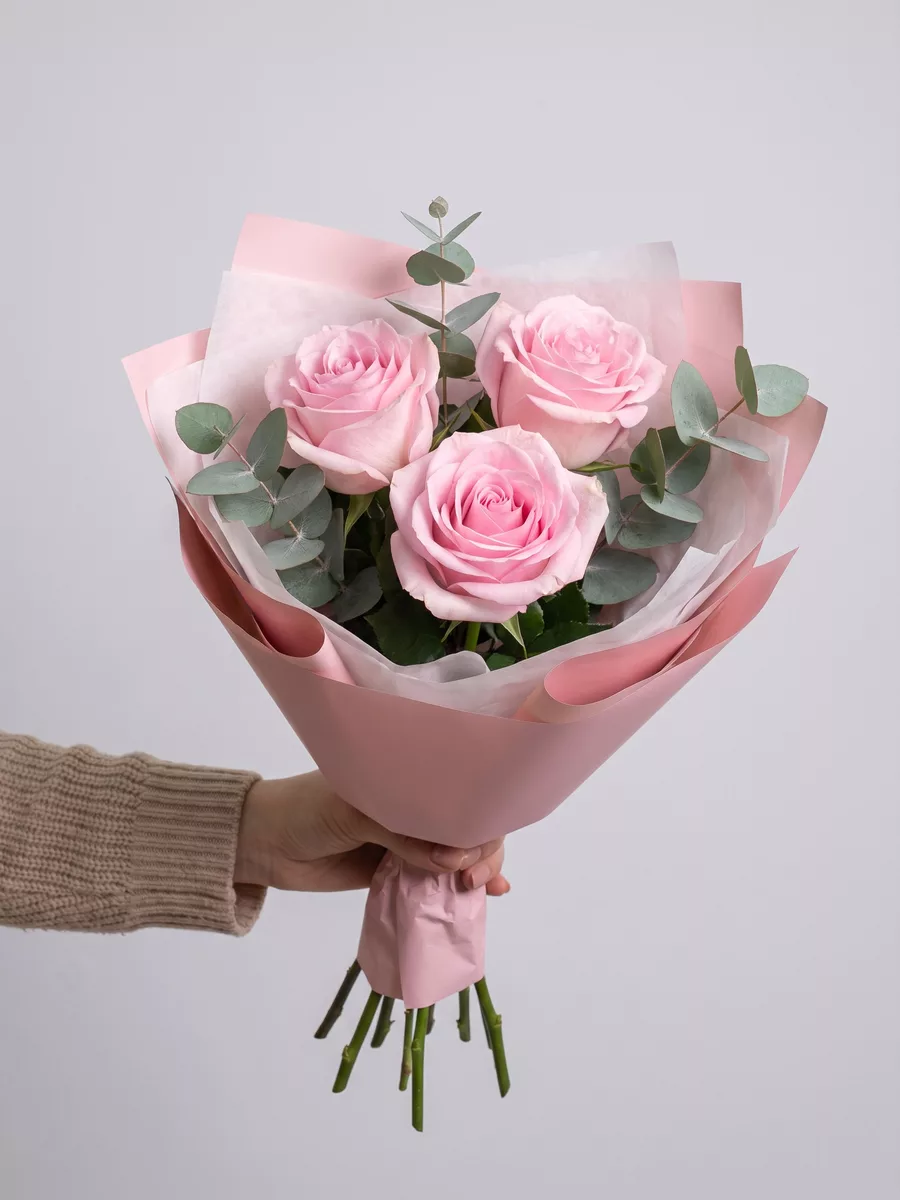
Choosing the Right Occasion Tone Before You Pick a Single Flower
Before you think about roses versus tulips, think about what your recipient will feel when they open the door. Are they turning thirty and live alone in a new city, making this bouquet their only celebration today? Are they a grandmother who raised you and has never once expected a gift from abroad? Are they a colleague who helped your Russian partner through a difficult project? Each of those people needs a different arrangement, and the occasion sets the emotional register before any flower variety does.
Russian flower-giving culture has a few customs worth knowing if you are not familiar with them. Odd numbers of stems are traditional for celebratory occasions — this is a widely observed convention across Russia, and an even number is associated with sympathy. So if you are ordering a bouquet of roses for a birthday, ask for eleven, fifteen or twenty-one, not ten or twelve. This is one of those small details that a recipient will notice even if they never say anything.
Colour carries meaning too, though it is less rigid than the odd-number rule. White flowers read as elegant and sincere rather than cold. Red roses are unambiguously romantic. Yellow flowers were once considered unlucky in Soviet-era superstition, though younger recipients in their twenties and thirties often love a bright sunflower arrangement without any of that association. When in doubt, a mixed bouquet built around a warm palette — peach, coral, soft pink — works across almost every relationship type and age group.
Take two minutes to write down three words that describe how you want your recipient to feel. That list is more useful to a florist than a colour preference.
Seasonal Flower Choices That Actually Survive the Journey
Not every flower handles a Russian winter delivery equally well. Kamenka's cold months mean that delicate open blooms — garden roses with fully open heads, anemones in full flower, ranunculus at peak — can suffer in transit if the courier route involves even a few minutes of exposure. A working florist building a bouquet for a cold-weather delivery will choose buds that are just beginning to open, so they arrive intact and then bloom beautifully in the warmth of the recipient's home over the following days.
In winter, roses, carnations, chrysanthemums, lisianthus and alstroemeria are all strong choices. They are cold-tolerant, have excellent vase life and look generous without being fragile. A bouquet of spray roses with eucalyptus and white lisianthus, for instance, will hold its shape through a February delivery and still look fresh four or five days later on the kitchen table.
Spring brings tulips, hyacinths and freesias into season, and these are genuinely the best value for money at that time of year — they are abundant, affordable and carry a strong emotional hit of colour after a long winter. Tulips in particular are enormously popular in Russia around early March, when International Women's Day on the eighth of March drives the single biggest flower-buying moment of the Russian calendar year. If your recipient's occasion falls near that date, order at least two or three days ahead.
Summer opens up dahlias, peonies (briefly, in June), sunflowers and lush garden-style arrangements with texture and volume. Autumn is the season for chrysanthemums, which last exceptionally well and are available in a wide range of colours from deep burgundy to pale cream.
Budget Ranges and What They Actually Look Like in the Vase
When you are ordering from abroad, you are working in a currency that is not Russian roubles, and it helps to have a clear mental picture of what different spending levels produce in practice. A modest budget produces a neat, single-variety bouquet — perhaps fifteen tulips wrapped simply, or a dozen spray roses with some greenery. It is a real gift and it will be received warmly. It is not a statement arrangement, but it does not need to be.
A mid-range budget allows for a mixed bouquet with a focal flower, supporting blooms and textural greenery. Think of a central cluster of garden roses or lisianthus, surrounded by waxflower or ruscus, finished with a satin ribbon and proper florist wrapping. This is the range where presentation starts to feel considered rather than functional, and it suits most occasions from birthdays to thank-you gestures.
A generous budget opens up large-format arrangements: tall gladioli, peony-centred bouquets when in season, or box arrangements where the flowers are presented in a decorative hat box or wooden crate rather than wrapped stems. These make a strong visual impression when the door opens and photograph well, which matters if your recipient is likely to share the moment with family.
One practical note for international senders: factor in the time difference when calculating what your budget achieves. Ordering well in advance gives the florist time to source the best available stems for that day rather than working with whatever is left. A slightly smaller bouquet ordered twenty-four hours ahead will almost always look better than a larger one ordered one hour before delivery.
How to Place an Order Smoothly When You Are Not in Russia
The practical steps for ordering from abroad are simpler than most international senders expect, but there are a few points where things commonly go wrong. The first is the delivery address. Russian addresses follow a specific format: street name, building number, apartment number, city, region, postal code. If your recipient lives in a multi-entrance apartment block — which is common in Russian towns — you also need the entrance number, called a podyezd. Without it, the courier may not be able to reach the door.
Ask your recipient's family member or friend for the full address if you do not have it, or call the recipient under a different pretext. Many senders deliberately keep the delivery a surprise, which is entirely possible as long as you have the address confirmed before you place the order. Do not guess at apartment numbers — even a one-digit error means a missed delivery.
For the card message, you can write in English and Turboflora will include it as written, or you can ask for a Russian translation when placing the order. A handwritten-style card in Russian often lands more warmly with older recipients who may not read English, so it is worth the small extra step.
Payment from abroad is handled in a straightforward way through the website, and international cards are accepted. The key thing to confirm at checkout is the delivery time window. Kamenka is UTC plus three, so calculate your recipient's local time carefully. A delivery window of eleven in the morning Kamenka time means you need to complete the order well before eight in the morning Moscow time, which could be the middle of the night in your own time zone.
Flower Care Instructions Your Recipient Will Actually Use
Most people who receive flowers do not know how to make them last, and when you are sending from abroad you cannot be there to help. Including care instructions with the bouquet — either on the card or as a printed note — is one of the most thoughtful things an international sender can do. It means the gift keeps giving for a week rather than wilting in two days.
The basics are simple but they matter. Stems should be cut at an angle, about two centimetres from the bottom, using a sharp knife rather than scissors. Scissors crush the stem tissue and reduce water uptake. The cut should happen while the stems are held under running water or submerged in a bowl, which prevents an air bubble from forming in the stem and blocking hydration.
The vase water should be cool, not warm, and changed every two days. Any leaves that fall below the waterline should be removed immediately — submerged foliage rots quickly and contaminates the water, which shortens vase life significantly. This is the single most common mistake people make, and it is entirely avoidable.
Keep the arrangement away from direct sunlight, radiators and fruit bowls. Ripening fruit releases ethylene gas, which accelerates flower ageing. A cool room, ideally between sixteen and twenty degrees Celsius, is ideal. Roses and lisianthus managed this way will last seven to ten days. Tulips and gerberas are shorter-lived at five to seven days but are no less beautiful for it. Chrysanthemums are the champions of vase life, often lasting two full weeks with basic care.
Making the Moment Land: Presentation, Timing and the Personal Touch
A bouquet delivered at the right moment to a well-prepared recipient is a completely different experience from one that arrives when no one is home or when the person is in the middle of a difficult workday. As an international sender, you have the advantage of being able to coordinate the timing without the recipient suspecting anything — you can message a family member, a neighbour or a friend to make sure someone is home to receive the delivery.
Think about what time of day will feel most special for your specific recipient. A morning delivery on a birthday means they start the day with the surprise. An evening delivery after work means they come home to something waiting. For older recipients or those who live alone, a morning delivery is often preferable because it sets a warm tone for the whole day.
Presentation is part of the gift. Turboflora wraps bouquets in florist paper and ribbon as standard, but if you want a specific colour scheme in the wrapping — to match a favourite colour or a seasonal palette — mention it in the order notes. Small details like this are noticed and remembered.
The card message is underestimated by most senders. A short, honest sentence or two in the recipient's language is worth more than a long message in yours. If you are writing to someone you have not seen in years, say that plainly: that you have been thinking of them, that distance does not change how much they matter. Flowers open the door; the words are what walks through it.
Sending flowers to Kamenka from abroad is not complicated once you know the address format, the time zone and a few basic customs around numbers and colour. The distance between you and your recipient is real, but a bouquet that arrives fresh, on time and wrapped with care closes that distance in a way that a message or a call simply cannot. Choose for the person, not for the occasion label. Think about what they will feel when the door opens. Then let the flowers do the rest.
Frequently asked questions
Does Turboflora actually deliver to Kamenka itself, or only to Penza?
Turboflora delivers directly to Kamenka, not just to Penza city. The courier network covers the town itself, which matters because many international platforms stop at the regional capital and treat the rest of the oblast as unreachable. When you enter a Kamenka address at checkout, you are booking a real local delivery, not a transfer arrangement that adds a day and a layer of uncertainty.
Which flowers hold up best during a Kamenka winter delivery?
Roses, chrysanthemums and alstroemeria handle cold transit better than most. Delicate varieties like anemones or garden ranunculus are more vulnerable when temperatures drop below minus ten. In December through February, ask the florist to wrap the bouquet in thermal paper and choose flowers with tighter buds, which are less likely to bruise during the final stretch of courier delivery in genuine cold.
What flower combinations feel appropriate for a birthday in a smaller Russian town like Kamenka?
Warm, generous arrangements read well — think roses mixed with spray chrysanthemums and greenery rather than a single-variety bouquet. In smaller towns, abundance signals care more than minimalism does. Avoid all-white combinations for birthdays, as white is closely associated with mourning in Russian tradition. Coral, peach, red and mixed seasonal colours all land well and feel celebratory without requiring any explanation.
If I am ordering from a place eleven hours behind Kamenka, when should I actually place the order?
Work backwards from when your recipient is likely to be home. If you want delivery at six in the evening Kamenka time, place the order by four at the latest, accounting for the one-to-two-hour fulfilment window. That means placing your order at five in the morning California time, or mid-afternoon in Western Europe. Setting a phone reminder the evening before avoids the scramble of calculating time zones under pressure.
Can I write my card message in English and will the recipient in Kamenka be able to read it?
You can write in English, but a Russian translation is a more considerate choice for an older recipient or anyone not likely to be comfortable with English text. Turboflora allows you to add a card message at checkout. If you write in English and want it translated, note that in the order comments. A message in the recipient's own language, even a short one, adds warmth that a foreign-language card cannot quite replicate.
Ready to send flowers?
Pick the city, choose the bouquet, and a local florist takes it from there.
Choose a city →