Sending Flowers to Kandalaksha from Abroad: What You Need to Know
You are somewhere far from Russia — another country, another time zone — and someone you care about is in Kandalaksha, a small Arctic city on the Kola Peninsula where the White Sea meets the tundra. You want to send flowers that arrive fresh, feel personal and actually surprise them. The distance is real, but it is not the obstacle it used to be. What matters is knowing a few things about this particular city, its climate and the rhythm of ordering across borders before you place your first call or click.
Why Kandalaksha Is Different from Sending to Moscow or Saint Petersburg
Kandalaksha sits above the Arctic Circle for part of its territory and experiences some of the most dramatic seasonal swings in Russia. In January the temperature can drop to minus twenty-five Celsius and stay there for weeks. In July the sun barely sets, and the city feels briefly warm and green. Both extremes matter for flowers.
When you order from abroad, you are not just arranging a delivery across Russia. You are sending something living into a climate that can be brutal. A bouquet of garden roses left in a cold hallway for thirty minutes in February will arrive looking very different from one delivered on a mild October afternoon. This is not a reason to hesitate — it is a reason to choose well.
Kandalaksha is also a city where flowers carry real weight. It is not a place with flower shops on every corner, so a delivery is noticed. Recipients here often describe receiving flowers as an event rather than a routine gesture. That emotional context should shape what you send and how you frame the occasion. A thoughtful combination with a handwritten note will land very differently from a generic mixed bouquet ordered without context. Think about who will open the door and what they will feel in the first ten seconds.
Bouquets we can deliver

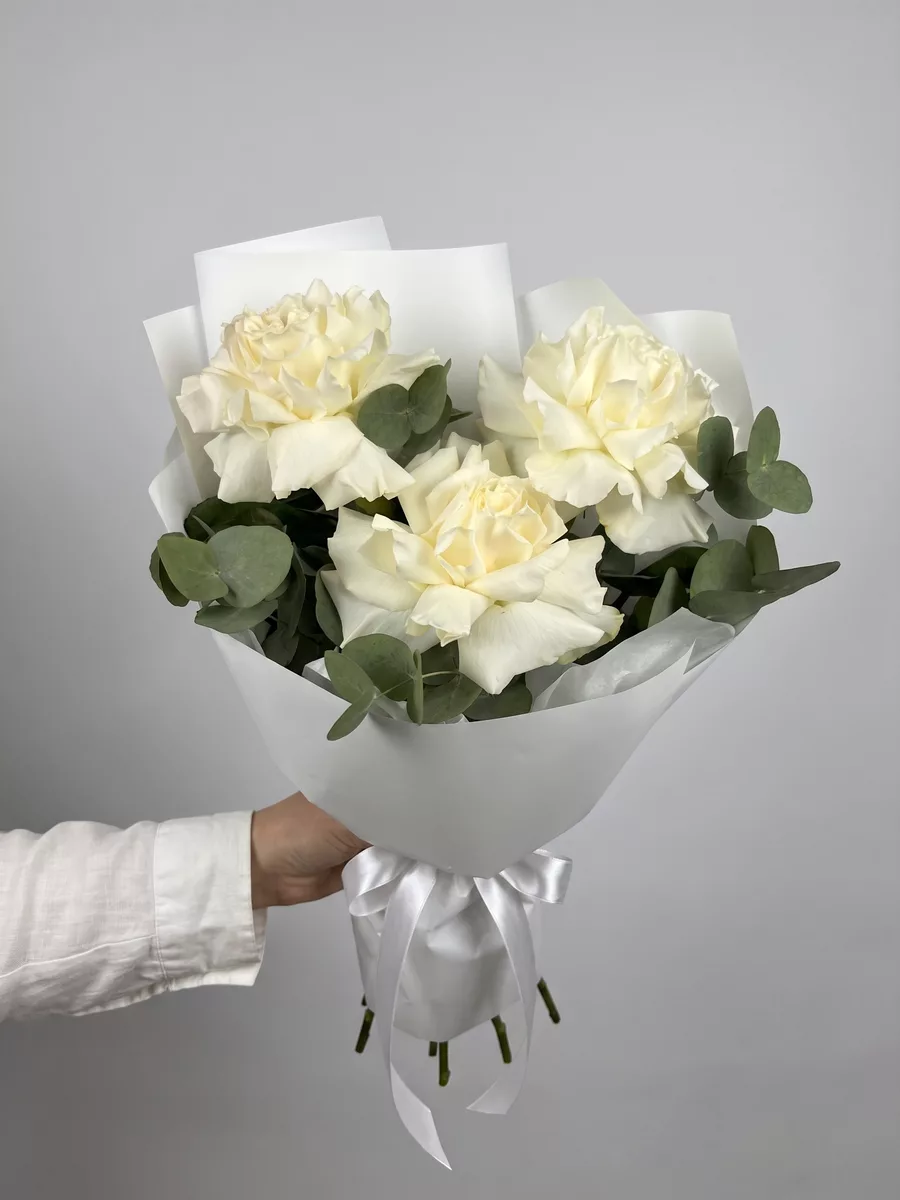
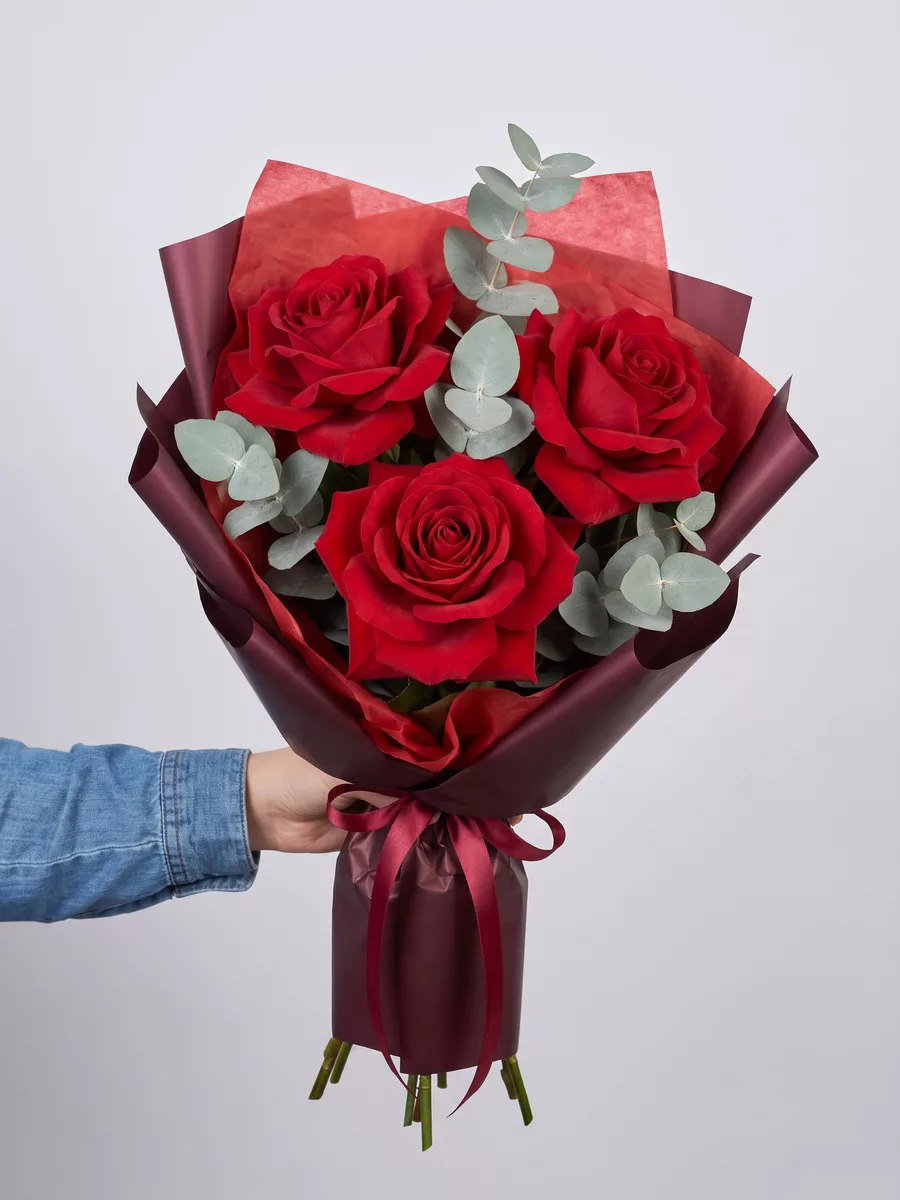
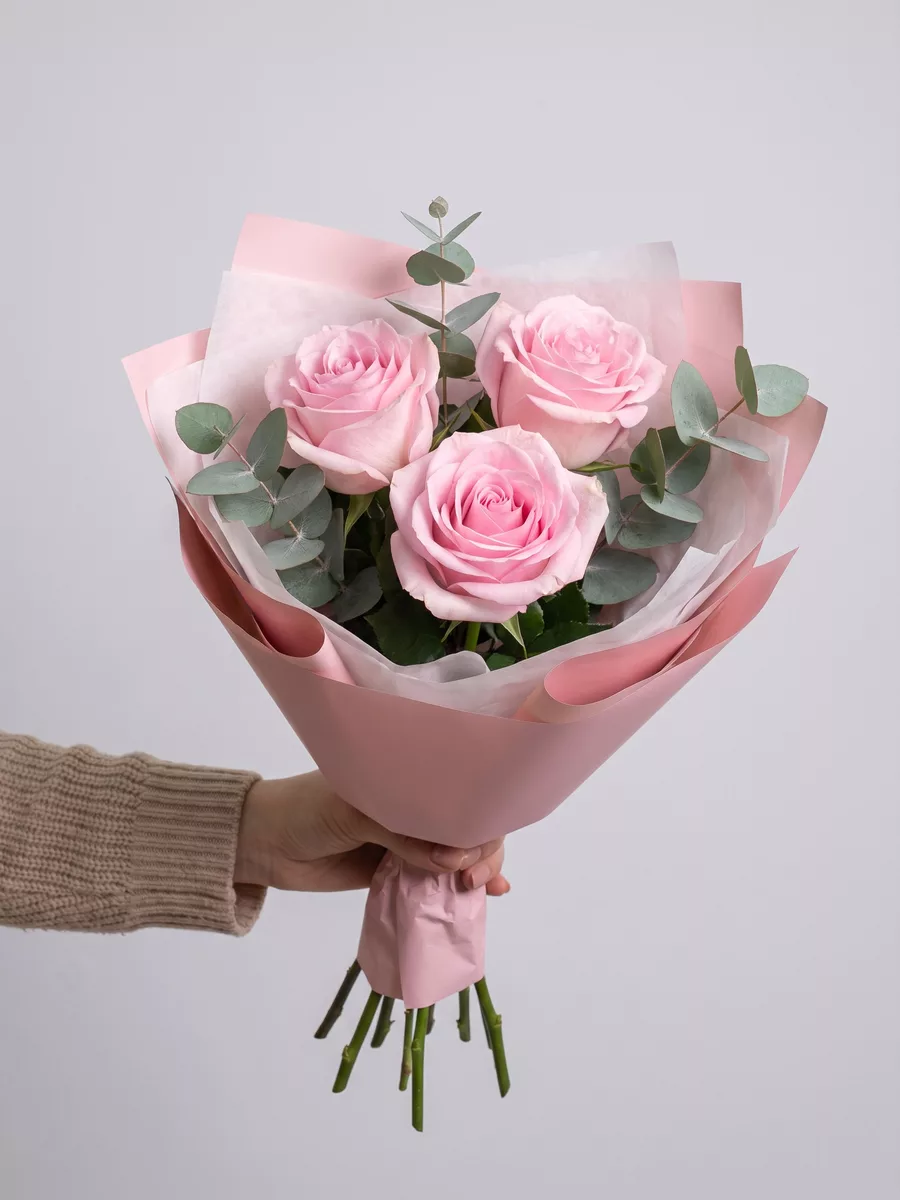
Choosing the Right Occasion and Reading Russian Flower Customs
If you did not grow up in Russia, a few customs around flowers are worth knowing before you order. The number of stems in a bouquet matters: an even number of flowers is traditionally associated with somber occasions, so bouquets for celebrations, birthdays, anniversaries and just-because moments should always contain an odd number of stems. This is not a rigid rule in younger urban circles, but in a city like Kandalaksha, where traditions tend to hold, it is worth respecting.
Yellow flowers carry a cultural association with separation or the end of a relationship in Russian tradition, though this is softening among younger generations. If you are sending to someone over forty or in a more traditional household, it is safer to anchor your bouquet in whites, pinks, reds or purples and use yellow only as an accent if at all.
Birthdays are the most common occasion for flower deliveries from abroad. Name days — the feast day of the saint whose name a person carries — are also celebrated, particularly in older families. International Women's Day on March 8th is perhaps the single biggest flower occasion in Russia; if you are planning a delivery around that date, order at least a week in advance because demand across the country is extremely high. Teacher's Day in early October is another moment when a bouquet to a parent or educator in Kandalaksha would be genuinely appreciated and culturally resonant.
How to Choose Flowers for the Arctic Climate
The cold is your main practical consideration. Certain flowers travel through low temperatures much better than others. Chrysanthemums are exceptionally hardy and hold their shape and colour even after exposure to cold air during the last leg of delivery. Alstroemeria is another strong choice: its stems are robust, it does not bruise easily and it lasts well over a week in a vase. Carnations, often underestimated, perform beautifully in cold climates and have a vase life of ten to fourteen days when properly conditioned.
Roses are the most requested flower and they can absolutely be sent to Kandalaksha, but variety matters. Large-headed garden roses with many petals are more vulnerable to cold shock than tight-budded spray roses or standard roses with firm outer petals. If you want roses, ask for varieties known for their resilience rather than their open, blowsy appearance.
In winter, avoid flowers with high water content and delicate petal structure. Hydrangeas, for example, are stunning in summer but can wilt dramatically if exposed to frost. Tulips are a spring flower that handles cold surprisingly well when in bud, making them a good winter choice if they are available.
In summer, Kandalaksha's White Nights create a warm, luminous atmosphere, and almost any flower will perform well. This is the season to send something exuberant — sunflowers, lisianthus, peonies when in season, or a mixed garden-style bouquet that feels abundant and full of life.
Timing Your Order Across Time Zones
Kandalaksha operates on Moscow Time, which is UTC plus three hours and does not observe daylight saving. If you are calling or ordering from Western Europe, you are two hours behind in winter and one hour behind in summer. From the East Coast of the United States you are eight hours behind in winter. From California, eleven hours. These gaps matter because the delivery window you see on the order form is always in Moscow Time.
The practical advice is to place your order the evening before the occasion if you are in a significantly different time zone. This removes the anxiety of calculating whether your morning click in New York corresponds to a sensible delivery hour in Kandalaksha. A same-day delivery is possible, but you need to be confident about the time zone arithmetic before relying on it for a birthday or anniversary.
For major dates — March 8th, February 14th, May 9th — plan even further ahead. These are national moments in Russia, and delivery capacity fills up quickly. Placing an order three to five days in advance for these dates is not excessive; it is simply realistic.
When you fill in the delivery address, write it in full. Kandalaksha has distinct residential districts and the address should include the street name, building number and apartment number. If the recipient lives in a building with a door code or intercom, include that information in the order notes. A courier who cannot access the building will not be able to deliver on time.
Budget Ranges and What They Actually Look Like
Ordering from abroad often means thinking in your home currency and then translating, which can make it hard to picture what a given amount buys. As a general orientation, a modest but genuinely beautiful bouquet — something a recipient would be happy to receive and put on display — starts at a point that covers around fifteen to twenty stems of a single variety arranged cleanly. This is not a throwaway gesture; a monobouquet of alstroemeria or a tight bunch of spray roses in one colour can be more striking than a large mixed arrangement done without care.
A mid-range order allows for combinations: roses paired with waxflower, or lisianthus with eucalyptus and a few stems of matthiola for scent. These mixed bouquets photograph well and feel curated rather than assembled. They are a good choice when you want the recipient to feel that someone thought carefully about what they would like.
At a higher budget, you move into large statement arrangements — tall bouquets of long-stemmed roses, compositions that include premium varieties like garden roses or peonies when in season, or designs that incorporate foliage and texture alongside the flowers. For a significant birthday or anniversary, this scale makes sense and creates a moment the recipient will remember.
One practical note: adding a small gift alongside the flowers — chocolates, a candle or a soft toy — is common in Russia and well received. If you are ordering for someone you know well, this combination often lands better than flowers alone.
Writing the Card Message as Someone Far Away
The card message is where an international sender can do something a local sender cannot: acknowledge the distance honestly and let that become part of the gift. A message that says simply 'thinking of you from across the world' carries weight that a generic 'happy birthday' does not. Recipients in Kandalaksha, a city that is not a major hub, often find it particularly touching when someone has made the effort to reach across geography.
Write in whatever language feels most natural between you and the recipient. If you share Russian, write in Russian — even imperfect Russian shows effort and will be appreciated. If your relationship has always been in English, write in English. Most recipients will understand or have someone who can translate, and the warmth of the message matters more than the language.
Keep the message specific. Mention something real — a shared memory, a quality you admire in them, a reference to the occasion that only the two of you would understand. Florists see hundreds of cards that say 'with love and best wishes' and they are entirely forgettable. A card that mentions the recipient's name, a specific moment or a genuine wish takes thirty extra seconds to write and is remembered for years.
If you are sending flowers to someone you have not been in contact with for a while — a relative, an old friend — the card message is also an invitation to reconnect. Keep it warm and open rather than formal. Flowers in that context are already doing the emotional heavy lifting; the card just needs to be honest.
Vase Life and Care Instructions for the Recipient
Most people in Kandalaksha know how to care for flowers, but if you are sending to someone who does not often receive them, including a brief care note with the delivery is a kind gesture. You can add this to your order notes and ask for it to be included, or simply mention it in your card.
The basics: cut stems at an angle under running water before placing them in a clean vase. Use lukewarm water, not cold, especially in winter when the flowers may have been exposed to low temperatures during the final delivery stage. Change the water every two days and recut the stems each time. Keep the arrangement away from direct heat sources — radiators are common in Russian apartments in winter and a bouquet placed too close to one will fade within two days instead of lasting a week.
Different flowers have different needs. Roses benefit from having their lower leaves removed so no foliage sits below the waterline, which prevents bacterial growth. Alstroemeria and chrysanthemums are low-maintenance and simply need fresh water. Tulips continue to grow after cutting and will lean toward light, so rotate the vase occasionally to keep the arrangement balanced.
In summer, Kandalaksha apartments can get warm during the White Nights. A cool room or a spot away from direct sunlight will extend vase life significantly. Lisianthus and carnations are particularly good in warm conditions compared to roses or peonies, which prefer cooler temperatures.
A well-cared-for bouquet sent to Kandalaksha in any season should last seven to ten days. That is a week of colour and life in someone's home — a generous and lasting gift from wherever you are in the world.
Sending flowers to Kandalaksha from abroad is a meaningful act precisely because of the distance. The city is remote, the climate is demanding and a fresh bouquet arriving at someone's door is genuinely out of the ordinary. When you choose thoughtfully — the right varieties for the season, the right number of stems, a card that says something real — you are not just sending flowers. You are closing a gap that geography opened, and the person on the other side of that door will feel exactly that.
Frequently asked questions
Can I order flowers for Kandalaksha if I do not speak Russian?
Yes. The order process can be completed in English, and you can write your card message in any language you share with the recipient. Delivery details such as the address should be provided in Russian transliteration if possible, but our team can help clarify if the address is unclear. The most important thing is that the building number and apartment number are correct.
How far in advance should I order for a birthday in Kandalaksha?
For a standard birthday, ordering the day before is comfortable and allows you to avoid time zone miscalculations. For dates that fall on major Russian holidays — particularly March 8th or February 14th — place your order three to five days ahead. Demand across Russia on those dates is very high, and early orders secure both availability and your preferred delivery window.
What happens to flowers in Kandalaksha's winter temperatures during delivery?
Flowers are transported in insulated packaging that protects them from extreme cold during transit. The final handover at the door is brief. Choosing cold-resilient varieties such as chrysanthemums, carnations, alstroemeria or tight-budded roses reduces any risk further. Once inside a warm apartment, flowers should be placed in water promptly and allowed to open gradually at room temperature.
Is it appropriate to send flowers to a man in Russia?
It is becoming increasingly common and is generally well received, particularly for significant milestones like a major birthday or professional achievement. Arrangements for men tend to work best when they are structured and unfussy — a monobouquet of bold flowers, or a combination with strong foliage and minimal softness. Avoid overly pastel or delicate arrangements, and the gesture will feel natural and thoughtful.
Can I include a gift with the flowers when ordering from abroad?
Yes, and it is a popular choice in Russia. Small additions such as chocolates, a candle or a soft toy can be included with your bouquet order. This combination is especially appreciated for birthdays and is a good way to make the delivery feel more complete when you cannot be there in person. Specify the gift item when placing your order and it will be included in the same delivery.
Ready to send flowers?
Pick the city, choose the bouquet, and a local florist takes it from there.
Choose a city →