Sending Flowers to Karabulak from Outside Russia: A Practical Guide
You are somewhere far from Russia — another country, another time zone — and someone in Karabulak matters enough that you want flowers on their doorstep today. That distance does not have to be an obstacle. What it does require is a little knowledge about how flower delivery works in this part of Ingushetia, what the climate means for your bouquet, and which choices will make the recipient feel genuinely seen rather than just remembered. This guide is written for exactly that sender.
Why Karabulak Is Different from Ordering to a Major City
Most people ordering flowers internationally think first of Moscow or Saint Petersburg, where same-day delivery is almost taken for granted. Karabulak sits in the Republic of Ingushetia in the North Caucasus, and while it is a real, lively city, it operates on a different rhythm than the Russian capitals. Understanding that rhythm is the first step toward a delivery that actually works.
The city is compact, which is genuinely good news for timing. A florist who knows the streets can cover the key residential and commercial areas without the traffic delays that plague larger cities. What matters more than distance, though, is placing your order during Moscow business hours, since coordination happens through that time zone regardless of where you are sitting when you click confirm.
If you are calling or messaging from Europe, add two hours to your local time to estimate Moscow time. From the east coast of North America, add seven or eight hours depending on the season. Getting this calculation right means your order is processed while staff are at full capacity, which translates directly into fresher flowers and more reliable timing. A late-night order from abroad is not lost, but it may shift the delivery window into the following morning, so plan accordingly if the occasion has a specific moment attached to it.
Bouquets we can deliver

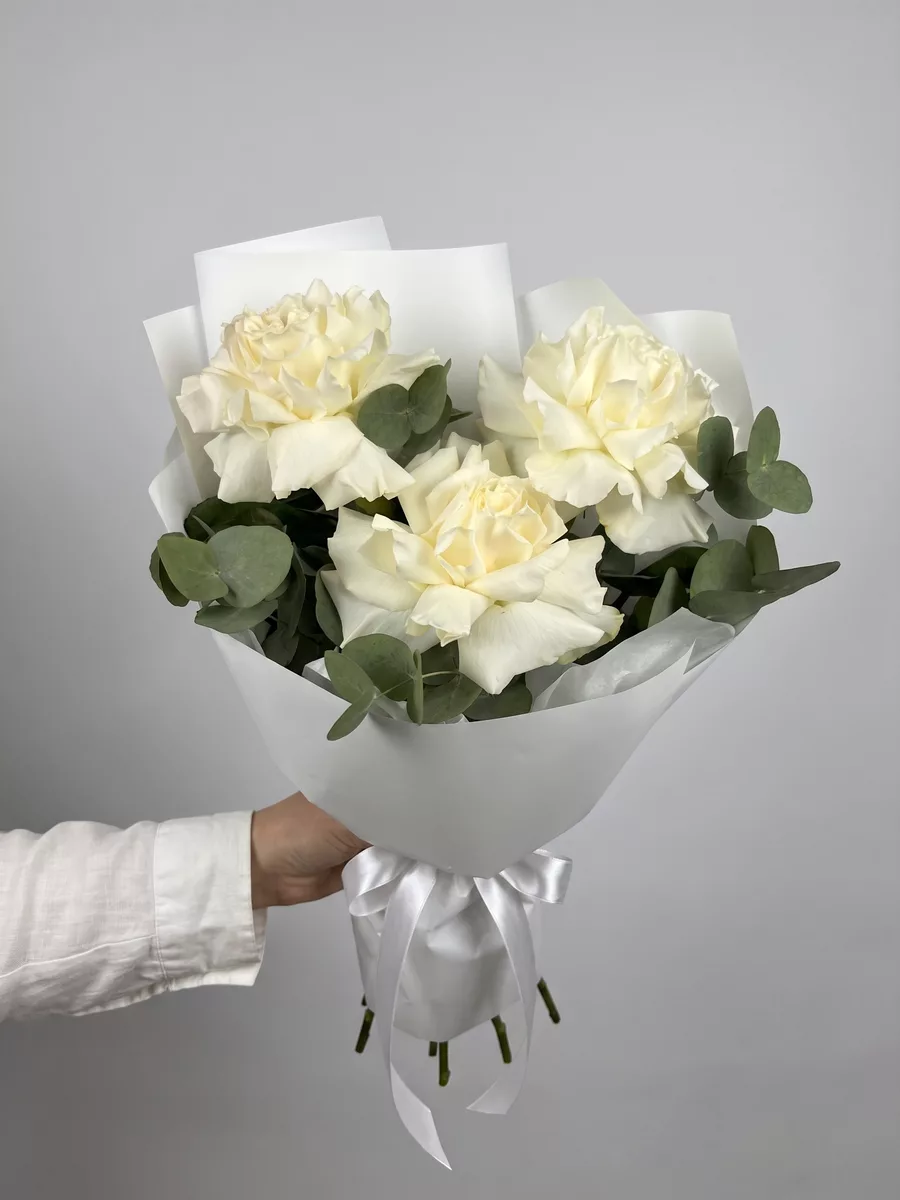
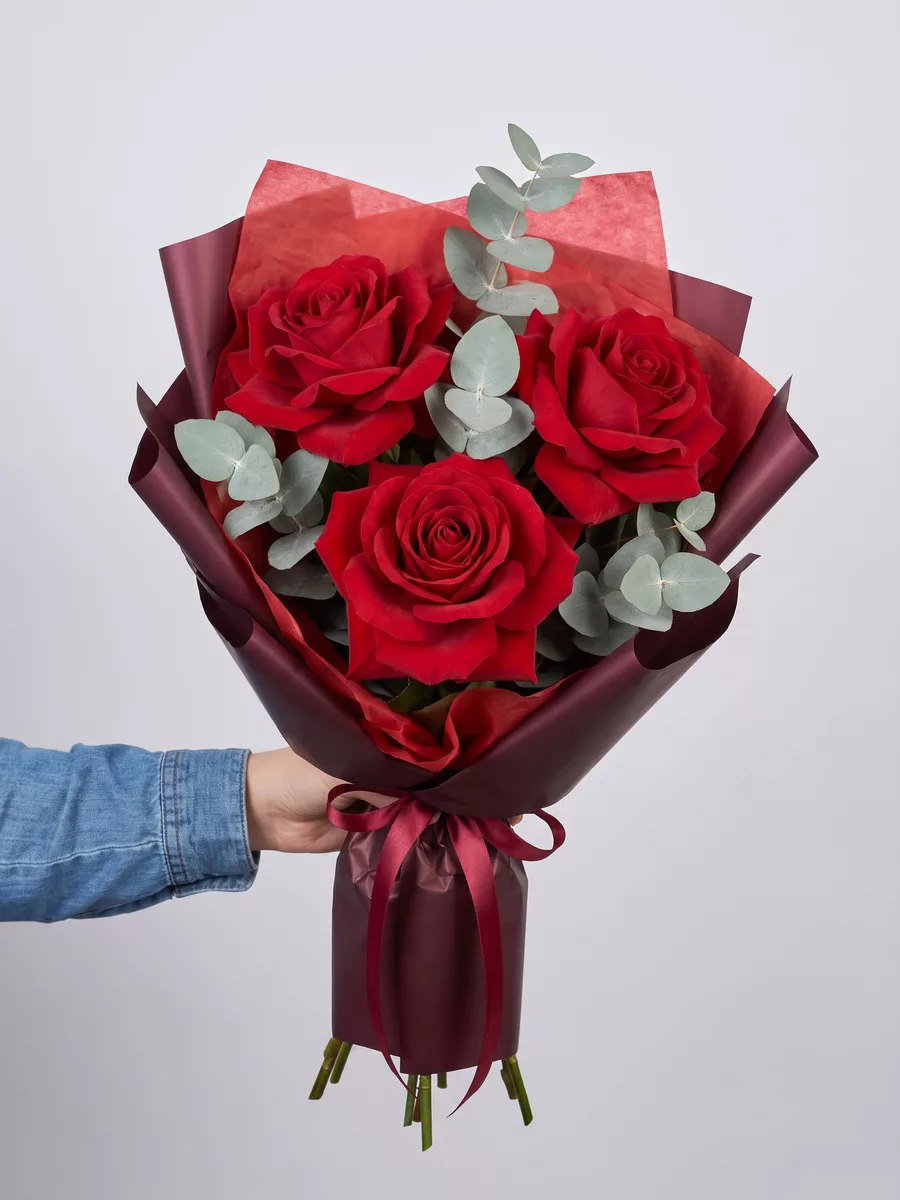
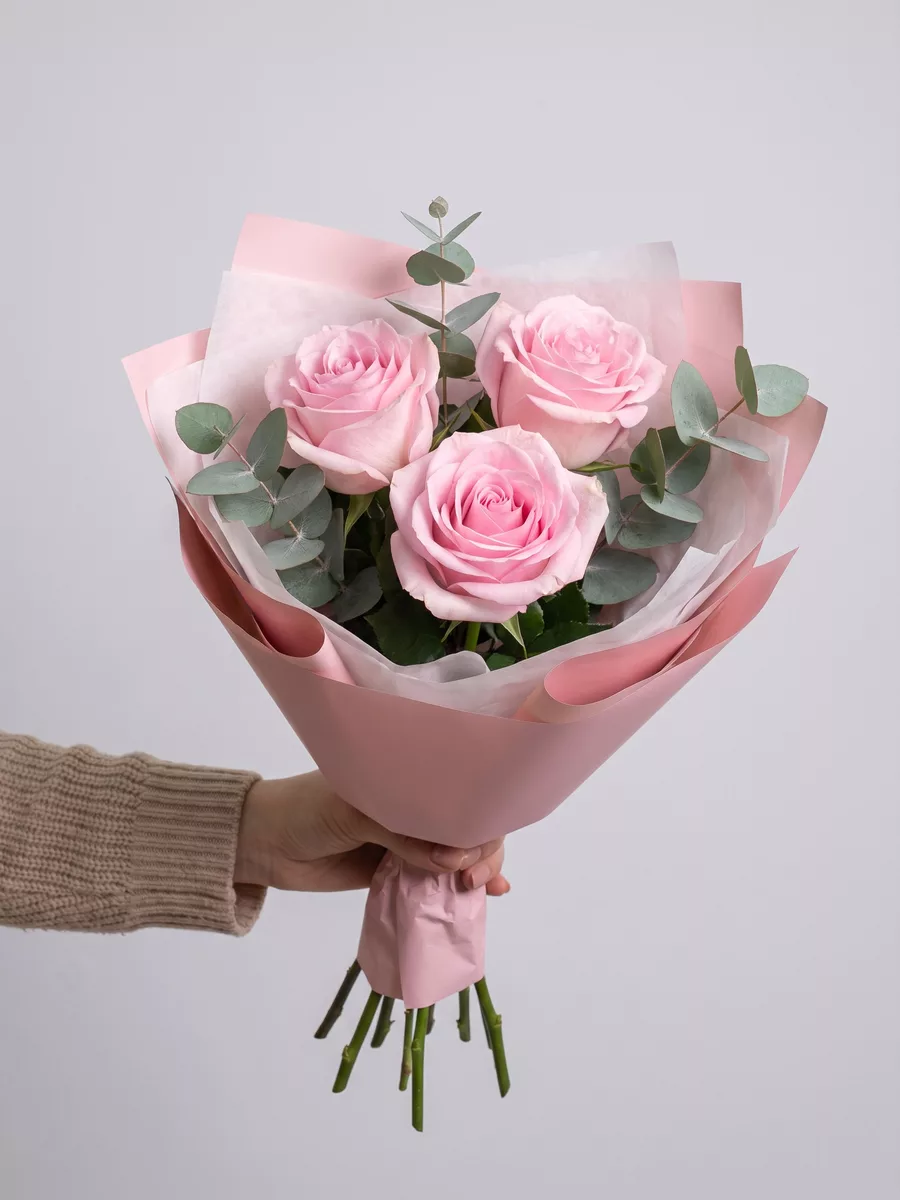
The Climate Question: Heat, Petals and What Survives the Journey
Karabulak experiences a continental climate with genuine seasonal swings. Summers are hot, often climbing well above 30 degrees Celsius, and winters bring cold snaps that can dip below freezing. Neither extreme is forgiving for delicate flowers, and choosing the right varieties for the season is one of the most practical decisions you can make as a sender.
In summer, roses are still the most requested flower, but they need to be sturdy varieties with tight, fresh heads rather than fully open blooms. Spray roses, alstroemeria and chrysanthemums handle heat significantly better than large garden roses or lisianthus with open petals. Eustoma can wilt within an hour of leaving a cool environment if it arrives in peak July heat, so it is better reserved for spring or autumn orders.
In winter, the cold itself is less damaging than the transition from a warm vehicle into freezing outdoor air, which can cause petals to blacken at the edges. Tulips, which are naturally cold-hardy, actually travel beautifully in winter and arrive looking fresh when other flowers would struggle. Peonies are a summer flower in Russia and are largely unavailable in winter, so do not request them between November and April and expect reliable quality.
Spring and autumn are the easiest seasons for international senders. Temperatures are moderate, the range of available flowers is broad, and transit times are forgiving. If you have flexibility on the date, these windows give you the widest choice and the most reliable result.
Choosing the Right Bouquet for the Person, Not Just the Occasion
A birthday in Karabulak and a birthday in Amsterdam call for the same emotional instinct: what does this specific person love? But the cultural context shapes presentation in ways worth knowing. In the North Caucasus, generosity is expressed visibly. A small, minimalist bouquet that might feel elegant and restrained in a Scandinavian context can read as underwhelming here. Volume, warmth and richness of colour tend to land better.
For a woman receiving flowers at home, a round, lush arrangement with roses as the centrepiece — surrounded by matthiola for fragrance, or waxflower for texture — communicates care in the local visual language. Red roses carry romantic meaning universally, but in this region deep burgundy and coral tones are also popular and feel less formulaic. Pink peonies in season are almost universally adored.
For a man, the occasion usually determines whether flowers are appropriate at all. Congratulations on a professional achievement, a significant birthday or a new home are all moments where a bold, structured bouquet of sunflowers, anthuriums or tropical foliage reads as respectful and celebratory rather than overly sentimental. Avoid anything too delicate or pastel for male recipients in this cultural context.
If you are sending to a family rather than an individual — perhaps to mark a housewarming or a new baby — a mixed bouquet with white and pale yellow flowers is a generous, neutral choice. White flowers are not associated with mourning in the way they sometimes are in Western European traditions, so do not avoid them on that account.
Timing Your Order: Time Zones, Cut-Off Hours and Same-Day Delivery
The single most common mistake made by international senders is underestimating how time zones compress the ordering window. If you want flowers delivered on a specific date in Karabulak, you need to place your order while it is still that date in Moscow — not in your home city. Moscow Standard Time does not observe daylight saving, so it stays at UTC plus three year-round, which simplifies the calculation once you know it.
For same-day delivery, orders placed before noon Moscow time have the strongest chance of arriving within the afternoon. Orders placed between noon and four in the afternoon Moscow time can usually still be fulfilled the same day, though the delivery window shifts toward the evening. Anything placed after six in the evening Moscow time is realistically a next-morning delivery, and that is worth communicating to the recipient so they are not waiting by the door.
If the occasion has a fixed time — a birthday dinner at seven in the evening, for example — share that information when you place the order. A good florist will work backward from that moment to ensure the bouquet arrives before the event rather than after it. Build in a buffer of at least two hours between the requested delivery time and the actual occasion if you can.
For senders in North America or Asia, the practical reality is that ordering the day before is often the safest approach. It removes the time-zone pressure entirely and gives the florist a full working day to source the freshest flowers and arrange delivery at a calm pace rather than a rushed one.
Writing a Card Message That Translates Well
A handwritten card or printed message is part of the gift, not an afterthought. When you are sending from abroad, the card is often the only voice the recipient hears from you directly, so it deserves a moment of thought. You can write in English, and the florist will include it exactly as written — do not assume you need to translate it yourself, though a Russian translation alongside is always a warm touch if you have one.
Keep the message warm and specific rather than generic. 'Happy birthday' is fine, but 'I thought of you on this day and wanted you to have something beautiful' does more emotional work. Mention something real — a shared memory, a specific quality you admire in the person — and the card becomes something they will keep rather than discard with the wrapping.
In Ingush culture, respect and warmth in language matter deeply. If you know a few words in Ingush or Russian, even a single greeting phrase before switching to English is received as a genuine gesture of regard. It signals that you made an effort, which is the whole point of sending flowers in the first place.
Avoid humour that depends on shared cultural references the recipient might not have. Irony and understatement, common in British or American card-writing, can read as coldness or confusion when translated across cultural distance. Sincerity is always the safer and more powerful register when you are not sure how the tone will land.
What the Recipient Should Do When the Flowers Arrive
Flowers that are handled well from the moment they arrive can last two to three times longer than flowers that are placed in a vase without preparation. If the person receiving the bouquet in Karabulak is not used to caring for cut flowers, a few simple instructions can dramatically extend the life of your gift — and it is entirely reasonable to include these with the card or to share them in a message.
The first step is always a fresh diagonal cut on each stem, made under running water or while the stems are submerged. This prevents an air bubble from forming at the cut end, which would block water uptake. A sharp knife is better than scissors, which can crush the stem tissue. Even one centimetre removed from the bottom makes a meaningful difference.
The vase should be clean and filled with cool, fresh water. In Karabulak's summer heat, changing the water every day is not excessive — it keeps bacteria from building up and clouding the water. Flowers should be kept away from direct sunlight and from any source of heat, including radiators and television sets. A cool room, even a hallway, is better than a sunny windowsill.
Roses and alstroemeria typically last seven to ten days with proper care. Chrysanthemums can go even longer, sometimes two weeks. Tulips are shorter-lived, usually five to seven days, but they have a beautiful habit of continuing to grow and shift in the vase, which many people find charming. Removing any leaves that fall below the waterline prevents decay and keeps the water clean.
Making the Occasion Feel Personal from a Distance
Sending flowers from abroad carries its own emotional weight. The recipient knows you could not be there, and the bouquet arrives as a physical stand-in for your presence. That is a meaningful thing, and it is worth leaning into rather than treating the order as a logistics problem to be solved.
Think about colour as a personal language. If the person you are sending to has a favourite colour, build the bouquet around it. A woman who always wears green will feel genuinely seen by an arrangement of white roses with eucalyptus, green trick dianthus and foliage. A man who loves bold, saturated colours will respond to deep red roses with dark burgundy hypericum berries more than to a pastel mixed bouquet.
If there is a shared story between you and the recipient — a flower that appeared at a significant moment, a garden you visited together, a city where you met — let that inform the choice. A florist who understands the context can make it concrete: a single sunflower tucked into a bouquet because you once picked them together on a road trip becomes a private language the recipient will immediately understand.
For milestone occasions — significant birthdays, anniversaries, achievements — consider scale. A single flower is a gesture; a large, abundant bouquet is a statement. From abroad, the statement is often the right choice because it communicates clearly across distance: I remembered, I planned ahead, and I wanted you to feel it. That is the whole point of sending flowers to someone you cannot reach by any other means.
Sending flowers to Karabulak from outside Russia asks a little more of you than a local order would — a time-zone calculation, a seasonal instinct, a card written with care. But the result, a fresh bouquet arriving at someone's door in a city you may never have visited, is one of the most direct ways to close that distance. Get the timing right, choose varieties suited to the season, and write something true on the card. The rest, Turboflora handles.
Frequently asked questions
How do I figure out the right time to place my order from outside Russia?
Work from Moscow time, not your local clock. Florists in Karabulak coordinate through Moscow business hours, roughly nine in the morning to six in the evening. If you are in Western Europe, add two hours to your time. From the US East Coast, add seven or eight. Placing your order while staff are fully active means fresher flowers and a smoother handoff to the local florist.
Which seasonal flowers make sense for Karabulak given how hot the summers get?
In summer heat, chrysanthemums, alstroemerias, and carnations outlast softer blooms like garden roses or lisianthus, which wilt quickly without refrigeration. Pairing a heat-tolerant focal flower with sturdy greenery keeps the arrangement looking composed after transit. In cooler months you have more flexibility, and roses with eucalyptus or spray carnations travel and present beautifully in the North Caucasus autumn and winter.
What kind of bouquet suits a recipient in Karabulak — something elaborate or something simple?
Karabulak is a close-knit city where gesture matters more than scale. A well-composed bouquet of seven or nine stems in complementary colours reads as thoughtful and generous without feeling excessive. For milestone occasions like birthdays or homecomings, a slightly fuller arrangement signals real effort. For condolences or gratitude, restraint and soft tones carry more weight than volume.
Can I include a card message in English, or should it be in Russian?
A message in Russian will feel more personal to most recipients in Karabulak, and the florist can often help with simple transliterations if you write phonetically. That said, a short message in your own language with a Russian greeting added is perfectly acceptable and sometimes appreciated as something distinctive. Avoid long, idiomatic phrases that lose meaning in translation.
What should I tell the florist about the delivery address to avoid problems in Karabulak?
Include the full street name, building number, apartment or office number, and a working local phone number for the recipient. Karabulak is compact, but numbered residential blocks can be ambiguous without the apartment detail. If the recipient lives in a gated compound or works at a site with restricted access, note that in your order comments so the florist can arrange the handoff correctly.
Ready to send flowers?
Pick the city, choose the bouquet, and a local florist takes it from there.
Choose a city →