Sending Flowers to Karachaevsk from Abroad? Here Is What to Know
You are somewhere far from Russia — maybe London, Dubai, or New York — and someone you love is in Karachaevsk. You want to send flowers that arrive fresh, feel thoughtful, and say exactly what you mean across a very long distance. That is a completely achievable thing, and this guide will walk you through every practical detail so the bouquet does its job beautifully.
What Karachaevsk Is Like and Why It Matters for Your Order
Karachaevsk is a small city in the Karachay-Cherkess Republic, tucked into the Caucasus foothills at a significant elevation. That geography shapes everything about flower delivery there. The mountain climate means temperatures can drop sharply in the evenings even during spring and summer, which is actually good news for cut flowers — cool air slows wilting and keeps petals firm longer than in a hot lowland city.
The city is not enormous, which means a delivery driver can reach most addresses quickly once the order is dispatched. There is no labyrinthine urban sprawl to navigate. What matters most from a sender's perspective is choosing the right dispatch window so the flowers arrive when your recipient is actually home and able to receive them in person.
Karachaevsk residents tend to appreciate a generous, full-looking bouquet rather than a spare, minimalist arrangement. Lush combinations of roses with supporting foliage, or mixed seasonal bouquets that feel abundant, land well here. Think of it as a place where flowers are still a genuinely special gesture rather than an everyday commodity, which means your effort will be noticed and remembered. Choosing something that looks impressive in person — with real visual weight and fragrance — is always a safe instinct when ordering for someone in this region.
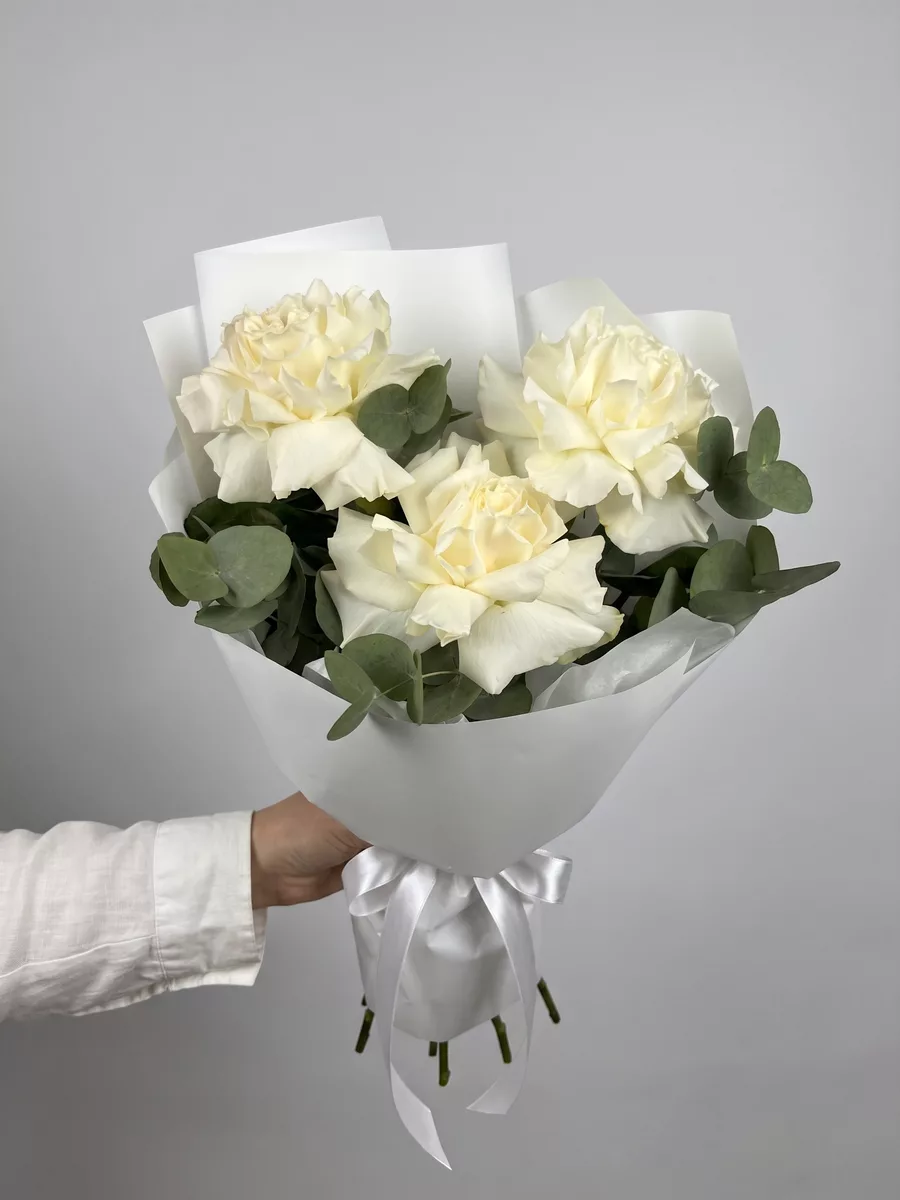
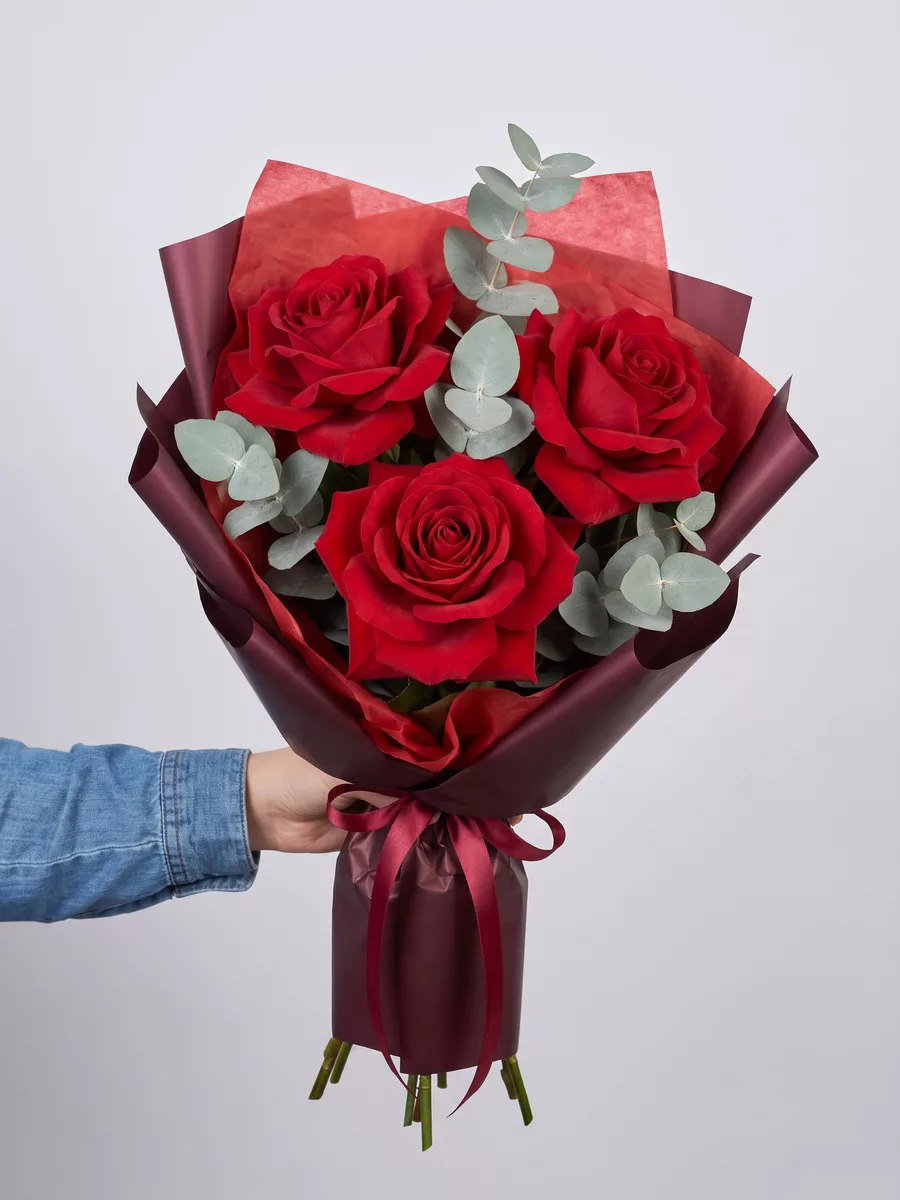
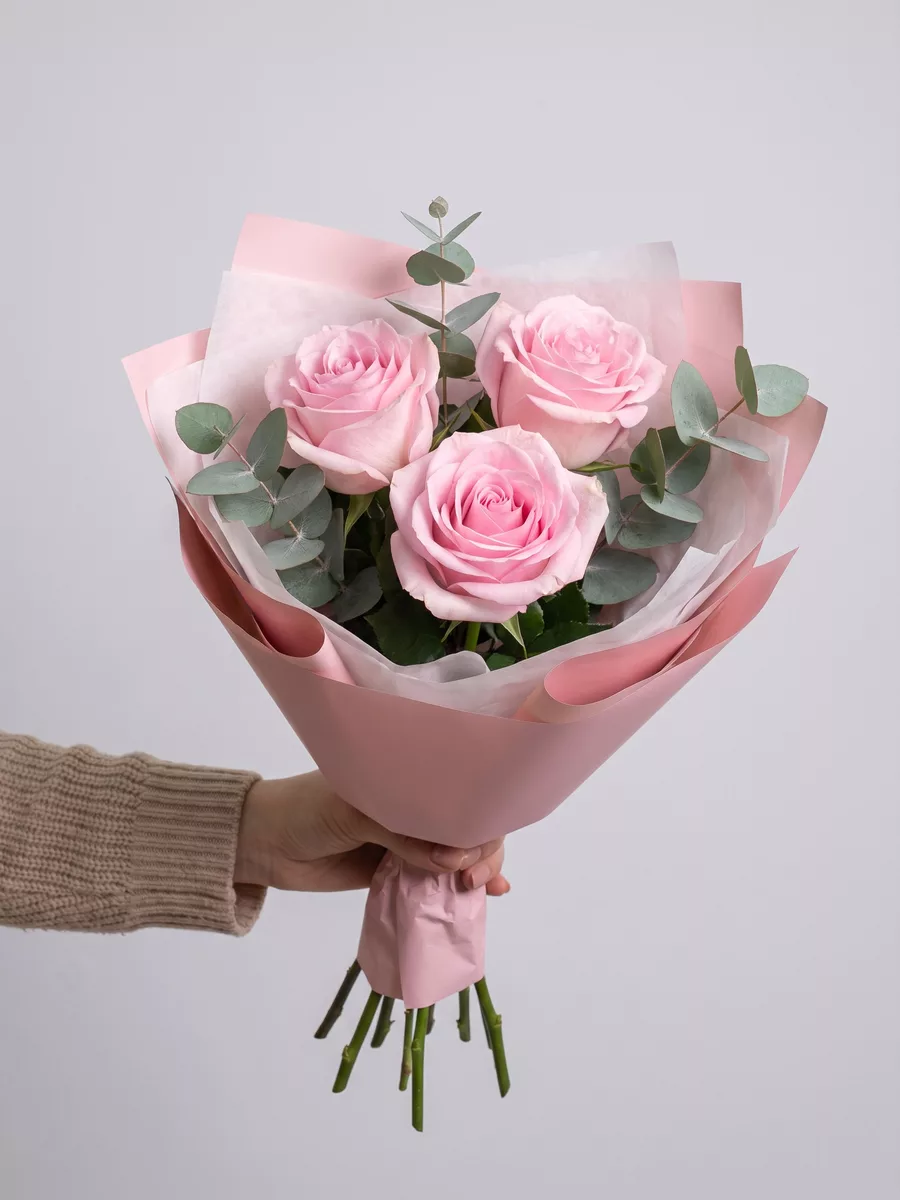
Bouquets we can deliver

The Time Zone Gap: Timing Your Order from Abroad
Karachaevsk operates on Moscow Time, which is UTC+3 all year round, with no seasonal clock changes. If you are placing an order from Western Europe, you are two hours behind. From the United States East Coast, you are eight hours behind. From the Gulf states, you are one hour ahead. These differences matter enormously when you are trying to hit a specific delivery window.
The safest approach is to place your order the evening before — your local evening — so that it enters the system well ahead of the morning delivery rush in Karachaevsk. Trying to order at what feels like a reasonable mid-morning hour in your city can mean the request arrives in the early afternoon Moscow Time, which compresses your options for same-day delivery significantly.
For birthday mornings, anniversary surprises, or any occasion where timing is part of the emotional effect, plan for a delivery window between 10:00 and 13:00 Karachaevsk time. This gives the recipient the pleasure of flowers arriving while the day still feels fresh and celebratory. If the occasion is an evening dinner or gathering, a 16:00 to 18:00 window works well and avoids any awkward gap between arrival and the event itself. Always convert your preferred time into Moscow Time before confirming the order, and double-check once — small calculation errors are the most common reason a delivery misses the intended moment.
Choosing Flowers for the Person, Not Just the Occasion
Start from your recipient rather than from a category on a website. A woman in her sixties who grows her own garden will respond to something different than a twenty-five-year-old celebrating her first promotion. The former might love a garden-style mix of spray roses, lisianthus, and eucalyptus — something that feels gathered rather than arranged. The latter might appreciate a bold, single-variety bouquet of garden roses or ranunculus in a strong colour like deep burgundy or coral.
For men, which is a question international senders sometimes feel uncertain about, flowers are entirely appropriate in Russian culture. A clean arrangement of white or yellow chrysanthemums, tropical anthuriums, or even a striking bunch of sunflowers reads as a confident, warm gesture rather than an unusual one. Pair them with sturdy foliage like ruscus or pittosporum to give the bouquet structure and presence.
Children's occasions — a school performance, a graduation from primary classes — traditionally call for something cheerful and uncomplicated. Bright gerberas in yellow or orange, or a simple mixed bouquet with chamomile-style blooms, suit these moments perfectly. Avoid anything too formal or heavy for a young recipient.
For romantic occasions, red roses remain the clearest signal in Russian culture, but you can make them feel less generic by specifying a premium variety with a visible centre and strong fragrance, or by asking for them to be wrapped in kraft paper with dried elements rather than cellophane. Presentation carries as much meaning as the flower itself.
Seasonal Availability and What Arrives in the Best Condition
Russia imports a significant portion of its cut flowers, and Karachaevsk is no exception. Roses, carnations, alstroemeria, and chrysanthemums are available year-round because they travel well from Ecuador, the Netherlands, and domestic growing regions. These are your most reliable choices regardless of when you are ordering.
In spring, from March through May, you gain access to tulips, hyacinths, and irises that are genuinely seasonal and arrive at their freshest. A tulip bouquet in late March — around International Women's Day on the eighth of March, which is the single biggest flower occasion in Russia — will look spectacular and feel timely. If you are ordering for that date, place your order at least three days in advance because demand across the country is extraordinary.
Summer brings peonies, which are deeply beloved in Russia and have a short natural season from roughly late May through June. If your recipient's birthday or anniversary falls in this window, a peony bouquet is one of the most impressive choices you can make. They are lush, fragrant, and unmistakably generous-feeling.
In autumn and winter, lean into roses, lisianthus, and chrysanthemums, which hold up beautifully in cooler temperatures. Winter is also when amaryllis and ornamental branches can add drama to an arrangement. Avoid delicate tropical flowers like gardenia in the coldest months, as temperature fluctuations during transit can cause browning on the petals before the bouquet even reaches the door.
Russian Flower Customs Worth Knowing Before You Order
If you are not familiar with Russian traditions around flowers, a few customs are worth understanding so your gift lands exactly as intended. The most important one is the odd-number rule: bouquets given as gifts should contain an odd number of stems — one, three, five, seven, and so on. Even numbers are associated with mourning and funerary contexts, so a bouquet of twelve roses, while generous in other cultures, carries an unintended signal in Russia. When you place your order, simply confirm that the stem count is odd.
Yellow flowers carry complicated associations for some older recipients. Traditionally, yellow blooms were linked to separation or infidelity in Soviet-era folk belief. Younger Russians generally do not hold this view, and yellow tulips or sunflowers are widely given and received without any negative connotation today. That said, if you are sending to someone over sixty and you are uncertain, it is safer to choose another colour and avoid any chance of misreading.
White flowers are clean and celebratory in Russian culture — white roses or white lisianthus for a new baby, a graduation, or a wedding anniversary are entirely appropriate and well-received. This is different from some other cultural contexts where white carries solemnity.
Finally, Russians often appreciate a card with a handwritten-style message rather than nothing at all. Even a short phrase in Russian — or simply your name — adds warmth. Most online order forms allow you to include a message, and it is worth taking the extra minute to write something personal rather than leaving the card blank.
How to Give Care Instructions from Far Away
One of the most useful things you can do as a sender is include basic care instructions with the bouquet, especially if your recipient is not accustomed to receiving flowers regularly. A short card note alongside the arrangement can make the difference between flowers that last three days and flowers that last ten.
The core advice is simple: trim the stems at an angle under running water before placing them in a vase, change the water every two days, keep the bouquet away from direct sunlight and from fruit bowls — ripening fruit releases ethylene gas, which accelerates petal drop in roses and carnations significantly. In Karachaevsk's cooler mountain temperatures, flowers will naturally last longer than in a warmer city, which is an advantage worth mentioning to your recipient so they do not assume the bouquet is fading prematurely.
Roses typically last seven to ten days with proper care. Lisianthus can hold for up to two weeks if the water is kept clean. Tulips continue to grow after cutting and will lean toward light, so your recipient should rotate the vase every day or two to keep the arrangement looking balanced. Chrysanthemums are among the most durable cut flowers available and can look fresh for two weeks or longer.
If you are sending peonies, let your recipient know that tight buds are normal and intentional — they will open fully within one to two days at room temperature. A peony that arrives closed is not a sign that something went wrong; it is a sign the flowers were cut at exactly the right moment for maximum vase life.
Making the Order Process Smooth When You Are Outside Russia
Ordering from abroad introduces a few practical considerations that are easy to handle once you know about them. Payment is the first: international credit and debit cards from Visa and Mastercard networks are generally accepted on Russian florist platforms, though it is worth having a backup payment method ready in case your bank flags an unfamiliar transaction. Notify your bank before placing a large order if you have had issues with blocked international payments in the past.
The delivery address needs to be in Russian or romanised clearly enough for a driver to navigate. If your recipient's address is written only in Latin script, it is worth adding a phonetic Russian version or simply the street name in Cyrillic if you can manage it. The city name in Russian is Karachaevsk, and the region is Karachaevo-Cherkesskaya Respublika. Including these in the address field removes any ambiguity.
Always provide your recipient's mobile phone number. Drivers in Russia will call ahead to confirm arrival, and if the recipient does not answer an unknown number, the delivery can be delayed. Let your recipient know in advance that a call from an unfamiliar Russian number is expected — this single step prevents most failed delivery attempts.
Finally, if you want the delivery to be a surprise, note that in the order comments. You can ask for the driver to call you rather than the recipient, or to leave the flowers with a neighbour if no one answers. These small logistical details, communicated clearly at the time of ordering, are what separate a seamless surprise from a stressful one.
Sending flowers to Karachaevsk from another country is less complicated than it sounds once you understand the time zones, the local customs, and the seasonal rhythms of what is available. The distance between you and your recipient shrinks the moment a driver hands over a fresh, fragrant bouquet at their door. Choose for the person first, plan the timing carefully, and let the flowers carry everything you want to say.
Frequently asked questions
Can I order flowers for Karachaevsk if I do not speak Russian?
Yes, entirely. The order form on turboflora.com works in a straightforward way, and you can write your card message in English or any language you prefer. The key practical step is providing the recipient's address and phone number accurately, ideally with the street name in Cyrillic if possible, to make sure the driver reaches the right place without delays.
How far in advance should I order for a specific date like a birthday?
For most dates, ordering the evening before — your local evening, which is already the following morning in Karachaevsk — gives you comfortable same-day delivery options. For major Russian occasions like International Women's Day on the eighth of March, place your order at least three days ahead. Demand across Russia on that date is exceptionally high and early orders are fulfilled with priority.
Is it true I should avoid yellow flowers when sending to Russia?
The association between yellow flowers and bad luck is a folk belief that persists mainly among older generations. For recipients under forty, yellow tulips, sunflowers, and yellow roses are given freely and received warmly. If you are sending to someone older and want to be cautious, choosing pink, red, or white tones removes any possible ambiguity without limiting your options much at all.
What if my recipient is not home when the flowers arrive?
The driver will call the recipient's mobile number before arrival. If there is no answer, they can attempt a second delivery or leave the bouquet with a neighbour if you have noted that preference in the order comments. The most reliable solution is to give your recipient a heads-up that a delivery is coming, even if you keep the contents a surprise, so they can make sure someone is available to receive it.
Which flowers hold up best if there is any delay in delivery?
Chrysanthemums, carnations, and alstroemeria are the most resilient cut flowers and handle minor timing variations without visible deterioration. Roses and lisianthus are also robust when properly conditioned. Flowers to avoid if you are concerned about delays include open peonies and tropical varieties like gardenia, which are sensitive to temperature fluctuations and handle transit stress less gracefully than hardier stems.
Ready to send flowers?
Pick the city, choose the bouquet, and a local florist takes it from there.
Choose a city →