Sending Flowers to Karpinsk from Abroad? Here Is Everything That Matters
Karpinsk sits in the northern Urals, a quiet industrial city where a bouquet arriving at someone's door genuinely surprises them — because it almost never happens from overseas. If you have a mother, partner, friend, or colleague there and you want to send something real, something they can hold and smell, this article walks you through every practical detail: timing across time zones, what grows well in Ural winters, Russian gifting customs you may not know, and how to make sure the flowers look as good on delivery as they did in the photo.
Understanding Karpinsk Before You Order Anything
Karpinsk is a small city in Sverdlovsk Oblast, roughly 400 kilometres north of Yekaterinburg. It sits at around 500 metres above sea level and experiences a continental climate with long, cold winters and short but warm summers. Winter temperatures regularly drop below minus 20 degrees Celsius, and even in April the ground can still be frozen. This matters for flowers because cold transit is a real risk, not a theoretical one.
The city is not enormous — the population is under 30 000 — which means your recipient will almost certainly know that a delivery like this is unusual. That is actually a point in your favour. A bouquet arriving in Karpinsk from someone abroad carries genuine emotional weight. People there are not accustomed to same-day flower deliveries the way residents of Moscow or Saint Petersburg might be, so the gesture lands harder and is remembered longer.
From a logistics perspective, Karpinsk is served through Yekaterinburg as the regional hub. Turboflora delivers fresh flowers across Russia including the Urals region, assembling bouquets to withstand transport conditions. Knowing the geography helps you set realistic expectations: this is not a metropolitan delivery, it is a considered gift that requires a little planning. Give yourself at least a day of lead time, and ideally two when ordering for a specific date like a birthday or anniversary.
Bouquets we can deliver

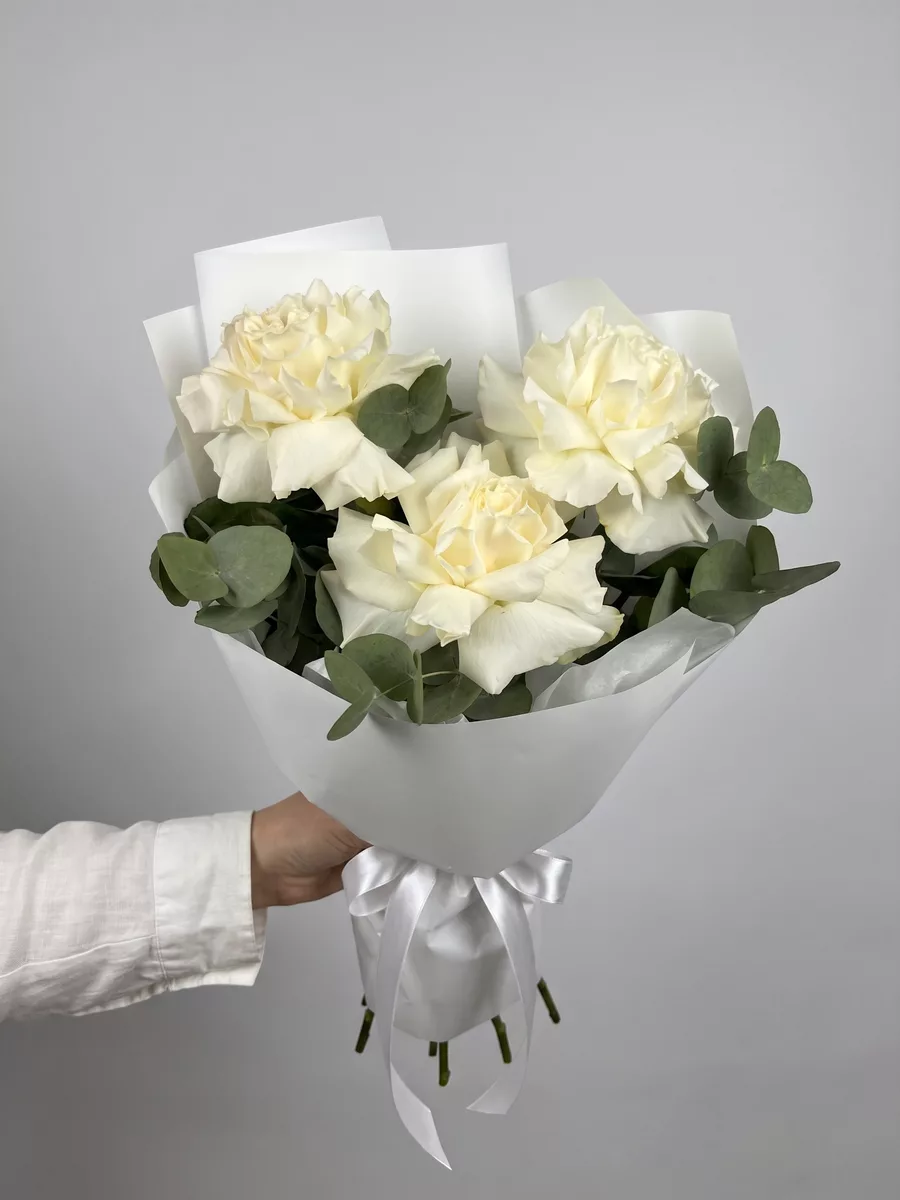
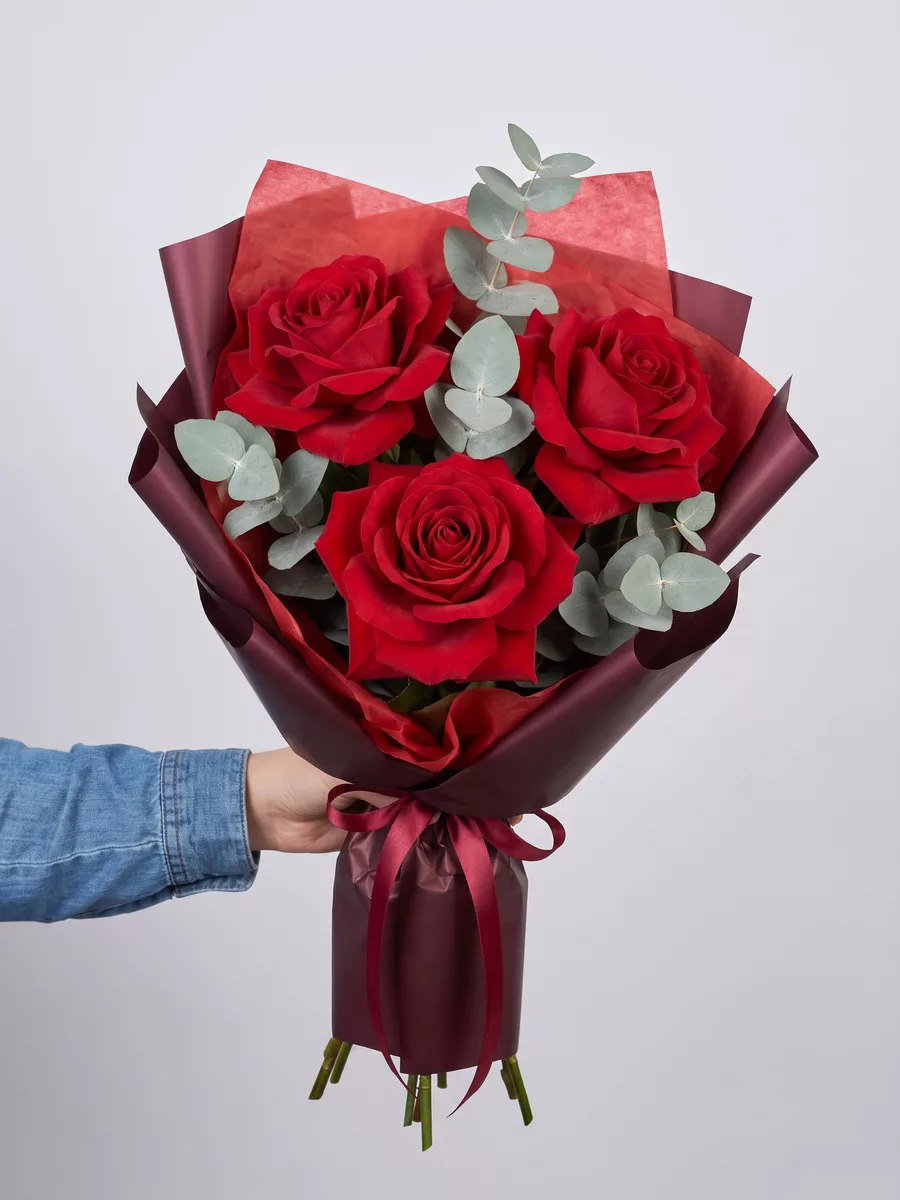
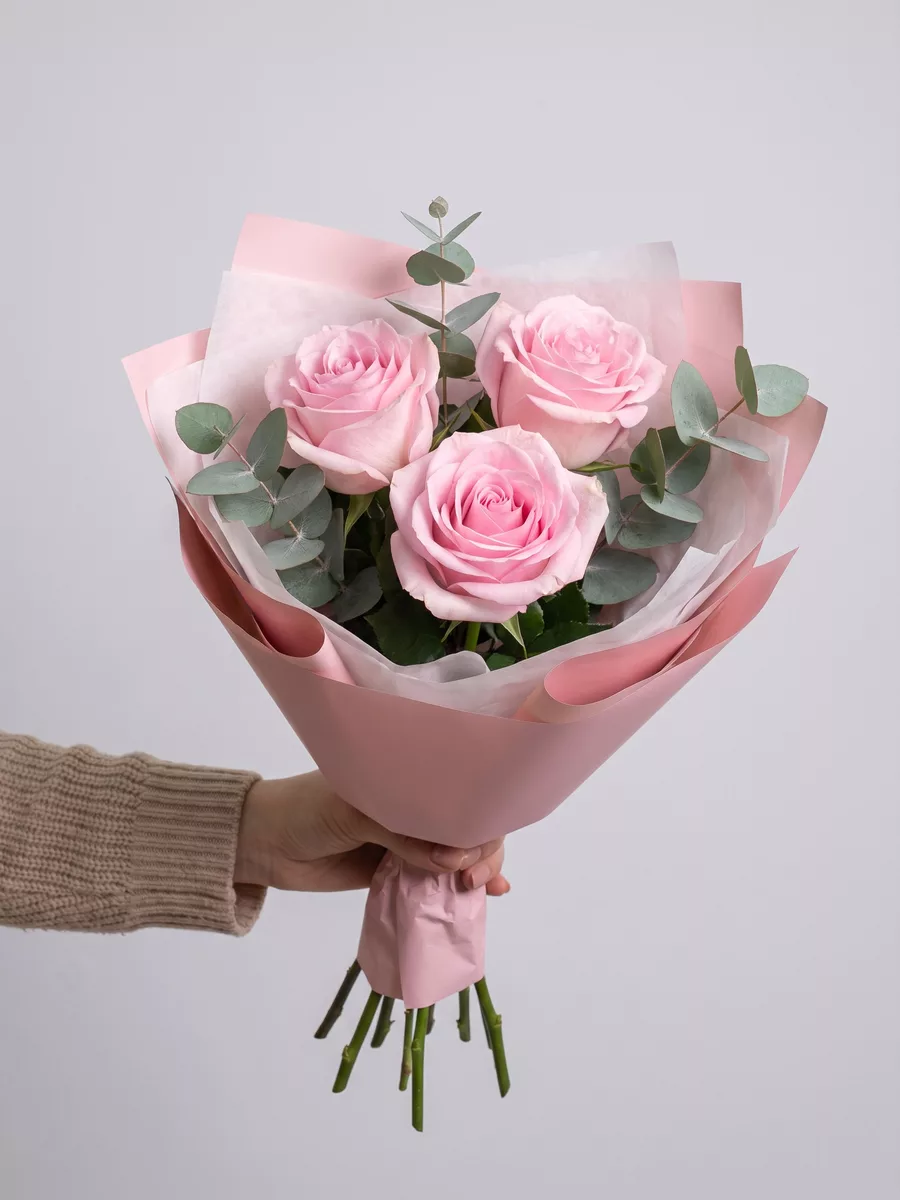
The Time Zone Gap and When to Place Your Order
Karpinsk runs on Yekaterinburg Time, which is UTC plus 5. If you are in Western Europe, that is four to five hours ahead of you. If you are on the East Coast of the United States, Karpinsk is eight hours ahead. This gap is the single most common source of mistakes when sending flowers from abroad. People order at what feels like morning and do not realise their recipient's afternoon is nearly over.
The practical rule is simple: work backwards from the moment you want the flowers to arrive. If you want delivery at 14:00 Karpinsk time, place your order by 10:00 Karpinsk time at the latest to allow for assembly and transit. Convert that to your local time before you sit down to order. It sounds obvious, but it is easy to forget when you are juggling the emotion of wanting to do something nice with the practicality of a time-zone calculation.
For date-specific occasions, ordering the evening before in Karpinsk time is the safest approach. If today is your mother's birthday and it is already 18:00 in Karpinsk, you have likely missed the window for today. Order now for tomorrow morning delivery and write a message explaining the small delay — it almost always makes the recipient smile rather than feel let down. Florists who work across time zones see this situation constantly, and a morning delivery with a warm note is genuinely lovely.
Choosing Flowers for the Ural Climate and the Recipient
The northern Urals climate means you should think carefully about which flowers travel best. In winter, roses and chrysanthemums are the most reliable choices because they handle cold transit well and hold their form. Spray roses are particularly good: the multiple heads on each stem mean that even if one bloom is slightly affected by the journey, the rest of the arrangement still looks full and generous. Alstroemeria is another cold-tolerant option with a long vase life, which matters when you cannot be there to replace the water yourself.
In summer, the picture changes. Lisianthus, eustoma, and peonies are seasonal and beautiful, and the warmer temperatures reduce transit stress significantly. If your recipient loves peonies and you are ordering in June or July, this is the moment to do it. Tulips are a wonderful spring choice and are deeply associated with warmth and renewal in Russian culture — a point worth remembering if you are sending to mark something hopeful.
Think about the person receiving the flowers, not just the occasion. A woman in her sixties who keeps a traditional home will likely love a classic hand-tied bouquet of roses or carnations — yes, carnations, which are genuinely beloved in Russia and carry none of the funeral associations they have in some Western countries. A younger recipient might appreciate something more textural, mixing spray roses with eucalyptus and waxflower. Ask yourself what their home looks like and what they usually wear. Flowers that suit the person always land better than flowers that suit the occasion.
Russian Gifting Customs You Should Know Before You Send
If you did not grow up in Russia, there are a few customs that will help your gift land exactly right. The most important is the rule about odd numbers. In Russia, even numbers of flowers are associated with mourning and are brought to cemeteries. Always send an odd number: one, three, five, seven, or more. A bouquet of twelve roses, which looks generous in many Western contexts, would feel wrong to a Russian recipient. Eleven roses, or thirteen, or fifteen — these are the numbers that feel celebratory.
Colour also carries meaning. Red roses signal romantic love very directly, so consider whether that is the message you want to send to a colleague or a friend. White flowers are associated with purity and are popular for weddings and for young recipients. Yellow flowers were historically associated with separation in Soviet-era popular culture, though younger Russians today are far less superstitious about this. If you are unsure, a mixed bouquet of pinks and creams is universally safe and genuinely beautiful.
Wrapping matters too. In Russia, flowers are typically presented with the blooms visible, often in a cone of kraft paper or cellophane with a ribbon. A bouquet that arrives looking well-dressed signals care and effort. It is also worth including a card with a personal message in Russian if you can manage it, even just a few words transliterated from your language. Recipients in smaller cities like Karpinsk find it particularly touching when someone outside Russia has made that effort.
What to Write: Messages That Cross the Distance Well
The card message is often the part international senders spend the least time on, and it is actually the part the recipient will read again and again. Flowers fade within a week; the card gets kept. Write something specific rather than something general. Not just happy birthday, but the memory of a birthday you shared, or a quality you genuinely admire in the person, or a simple honest statement of how much you miss them.
If you want to write in Russian and you are not a native speaker, keep it short and use a reliable translation tool, then have a Russian-speaking friend check it. A short phrase that is grammatically correct will always be received better than a long message full of errors. Something like: Pozdravlyayu s dnem rozhdeniya, ya vsegda dumayu o tebe — Happy birthday, I always think of you — is warm, simple, and correct.
For occasions that are not birthdays, think about what the moment actually means. Russians celebrate name days, which are tied to the Orthodox calendar and named after saints. March 8th, International Women's Day, is one of the biggest flower-giving occasions in Russia — larger than Valentine's Day in terms of volume. February 23rd is Defender of the Fatherland Day and is celebrated by men. Knowing these dates and sending flowers for them rather than just for Western holidays shows a level of cultural attention that people in Karpinsk will genuinely appreciate.
Packaging, Cold Weather, and Keeping Flowers Fresh on Arrival
When the temperature in Karpinsk drops below minus 15 degrees, which it does regularly from November through March, flowers need proper protection during the final stage of delivery. Turboflora uses insulated packaging and trained couriers who understand that a bouquet left in an unheated car boot for twenty minutes can arrive with frost damage. This is not something you need to manage from abroad, but it is worth knowing so you can reassure your recipient that the care has been taken.
Once the flowers arrive, the recipient should unwrap them immediately and trim the stems at a diagonal cut before placing them in a clean vase with fresh, cool water. Warm water is a common mistake — most cut flowers, including roses and chrysanthemums, prefer cool water and a cool room. Keeping them away from direct sunlight and away from fruit bowls, which release ethylene gas that accelerates wilting, will extend their vase life noticeably.
Roses, when properly cared for, will last seven to ten days in a Ural winter apartment, where indoor heating tends to be strong and dry. Alstroemeria and chrysanthemums can go two weeks. Tulips are shorter-lived, around five to seven days, but their impact in the first two days more than compensates. If your recipient is the type of person who enjoys flowers but forgets to maintain them, chrysanthemums are your most forgiving choice — they are genuinely hard to kill quickly and they look full and generous in any arrangement.
How to Place the Order Smoothly from Outside Russia
Ordering from abroad is straightforward if you prepare a few things in advance. First, have the recipient's full address ready in Russian, including the apartment number, floor, and entry code if there is one. Russian addresses follow a specific format: the city first, then the street, then the building number, then the apartment. If you are unsure of the format, write the address as you have it and the team can help clarify, but having it in Cyrillic is faster and reduces errors.
Second, provide a working phone number for the recipient. Couriers in Russia will almost always call ahead to confirm delivery, which is standard practice and not a cause for alarm. If your recipient is elderly or does not use a mobile phone, include an alternative contact number. If they are at work during the day, note that in your order instructions.
Third, international payment cards work on the Turboflora website, and the checkout process is available in a way that does not require a Russian phone number or bank account. If you encounter any issue with payment, the customer service team can assist via the website. Finally, double-check the delivery date in Karpinsk time, not your local time. Read it back to yourself once before you confirm. This single step prevents the majority of mistakes that international senders make, and it takes about ten seconds. The whole order process, once you have your information ready, takes under five minutes.
Sending flowers to Karpinsk from abroad is not complicated once you understand the time zone, the climate, and the cultural context. The distance between you and your recipient is the whole reason the gesture matters so much. A bouquet that arrives in a small Ural city from someone overseas says something that a text message or a video call simply cannot. It says you made an effort that crossed borders. Plan two days ahead for important dates, choose hardy varieties in winter and seasonal blooms in summer, get the odd number right, and write something personal on the card. The rest takes care of itself.
Frequently asked questions
Can I send flowers to Karpinsk if I live outside Russia and do not speak Russian?
Yes, entirely. The Turboflora website supports international orders and international payment cards. You do not need to speak Russian to complete your order. Having the recipient's address in Russian is helpful but not essential — the team can assist with formatting if you provide the address in any readable form.
What is the safest flower choice for a winter delivery to Karpinsk?
Roses and chrysanthemums are the most reliable in cold Ural winters because they handle low temperatures during transit without wilting quickly. Spray roses are particularly good because multiple blooms per stem mean the arrangement stays full even if one head is slightly affected. Avoid delicate tropical flowers in December through February.
Why does the number of flowers in a bouquet matter in Russia?
In Russian tradition, even numbers of flowers are associated with grief and are used at funerals and cemeteries. Celebratory bouquets should always contain an odd number of stems — three, five, seven, eleven, and so on. This is taken seriously across generations, and getting it right shows genuine cultural awareness.
How far in advance should I order for a specific occasion like a birthday?
Ordering one to two days before the occasion is the safest approach when sending from abroad, because the time zone difference between your location and Karpinsk can easily cause a same-day order to miss the delivery window. For March 8th, International Women's Day, order at least three days ahead as demand is very high.
Will the courier call my recipient before delivering?
Yes, calling ahead is standard practice for Russian flower deliveries. The courier will typically call the recipient's number to confirm they are home or arrange a convenient moment. Make sure the phone number you provide is current and that your recipient knows a call from an unknown number may be the courier, especially if the delivery is a surprise.
Ready to send flowers?
Pick the city, choose the bouquet, and a local florist takes it from there.
Choose a city →