Sending Flowers to Kartaly from Abroad: A Florist's Honest Advice
You are sitting in Berlin, Toronto, or Dubai, and someone you care about is in Kartaly — a city in the southern Urals, far from the obvious delivery routes most international senders assume. You want flowers to arrive fresh, on time, and with the right feeling behind them. The distance is real, but it is not the obstacle it used to be. What matters is knowing the details that make the difference between a bouquet that lands perfectly and one that misses the moment entirely.
Why Kartaly Is Worth Understanding Before You Order
Kartaly sits in the Chelyabinsk region, close to the Kazakh border, at roughly 900 kilometres east of Moscow. It is a working industrial city, not a tourist destination, which means the people who live there are not used to receiving extravagant gestures from abroad. That context shapes everything about how your flowers will be received. A bouquet arriving there from someone overseas carries genuine weight — it signals effort and intention, not just a quick online purchase.
The city experiences a continental climate with cold winters and warm summers. In January and February, outdoor temperatures can drop well below minus twenty Celsius. This matters for flower delivery because even a few minutes of exposure in transit can damage delicate petals, particularly on roses and ranunculus. Reputable florists who deliver to Kartaly understand this and use insulated packaging during cold months.
Kartaly is also a city where people notice presentation. A neatly wrapped bouquet with a handwritten card feels personal and respectful. Sending something that looks assembled carelessly, even if the flowers themselves are beautiful, can soften the impact. When ordering from abroad, always use the message field to write something specific to the recipient rather than leaving it blank or generic. Florists can relay that message on a card, and in Kartaly as across Russia, the written word alongside flowers is considered a sign of genuine care.
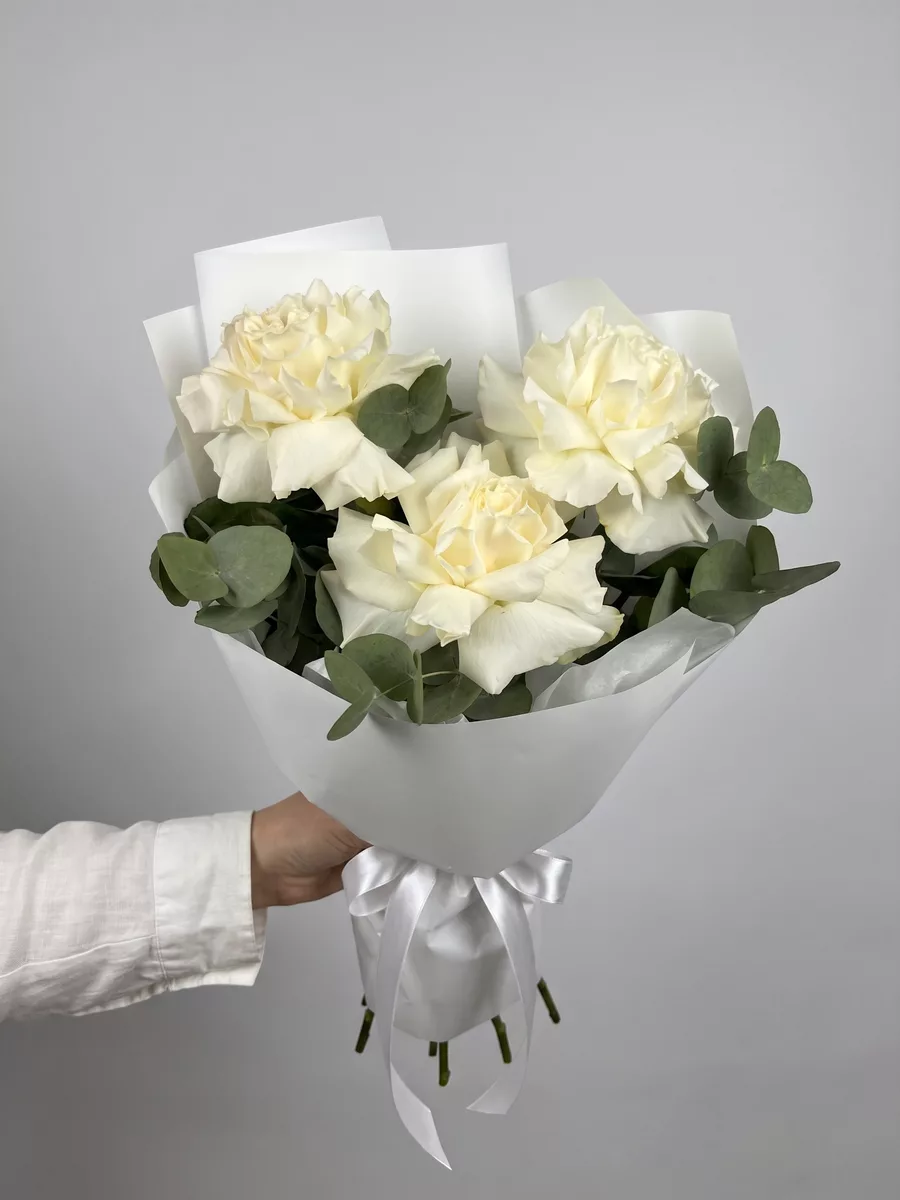
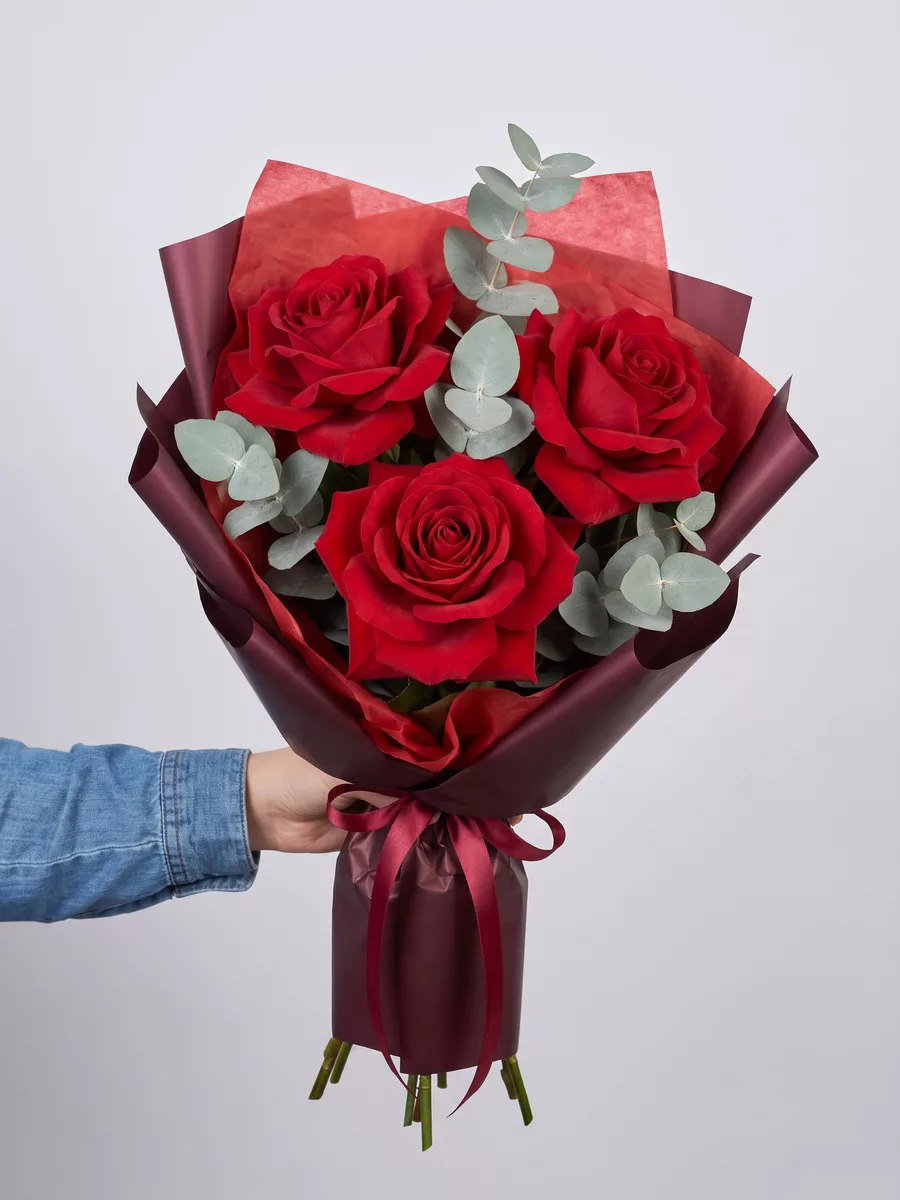
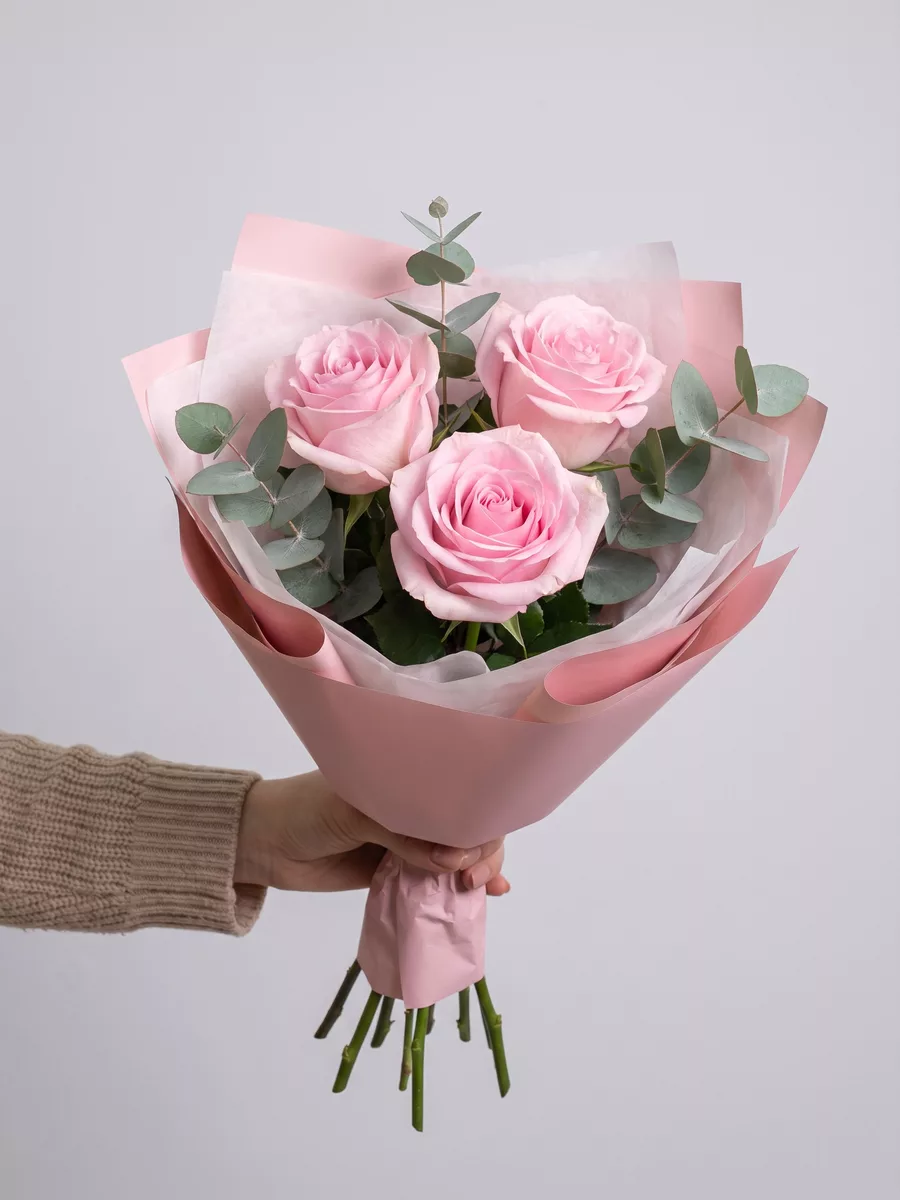
Bouquets we can deliver

Choosing Flowers Based on Who Will Receive Them
Start with the person, not the product. A bouquet for a grandmother celebrating her birthday calls for something entirely different from flowers sent to a young colleague who just passed a difficult exam or a friend who recently moved to a new apartment. Russian floral culture tends toward generosity — arrangements that feel abundant and considered rather than minimal.
For older women, particularly those of the Soviet generation, classic varieties carry deep emotional resonance. Chrysanthemums, carnations, and garden roses are not outdated choices there — they are familiar and beloved. Pairing white or cream chrysanthemums with deep burgundy roses creates a combination that feels both traditional and elegant. Adding a few stems of waxflower or eucalyptus gives texture without overwhelming the classic feel.
For younger recipients, peonies when in season, garden spray roses, and lisianthus in soft lilac or white make a strong impression. These varieties photograph beautifully, which matters to a generation that will likely share the moment on social media. Bright sunflowers combined with chamomile and solidago are cheerful and unpretentious — a good choice for someone who values warmth over formality.
For professional occasions, such as congratulating someone on a promotion or marking a work anniversary, restrained palettes work best. White or blush roses with clean greenery feel appropriate without being overly personal. The key is to match the emotional register of the occasion, not simply pick what looks impressive in a photograph.
Timing Your Order Across Time Zones
Kartaly operates on Yekaterinburg time, which is UTC plus five. If you are ordering from Western Europe, that is typically four to five hours ahead of you. From North America's east coast, the gap is eight hours. This means that if you want flowers delivered in the morning on a recipient's birthday, you may need to place your order the previous evening your time — or early that same morning before your own workday begins.
Turboflora delivers within one to two hours of order confirmation. That window is consistent, but it depends on the order being placed during operating hours. When ordering from a significantly different time zone, check what time it currently is in Kartaly before assuming same-day delivery is still possible. A birthday bouquet ordered at what feels like a reasonable hour to you might arrive at ten in the evening local time, which is not ideal.
Russian public holidays are another timing consideration that international senders often overlook. The eighth of March, International Women's Day, is arguably the most flower-heavy date in the Russian calendar — demand is enormous, and ordering well in advance is strongly recommended. The same applies to the twenty-third of February, which is Men's Day, and New Year's Eve. On these dates, florists across Russia are at full capacity, and last-minute orders risk delays or limited variety availability.
Building in a buffer of even a few hours on significant dates is a simple habit that eliminates most timing stress for senders ordering from abroad.
What Russian Flower Customs Mean for Your Order
If you are not familiar with Russian floral customs, a few details are worth knowing before you finalise your order. The most well-known is the odd-number rule: bouquets given as gifts traditionally contain an odd number of stems. Even numbers are associated with mourning and funerals. Most professional florists automatically compose gift bouquets in odd numbers, but if you are specifying a custom quantity, keep this in mind.
Colour carries meaning too, though the associations are softer and more flexible than the number rule. Red roses are strongly romantic — sending them to a colleague or a relative you are not close to can feel awkward for the recipient. Yellow flowers have historically been associated with separation or unfaithfulness in Russian folk tradition, though this belief is fading among younger generations. If you are unsure, blush pink, white, coral, and lavender are universally safe and well-received across all relationships and age groups.
Wrapping and presentation are taken seriously. Kraft paper, soft fabric wrapping, and ribbon finishes all communicate that the bouquet was prepared with attention. Florists who know Russian presentation standards will handle this automatically, but it is worth confirming when ordering from abroad that the bouquet will be wrapped for gifting rather than delivered as a raw arrangement.
Finally, including a message card is strongly encouraged. Even a few sentences in English are appreciated — many recipients in Kartaly will find a way to translate it, and the act of writing something personal matters far more than the language it is written in.
Seasonal Availability and What Grows When
Sending flowers to Kartaly in December is a very different proposition from sending them in May, and understanding seasonal availability helps you make better choices rather than being disappointed by what is not possible.
In winter — roughly November through February — locally grown flowers are not an option. Everything arrives via supply chains from the Netherlands, Colombia, Ecuador, and Kenya. This is perfectly normal and does not mean quality suffers, but it does mean the range is narrower. Roses, alstroemeria, chrysanthemums, carnations, gerbera daisies, and hypericum berries are reliable year-round. Avoid expecting peonies or garden dahlias in January — they simply will not be available at quality.
Spring brings a dramatic expansion of options. From March onward, tulips flood the Russian market — they are the defining flower of the season, particularly around Women's Day on the eighth of March. Hyacinths, daffodils, and muscari appear in late February and March, carrying a freshness that winter bouquets cannot match. By May, the first peonies begin arriving, and they remain available through June.
Summer offers the widest range: sunflowers, lisianthus, eustoma, spray roses, gladioli, and sweet peas are all accessible. Autumn brings rich, warm tones — dahlias when available, chrysanthemums in bronze and rust, and celosia with its velvety texture. Matching your bouquet to what is genuinely in season not only improves quality but reduces cost, giving you more stems for the same investment.
How to Keep Flowers Fresh Once They Arrive
Your job as the sender ends at delivery, but the recipient's experience continues for days. Sharing a few care tips — either through the message card or a quick text — can extend the life of the bouquet significantly and shows you thought beyond the moment of arrival.
The first step is always the same: cut the stems at an angle under running water or while submerged, removing at least two centimetres. This opens the stem's water channels and prevents air locks that stop flowers from drinking. Use a clean vase — residue from previous bouquets harbours bacteria that shorten vase life dramatically. Fill it with cool, not cold, water and change the water every two days.
In Kartaly's dry continental climate, indoor heating in winter creates very low humidity. Flowers placed near a radiator or in direct sunlight will wilt far faster than in a cooler, shadier spot. Roses and lisianthus particularly benefit from being kept away from heat sources. A temperature of around eighteen to twenty Celsius is ideal for most cut flowers.
If the bouquet came with a sachet of flower food, use it — it is not a gimmick. The sachet contains a mild acidifier, sugar, and a biocide that together slow bacterial growth and feed the stems. Dissolve it in the full amount of water specified on the packet, not a smaller amount.
Roses typically last seven to ten days with proper care. Chrysanthemums and alstroemeria can reach twelve to fourteen days. Tulips are shorter-lived at five to seven days but are dramatic and worth it. Knowing this helps the recipient prioritise which stems to enjoy first.
Making the Order Smooth When You Are Outside Russia
The practical side of ordering from abroad is simpler than many people expect, but there are a few friction points worth preparing for. The most common is the address. Russian addresses follow a specific format: city, street, building number, apartment or office number. Kartaly addresses should include the postcode for the Chelyabinsk region. If the recipient lives in a multi-entrance apartment building, the entrance number and floor are helpful. Delivery drivers navigate by these details, and a vague address causes delays.
Payment from abroad is handled online, and international cards are generally accepted. If you encounter a payment issue, having a backup card from a different network is useful. Some senders use a trusted person in Russia to place the order on their behalf if technical issues arise, though this is rarely necessary.
The message card is your most important personal touch. Write it in whatever language feels natural — a genuine message in English, German, or French will be appreciated. If you want it transliterated into Russian characters, you can note that in the order comments. Keep the message warm and specific: mention a shared memory, a specific reason for the gift, or simply something that only the two of you would understand. Generic phrases feel hollow regardless of the flowers they accompany.
Confirmation of delivery is typically provided automatically. If you need a photograph of the delivered bouquet for peace of mind — which is a reasonable request when you are thousands of kilometres away — note this in the order comments at the time of placing.
Sending flowers to Kartaly from abroad is less complicated than the distance suggests, but it rewards a little preparation. Know the time zone, match the flowers to the person and the season, respect the customs that make a bouquet feel right rather than foreign, and write something genuine on the card. The flowers will travel the last kilometre in Kartaly within an hour or two. The thought behind them travels instantly, and that is what the recipient will remember long after the last petal falls.
Frequently asked questions
Can a florist in Kartaly actually deliver within one or two hours, or is that only possible in larger Russian cities?
Yes, same-day delivery within one to two hours is realistic in Kartaly when you order from a service that delivers in the city itself rather than a global aggregator. The city is compact enough that a florist working from a central location can reach most addresses quickly. Order before midday local Kartaly time to give the most room for same-day fulfilment.
What flower choices make sense for someone in Kartaly who is not used to receiving bouquets from abroad?
Avoid anything that reads as showy or impersonal. Chrysanthemums, spray roses, and alstroemeria feel warm and familiar to most recipients in working industrial cities like Kartaly. A mixed seasonal bouquet in soft tones tends to land better than a dramatic single-variety statement. The gesture itself carries weight here, so the flowers should feel sincere rather than impressive.
How does the cold climate in Kartaly affect which flowers I should choose in winter months?
In deep winter, choose flowers with firm petals and sturdy stems. Chrysanthemums, carnations, and standard roses handle brief cold exposure better than ranunculus, anemones, or garden-style blooms with thin petals. Ask the florist explicitly about winter packaging, which should include insulated wrapping. Delicate flowers can show damage within minutes in minus twenty temperatures even during a short walk from a car to a door.
Is there a way to include a personal message in Russian if I do not write the language myself?
Most florists who handle international orders are accustomed to this. Write your message in your own language in the order notes and ask the florist to translate it, or use a simple translation tool for a short sincere sentence. Keep it brief and specific to the person rather than a generic greeting. A translated message that feels personal is far better than leaving the card blank.
What should I do if I am sending flowers to Kartaly for a significant occasion like a milestone birthday but I am unsure of the recipient's taste?
When in doubt, choose a mixed bouquet built around one or two flowers you know the recipient likes, rather than a themed arrangement. Warm pinks, whites, and soft reds read as celebratory without being presumptuous. Tell the florist the occasion and the recipient's approximate age, and a good local florist will guide the composition. Presentation and a thoughtful card matter as much as the specific flowers chosen.
Ready to send flowers?
Pick the city, choose the bouquet, and a local florist takes it from there.
Choose a city →