Sending Flowers to Kem from Abroad? Here Is What to Expect
Kem sits on the western shore of the White Sea, close to the Arctic Circle, where winters are long and genuine warmth is deeply appreciated. When you are sending flowers from London, Berlin, New York or anywhere else outside Russia, you are not just ordering a bouquet — you are reaching across a significant distance to tell someone they matter. That gesture lands differently in a small northern city, where a fresh delivery of roses or tulips in February feels almost miraculous. This guide walks you through every practical step, from choosing the right flowers for the climate to understanding what Russian recipients expect when they open the door.
Why Kem Is Different from Sending Flowers to Moscow or Saint Petersburg
Most international senders default to thinking about Russia's two largest cities, but Kem is a very different destination. It is a small city in the Republic of Karelia, with a population of roughly 12,000 people, positioned far north and surrounded by forests, lakes and the cold waters of the White Sea. The climate is subarctic, meaning winters regularly push below minus twenty degrees Celsius and even spring arrives late and tentatively.
This geography changes everything about flower delivery. A bouquet that travels in a chilled van through Saint Petersburg streets for forty minutes faces an entirely different journey than one arriving in Kem. Temperature management matters enormously here, because flowers moving from a warm vehicle into minus fifteen air — or vice versa — can experience shock that shortens their vase life dramatically.
The emotional weight of receiving flowers in a place like Kem is also different. In a large city, florists are everywhere and bouquets are common. In a smaller northern city, a professionally arranged fresh delivery feels genuinely special. Your recipient will likely show it to neighbours and family. The presentation and freshness carry extra significance, so it is worth thinking carefully about what you order and how it is packaged for the final steps of that journey.
Bouquets we can deliver
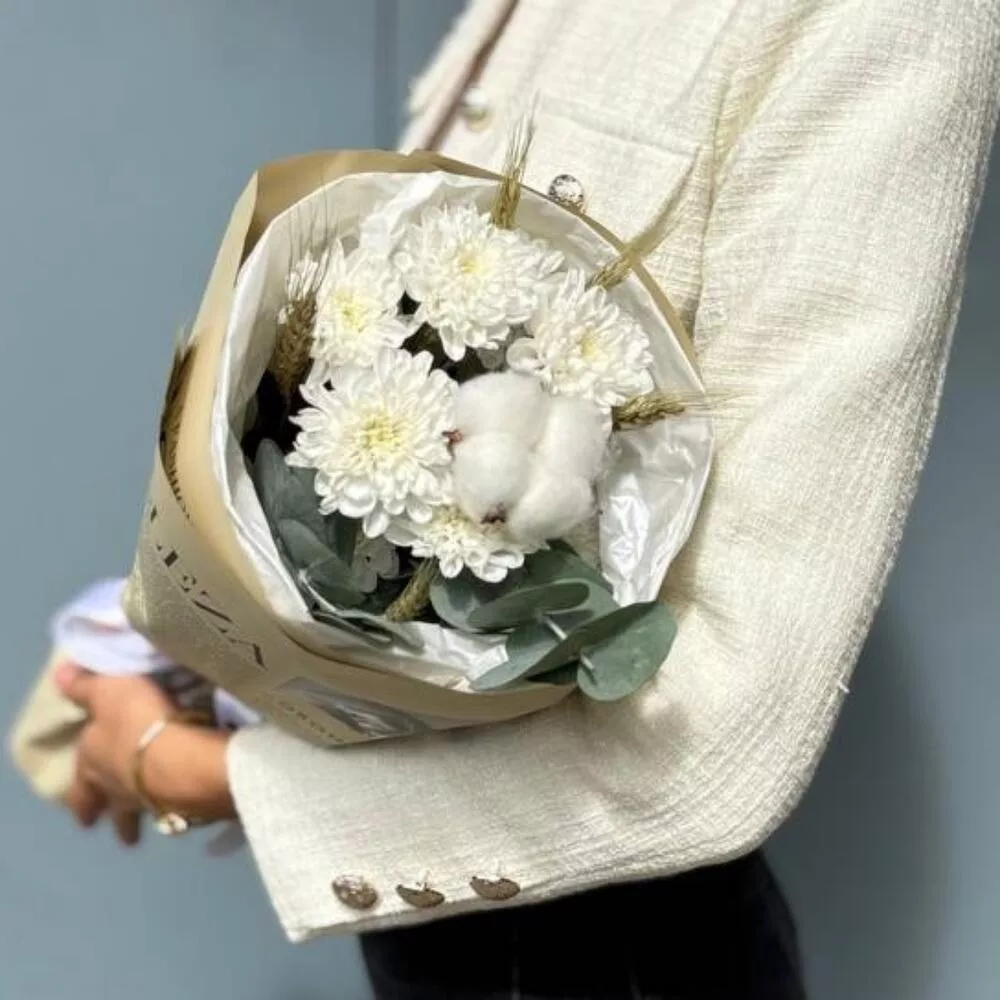
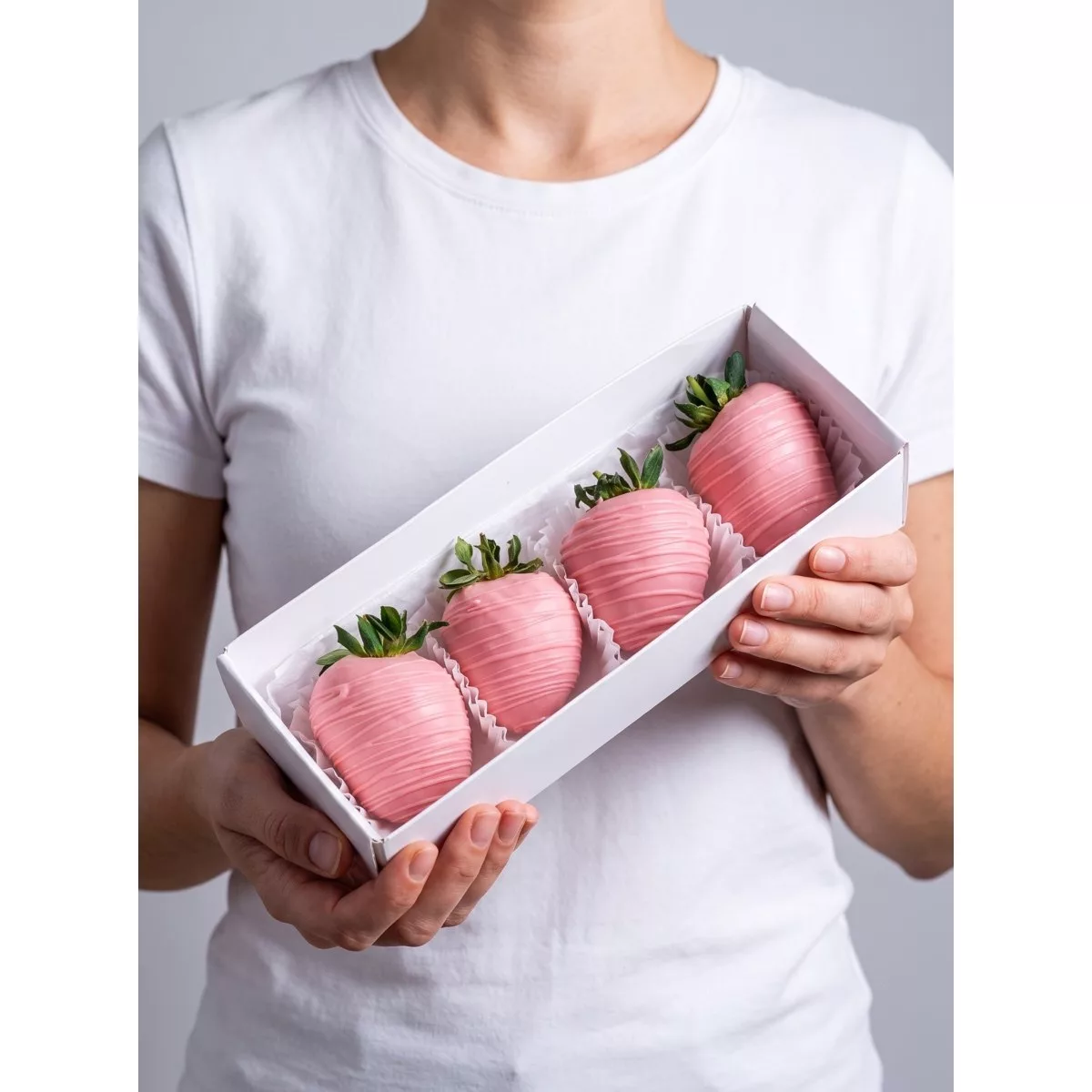

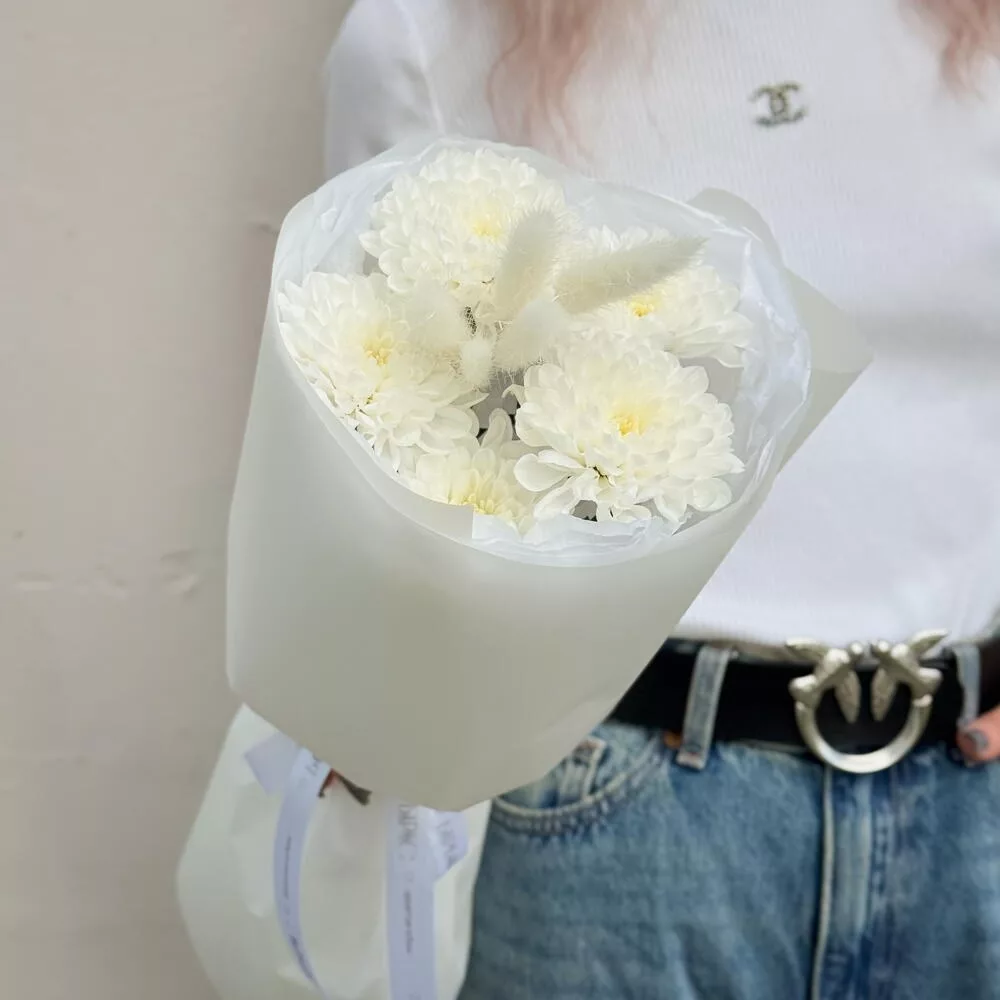
Timing Your Order When You Are Several Time Zones Away
Kem operates on Moscow Time, which is UTC plus three hours. If you are placing an order from New York, you are six hours behind in winter and five in summer. From London you are three hours behind in winter and two in summer. From Tokyo you are six hours ahead. These gaps matter because our florists prepare arrangements fresh, and a same-day delivery placed at what feels like midday to you might already be early evening in Kem.
The safest approach for international senders is to place your order at least one full day before the date you want delivery. This gives our team time to confirm details, prepare the arrangement and schedule the delivery window without rushing. For major dates — the eighth of March, Valentine's Day, New Year — place your order three to five days ahead. Demand spikes sharply around those dates and preparation times extend accordingly.
Also think about the recipient's schedule. In Russia, many people work six-day weeks and keep different routines than Western Europeans or North Americans expect. A Saturday morning delivery is often ideal because the recipient is home and relaxed. Avoid scheduling deliveries late in the evening, especially in winter when conditions in Kem can make road access less predictable. When you place your order, leave a working Russian mobile number for the recipient — our drivers will call ahead, which is standard practice and genuinely appreciated.
Choosing Flowers That Survive the Northern Climate
Not every flower handles the journey to Kem equally well, and the season you are sending matters as much as the occasion. In the depths of winter, from November through March, you want sturdy varieties with strong cell walls that resist temperature fluctuation. Spray roses, standard roses with tight buds, chrysanthemums and alstroemeria all travel well in cold conditions. Gerberas and open lilies are more vulnerable to cold shock and should be avoided for winter deliveries.
In spring and early summer, tulips become an excellent choice. They are deeply associated with the Russian spring celebration of the eighth of March — International Women's Day — and a large, structured bunch of tulips in white, yellow or soft pink reads as both generous and seasonally appropriate. Tulips also have a surprisingly good vase life when they arrive as closed buds, which is how our florists send them.
For summer deliveries, peonies are beloved across Russia and Kem is no exception. When peonies are in season, typically late May through June, they make an extraordinary impression. Sunflowers work beautifully in July and August. Eustoma, also called lisianthus, is another summer variety that combines well with roses and holds its shape well in arrangements. Avoid delicate tropical flowers like anthurium or bird of paradise for Kem deliveries — they are sensitive to cold and do not add the warmth a northern recipient will feel from something more familiar and lush.
Understanding Russian Gifting Customs Before You Order
If you have not sent flowers inside Russia before, a few customs are worth knowing so your gift lands exactly as intended. The most important is the odd-number rule. In Russian tradition, even numbers of flowers are associated with mourning and are brought to funerals. Always order an odd number of stems — five, seven, nine, eleven, fifteen, twenty-five. Our florists follow this automatically, but if you are specifying an exact count, keep it odd.
Colour carries meaning too, though less rigidly than in some cultures. Red roses communicate romantic love very clearly, so they are perfect for partners but can feel overly intimate for a colleague or a grandmother. White flowers are considered elegant and celebratory, not sad, in most Russian contexts. Yellow flowers were historically associated with separation or jealousy in Soviet-era culture, though younger Russians largely do not hold this superstition. If you are unsure, a mix of white, pink and soft coral tones is universally safe and genuinely beautiful.
Russians generally unwrap bouquets immediately after receiving them, often in front of the deliverer. The presentation layer — the wrapping paper, ribbon and any small decorative details — is part of the gift itself and is noticed. A well-wrapped bouquet signals care and effort. Our florists treat the outer presentation as seriously as the flower selection inside, which matters even more when the sender is not physically present to express the thought behind the gift.
Writing Your Message: What Translates and What Does Not
A handwritten card accompanying a bouquet is standard in Russia and your recipient will read it carefully. If you write in English, that is completely fine — it adds a personal touch that shows the message came directly from you without a translation layer. However, a few Russian phrases included alongside your English note can make a meaningful impression, especially for older recipients who may not read English comfortably.
Simple phrases that work well include 'S lyubovyu' meaning 'with love', 'Pozdravlyayu' meaning 'congratulations', or 'S dnem rozhdeniya' for 'happy birthday'. You do not need to transliterate perfectly — even a phonetic attempt shows effort and is received warmly. If you want the card written entirely in Russian, our team can help with a short translation when you place your order.
Keep the tone of your message warm and direct. Russian communication style tends to be more emotionally open in personal contexts than British or North American norms — a heartfelt, sincere message is appreciated far more than something formal or understated. Avoid jokes that depend on cultural references the recipient might not share. Instead, focus on the specific person: mention something you love about them, reference a shared memory or simply say clearly why you are thinking of them from so far away. That specificity makes the card feel personal rather than generic, and it stays with the recipient long after the flowers have finished.
Caring for Flowers in a Northern Home: What to Tell Your Recipient
Once the bouquet arrives, how your recipient cares for it determines how long they enjoy it. Kem homes in winter are kept very warm inside — central heating runs continuously and indoor temperatures often reach twenty-two to twenty-five degrees Celsius, even while it is minus fifteen outside. This warm, dry air is hard on fresh flowers and shortens vase life if nothing is done to compensate.
Tell your recipient to cut the stems at a diagonal angle, about two centimetres from the bottom, immediately after unwrapping. They should use a sharp knife rather than scissors, which can crush the stem tissue. The vase water should be cool, not cold, and changed every two days. Keeping the bouquet away from radiators, direct sunlight and fruit bowls will add days to its life — fruit releases ethylene gas that accelerates wilting.
Roses and spray roses in a warm Russian apartment typically last seven to ten days with proper care. Tulips last five to seven days but will open fully and beautifully within the first two. Chrysanthemums are the longest survivors, often reaching twelve to fourteen days. Alstroemeria also holds well, lasting ten days or more when the water is changed regularly. Passing these simple tips along — even in a short message or note — shows that you thought not just about the moment of delivery but about the days of enjoyment that follow. It is a small detail that makes the gift feel more considered.
Making the Order from Outside Russia: Practical Steps
Placing an international order is simpler than many senders expect, but a few practical points will make the process smoother. The most important piece of information is a precise delivery address in Kem, including the street, building number and apartment number if applicable. Russian addresses follow a specific format — street name first, then building number, then apartment — and a complete address prevents delays on the day of delivery.
You will also need a working Russian mobile number for the recipient. Our drivers call before arrival, which is standard practice across Russia and ensures someone is home to receive the flowers. If you do not have the recipient's number, ask a mutual contact in Russia who might have it. Delivering without a contact number to a Russian address is genuinely difficult and increases the risk of a missed delivery.
Payment from abroad is handled through our website, which accepts international cards. The order form is straightforward and you can write your card message in English directly into the field. If you have specific requests — a particular colour palette, a favourite flower, a preference for a compact arrangement versus a large statement bouquet — add them in the notes section. Our florists read every note and will follow your direction where the season and stock allow. The whole process from placing your order to a confirmed delivery typically takes under thirty minutes of your time, even accounting for the distance between you and Kem.
Sending flowers to Kem from abroad is one of the most direct ways to close a geographic distance that might otherwise feel enormous. A fresh, carefully prepared bouquet arriving at someone's door in that northern city carries the full weight of your intention — the thought, the timing, the specific flowers you chose. When you understand the climate, the customs and the small details that Russian recipients notice, your gift stops being a transaction and becomes something genuinely felt. Our florists in Saint Petersburg handle the journey, the presentation and the delivery so that what reaches your recipient is exactly what you imagined when you decided to send it.
Frequently asked questions
Can I send flowers to Kem if I do not speak Russian?
Yes, entirely. Our website and order form work in English, and you can write your card message in any language you choose. Our florists handle all communication with the recipient in Russian on delivery day. Having the recipient's Russian mobile number is the one essential piece of information — the rest we manage for you.
What is the best flower choice for sending to Kem in winter?
Spray roses, standard roses with tight buds, alstroemeria and chrysanthemums all handle cold temperatures well and last reliably in warm northern homes. Avoid open lilies and gerberas in winter months as they are more sensitive to temperature changes during the final stage of delivery in subarctic conditions.
Why does the number of flowers in a Russian bouquet matter?
In Russian tradition, even numbers of flowers are associated with mourning and are brought to funerals. Gifting an odd number — five, seven, nine, fifteen or more — signals celebration and good wishes. Our florists follow this rule automatically, but if you specify a count in your order, always choose an odd number.
How far in advance should I place my order for a birthday delivery in Kem?
For a standard birthday, one full day ahead is sufficient. For major national celebrations such as the eighth of March or New Year, place your order three to five days in advance. Demand around those dates is very high and early ordering guarantees your preferred flowers are available and prepared with full care.
What if my recipient is not home when the flowers arrive in Kem?
Our driver will call the recipient's Russian mobile number before arriving. If there is no answer, the driver will attempt contact again and coordinate a second delivery window where possible. This is why providing a working Russian mobile number for your recipient is so important — it is the single most effective way to ensure a smooth, successful delivery.
Ready to send flowers?
Pick the city, choose the bouquet, and a local florist takes it from there.
Choose a city →