Sending Flowers to Khotkovo from Abroad? Read This First
You are somewhere far from Russia — maybe London, Berlin, Dubai or New York — and someone you love is in Khotkovo, a quiet town in the Moscow Oblast about ninety kilometres northeast of the capital. You want to send them flowers, something real and fresh, not a voucher or a digital card. The good news is that it is entirely possible to arrange a same-day or next-day delivery to Khotkovo from wherever you are sitting right now. The less obvious news is that ordering across borders involves a few details worth understanding before you place your order — timing windows, seasonal realities, Russian gifting customs, and how to make sure the bouquet arrives looking the way you imagined it.
Understanding the Distance and What It Means for Freshness
Khotkovo sits within the Moscow Oblast, which means it falls inside a well-connected delivery corridor that extends out from Saint Petersburg and Moscow. The town is small but accessible, and a courier carrying a properly conditioned bouquet can reach a Khotkovo address without the flowers spending hours in transit heat or cold. That said, distance from the point of assembly still matters for freshness.
Flowers are cut, conditioned and built into an arrangement close to the moment of dispatch. Roses, for example, are kept at between two and eight degrees Celsius before they are arranged, and once the bouquet leaves the cooler it begins its clock. A delivery window of one to two hours is the standard Turboflora works within, which means the stems arrive at the door at close to their best rather than their tired.
For a sender abroad, the practical implication is simple: do not order too far in advance and expect the flowers to wait. Place the order for the time window that suits the recipient, not the time that is convenient for you in your own timezone. A bouquet assembled at noon Moscow time and delivered by two in the afternoon is a very different experience from one that was built at eight in the morning and sat in a bag until evening.
Khotkovo's climate also plays a role. In summer, temperatures can reach thirty degrees and above, which accelerates petal opening. In winter, sub-zero air can shock delicate blooms during the few minutes between the courier's bag and the front door. Knowing the season helps you choose sturdier varieties when conditions are extreme.
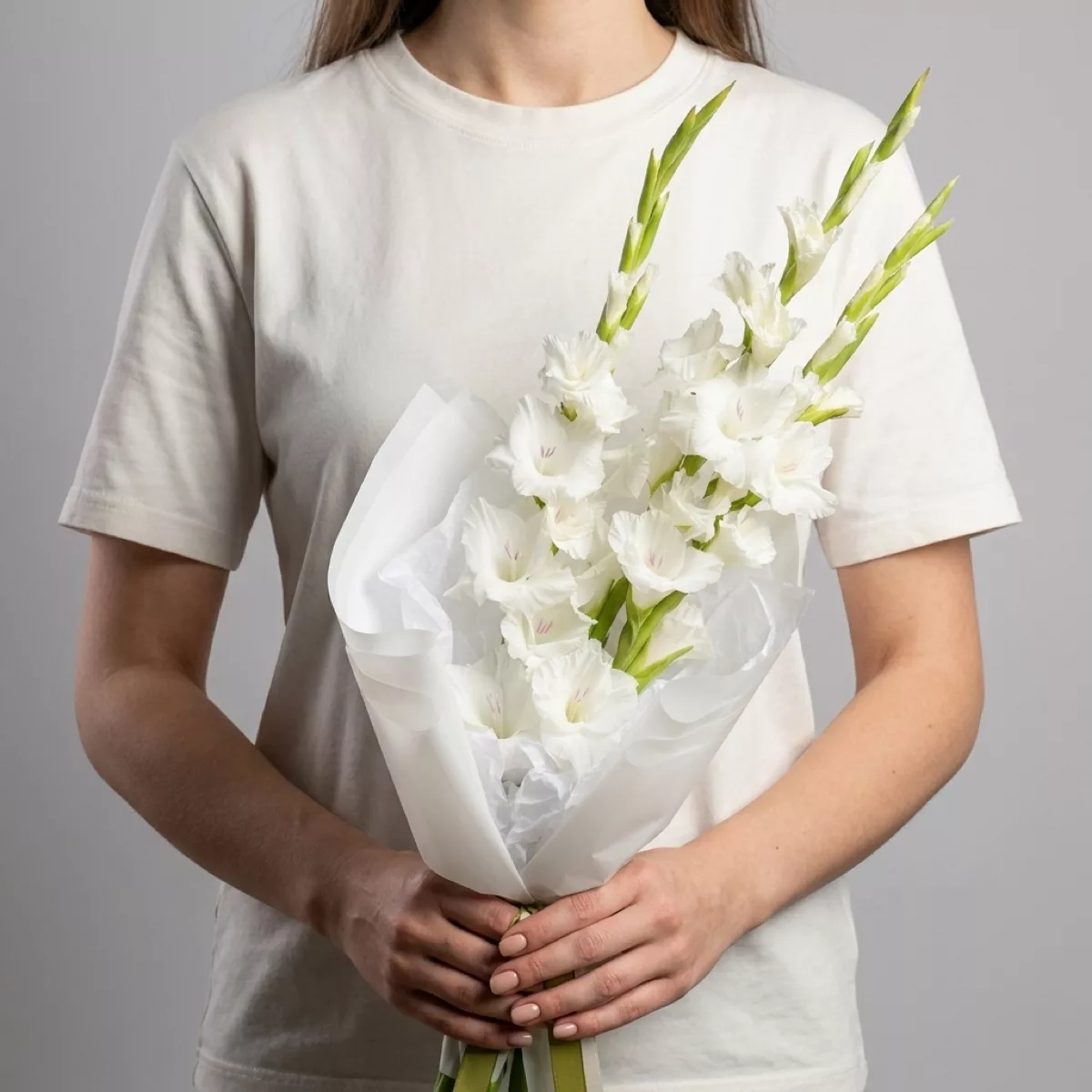
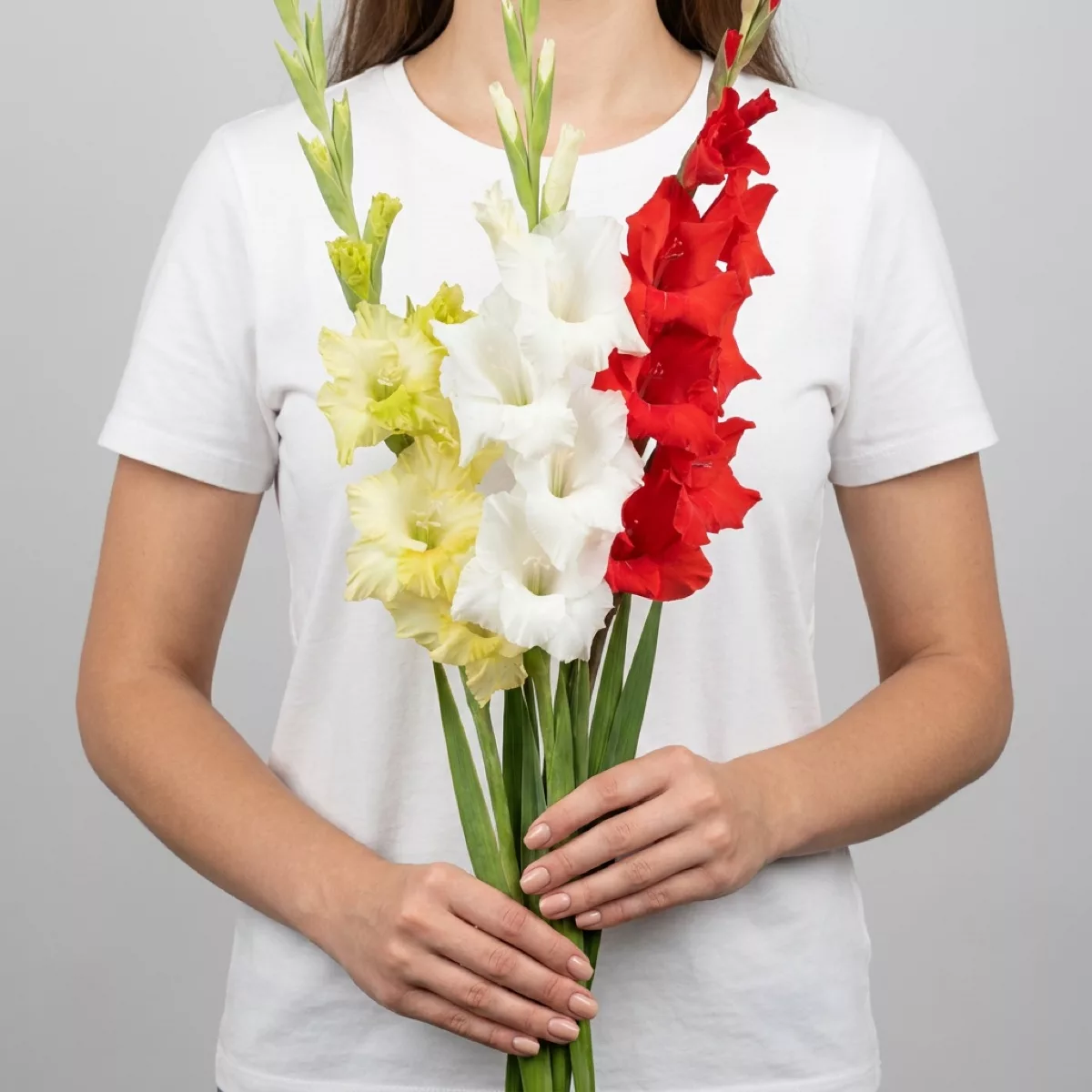
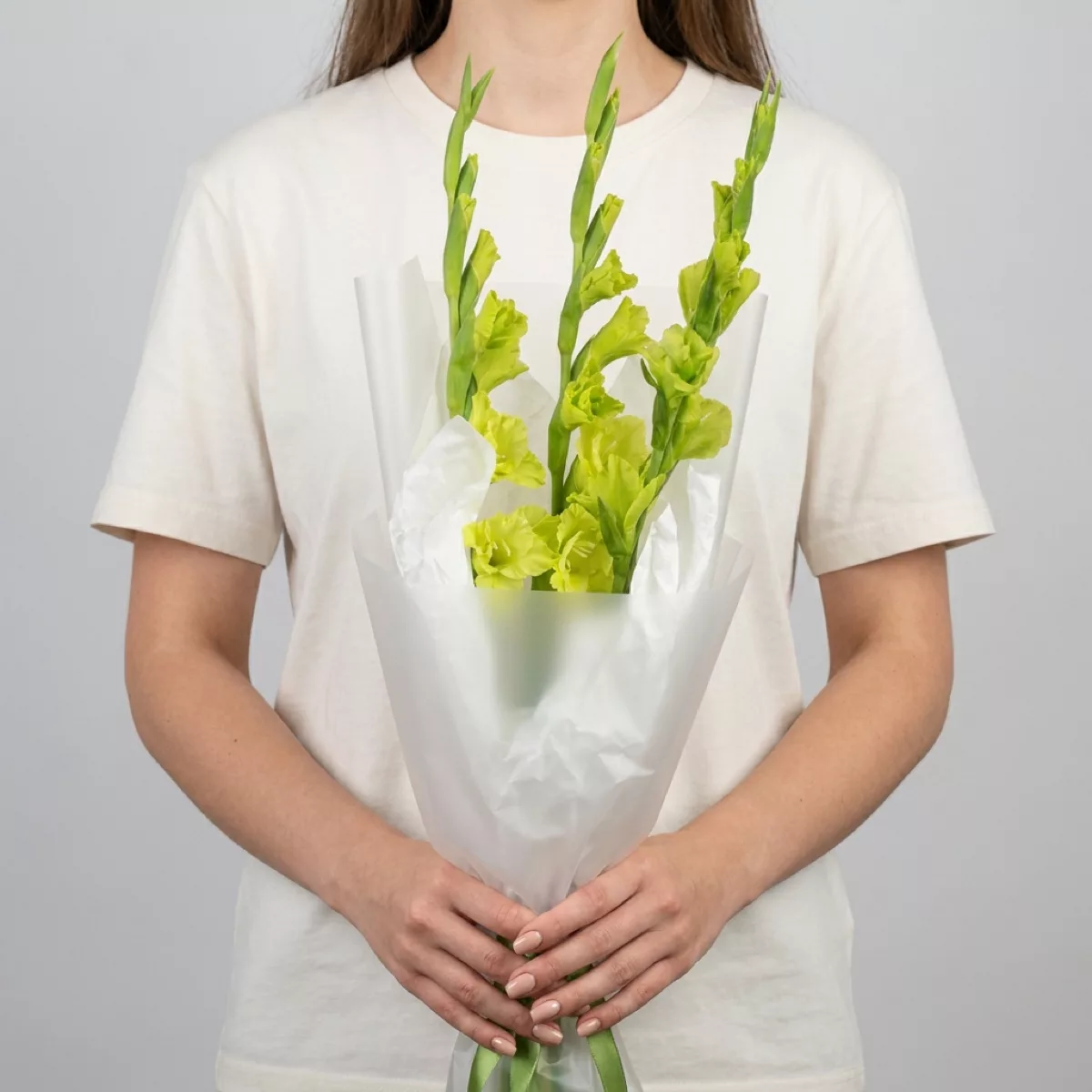
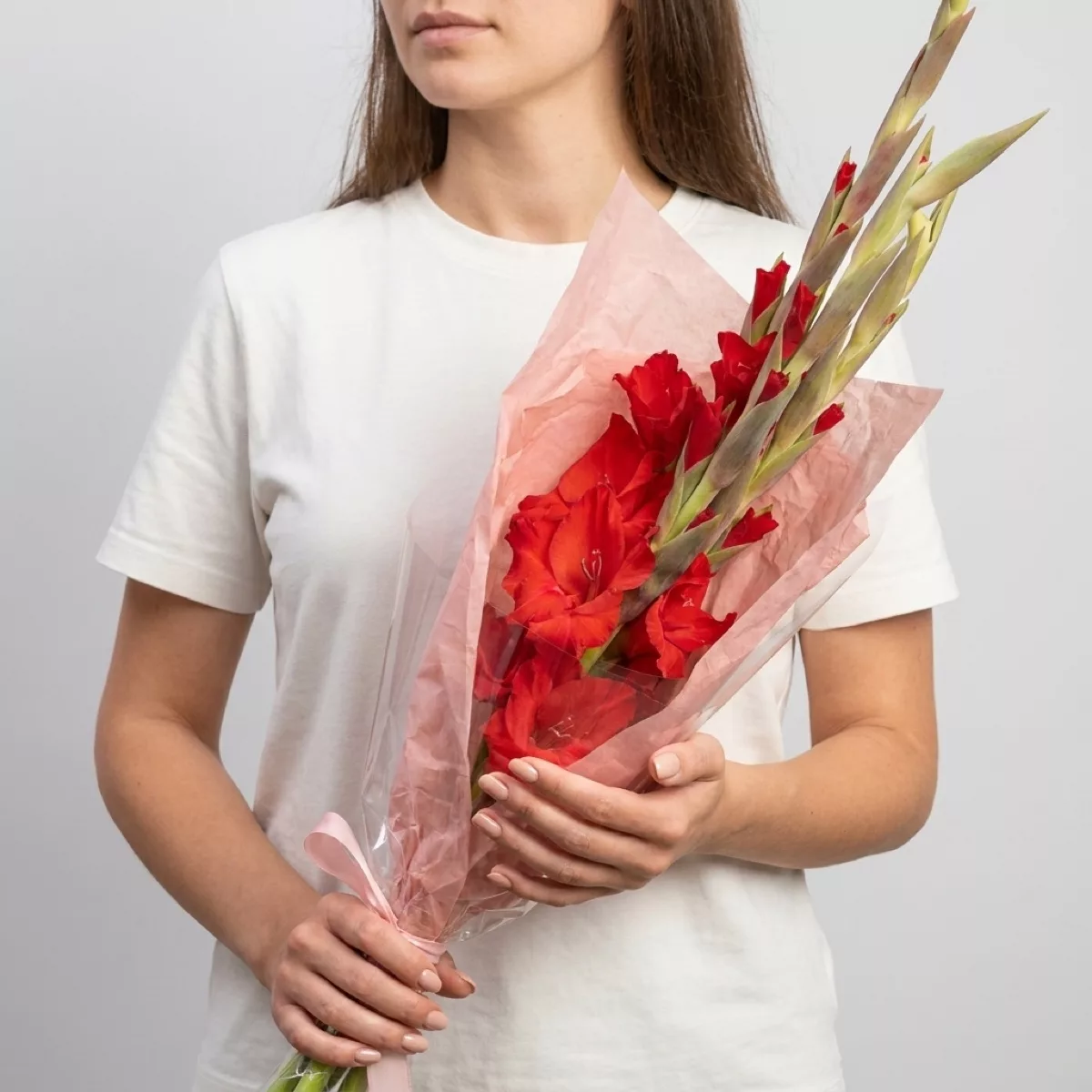
Bouquets we can deliver
Russian Gifting Customs You Should Know Before You Order
If you did not grow up in Russia, a few floral customs might surprise you, and knowing them in advance saves awkward moments for the person receiving your gift. The most important one is the odd-number rule. In Russia, even numbers of flowers are traditionally associated with grief and are brought to cemeteries. Always choose an odd number — five stems, seven, nine, eleven, or a larger bouquet where the count is clearly odd. This is not a superstition to dismiss; recipients genuinely notice, and an even number can create confusion or discomfort.
Colour associations also differ from Western conventions. White flowers are perfectly appropriate for celebrations, birthdays and romantic gestures in Russia — there is no association with mourning as there is in some other cultures. Red roses carry strong romantic weight and are an entirely suitable choice for a partner or spouse. Yellow flowers were once considered unlucky in Soviet-era thinking, but that association has faded significantly among younger generations in urban areas, and a warm yellow arrangement of ranunculus or spray roses reads today as cheerful and modern.
Wrapping matters too. Russian bouquets are often presented with elaborate paper or fabric wrapping that forms part of the gift itself. A bouquet that arrives well-wrapped signals care and effort. If you are ordering for a birthday or anniversary, a ribbon or a small note card tucked into the arrangement adds the personal touch that recipients remember.
Finally, flowers are given at the door, not left on a doorstep. Turboflora couriers hand the bouquet directly to the recipient, which is the expected and appreciated way to receive a floral gift in Russia.
Choosing the Right Flowers for the Occasion and the Person
Start from the recipient, not the catalogue. Think about who this person is and what the moment calls for. A grandmother celebrating her birthday in Khotkovo will likely appreciate something classic and fragrant — garden roses, peonies in season, or a mixed bouquet with white and pink tones that feels generous and traditional. A younger friend or partner might love something more contemporary: a single-variety arrangement of café au lait dahlias in autumn, or a tight cluster of pale lilac lisianthus that photographs beautifully.
For romantic occasions, roses remain the clearest signal of feeling. Choose a variety with a strong fragrance if you can — David Austin-style garden roses carry scent in a way that standard hybrid tea roses often do not. Pair them with eucalyptus or ruscus for a bouquet that feels full without being cluttered.
For a celebratory occasion that is not romantic — a promotion, a new home, a graduation — think about colour warmth and volume. Sunflowers mixed with orange spray roses and seasonal greenery create an energetic, generous impression. Tulips in spring, particularly the parrot varieties with their ruffled petals, feel festive and a little unexpected.
If the recipient has a home with natural light and a good windowsill, consider including a stem or two of orchid alongside cut flowers. Phalaenopsis orchid stems last considerably longer than most cut flowers and extend the life of the arrangement by days. A mixed bouquet that combines short-lived but beautiful peonies with longer-lasting orchid stems gives the recipient a changing, evolving display rather than a single peak moment.
Timing Your Order Across Time Zones
This is where most international senders make their first mistake. You are in a timezone that may be three, five, or even ten hours behind Moscow, and it is easy to place an order at what feels like a reasonable morning hour only to discover that it is already late evening in Khotkovo. Moscow time is UTC plus three, with no daylight saving changes, so the offset from your location is fixed year-round.
Before you confirm your order, convert the desired delivery time into your local time and check whether the Turboflora ordering window is still open. Deliveries are available throughout the day, and for a sender abroad the most reliable approach is to target a midday to early afternoon delivery window in Khotkovo — roughly ten in the morning to three in the afternoon Moscow time. This gives the recipient time to be home, time for the flowers to be appreciated in daylight, and a comfortable buffer in case anything needs adjusting.
Avoid scheduling delivery for very early morning if the recipient is not expecting it. A surprise is lovely; a knock at seven in the morning in a Russian apartment building is less so. Evening deliveries work well for planned surprises — a partner arriving home from work to find flowers waiting is a classic and effective gesture.
For birthdays and anniversaries, try to deliver on the actual day rather than the day before. In Russian culture, congratulating someone before their celebration day is considered unlucky, a belief held quite seriously by older generations and still respected by many younger people. If the date falls on a day when delivery is complicated, aim for the day itself even if it means a later time slot.
Budgeting When You Are Paying in a Foreign Currency
Paying for a flower delivery in Russia from abroad involves a currency conversion, and exchange rates fluctuate. The practical advice is to treat the ruble price as your reference point and convert on the day you order rather than on the day you plan. Card processors and payment platforms each apply their own margins, so the amount that leaves your account may differ slightly from what you expected.
In terms of what different budgets actually buy, think in terms of stem count and variety quality rather than arrangement size. A modest budget delivers a clean, single-variety bouquet — seven roses or nine tulips wrapped beautifully — that feels considered and intentional. A mid-range budget opens up mixed arrangements with premium varieties, added texture from greenery or secondary blooms like waxflower or pittosporum, and more elaborate wrapping. A generous budget allows for large, sculptural arrangements with garden roses, seasonal statement flowers and presentation boxes.
For a sender abroad, it is worth noting that the emotional weight of the gesture is not proportional to the spend. A seven-stem bouquet of fresh, fragrant roses delivered within the hour carries more impact than an enormous arrangement that sat in transit for half a day. Freshness and timing are the two variables that matter most to the person receiving the flowers, and both are within your control when you order thoughtfully.
If you are unsure what to choose, erring on the side of a classic variety in good condition is always safer than an exotic choice that may not travel as well or may not suit the recipient's taste.
What to Write on the Card — and Why It Matters
The card message is the part of the gift that lasts after the flowers have faded, and for a sender who cannot be present in person it carries even more weight. When you are ordering from abroad, the card is your voice in the room. Do not leave it blank or use a generic phrase from a dropdown menu if you can help it.
Write something specific to the person and the moment. Mention something only the two of you would understand — a shared reference, a memory, a detail about why this particular day matters. Even two sentences that are genuinely personal outperform a paragraph of warm but generic wording. If you are writing in English for a Russian-speaking recipient, consider whether they read English comfortably. If not, write your message and use a translation tool to render it in Russian, then paste the Russian text into the card field. The effort of writing in their language is itself a gesture.
For formal occasions — a colleague's birthday, a business contact's celebration — keep the tone warm but measured. Something like acknowledging their achievement and wishing them continued success is appropriate and appreciated. Avoid overly casual language in professional contexts, as Russian workplace culture tends toward more formal registers than English-speaking cultures might expect.
For romantic occasions, be direct. Russian recipients appreciate sincerity over clever wordplay, especially in a message that arrives with flowers. Say what you feel simply and clearly. The flowers create the atmosphere; the card delivers the meaning. Together, a beautiful bouquet and a genuine message form a gift that is remembered long after the petals drop.
Caring for the Bouquet Once It Arrives in Khotkovo
Your role as the sender ends at the door, but sharing a few care tips with the recipient — either via the card or a quick message — extends the life of your gift and shows that you thought beyond the delivery moment. Most cut flowers last significantly longer with basic care than without it.
The first step is trimming the stems. Cutting about two centimetres off the bottom of each stem at a diagonal angle, using a sharp knife rather than scissors, opens the vascular tissue and allows the flower to drink properly. This should be done under water or immediately before placing the stems in the vase, so no air enters the cut. Roses and tulips benefit especially from this treatment.
Water temperature matters more than most people realise. Lukewarm water encourages uptake better than cold water for most varieties. Exceptions include tulips and hyacinths, which prefer cold water and a cool room. Changing the vase water every two days and re-trimming the stems each time can add three to five days to the bouquet's life.
Keep the arrangement away from direct sunlight, radiators and fruit bowls. Ethylene gas released by ripening fruit accelerates petal drop in roses, carnations and lisianthus noticeably. In a Khotkovo apartment during winter, the heating is often set high, which dries the air and shortens vase life. A light misting of the petals in the morning helps in dry indoor conditions.
Lilies, if included in the arrangement, should have their pollen-bearing anthers removed as soon as the flowers open. The pollen stains fabric and skin and can be toxic to cats, which is worth mentioning if the recipient has a pet.
Sending flowers to Khotkovo from abroad is a gesture that crosses a real distance — geographic and sometimes emotional — and getting the details right makes the difference between a gift that lands and one that merely arrives. Choose your varieties with the season and the person in mind, time your order to Moscow's timezone, respect the odd-number tradition, and write something on the card that could only come from you. Turboflora handles the cold chain, the courier and the door-to-door care. Your job is to decide what you want the person in Khotkovo to feel when they open the door.
Frequently asked questions
Can I order flowers for Khotkovo delivery if I am in a completely different time zone?
Yes. The ordering process works entirely online and you can place your order from anywhere in the world at any hour. The key step is converting your desired delivery time into Moscow time, which is UTC plus three, and selecting that window during checkout. Turboflora's team prepares the bouquet close to the delivery time to ensure maximum freshness on arrival.
Why do Russian flower customs say I should always send an odd number of stems?
In Russian tradition, even numbers of flowers are associated with mourning and are typically brought to cemeteries. Sending an even number to a living recipient, even unintentionally, can cause discomfort or confusion. Choosing five, seven, nine or any clearly odd count is a simple way to make sure your gift feels entirely celebratory and respectful of local custom.
Which flowers hold up best if the recipient in Khotkovo is not home immediately when the courier arrives?
Turboflora couriers deliver directly to the recipient rather than leaving bouquets unattended, so timing the delivery when the person is home is always the best approach. If you are unsure of their schedule, chrysanthemums, carnations and alstroemeria are among the hardiest cut flowers and tolerate brief waits better than open garden roses or peonies, which are more sensitive to temperature swings.
Is it appropriate to send yellow flowers to someone in Russia, or is it considered bad luck?
The association between yellow flowers and bad luck or separation was more widespread in Soviet-era Russia and among older generations. Today, particularly in urban areas and among younger recipients, yellow arrangements of ranunculus, mimosa or spray roses are widely received as cheerful and modern. If you are unsure about the recipient's views, a mixed bouquet that combines yellow with white or orange tones softens any concern while still feeling warm and vibrant.
How do I make sure the card message reaches the recipient in Russian if I do not speak the language?
Write your message in English first, then use a reliable translation tool such as DeepL to render it in Russian. Read the result back through the tool in the other direction to check that the meaning has survived the translation. Paste the Russian text into the card message field when placing your order. Even an imperfect Russian message shows effort that a recipient will appreciate more than a perfectly worded English note they may struggle to read.
Ready to send flowers?
Pick the city, choose the bouquet, and a local florist takes it from there.
Choose a city →