Sending Flowers to Khvalynsk from Abroad? Read This First
Khvalynsk sits quietly on the right bank of the Volga in the Saratov region, a small city of apple orchards and unhurried streets where a bouquet of fresh flowers still means something real. If someone you love lives there and you are placing an order from London, Berlin, Toronto or anywhere else outside Russia, the distance can feel daunting. It does not have to be. With the right florist, the right timing and a little knowledge of local customs, you can send a bouquet that arrives fresh, beautiful and exactly when you intend it to.
Why Khvalynsk Is Worth the Extra Planning
Khvalynsk is not Moscow or Saint Petersburg. It is a small city with a population of around twelve thousand people, and that intimacy is precisely why a delivered bouquet carries so much weight there. When flowers arrive at a door in Khvalynsk, the whole household notices. There is no background noise of city life to dilute the gesture.
Because the city is smaller, logistics matter more than in a major metropolitan area. Delivery windows are real commitments, not approximations. If you are ordering from abroad, you should think of your order less like a retail transaction and more like a small coordination project: the right flowers, the right message, the right moment.
The Saratov region experiences a continental climate, which means hot summers and genuinely cold winters. In July and August, midday temperatures can exceed thirty degrees Celsius. In January and February, they regularly fall below minus fifteen. Both extremes affect which flowers travel well and how they should be packaged. A florist who understands this geography will not send open garden roses on a scorching August afternoon without proper cooling measures, and will not send tropical stems like anthuriums in a thin wrap during a February freeze.
Khvalynsk is also known for its apple orchards and a certain old-fashioned Russian charm. Recipients there tend to appreciate classic, generous bouquets over minimalist arrangements. Lush, full compositions with seasonal greenery and soft colour palettes land well. Keep that in mind as you choose.
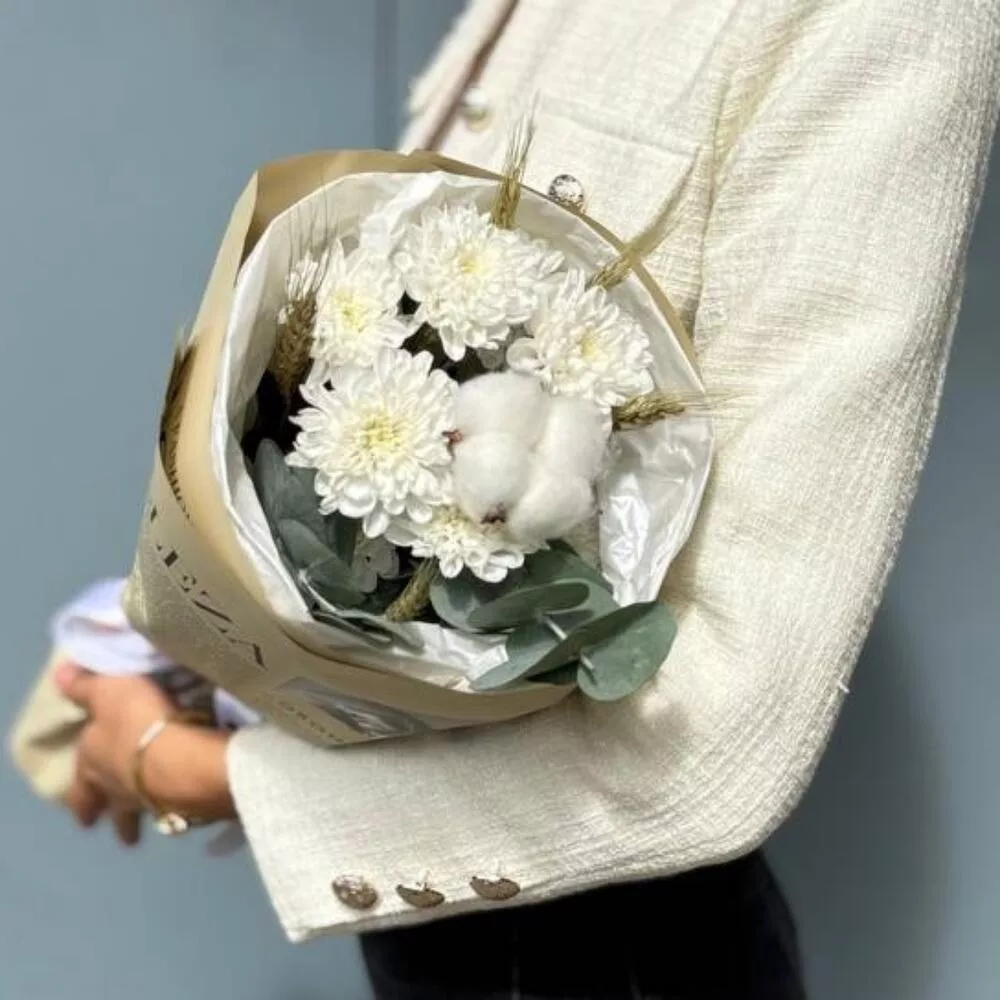
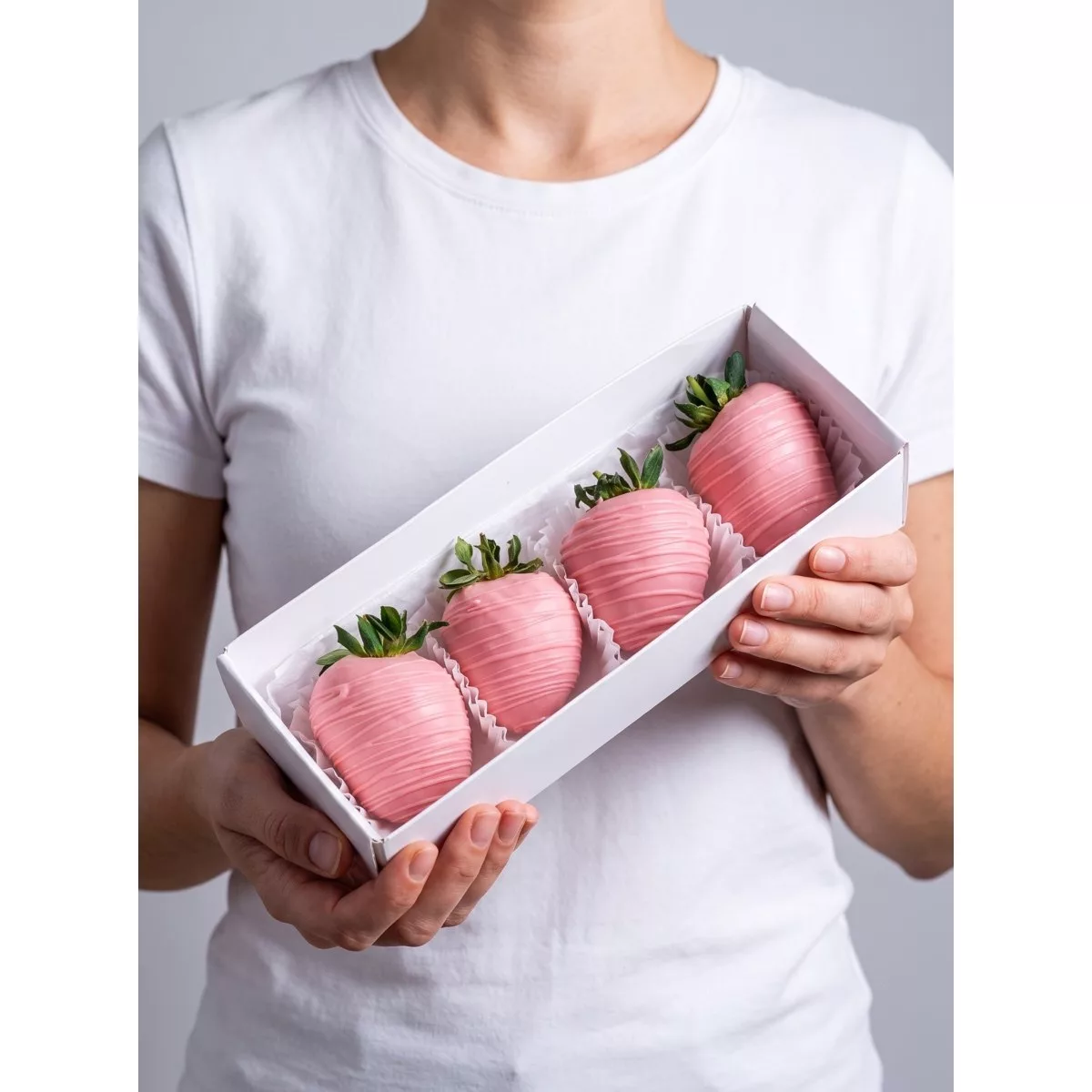
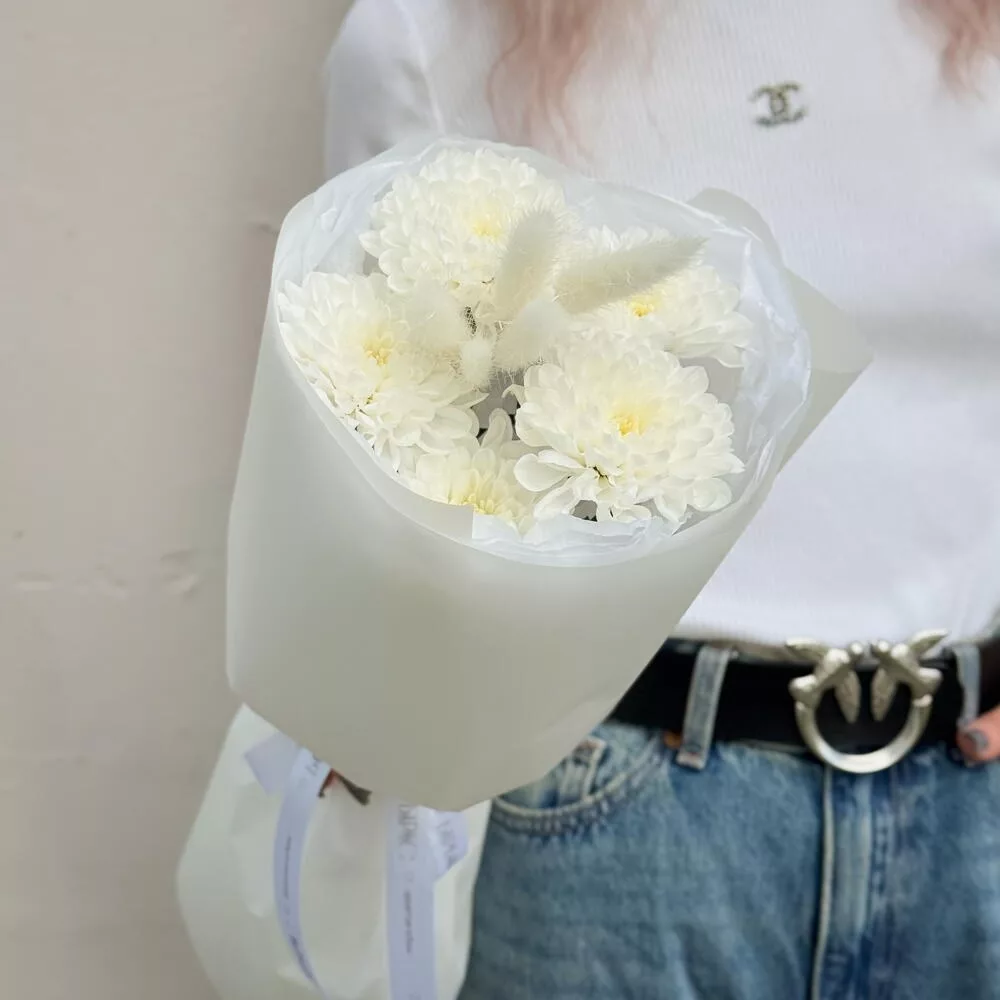
Bouquets we can deliver

Choosing the Right Occasion and Reading It Correctly
Before you pick a single stem, think about who is receiving the flowers and what they will feel when they open the door. A birthday bouquet for a grandmother in her seventies reads very differently from an anniversary arrangement for a young couple. Russian recipients across all generations tend to associate certain flowers with specific meanings, and getting this right matters far more than the price of the bouquet.
Roses remain the most universally understood gesture of affection and celebration in Russia. Red roses signal romantic love clearly and without ambiguity. Soft pinks, creams and whites work beautifully for birthdays, graduations and expressions of gratitude. Chrysanthemums are enormously popular in Russia for autumn celebrations and are not associated with mourning the way they are in some Western European countries, so do not hesitate to include them in a festive autumn bouquet.
Yellow flowers deserve a special note. In some parts of Russia, particularly among older generations, yellow blooms — especially yellow roses — carry a superstition about separation or infidelity. This is not universal and younger recipients in smaller cities often pay no attention to it at all. However, if you are sending to someone over fifty and you are uncertain of their views, mixing yellow with white or soft orange removes any ambiguity and still produces a warm, sunny arrangement.
For a new baby, soft whites, pale yellows and gentle greens feel appropriate. For a professional achievement or promotion, something structured and impressive — like tall lisianthus stems with eucalyptus and garden spray roses — communicates respect alongside celebration.
How to Place an Order from Outside Russia Without Confusion
Ordering internationally is straightforward once you understand the small details that can trip people up. The most important thing you need is a complete and accurate delivery address in Russian transliteration or Cyrillic. Khvalynsk has named streets and numbered buildings just like any Russian city, so you will need the street name, building number, apartment number if applicable, and the postcode. If you only have a rough address, contact the recipient's family member who can confirm the exact details before you place the order.
Time zones are the second thing to master. Khvalynsk follows Moscow Time, which is UTC plus three hours. There is no daylight saving adjustment in Russia, so the offset is constant year-round. If you are in New York, you are six hours behind Moscow Time in winter and nine hours behind in summer. If you are in London, you are three hours behind in winter and two in summer. Do the arithmetic before you choose your delivery window, because a midday delivery in Khvalynsk might require you to place your order at four or five in the morning your local time.
Payment from abroad typically works through major international cards. Have your card details ready and be aware that some banks flag Russian transactions as unusual and may require you to confirm the charge. A quick call to your bank before ordering removes that friction entirely.
Always include a message card text in your order. Write it in Russian if you can, or provide it in English and ask the florist to transliterate it. A handwritten card in the bouquet means a great deal to a Russian recipient.
Seasonal Flowers That Travel Well to Khvalynsk
The Saratov region's climate creates real constraints on which flowers survive delivery in peak condition throughout the year. Understanding the seasons helps you choose wisely rather than just picking whatever looks beautiful on a website.
In winter, from November through March, cold temperatures actually help flowers stay fresh in transit, but extreme cold below minus twenty can damage delicate petals. Roses, alstroemeria, carnations and spray chrysanthemums are reliably hardy. Tulips are a wonderful winter and early spring choice — they are deeply associated with the Russian celebration of International Women's Day on the eighth of March, when tulips and mimosa branches are everywhere. If you are sending around that date, order early because demand is exceptionally high nationwide.
Spring and early summer bring peonies, which are enormously popular in Russia and feel genuinely luxurious. They are available from late May through June and they make a statement that almost any recipient will love. Pair them with soft ruscus or eucalyptus and you have a bouquet that looks like it came from a high-end florist's window.
Summer heat, particularly July and August, calls for flowers with strong cell structure and good water retention. Sunflowers, echinacea, lisianthus and statice all travel well in warm conditions. Delicate garden roses need to be cut tight and delivered quickly. Avoid ordering heavily petalled open blooms during a heatwave unless you are confident in the delivery timing.
Autumn is chrysanthemum season. Large-headed chrysanthemums in burgundy, rust and deep yellow look spectacular and last ten to fourteen days in a vase, making them an excellent choice for someone who lives alone and will enjoy the flowers over time.
Bouquet Sizes, Compositions and What Impresses in a Small City
In a city like Khvalynsk, a generous bouquet makes a stronger impression than a minimal one. This is not about extravagance — it is about the culture of giving. Russian gifting traditions lean toward abundance. A bouquet that looks full, layered and considered will be appreciated more than a sparse, architectural arrangement, even if the latter costs more in a Western context.
For a meaningful birthday or anniversary, aim for a composition that includes a focal flower, a secondary flower and at least one type of greenery. A practical example: garden spray roses as the focal point, white lisianthus as the secondary bloom, and eucalyptus or leather leaf fern as the greenery base. This combination photographs beautifully, smells wonderful and holds up for seven to ten days with proper care.
Odd numbers of flowers are traditional in Russia for celebratory occasions — three, five, seven, nine, eleven, fifteen, nineteen, twenty-five. Even numbers are associated with commemorative events. This is a deeply ingrained custom and your recipient will notice it. A good florist will always compose celebratory bouquets in odd numbers automatically, but it is worth confirming if you are placing a very specific order.
Wrapping matters too. Russian recipients expect their bouquet to arrive in a proper presentation wrap — kraft paper, organza or a combination — with a ribbon or twine closure. A bare bunch of flowers, however fresh, would feel incomplete. Ask for the bouquet to be dressed for gifting, not just transport.
If you want something particularly memorable, a hatbox arrangement or a composition in a ceramic vessel that the recipient keeps afterward adds a lasting dimension to the gift.
Vase Life and Care Instructions for Your Recipient
One of the kindest things you can do when sending flowers from abroad is to include care instructions with the bouquet. Your recipient may be delighted but uncertain about how to make the flowers last as long as possible. A small printed card with simple steps, written in Russian, is a thoughtful addition that any florist can prepare.
The basics apply universally. Stems should be cut at a forty-five-degree angle immediately before placing them in water — this increases the surface area available for water uptake. The cut should be made with a sharp knife or scissors, not crushed. Flowers do best in clean water changed every two days, and the vase itself should be rinsed each time to remove bacterial buildup.
In summer, the single most important thing a recipient in Khvalynsk can do is keep their bouquet away from direct sunlight and away from heat sources. A north-facing room or a cool hallway extends vase life significantly. In winter, flowers should never be placed near a radiator, which is a common mistake in Russian apartments where central heating runs very warm from October through April.
Different flowers have different lifespans. Chrysanthemums and alstroemeria routinely last ten to fourteen days. Roses and lisianthus give seven to ten days with good care. Tulips are shorter-lived at five to seven days but open beautifully and fill a room quickly. Peonies last five to seven days and are best enjoyed when they open fully, which happens within a day or two of arrival.
Removing any leaves that sit below the waterline prevents rot and keeps the water cleaner for longer. This small step alone can add two or three days to a bouquet's life.
Common Mistakes Senders from Abroad Make and How to Avoid Them
The most frequent mistake international senders make is underestimating the time zone difference and placing an order too late for same-day delivery. Khvalynsk is UTC plus three, and if you are ordering from the West Coast of North America, you may be eleven or twelve hours behind. A bouquet you want delivered at noon on a Thursday in Khvalynsk needs to be ordered by midnight or one in the morning your local time on Wednesday. Build the calculation into your planning, not your panic.
The second common mistake is providing an incomplete address. Russian addresses follow a specific format and missing the apartment number or the building entrance number — called a podyezd — can delay delivery significantly in a residential block. Always confirm the full address with someone local before finalising your order.
Senders sometimes choose flowers based on their own cultural associations rather than Russian ones. Sending a large arrangement of yellow roses to a Russian woman over sixty, for example, may not land the way you intend. Similarly, white flowers alone, while elegant in many Western contexts, can feel ambiguous in Russia. Mixing white with another colour — soft pink, lavender or warm peach — immediately shifts the arrangement into celebratory territory.
A fourth mistake is forgetting the message card entirely. In Russian gifting culture, the card is not optional. It is part of the gift. Even a simple, warm sentence — written in Russian if at all possible — shows care and effort that the recipient will remember.
Finally, some senders try to order too far in advance without confirming availability. For rare or seasonal flowers, a week's notice is fine. For everyday roses or chrysanthemums, same-day ordering works perfectly. Match your lead time to the flower, not to your anxiety.
Sending flowers to Khvalynsk from abroad is not complicated once you understand the geography, the timing and the traditions. The city is small enough that a bouquet truly stands out, and the people who live there carry the same appreciation for a thoughtful gesture that you find anywhere in Russia. Choose generously, check your time zones, write a card, and trust that fresh flowers delivered with care will do exactly what you hope they will — make someone on the Volga feel remembered and loved from wherever in the world you happen to be.
Frequently asked questions
Can I send flowers to Khvalynsk if I do not speak Russian?
Yes, entirely. You can place your order in English and provide your message card text in English as well — the florist will transliterate or translate it for the card. The only thing you need in Russian format is the delivery address, which a family member of the recipient can usually provide. The rest of the process works smoothly in English.
How far in advance should I order for a specific delivery time in Khvalynsk?
For most occasions, ordering the day before is perfectly safe and gives you time to confirm the address and message. If you are ordering around a major Russian holiday like International Women's Day on the eighth of March or New Year, order at least three to five days ahead. Same-day ordering works for standard bouquets when you account for the time zone difference between your location and Moscow Time.
Are there flowers I should avoid sending to a Russian recipient?
Yellow flowers, especially yellow roses, carry a superstition about separation among some Russian recipients, particularly older generations. It is not universal, but mixing yellow with white or orange removes any ambiguity. Even numbers of flowers are associated with commemorative rather than celebratory occasions, so always confirm your bouquet is composed in an odd number of stems for a birthday, anniversary or celebration.
What happens to flowers delivered in very cold Khvalynsk winters?
A professional florist wraps cold-weather deliveries in insulating material to protect petals during transport in temperatures below minus ten or fifteen Celsius. Hardy varieties like roses, carnations, alstroemeria and chrysanthemums travel well in winter. Tropical stems like anthuriums are more vulnerable to cold damage and are better avoided for winter deliveries to continental Russian cities like Khvalynsk.
Can I include a gift with the flowers, such as chocolates or a soft toy?
Many flower orders can be supplemented with accompanying gifts like boxed chocolates or a small plush toy, which are popular additions for birthdays and children's celebrations in Russia. Mention your request when placing the order. The florist will confirm what is available and ensure everything is presented together as a single cohesive gift rather than separate items handed over at the door.
Ready to send flowers?
Pick the city, choose the bouquet, and a local florist takes it from there.
Choose a city →