Sending Flowers to Kimovsk from Abroad? Read This First
You are somewhere outside Russia — maybe London, Dubai, Berlin or New York — and someone you care about is in Kimovsk, a quiet town in the Tula region. You want to send them flowers, but you are not sure how ordering works across that distance, what blooms will actually survive the journey to their door, or whether Russian gifting customs differ from what you know. They do, a little, and knowing them in advance makes the whole gesture land exactly the way you intended.
Understanding Kimovsk Before You Order
Kimovsk sits in the Tula region of central Russia, roughly three hours south of Moscow. It is a modest industrial town with a population of around twenty thousand people, and while it is not a major city, it is fully reachable for same-day flower delivery when you plan around the time zone correctly. Moscow Standard Time is UTC plus three, meaning that if you are placing an order from Western Europe in the morning, Kimovsk is already well into its afternoon. If you are ordering from North America, the gap is even larger — New York is eight hours behind Moscow in winter, eleven in summer depending on daylight saving shifts.
This time difference is the first practical thing to resolve. A recipient who finishes work at six in the evening local time needs an order placed early enough in your own morning for the florists to prepare and dispatch the arrangement. Turboflora handles delivery across Russia including the Tula region, and the courier window typically falls within one to two hours of confirmation, so the preparation time is short once the order is in.
Kimovsk itself has standard residential addresses, and most deliveries go to apartment buildings. Knowing the full address including the apartment number, entrance number, and floor is genuinely important in Russian residential blocks — a courier arriving at a large panel building without that detail can face real delays. Ask your recipient in advance if you are unsure, or check any previous correspondence where they may have written their full postal address.
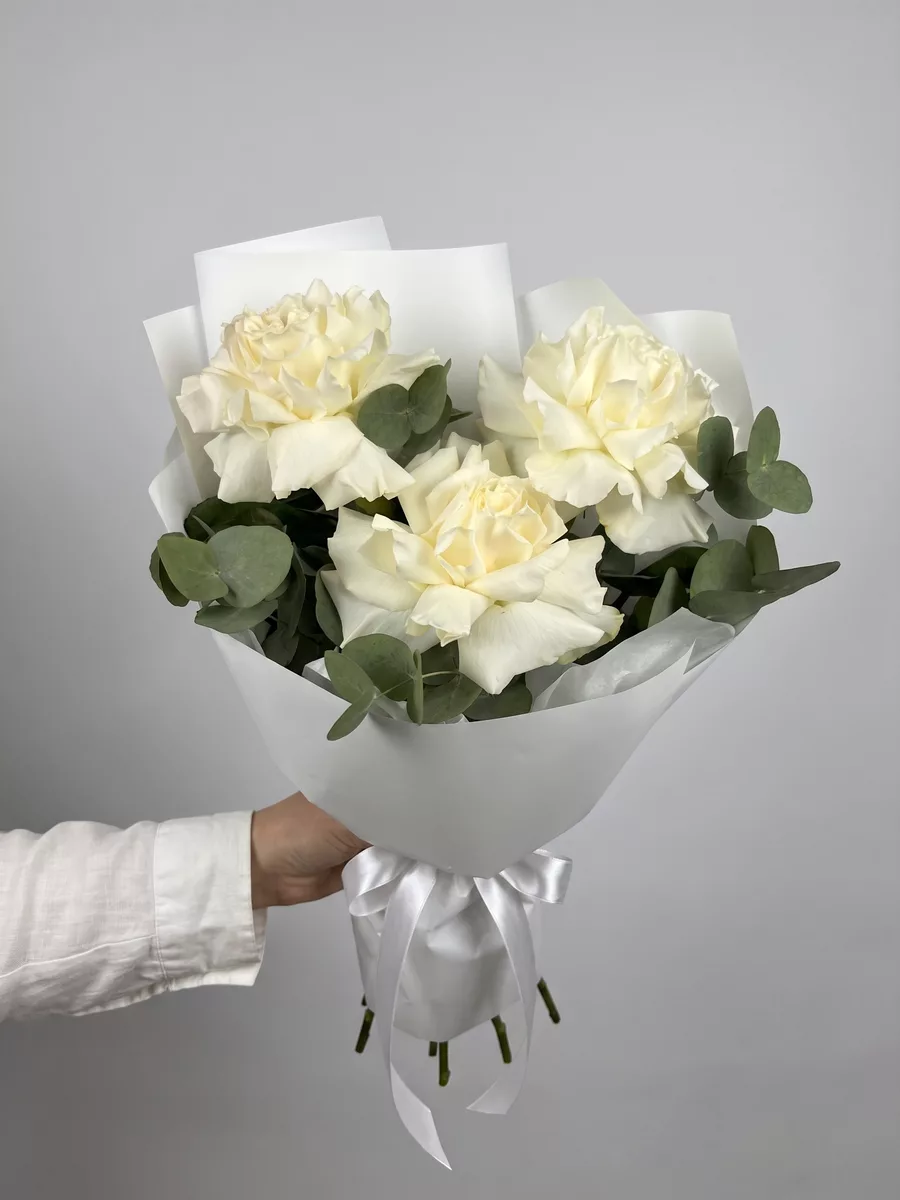
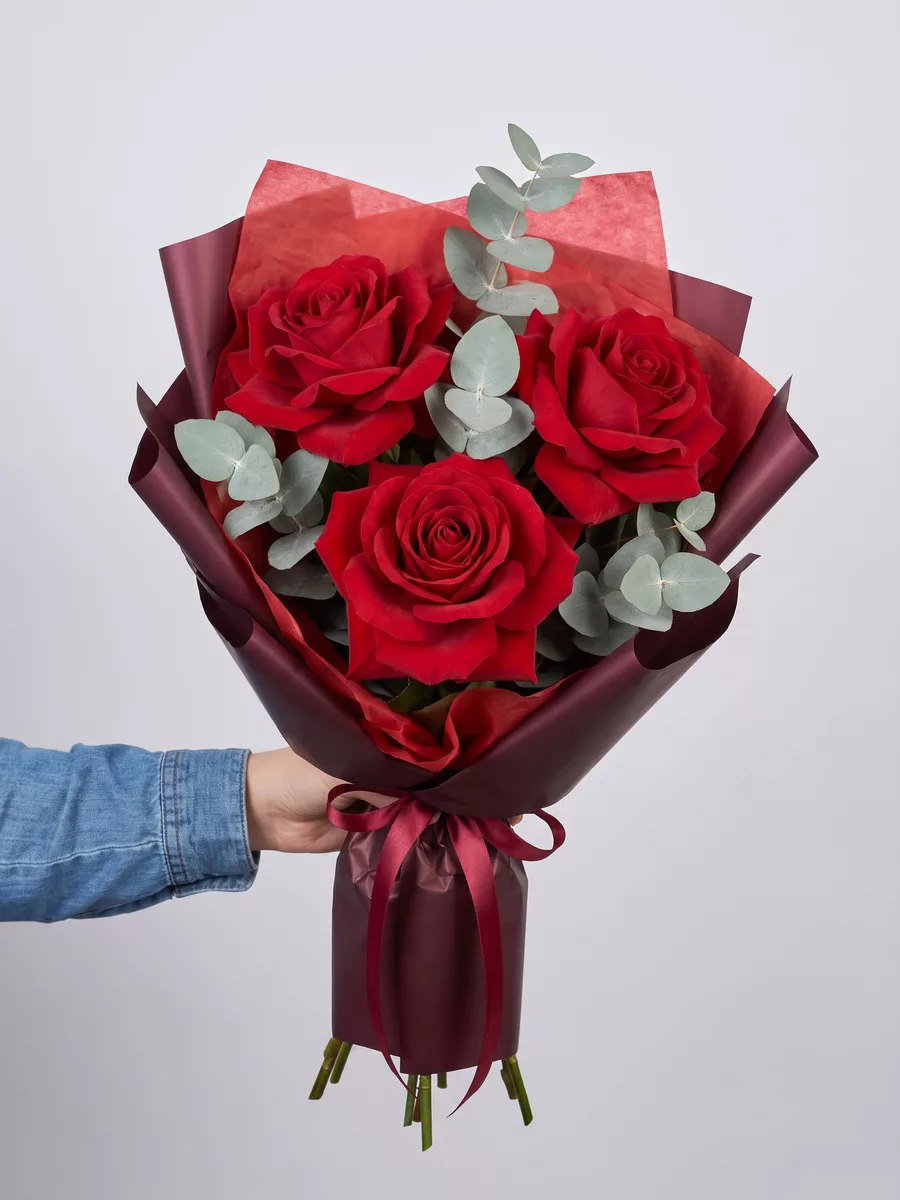
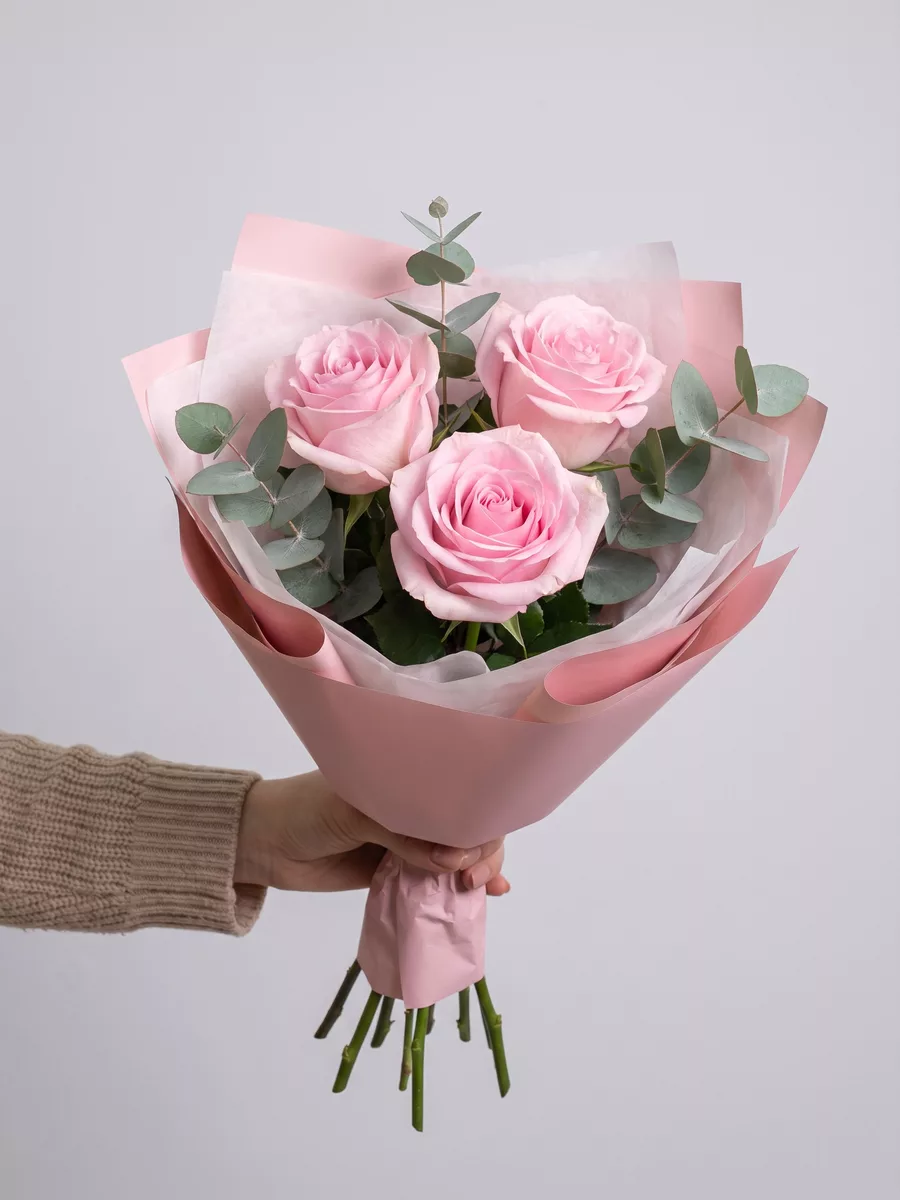
Bouquets we can deliver

Russian Gifting Customs an International Sender Should Know
The most important rule in Russian flower-giving culture is the odd number. Bouquets are always given in odd quantities — one, three, five, seven, nine, eleven stems and so on. Even numbers are reserved for funerals and mourning, so a bouquet of ten roses or twelve tulips would carry an unintended and deeply unwelcome message. This is not a superstition that has faded with younger generations; it remains genuinely observed across all age groups and regions, including smaller towns like Kimovsk. When you place your order, confirm the stem count or simply let the florist compose the arrangement — a professionally assembled bouquet will always follow this rule automatically.
Wrapping and presentation matter too. Russian recipients expect a beautifully packaged bouquet, often with craft paper, ribbon, and a visible composition rather than a simple cellophane sleeve. A handwritten card in Russian is a warm touch if you can manage a transliterated message, though a card in English is perfectly acceptable for recipients who know you are abroad — it becomes part of the story of the gift.
Flowers are given for a wide range of occasions in Russia: birthdays, anniversaries, International Women's Day on the eighth of March, graduations, professional milestones, and simply as an expression of care. Visiting someone's home for the first time traditionally calls for bringing flowers, and a bouquet delivered ahead of such a visit is a thoughtful gesture. Understanding this breadth of occasion means you have many more reasons to send than you might expect.
Choosing Flowers for the Person, Not Just the Season
Before you think about varieties or colours, think about the person receiving the bouquet. A grandmother in Kimovsk who tends a garden will likely respond more warmly to lush, full-petalled flowers — garden roses, peonies in season, or generous chrysanthemums — than to a spare architectural arrangement of tropical stems. A younger woman celebrating a birthday might love ranunculus mixed with eucalyptus, or a bold single-variety bunch of spray roses in a dusty pink or terracotta shade. A man receiving flowers — which is less common but entirely appropriate for birthdays and professional achievements — often appreciates something structured: a tight bundle of tulips, a single-variety arrangement of sunflowers, or a clean composition of alstroemeria.
Colour carries meaning in Russian culture, though less rigidly than in some other traditions. Red roses are associated with romance and are best saved for a partner or spouse. Yellow flowers have a reputation in older generations for signalling separation or bad luck, though this belief is fading among younger recipients. If you are unsure, white, pink, coral, and purple tones are universally safe and warmly received.
For a recipient you know well, think about what grows in their own garden or what they keep in vases at home. That detail, passed along to the florist in the order notes, allows the composition to feel personally chosen rather than generic. A bouquet that reflects someone's actual taste is remembered far longer than one that simply looks expensive.
Seasonal Varieties and What Arrives in Good Condition
Kimovsk experiences a continental climate with cold winters and warm summers, and this affects which flowers look their best at different times of year. In winter, from November through February, the temperatures outside can drop well below freezing. Flowers are transported in insulated packaging, but some varieties are more cold-sensitive than others. Tropical blooms like anthuriums and orchid stems can suffer in transit if temperatures dip sharply, while roses, alstroemeria, carnations, and chrysanthemums handle the cold far better and arrive with petals intact.
Spring brings one of the most beloved flower moments in Russia: tulips in March and April, which coincide with International Women's Day and then continue through the season. Dutch tulips in single colours — white, purple, salmon, deep red — or mixed pastels are enormously popular and travel well. Ranunculus and freesia also appear in spring and add texture and fragrance to a bouquet without adding bulk.
Summer allows for peonies, which are deeply loved in Russia and have a short but spectacular season from late May through June. If a birthday or anniversary falls in that window, peonies are often the single best choice. Lisianthus, with its ruffled petals that resemble both roses and poppies, is available through the warmer months and holds up beautifully in a vase.
Autumn is the season of dahlias, chrysanthemums in their many forms, and the return of garden roses in full flush. A rich autumn palette of burgundy, rust, and deep orange suits the season and photographs warmly, which matters when your recipient will share the moment on a video call with you.
Bouquet Sizes and Budget Ranges Without the Numbers
When ordering from abroad, it helps to think in terms of visual scale rather than stem counts. A compact bouquet — seven to nine stems of a single variety, neatly wrapped — makes a graceful everyday gesture. It fits easily on a kitchen table or windowsill and does not overwhelm a small apartment. This size works well for a thank-you, a thinking-of-you delivery, or a casual birthday surprise for a colleague.
A medium composition of fifteen to nineteen stems, mixing a focal flower with complementary greenery or secondary blooms, reads as a considered and generous gift. This is the size most associated with birthdays and anniversaries in Russia, and it is what most recipients picture when they imagine receiving flowers. Eucalyptus, ruscus, or waxflower used as greenery adds fullness without pushing the price up significantly.
A large statement bouquet — twenty-five stems or more — is reserved for milestone occasions: a significant birthday ending in a zero, a wedding anniversary, a graduation, or a major professional achievement. These arrangements are meant to be noticed and talked about, and they fill a room with fragrance when built around roses, peonies, or freesia.
When ordering from outside Russia, keep in mind that the currency conversion from euros, dollars or pounds to roubles shifts with exchange rates, so the same budget can go slightly further or slightly less far depending on timing. The florist's site shows current pricing in roubles, and most international payment cards are accepted for online checkout. Confirming the order total before finalising avoids any surprise.
How to Place the Order Smoothly from Another Country
The ordering process from abroad has a few specific points worth knowing. First, use the recipient's Russian mobile number as the contact for delivery — Russian couriers communicate by phone call or SMS, and an international number belonging to you will not help them reach the door. If your recipient does not know the flowers are coming, you can note in the order that it is a surprise and ask the florist to call only upon arrival rather than in advance.
The address should be written in full: street name, building number, block or corpus if applicable, apartment number, entrance number, and floor. In Russian apartment buildings, the entrance — called a podyezd — is a separate door into the building, and large complexes can have six or more. Without this detail, a courier may call the recipient to ask, which ruins a surprise. If you have the address in Russian Cyrillic, use it as written; if you only have a transliterated version, the florist can confirm it.
Payment from abroad works through the website's secure checkout, which accepts international cards. If your card is declined — some banks flag Russian merchant transactions as unusual — try again with a different card or contact your bank briefly to authorise the payment. Once the order is confirmed, you will receive a confirmation, and the delivery window begins from that point.
Adding a personalised card message is straightforward. Write it in whatever language feels natural between you and the recipient. The florist prints it on a small card included with the bouquet. A few words in Russian — even just a transliterated 'pozdravlyayu' for congratulations — are always appreciated.
Helping Your Recipient Care for the Flowers Once They Arrive
A beautiful bouquet deserves to last, and a few simple instructions shared with your recipient will extend the vase life significantly. The first step is cutting the stems at an angle — about two centimetres from the bottom — immediately before placing them in water. An angled cut increases the surface area drawing up water and prevents the stem from sitting flat against the bottom of the vase, which blocks flow. A sharp knife is better than scissors, which can crush the stem tissue.
Water temperature matters more than most people realise. Lukewarm water suits most cut flowers in winter, while cool water works better in summer. Roses and tulips both drink heavily, so checking the water level daily and topping up the vase is important. Changing the water entirely every two days, and re-cutting the stems each time, is the single most effective thing a recipient can do to extend freshness.
Keep the arrangement away from direct sunlight, heating radiators, and draughts from open windows. In a Russian apartment in winter, this usually means avoiding the windowsill — which can be very cold on the glass side and very warm from the radiator below, stressing the flowers from both directions. A table in the centre of a room or on a sideboard away from heat sources is ideal.
Tulips continue to grow after cutting and will lean toward any light source, which can change the look of an arrangement over a day or two. Rotating the vase gently each morning keeps them upright. Roses and alstroemeria are among the longest-lasting cut flowers when cared for properly, often staying fresh for ten days to two weeks. Peonies and ranunculus are shorter-lived but so visually generous while they last that recipients rarely mind.
Sending flowers to someone in Kimovsk from the other side of the world is a more straightforward gesture than it might seem, once you know the practical details. The time zone, the address format, the odd-number rule, the seasonal varieties that travel well — each of these is a small piece of knowledge that turns a good intention into a delivery that actually delights. The distance between you and your recipient does not have to show in the flowers. A well-chosen, professionally arranged bouquet arriving at their door in Kimovsk carries exactly the warmth you intended, regardless of where you placed the order.
Frequently asked questions
Why do Russian bouquets always have an odd number of stems?
Even numbers of flowers are associated with funerals and mourning in Russian tradition, so they are never given as a gift in any other context. When you order through Turboflora the count is handled correctly by default, but if you are requesting a custom arrangement it is worth confirming this detail so the finished bouquet follows the convention your recipient will expect.
Which flowers actually hold up well during delivery to a town like Kimovsk rather than wilting before they arrive?
Chrysanthemums, spray roses, alstroemeria and carnations travel far better than open garden roses or tulips in warm months. If your recipient is in Kimovsk during summer heat, ask the florist to prioritise sturdy stems with tight buds. Flowers that arrive closed open gradually at home, which your recipient often finds more rewarding than a bouquet that has already peaked in transit.
Can I include a message in English or does it need to be in Russian?
You can write your message in English and Turboflora will include it as written, or you can ask for a simple translation into Russian if you want the card to feel more personal to your recipient. A short message in Russian, even a familiar phrase, tends to land warmly with recipients who do not read English fluently, and the florists can help you get the wording right.
What is the best type of arrangement to send someone in Kimovsk for a birthday versus a more formal occasion like an anniversary?
For a birthday a loose, colourful hand-tied bouquet with mixed textures feels celebratory and personal. An anniversary calls for something more considered — roses in a single palette, perhaps paired with greenery or soft filler flowers, presented in a way that feels deliberate rather than abundant. The occasion shapes the composition more than the flower variety alone, so describing the relationship to the florist helps them pitch the arrangement correctly.
Does the full apartment address really matter that much for delivery in a small town like Kimovsk?
It matters considerably. Kimovsk has residential panel buildings where a single block can contain dozens of apartments across multiple entrances, and a courier without the entrance number and floor can lose significant time or be unable to complete delivery at all. Collect the full address from your recipient before ordering, including the apartment number, entrance and floor, and your delivery will go smoothly.
Ready to send flowers?
Pick the city, choose the bouquet, and a local florist takes it from there.
Choose a city →