Sending Flowers to Kirensk from Abroad? Read This First
Kirensk sits deep in Irkutsk Oblast, on the Lena River, roughly 6,000 kilometres east of Moscow and even further from most international senders. When you are placing an order from London, Berlin, New York or Dubai, that distance can feel like a wall. It does not have to be. With the right timing, the right flowers and a clear understanding of how delivery actually works in this part of Siberia, you can send something genuinely beautiful to someone who will remember it.
Why Kirensk Is Different from Sending to a Large Russian City
Most people who have sent flowers inside Russia before have done so to Moscow, Saint Petersburg or another major city where same-day delivery is straightforward and the range of available flowers is wide. Kirensk is a smaller town in eastern Siberia, and that changes the planning equation in important ways you should understand before you place your order.
The town is genuinely remote by any standard. Road access in winter can be complicated by weather, and the climate is continental and extreme, meaning summer temperatures can reach the high twenties Celsius while winters drop well below minus thirty. Those temperature swings matter for flowers. A bouquet that travels in deep cold needs to be packaged with insulating wrapping, and the florist preparing it must account for the shock of moving from a warm interior to freezing outdoor air and back again.
Because of the distance from major flower wholesale markets, the selection available at any given time is somewhat narrower than what you would find in Saint Petersburg or Novosibirsk. Roses, chrysanthemums, carnations, gerberas and seasonal greenery are reliably available. Exotic tropical varieties such as bird of paradise or anthurium may not always be in stock. Your best approach is to choose a classic, well-structured bouquet rather than chasing a rare variety, and to communicate your recipient's preferences clearly when ordering. A confident florist will tell you honestly what is possible for the date you have in mind.
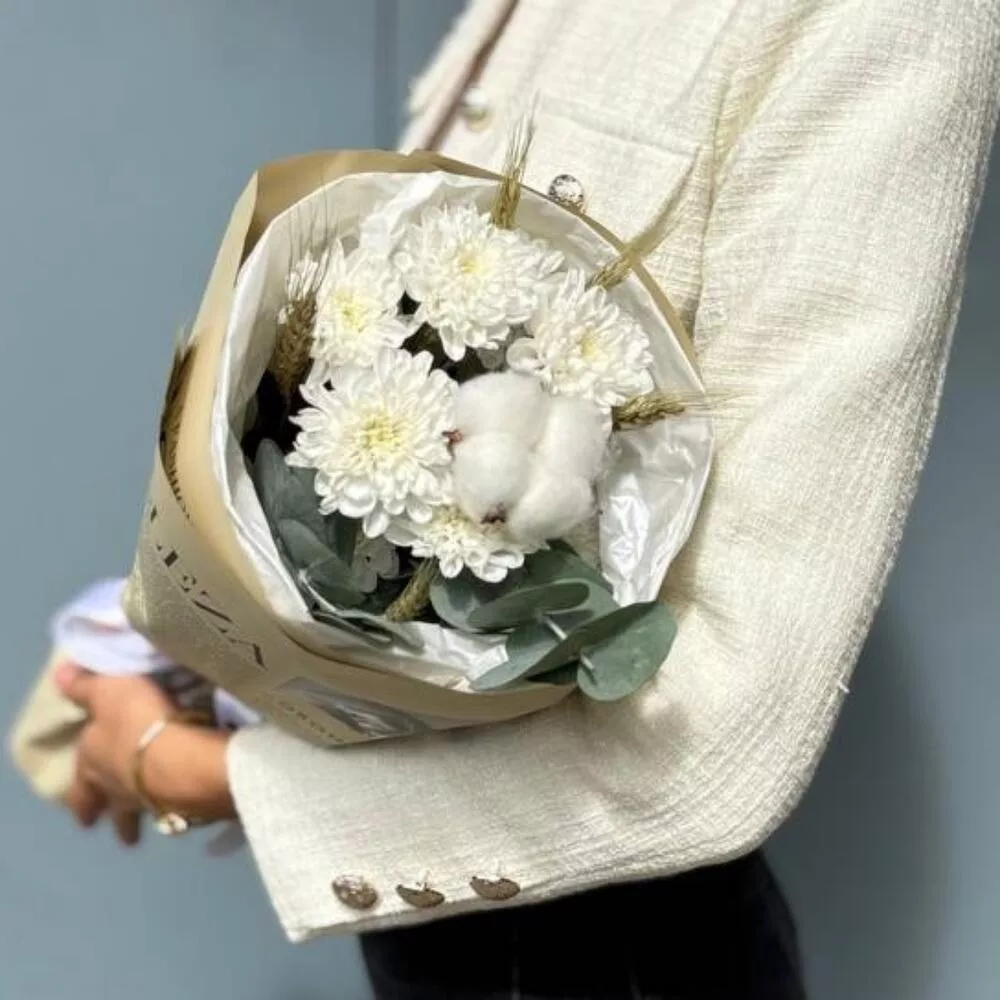
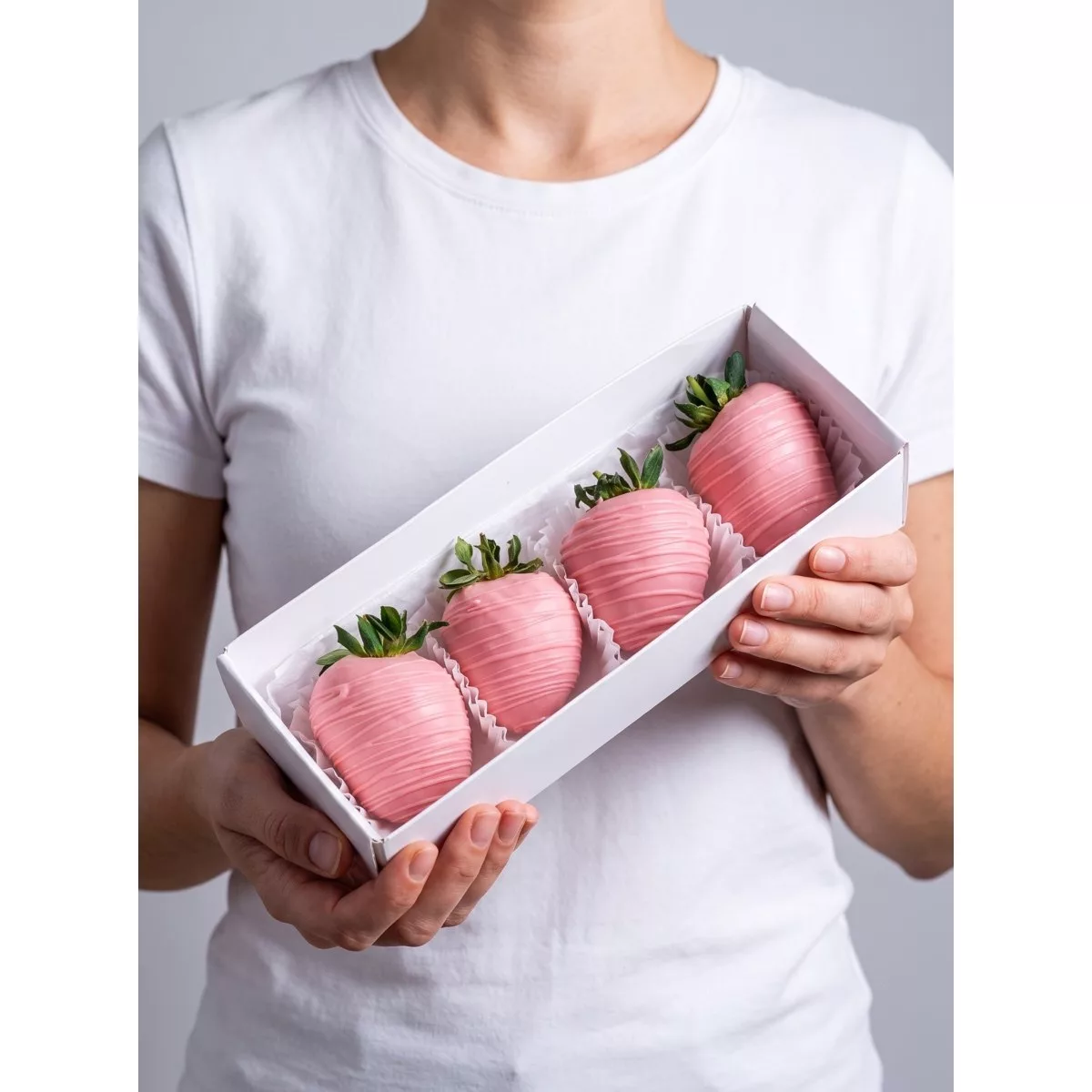
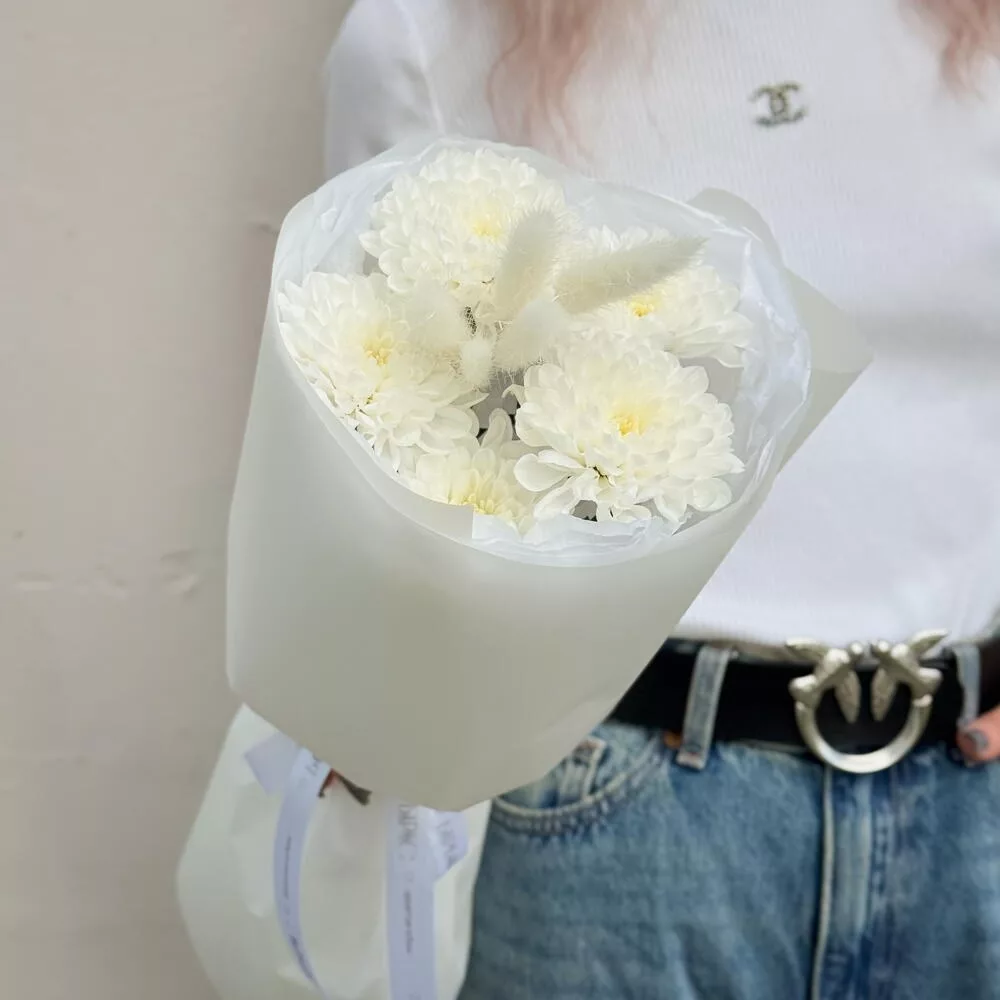
Bouquets we can deliver

The Best Time to Place Your Order When You Are Outside Russia
Time zone differences are the single most common reason international orders arrive late or cause confusion. Kirensk operates on Irkutsk Time, which is UTC plus eight. If you are in Western Europe, that means Kirensk is five to six hours ahead of you. If you are on the East Coast of the United States, the gap is eleven hours. By the time you wake up and think about placing a flower order, it may already be late afternoon in Kirensk.
The practical rule is to place your order at least twenty-four hours before the moment you want the flowers to arrive. Forty-eight hours is even better if the occasion is tied to a specific time, such as a morning birthday surprise or flowers before a dinner. This buffer gives the florist time to confirm stock, prepare the arrangement and schedule the delivery run.
For major Russian holidays, plan further ahead. On the eighth of March, which is International Women's Day and by far the biggest flower-giving occasion in the Russian calendar, demand is extraordinary nationwide. Orders placed on the seventh of March for same-day delivery to Kirensk are very likely to run into problems. If you are sending for that date, order three to four days in advance without exception.
When you submit your order, write the recipient's address and phone number in full, including the apartment number and entrance code if there is one. Russian addresses follow a specific format, and a missing detail can delay a delivery significantly in a town where the courier cannot easily call back through an international line.
Choosing Flowers That Will Actually Survive the Siberian Climate
Siberian winters are not a metaphor. In January and February, outdoor temperatures in Kirensk can fall to minus thirty-five Celsius or lower. That is cold enough to freeze the petals of delicate flowers within minutes of exposure. Choosing the right varieties is not just about aesthetics — it is about whether the flowers will still be beautiful when your recipient opens the door.
For winter deliveries, prioritise flowers with dense, firm petals that tolerate cold stress better than thin, open blooms. Spray roses, standard roses with tight buds, chrysanthemums and carnations all hold up reasonably well when properly wrapped. Avoid requesting fully open peonies or large open lilies in winter, as these are far more vulnerable to cold shock and petal bruising during transport.
In summer, the challenge reverses. Kirensk can be warm and humid in July and August, which accelerates the wilting of flowers. For warm-season deliveries, ask for buds rather than fully open blooms so the recipient gets to watch them open. Gerberas, alstroemeria and roses with firm petals are good summer choices. Avoid varieties that are already fully open and varieties with very large, water-heavy heads.
Spring and early autumn are the most forgiving seasons for flower delivery in this region. Temperatures are moderate, and a wider range of varieties can travel safely. If you have flexibility on the date of your gift, late April through early June is the window when both the climate and the available selection work most in your favour.
Understanding Russian Flower Customs So Your Gift Lands Right
If you did not grow up in Russia, a few cultural details around flowers are worth knowing. Getting them right means your gift feels considered rather than accidental, and it avoids one or two moments of awkwardness for your recipient.
The most important rule is the odd-number rule. In Russia, bouquets given as gifts to living people contain an odd number of stems: one, three, five, seven, nine, eleven and so on. Even numbers of flowers are associated with funerals and mourning, and giving an even-numbered bouquet as a celebration gift is considered a serious social misstep. When you place your order, you do not need to count stems yourself — a good florist will handle this automatically — but it is worth knowing why the number matters if your recipient mentions it.
Yellow flowers carry mixed associations in Russian culture. In some regions and among older generations, yellow roses in particular are associated with separation or jealousy. This is not universal, and younger recipients in cities often think nothing of yellow flowers, but if you are sending to an older recipient or to someone from a more traditional background, it is safer to choose red, pink, white or mixed-colour arrangements.
Wrapping and presentation matter enormously. A beautifully wrapped bouquet with a handwritten card reads as a serious, respectful gift. In Russia, flowers are often presented with the blooms facing upward and the stems wrapped in paper or fabric that complements the flowers. Asking the florist to include a card with a message transliterated into Russian or written in English with a short Russian phrase is a thoughtful touch your recipient will notice.
Writing a Message That Travels Well Across the Distance
The card that arrives with the flowers is often the part your recipient reads and rereads. When you are thousands of kilometres away, the words carry more weight than they might in person. Taking two minutes to write something specific and warm rather than generic will make the whole gift feel more intentional.
If you are writing in English, keep the message short and clear. Long English paragraphs can be difficult for recipients who do not read the language fluently, and a short, warm message is easier to translate using a phone. Something like a single sentence of warmth followed by your name is often more powerful than a paragraph. You can also ask the florist to help transliterate a simple phrase into Russian characters if you want to include even a few words in the recipient's language.
Avoid writing delivery instructions inside the card message. Instructions about where to leave the flowers if no one is home, or requests to call ahead, should go in the order notes, not on the card. The card is for the recipient, and mixing logistics into it dilutes the emotional effect.
If the occasion is a birthday, name day, anniversary or professional achievement, naming the occasion directly in the card is good practice in Russian culture. Russians appreciate directness in celebration. A card that says clearly what it is celebrating — rather than leaving it implied — reads as confident and warm rather than presumptuous.
How to Help Your Recipient Care for the Flowers Once They Arrive
Flowers delivered to Kirensk have often travelled through significant temperature variation by the time they reach the door. Helping your recipient understand a few simple care steps means the bouquet lasts as long as possible rather than fading within a day or two.
The first thing to do with any fresh bouquet is to cut the stems. A diagonal cut of about two centimetres, made with a sharp knife rather than scissors, opens more surface area for water uptake. This should be done under running water or while the stems are submerged, which prevents air bubbles from blocking the stem channels. If your recipient is not accustomed to this step, a short note from the florist explaining it is a genuinely useful addition to the delivery.
Vase water should be clean and cool. Warm water encourages bacterial growth, which shortens vase life significantly. Changing the water every two days and re-cutting the stems at the same time will extend the life of most bouquets by several days. Any leaves that fall below the waterline should be removed immediately, as they decompose quickly and cloud the water.
Keep the flowers away from direct sunlight, radiators and fruit bowls. Ethylene gas released by ripening fruit accelerates petal drop in many varieties, particularly roses and carnations. In a Siberian winter, the area near a window may be very cold at night — cold enough to damage the flowers — so placing the vase in the centre of a warm room is better than a windowsill in January or February.
What Realistic Vase Life Looks Like for Common Varieties
One of the most useful things you can tell a recipient, especially one who does not receive flowers often, is what to expect in terms of how long the bouquet will last. Setting realistic expectations means they enjoy the flowers rather than feeling disappointed when individual blooms begin to fade after several days.
Roses, which are among the most commonly sent flowers to Kirensk, typically last seven to twelve days in a clean vase with regular water changes. Tight buds will open over the first two to three days, which is often the most beautiful stage. Once fully open, the petals will gradually loosen and drop, which is natural and not a sign of poor quality.
Chrysanthemums are among the longest-lasting cut flowers available, often holding well for two to three weeks with basic care. They are a genuinely practical choice for a recipient who travels or is busy and may not be home to tend to flowers every day. Carnations similarly last well, often ten to fourteen days, and they tolerate slightly drier conditions better than roses.
Gerberas are vibrant and cheerful but more delicate than they look. They are sensitive to bacteria in the water and benefit especially from clean vases and frequent water changes. Expect seven to ten days from a fresh gerbera with good care. Alstroemeria, which often comes in mixed bouquets as a supporting flower, can last two weeks or longer and will continue producing small blooms along each stem as the arrangement matures. It is an underrated choice for longevity.
Sending flowers to Kirensk from abroad is entirely possible, and done well, it creates a moment your recipient will not forget. The distance is real, the climate is demanding, and the cultural details matter — but none of these are obstacles once you know what to account for. Order with enough lead time, choose varieties suited to the season, include a card that says something specific and true, and trust a florist who knows this territory. The flowers will arrive, they will be beautiful, and someone in eastern Siberia will know that the person who sent them was thinking carefully.
Frequently asked questions
Can I send flowers to Kirensk if I do not speak Russian?
Yes. When placing your order with Turboflora, you can write all details in English. Provide the recipient's full address, phone number including the Russian country code, and your card message. Our team will handle the Russian-language coordination for delivery. Having the recipient's phone number is especially important for a remote location like Kirensk.
What happens if no one is home when the flowers are delivered?
Our courier will contact the recipient by phone before arriving. If the recipient is temporarily unavailable, we will coordinate a second delivery attempt or agree on a safe handoff point. This is why a working local phone number for your recipient is essential when ordering to Kirensk. Please include it in your order notes without fail.
Is it true that yellow flowers are bad to send in Russia?
The association between yellow flowers and bad luck or separation exists in Russian culture, particularly among older generations. It is not universal, and many younger Russians think nothing of yellow blooms. If you are unsure of your recipient's views, a safe choice is to go with red, pink, white or a mixed-colour arrangement. When in doubt, ask the florist for a recommendation.
How far in advance should I order for International Women's Day on March 8th?
For March 8th deliveries to Kirensk, place your order no later than March 5th, and March 4th is safer still. This is the highest-demand flower day in Russia by a significant margin. Orders placed on March 7th for next-day delivery to a remote Siberian town carry a real risk of delay. Early ordering is the only reliable way to guarantee delivery on this date.
What is the minimum information I need to provide when ordering flowers to Kirensk?
You need the recipient's full street address including apartment number and entrance code if applicable, a working Russian mobile phone number for the recipient, your preferred delivery date and time window, and your card message. The more detail you provide about the building, the smoother the delivery. A vague address in a town like Kirensk can cause significant delays.
Ready to send flowers?
Pick the city, choose the bouquet, and a local florist takes it from there.
Choose a city →