Sending Flowers to Kirovgrad from Abroad? Read This First
You are somewhere outside Russia — another country, another time zone — and someone you care about is in Kirovgrad. Maybe it is a birthday, an anniversary, a new job, or simply a moment when you want them to feel remembered. The distance feels large, but a well-chosen bouquet delivered to their door can close it entirely. Here is everything a sender abroad needs to know to get it right.
What Kirovgrad Is and Why Delivery There Requires Planning
Kirovgrad is a small city in the Sverdlovsk Oblast of the Ural region, sitting roughly in the middle of Russia geographically. It is not a major metropolitan hub, which means flower delivery there demands more logistical care than sending to Moscow or Saint Petersburg. The city has a real residential community — factory workers, families, university students — and people there receive flowers with genuine warmth and appreciation, often more so than in larger cities where the gesture can feel routine.
Because you are ordering from abroad, the time difference is the first thing to get right. Kirovgrad operates on Yekaterinburg time, which is UTC plus five. If you are in Western Europe, that is seven or eight hours ahead of you. If you are on the East Coast of the United States, the gap is eight to ten hours depending on the season. This means your recipient may be asleep, at work, or away from home when you expect them to be available. Always check their schedule before placing an order, and provide a delivery window that suits their actual day rather than your own clock.
The Ural climate also matters. Winters in Kirovgrad are genuinely cold, with temperatures regularly dropping below minus fifteen degrees Celsius from November through March. Flowers transported in those conditions need proper wrapping and fast handoff at the door. Ordering from a shop that understands Ural winters is not optional — it is the difference between a beautiful bouquet and a wilted one.
Bouquets we can deliver
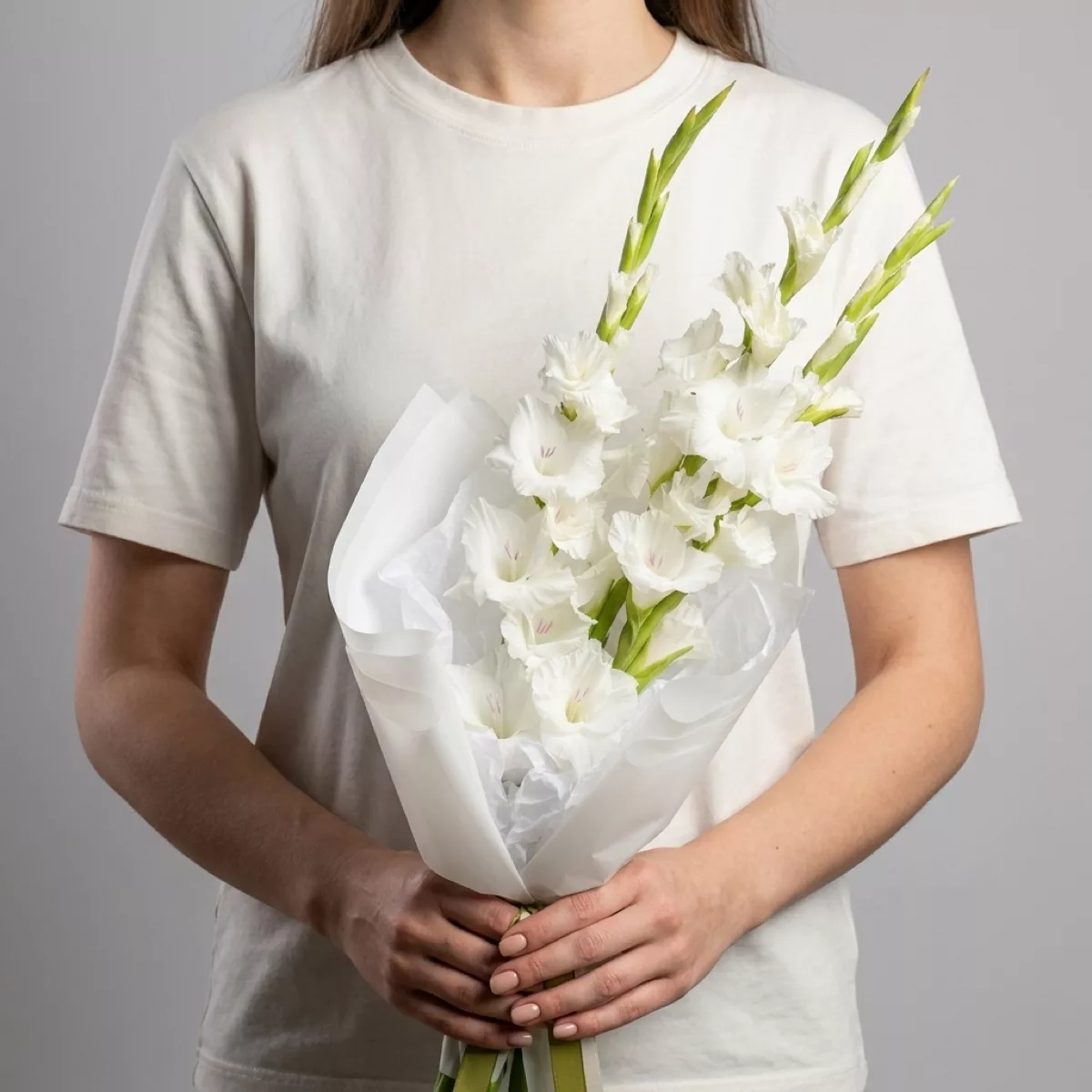
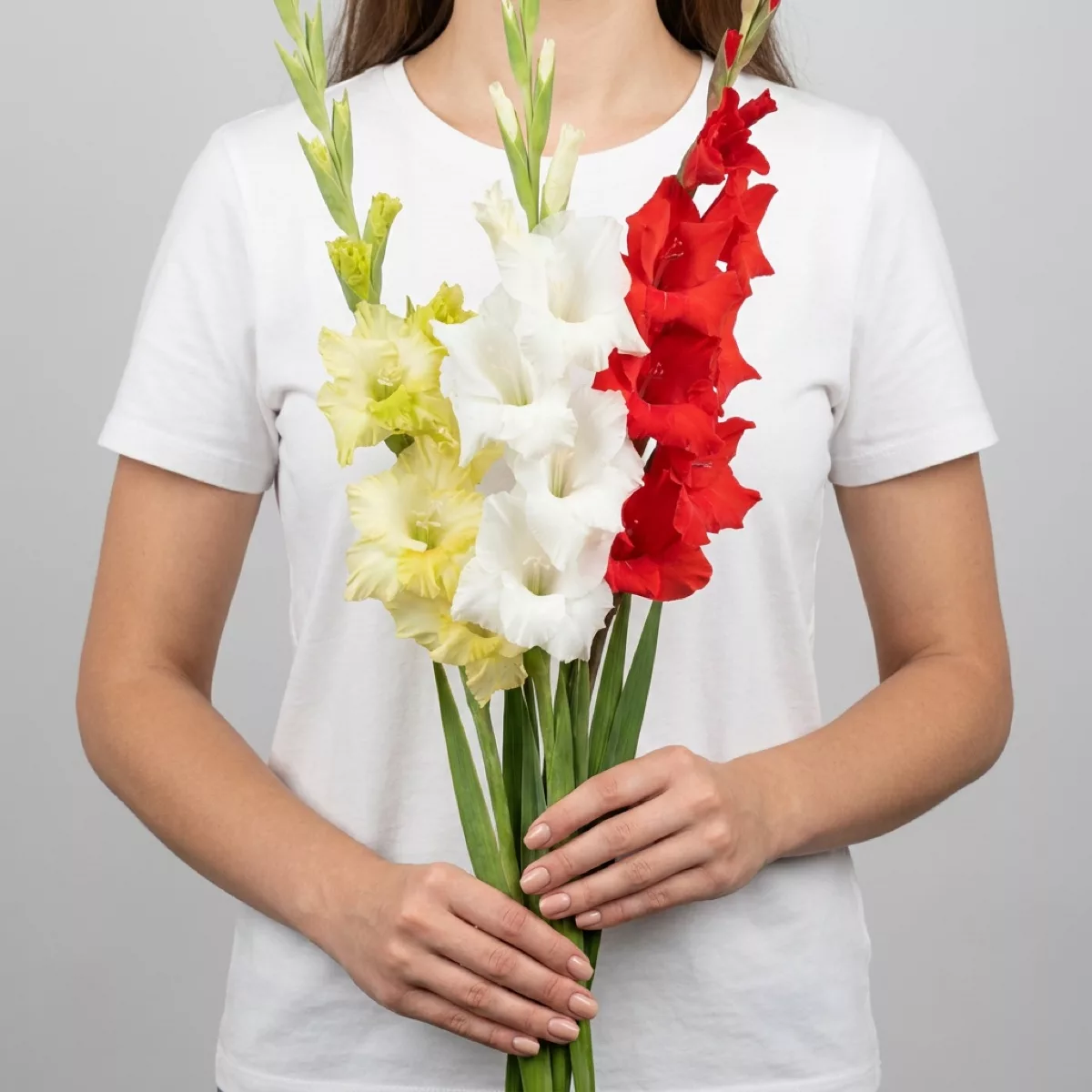
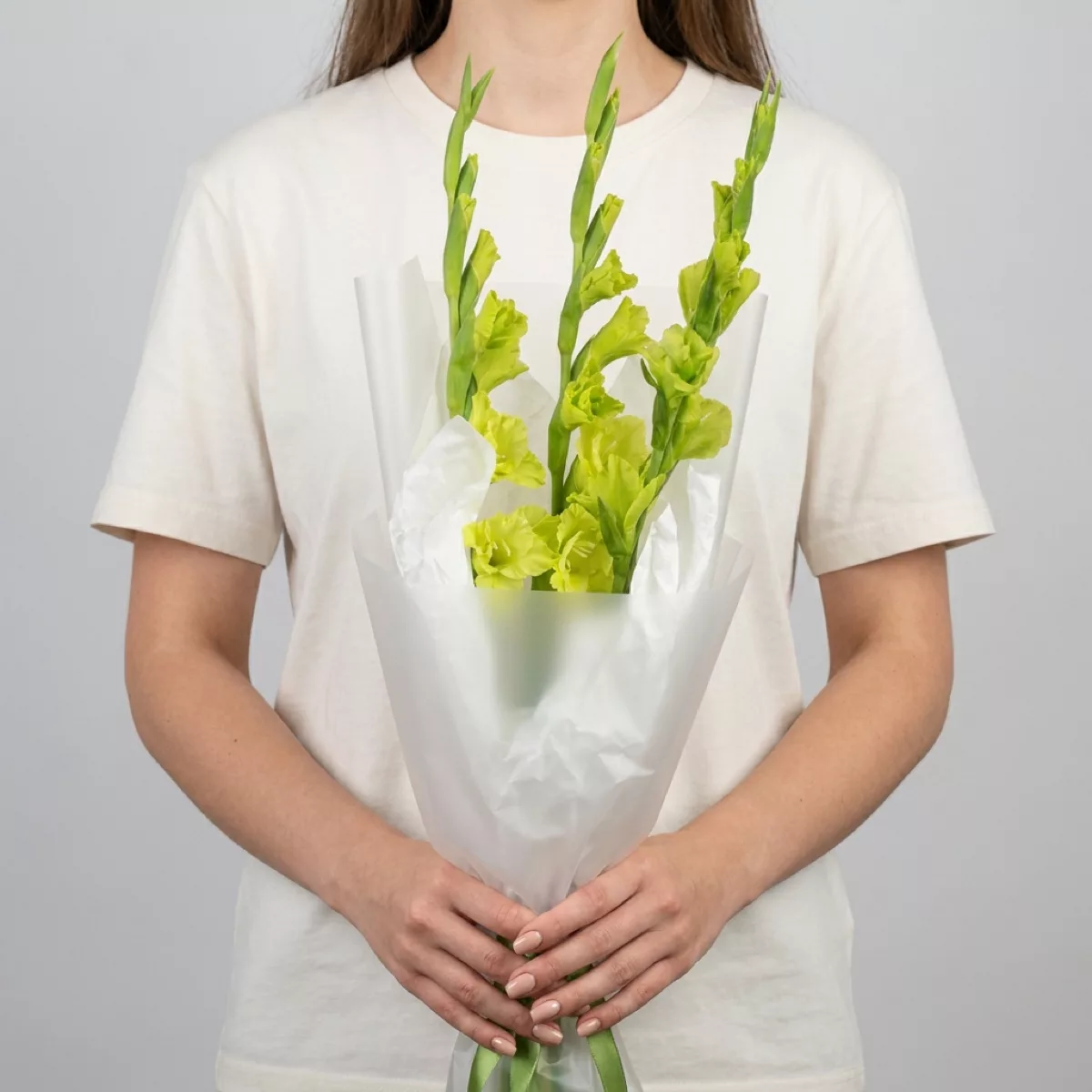
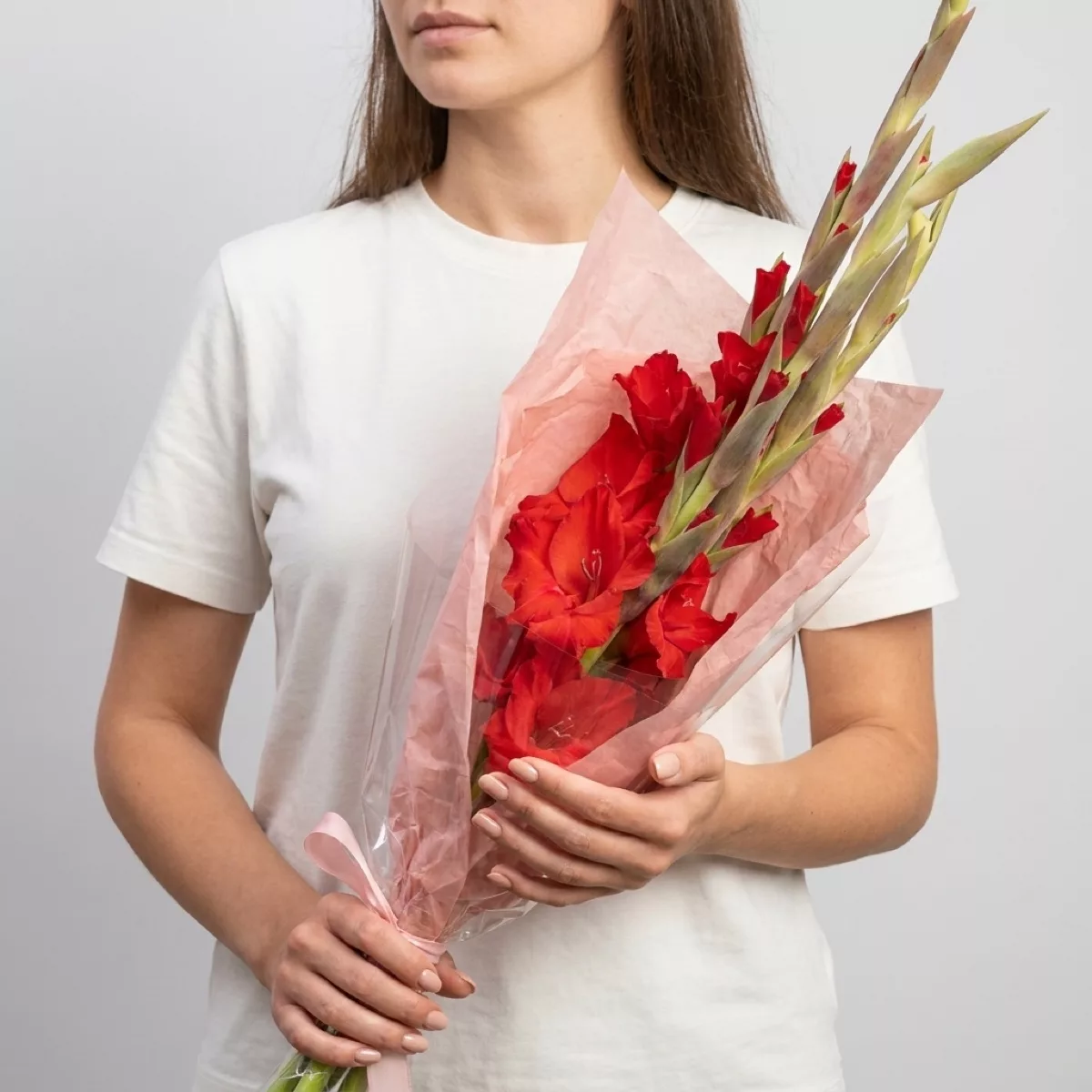
Choosing the Right Occasion Tone for a Russian Recipient
Russian gifting culture has its own rhythm, and understanding it helps you choose a bouquet that truly lands. Flowers are taken seriously here. They are not a casual afterthought — they signal that you thought about the person, that you made an effort. A bouquet that looks assembled in a hurry reads that way to a Russian recipient, even if they are too polite to say so. Fullness, colour harmony, and fresh greenery all communicate that someone cared.
For birthdays, the mood should be celebratory and generous. Roses in warm tones — coral, peach, deep red — work beautifully, especially when paired with alstroemeria for volume and texture. Peonies are beloved if they are in season, roughly May through July. For a female recipient, soft pastels read as elegant and personal. For a male recipient, bold single-variety bouquets or structured arrangements with tropical foliage feel more appropriate without being stiff.
For professional milestones — a promotion, a new role, a successful project — the presentation matters as much as the flowers. Clean lines, neutral wrapping, and a restrained colour palette signal respect rather than sentimentality. White or cream roses with eucalyptus branches are a reliable choice here. For romantic occasions, deep red roses remain the classic, but a mix of burgundy ranunculus, dusty miller, and spray roses creates something more layered and memorable. Always include a personal card message — in Russia, the written word inside a bouquet is read carefully and kept.
Seasonal Flowers That Actually Arrive in Good Condition
One of the most common mistakes senders from abroad make is choosing flowers based on what they see in a photo without thinking about what will survive the journey and the weather. Kirovgrad's climate is continental and harsh, and certain flowers simply do not travel well in extreme cold or heat. Knowing which varieties are robust helps you order with confidence.
Roses are the most reliable year-round choice. Garden varieties with tight, full heads — think Ecuador-grown or Kenyan long-stem roses — hold their shape and colour well across temperature fluctuations. Chrysanthemums are another excellent option in autumn and winter: they are hardy, long-lasting, and come in a wide range of forms from pompom to spider. Gerberas are cheerful and bright but need careful handling in cold, so they work better in spring and summer deliveries.
In spring, tulips from Dutch stock are a wonderful choice and have enormous cultural resonance in Russia — they signal the end of winter and are closely associated with Women's Day on the eighth of March, one of the biggest flower-giving days of the year. Sunflowers thrive in summer orders and photograph beautifully, which matters if your recipient will share the moment on social media. Avoid delicate open-headed flowers like garden anemones or sweet peas for winter delivery — they bruise easily and wilt fast in cold air. Hydrangeas are popular but need to be ordered only when temperatures allow for safe transport, ideally above minus five degrees at the point of delivery.
How to Time Your Order Across Time Zones Without Mistakes
Timing is where international senders most often go wrong, and it is entirely avoidable with a little preparation. The core principle is simple: think in Kirovgrad time, not your own. When you want flowers delivered at noon in Kirovgrad, that is four in the morning in Berlin, or seven in the evening the previous day in New York. Building this calculation into your planning prevents the most common error — placing an order in the morning your time and expecting same-day delivery when the recipient's day is already half over.
Turboflora delivers fresh flowers across Russia within one to two hours of order confirmation. This speed is real, but it depends on the order being placed during operating hours and the delivery address being reachable. For Kirovgrad, place your order with enough lead time to account for any clarification needed on the address or the recipient's availability. If you are sending a surprise, make sure someone at the delivery address will be home — a missed delivery in cold weather is genuinely problematic for the flowers.
For significant dates — birthdays, anniversaries, the eighth of March, the first of September, which is the first day of school and a major flower-giving occasion in Russia — order at least a day in advance. These dates see high demand, and early ordering guarantees both the variety you want and the delivery window you need. If you are in a time zone where placing the order in your evening aligns with Kirovgrad's morning, that is actually ideal: the order is ready to fulfil as the recipient's day begins.
Budgeting Thoughtfully When Paying in a Foreign Currency
Paying for flowers in Russia from abroad involves a currency conversion, and the experience varies depending on your bank and card. Most international cards are accepted through online payment systems, though some senders find it smoother to use a digital payment platform rather than a traditional bank card. If your first attempt does not go through, try a different payment method before assuming the order has failed — this is a common friction point, not a sign that something is wrong.
When thinking about budget, consider what the occasion deserves rather than defaulting to the smallest option. A modest bouquet of five or seven stems can feel underwhelming in a Russian context, where generosity in gifting is a cultural value. A fuller arrangement — fifteen to twenty stems with complementary greenery and a thoughtful colour story — reads as genuinely celebratory. The difference in cost is often smaller than you expect, and the difference in impact is significant.
For everyday appreciation — thanking a colleague, congratulating a friend on something small — a neat hand-tied bouquet of seasonal flowers in a single colour family is perfectly appropriate and does not need to be large. For landmark occasions like milestone birthdays, anniversaries, or the birth of a child, a larger, more elaborate arrangement signals the weight of the moment. Think of the bouquet as a physical representation of how much you care: the recipient will hold it, smell it, and put it in their home. That experience is worth investing in thoughtfully.
Getting the Address and Recipient Details Right
Addresses in Russia follow a format that differs from Western conventions, and getting this right is essential for a smooth delivery. A Russian address typically runs from largest to smallest: city, street, building number, apartment number. In Kirovgrad, many residents live in apartment blocks, so the building number and apartment number are both necessary. If you only have a street name and no apartment number, the delivery cannot be completed.
When you place your order, write the address in the format provided on the order form and double-check it with your recipient if the delivery is not a surprise. If it is a surprise, try to get the full address from a mutual contact or from a previous message where the recipient may have shared it. A building entrance code, if there is one, is also worth including — many Russian apartment buildings have a door code or an intercom system, and the delivery team will need this to reach the right floor.
The recipient's phone number is equally important. In Russia, the florist will typically call ahead to confirm the recipient is home or to coordinate a handoff time. If your recipient does not answer an unknown number — which is increasingly common — a text message in Russian will usually reach them. When you place your order, you can note any relevant context: that the recipient speaks only Russian, that they work shifts, or that they prefer a specific time window. These small details make the difference between a smooth delivery and a logistical problem that delays the flowers.
Caring for the Bouquet Once It Arrives: What to Tell Your Recipient
The bouquet arrives, your recipient is delighted — and then, if they do not know how to care for fresh flowers, the arrangement starts to fade within two days. A short message from you with care instructions is a thoughtful addition to any international flower order, and it dramatically extends how long the flowers stay beautiful.
Roses and chrysanthemums, the two most reliable varieties for Kirovgrad deliveries, both benefit from a clean diagonal cut at the stem base before being placed in water. The cut should be made with a sharp knife rather than scissors, which can crush the stem and reduce water uptake. Remove any leaves that would sit below the waterline — they rot quickly and cloud the water, which shortens vase life for all the flowers.
Change the water every two days and keep the vase away from direct sunlight, radiators, and fruit bowls. Fruit releases ethylene gas as it ripens, which accelerates wilting in cut flowers — this is not widely known outside the floral trade but makes a real difference. In Kirovgrad's heated winter interiors, where central heating can make rooms very dry, placing the vase in a slightly cooler room overnight helps the flowers last longer.
With proper care, roses typically last seven to ten days. Chrysanthemums can go two weeks. Tulips, which are much more sensitive to warmth, last four to six days but look spectacular while they do. Telling your recipient these simple facts turns a beautiful gift into one they can enjoy for as long as possible — and that reflects well on the thought you put into the whole gesture.
Sending flowers to Kirovgrad from abroad is genuinely doable, and when it goes well, the effect is powerful. Someone far from you opens their door to a fresh, carefully assembled bouquet, and the distance collapses for a moment. The key is in the preparation: know the time zone, choose varieties suited to the season and the weather, get the address exactly right, and let the occasion guide the size and tone of the arrangement. Turboflora handles the rest — from the florist's hands to your recipient's door, within one to two hours across Russia.
Frequently asked questions
Can I order flowers for Kirovgrad if I have never been to Russia and do not speak Russian?
Yes, entirely. The order process on turboflora.com works in a way that does not require Russian language knowledge. You provide the recipient's address, phone number, and your message — which can be in any language — and the florist team handles the local communication. If you want your card message translated into Russian, you can note that in the order comments.
What happens if my recipient is not home when the flowers arrive?
The delivery team will call or message the recipient to arrange a new time or leave the bouquet with a neighbour if the recipient agrees. In cold weather, flowers cannot be left unattended outdoors. This is why providing an accurate phone number and a realistic delivery window matters — it prevents the bouquet from being delayed or compromised by the temperature.
Which flowers should I avoid ordering for a winter delivery to Kirovgrad?
Avoid delicate open-faced flowers like anemones, sweet peas, and open garden roses in winter months. Hydrangeas are also risky below minus five degrees. Stick to roses with tight heads, chrysanthemums, carnations, or alstroemeria — all of these handle cold transport well and arrive looking fresh even when outdoor temperatures are severe.
Is the eighth of March really as important as people say for flower gifting in Russia?
It is one of the busiest flower days of the year, comparable to Valentine's Day in Western countries but celebrated more broadly — it is a national holiday. Nearly every woman in Russia expects flowers from family, colleagues, or a partner. If your recipient's birthday or anniversary falls near this date, order well in advance, as demand peaks sharply in the days surrounding the eighth.
How do I write a card message that will feel right to a Russian recipient?
Be warm and direct — Russian recipients appreciate sincerity over formality. A short, personal message that names the occasion and says something specific about the person lands better than a generic phrase. If you write in English, note in your order that you would like it included as written. Adding a transliterated Russian greeting like 'Pozdravlyayu' meaning congratulations can be a charming touch.
Ready to send flowers?
Pick the city, choose the bouquet, and a local florist takes it from there.
Choose a city →