Sending Flowers to Kirovsk from Abroad? Read This First
You are sitting in Berlin, Toronto or Dubai, thinking about someone in Kirovsk — a birthday, an anniversary, a moment you wish you could be there for in person. The distance feels large, but a fresh bouquet arriving at their door within hours can close it considerably. Sending flowers internationally sounds complicated, but once you understand a few practical details about Kirovsk specifically, the process becomes straightforward and the result genuinely moving for the person who receives it.
What Kirovsk Is Like and Why It Matters for Your Order
Kirovsk is a compact city in the Murmansk Oblast, sitting well above the Arctic Circle. That geographical fact shapes everything about how flowers behave there. Winters are long, dark and genuinely cold, with temperatures regularly dropping below minus twenty Celsius from November through March. Summers are short but surprisingly bright, with the midnight sun creating an unusual growing environment for local plants.
For you as a sender abroad, this means the season matters enormously when choosing varieties. A bouquet that travels beautifully in Moscow in May faces very different conditions in Kirovsk in January. Cold air at that intensity can damage petals during even a short transfer from a vehicle to a front door, so the florist's choice of hardy, cold-tolerant stems is not decorative preference — it is practical care for the recipient.
Kirovsk is also a city with strong community ties, built historically around the mining and chemical industries. People there appreciate sincerity over extravagance. A thoughtfully composed bouquet of good quality roses or a mixed seasonal arrangement tends to land better than an oversized, showy construction that feels disconnected from the place. When you order from abroad, keeping the local character of the city in mind helps you choose something that feels right rather than just expensive. Turboflora handles delivery directly across Russia, including Kirovsk, which means the bouquet is prepared and dispatched without unnecessary handoffs that could compromise freshness in the cold.
Bouquets we can deliver

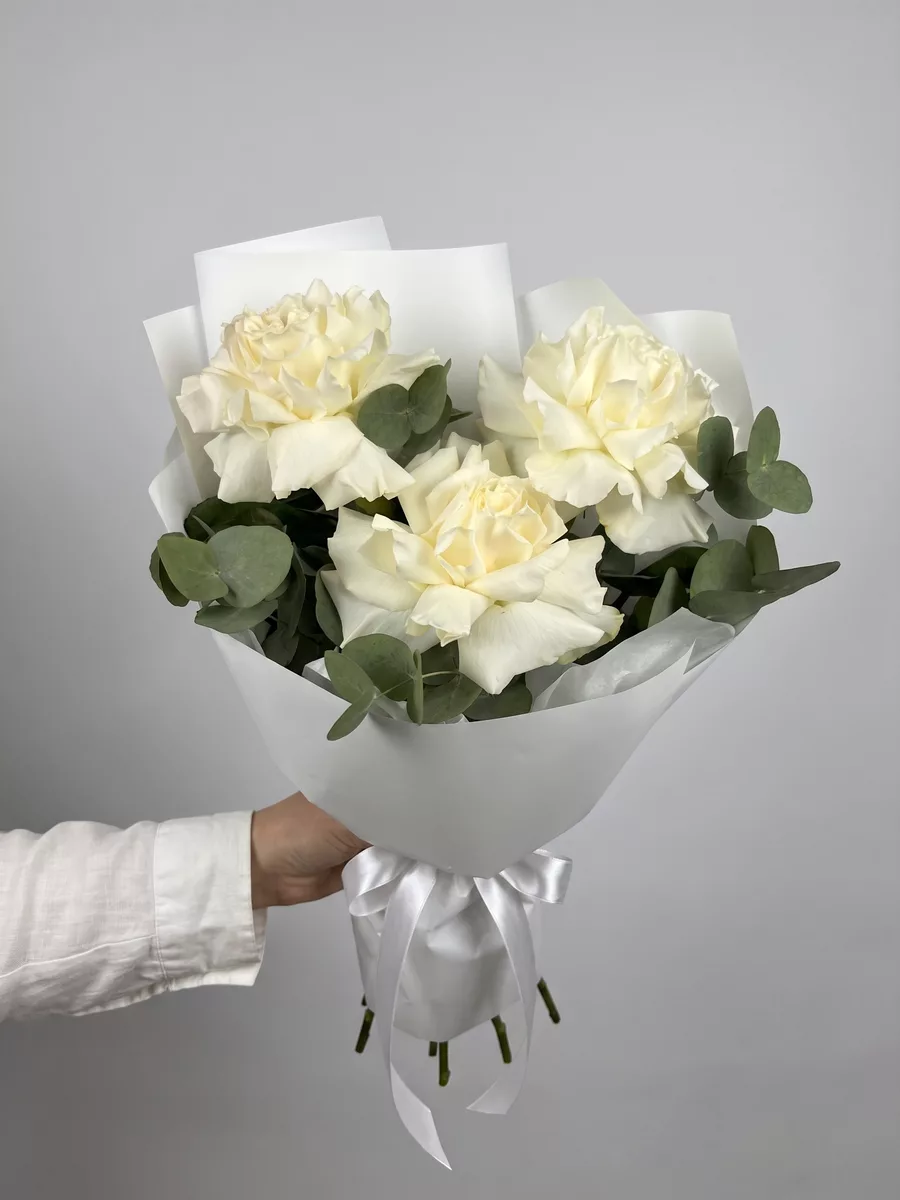
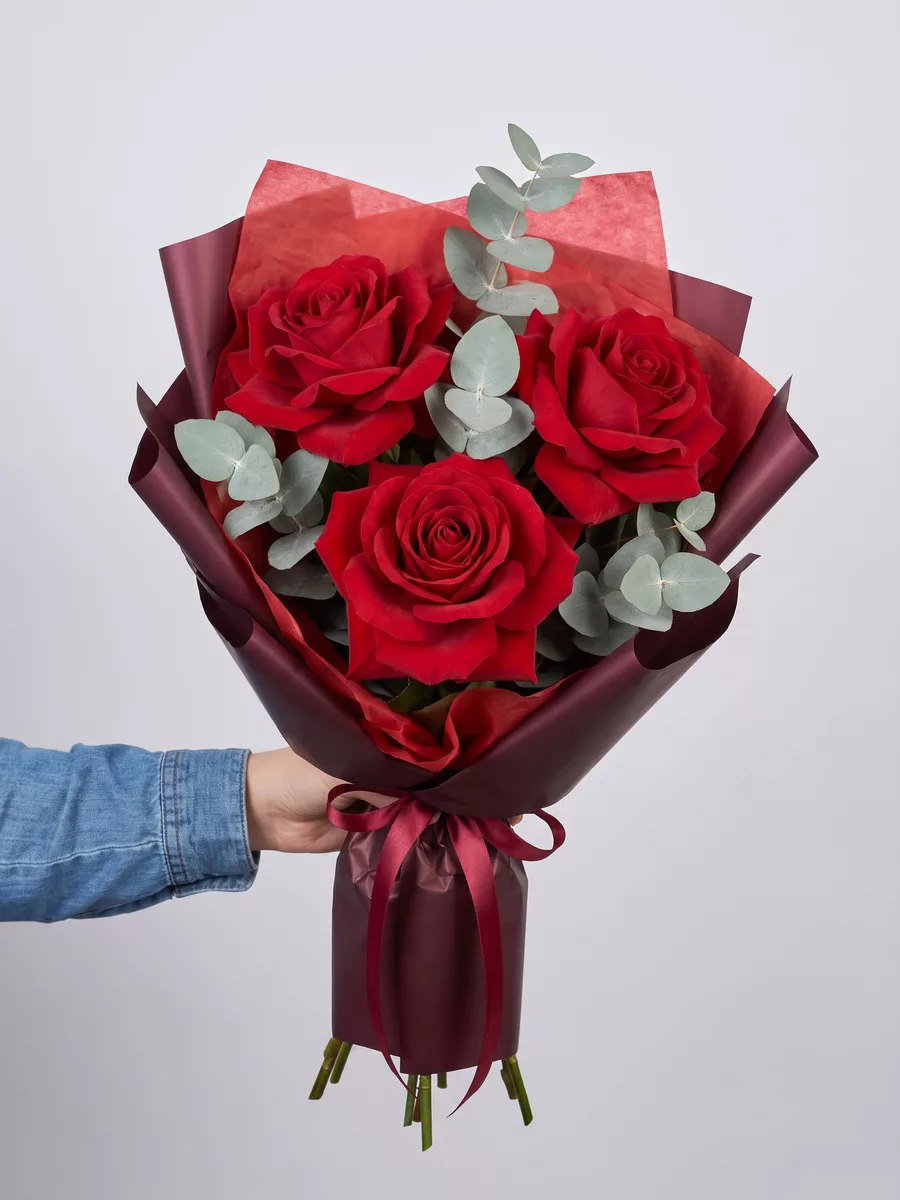
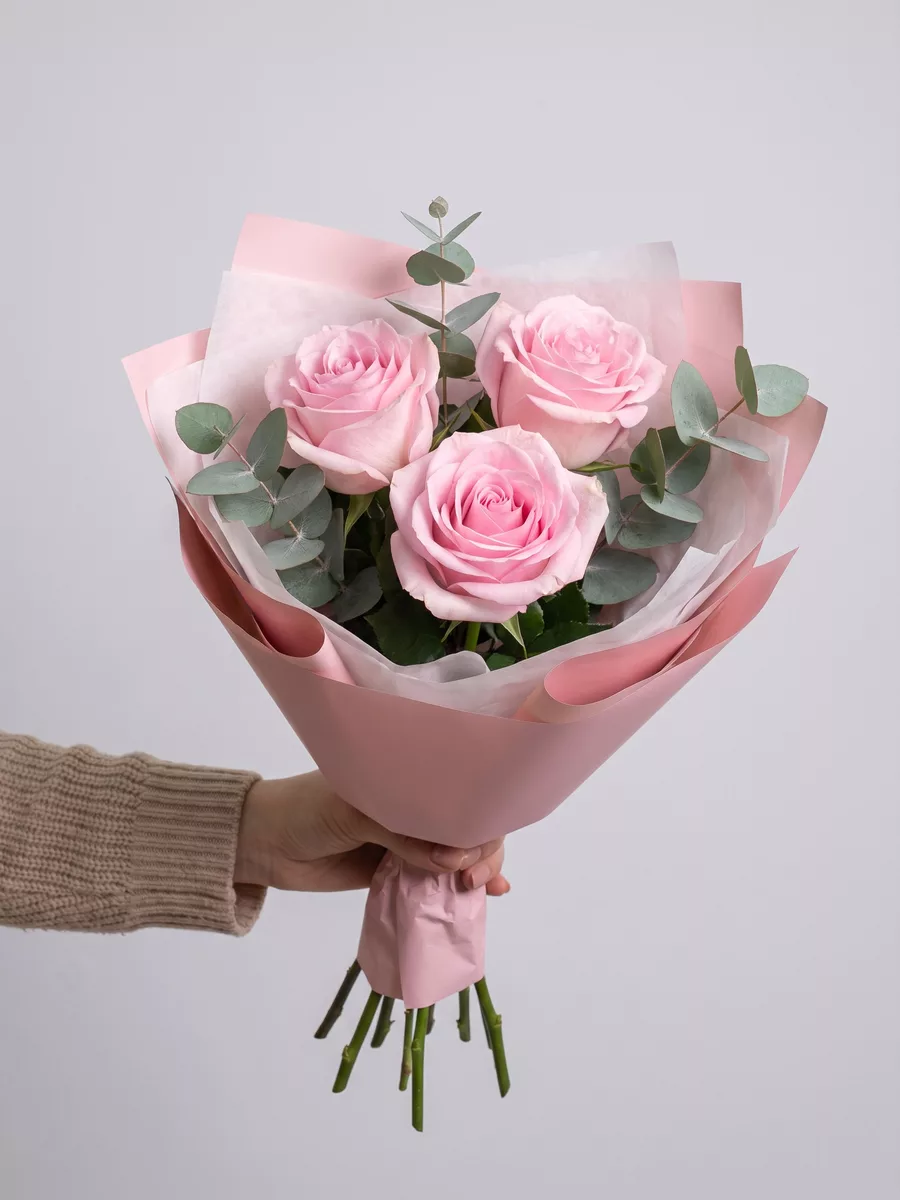
Timing Your Order Across Time Zones
Kirovsk operates on Moscow Time, which is UTC plus three hours. If you are calling or placing an order from London, you are two hours behind. From New York you are eight hours behind. From Tokyo you are six hours ahead. These gaps matter more than people expect, because the window for same-day delivery has a cutoff, and missing it by thirty minutes means the bouquet arrives the next morning instead of the evening you had in mind.
The safest approach from any international location is to order the evening before, your local time. This almost always lands the order in the Turboflora system during Russian business hours, giving the team time to source the freshest stems and prepare the arrangement without rushing. Rushed preparation is one of the most common reasons a bouquet looks slightly less than it should — petals not fully conditioned, stems cut at the wrong angle, water not refreshed.
For significant dates — birthdays, anniversaries, the eighth of March, which is a major flower-giving occasion in Russia — place the order two to three days in advance if you can. Demand on those dates is high across Russia, and early orders allow the florist to reserve specific varieties for you rather than substituting at the last moment. When you fill in the delivery time, think about the recipient's day: a morning delivery to someone who leaves for work at eight is a lovely surprise; the same delivery to someone who works night shifts is simply confusing. A brief note about the recipient's routine in the order comments goes a long way.
Choosing Flowers for Kirovsk's Climate and Seasons
In deep winter, the most reliable choices are roses, spray chrysanthemums, alstroemeria and carnations. These varieties have sturdy cell structure that resists cold shock better than more delicate blooms. Lisianthus and ranunculus are beautiful but genuinely fragile in sub-zero transit, so save them for the warmer months. Tulips, which are enormously popular in Russia for spring celebrations, travel well in March and April but can droop quickly if exposed to frost even briefly.
Summer in Kirovsk, roughly June through August, opens up more options. Peonies are a beloved Russian summer flower and their season is short, which makes them feel special. Sunflowers carry warmth and optimism that resonates particularly well in a city that spends months without sunlight. Garden-style arrangements with lisianthus, eustoma and mixed greenery work beautifully in summer and feel generous without being excessive.
Autumn is the season for dahlias, solidago and warm-toned roses in burnt orange, deep red and burgundy. These colours suit the mood of the season and photograph beautifully, which matters because the recipient will almost certainly send you a photo. Avoid white or pastel bouquets in autumn if the occasion is celebratory — the palette can read as subdued rather than festive in that context.
When in doubt about the season or the right variety, describe the occasion and the recipient's personality in the order notes. A florist who knows both pieces of information will make better decisions than a checklist of individual flowers selected without context.
Russian Flower-Giving Customs You Should Know
If you did not grow up in Russia, a few customs might surprise you. The most important one: always give an odd number of flowers. Even numbers of flowers are associated with mourning and funerals in Russian tradition, so a bouquet of ten roses or twelve tulips would carry an unintended message. Reputable florists building bouquets for celebration automatically follow this rule, but it is worth knowing so you understand why your order of ten becomes eleven.
The eighth of March, International Women's Day, is the single largest flower-giving occasion in Russia — larger than Valentine's Day in terms of volume and cultural weight. Nearly every woman receives flowers on this date, from colleagues, family members and partners alike. If you are sending to a woman in Kirovsk on or around this date, order well in advance and expect that yellow mimosa, tulips and roses are the classic choices. Mimosa in particular is almost synonymous with the holiday.
Birthdays are celebrated on the day itself, not the day before, and flowers are expected to arrive on the actual birthday. In Russian culture, celebrating early is considered bad luck, so if you are tempted to send the day before to be safe, resist that instinct — the recipient may find it awkward.
Gift wrapping matters. Russians appreciate beautifully presented bouquets, and the wrapping is considered part of the gift. Kraft paper, satin ribbon and a small card with a handwritten-style message are all well-received. When you place your order, include a personal message — even a short one — because the card is often kept long after the flowers have faded.
Writing a Message That Means Something
The card is the part of the bouquet that lasts. Flowers fade within a week or two; a written message can be kept for years. Senders from abroad sometimes underestimate this and leave the message field blank or write something generic. The florist can write a standard greeting, but it will never carry the weight of your own words, even imperfect ones.
If you are writing in English and the recipient reads Russian, consider writing in both languages. A short sentence in Russian — even phonetically approximated — followed by the rest in English shows effort and is almost always received with warmth. Common transliteration tools online can help you write something simple like a birthday wish or a declaration of affection without needing to know Cyrillic.
Keep the message personal and specific. Instead of writing happy birthday, write something that only you could write — a shared memory, an inside reference, a reason you are thinking of them today. The florist delivering the bouquet will read the card aloud if asked, and a specific message makes that moment more meaningful.
For professional occasions — congratulating a colleague on a promotion, thanking a business partner — keep the tone warm but measured. A single sentence of genuine congratulation with your name and location is enough. Overlong messages on professional bouquets can feel slightly overwhelming in a Russian business context, where restraint is often read as sophistication.
If you are celebrating something the recipient has worked hard for — a graduation, a professional achievement, a new home — name the achievement directly in the message. Recognition is the point of the bouquet, and naming it specifically makes the recognition real.
Payment and Ordering from Outside Russia
Paying for a flower delivery from abroad to Russia requires a little preparation, but it is manageable. International bank cards, particularly Visa and Mastercard, have had varying acceptance in Russia since 2022 due to sanctions-related restrictions. The most reliable payment methods for international senders are currently those that route through systems still operating across borders — PayPal availability is limited, so check current options on the Turboflora website at the time of ordering.
Some senders find it easiest to ask a trusted contact in Russia to place the order on their behalf using a local payment method, then reimburse them directly. This workaround is common and completely practical. The order goes through smoothly, the delivery details are confirmed in Russian if needed, and the sender abroad simply coordinates the message and timing.
When filling in the delivery address, be precise. Kirovsk addresses follow the standard Russian format: street name, building number, apartment number, and the city name followed by the postal code. If the recipient lives in a building with a security intercom or a coded entrance, include those details in the order notes — a florist arriving without the door code in a Russian apartment building in winter will have a difficult time completing the delivery.
Include the recipient's phone number in Russian format, starting with plus seven. The delivery team may need to call ahead, particularly in winter when conditions change quickly. A recipient who is unreachable and not at home means a beautiful bouquet sitting in a cold vehicle, which benefits no one. Confirm with the recipient that they will be available, or choose a delivery window when you know they are home.
Helping the Bouquet Last Once It Arrives
A bouquet that arrives in Kirovsk in January has already been through a cold journey. The recipient may not know that the first thirty minutes after arrival are important for the flowers' longevity. Sharing a few simple care instructions with them — either in the card or in a message you send separately — is a kind and practical gesture.
The stems should be cut at an angle, about two centimetres from the bottom, immediately before placing them in water. Diagonal cuts increase the surface area for water uptake significantly. The vase should be clean and filled with cool, fresh water — not ice cold, not warm. In a heated Russian apartment in winter, flowers dry out faster than most people expect, so the water level should be checked daily and topped up.
Remove any leaves that would sit below the waterline. Submerged foliage rots quickly and clouds the water, which shortens the life of the whole bouquet. Roses and chrysanthemums are particularly sensitive to bacterial buildup in the vase. A small sachet of flower food is often included with the bouquet — if it is, the recipient should use it rather than setting it aside.
Keep the bouquet away from direct heat sources, radiators and south-facing windows in bright sun. In Kirovsk's winter, windowsills are actually quite cold, which can work in the flowers' favour if the apartment is well-heated. A spot on a table away from the radiator, in moderate light, is ideal. With proper care, roses last seven to ten days, alstroemeria up to two weeks, and chrysanthemums often longer. Sharing this information turns a beautiful gift into a lasting one.
Sending flowers to Kirovsk from another country is a gesture that carries real weight — the distance makes it more meaningful, not less. When you account for the time zone, the Arctic climate, the local customs around odd numbers and special dates, and the importance of a personal message on the card, the bouquet that arrives is not just flowers. It is evidence that you thought carefully about the person, the place and the moment. Turboflora delivers directly across Russia, including Kirovsk, within one to two hours, so the logistics are handled. The part that only you can do is choosing what to say and making sure someone who matters to you knows that you are thinking of them.
Frequently asked questions
How does the Arctic climate in Kirovsk affect which flowers I should order from abroad?
Kirovsk winters regularly fall below minus twenty Celsius, which means stems like roses and chrysanthemums handle the brief outdoor exposure better than delicate tropical varieties. Your florist should pack the bouquet for cold transfer. In summer the conditions ease considerably, opening up a wider seasonal range. Always mention the delivery month when ordering so the arrangement is built accordingly.
I am sending flowers from a very different time zone — how do I make sure the bouquet arrives at a good moment for the recipient?
Kirovsk runs on Moscow Time, UTC plus three. If you are in New York you are eight hours behind, Toronto the same, Berlin two hours behind, Dubai one hour ahead. Place your order with that gap in mind and specify a delivery window in local Kirovsk time. Morning or early afternoon arrivals tend to suit working households better than late evening.
Does the tight community character of Kirovsk change what kind of bouquet I should choose?
It does. Kirovsk has strong working roots and people there respond to sincerity rather than spectacle. A well-composed bouquet of quality roses or a thoughtful seasonal mix reads as genuine. An oversized, elaborate construction can feel mismatched with the local character. Choosing something considered and proportionate tends to make a stronger impression than simply ordering the largest option available.
What occasions do people in Kirovsk typically mark with flowers sent from family abroad?
Birthdays and anniversaries are the most common, but flowers also arrive for graduations, new arrivals in the family, professional milestones and moments of comfort after illness or loss. If you are marking something specific, mention it when ordering so the florist can adjust colour and composition accordingly — warm tones for celebration, softer palettes for sympathy or recovery.
How quickly can Turboflora realistically deliver to a Kirovsk address once I place an order from outside Russia?
Turboflora works to a one to two hour delivery window within Kirovsk after an order is confirmed. The practical variable for international senders is placing the order during Kirovsk business hours. If you account for the time zone difference and order while the local team is active, a same-day arrival is achievable for most addresses in the city.
Ready to send flowers?
Pick the city, choose the bouquet, and a local florist takes it from there.
Choose a city →