How to Send Flowers to Kizel from Outside Russia the Right Way
Kizel sits in the western foothills of the Ural Mountains, a small city with cold winters, warm summers and people who genuinely appreciate a bouquet that arrives looking alive and cared for. When you are ordering from London, Berlin, Toronto or anywhere else outside Russia, the distance feels enormous — but the gesture lands exactly the same way it does anywhere: it tells someone they were remembered. This article walks you through everything that actually matters when you place that order from abroad, from choosing the right flowers for the season to understanding what your recipient will expect when the courier knocks on the door.
Why Kizel Is Different from Ordering to a Big Russian City
Most international senders think of Moscow or Saint Petersburg when they picture flower delivery in Russia. Kizel is a different kind of city — smaller, quieter, set against a landscape of forests and old industrial heritage in the Perm Krai region. That context matters when you are choosing a bouquet, because the occasion and the recipient's surroundings shape what feels right.
In a smaller city, flowers are a more visible gesture. A neighbour will notice the delivery van, a colleague will see the bouquet on the desk. This is not a reason to scale back — it is a reason to make the arrangement genuinely beautiful rather than merely adequate. People in Kizel respond warmly to classic, generous compositions: full-headed roses, lush seasonal greenery, dahlias in autumn, tulips in spring.
The city's climate is also worth keeping in mind. Winters are long and genuinely cold, often dropping below minus fifteen Celsius for weeks at a time. Summers are short but bright. Flowers travel in temperature-controlled conditions, but you should still think about what your recipient will carry from the door to the vase — a delicate arrangement in January needs to be wrapped properly and collected quickly. Turboflora accounts for this in how orders are packed for Kizel deliveries, but knowing the context helps you make smarter choices about timing and flower type.
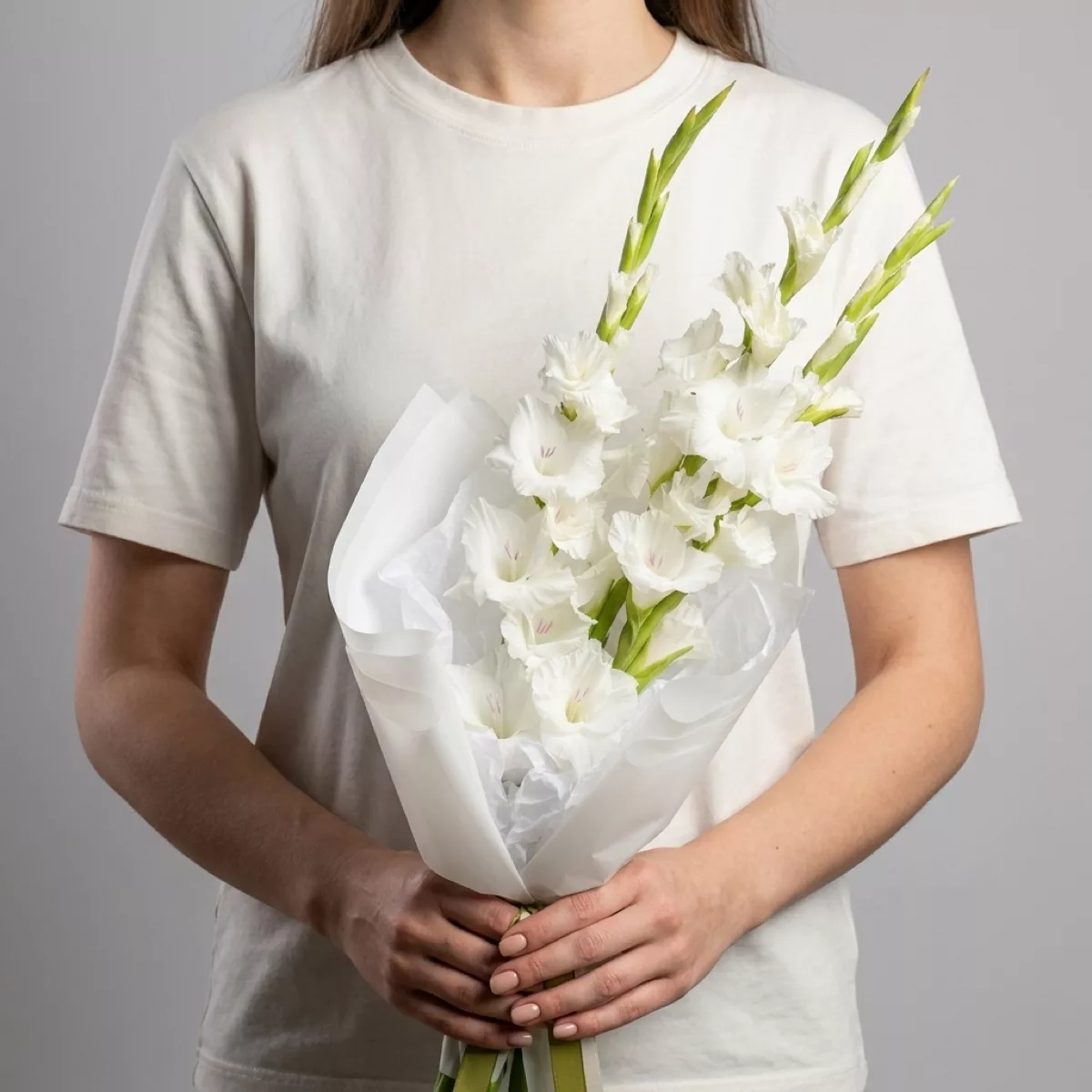
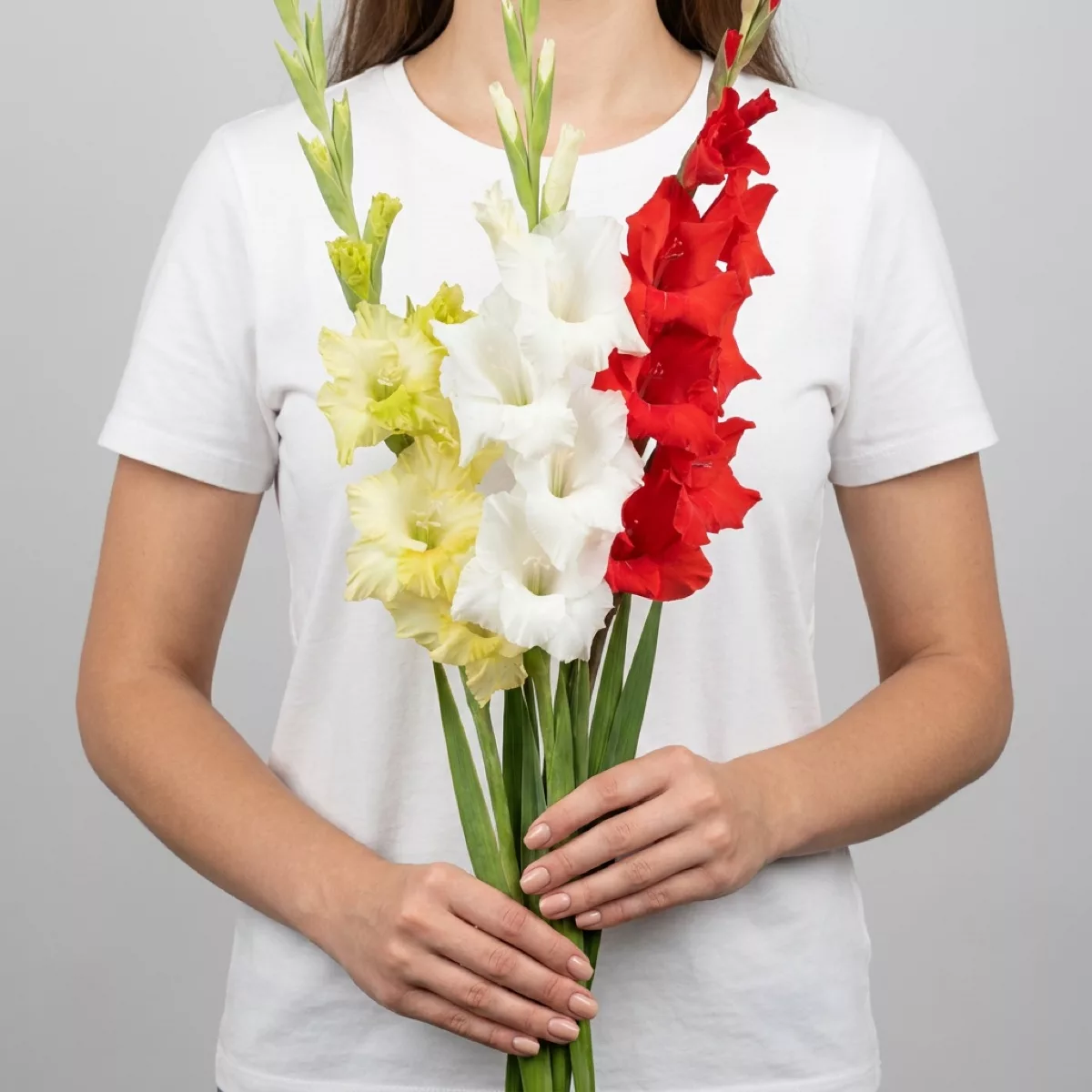
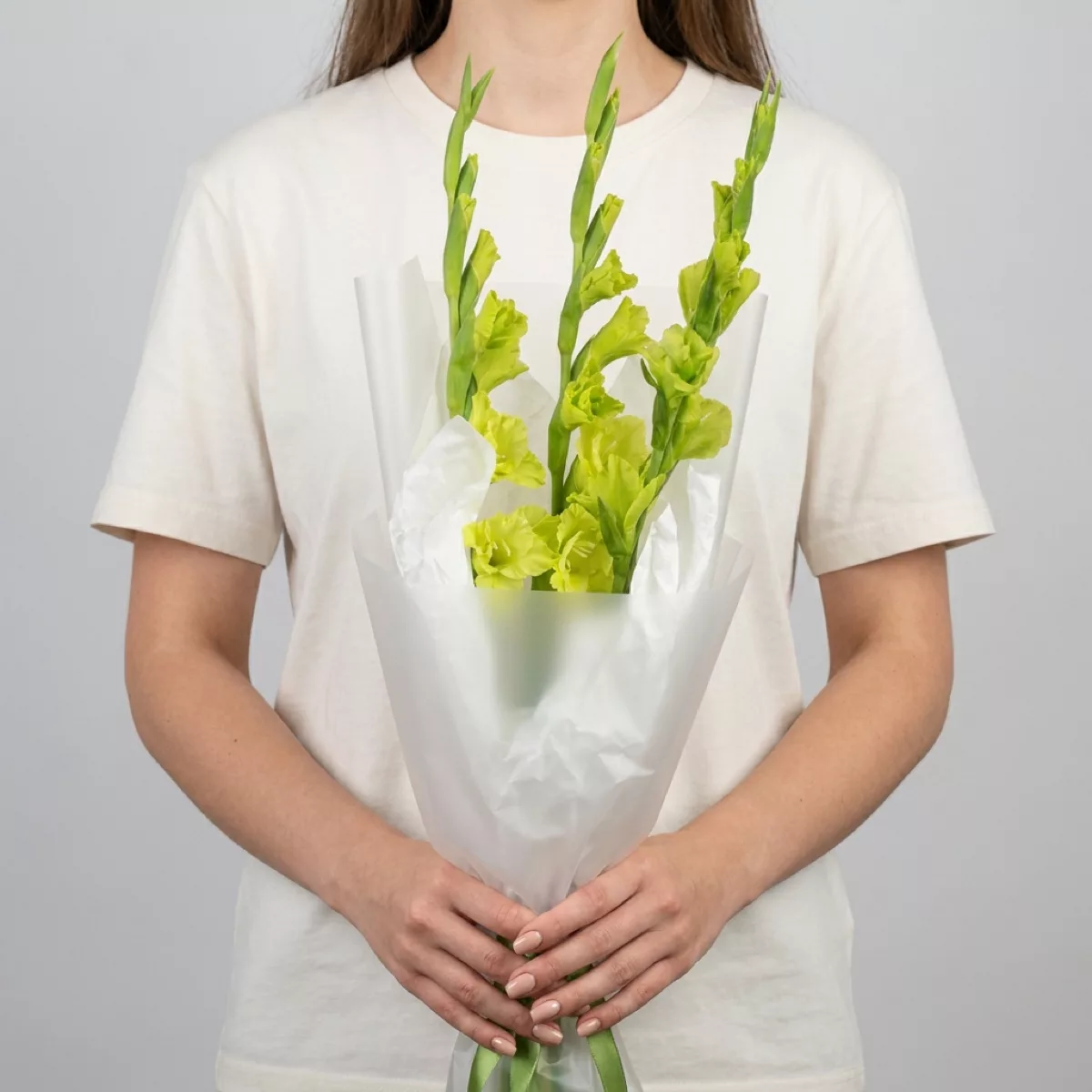
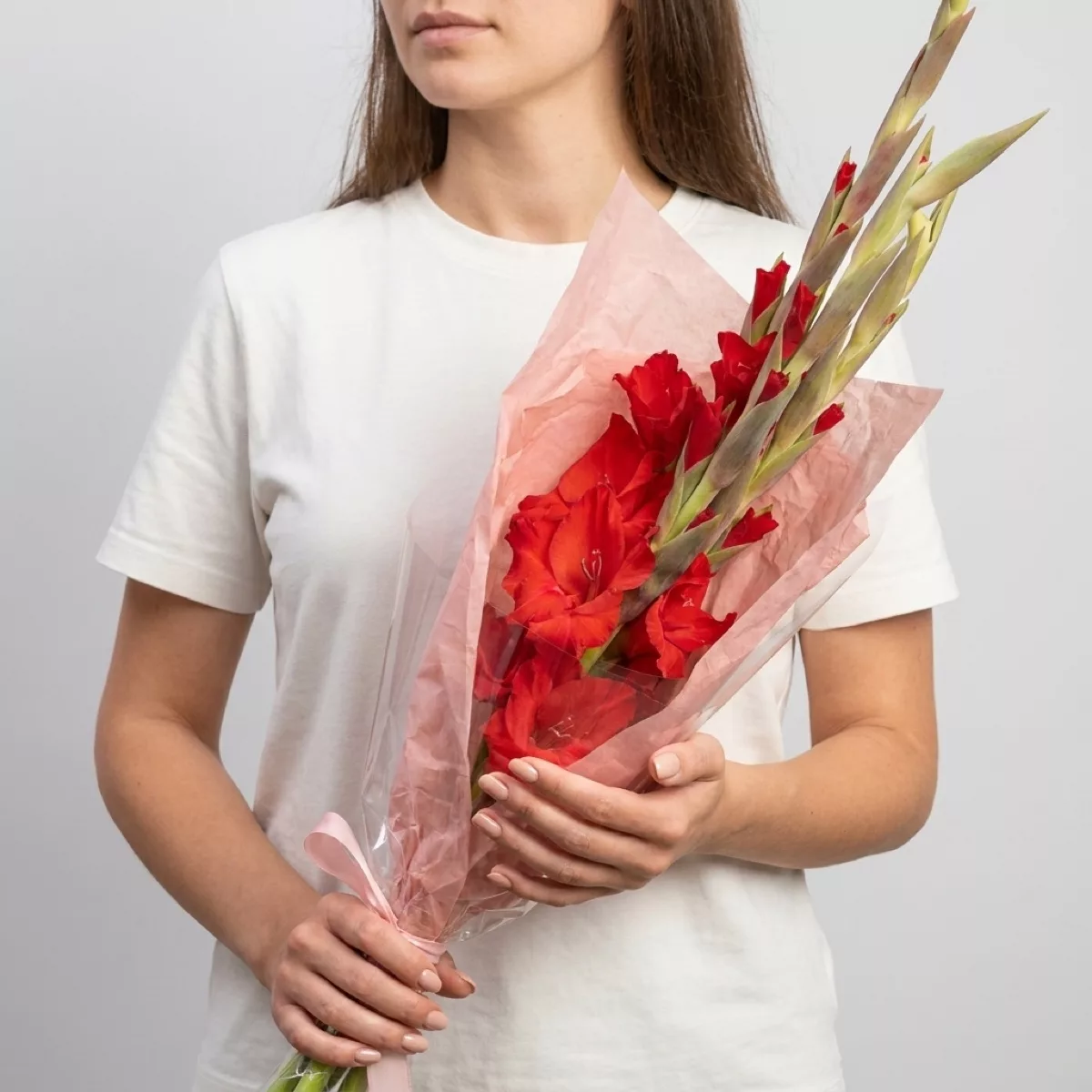
Bouquets we can deliver
Timing Your Order Across Time Zones
This is the step where most international senders make their first mistake. Kizel operates on Yekaterinburg Time, which is UTC plus five. If you are in Western Europe, that is a four- or five-hour difference depending on the season. From the east coast of North America, you are looking at eight to ten hours ahead. From Australia, the gap can be thirteen or fourteen hours.
What this means in practice: if you want flowers delivered on a specific date — a birthday morning, an anniversary evening — you need to place your order with enough lead time for the difference to be absorbed. Placing an order at nine in the evening London time on a Tuesday means it is already two in the morning Wednesday in Kizel. The date has changed.
Turboflora delivers within one to two hours of order confirmation, which is fast. But that speed only helps you if the order is placed during delivery hours and the date calculation is correct. A safe rule: place your order at least a day before the intended delivery date when ordering from a different continent, and double-check the Kizel date at the moment you click confirm.
Also consider the occasion window. A birthday bouquet delivered at eight in the morning feels celebratory. The same bouquet arriving at nine in the evening, after dinner, loses some of its impact. Think about when your recipient is likely to be home and what moment you want to create — then work backward through the time zones to find your order window.
Choosing Flowers for the Kizel Climate and the Season
Kizel has a continental climate with pronounced seasons, and that directly affects which flowers travel best and look most appropriate when they arrive. Choosing a flower that is wildly out of season does not ruin a bouquet, but choosing one that suits the moment makes it feel intentional and warm rather than generic.
In winter, from November through March, lean toward flowers with strong stems and dense petals: spray roses, alstroemeria, chrysanthemums and standard roses in deep reds, burgundies and whites. These varieties hold their shape even after a brief exposure to cold air between the courier and the front door. Delicate open blooms like anemones or ranunculus are beautiful but need extra care in transit during frost months.
Spring in Kizel arrives later than in southern Russia, usually properly from late April. Tulips are the defining flower of the Russian spring and they are deeply associated with celebration here — International Women's Day on the eighth of March is the single biggest flower occasion in the country, and tulips dominate. If you are sending around that date, order early because demand is exceptional.
Summer brings peonies, which Russians adore, along with sunflowers, lisianthus and garden-style mixed bouquets that feel generous and abundant. Autumn is the season for dahlias, hypericum berries, orange and rust-toned compositions that match the Ural landscape perfectly. Matching the season makes your bouquet feel chosen rather than ordered.
Understanding Russian Flower Customs Before You Order
If you have not sent flowers to Russia before, a few customs are worth knowing so your order feels right rather than awkward on arrival. None of them are complicated, but they matter to your recipient even if they would never explain them to you.
The most important one: always send an odd number of flowers. Even numbers of flowers are associated with mourning in Russian tradition and are brought to graves. A bouquet of twelve roses, however beautiful, will register as wrong to most Russian recipients. Thirteen, fifteen, seven, nine — odd numbers are celebratory. When you order and specify a quantity, keep this in mind, and if you are ordering a mixed bouquet rather than a specific count, trust the florist to handle it correctly.
Second: Russians tend to appreciate full, generous bouquets over minimal arrangements. A single stem is a Western aesthetic that does not carry the same warmth here. Three or five stems can work for a very close, intimate gesture, but for birthdays, anniversaries or celebrations, a fuller arrangement reads as more sincere.
Third: the wrapping matters. Russian bouquet presentation typically involves substantial wrapping — kraft paper, tissue, ribbon — and recipients often display the wrapped bouquet before unwrapping it, almost like a gift. A beautifully presented bouquet signals effort and care from the very first look. When you add a note to your order, keep it warm and personal — Russian recipients read the card carefully and it becomes part of the memory of the occasion.
What to Write on the Card When You Are Far Away
The card is the part of the delivery that stays longest. The flowers last a week or two; the message can be kept, photographed and remembered for years. When you are sending from abroad, the card is also doing extra emotional work — it is bridging the distance in words.
Write in whichever language feels most natural between you and your recipient. If your relationship is in English, write in English. If you usually speak Russian together, write in Russian. Do not feel obligated to translate your message into Russian for the sake of it — authenticity matters more than formality.
Be specific rather than generic. Instead of writing happy birthday and your name, say something that only you could write: a shared memory, a reference to something you both know, an honest line about what this person means to you. A florist in Saint Petersburg once said that the best card messages are the ones that make the recipient laugh or cry within the first sentence — everything else is just filler.
Keep it reasonably short. A card is not a letter. Three to five sentences is the right length — enough to feel personal, short enough to read in one breath. If you have more to say, follow up with an actual message after the delivery. The card's job is to make the moment of opening the door feel complete and warm, not to carry your entire relationship in a few lines. Let the flowers do the visual work and the card do the emotional punctuation.
How to Give Your Recipient's Address Correctly
Address formatting is where international orders most commonly run into problems, and Kizel is no exception. Russian addresses follow a different structure from addresses in Western Europe or North America, and a small error can mean a significant delay or a failed delivery.
The correct order for a Russian address runs from largest to smallest: country, region, city, street, building number, apartment number. For Kizel, the region is Perm Krai. A typical address looks like this: Perm Krai, Kizel, ulitsa Lenina, dom 14, kvartira 7. The words ulitsa (street), dom (building) and kvartira (apartment) are standard and should be included.
If your recipient lives in a building with a door code or an intercom system, include that information in the delivery notes. Many apartment blocks in Russian cities have entry codes that change periodically, and a courier who cannot get through the main door will have to call ahead, which adds time and disrupts the surprise if you intended one.
Also confirm whether your recipient will actually be home during the delivery window. Kizel is not a city where people typically have doormen or building staff who accept deliveries on their behalf. If the recipient is at work, consider delivering to their workplace instead — just make sure you have the correct address for that too, and that they will not find it awkward to receive flowers in their professional setting. Most people in Russia are delighted by a workplace delivery; it is considered a public celebration of them.
Caring for the Bouquet After Delivery: What to Tell Your Recipient
You will not be there when the bouquet arrives, but you can still give your recipient the best chance of enjoying it for as long as possible. A quick message after the delivery — telling them a few care basics — is a thoughtful follow-up that extends the life of your gift by days.
The first step after unwrapping is always a fresh cut. Stems should be trimmed at an angle under running water or while submerged, removing about two centimetres from the bottom. This opens up the stem's water channels, which get sealed by air within minutes of the original cut. A sharp knife is better than scissors, which can crush the stem tissue.
Water temperature matters more than most people realise. For most cut flowers — roses, alstroemeria, lisianthus, chrysanthemums — room temperature water works well. Tulips and hyacinths prefer cool water. Change the water every two days and rinse the vase when you do, because bacteria build up quickly and shorten vase life significantly.
Keep the bouquet away from direct sunlight, radiators and fruit bowls. Ethylene gas released by ripening fruit accelerates flower ageing noticeably — a bowl of apples on the kitchen table can shorten a rose's vase life by two or three days. In Kizel's heated winter interiors, where central heating runs high, placing the vase in a cooler spot at night — even near a window — can add meaningful longevity to the arrangement. Most roses and mixed seasonal bouquets will last seven to ten days with these basic steps observed consistently.
Sending flowers to Kizel from the other side of the world is less complicated than it sounds once you understand the time zone arithmetic, the seasonal logic and the small cultural details that make a bouquet feel right rather than just received. The distance is real, but the warmth of the gesture travels perfectly — and in a city like Kizel, where a beautiful bouquet is still a genuinely special arrival, your effort will be noticed and remembered. Get the timing right, choose flowers that suit the season and the person, write something honest on the card, and let Turboflora handle the rest.
Frequently asked questions
Can I order flowers for Kizel delivery if I do not speak Russian?
Yes, entirely. The Turboflora website and ordering process are accessible to international customers, and you can write your card message in any language your recipient understands. You do not need to translate anything into Russian to place a successful order or to make the delivery feel personal and warm to the person receiving it.
What happens if my recipient is not home when the flowers arrive?
The courier will contact your recipient by phone before arriving, so it is important to provide an accurate local Russian phone number with the order. If the recipient cannot be reached or is unavailable, the delivery will be rescheduled. Including a backup contact or specifying a preferred delivery window significantly reduces the chance of a missed delivery.
Are there flowers I should avoid sending to Russia as a general rule?
Even numbers of flowers should always be avoided, as they are associated with mourning in Russian tradition. Beyond that, there are no flowers that are considered offensive or inappropriate for celebration. Focus instead on seasonal availability and what suits your recipient's personality — the variety matters far less than the thought behind the choice.
How far in advance should I order for a specific date in Kizel?
For most occasions, placing your order twenty-four hours before the intended delivery date gives a comfortable buffer when ordering across significant time zones. For major Russian flower occasions like International Women's Day on March eighth, order several days ahead — demand is extremely high and specific varieties can become unavailable quickly as the date approaches.
What is the vase life I should realistically expect for a bouquet delivered to Kizel?
A well-chosen seasonal bouquet, properly cared for, typically lasts seven to ten days. Roses, alstroemeria and chrysanthemums are among the longest-lasting cut flowers. Delicate varieties like sweet peas or open peonies are shorter-lived but more dramatic. Advising your recipient to change the water every two days and keep the bouquet away from heat sources will extend vase life noticeably.
Ready to send flowers?
Pick the city, choose the bouquet, and a local florist takes it from there.
Choose a city →