Sending Flowers to Kokhma from Abroad? Here Is Everything That Matters
You are somewhere far from Russia — maybe in Berlin, Dubai, or Toronto — and someone you love is in Kokhma, a quiet city in the Ivanovo region, waiting for a reason to smile. Distance makes the gesture harder to plan but far more meaningful when it lands right. This article walks you through exactly what an international sender needs to think about: timing across time zones, what Russian recipients actually appreciate, which flowers survive the journey from our Saint Petersburg hub to their door, and how to make the whole thing feel warm rather than transactional.
Understanding Kokhma: A Small City With Real Expectations
Kokhma sits just outside Ivanovo, a city historically known as the textile capital of Russia. It is a compact, working city where people tend to know their neighbors and where a flower delivery is noticed and remembered. Your recipient is unlikely to be blasé about receiving a bouquet — this kind of gesture carries genuine weight here, more than it might in a large metropolitan center.
That matters because it raises the stakes slightly. A wilted arrangement or a generic mix of carnations in cellophane will feel like an afterthought. A thoughtfully composed bouquet of roses, lisianthus, and eucalyptus, arriving fresh and on time, will be talked about. People in smaller Russian cities often photograph their flowers and share them with family, which means presentation matters as much as the blooms themselves.
Kokhma is reachable from Saint Petersburg via our express delivery network, with a transit window that we factor into every order. When you place an order from abroad, you are not guessing — you are working with a system built to handle exactly this kind of distance. The city is not a remote destination; it is simply one that requires a sender to plan a few hours ahead and communicate clearly about the recipient's schedule and address format, which we will cover shortly.
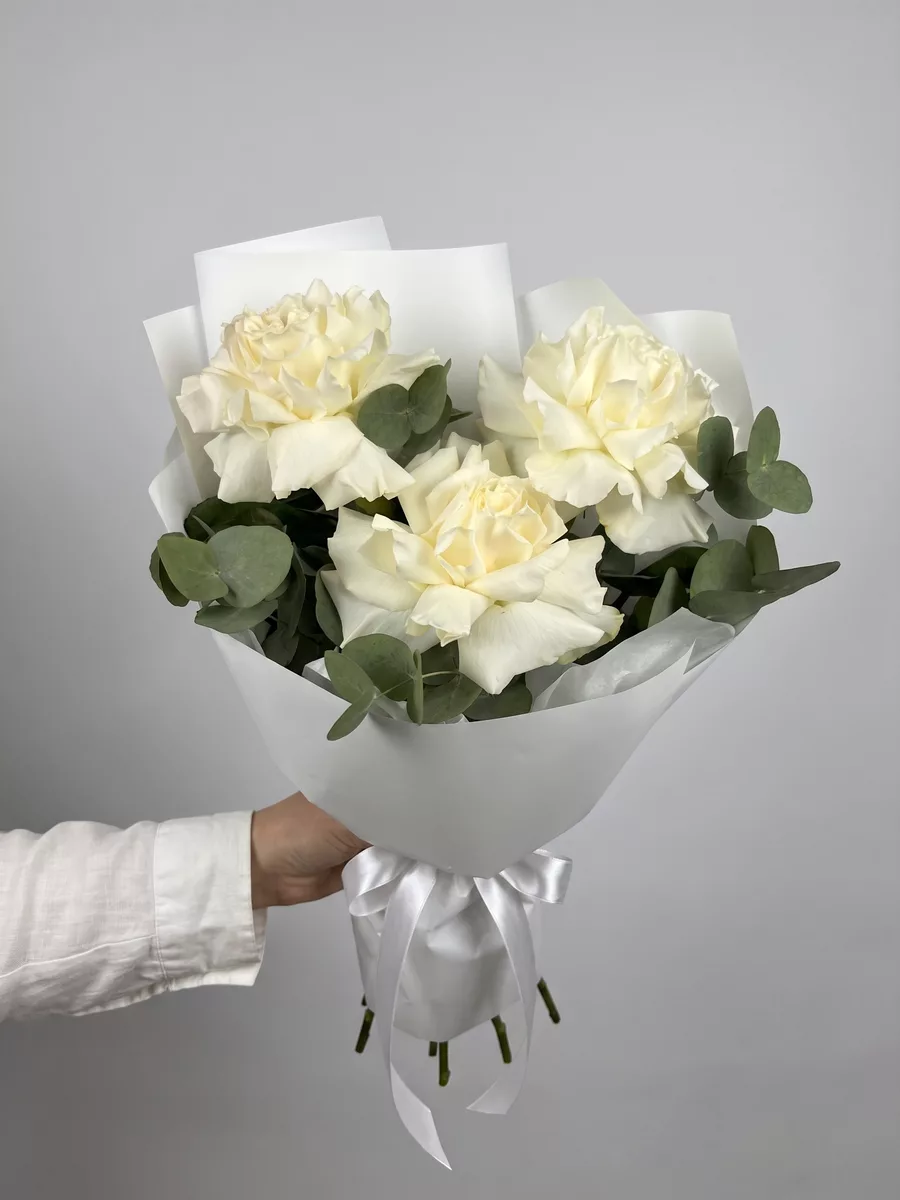
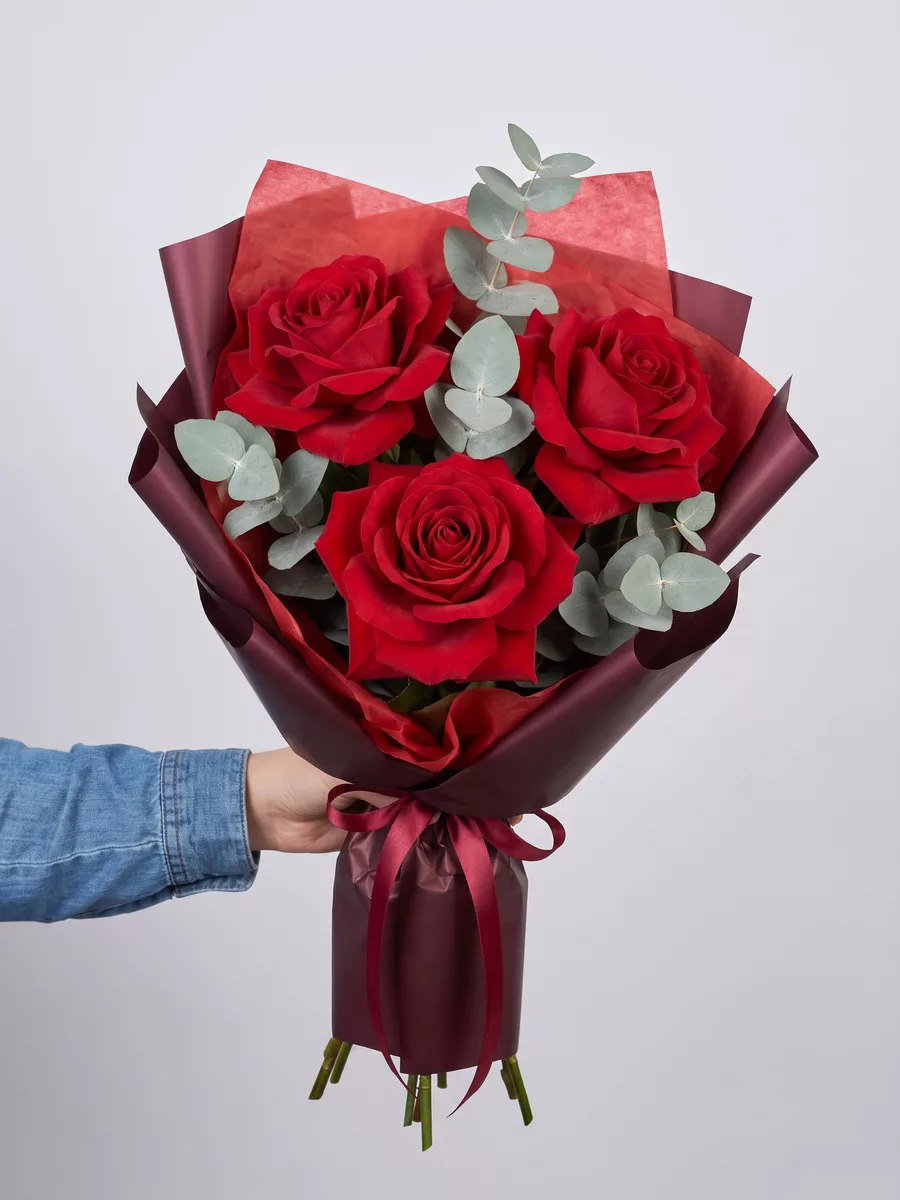
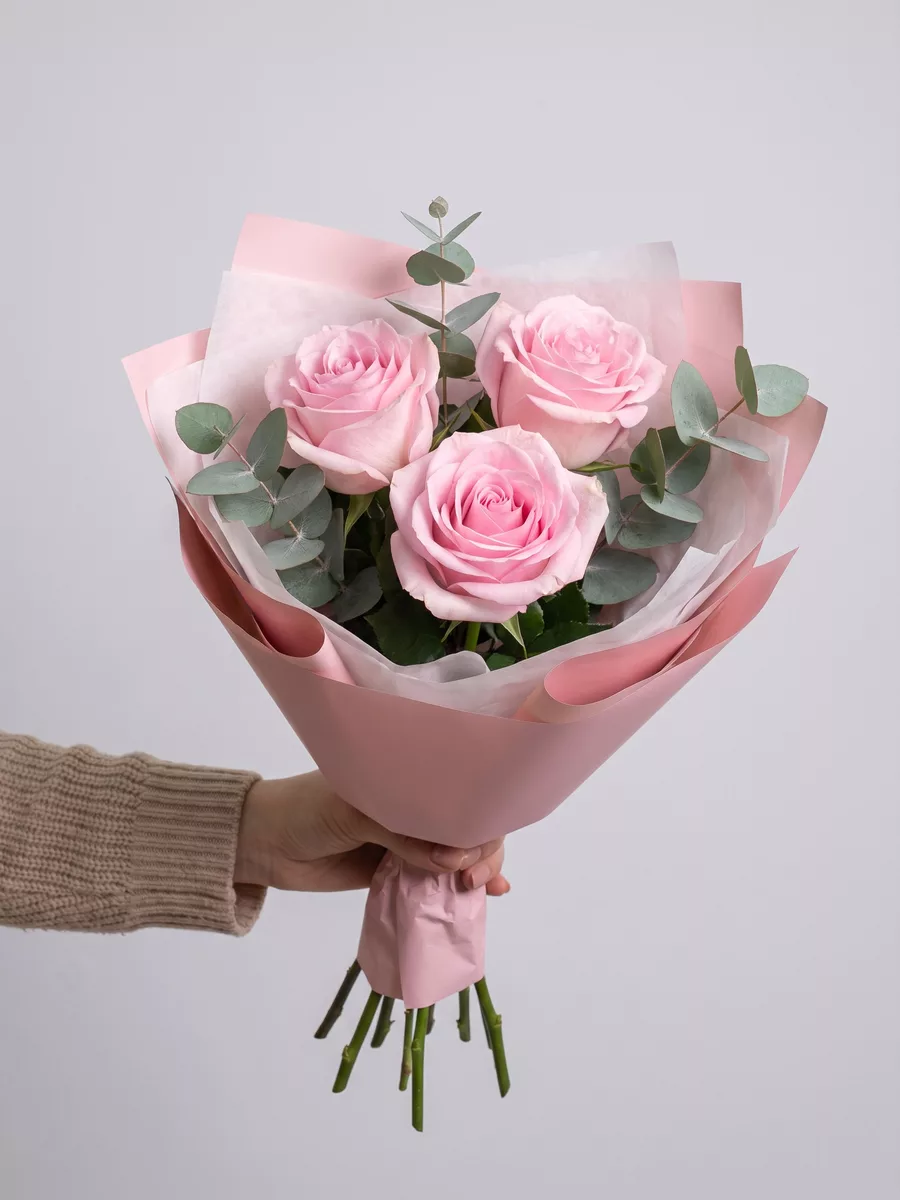
Bouquets we can deliver

Time Zones, Order Windows, and When to Place Your Order
This is where most international senders make their first mistake. Kokhma runs on Moscow Time, which is UTC plus three hours. There is no daylight saving shift in Russia, so the gap between you and your recipient stays fixed year-round. If you are in London, you are three hours behind. If you are in New York, you are eight hours behind. In Los Angeles, eleven.
Practically, this means that if you want a bouquet delivered by early afternoon in Kokhma — say, by one o'clock — you need to place and confirm your order by late morning Moscow Time at the latest. For someone in New York, that could mean ordering the evening before. Building in that buffer is not overcaution; it is just arithmetic.
Our delivery window for Kokhma is one to two hours from the moment the order is confirmed and the florist begins preparation. That preparation time itself takes between thirty and sixty minutes depending on the complexity of the arrangement. So the full timeline from your click to the recipient's door is roughly two to three hours under normal conditions. Factor in your time zone difference, and you will see why placing the order the night before — your night — is almost always the safest move. We accept orders around the clock, so there is no awkward window where the site is closed. You can order at two in the morning your time and set a delivery time for the following afternoon in Kokhma without any friction.
What Russian Recipients Genuinely Appreciate in a Bouquet
Russian flower culture has some specific textures that are worth understanding before you choose your arrangement. Odd numbers of flowers are traditional for celebratory occasions — three roses, five stems of freesia, seven peonies. Even numbers are associated with mourning and are avoided for birthdays, anniversaries, and congratulations. If you are ordering a custom bouquet, keep this in mind or simply let us know the occasion and we will handle the count naturally.
Roses remain the most universally appreciated flower across Russia, but the variety and color carry meaning. Red roses signal romantic love clearly and without ambiguity. White roses read as elegant and respectful, suitable for a wide range of occasions from graduations to professional congratulations. Pink roses, especially garden-style varieties like David Austin types, have grown enormously popular over the past several years and feel both modern and warm.
Beyond roses, lisianthus is a florist favorite in Russia right now — it layers beautifully, holds its shape for days, and photographs exceptionally well, which matters to recipients who will want to share the moment. Chrysanthemums are common but carry a slightly older, more conservative association; they work well for older recipients or formal occasions. Peonies are beloved but seasonal, available from late spring through early summer. If your recipient is someone who appreciates something a little unexpected, ranunculus, tulips in spring, or branches of wax flower as a textural accent will feel thoughtful and curated rather than off-the-shelf.
Seasonal Flowers and Temperature: What Survives the Journey
The Ivanovo region experiences a genuine continental climate. Winters are cold and long, with temperatures regularly dropping below minus fifteen degrees Celsius between December and February. Summers are warm but short. This matters for flower delivery in a very direct way: extreme cold affects how arrangements are packaged and how quickly they need to move from our vehicle to the recipient's hands.
In winter, we wrap arrangements in insulating sleeves and use thermal packaging to prevent petal damage during transit. Certain flowers are more cold-sensitive than others. Tropical varieties like anthuriums and orchid stems can bruise or blacken quickly in freezing air, so in deep winter we steer toward hardier options: spray roses, alstroemeria, solidago, and waxflower all travel well in cold conditions. Standard garden roses and carnations are also reliable in winter.
In summer, the concern flips slightly — heat above twenty-five degrees Celsius shortens vase life, particularly for peonies and tulips, which are also the most popular spring and early summer choices. We time our summer deliveries to avoid leaving arrangements in direct sun and advise recipients to move flowers into a cool room immediately.
As an international sender, you do not need to manage any of this directly. But knowing the season helps you set expectations with your recipient: a winter bouquet of deep red roses and white lisianthus in a kraft wrap will look and feel different from a spring arrangement of pink peonies and mint greenery. Both are beautiful; they just belong to different moments of the year.
Writing the Address Correctly for a Russian Delivery
This is a practical section, and it matters more than most people expect. Russian addresses follow a specific format that differs from Western conventions, and an incorrectly written address is one of the most common reasons a delivery is delayed or requires a phone call to the recipient — which can ruin a surprise.
A standard Russian address moves from large to small: country, region, city, street, building number, apartment number. For Kokhma, you would write: Ivanovskaya oblast, Kokhma, then the street name, then the building number, then the apartment number if applicable. The word for street is ulitsa, often abbreviated as ul. The word for building is dom, abbreviated as d. Apartment is kvartira, abbreviated as kv.
When you place your order with us, you can write the address in English and we will handle the formatting. However, if you have the address written in Russian by the recipient or a mutual contact, paste it exactly as given — do not try to transliterate it yourself, as Russian street names transliterate inconsistently and errors are common. If the recipient lives in a building with an entrance code or a security desk, include that information in the order notes. Many apartment buildings in Russian cities have a door code, called a domofon, and our courier will need it to reach the recipient's floor without calling ahead and breaking the surprise.
If you are not certain of the full address, ask your recipient for it directly — framing it as needing it for a package is a believable cover that does not reveal the delivery.
Choosing the Right Occasion and Making the Message Land
Russian celebrations have a rhythm that differs slightly from what you might be used to. Birthdays are the single most common occasion for flower delivery, and they are taken seriously — arriving with empty hands or sending nothing at all is considered a real slight. International Women's Day on the eighth of March is the largest flower-sending day of the year in Russia by a wide margin, exceeding even Valentine's Day. If your recipient is a woman and the date is approaching, order at least two to three days in advance because demand is exceptional.
New Year in Russia is celebrated on the first of January and is the emotional equivalent of Christmas in Western countries — it is a family occasion with gifts, a decorated tree, and a festive meal. Flowers for New Year lean toward rich, wintery compositions: deep burgundy roses, white spray roses, pine branches, and red berries. Orthodox Christmas falls on the seventh of January and is observed by many families, though it is quieter than New Year.
Beyond the calendar, think about what your recipient will feel when the door opens. A young woman receiving flowers for the first time from someone abroad will want something that looks abundant and photogenic — a dome-shaped arrangement of garden roses with greenery, or a wrapped bouquet with a long ribbon. An older woman who appreciates tradition will respond to a classic, symmetrical bouquet of roses or chrysanthemums in a single color. Matching the arrangement to the person, not just the occasion, is what separates a memorable delivery from a routine one. Tell us who she is — or he is — and we will suggest the right direction.
Vase Life, Care Instructions, and What to Tell Your Recipient
One of the kindest things you can do as a sender is make sure the recipient knows how to keep the flowers looking beautiful. Many people in Russia, particularly older generations, are already skilled at flower care — but it never hurts to pass along a note with the bouquet, and we can include one on your behalf.
The basics: cut stems at a diagonal under running water immediately after unwrapping, using a clean knife rather than scissors, which can crush the stem. Remove any leaves that would sit below the waterline, as they rot quickly and cloud the water. Change the water every two days and recut the stems each time. Keep the arrangement away from direct sunlight, heating radiators, and fruit bowls — ethylene gas from ripening fruit shortens flower life noticeably.
Vase life varies by variety. Alstroemeria and chrysanthemums regularly last ten to fourteen days with good care. Roses, depending on the variety and how they were conditioned, typically give seven to ten days. Peonies are shorter — five to seven days — but so spectacular in their open form that most people find the trade-off worthwhile. Lisianthus is a reliable performer at eight to twelve days.
If the recipient does not have a vase, that is worth thinking about when you order. We offer arrangements in water-filled boxes and hatboxes that function as their own vessel, requiring nothing from the recipient except a flat surface. For someone in a small apartment or someone who rarely receives flowers, this removes a small but real barrier and means the arrangement looks exactly as intended from the first moment.
Sending flowers to Kokhma from abroad is not complicated once you understand the moving parts: the time zone gap, the address format, the seasonal choices, and the small cultural details that turn a delivery into a real gesture. The distance between you and your recipient is exactly the reason the flowers matter — they close something that geography opened. Place your order with enough lead time, tell us about the person and the occasion, and we will make sure what arrives at their door feels like it came from someone who thought carefully about them, because it did.
Frequently asked questions
Does the size of Kokhma affect how fresh the flowers arrive compared to sending to a bigger Russian city?
Kokhma's proximity to Ivanovo means it sits within the same regional delivery network, so transit times are comparable to sending to a mid-sized city. The key variable is not the destination's size but how early you place the order relative to Moscow Time. Same-day freshness is achievable when you account for the time zone gap and order before the local cutoff.
Which flowers hold up best if my recipient in Kokhma lives in an apartment without air conditioning during summer?
Roses and lisianthus are reasonable choices in warmer months because they are conditioned before dispatch, but chrysanthemums and alstroemeria tend to last longer in warm indoor spaces. Avoid arrangements built around delicate open peonies or garden-cut stems in July and August. A bouquet with sturdy blooms and some foliage like eucalyptus or ruscus will look full and stay presentable for longer without a cool room.
Is there a meaningful difference between sending a bouquet versus a bouquet with a small gift for someone in Kokhma?
In a city where deliveries are genuinely noticed, adding something small — a box of chocolates, a candle, or a potted plant — shifts the gesture from thoughtful to memorable. It also gives the recipient something to keep after the flowers fade. For birthdays or anniversaries especially, the combination reads as more considered than flowers alone and tends to be shared and talked about more within the recipient's circle.
How do I write a card message that will feel warm to a Russian recipient if I am not sure about the translation?
Write your message in your own language and ask the florist to transliterate or translate it simply and naturally into Russian. Avoid overly formal phrasing, which can feel cold in Russian. Short, direct sentences work better than elaborate sentiments. A message that says something genuine in plain language will land better than a polished phrase that loses its feeling in translation. Most services handling international orders are used to this request.
What should I know about timing a delivery to Kokhma around major Russian occasions like International Women's Day?
The eighth of March is the single busiest flower day in Russia, and demand in every city including Kokhma spikes sharply in the days before it. Placing an order a week in advance is not excessive — it is practical. The same applies to New Year and Valentine's Day. Leaving it to the day before from a foreign time zone, where your morning is already Kokhma's afternoon, significantly narrows your options and risks the arrangement you want being unavailable.
Ready to send flowers?
Pick the city, choose the bouquet, and a local florist takes it from there.
Choose a city →