Sending Flowers to Kolchugino from Abroad: What You Need to Know
Kolchugino is a quiet industrial town in Vladimir Oblast, about 130 kilometres northeast of Moscow, and for most people reading this it is not a city they know well — it is simply where someone they love happens to live. That distance, whether you are calling from Berlin, Tel Aviv, Toronto or Dubai, makes a bouquet feel even more meaningful. This guide will walk you through everything that actually matters: when to order, what to choose, how Russian flower customs work, and how to make sure the arrangement arrives looking the way you imagined it.
Why Kolchugino Is Worth Getting Right
Kolchugino has a population of around forty thousand people, and it sits in a part of central Russia where the seasons are dramatic — long cold winters, short bright summers, and springs that arrive almost overnight in April. Flowers carry a lot of social weight in this context. Receiving a bouquet from someone abroad is genuinely unusual, and the recipient will almost certainly show it to neighbours, colleagues or family. That means presentation matters as much as the flowers themselves.
The town is not a major logistics hub, which is exactly why using a courier service with real reach into Vladimir Oblast is essential. Turboflora delivers across Russia, including to Kolchugino, and the 1–2 hour window that applies in Saint Petersburg scales to same-day delivery for most Vladimir Oblast addresses when you order before midday Moscow time.
For the sender, the key thing to understand is that you are not just posting a gift — you are staging a moment for someone in their own home or workplace. Think about where the flowers will land: a shared apartment kitchen, a school teacher's staffroom, a grandmother's sitting room. Each setting calls for a slightly different approach to size, colour and fragrance, and getting that right from five thousand kilometres away is entirely possible if you start with the recipient rather than the catalogue.
Bouquets we can deliver

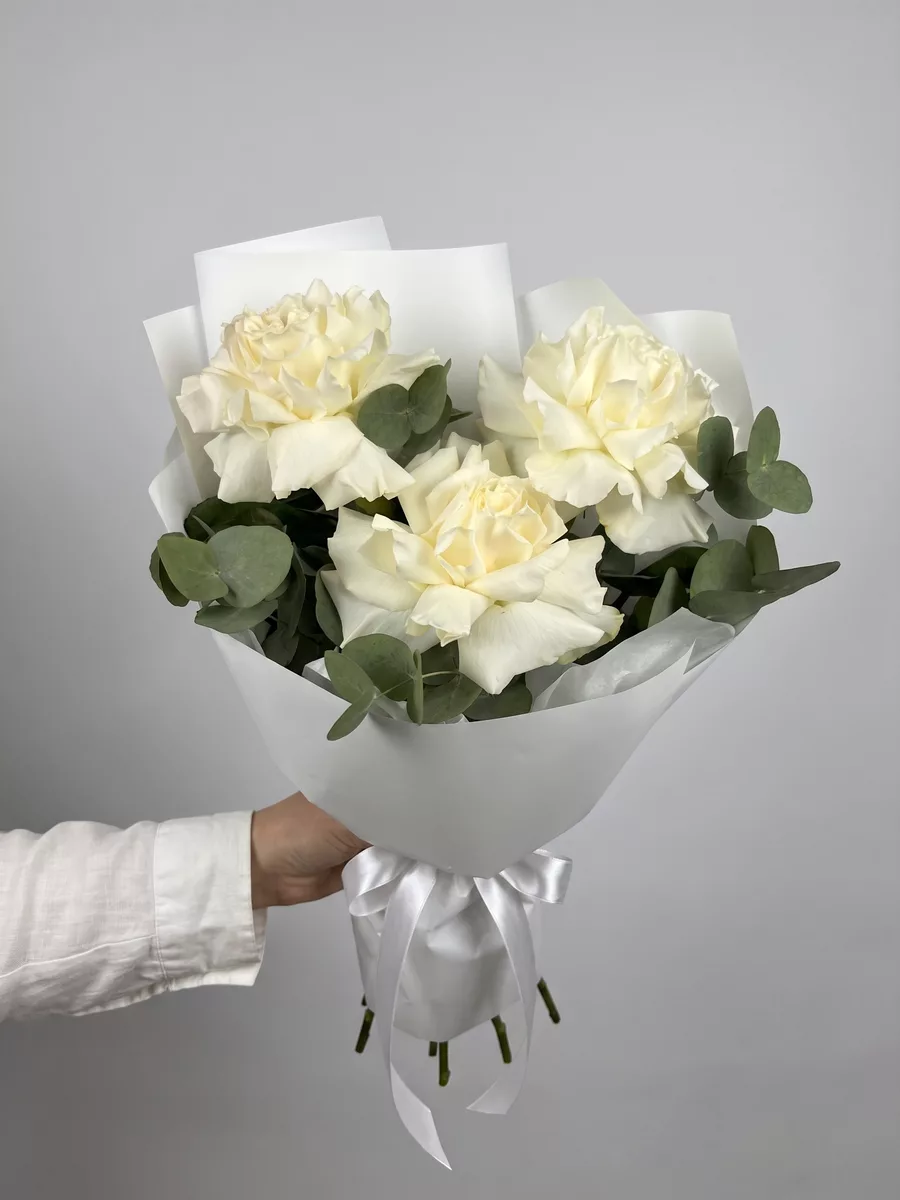
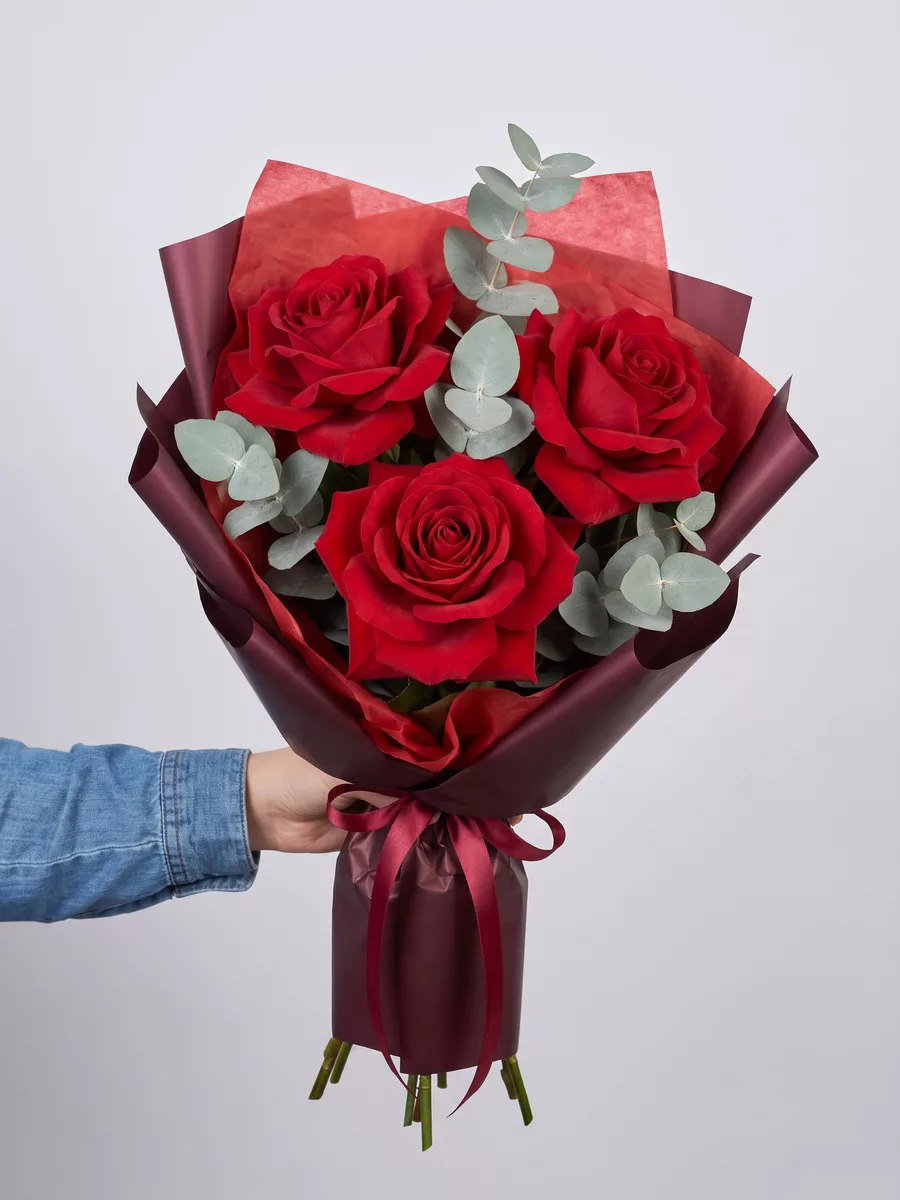
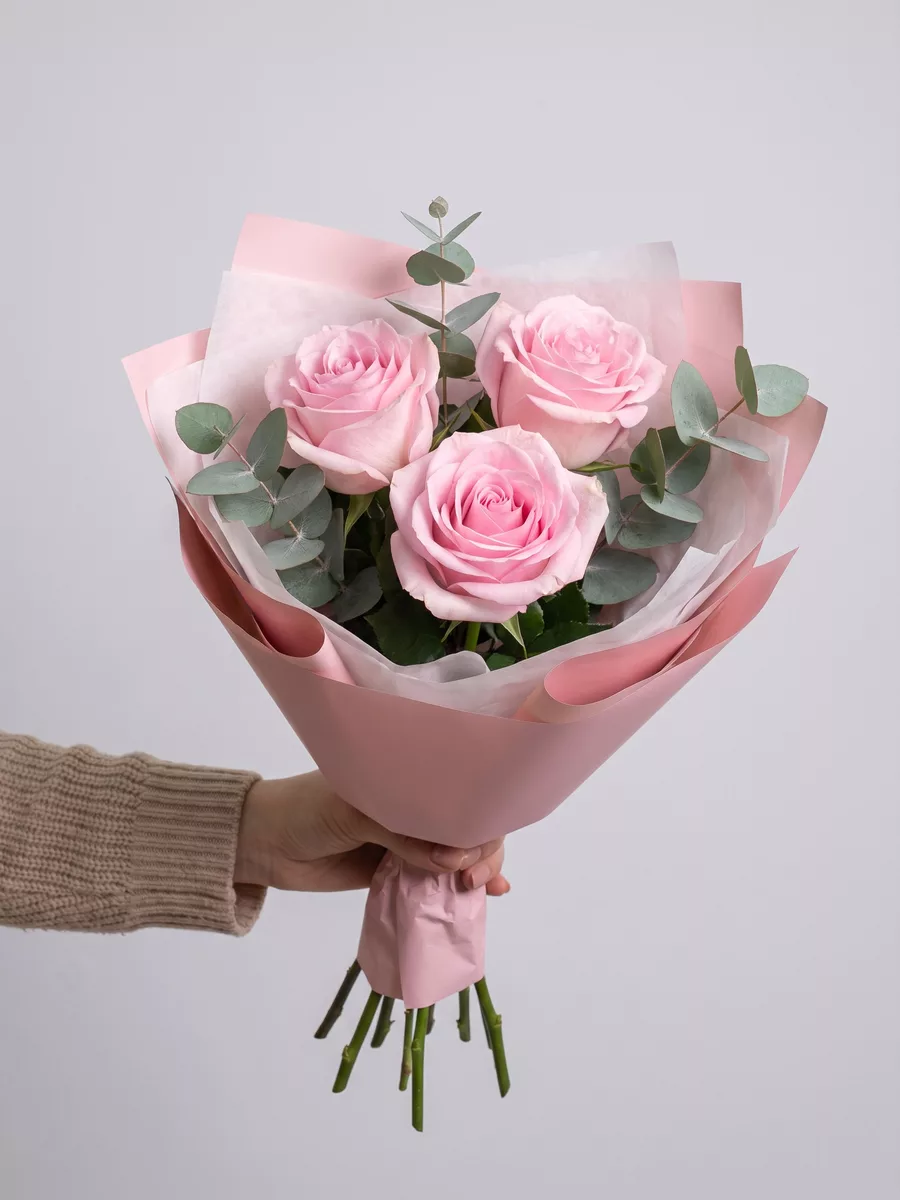
Understanding Russian Flower Customs Before You Order
If you did not grow up in Russia, a few traditions around flowers may surprise you, and knowing them in advance saves embarrassment. The most important rule is the odd-number rule: bouquets given as gifts always contain an odd number of stems — one, three, five, seven, nine, eleven and so on. Even numbers are reserved for mourning contexts. This is taken seriously across all generations and regions, including Vladimir Oblast, so always confirm your order follows this convention.
Colour carries meaning too, though it is less rigid than the number rule. Red roses signal romantic love clearly and unmistakably. Yellow flowers, particularly yellow roses, have a lingering association with separation or bad luck in the older generation, though younger Russians are increasingly relaxed about this. If you are sending to someone over fifty and you are not certain of their views, it is safer to stay with pink, white, coral or mixed arrangements rather than pure yellow.
White flowers are considered elegant and celebratory — white chrysanthemums, white alstroemeria and white eustoma all work beautifully for birthdays, anniversaries and professional milestones. Fragrant flowers like freesia and hyacinth are especially appreciated in winter months when windows stay shut and a scent in the room feels like a small luxury. Russian recipients tend to love lush, full arrangements rather than minimal stems-in-a-vase presentations, so generous volume reads as genuine care rather than excess.
Choosing Flowers for the Person, Not Just the Occasion
The occasion gives you a starting point, but the person gives you the answer. A birthday for a woman in her sixties who tends a dacha garden will feel very different from a birthday for a twenty-five-year-old who works in design. Both deserve something beautiful, but the flowers that will genuinely move them are not the same.
For older recipients who grew up with Soviet-era flower culture, peonies, garden roses and gladioli carry strong emotional resonance. Peonies in particular — available May through July — feel like a celebration of Russian summer and are among the most beloved flowers in the country. A generous mono-bouquet of pale pink or white peonies, odd-numbered and wrapped in kraft paper with a wide ribbon, is almost impossible to get wrong for a woman of any age.
For younger recipients, ranunculus, lisianthus (also called eustoma), and spray roses in dusty rose or terracotta tones are currently very popular. These flowers photograph beautifully, which matters to someone who will want to share the moment. Mixed arrangements that layer textures — something fluffy like waxflower alongside something structural like eucalyptus — feel contemporary without being cold.
For men, which is a question international senders often ask about, the answer is simpler than you might expect. A confident mono-bouquet of sunflowers, or a structured arrangement of burgundy chrysanthemums with dark foliage, reads as masculine and generous. Men in Russia do receive flowers, particularly on birthdays and professional anniversaries, and a well-chosen bouquet is always welcome.
Timing Your Order Across Time Zones
This is where most international senders run into trouble, and it is entirely solvable once you understand the numbers. Moscow time is UTC+3 year-round — Russia does not observe daylight saving. Kolchugino follows Moscow time. So if you are in London in summer, you are two hours behind Moscow. If you are in New York, you are seven hours behind. If you are in Los Angeles, ten hours behind. Sydney is eight hours ahead.
Turboflora accepts orders online around the clock, but for same-day delivery to Kolchugino, placing your order before noon Moscow time gives the best results. If you are in New York and you want flowers delivered on a Tuesday, you need to complete your order by 5 a.m. New York time on that Tuesday. That is early, which is why many international senders plan a day ahead and schedule delivery for the following morning.
For milestone occasions — a significant birthday, an anniversary, a graduation — ordering 24 to 48 hours in advance is always the right move. It removes any time-zone anxiety and allows you to write a more considered card message rather than rushing. Flowers ordered the day before can be scheduled for a specific delivery window, which is useful if the recipient has a known schedule, such as returning home from work in the early evening.
One practical tip: convert the delivery time you want into Moscow time first, write it down, and then place the order with that time stated clearly. This single habit eliminates most same-day delivery misunderstandings for international customers.
What Kolchugino's Climate Means for Your Flower Choice
Vladimir Oblast experiences a continental climate with cold, snowy winters and warm summers. In January and February, outdoor temperatures in Kolchugino regularly drop to minus fifteen or minus twenty degrees Celsius. This has a direct effect on which flowers travel well and which ones struggle.
Delicate tropical flowers — anthuriums, birds of paradise, and orchid stems — are sensitive to cold and can bruise or blacken during the last stretch of a delivery in deep winter. Hardy cold-weather flowers like alstroemeria, spray chrysanthemums, carnations and statice handle the cold far better. Roses travel well in winter when they are properly conditioned, which is standard practice for any professional florist preparing a delivery. Tulips, which are widely available in Russia from autumn through spring, are also surprisingly robust in cold conditions and look spectacular in large quantities.
In summer, the challenge reverses. July and August temperatures in Vladimir Oblast can reach thirty degrees or above, and direct sun is harsh. Flowers like lily of the valley and sweet pea, which are delicate and moisture-dependent, are best avoided for outdoor-exposed deliveries in peak summer. Sunflowers, zinnias and garden roses handle summer heat better and look vibrant and seasonal.
Spring — April and May — is actually the easiest season for flower delivery in this region. Temperatures are mild, tulips and daffodils are at their peak, and the emotional resonance of flowers arriving just as the snow melts is particularly strong. If you have flexibility on timing and want maximum impact, a spring delivery is hard to beat.
Writing a Card Message That Lands Well in Russian Culture
The card is often the part that international senders underestimate, and it is worth spending real time on. In Russia, written messages accompanying flowers tend to be warm and direct rather than understated. British-style understatement — 'hope you enjoy these' — can read as lukewarm to a Russian recipient who is used to more expressive language. You do not need to be dramatic, but you can be genuinely warm.
If you are writing in English, that is perfectly fine — receiving a message in the sender's own language feels personal and authentic, and most younger Russians read English comfortably. If you want to include a phrase in Russian, a simple 's lyubovyu' (with love) or 's dnyom rozhdeniya' (happy birthday) adds a touching gesture without requiring fluency. Avoid using online translation tools for longer sentences in Russian, as the results are often grammatically awkward and can undercut the warmth you are trying to convey.
Keep the message specific to the person rather than generic. Mention something real — a shared memory, a quality you admire in them, a specific reason you are thinking of them today. 'I remember how you always had flowers on the windowsill when I visited' is infinitely more affecting than 'wishing you a wonderful day.' The flowers are the gesture; the card is the voice.
For professional or semi-formal recipients — a colleague, a teacher, a business contact — a respectful and warm tone works well. Russians appreciate formality in professional contexts, so 'dear' rather than 'hey' is the right register, even if you know the person well.
Making Sure the Delivery Actually Reaches the Right Person
Address accuracy is the single most practical thing you can control as an international sender, and it deserves careful attention. Russian addresses follow a specific format that differs from Western conventions. The correct order is: postcode, region, city, street, building number, apartment number, and recipient name. Kolchugino's postcode is 601200. The region is Vladimirskaya Oblast. Getting these details from the recipient directly — or from a family member who knows the address — is the most reliable approach.
Building numbers in Russian cities can be complex. A single address might include a main building number and a secondary corpus (block) number, written as, for example, 'dom 14, korpus 2.' If you are unsure, ask the recipient or the person who gave you the address to confirm. A courier arriving at the wrong block in a residential complex wastes time and causes frustration for everyone.
For apartment buildings, confirm whether there is a door code (domofon) required to enter the building. Many Russian residential blocks have electronic entry systems, and if the courier cannot get through the door, the delivery cannot be completed. The recipient's phone number is essential — it allows the courier to call ahead, confirm the best time, and navigate any building access issues in real time.
Finally, consider whether the recipient will be at home. If they work daytime hours, an early-evening delivery window is more likely to reach them directly. A bouquet left with a neighbour or building manager is still a lovely surprise, but there is nothing quite like opening the door yourself to find flowers.
Sending flowers to Kolchugino from abroad is a genuinely meaningful act, and the distance that makes it feel complicated is also exactly what makes it so moving for the person on the receiving end. The practical details — time zones, address formats, odd numbers, seasonal flowers — are all manageable once you know them. What matters most is that you started from the right place: thinking about who this person is, what they love, and what you want them to feel when they open the door. Turboflora handles the logistics across Russia so that your intention arrives intact, on time, and looking exactly as it should.
Frequently asked questions
Can I order flowers for Kolchugino if I do not speak Russian?
Yes, entirely. The Turboflora website supports international orders and the order process does not require Russian. For the card message, writing in your own language is completely fine — a personal message in English, German or French feels authentic and warm to the recipient. If you want a single Russian phrase included, mention it in your order notes and we can help.
How far in advance should I order for a birthday delivery in Kolchugino?
For a birthday, ordering 24 to 48 hours ahead is ideal. This removes time-zone pressure, lets you schedule a specific delivery window that fits the recipient's day, and ensures the freshest seasonal flowers are selected for your arrangement. Same-day delivery is possible for orders placed before noon Moscow time, but advance ordering gives the most reliable result for a milestone occasion.
Are there flowers I should avoid sending to an older Russian recipient?
Yellow flowers, especially yellow roses, carry an association with bad luck or separation for many Russians over fifty, so they are worth avoiding unless you know the recipient is relaxed about this. Even numbers of stems should always be avoided in a gift bouquet. Beyond these two points, most classic flowers — roses, peonies, chrysanthemums, alstroemeria — are universally appreciated across all ages.
What happens if the recipient is not home when the flowers arrive?
The courier will call the recipient's phone number before and on arrival. If the recipient is temporarily unavailable, the courier can arrange a short wait or agree a new time. This is why providing an accurate, working Russian mobile number for the recipient is important when placing your order — it is the single most effective way to ensure a smooth handover.
Which flowers last the longest once delivered in Kolchugino?
Alstroemeria, spray chrysanthemums, carnations and lisianthus (eustoma) are among the longest-lasting cut flowers, typically holding well for ten to fourteen days with fresh water and a cool position away from direct sun and radiators. Roses last seven to ten days when properly cared for. Tulips are shorter-lived at five to seven days but are extremely popular and make a strong visual impression on arrival.
Ready to send flowers?
Pick the city, choose the bouquet, and a local florist takes it from there.
Choose a city →