Sending Flowers to Kolpashevo from Abroad? Here Is What to Actually Expect
Kolpashevo sits deep in Western Siberia, on the Ob River, roughly 300 kilometres north of Tomsk. If someone you love lives there and you are calling or messaging from Berlin, Toronto or Dubai, the distance can feel overwhelming — but sending them a genuinely fresh, beautiful bouquet is more straightforward than you might expect. What matters is knowing the local rhythm: the climate, the occasions Russians celebrate most warmly, and the small details of presentation that turn a delivery into a real moment.
Why Kolpashevo Requires a Different Mindset Than Sending to a Capital City
Most people ordering flowers internationally imagine the logistics of Moscow or Saint Petersburg — large hubs, same-day couriers everywhere, dozens of florists on every street. Kolpashevo is a quieter town of around 22,000 people, and that changes the texture of the experience. The town is real and warm, but your planning needs to be a little more deliberate.
The most important shift in mindset is lead time. Rather than ordering an hour before you want the bouquet to arrive, build in at least a day when sending from abroad. Time zones alone complicate things: Kolpashevo runs on UTC+7, which means that when it is morning in London, it is already mid-afternoon there. If you place an order at noon your time thinking you have the whole day ahead, the recipient's evening may already be close.
The second thing to adjust is your expectation of variety. Kolpashevo is not a place where tropical orchids or garden ranunculus are sitting in a chiller around the corner. Roses, chrysanthemums, alstroemeria, spray carnations and seasonal branches are the reliable backbone of any bouquet sent there. These are not lesser flowers — a well-composed arrangement of garden roses and eucalyptus can be quietly stunning. The key is working with what arrives fresh rather than chasing an exotic wish list.
Think of your order less as a catalogue transaction and more as a conversation about the person receiving it and the moment you want to create for them.
Bouquets we can deliver

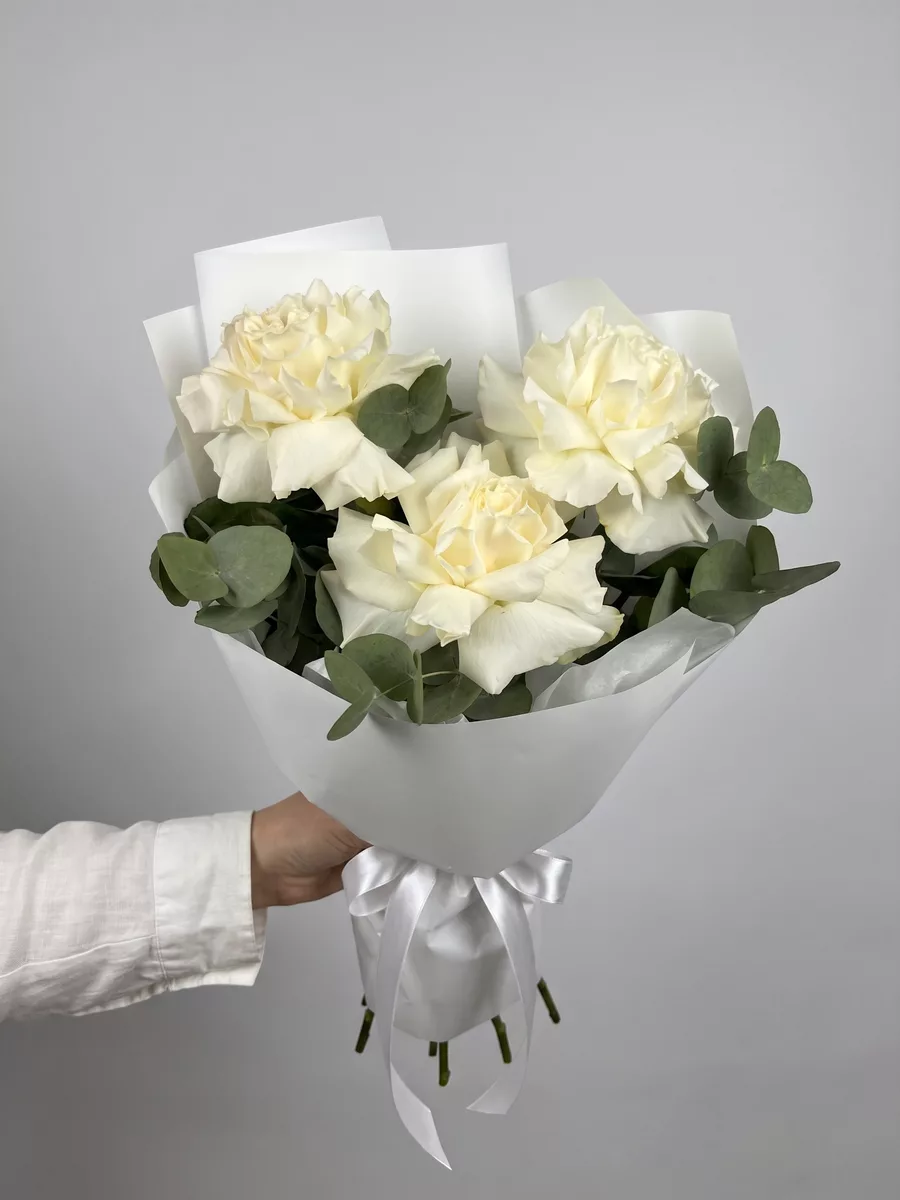
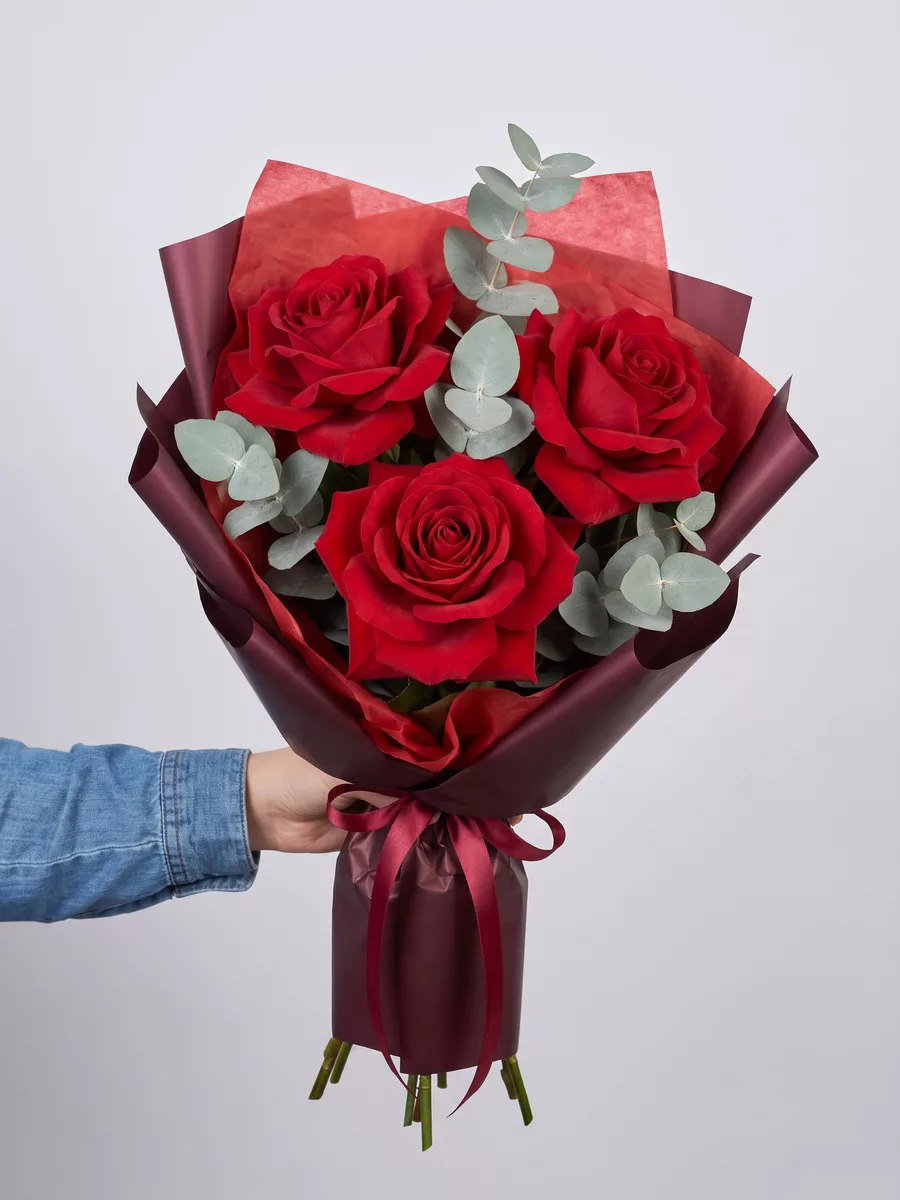
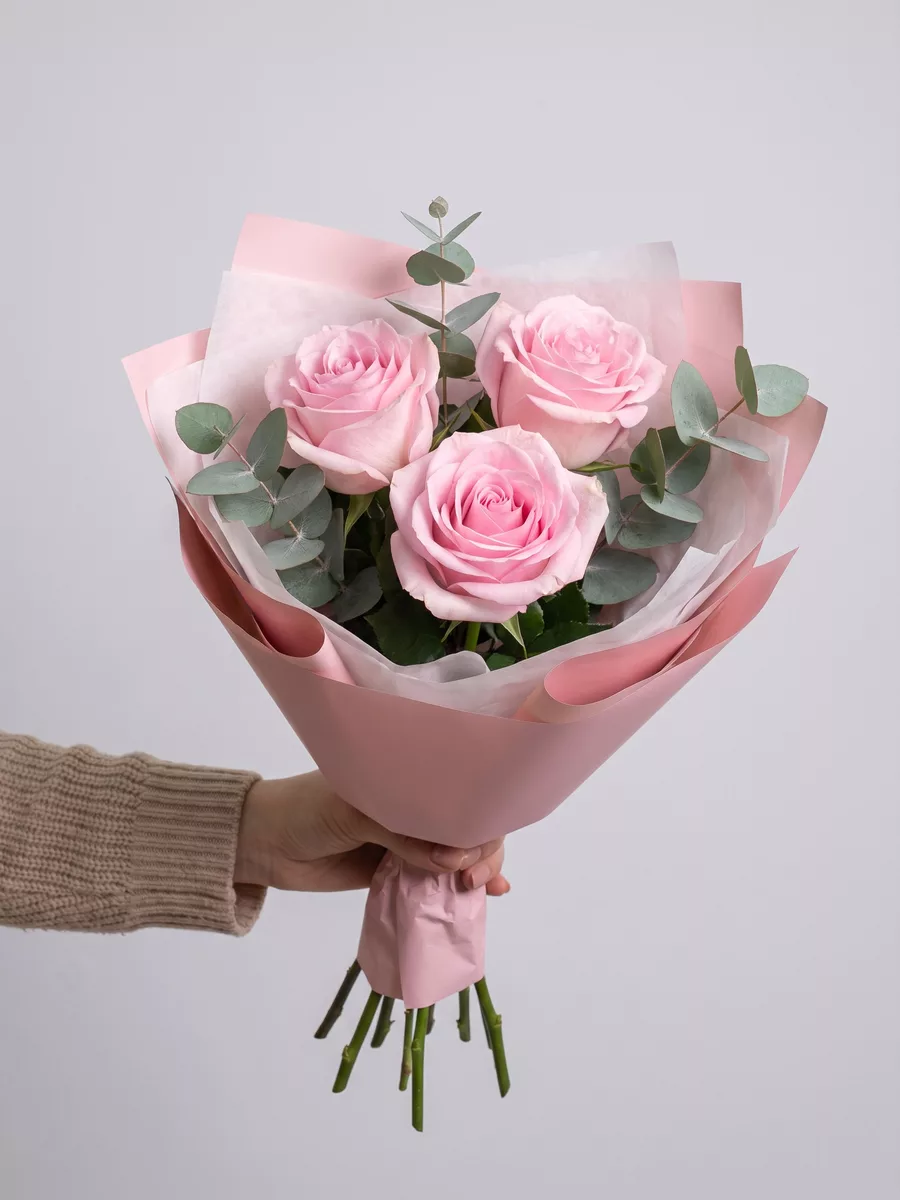
The Siberian Climate and What It Means for Your Bouquet
Kolpashevo experiences a sharply continental climate. Winters are long and genuinely cold, with temperatures regularly dropping below minus 25 degrees Celsius between November and March. Summers are short but can be surprisingly warm, reaching 25 to 30 degrees in July. This range matters enormously for flowers.
In winter, the biggest risk is cold damage during the final stretch of delivery — the walk from a vehicle to a door, or a bouquet left in an unheated hallway. Cold-sensitive flowers like tropical varieties, open garden roses or delicate anemones can blacken at the petal edges within minutes of exposure to hard frost. For winter orders, request varieties with naturally robust stems: spray chrysanthemums, alstroemeria, closed-bud roses and waxflower all handle temperature fluctuation far better than open blooms.
In summer, the challenge reverses. Heat shortens vase life quickly, especially in a warm apartment. Flowers ordered for a July birthday should ideally be delivered in the cooler part of the day — morning or early evening — rather than the warmest afternoon hours. Tulips, which are wildly popular in Russia in spring, are particularly sensitive to heat and will droop fast if left in a warm room without fresh water.
Autumn and spring sit in the middle: the weather is unpredictable, temperatures swing between zero and fifteen degrees, and you may get rain or a late frost. For these seasons, mixed bouquets with sturdy fillers — solidago, statice, lisianthus — hold up better than single-variety arrangements. Always mention the season when you place your order so the composition can be adjusted accordingly.
Russian Gifting Culture: What the Recipient Will Expect and Feel
If you are not Russian, a few cultural details will help you get the gesture exactly right. Flowers in Russia carry genuine weight — they are not a casual afterthought but a considered statement of care. The recipient will almost certainly unwrap the bouquet carefully, look at every stem, smell it, and find a vase before doing anything else. Presentation matters as much as the flowers themselves.
The number of flowers in a bouquet follows a clear tradition: an odd number is for the living, an even number is associated with mourning. Always confirm your bouquet contains an odd count — 7, 9, 11 or 15 stems are all common and feel generous. This is one of the most important details to get right, and a good florist will already know it, but it is worth mentioning explicitly when ordering from abroad.
Colour carries meaning too, though the rules are softer than the odd-number rule. Red roses signal romantic love very directly. White flowers are elegant and appropriate for birthdays, graduations and professional congratulations. Yellow flowers were once considered unlucky in older Russian tradition, though younger generations largely ignore this. If you are unsure, a mixed palette of pinks, corals and creams reads as warm and universally celebratory.
Russians also appreciate a personal note with the bouquet. Even a short message — written in Russian if you can manage a translation — adds a layer of intimacy that the recipient will remember. A card that reads simply 'thinking of you from far away' lands with real tenderness when someone is living in a small Siberian town.
Choosing the Right Bouquet for the Occasion
The occasion shapes everything: the palette, the scale, the formality of the wrapping. Start there before thinking about specific flowers.
For a birthday, especially for a woman, go generous and colourful. A bouquet built around garden roses or large-headed spray roses, with lisianthus for texture and eucalyptus or ruscus for greenery, feels celebratory without being over-the-top. If the recipient is older, chrysanthemums remain deeply beloved in Russian culture — a large, well-arranged chrysanthemum bouquet is never considered old-fashioned, it is considered respectful and beautiful.
For a romantic occasion — an anniversary, Valentine's Day, or simply because — red or deep pink roses are the clearest signal. Fifteen or nineteen stems of long-stemmed roses wrapped in kraft paper with a satin ribbon is a classic that never fails. If you want something slightly less conventional, a mix of burgundy roses with white waxflower and dark foliage creates a rich, intimate mood.
For congratulations — a new job, a graduation, the birth of a child — lighter colours work better. Whites, pale yellows and soft greens feel fresh and forward-looking. Alstroemeria is excellent here: it lasts well, comes in many shades and symbolises friendship and mutual support in the language of flowers.
For a thank-you or a gesture of friendship without a specific occasion, mixed seasonal bouquets are ideal. They feel thoughtful rather than calculated, and they give the florist room to use whatever is at its freshest that day — which almost always produces the most beautiful result.
Timing Your Order Across Time Zones and Borders
The time zone gap is the single most common source of frustration for international senders. Kolpashevo is on Tomsk Time, UTC+7. That means it is ten hours ahead of London, fifteen hours ahead of New York, and four hours ahead of Dubai. Before you place an order, convert the desired delivery time into your local time and check whether that window is even open for processing.
The practical advice is to order the evening before — your evening — for a next-day morning delivery in Kolpashevo. This gives enough processing time regardless of where you are sitting. If you want a lunchtime delivery, place the order by 8 or 9 p.m. your time the night before. Rushing an order through in the middle of your afternoon, when it is already night in Siberia, will push the delivery to the following morning at the earliest.
Public holidays in Russia are another timing consideration. Russia has several extended holiday periods: the New Year and Christmas cluster runs from January 1 through January 8, and May has two consecutive public holidays — May 1 (Labour Day) and May 9 (Victory Day). March 8, International Women's Day, is one of the busiest flower days of the entire year in Russia — demand surges dramatically, and ordering several days in advance is strongly recommended.
Always provide a phone number for the recipient when ordering. In Kolpashevo, a courier may need to call ahead to confirm the address or arrange entry to a building. Without a working local number, delivery becomes significantly harder and delays are more likely.
Budget, Scale and What Your Money Actually Buys
One of the pleasant surprises for international senders is that a genuinely beautiful bouquet in Russia does not require the budget you might expect in Western Europe or North America. The flower market in Russia is well-supplied, and a mid-range spend produces arrangements that would cost considerably more in London or Amsterdam.
At a modest budget, you can expect a neat, composed bouquet of seven to nine stems — alstroemeria with filler greens, or a single-variety spray chrysanthemum arrangement. These are not throwaway gestures; in the right wrapping, they look clean and intentional. They suit a quick thank-you, a thinking-of-you moment, or a small celebration.
A mid-range budget opens up mixed bouquets of fifteen or more stems, with a more interesting combination of textures — perhaps roses paired with lisianthus and eucalyptus, or a seasonal mix built around what is freshest. This is the range where presentation really lifts: layered wrapping, a ribbon, a card holder.
At a higher spend, you move into large-format bouquets of twenty-five or more stems, mono-variety rose arrangements, or compositions with premium flowers like peonies in season (May through June) or ranunculus in early spring. These make a real statement on delivery — the kind of bouquet that gets photographed and remembered.
One practical note: always factor in the delivery fee as a separate line. When budgeting from abroad, set your flower budget first and treat delivery as an additional cost, so you are not surprised at checkout. The total is almost always still reasonable by international standards.
Vase Life and Care Instructions to Pass Along to the Recipient
Once the bouquet arrives, its lifespan depends almost entirely on what the recipient does in the first thirty minutes. Most people in Russia know the basics — fresh water, a clean vase — but a few specific tips will extend the display significantly, and sharing them as part of your gift message is a thoughtful touch.
The first step is a diagonal cut on each stem, made with a sharp knife rather than scissors. Scissors crush the stem tissue and reduce water uptake. A clean diagonal cut maximises the surface area drawing water into the stem. This should happen immediately, before the flowers go into the vase.
Water temperature matters more than most people realise. Lukewarm water — around 20 degrees Celsius — is absorbed more efficiently than cold water for most cut flowers. The exception is tulips, which prefer cold water and actually close up in warmth, which can be used deliberately to extend their display time.
The vase should be kept away from direct sunlight, radiators and fruit bowls. Ripening fruit releases ethylene gas, which accelerates petal drop in roses and carnations noticeably. A cool corner of the room away from heating vents is ideal, especially in a Siberian winter when central heating runs high and the air indoors is very dry.
For roses specifically, removing the lower leaves that would sit below the waterline prevents bacterial growth that clouds the water and shortens vase life. Changing the water every two days and recutting the stems adds several days to the display. Alstroemeria and chrysanthemums are the longest-lasting cut flowers in typical conditions, often staying fresh for two weeks or more with basic care.
Sending flowers to someone in Kolpashevo from the other side of the world is one of the most direct ways to close a distance that geography made large. The gesture lands differently when the recipient knows you thought about the climate, the occasion, the number of stems, and the long journey between your screen and their door. A bouquet that arrives fresh and beautifully composed in a small Siberian town says something that a message cannot — that the care was real enough to be made concrete.
Frequently asked questions
How far in advance should I order flowers to Kolpashevo from abroad?
At least one full day ahead is the safe minimum, and two days is better for important occasions. The time zone difference between most international locations and Kolpashevo (UTC+7) means your afternoon is already their evening. For peak dates like March 8 or New Year, order three to five days early to avoid any timing pressure.
Can I include a message card in a language other than Russian?
Yes, you can write your message in any language and we will include it exactly as written. However, if you want the recipient to read it immediately without needing to translate, a short Russian message alongside your original language is a warm touch. We can help with a simple translation if you share what you want to say.
What flowers survive the cold Siberian winter delivery best?
Closed-bud roses, spray chrysanthemums, alstroemeria, carnations and waxflower all handle cold transit well. Avoid requesting open tropical blooms or fully open garden roses in winter months, as petal edges can suffer cold damage during the short but exposed walk from courier to door. Sturdy stems and tight buds are your best friends in January.
Is it true that I should never send an even number of flowers in Russia?
Yes, this is a firmly held tradition. Even numbers of flowers are associated with mourning and funerals across Russian culture. Always confirm your bouquet has an odd stem count — seven, nine, eleven or fifteen are all common and feel genuinely generous. Any reputable florist will already apply this rule, but it is worth specifying when ordering.
What payment methods can I use when ordering from outside Russia?
International cards including Visa and Mastercard are accepted through the Turboflora website, and payment is processed securely at the time of ordering. Currency conversion is handled automatically, so you pay in your card's home currency. If you encounter any issue at checkout, the support team can assist with alternative arrangements quickly.
Ready to send flowers?
Pick the city, choose the bouquet, and a local florist takes it from there.
Choose a city →