Sending Flowers to Kommunar from Abroad: A Florist's Honest Advice
You are somewhere far from Russia — maybe in Berlin, Dubai, or New York — and someone you love is in Kommunar, a quiet town in the Leningrad Oblast just south of Saint Petersburg. You want them to open their door and find something beautiful waiting. The distance feels enormous, but the gesture does not have to be complicated. Here is everything you need to send flowers that actually arrive fresh, on time, and exactly right for the moment.
Why Kommunar Is Easier to Reach Than You Might Think
Kommunar sits about 40 kilometres south of Saint Petersburg along the Moskovsky highway, which makes it a realistic delivery zone for a Saint Petersburg flower shop operating its own courier network. The town is small but well-connected by road, and delivery windows of one to two hours are genuinely achievable here — not just a marketing promise. That is important context when you are placing an order from a different time zone and wondering whether the bouquet will actually arrive before your recipient leaves for work.
Because Kommunar is not a major city, some senders assume they need to find a local florist. In practice, the opposite is often true. A shop based in Saint Petersburg with its own logistics can source flowers from a large wholesale market that morning, assemble the bouquet fresh, and drive it directly to the address. There is no relay, no handoff, and no day-old stock sitting in a provincial display fridge.
The key thing to understand is that geography here works in your favour. The road distance is short enough that a bouquet assembled at midday in Saint Petersburg can be on a doorstep in Kommunar before the afternoon is over. When you place your order, you are not sending into the unknown — you are working with a shop that knows this route and runs it regularly.
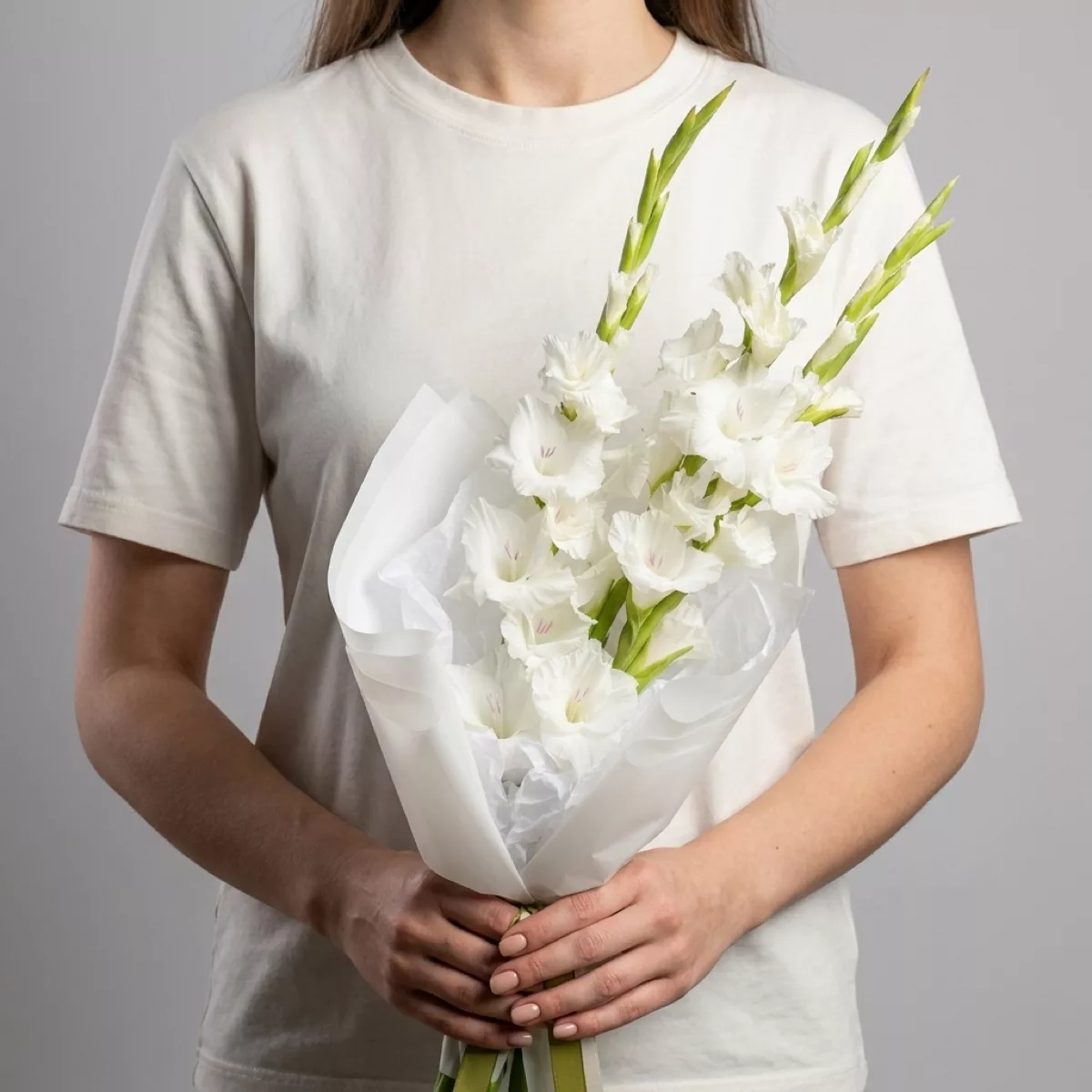
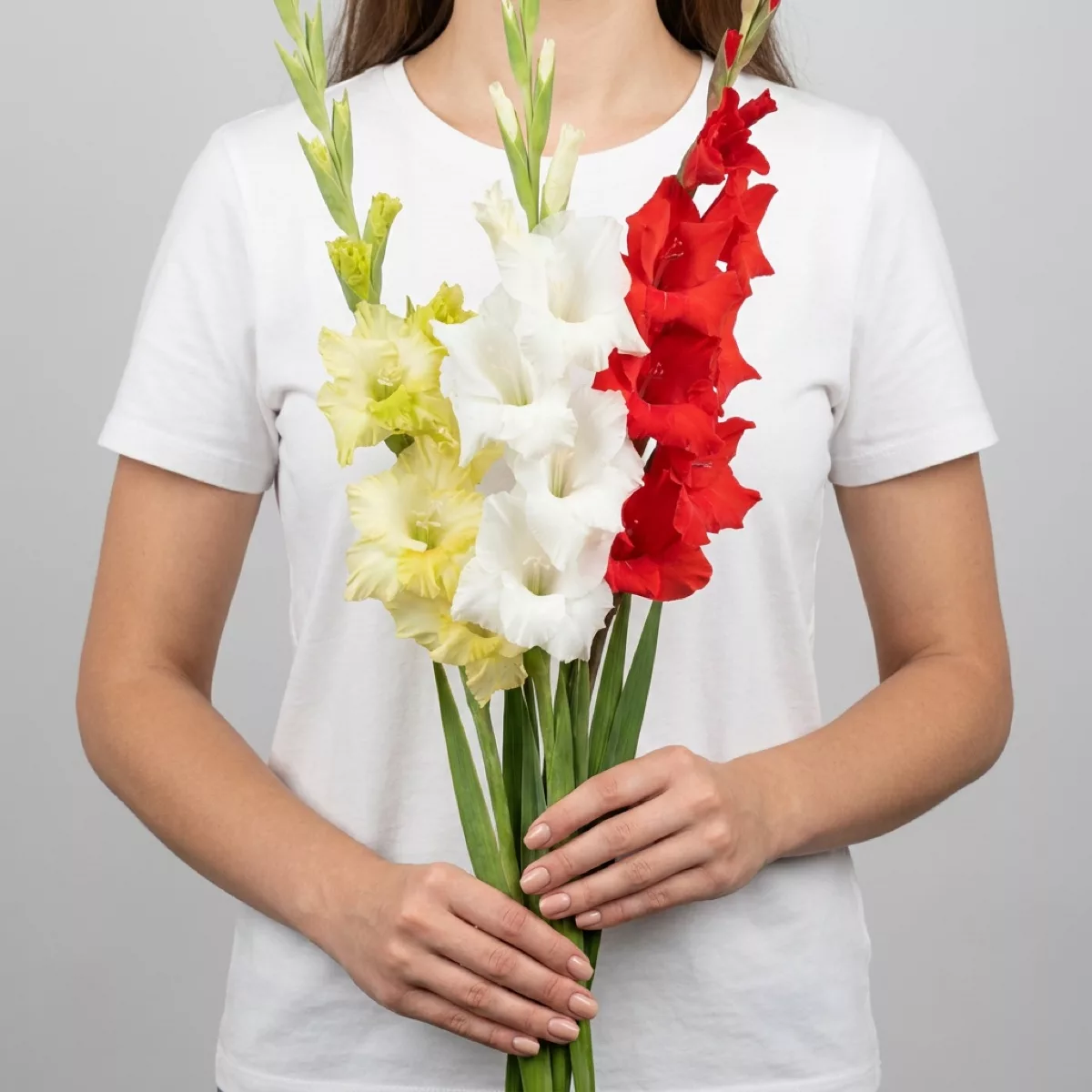
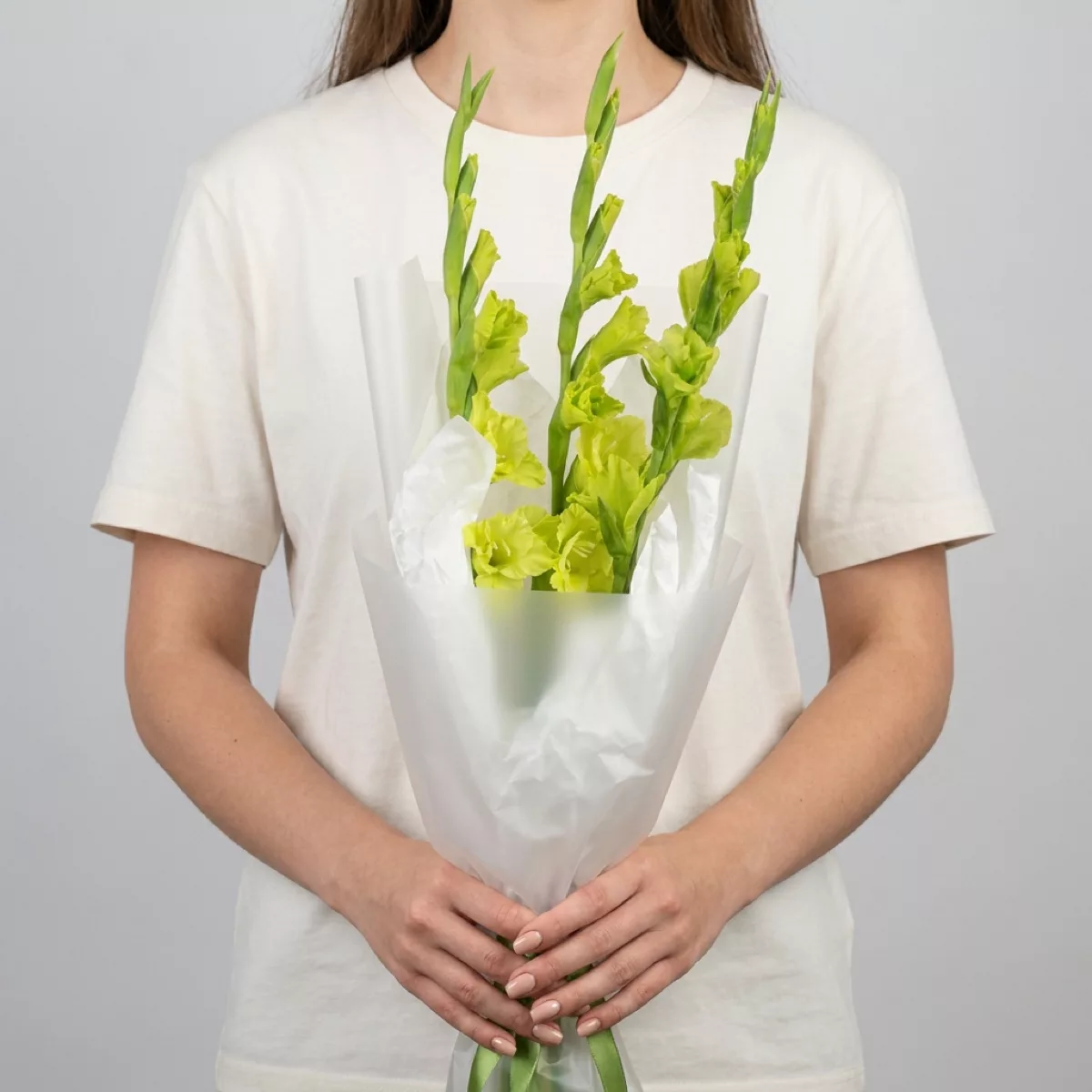
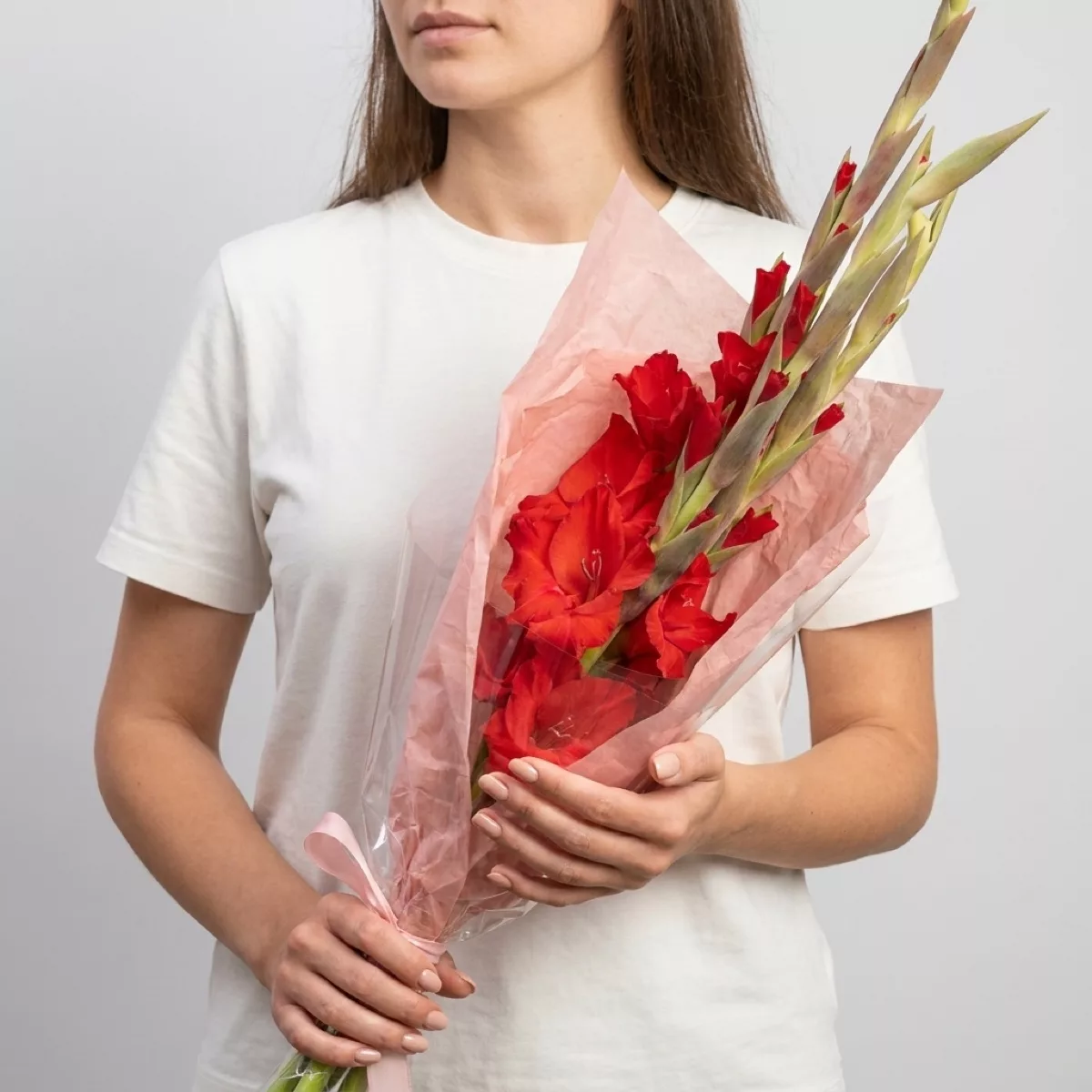
Bouquets we can deliver
Choosing the Right Moment: Time Zones and Order Windows
Saint Petersburg runs on Moscow Time, which is UTC+3. If you are in London, that is three hours ahead of you. If you are in New York, it is eight hours ahead. If you are in Tokyo, Saint Petersburg is already six hours behind. This matters enormously because a flower shop operates during daylight hours, and a bouquet assembled at the right moment stays fresher than one that sits waiting.
The most reliable window for same-day delivery to Kommunar is placing your order before 14:00 Saint Petersburg time. That gives the shop time to source, assemble, and dispatch without rushing. Orders placed in the morning Saint Petersburg time — even if that means you are setting an alarm at 5am in Vancouver — tend to result in the smoothest deliveries. Many international senders find it easiest to place the order the evening before their local time, which lands in the Saint Petersburg morning.
If the occasion is time-sensitive — a birthday morning, an anniversary dinner — specify the preferred delivery window clearly in the order notes. Write it in simple terms: "please deliver between 11:00 and 13:00 Saint Petersburg time." Avoid vague instructions like "morning" without a time zone reference. The florist reading your order is working in Russian time, and a clear window removes any ambiguity. Pre-scheduling a day in advance is always the safest approach when you cannot monitor the order in real time from abroad.
What Flowers Actually Travel Well to a Leningrad Oblast Address
Not every flower handles a road journey equally well, and this matters more in a smaller town where the drive is real rather than a short city block. Roses are the most reliable choice for deliveries to Kommunar. Ecuadorian roses with long stems and dense petals hold their structure through transit and look impressive when unwrapped. Spray roses add volume without adding fragility. Both varieties stay fresh for seven to ten days in a vase with clean water and a cool room.
Chrysanthemums are another excellent option. They are underrated in international flower culture but deeply appreciated in Russia, where they carry associations with warmth and sincerity rather than formality. A mono-bouquet of white or cream chrysanthemums reads as elegant and considered. Alstroemeria is similarly robust — the stems do not bruise easily, and the blooms open gradually over several days, which means your recipient enjoys the bouquet in stages.
Avoid flowers that are highly sensitive to temperature swings if you are ordering in winter. Tropical varieties like anthurium or bird of paradise can suffer when moving between a cold vehicle and a warm apartment entrance. In Leningrad Oblast winters, temperatures regularly drop below minus ten Celsius, and a delicate tropical stem can show cold damage within minutes of exposure. Roses, chrysanthemums, and alstroemeria all handle these transitions far better. In summer, lisianthus and eustoma are beautiful additions — they have a peony-like softness without the peony's short vase life.
Reading the Occasion: What to Order and for Whom
The bouquet should be a portrait of the person receiving it, not a default selection. Before you choose anything, think about who your recipient is and what you want them to feel when they open the door. A grandmother in Kommunar celebrating her birthday will respond differently to a gift than a young colleague marking a work anniversary. The flowers should fit the emotional register of the moment.
For a birthday, colour does the heavy lifting. Warm tones — coral roses, yellow freesia, orange gerbera — feel celebratory without being overwhelming. If your recipient is someone who dresses in muted tones and keeps a tidy, minimal home, a white and green arrangement of roses with eucalyptus will feel more personal than a loud mixed bouquet. Think about what their living space looks like and choose accordingly.
For romantic occasions, red roses remain the clearest statement in Russian flower culture, but they are not the only option. Deep burgundy peonies in season, or a combination of red and ivory roses, can feel more intimate and less generic. For a new baby or a housewarming, pastel tones work beautifully — soft pink ranunculus, white tulips in spring, or pale lilac matthiola. For professional occasions like a work promotion or a teacher's appreciation, white or cream arrangements signal respect without overstepping into the personal. When in doubt, ask the shop for a recommendation based on the recipient's age and the occasion — a working florist can translate a few details into exactly the right composition.
How to Write the Card Message When You Do Not Speak Russian
The card is often the part that worries international senders most. You do not need to write in Russian — a message in English, German, French, or any other language is perfectly fine. The recipient will understand the sentiment, and in many cases, receiving a card in another language adds to the warmth of the gesture. It shows that someone far away took the time.
If you would like the message translated into Russian, you can write it in your order notes and ask the shop to translate it. Keep the message simple and direct — translation is easiest when the language is clear. Avoid idioms that do not cross cultures well. "Wishing you all the best" translates cleanly. "Break a leg" does not.
Russian card culture tends toward warmth and sincerity rather than wit. Long, heartfelt messages are welcomed. Short, formal messages can feel slightly cold in this context, so if you are writing for a close relationship, do not hold back. Sign with your name as you would like it to appear — do not worry about transliterating it into Cyrillic unless you specifically want that. The florist will write it as given.
One practical note: write the card message in your order form, not as a separate email sent later. Orders move quickly once placed, and a message that arrives in a separate communication after the bouquet is already assembled may not make it onto the card in time. Put everything in one place from the start.
Getting the Address Right: The Detail That Changes Everything
Delivery in Russia uses a specific address format that differs from what you might be used to. A complete Russian address for a residential building typically includes the street name, building number, sometimes a corpus number (a secondary building identifier written as "k." followed by a number), apartment number, and floor. Missing any of these elements can delay or prevent delivery entirely, especially in a residential complex where multiple buildings share the same street number.
When you collect the address from your recipient — or from a family member passing it along — ask explicitly for all of these components. A message that says "Kommunar, Leningradskaya Street, building 5" is not enough. You need building 5, corpus 2, apartment 47, floor 4 — or whatever the full details are. If your recipient lives in a private house rather than an apartment block, the street and house number are usually sufficient, but confirm whether there is a gate code or intercom number.
Also confirm the recipient's phone number and include it in your order. Russian delivery couriers will typically call ahead to confirm they are on their way, and if the recipient does not pick up an unknown number, the delivery can be delayed. Let your recipient know a call is coming from a Saint Petersburg number so they do not ignore it. This small step prevents the most common delivery complication for international orders and makes the whole experience smoother for everyone involved.
Caring for the Bouquet Once It Arrives: What to Tell Your Recipient
A fresh bouquet from a professional florist has already been conditioned — stems trimmed at an angle, leaves below the waterline removed, and the flowers hydrated before packing. But what happens in the first hour after delivery determines how long the bouquet lasts. Passing along a few simple instructions can double the vase life of even the most delicate arrangement.
The first step is re-trimming the stems immediately after unwrapping, cutting about two centimetres off at a diagonal with a sharp knife rather than scissors. Scissors can crush the stem tissue and reduce water uptake. The vase should be filled with cool, clean water — not cold, not warm. Room temperature water with a small sachet of flower food, if one is included with the bouquet, is ideal. Change the water every two days and re-trim the stems each time.
Location matters more than most people realise. Flowers age fastest near heat sources — radiators, sunny windowsills, and the tops of televisions are all places to avoid. In Russian apartments, which are often very warm in winter due to central heating, keeping the bouquet in a cooler room overnight extends its life noticeably. A hallway or a room with a slightly open window in mild weather is perfect.
Roses will last seven to ten days with good care. Chrysanthemums can go two weeks. Alstroemeria and lisianthus typically last ten to fourteen days. Tulips are shorter-lived at five to seven days but are so visually striking that they are worth it for the right occasion. Telling your recipient these simple facts turns a beautiful delivery into a lasting memory.
Sending flowers to Kommunar from the other side of the world is genuinely straightforward once you understand the timing, the address format, and what grows well in this climate. The distance between you and your recipient does not have to show in the bouquet. A fresh arrangement assembled that morning in Saint Petersburg, driven directly to a Kommunar doorstep, and accompanied by a card in your own words is one of the most personal gestures you can make from far away. The logistics are handled. The feeling is entirely yours.
Frequently asked questions
Can I order flowers for Kommunar if I do not have a Russian phone number?
Yes, you can place an order using any international phone number or email address. The important number to include is your recipient's Russian mobile number, which the courier uses to confirm delivery. Your own contact details are for order confirmation and can be from any country.
What happens if my recipient is not home when the flowers arrive?
The courier will call ahead using the phone number provided in the order. If there is no answer and no one is home, the shop will contact you to arrange a new delivery window. This is why including an accurate recipient phone number and giving them a heads-up about the delivery makes the whole process much smoother.
Is it possible to schedule a delivery for a specific date in advance?
Yes, and for international senders it is often the best approach. You can place your order up to several days ahead and specify the exact delivery date and preferred time window in Saint Petersburg time. Pre-scheduling removes the pressure of placing a last-minute order across time zones.
Do Russian recipients expect a certain type of flower for birthdays?
Roses are the most universally appreciated choice for birthdays in Russia. Bright, warm colours — red, coral, yellow — read as celebratory. Odd numbers of flowers are traditional for happy occasions in Russian culture, so a bouquet of 11, 15, or 25 roses will feel naturally right to a Russian recipient.
How do I pay for an international order if I do not have a Russian bank card?
Turboflora accepts international payment cards through its website. You do not need a Russian account or a Russian card to complete a purchase. The checkout process works in the same way as any international e-commerce site, and your order is confirmed once payment is processed successfully.
Ready to send flowers?
Pick the city, choose the bouquet, and a local florist takes it from there.
Choose a city →