Sending Flowers to Kondopoga from Abroad? Read This First
Kondopoga sits on the western shore of Lake Onega in the Republic of Karelia, a city where winters are long, summers are brief, and a bouquet arriving at the door genuinely surprises people. If you are ordering from Germany, Israel, the United States or anywhere else outside Russia, the distance feels daunting — but the emotion you want to send is completely achievable. You just need to know a few things about timing, seasonal realities, Russian gifting customs, and what flowers actually travel well to a northern city before you place the order.
Why Kondopoga Requires a Little Extra Thought
Kondopoga is not a metropolis, and that matters when you are choosing flowers from thousands of kilometres away. The city has a real population with real celebrations — birthdays, anniversaries, graduations, new babies — and people there appreciate a thoughtful gesture just as much as anyone in Saint Petersburg or Moscow. The difference is that northern Karelia has a climate that pushes back. Winters regularly drop below minus twenty degrees Celsius, and even spring arrives slowly, meaning the outdoor temperature can damage an unprotected bouquet between the delivery vehicle and the front door.
This is not a reason to hesitate. It is a reason to choose the right flowers and the right service. Hardy stems like chrysanthemums, alstroemeria, and spray roses handle cold air far better than tropical varieties such as anthuriums or bird of paradise. When you order through a florist who understands the northern route, your bouquet is wrapped and insulated for the last stretch. The key is to place your order with someone who controls the full journey, not just the assembly.
For a sender abroad, the other consideration is simply unfamiliarity with how Russian addresses work. Kondopoga uses the standard Russian format: street name, building number, apartment number. When you fill in the delivery form, include all three. A missing apartment number is the single most common reason a delivery is delayed in any Russian city, and in a smaller city like Kondopoga it causes a longer hold-up than it would in a capital.
Bouquets we can deliver

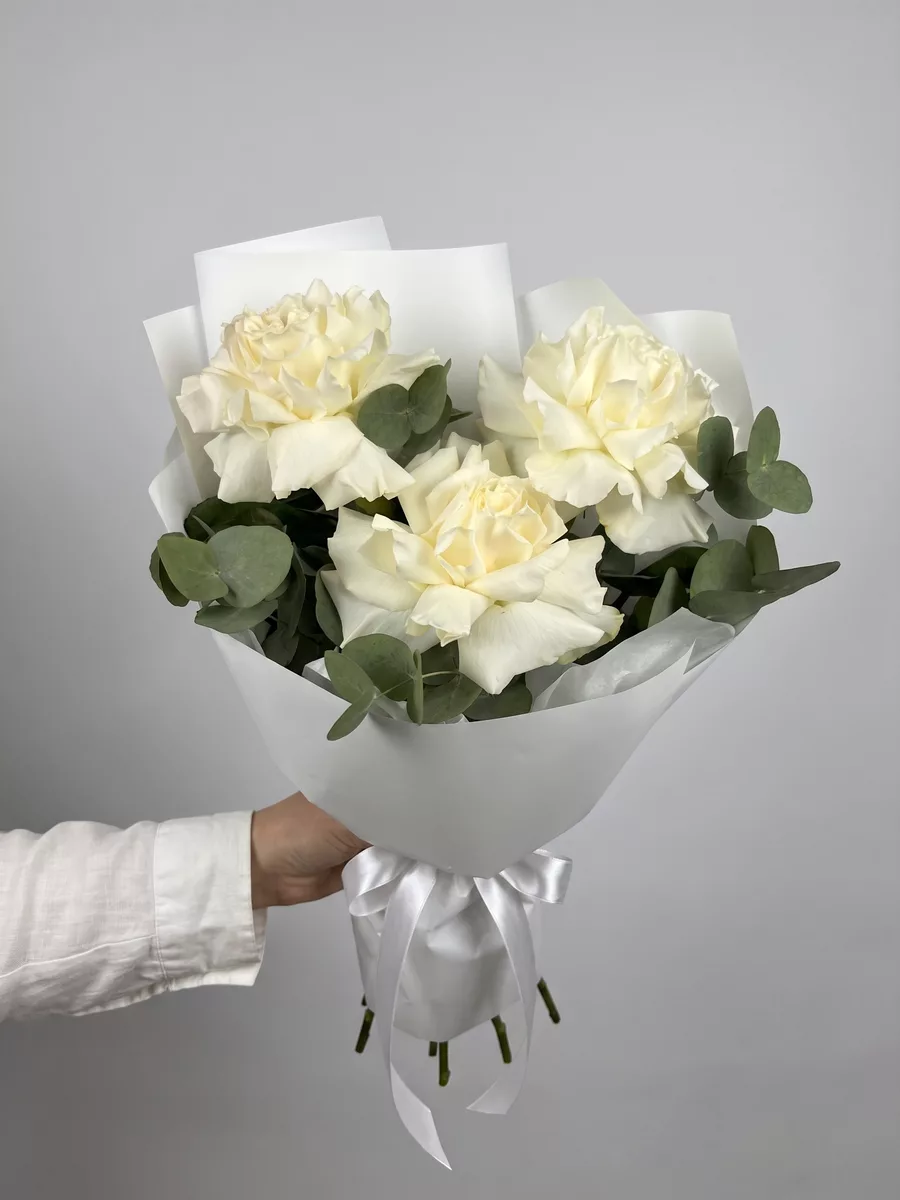
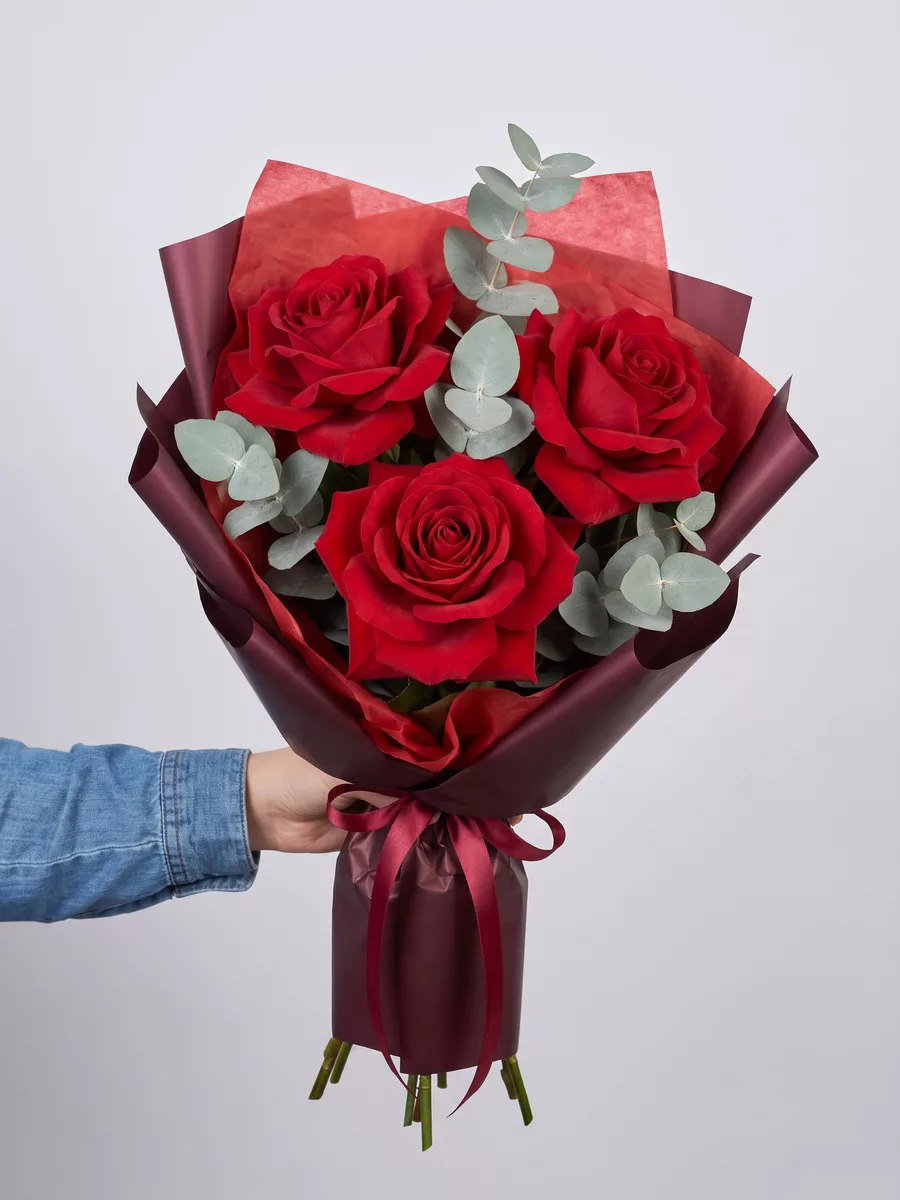
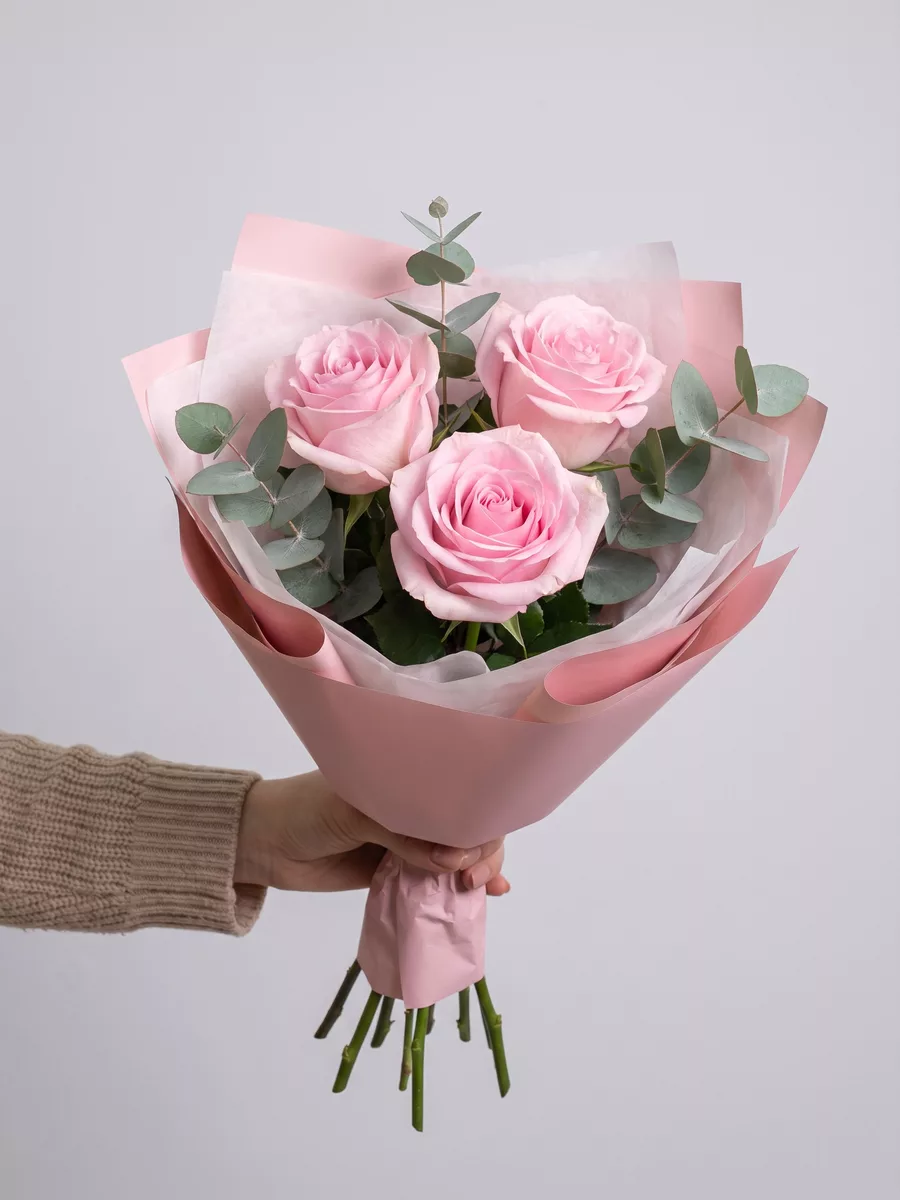
What Russian Gifting Customs Mean for Your Order
If you have not sent flowers inside Russia before, a few customs are worth knowing so your gift lands exactly as you intend it. The most important one is the odd-number rule. Bouquets given as celebration gifts traditionally contain an odd number of stems — five, seven, nine, eleven. Even numbers are associated with mourning and are left at graves. This is not a rigid law, but it is a deeply held convention, and most Russian recipients will notice. When you order, you do not need to count stems yourself; simply tell your florist the occasion and they will compose accordingly.
Colour carries meaning too, though less rigidly than the number rule. Red roses communicate romantic love clearly and universally. White flowers read as elegant and respectful — perfectly appropriate for a teacher, a colleague, or a formal congratulation. Yellow flowers were once considered unlucky in Soviet-era superstition, but that association has faded significantly among younger generations. If the recipient is over sixty and you are uncertain, a mix of pink, coral, and white is safe and warm for almost any occasion.
Wrapping style matters in Russia more than in many Western countries. A bare bouquet handed over without paper or ribbon looks unfinished. Kraft paper with a ribbon, or a soft fabric wrap, signals that care went into the presentation. When you order remotely, describe the occasion and let the florist choose the wrap — they know what reads as celebratory versus understated in the local context. Your role is to give the occasion; their role is to translate it into the right presentation.
Choosing Flowers for the Person, Not Just the Occasion
The best starting point when ordering for someone in Kondopoga is to think about the recipient before you think about the occasion. A bouquet for a woman turning fifty who loves her garden is a different conversation from a bouquet for a twenty-five-year-old who works in tech and has never owned a vase. Both might be birthday flowers, but they should look nothing alike.
For someone who appreciates classic beauty and tends plants at home, garden-style arrangements work beautifully — think garden roses, lisianthus, and eucalyptus, assembled loosely so the bouquet looks gathered rather than constructed. Lisianthus is particularly well-suited to Kondopoga deliveries because its ruffled petals are sturdy and its vase life runs to ten days or more when cut correctly. Eucalyptus adds a soft grey-green that photographs well and smells wonderful when the recipient unwraps the paper.
For someone younger or with a more contemporary aesthetic, a monochrome bouquet of a single variety in a bold colour makes a strong impression. A bunch of deep burgundy spray roses, for example, or a cluster of white ranunculus, communicates confidence and intention. These are not complicated flowers, but in a single colour they look deliberate and modern.
For a man — and men in Russia do receive flowers, particularly for birthdays and professional milestones — a structured arrangement with strong forms works better than a soft romantic mix. Sunflowers, large-headed chrysanthemums, and tropical greenery like monstera leaves read as bold and appropriate. Keep the palette simple: two colours at most.
Timing Your Order Across Time Zones
This is where most international senders make their first mistake. Kondopoga operates on Moscow Time, which is UTC plus three hours with no daylight saving adjustment. That means if you are in New York, Kondopoga is eight hours ahead in winter and seven in summer. If you are in London, it is three hours ahead. If you are in Tel Aviv, it is one hour ahead. These gaps seem manageable until you realise you are placing an order at what feels like a reasonable afternoon hour your time, and it is already late evening in Kondopoga.
For same-day delivery, orders need to reach the florist while there is still working time in the destination city. A good rule of thumb is to place your order before noon Kondopoga time to be confident of a same-day arrival. If you are unsure of the time difference, convert first and then order. Trying to rush a delivery because of a miscalculated time zone is stressful for everyone and occasionally impossible.
For planned occasions — a birthday, an anniversary, a graduation — ordering one or two days ahead is always the smarter approach. It gives you time to confirm the address, choose the right flowers without rushing, and add a message card with a personal note. The card is important: in Russian custom, a written note accompanying flowers is read carefully and often kept. Write something specific to the person rather than a generic greeting, and if you write in English, include a brief Russian translation if you can manage it — even a simple one shows effort that recipients genuinely appreciate.
Seasonal Flowers and What Survives the Karelia Climate
Karelia's seasons are extreme by most standards. January and February regularly see temperatures between minus fifteen and minus twenty-five degrees Celsius. July and August are mild and sometimes warm, reaching eighteen to twenty-two degrees. Spring arrives in May and is short. Autumn turns cold by late September. Each season changes what flowers are practical to send.
In winter, the challenge is cold damage between the vehicle and the door. Flowers with thick petals and strong stems survive best. Chrysanthemums in all their varieties — from the large disbudded heads to the smaller spray types — are genuinely winter-hardy and stay fresh for twelve to fourteen days with clean water and a cool room. Alstroemeria is another excellent winter choice: its stems are resilient, it does not bruise easily, and the flowers open gradually over a week, which means the recipient enjoys the bouquet in stages.
In summer, the opposite problem appears: warmth accelerates wilting. Roses and tulips are beautiful but need to be delivered quickly and placed in water immediately. Sunflowers are surprisingly robust in summer heat and last well if the stem is cut at an angle and the water changed every two days. Hydrangeas are a summer favourite but are notoriously thirsty — they need deep water and a cool spot away from direct light.
Spring and autumn are transition seasons where almost any variety works if delivery is prompt. Tulips arrive in Russia in large quantities from March through May and are genuinely affordable and cheerful during that window. Peonies appear in May and June and are deeply beloved in Russian culture — a peony bouquet for a spring birthday or anniversary is always received with real warmth.
Writing Your Message Card for a Russian Recipient
The message card is not an afterthought. In Russian culture, the words that accompany flowers carry as much weight as the flowers themselves, and recipients often read the card aloud to family members present at the moment of delivery. This means what you write matters, and it is worth spending two minutes composing something genuine.
If you are writing in English for a recipient who reads English, write naturally and personally. Avoid generic phrases like 'thinking of you' with nothing behind them. Instead, name something specific: a shared memory, a quality you admire in the person, a reason this particular day matters. Even one specific sentence transforms a polite greeting into something the recipient will remember.
If the recipient reads primarily Russian and you do not speak the language, you have options. You can write your message in English and ask the florist to note that the sender is abroad — most Russian recipients find a message from a foreign country charming even if they need help translating it. Alternatively, use a simple translation tool for a short sentence and ask the florist to verify it before printing. Do not attempt a long Russian text through machine translation without a check; errors in Russian can accidentally change the meaning significantly.
For formal occasions — a professional milestone, a thank-you to a teacher or mentor — keep the tone respectful and slightly more formal than you might use in English. Russian professional culture appreciates a clear acknowledgement of what the occasion is and why the sender values the recipient. A sentence like 'On the occasion of your anniversary, with deep respect and warm wishes' reads perfectly in this context and needs no embellishment.
After the Bouquet Arrives: Care Instructions Worth Passing Along
You will not be there when the flowers arrive, but you can still help the recipient keep them longer. A brief note on the card, or a quick message sent separately, with a few care tips is a genuinely kind touch — and it means your flowers last as long as possible, which reflects well on the thought you put into the gift.
The single most important step is cutting the stems. Before placing flowers in a vase, the recipient should cut each stem at a forty-five-degree angle, removing about two centimetres from the bottom. This opens the stem's water-absorbing surface and prevents it from sitting flat against the vase bottom where water cannot enter. A sharp knife is better than scissors, which can crush the stem tissue.
Water temperature matters more than most people realise. Lukewarm water — not cold, not hot — encourages most flowers to open and drink. The exception is tulips, which prefer cold water and a cool room. Roses do well in room-temperature water with a small amount of flower food if it is included in the packaging.
The vase location makes a significant difference in how long the bouquet lasts. Away from direct sunlight, away from heating radiators, and away from fruit bowls — ethylene gas released by ripening fruit accelerates petal drop in roses and carnations noticeably. A cool windowsill in a north-facing room is ideal in summer. In winter, the warmth of a Russian apartment is unavoidable, so changing the water every two days becomes more important than usual. With these steps, a well-chosen winter bouquet of chrysanthemums or alstroemeria can easily last ten to fourteen days.
Sending flowers to Kondopoga from another country is genuinely possible, and when it works well it is one of the most affecting things you can do across a distance. The key is to start from the person — who they are, what they love, what this day means to them — and then make practical decisions about timing, variety, and presentation that serve that intention. A florist who knows the northern Russian climate, understands the customs, and controls the full delivery chain does the rest. Your job is simply to care enough to send something real.
Frequently asked questions
Is Kondopoga small enough that florists there know the streets well?
Yes, and that local knowledge matters. Kondopoga is a compact city where working florists are familiar with the residential districts, the main thoroughfares, and the quirks of building numbering. When you order through a service with an established local network, the courier is not guessing. What you provide on the form still needs to be complete, particularly the apartment number, but the florist side is reliable.
Which flowers should I avoid sending to Kondopoga in January or February?
Avoid tropical stems that suffer in cold air. Anthuriums, bird of paradise, and orchid arrangements struggle when temperatures drop sharply between the florist and the door. Chrysanthemums, alstroemeria, spray roses, and carnations are far more resilient on a northern Karelian winter delivery. If you want something that looks generous and survives the last stretch, a full chrysanthemum bouquet with greenery is a genuinely strong choice.
What does a celebration bouquet look like in Kondopoga compared to what I might send at home?
Russian celebration bouquets tend to be fuller and rounder than what many Western senders expect. Volume reads as generosity. Florists here often layer different stem heights and add structured greenery to give the arrangement presence. If you are used to ordering a single variety in a slim wrap, consider asking for a mixed bouquet instead. The recipient will immediately recognise it as a proper celebratory gift.
Can I write a card message in English and will the recipient be able to read it?
You can, but it is worth considering your recipient. Younger people in Kondopoga are more likely to read English comfortably than older generations. If the bouquet is for a grandparent or an older relative, ask the florist to transliterate or translate a short message into Russian when you place the order. A card in the recipient's own language makes the gesture feel considered rather than simply convenient for the sender.
How does the Karelian summer affect what flowers are available in Kondopoga?
The brief northern summer, roughly June through August, is actually when locally grown stems become more accessible and bouquets can include garden varieties that would not survive winter transport. Peonies, sunflowers, and field-style mixed arrangements are realistic in summer months. If you are sending for a late summer birthday or anniversary, this is the season to ask for something seasonal rather than defaulting to year-round standbys like roses.
Ready to send flowers?
Pick the city, choose the bouquet, and a local florist takes it from there.
Choose a city →