Sending Flowers to Konstantinovsk from Abroad: What You Need to Know
You are somewhere far from Russia — a different time zone, a different season, maybe a different continent — and someone you care about is in Konstantinovsk waiting, perhaps without knowing it yet. The distance makes the gesture bigger, not smaller. What it also does is raise a few practical questions that are worth answering before you place an order, so that the bouquet arriving at their door feels effortless, even though you planned every detail from thousands of kilometres away.
What Konstantinovsk Is Like and Why It Matters for Your Order
Konstantinovsk is a small town in the Rostov Oblast of southern Russia, sitting on the Don River. It has a warm continental climate, which means summers are genuinely hot and winters are cold but not extreme by Russian standards. That climate shapes everything about how flowers travel and survive once they arrive. In July and August, daytime temperatures regularly climb above thirty degrees Celsius. A bouquet of garden roses or sweet peas left in a warm hallway will lose half its vase life in a single afternoon if it is not placed in water quickly. Conversely, in January and February, a delicate arrangement of anemones or ranunculus needs protection from the cold during the last stretch of delivery. When you order from abroad, you are not just choosing flowers — you are choosing flowers for a specific microclimate at a specific time of year. A good florist accounts for that automatically, selecting stems and wrapping materials that suit the season. Konstantinovsk is not a major metropolitan centre, so the person receiving your flowers will likely feel the gesture even more acutely than someone in a large city where deliveries are routine. A well-chosen bouquet there carries real weight. Understanding the local context helps you brief your order with confidence and set the right expectations for the recipient.
Bouquets we can deliver
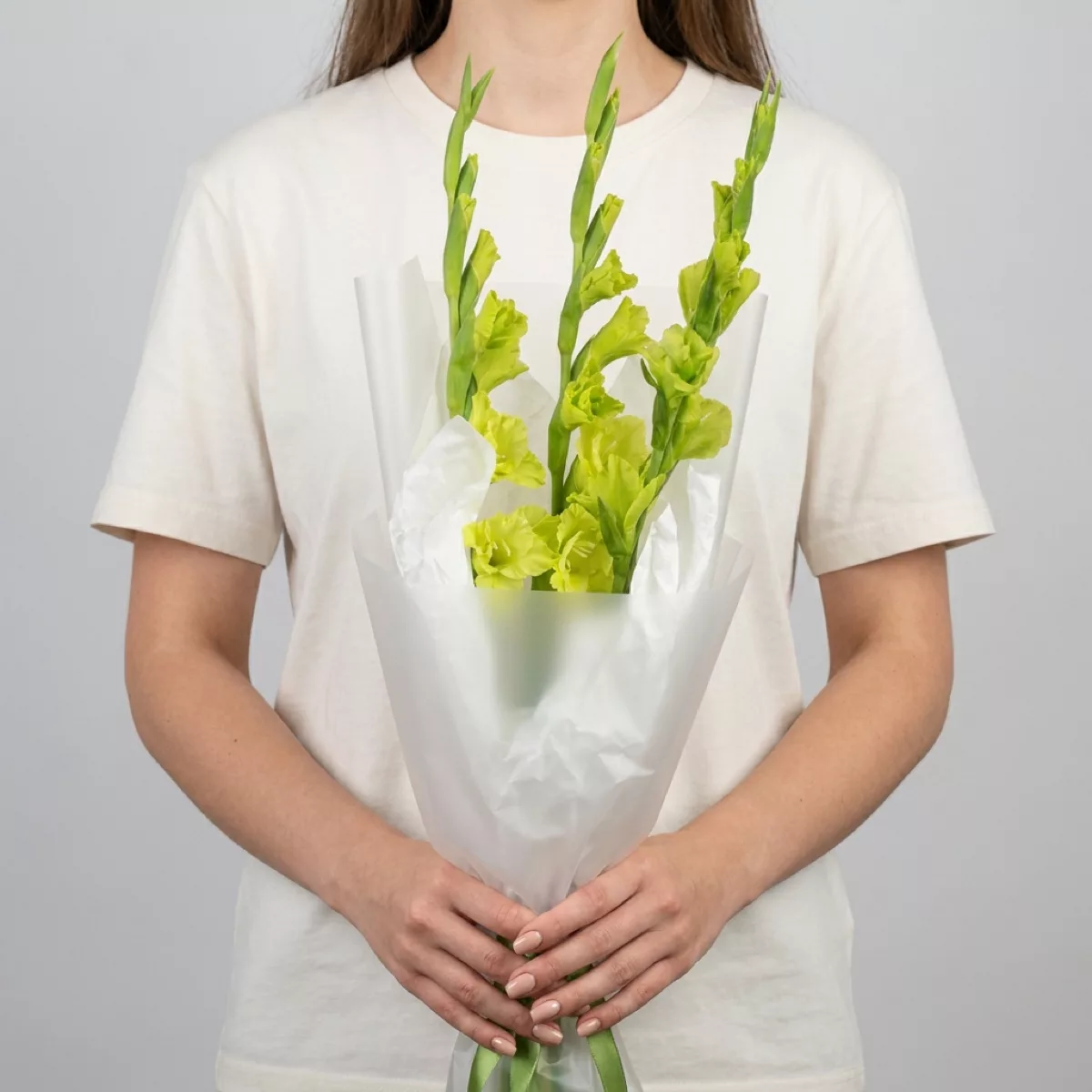
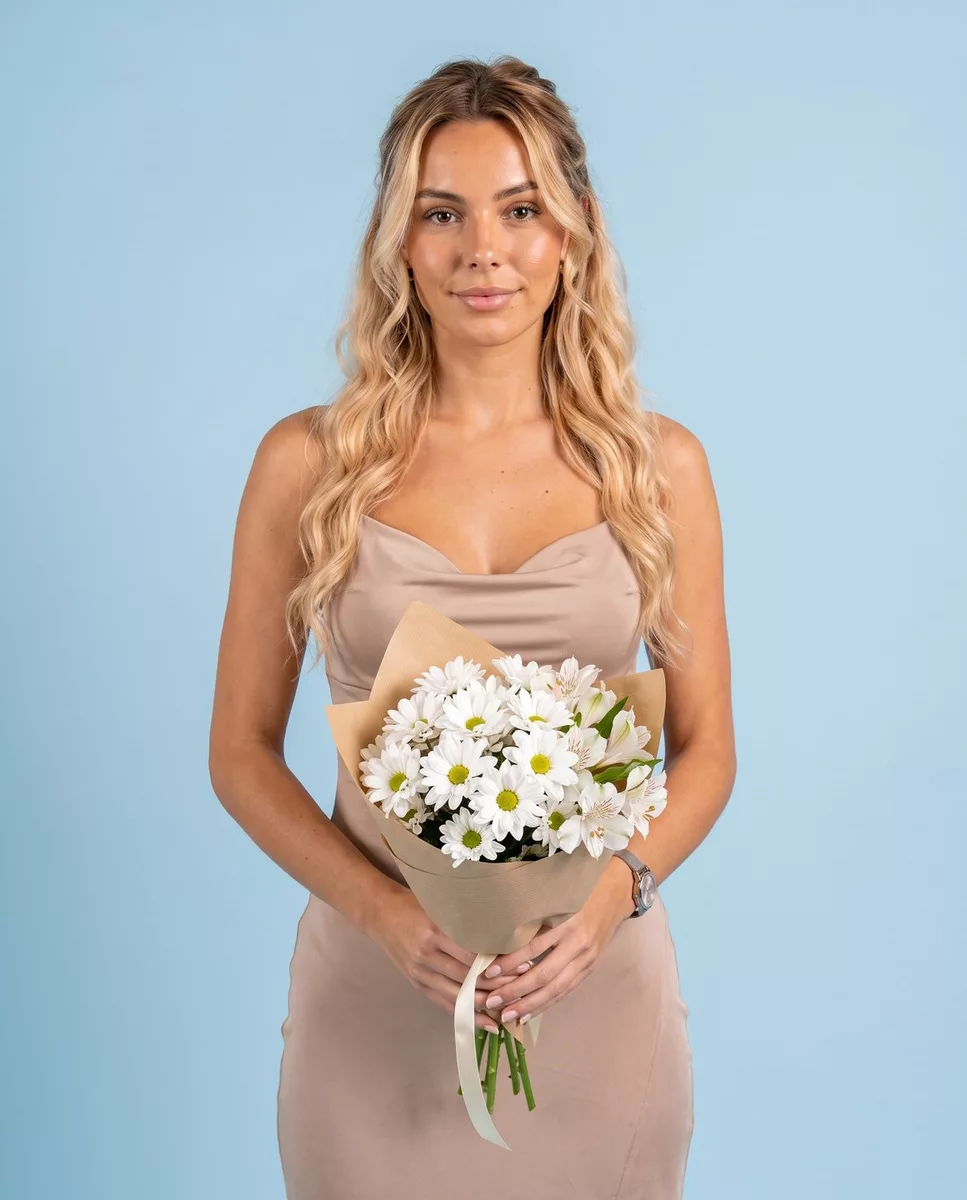
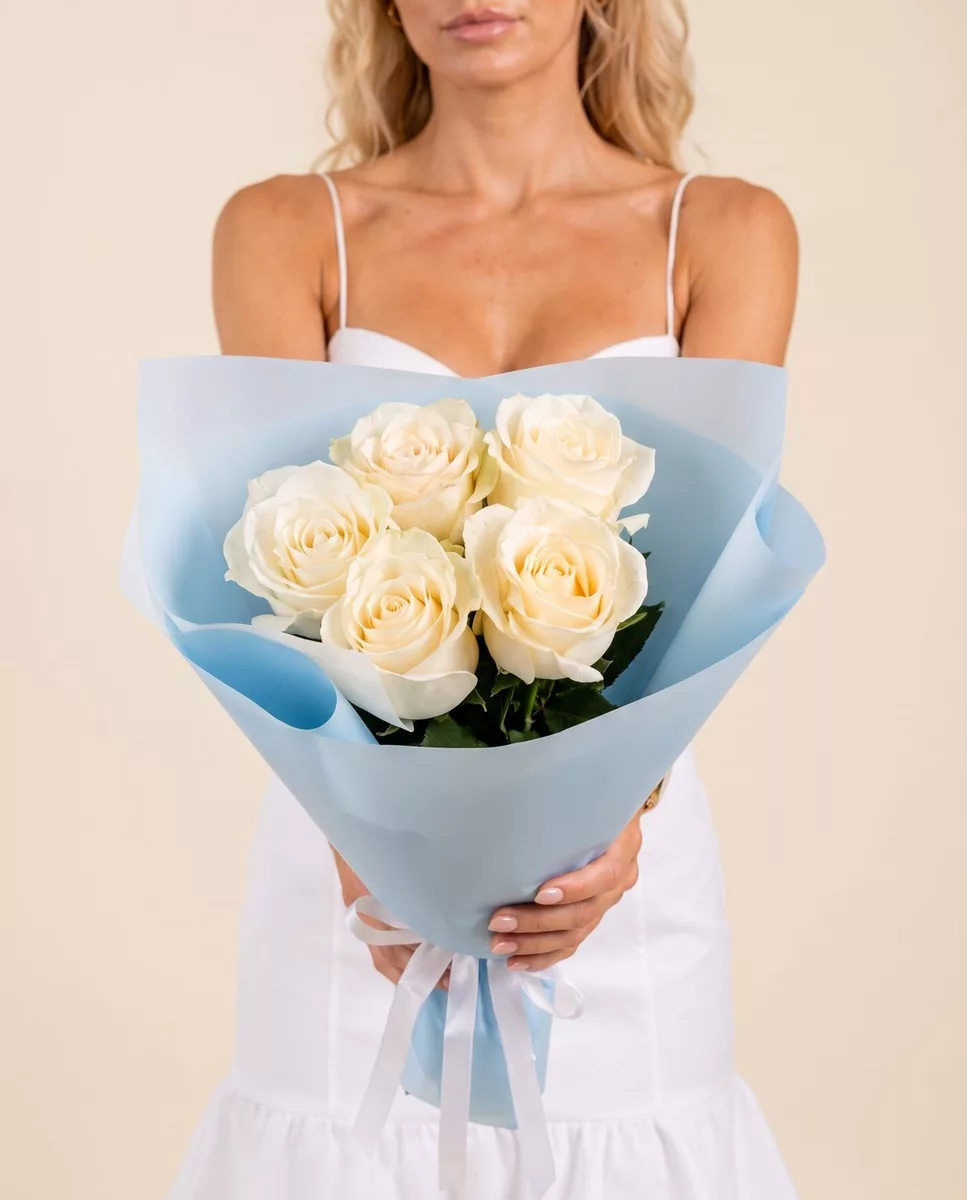
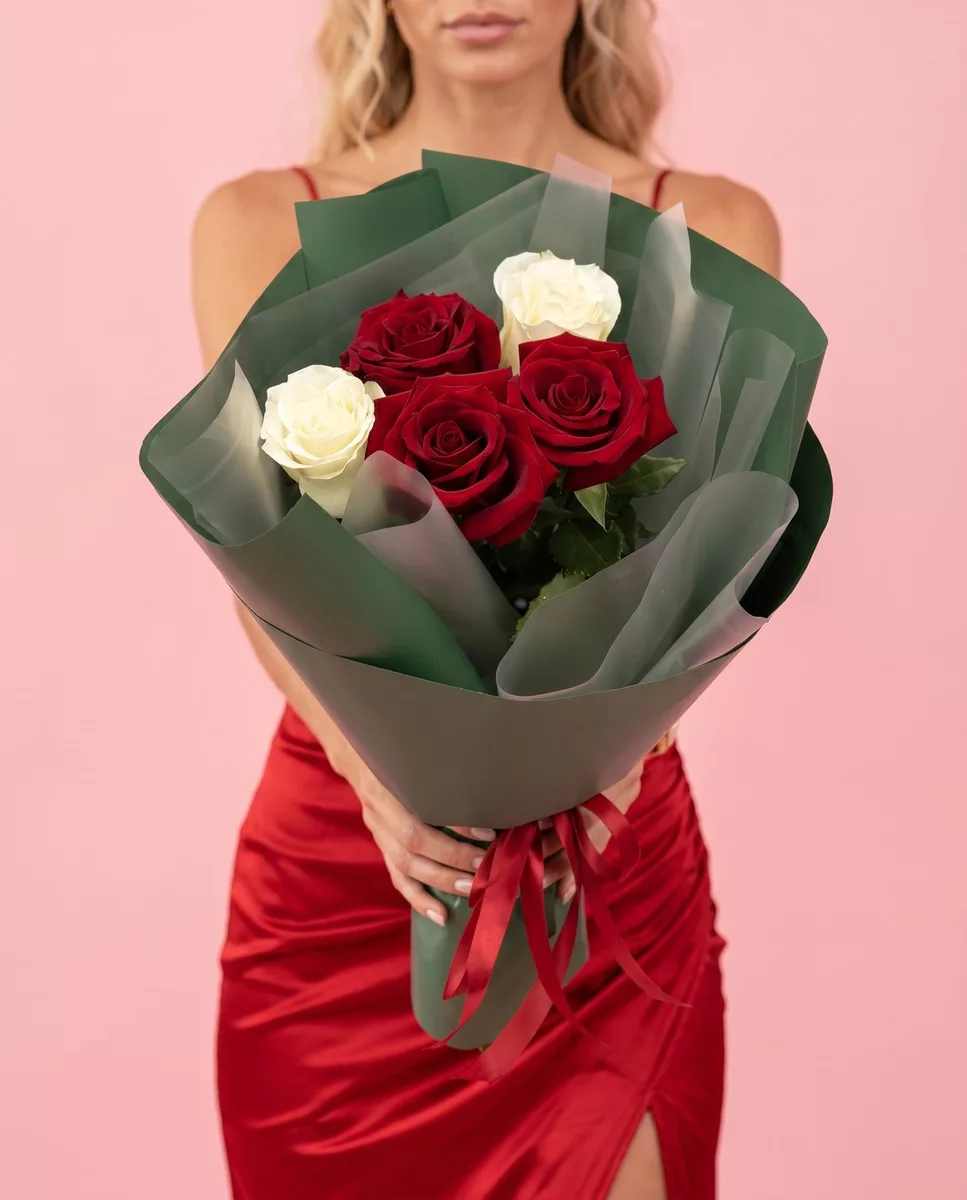
Choosing Flowers for the Person, Not Just the Occasion
The most important question is not what occasion you are marking but who is standing at the door when the courier rings. A grandmother in Konstantinovsk who grew up tending a kitchen garden will likely respond more warmly to a lush arrangement of garden-style spray roses, alstroemeria and eucalyptus than to a minimalist single-variety bouquet. A young woman starting a new job might love the clean optimism of white and yellow tulips in spring, or a sculptural arrangement of burgundy dahlias in autumn. Think about the person's home first. A small apartment calls for a compact, upright arrangement that fits a standard vase without drama. A house with a large table can carry a wide, generous bouquet of sunflowers and solidago that spreads across the surface and fills the room with colour. If you are sending to someone you know well, consider their favourite colour over any florist's convention about what is appropriate. Russians tend to prefer odd numbers of stems in a bouquet — this is a genuine cultural norm, not a myth. Even numbers of flowers are traditionally associated with mourning, so a thoughtful florist will always compose an odd count: five, seven, eleven, fifteen stems. If you are ordering from abroad and specifying stem counts, keep this in mind. It is a small detail that locals notice and appreciate, and it costs you nothing to get right.
Timing Your Order Across Time Zones
Konstantinovsk runs on Moscow Time, which is UTC plus three hours. There is no daylight saving adjustment in Russia, so the offset from your location stays constant year-round. If you are in London, you are three hours behind Konstantinovsk. If you are in New York, you are eight hours behind. If you are in Tokyo, you are six hours ahead. This matters enormously when you want same-day or next-morning delivery. Placing an order at ten in the evening London time means it is already one in the morning in Konstantinovsk — too late for a same-day arrangement and tight even for early-morning delivery the following day. The practical rule is to place your order before noon Moscow Time to guarantee same-day delivery. Working backwards from that gives you a clear local deadline: nine in the morning in London, four in the morning in New York, six in the evening in Tokyo. If you miss that window, the safer and often better choice is to schedule delivery for the following morning, when the recipient is home and alert enough to enjoy the moment properly. A bouquet arriving at eight in the morning with a card is a genuinely lovely way to start a birthday. One arriving at nine in the evening when someone is already tired lands differently. Turboflora delivers across Russia including Konstantinovsk within one to two hours of order confirmation, so once your order is placed at the right time, the logistics move quickly.
Seasonal Flowers That Work Well in Southern Russia
The Rostov region has a long growing season compared to central Russia, and that influences what looks freshest at different times of year. In spring, from March through May, tulips are at their peak — they travel well, open beautifully in a warm room and carry a sense of renewal that suits birthdays, International Women's Day on the eighth of March, and simple gestures of affection equally well. Peonies arrive in late May and carry through June; they are enormously popular in Russia and a bouquet of blush or coral peonies will almost always delight. Summer brings garden roses in full force — David Austin-style varieties with cupped, layered blooms in apricot, cream and soft pink are widely available and hold up well in heat if kept in water. Sunflowers are a natural choice for the south in July and August; they are cheerful, long-lasting and feel completely at home in the region. Autumn shifts the palette toward dahlias, chrysanthemums and hypericum berries, which combine beautifully with dried elements like cotton stems or pampas grass for a textured, warm arrangement. Winter is the season for roses and orchids, both of which travel reliably in cold weather and last well in heated interiors. Avoid delicate tropical flowers like bird of paradise in deep winter, as the temperature contrast between the delivery vehicle and a cold doorstep can shock the stems. Stick to hardier varieties and ask for extra wrapping if temperatures are below minus five.
Writing the Card: Language, Tone and What Russians Appreciate
A card message in Russian will mean more to most recipients in Konstantinovsk than one in English, even if the sentiment is identical. If you write your message in English, a good florist will either transliterate it or ask whether you would like it translated. It is worth thinking about this before you order rather than leaving it as an afterthought. Russian card culture tends toward warmth and directness. Phrases that feel slightly formal in English — wishing someone health, happiness and long years — are entirely natural in Russian and carry genuine affection rather than stiffness. If you are celebrating a birthday, the word den rozhdeniya is the standard term; if you are marking a professional achievement, the phrase s uspehom, meaning with success, lands well. You do not need to write in Russian yourself. Simply noting in your order instructions that the message should be warm and personal, and providing the sentiment in English, gives the florist enough to work with. What to avoid: very long messages that crowd a small card, inside jokes that require context the florist cannot supply, and anything ambiguous that could be misread. Keep it sincere and specific — mention the occasion, say something true about the person, and close with your name. A card that reads like a form letter undermines an otherwise beautiful bouquet. One that feels personal makes the whole delivery memorable.
Packaging and Presentation for a Long Journey to the Door
When you are sending flowers across a country as large as Russia, even a local delivery in Konstantinovsk benefits from careful packaging. The stems need to stay hydrated from the moment they leave the florist until the moment they reach the recipient's hands. Aqua packs — small sealed water pouches attached to the stem ends — are standard for deliveries longer than thirty minutes. For summer deliveries in the heat of the Rostov region, insulated wrapping helps protect delicate petals from wilting before the door opens. The outer presentation layer matters too, because the unwrapping is part of the experience. Kraft paper with a linen ribbon gives a natural, artisan feel that suits garden-style arrangements. Structured box arrangements travel particularly well and arrive looking exactly as composed, which is worth considering if the recipient lives on an upper floor of an apartment building and the courier needs to carry the bouquet in an elevator. Avoid requesting very tall, top-heavy arrangements for Konstantinovsk deliveries in summer — they are harder to transport safely in heat and the visual drama is better suited to a controlled indoor setting. Compact, lush and well-proportioned works better in practice. When you place your order from abroad, you can specify the presentation style in the notes field. Mentioning whether the recipient lives in an apartment or a house, and whether they are likely to be home alone or with family, helps the florist make the right call on scale and wrapping.
Helping the Recipient Keep the Flowers Fresh
The bouquet arrives beautifully, the recipient is delighted — and then, three days later, the flowers look tired because nobody told them what to do next. As the sender, you can change that outcome by including simple care instructions with the card, or by knowing what to tell them in a message. Fresh-cut flowers in Konstantinovsk's warm summers need cool water changed every two days, a diagonal cut on the stems to increase water uptake, and a position away from direct sunlight and heat sources. A windowsill in July is not a good location for roses or tulips. A shaded corner of a room with good air circulation is ideal. Tulips continue to grow after cutting and will lean toward light, so rotating the vase keeps them upright. Roses benefit from having their lower leaves removed before going into water, as submerged foliage decays quickly and clouds the water. Peonies, if they arrive as tight buds, can be encouraged to open by placing them in slightly warm water in a warm room. Chrysanthemums and alstroemeria are among the longest-lasting cut flowers and need less attention than roses or tulips — a good choice if the recipient is busy or not particularly experienced with flower care. Orchid arrangements in decorative pots need watering only once a week and will last for weeks rather than days, making them an excellent option for someone who travels or works long hours. Mentioning vase life in your card — something like these should last ten to twelve days with fresh water — sets a realistic and reassuring expectation.
Sending flowers to Konstantinovsk from abroad is not complicated once you understand the time zone, the season and the person you are sending to. The distance between you and the recipient is the whole point of the gesture — it says that you thought of them specifically, made an effort across continents, and wanted them to feel something real on an ordinary or extraordinary day. Get the timing right, choose stems that suit the weather, write something true on the card, and the rest takes care of itself.
Frequently asked questions
Can I pay for a Konstantinovsk delivery using a non-Russian bank card?
Yes. Turboflora accepts international payment methods at checkout. If you encounter any issue with your card, the support team can suggest an alternative. The process is straightforward and designed for customers ordering from outside Russia, so you do not need a Russian account or local payment system to complete your order.
What if the recipient is not home when the flowers arrive?
When you place your order, include the recipient's phone number so the courier can call ahead. If no one answers and entry is not possible, the courier will contact you directly. It is worth choosing a delivery window when the recipient is likely to be home — mid-morning on a weekday or early afternoon on a weekend tends to work well for most households in Konstantinovsk.
Is it possible to keep the sender's identity a surprise?
Absolutely. Simply note in your order that the sender's name should not appear on the outer packaging or the delivery receipt. The card message can be signed however you choose, or left as a mystery entirely. Many customers sending from abroad specifically request this for birthdays and anniversaries, and it is a straightforward instruction to follow.
How far in advance should I order for a specific date like a birthday?
Ordering the evening before — accounting for Moscow Time — gives the florist time to prepare the freshest arrangement. For major dates like the eighth of March or Valentine's Day, placing your order two to three days ahead is strongly advisable, as demand is high and specific varieties can sell out. For ordinary occasions, same-day ordering before noon Moscow Time is reliable.
Are there flowers I should avoid sending to Konstantinovsk in summer?
In July and August, very delicate tropical varieties and heavily petalled garden flowers like garden peonies can struggle with the heat. Roses, sunflowers, alstroemeria and chrysanthemums hold up well. If you are unsure, mention in your order notes that it is a summer delivery and ask the florist to select heat-tolerant varieties — that single instruction makes a significant difference to how the bouquet looks when it arrives.
Ready to send flowers?
Pick the city, choose the bouquet, and a local florist takes it from there.
Choose a city →