Sending Flowers to Korkino from Abroad? Here Is Everything That Matters
You are somewhere far from Russia — maybe in London, Dubai, or Toronto — and you want to send flowers to someone in Korkino, a small city in the Chelyabinsk region of the southern Urals. The distance feels enormous, but the gesture does not have to be complicated. What you do need is honest information about how flowers travel, what works in this climate, and what your recipient will actually experience when the bouquet arrives at their door.
What Korkino Is Like and Why It Matters for Your Order
Korkino sits in the Chelyabinsk region, roughly 30 kilometres south of Chelyabinsk city. It is an industrial town with a close-knit community where a flower delivery is genuinely noticed — neighbours see it, family members talk about it, and the recipient feels the weight of the gesture more than in a large anonymous city. That context matters when you are choosing what to send.
The climate here is continental and serious. Winters are long and cold, with temperatures regularly dropping to minus 20 Celsius or below from November through March. Summers are warm but short. This means that the time of year shapes everything: what flowers survive the journey from the van to the front door, how long they will last in the vase, and which varieties make sense at all.
Korkino is not a metropolitan centre, so your recipient may not have a large flower shop nearby. When you send a bouquet through Turboflora, it arrives already arranged, conditioned, and ready to go into a vase. You are not sending stems that need a florist's touch on arrival. Think of it as sending a finished experience, not raw materials. That framing helps you make better choices about presentation, size, and the message you want the flowers to carry before a single word is read.
Bouquets we can deliver

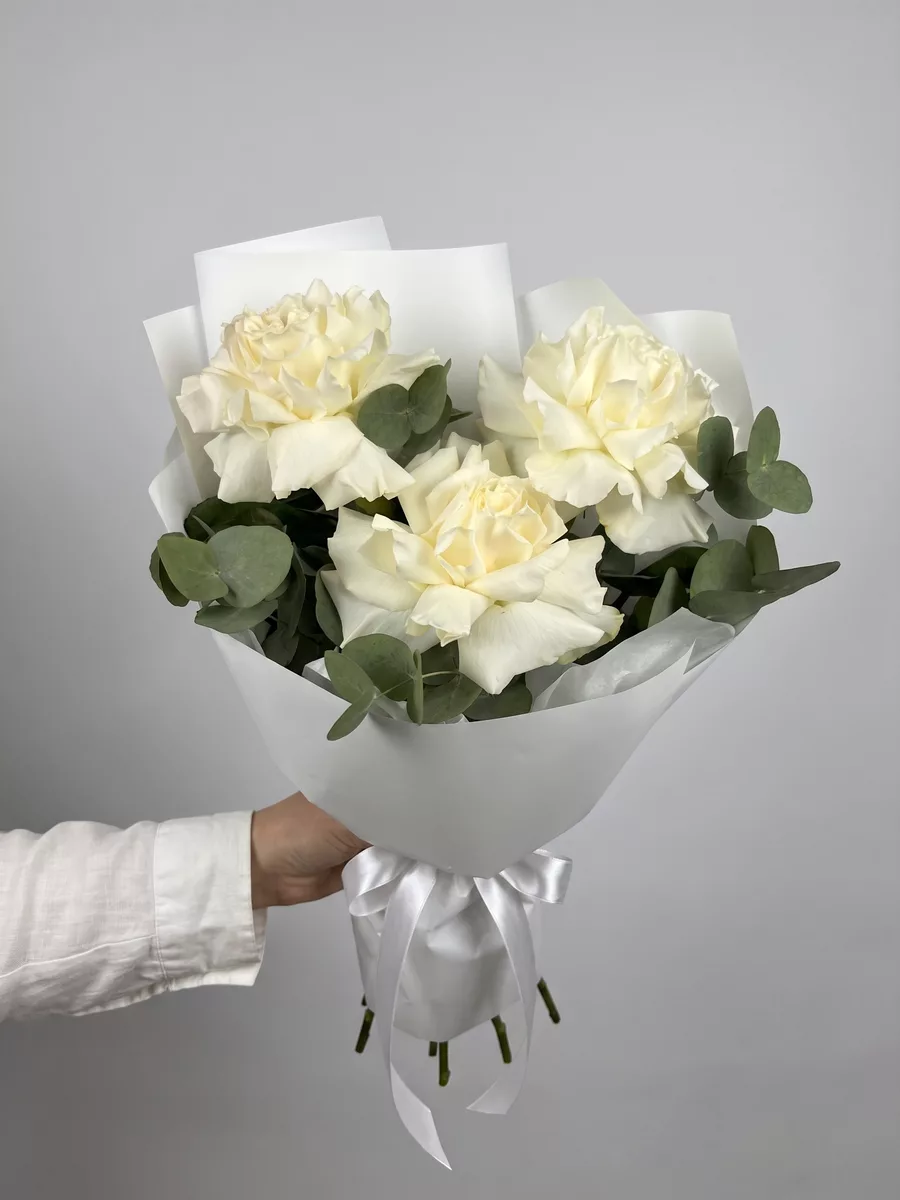
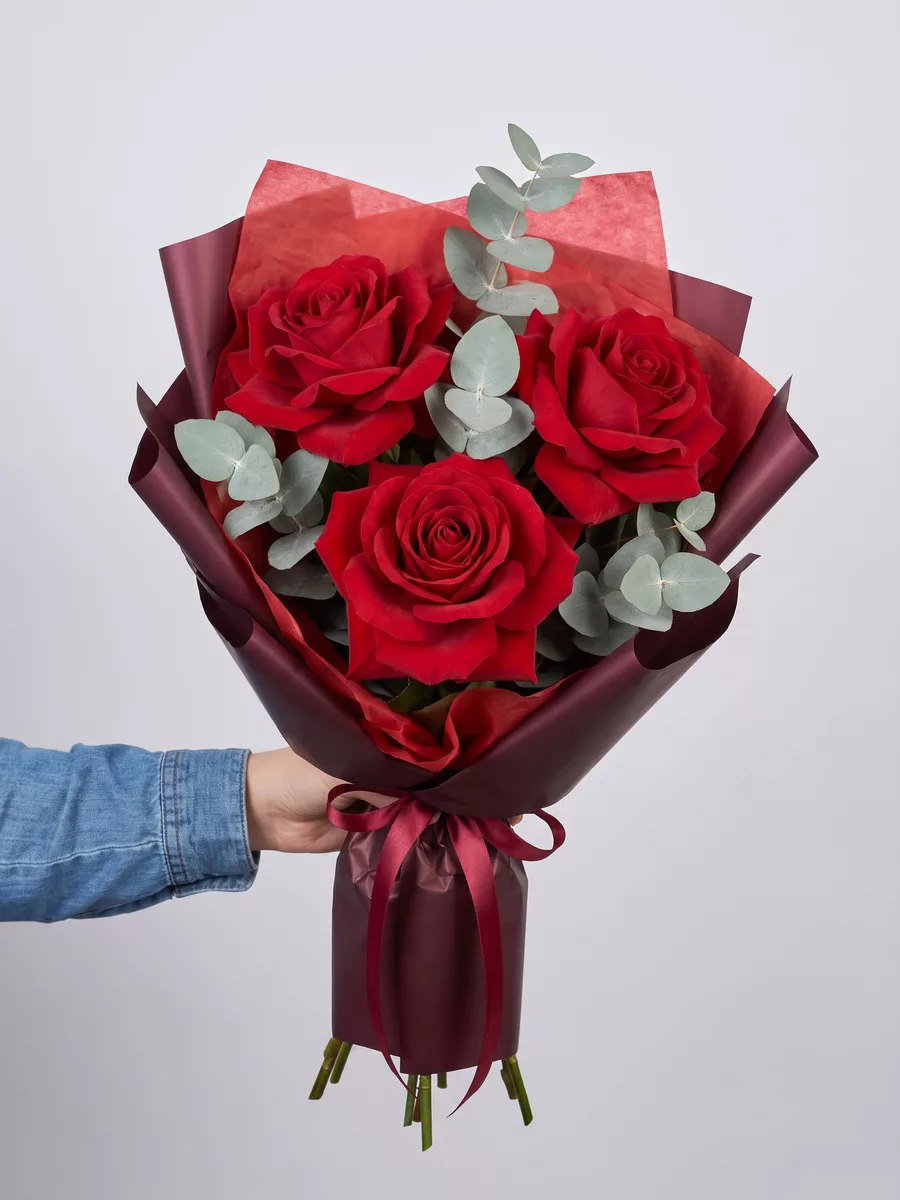
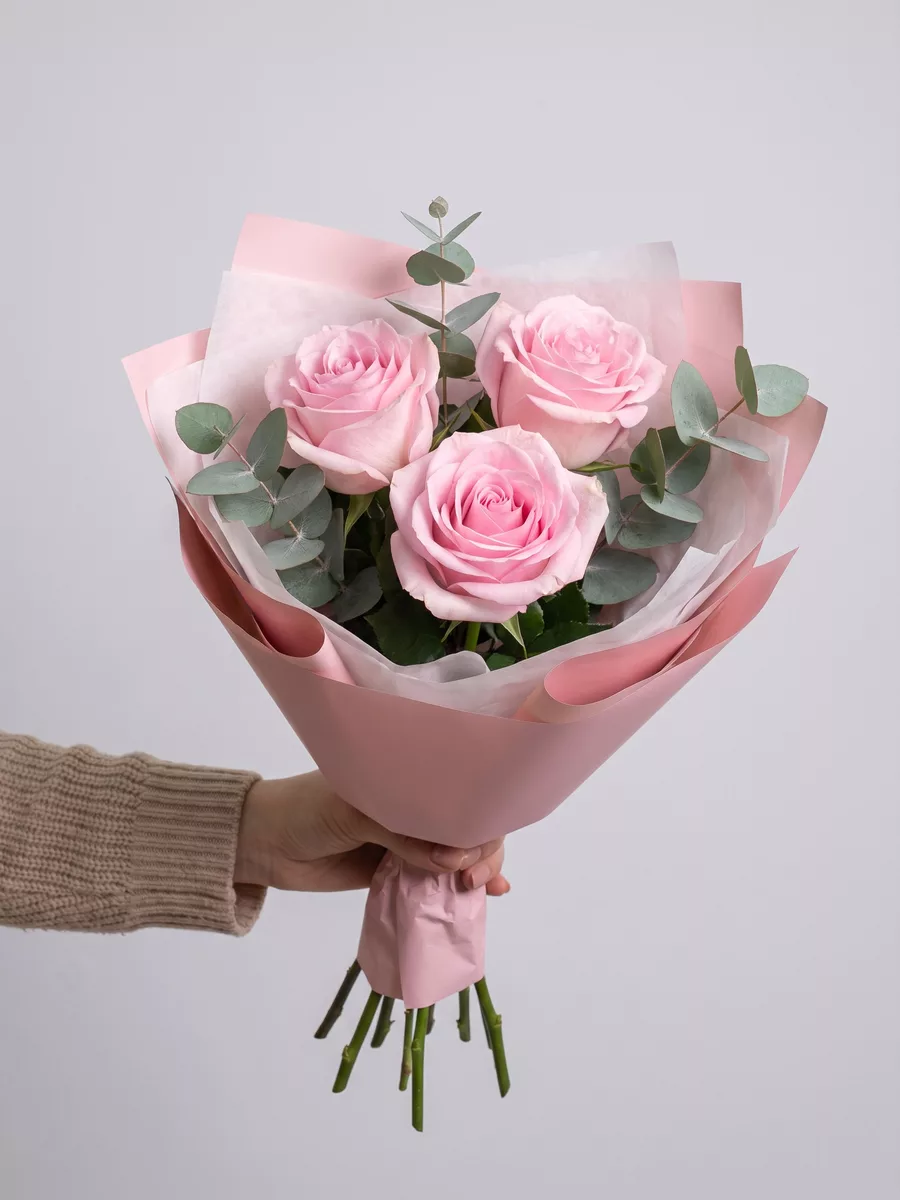
Choosing Flowers for the Person, Not Just the Occasion
Before you think about budget or season, think about the person receiving the flowers. A grandmother celebrating her birthday in Korkino likely has different taste from a young colleague marking a promotion. Russian floral tradition leans toward bold, generous arrangements — a single stem reads as insufficient, while a lush, full bouquet signals that you thought carefully and gave generously.
For someone older or more traditional, roses remain the gold standard. Red roses carry romantic weight and are best reserved for partners. Cream, peach, and soft pink roses work for mothers, aunts, and close female friends without any ambiguity. Chrysanthemums are widely appreciated by older recipients in Russia and last exceptionally well — up to two weeks with proper care — which matters when you cannot be there to replace the flowers yourself.
For younger recipients or anyone with a more contemporary taste, consider mixed seasonal bouquets built around texture and colour contrast rather than a single focal flower. Alstroemeria paired with lisianthus and eucalyptus reads as modern and considered. Tulips in spring feel joyful and light. Sunflowers in summer carry warmth and informality that suits a casual celebration.
The key mistake senders from abroad make is choosing what they personally find beautiful rather than what their recipient will recognise as a real gift. Ask yourself what that person keeps in their home, what colours they wear, whether they are formal or relaxed. That answer should drive your flower choice more than any trend.
Timing Your Order Across Time Zones
This is where most international senders run into trouble. Korkino operates on Yekaterinburg Time, which is UTC plus five. If you are in Western Europe, that is three or four hours ahead of you. If you are on the US East Coast, it is eight hours ahead. If you are in the Gulf, it is two hours ahead. These gaps are easy to miscalculate when you are placing an order late at night your time, assuming morning delivery your recipient's time.
Turboflora delivers within one to two hours of order confirmation. That window is fixed by the freshness of the flowers, not by logistics convenience. So the question is not just when you place the order but when you want the flowers to arrive. Work backward from the recipient's schedule. A birthday morning delivery at ten o'clock Korkino time means you need to place your order by eight o'clock Korkino time at the latest — which could be five in the morning in Berlin or midnight in New York.
If you cannot be awake at that hour, plan the delivery for the afternoon instead. A bouquet arriving at three or four in the afternoon is still a wonderful surprise, and your recipient is more likely to be home to receive it. Russian recipients generally expect someone to be present for a flower delivery, so coordinate with the person or a family member if you want to guarantee the flowers are taken in immediately rather than left with a neighbour.
Set a phone reminder in Korkino local time, not your own, to avoid the most common international ordering mistake.
Seasonal Realities and Which Flowers Hold Up Best
The Ural winter is not forgiving to delicate flowers. From November through March, a bouquet moving from a warm van into minus fifteen degree air and then into a heated apartment goes through a significant temperature shock. Roses, especially those with many petals, can bruise at the petal edges during this transition. Tulips and anemones are particularly vulnerable in deep cold because their stems are soft and their petals thin.
The hardiest choices for winter delivery in Korkino are spray chrysanthemums, carnations, and alstroemeria. These varieties have thicker cell walls and tolerate temperature swings far better than their more delicate counterparts. A winter bouquet built around these flowers will still look full and intentional — add some waxflower or solidago for texture and you have something genuinely beautiful that will survive the journey.
Spring, from late April onward, opens up the full tulip season. Dutch tulips in mixed colours or a single bold shade are enormously popular in Russia and feel celebratory after a long winter. Peonies arrive in May and June and are treated almost like a seasonal event — many Russians consider them the flower of early summer, and a peony bouquet at this time of year carries real emotional resonance.
Summer allows for the widest range, including sunflowers, gerberas, and lisianthus. Autumn narrows back toward chrysanthemums and roses as temperatures drop again. Knowing the season before you order means you can ask for what will actually look its best on arrival, not what looks appealing in a photograph taken somewhere warmer.
Budgeting Without Guessing: What Different Price Points Deliver
You do not need to see a price list to understand how flower budgets translate into physical reality. At a modest budget, you are looking at a single-variety bouquet of seven to eleven stems — eleven roses, for example, or a bunch of seasonal tulips. This is a genuine gift and never looks sparse if the flowers are fresh and well-conditioned, but it works best for informal occasions or when you want to send something light and cheerful rather than grand.
A mid-range budget allows for mixed compositions: a focal flower like a rose or peony combined with supporting flowers such as alstroemeria or waxflower, plus foliage like ruscus or eucalyptus. This is where presentation starts to feel considered rather than simply generous. The recipient can see that someone thought about colour, texture, and proportion.
At a higher budget, you move into large statement arrangements — twenty-five or more stems, premium varieties like garden roses or peonies, substantial greenery, and packaging that itself feels like part of the gift. In Korkino's community context, a large bouquet arriving at someone's door is a visible, memorable event.
One practical note for international senders: factor in that you may want to add a card message in Russian. Even a few words in the recipient's language — a simple greeting or a warm phrase — transforms the bouquet from a transaction into a personal message. Turboflora can include a handwritten card with your text, and translating a short note before ordering takes only a few minutes and makes a significant difference to how the gift lands.
Vase Life and Care: What to Tell Your Recipient
When you send flowers from abroad, you cannot be there to trim the stems or change the water. But you can pass on simple instructions that will extend the life of the bouquet significantly. The most important habit is changing the water every two days and cutting a centimetre from the bottom of each stem at a slight angle each time. This keeps the vascular channels open and lets the flower draw water efficiently.
Roses last seven to ten days in a cool room with clean water. Chrysanthemums can reach fourteen days or more under the same conditions. Tulips are shorter-lived at five to seven days but open beautifully over that time, often surprising recipients with how much they change. Lisianthus, which resembles a ruffled peony but is far more durable, holds for ten days to two weeks and is one of the best choices when longevity matters to you.
Korkino apartments in winter are heated to around twenty to twenty-two degrees Celsius, which is warm enough to accelerate flower aging. Advise your recipient to keep the bouquet away from radiators and sunny windowsills, and not to place it near a fruit bowl — ripening fruit releases ethylene gas, which shortens flower life noticeably.
If your recipient has never received a florist's bouquet before, they may not know to remove the lower leaves before placing stems in water. Leaves submerged in water rot quickly and cloud the water with bacteria that block the stems. A short message with the flowers explaining this one step can double the vase life of the bouquet without any effort from you.
Russian Flower Customs Worth Knowing Before You Order
Russian flower culture has a few specific conventions that are genuinely useful to understand before placing an order from abroad, because they affect how your gift will be received.
The most widely known rule is the odd-number convention. In Russia, even numbers of flowers are associated with mourning and are brought to funerals. An arrangement of ten roses, however beautiful, carries an uncomfortable association for many Russian recipients, particularly older ones. Always choose an odd number: seven, nine, eleven, fifteen, or twenty-five. This is not superstition to dismiss — it is a real cultural signal, and getting it right shows care and awareness.
Colour carries meaning too. Yellow flowers have a complicated reputation in Russian popular culture, often associated with separation or unfaithfulness, though this varies considerably by generation and personal feeling. If in doubt, avoid yellow as the dominant colour for a romantic gift. For a birthday or a celebration among friends, yellow sunflowers or mixed arrangements with yellow accents are perfectly cheerful and widely appreciated.
White flowers are associated with purity and are appropriate for a wide range of occasions including birthdays, graduations, and professional achievements. Red flowers, especially roses, read as romantic and passionate — appropriate for partners but potentially awkward for a colleague or a distant relative.
Finally, Russians often greet the delivery person at the door and receive flowers with both hands, which is a mark of genuine appreciation. Knowing this, you can feel confident that a well-chosen bouquet will be received with warmth and visible gratitude — the effort you made from thousands of kilometres away will not go unnoticed.
Sending flowers to Korkino from abroad is an act of real attention. The distance between you and the recipient is exactly what makes the gesture meaningful — you took the time to understand the climate, the customs, the person, and the moment. A bouquet that arrives fresh, in the right number, in the right colours, with a note that acknowledges the occasion, does something that a message or a transfer of money simply cannot. It is physical proof that you were thinking of someone. Turboflora handles the logistics and the freshness. Your job is to know the person well enough to choose what they will love.
Frequently asked questions
Can I send flowers to Korkino if I do not speak Russian?
Yes. Turboflora's ordering process works in a way that does not require you to speak Russian. You can write your card message in English and request a translation, or write it yourself with the help of any translation tool. The delivery address should be written in Russian transliteration or Cyrillic if possible, which a translation app can help you produce in under a minute.
How far in advance should I place my order from a different time zone?
Work from Korkino local time, which is UTC plus five. Decide when you want the flowers to arrive, then place your order at least two hours before that moment to allow for confirmation and preparation. If the delivery time falls in the middle of your night, either set an alarm or plan for an afternoon delivery in Korkino instead, which is equally appreciated.
What flowers are best for a Korkino winter delivery?
Spray chrysanthemums, carnations, and alstroemeria handle cold temperatures and temperature transitions far better than roses or tulips. If you want roses in winter, ask for varieties with tightly closed buds, which are more resilient than fully open blooms. A bouquet built around hardy varieties will arrive looking as good as it did when it left the shop, even in serious Ural winter conditions.
Is an even number of flowers really a problem in Russia?
For most recipients over thirty, yes, it is a genuine cultural concern. Even numbers are firmly associated with funeral flowers in Russian tradition, and receiving an arrangement of eight or ten stems can feel uncomfortable regardless of the occasion. Choosing an odd number — seven, nine, eleven, fifteen — costs nothing and shows cultural awareness that your recipient will notice and appreciate.
How long will the flowers last after delivery in Korkino?
With basic care — fresh water every two days, stems trimmed at an angle, placement away from heat sources and fruit — roses last seven to ten days, chrysanthemums up to two weeks, and tulips five to seven days. Lisianthus and alstroemeria are among the longest-lasting options at ten to fourteen days, making them a strong choice when you want the gift to remain visible and beautiful for as long as possible.
Ready to send flowers?
Pick the city, choose the bouquet, and a local florist takes it from there.
Choose a city →