Sending Flowers to Kostomuksha from Abroad: What You Need to Know
Kostomuksha sits in the Republic of Karelia, close to the Finnish border, surrounded by forest and lake country that shapes the mood of the whole city. When you are sending flowers there from Germany, Finland, the United States, or anywhere else outside Russia, the distance feels abstract — but the moment those flowers arrive at someone's door, it becomes very real. This guide is written for exactly that sender: someone who cares deeply about the person receiving the bouquet and wants to get every detail right, without having to decode a foreign system alone.
Why Kostomuksha Is Different from Sending to a Big City
Most people picture Moscow or Saint Petersburg when they think of flower delivery in Russia, and those cities have an entirely different infrastructure. Kostomuksha is a compact mining and industrial city of roughly forty thousand people, and it has its own rhythm. Deliveries here are more personal — the florist often knows the neighborhood, and the recipient is more likely to be home because life moves at a steadier pace than in a capital.
That intimacy is actually an advantage for you as a sender. A bouquet arriving in Kostomuksha carries more weight precisely because it is unusual. Flowers from abroad, delivered to a quiet Karelian street, tell a story of effort and intention that no digital message can replicate.
The practical side matters too. Kostomuksha is located approximately 550 kilometers north of Saint Petersburg, which means the climate is noticeably colder for much of the year. Winters are long and genuine, with temperatures regularly falling well below minus fifteen Celsius. Summer is short but surprisingly warm. This seasonal range affects which flowers travel well, which combinations hold their shape on arrival, and what you should ask about before placing your order. A florist who understands Karelian conditions will choose stems that can handle a cold corridor or a heated apartment equally well.
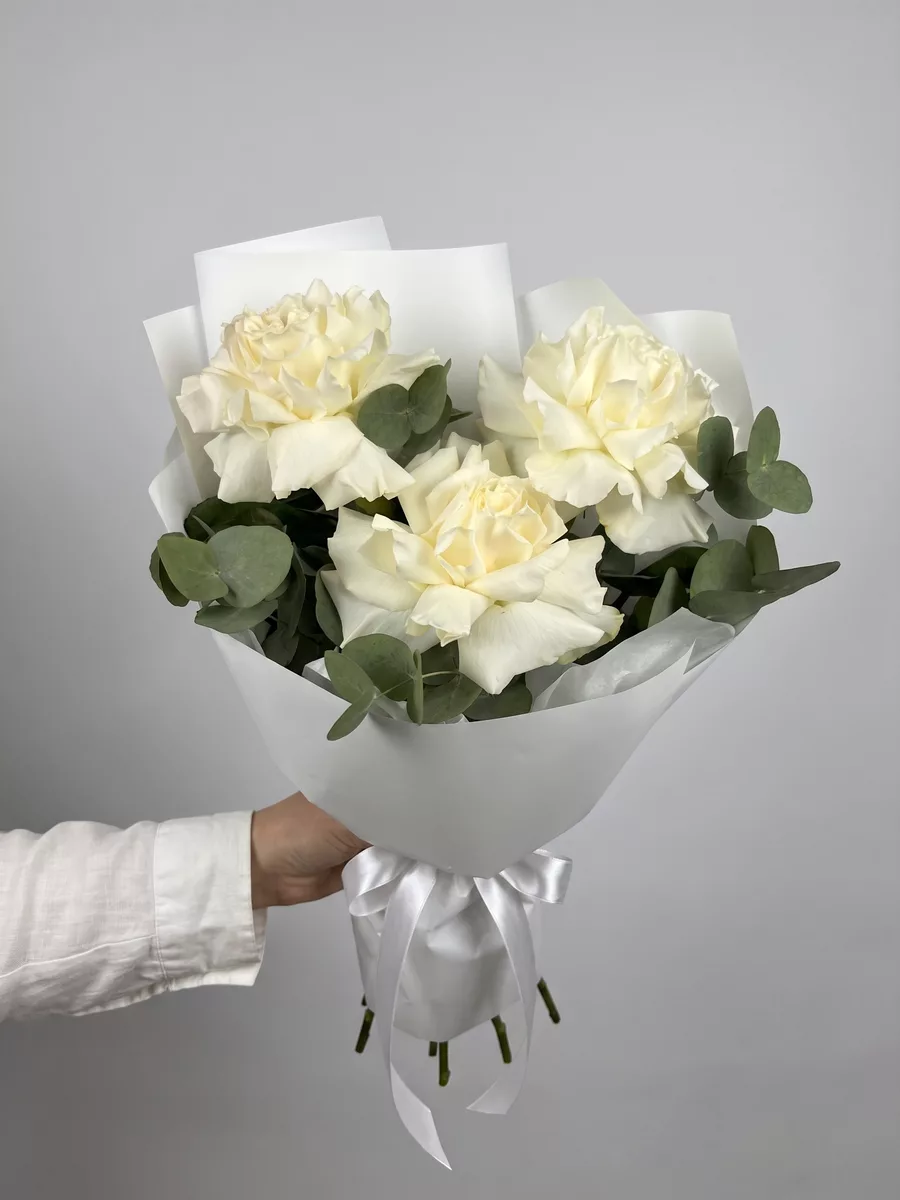
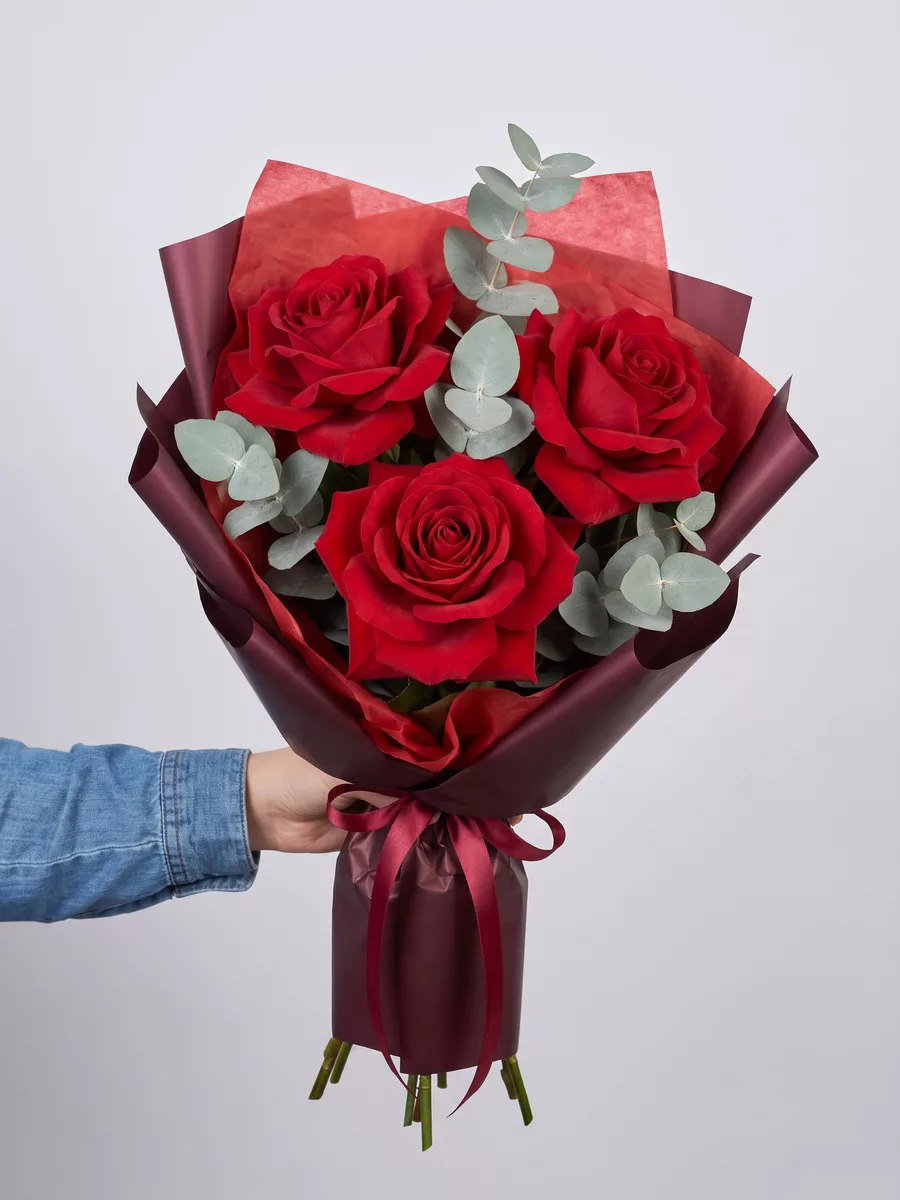
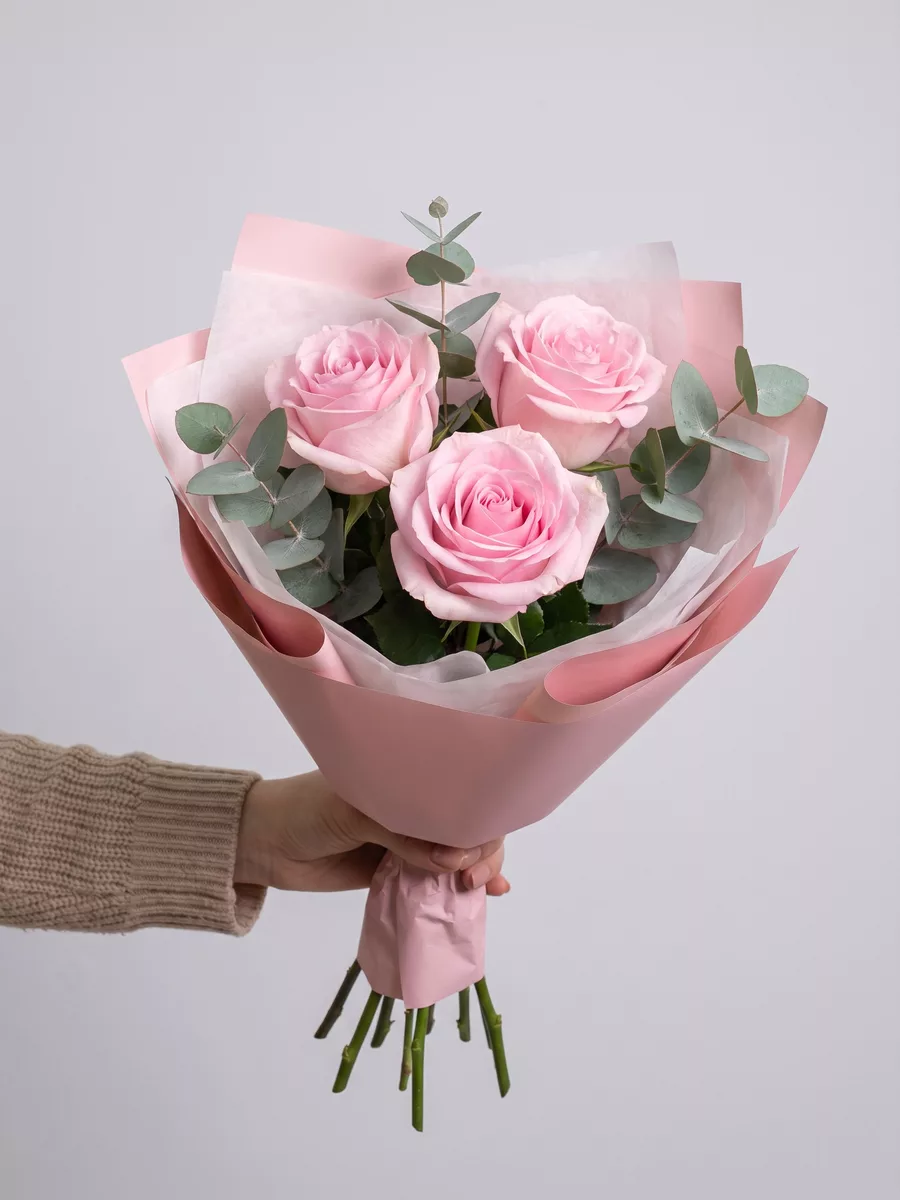
Bouquets we can deliver

Choosing the Right Moment: Time Zones and Delivery Windows
Kostomuksha operates on Moscow Time, which is UTC plus three. There is no daylight saving adjustment in Russia, so the offset from your location stays consistent year-round. If you are calling or messaging from Central Europe, you are two hours behind. From the United States East Coast, you are eight hours behind. This matters enormously when you want flowers to arrive at a specific moment — a birthday morning, a work anniversary, a welcome-home surprise.
The safest approach is to place your order at least twenty-four hours before the desired delivery window. This gives time for any clarification about the address, the recipient's schedule, and the current availability of the flowers you have in mind. Turboflora delivers within one to two hours once an order is confirmed and assembled, but that assembly window is what you need to account for when ordering from a different time zone.
For occasions with a fixed time — say, flowers arriving before a celebratory dinner at seven in the evening local time — communicate the deadline clearly in your order notes. A good florist will work backward from that moment. If you are sending for a morning birthday, note that many Russians open their doors to deliveries from around nine or ten in the morning, so targeting a late-morning arrival is usually more welcome than an early knock. Being specific about timing is never excessive; it is exactly the kind of detail that turns a good delivery into a perfect one.
What to Send: Flowers That Suit Kostomuksha's Climate and Culture
The Karelian climate rewards flowers with structure and resilience. Roses are universally loved in Russia and travel well even in cold weather, provided they are properly wrapped. Spray roses add volume without overwhelming a smaller apartment space. Alstroemeria is an excellent choice for Kostomuksha because it holds its petals for ten to fourteen days in cool indoor temperatures — and Karelian apartments, while heated, tend to stay a few degrees cooler than homes in southern cities.
Eustoma, sometimes called lisianthus, has become genuinely popular in Russia over the past decade. Its layered petals suggest a peony without the seasonal limitation, and it pairs beautifully with eucalyptus or ruscus for a forest-adjacent aesthetic that feels entirely at home in Karelia. For spring and early summer, tulips and ranunculus work wonderfully, though they need a cool vase and fresh water daily.
In Russian flower culture, odd numbers of stems are given to the living — this is a custom worth knowing. A bouquet of seven roses or eleven tulips follows the tradition naturally. Even numbers are reserved for mourning occasions, so sticking to odd counts shows cultural awareness and care. You do not need to specify this when ordering from a reputable florist, but it is useful background so you understand why your bouquet arrives the way it does. Seasonal greenery from Karelian-style arrangements — think birch branches in spring or pine accents in winter — can be a beautiful local touch to request.
Budgeting from Abroad: What Affects the Final Cost
When you are ordering from outside Russia, the price you see is typically quoted in Russian rubles. Exchange rates fluctuate, and the ruble has seen significant movement in recent years, so it helps to check the rate on the day you order rather than relying on a figure you noted weeks earlier. The good news is that even mid-range bouquets in Russia represent genuine value by Western European or North American standards.
A modest but lovely arrangement — seven spray roses with eucalyptus, for instance — will feel generous to a Kostomuksha recipient even if the cost in euros or dollars seems modest to you. This is not about spending less; it is about understanding that the emotional value of the gesture far exceeds the monetary conversion.
Delivery to Kostomuksha from Saint Petersburg involves a courier journey, and that is reflected in the delivery fee. It is worth asking about this directly when placing your order so there are no surprises. Some senders choose to add a note card in Russian, which Turboflora can help arrange — a short phrase in Cyrillic means a great deal to someone who does not read Latin script. If you want to include chocolates or a small gift alongside the flowers, this is common practice in Russia and warmly received. The combination of flowers and sweets, called a flower-and-candy set, is a popular format for birthdays and thank-you gestures especially.
Writing the Card: Language, Tone, and Russian Customs
A handwritten card tucked into a bouquet is one of the most personal details you can include, and in Russia it carries real weight. If you are writing in English, that is perfectly fine — the recipient will likely treasure a message in your own language. But if you want the words transcribed into Russian, a florist can help with that, and even a simple phrase like 'S dnem rozhdeniya' (Happy Birthday) or 'Ya skuchayu po tebe' (I miss you) lands differently when written in the recipient's mother tongue.
Russian card culture tends toward warmth and directness. Flowery formal language is less common than a genuine, personal sentence or two. Something like 'Thinking of you from across the ocean' or 'Wishing you a beautiful day from someone who is proud of you' resonates more than a generic printed greeting.
Avoid humor that depends on cultural references the recipient might not share — this is true for any cross-cultural communication, but especially so when the card arrives without you there to explain it. If the occasion is a birthday, name day celebrations (imeniny) are also significant in Russian tradition and sometimes more meaningful to older generations than the birthday itself. If you know the recipient's name day falls close to the delivery date, mentioning it on the card is a lovely touch that shows you understand their culture. A florist familiar with Russian customs can advise on this if you are unsure.
After Arrival: Helping the Recipient Care for Their Flowers
One of the kindest things you can do as a sender is include care instructions, because not everyone knows how to make fresh flowers last. In Kostomuksha, where tap water is drawn from Karelian sources and tends to be quite clean and cool, flowers generally do well. But the steps matter regardless of water quality.
The stems should be cut at an angle, about two centimeters from the bottom, using a sharp knife rather than scissors. Scissors crush the stem cells and reduce water uptake. The bouquet should go into a clean vase — rinsed with a drop of bleach to prevent bacterial growth — filled with cool water. Roses last longest when kept away from direct sunlight and radiators, which are common in Russian apartments and run warm through the long heating season.
Alstroemeria and eustoma benefit from having their lower leaves removed so no foliage sits below the waterline. Decomposing leaves cloud the water quickly and shorten vase life. Tulips are best kept in shallow, very cool water and will naturally reach toward the light, so rotate the vase occasionally if you want them to stand evenly.
If the florist includes a sachet of flower food, it should be dissolved in the full volume of water from the start rather than added later. Many recipients skip this step, thinking it is optional — it genuinely extends vase life by several days. A brief note from you encouraging them to follow the care steps turns the bouquet into something that lasts a week and a half rather than four or five days.
Common Mistakes Senders from Abroad Make — and How to Avoid Them
The most frequent mistake is underestimating the address detail required. Russian addresses follow a specific format: city, street name, building number, sometimes a corpus (a secondary building designation), apartment number, and floor. If you only have a partial address — perhaps just a street and building — the delivery cannot be completed. Before placing your order, confirm the full address with the recipient or a trusted contact. It is not a spoiler to ask; most people understand that a surprise delivery still needs a destination.
The second common mistake is choosing flowers based on what looks impressive in a photograph without thinking about the season or temperature. Hydrangeas, for example, are beautiful but wilt quickly if they experience even a brief cold exposure during a Kostomuksha winter delivery. A florist will often suggest a sturdier alternative for cold-weather months, and it is worth listening to that advice rather than insisting on a specific flower that may not survive the journey looking its best.
A third mistake is not leaving a contact number. Russian couriers will call ahead to confirm arrival, and if there is no reachable number for the recipient, the delivery window can be missed. Provide both the recipient's Russian mobile number and your own international number as a backup.
Finally, do not leave the occasion vague. 'Just because' is a valid reason to send flowers, but knowing it is a birthday, an anniversary, a new job, or a return from hospital helps the florist choose the right palette, the right scale, and the right accompanying note. Context makes the bouquet personal rather than generic.
Sending flowers to Kostomuksha from abroad is one of the most tangible ways to close a distance that might otherwise feel insurmountable. The city is small enough that a bouquet arriving on someone's doorstep is a genuine event, noticed by neighbors and remembered by the recipient for a long time. When you take the time to choose the right flowers for the season, write something personal on the card, and give the florist the details they need to deliver beautifully, you are not just sending a gift — you are sending a message that says you thought carefully about this person and made an effort that transcends geography. That is what flowers have always done best.
Frequently asked questions
Can I send flowers to Kostomuksha if I do not speak Russian?
Yes, entirely. Turboflora handles orders in English and can manage all communication with the recipient on your behalf. You can write your card message in English or ask for help translating it into Russian. Providing the recipient's phone number is important so the courier can coordinate arrival, but you do not need to make that call yourself.
How far in advance should I order for a specific delivery time?
At least twenty-four hours before your target delivery window is a reliable rule when ordering from abroad. This accounts for time zone differences, flower availability, and the journey from Saint Petersburg to Kostomuksha. For major holidays like International Women's Day on March 8th, ordering two to three days ahead is strongly recommended as demand rises sharply across all of Russia.
What flowers hold up best during a Kostomuksha winter delivery?
Roses, alstroemeria, chrysanthemums, and carnations handle cold transit well when properly wrapped. Eustoma is also a strong choice. Flowers with high water content in their petals — such as hydrangeas or open garden roses — are more vulnerable to frost damage and are better ordered in the warmer months between May and September when temperatures allow safer transport.
Is it appropriate to send flowers to a man in Russia?
Yes, though the context matters. Flowers for a man in Russia are most naturally given for significant occasions — a major birthday, a professional achievement, or a retirement. The arrangement tends toward structured, architectural compositions rather than soft romantic bouquets. Sunflowers, anthurium, or a bold rose arrangement in deep colors are well-received and feel appropriate without being overly sentimental.
Can I include a gift alongside the flowers for delivery to Kostomuksha?
Yes, adding chocolates, a small plush toy, or a box of macarons alongside a bouquet is common and warmly received in Russia. This combination is especially popular for birthdays and is sometimes called a gift set. Mention what you would like to include when placing your order and the florist will compose everything together so it arrives as one cohesive, well-presented gift.
Ready to send flowers?
Pick the city, choose the bouquet, and a local florist takes it from there.
Choose a city →