Sending Flowers to Kotelnich from Abroad? Here Is What to Expect
You are somewhere far from Russia — another country, another time zone — and someone you care about is in Kotelnich, a quiet city on the Vyatka River in Kirov Oblast. You want them to open their door and feel genuinely surprised and loved. That feeling is completely achievable, even from thousands of kilometres away, if you understand a few things about how flower delivery works in this part of Russia and what choices will actually land well.
Why Kotelnich Is Different from Ordering to a Major City
Most international senders assume that ordering flowers inside Russia works the same everywhere. In reality, Kotelnich is a smaller city, and that changes what you should expect and how you should plan. The city sits roughly 130 kilometres east of Kirov, and any bouquet needs to travel that distance while staying fresh. Temperature matters enormously here. In January and February, outdoor temperatures regularly fall below minus twenty Celsius, which means roses and tropical stems like anthurium can suffer cold shock within minutes of leaving a warm vehicle if the handoff is not managed carefully. In summer, the opposite problem appears: heat above thirty degrees accelerates wilting, particularly for lisianthus and garden-style ranunculus.
Turboflora accounts for these conditions by packing bouquets in insulated wrapping suited to the season. Still, as a sender you can help by choosing flowers that travel well. Spray chrysanthemums, alstroemeria, and sturdy single-stemmed roses handle temperature swings better than open garden peonies or delicate sweet peas. If you are ordering in deep winter or peak summer, lean toward those resilient varieties and trust the florist's seasonal recommendation over a fixed idea of what the bouquet must contain. The goal is for your recipient to receive something that looks as good at the door as it did when it left the workshop.
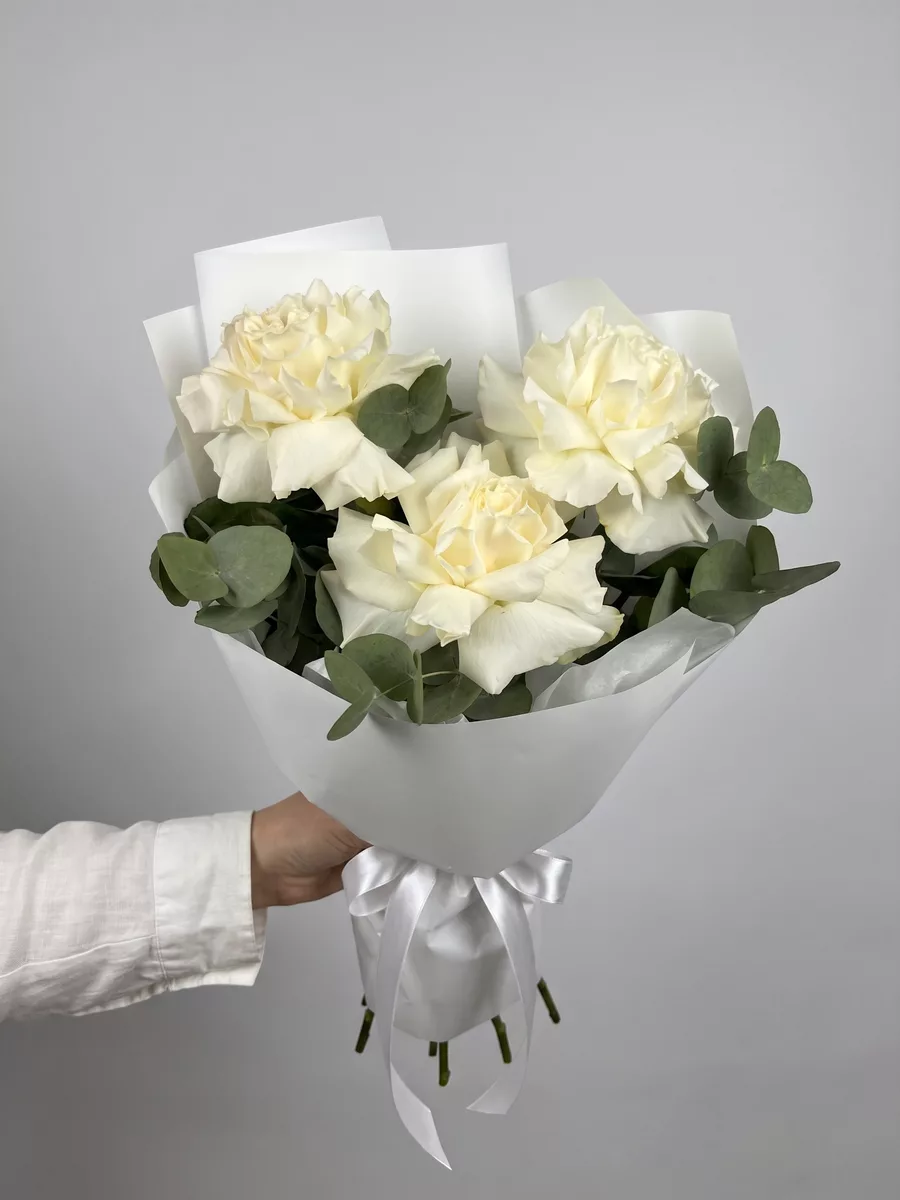
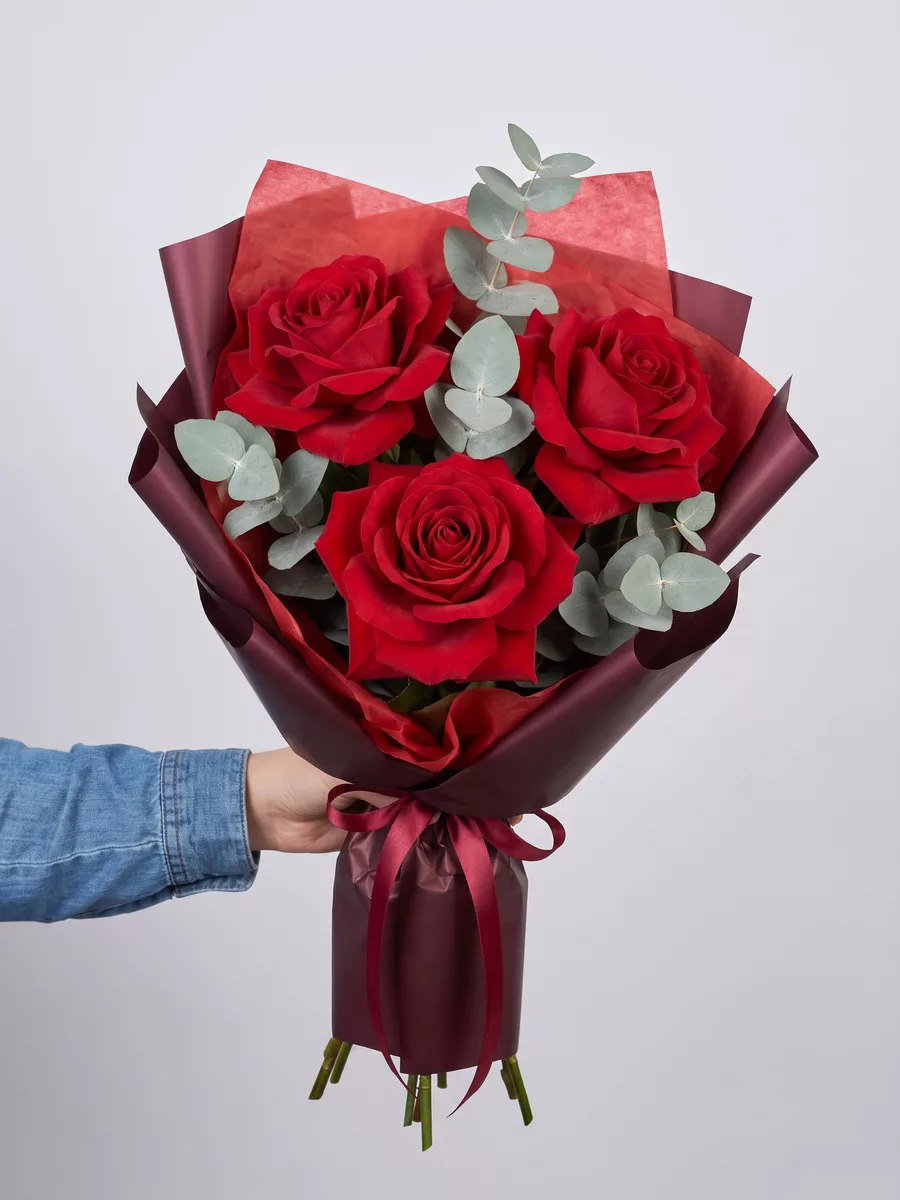
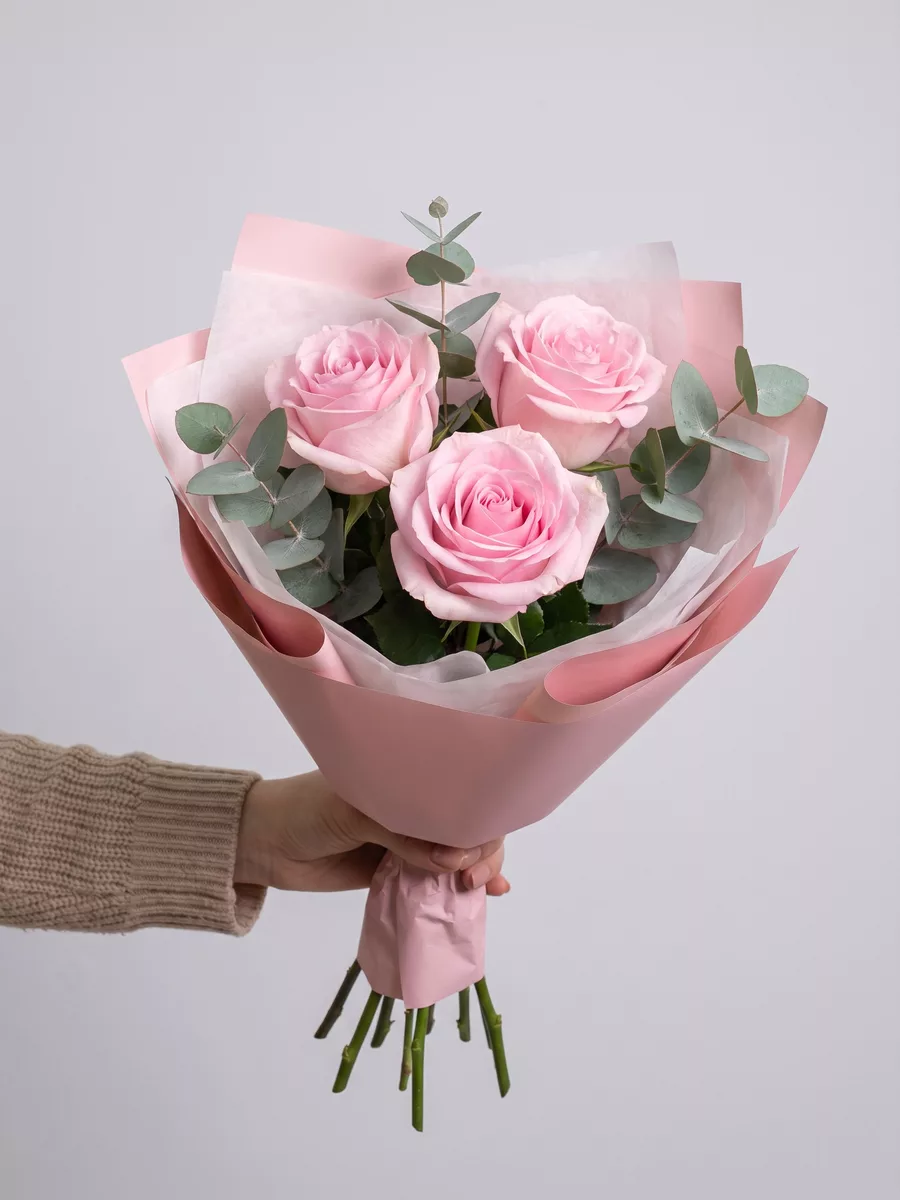
Bouquets we can deliver

When to Place Your Order Across Time Zones
This is where international senders make the most common mistake. Kotelnich runs on Moscow Time, which is UTC plus three. If you are in London, that is a three-hour gap. If you are in New York, it is eight hours. If you are in Los Angeles, it is eleven. When you think it is still Tuesday morning and a good time to order for a same-day birthday delivery, it may already be Tuesday evening in Kotelnich and your recipient may have already finished celebrating.
The practical rule is simple: place your order at least two to three hours before you want delivery to happen, calculated in Moscow Time, not your local time. For a surprise that arrives during a lunch break or before an evening family dinner, work backwards from that moment in Kotelnich's time zone. Most people find it easiest to convert once, write down the Moscow Time target, and order accordingly.
If you are unsure about the exact address or the recipient's schedule, a morning delivery window between ten and noon local Kotelnich time tends to work well for most occasions. People are usually home or at a workplace where a bouquet can be received, and the flowers have the whole day to be enjoyed. Avoid ordering for very late evening delivery unless you have confirmed the recipient will be reachable, because a missed delivery means the bouquet waits in conditions you cannot control.
Understanding Russian Flower Customs Before You Choose
If you did not grow up in Russia, a few cultural details are worth knowing before you finalise your order. The most important one is the odd-number rule. In Russian tradition, bouquets given to living people always contain an odd number of stems — one, three, five, seven, and so on. Even numbers are associated exclusively with mourning and funerals. A bouquet of twelve red roses, which reads as romantic in many Western countries, carries an uncomfortable association in Russia. Stick to odd numbers and you will be fine.
Colour meaning is less rigid than the number rule, but yellow flowers deserve a mention. Yellow is sometimes associated with separation or jealousy among older generations, though younger Russians in cities tend not to observe this at all. If your recipient is over fifty and the relationship is traditional, it is safer to mix yellow with white or orange rather than sending a purely yellow arrangement. For romantic occasions, red and deep pink remain universally understood. For birthdays and celebrations, white, coral, and lavender combinations feel fresh and modern without any cultural risk.
Wrapping style also signals effort. In Russia, a bouquet presented in generous kraft paper or elegant fabric wrap with a visible ribbon is considered a proper gift. A bouquet handed over in plain cellophane alone reads as an afterthought. Turboflora wraps every arrangement to the standard a Russian recipient will recognise as thoughtful, so you do not need to worry about that detail — it is handled from the workshop side.
Choosing the Right Bouquet for the Occasion and the Person
Start with the recipient, not the flower. A grandmother celebrating her seventieth birthday in Kotelnich will feel most touched by something classic and generous — a full arrangement of garden roses, perhaps mixed with white lisianthus and eucalyptus, in warm pink and cream tones. That combination reads as respectful and celebratory without being showy. A younger woman in her twenties or thirties might love something more textural and contemporary: a mixed bouquet of ranunculus, dried pampas accents, and spray roses in terracotta and dusty rose.
For a colleague or a professional congratulation — a promotion, a work anniversary, a graduation — white and green combinations project elegance without personal intimacy. White roses with green trachelium or white chrysanthemum blooms with eucalyptus branches look polished and appropriate in any professional setting.
If you are sending for a birthday and you know the person's favourite flower, use that as the anchor and build around it. A single favourite variety in abundance — say, fifteen stems of deep burgundy roses — often makes more impact than a complex mixed arrangement where nothing stands out. For a new baby, soft lavender, white, and the palest pink work beautifully; avoid red entirely for newborn occasions, as it feels too bold for that tender moment. When in doubt, a classic rose bouquet in a single colour, properly sized and wrapped, never fails. The sincerity of sending from so far away already adds emotional weight to whatever you choose.
Budget Ranges and What They Actually Buy
Flower prices in Russia are calculated differently from Western Europe or North America, so your expectations may need adjusting in either direction. What feels like a modest amount in euros or dollars can buy a genuinely impressive bouquet in Kotelnich. What feels like a splurge at home may actually be the right level for a significant occasion like a fiftieth birthday or a wedding anniversary.
At a modest budget you can expect a clean, single-variety bouquet of five to seven stems — spray roses or alstroemeria are common at this level — wrapped neatly and delivered on time. It is a genuine gift, not a token.
At a mid-range budget the bouquet grows in both stem count and variety. This is where mixed arrangements become possible: roses anchored by greenery, lisianthus adding texture, or a seasonal flower like tulips in spring or peonies in early summer when they are at their most affordable. The presentation also steps up, with more generous wrapping and a gift card.
At a higher budget you are looking at premium single-variety arrangements — Dutch long-stem roses, garden roses imported from Ecuador, or structured bouquets of fifty or more stems. These are the arrangements that fill a room and photograph beautifully. For milestone birthdays, anniversaries, or any occasion where you want the recipient to feel genuinely celebrated from afar, this is the level that delivers that response. Whichever budget you choose, the key is matching the scale of the bouquet to the scale of the moment.
Vase Life and Care Instructions Your Recipient Will Need
When flowers arrive at a home in Kotelnich, the recipient may not know what to do next — especially if they are not used to receiving fresh arrangements. As the sender, you can include a care note with your order, or simply share these basics when you let them know the bouquet is coming.
The first thing to do is cut the stems at a diagonal angle, about two centimetres from the bottom, using a sharp knife rather than scissors. Scissors crush the stem's vascular tissue; a clean diagonal cut maximises water uptake. Then place the bouquet immediately in a clean vase with cool, fresh water. Avoid direct sunlight, radiators, and fruit bowls — ethylene gas from ripening fruit shortens flower life noticeably.
Change the water every two days and re-cut the stems each time. This single habit can add three to five days of vase life to almost any bouquet. Remove any leaves that sit below the waterline, as submerged foliage rots quickly and clouds the water.
Expected vase life varies by variety. Alstroemeria and spray chrysanthemums last ten to fourteen days with good care. Standard roses last seven to ten days. Tulips, which are popular in spring, last five to seven days but need cool water and a cool room. Lisianthus falls between roses and chrysanthemums. Peonies, gorgeous as they are, give you five to seven days at most — but those days are spectacular. Sharing this information with your recipient turns your gift into something they can genuinely enjoy for as long as possible.
How to Place the Order Smoothly from Outside Russia
The practical steps are straightforward once you know what information to gather before you start. You will need the recipient's full name, their complete address in Kotelnich including the apartment number and entrance code if there is one, and a working Russian mobile phone number. Russian delivery drivers almost always call ahead to confirm the handoff, so a reachable local number is essential. If you do not have one, ask your recipient's family member or friend for their number to use as the contact.
For the address, try to get it in both Russian and a transliterated version if possible. If your recipient can send you their address in Russian, copy it exactly — this eliminates transcription errors that can cause delays.
When placing the order on Turboflora's website, you can write your personal message in English and it will be printed on a card that accompanies the bouquet. You do not need to write in Russian. Payment is processed in Russian roubles, and most international credit and debit cards are accepted, though it is worth checking with your bank beforehand that the transaction will not be blocked as an unusual foreign purchase.
If you want the delivery to be a surprise, do not use the recipient's own phone number as the contact. Use a friend or family member who can quietly confirm availability. Turboflora's team is experienced with surprise deliveries and will coordinate accordingly. The whole process, from order to doorstep, typically takes one to two hours once confirmed.
Sending flowers to Kotelnich from another country is not complicated — it just requires a little preparation that most local senders never have to think about. Convert the time zone before you order, choose stems that travel well for the season, respect the odd-number tradition, and make sure you have a good local contact number. Do those things and what arrives at your recipient's door will feel as though you planned it from the next street over, not from a different continent. The distance disappears the moment they open the bouquet.
Frequently asked questions
Can I order flowers to Kotelnich if I do not speak Russian?
Yes, entirely. Turboflora's website works in English and your personal message can be written in any language — it will be printed on the card as you write it. The only thing you need in Russian is the recipient's address, which your recipient or their family can provide to you directly.
What happens if my recipient is not home when the bouquet arrives?
The driver calls the contact number provided before arriving. If there is no answer and no one is available, the delivery team will attempt to coordinate a new time window. This is why providing a reachable local Russian mobile number is so important — it is the primary way the driver communicates, not email or messaging apps.
Are there flowers I should avoid sending to Russia for cultural reasons?
Even numbers of stems should always be avoided — this is the most important rule. Yellow flowers can carry negative associations for older recipients, so it is safer to mix yellow with other colours rather than sending a purely yellow bouquet. Beyond those two points, most flower choices are a matter of personal taste rather than cultural restriction.
How far in advance should I order for a birthday delivery in Kotelnich?
Two to three hours before your desired delivery time, calculated in Moscow Time, is the minimum. For a morning birthday surprise, placing the order the evening before is ideal and removes all time-zone stress. Same-day delivery is available, but the earlier you order, the more flexibility you have in choosing the specific bouquet and time window.
Which flowers last longest in a vase and are best for a long-distance gift?
Alstroemeria and spray chrysanthemums regularly reach ten to fourteen days with basic care and handle transport conditions very well. Standard roses last seven to ten days. If you want the recipient to enjoy the bouquet for as long as possible, either of those varieties — or a combination of both — is a reliable choice regardless of season.
Ready to send flowers?
Pick the city, choose the bouquet, and a local florist takes it from there.
Choose a city →