Sending Flowers to Kotelnikovo from Abroad — What You Need to Know
You are sitting somewhere far from Russia — maybe in Berlin, Dubai, or New York — and you want to send flowers to someone you love in Kotelnikovo. The distance feels enormous, and the questions pile up fast: Will they arrive fresh? What should you choose? Is there anything culturally important to get right? This article walks you through everything a sender outside Russia genuinely needs to know, from picking the right bouquet to making sure it lands in good hands.
What Kotelnikovo Is Like and Why It Matters for Your Order
Kotelnikovo is a town in the Volgograd region of southern Russia, sitting on the steppe with a continental climate that swings between real heat in summer and sharp cold in winter. That climate detail is not just geography — it directly affects how flowers travel and how long they last once they arrive. In summer months, temperatures can climb above 35 degrees Celsius, which means heat-sensitive varieties like garden roses and ranunculus need extra care during transit and should be ordered for morning delivery whenever possible. In winter, the opposite challenge appears: frost can damage exposed petals within minutes if a bouquet is left on a doorstep.
For a sender abroad, understanding this context helps you make smarter decisions. You are not ordering into a climate-controlled city centre — you are sending into a regional town where the weather has real influence on the flowers. Choosing hardier varieties in extreme seasons is not a compromise; it is the professional choice that ensures your recipient actually receives something beautiful rather than something wilted or frozen.
Kotelnikovo is also a town where receiving a delivered bouquet is still something of an occasion. People notice and appreciate it. Your gesture carries extra weight precisely because it comes from far away, which means the presentation and freshness matter even more than usual.
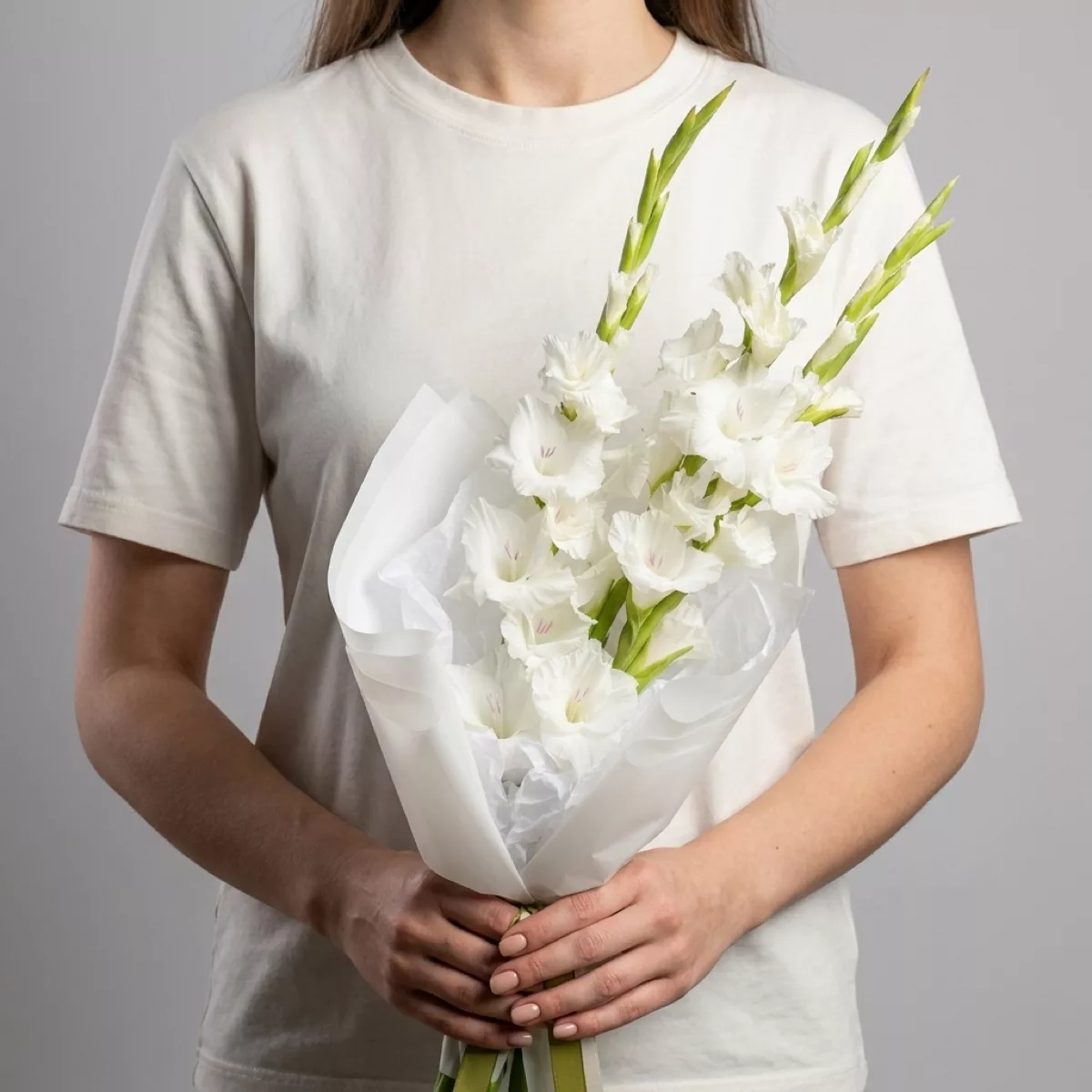
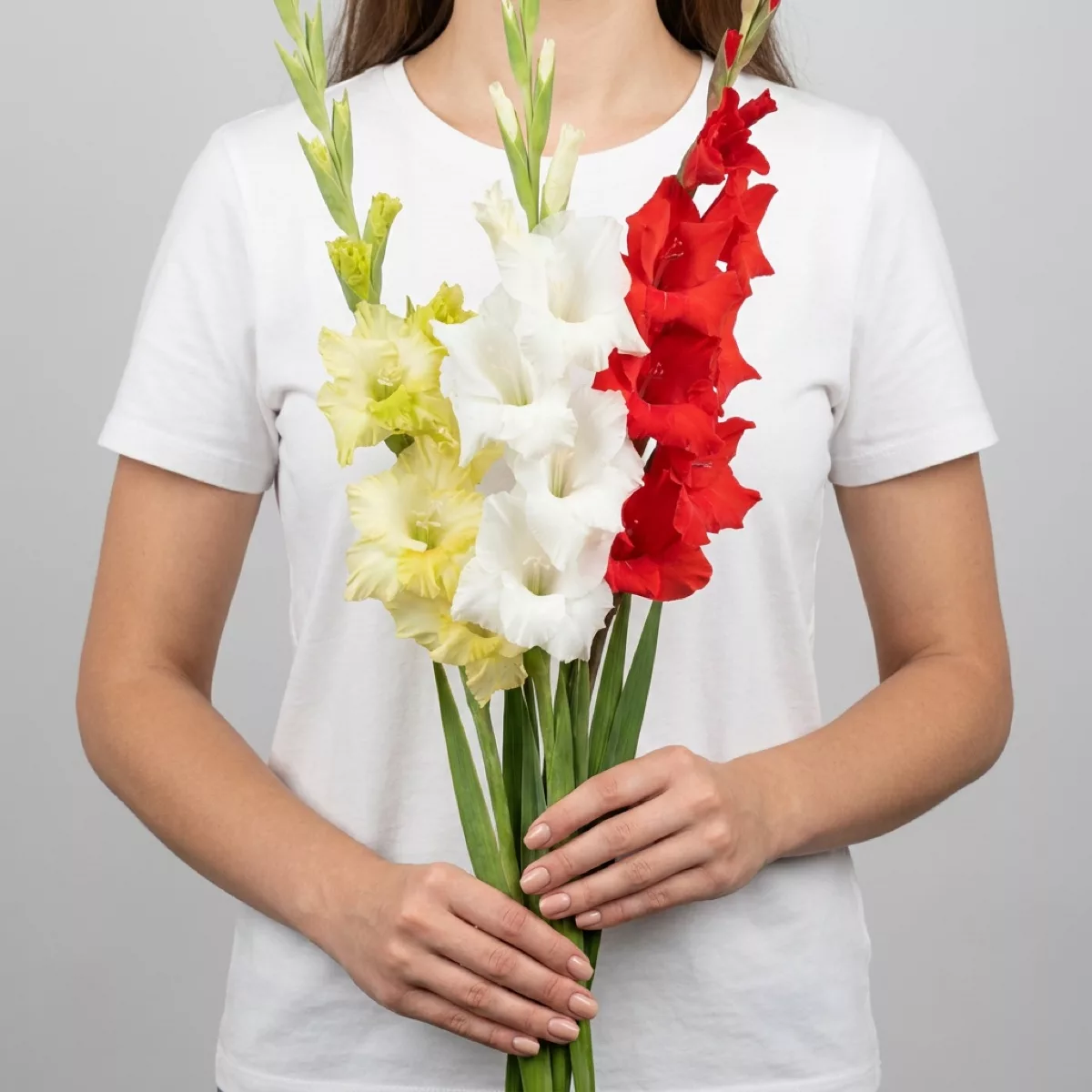
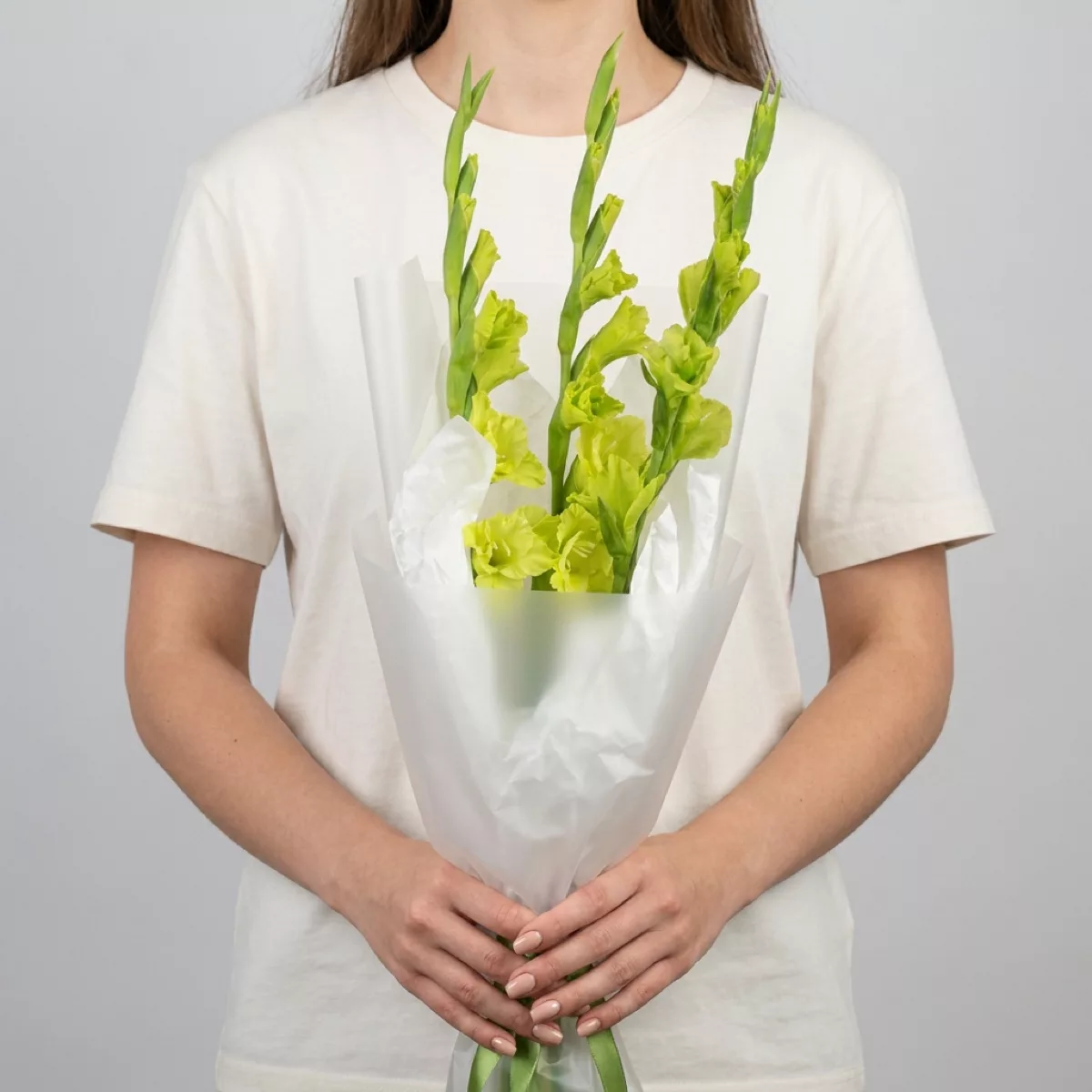
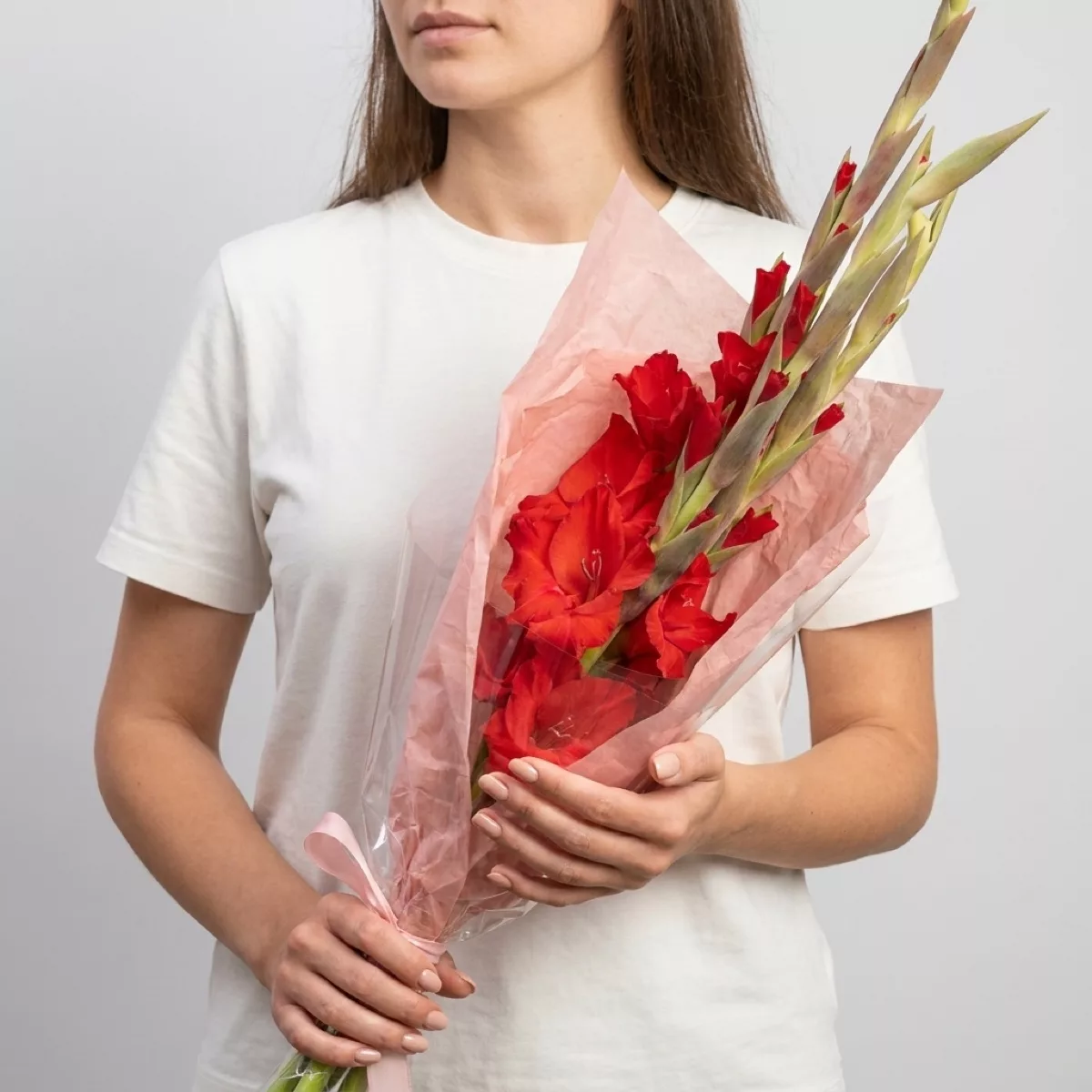
Bouquets we can deliver
Timing Your Order Across Time Zones — Getting This Right
This is where most international senders make their first mistake. Kotelnikovo runs on Moscow Time, which is UTC plus three hours, with no daylight saving adjustment. If you are in London, that is three hours ahead of you in winter and two hours ahead in summer. From New York, the gap is eight hours in winter. From Dubai, Moscow Time is actually one hour behind Gulf Standard Time. Knowing this matters because flower delivery windows are real and specific — a bouquet ordered at what feels like mid-afternoon to you might already be an evening slot in Kotelnikovo.
The safest approach is to place your order at least twenty-four hours before the moment you want delivery to happen. This gives the florist time to prepare the freshest stems, arrange the bouquet properly, and schedule the courier for the exact window you need. Same-day delivery is possible for orders placed early enough in the Moscow Time morning, but from abroad, that window is easy to miss without planning.
Birthdays, anniversaries, and celebrations have a specific moment — the morning of the day, ideally, so your recipient starts their occasion knowing someone thought of them. If you want a ten o'clock morning delivery in Kotelnikovo, count backwards through the time zones and place your order the evening before your local time. That small act of planning is what separates a flower delivery that feels magical from one that arrives after the party has already started.
Russian Flower Customs Every International Sender Should Know
Russian flower-giving has a few traditions that are genuinely different from Western European or North American habits, and knowing them saves you from an awkward moment on the recipient's end. The most important one is the odd-number rule. In Russia, even numbers of flowers are associated with mourning and are brought to funerals. When you send a celebratory bouquet, it should always contain an odd number of stems — three, five, seven, nine, eleven, and so on. A bouquet of ten roses, perfectly even and beautifully wrapped, will immediately signal the wrong thing to any Russian recipient. Always specify odd numbers when placing your order.
Second, Russians have a deep appreciation for lush, generous bouquets. A single stem, however elegant it might feel in a Scandinavian or Japanese aesthetic, reads as sparse and understated in this cultural context. Volume and abundance communicate care. A full, rounded arrangement with mixed textures — say, spray roses combined with lisianthus and eucalyptus — feels appropriate for almost any positive occasion.
Third, the wrapping matters more than many international senders expect. Kraft paper, fabric ribbon, and structured floral wrapping are all appreciated. The bouquet should look like a gift the moment it is handed over, not like something pulled from a bucket. When you add a handwritten card message — even a short one — it transforms the delivery from a transaction into something personal and memorable for your recipient.
Choosing the Right Flowers for the Occasion and the Season
Start with the person, not the catalogue. A grandmother celebrating her birthday in July has different needs than a young colleague receiving a thank-you in February. Think about what they love, what their home looks like, and what mood you want to create when the bouquet arrives at their door.
For warm, celebratory occasions in summer, garden-style arrangements work beautifully — think alstroemeria for longevity, matthiola for fragrance, and sunflowers for pure joy. These varieties handle southern Russian summer heat better than delicate garden roses, which can arrive with petals already loosening if the journey is long. If roses are important to you, choose spray roses or compact hybrid tea varieties, which are more resilient than large-headed garden varieties.
In autumn and winter, the palette shifts naturally. Chrysanthemums in rust and burgundy, dahlias where available, and deep-toned lisianthus all feel seasonally right and hold up well in cooler temperatures. Tulips are beloved in Russia and widely available from late winter through spring — a generous bunch of tulips in soft pink or cream is almost universally appreciated.
For romantic occasions, red roses remain the classic choice and carry exactly the meaning you intend. For a mother or grandmother, softer pinks and whites with greenery feel warm and respectful. For a friend or colleague, mixed seasonal bouquets with interesting textures — perhaps peonies in season, or a combination of freesia and ranunculus — feel thoughtful without being overly formal. Always prioritise freshness over rarity: a beautifully fresh carnation beats a tired orchid every time.
How to Write Your Message When You Are Far Away
The card message is the part of this experience that belongs entirely to you, and it deserves more thought than most people give it. When you are sending from abroad, the physical distance is already part of the story — your recipient will know you arranged this from another country, possibly in another language, across a time zone gap. That effort is already meaningful. Your message just needs to be honest and direct.
You do not need to write in Russian. A heartfelt message in English, French, or any other language you share with your recipient is perfectly fine and often more touching than a translated phrase that loses something in conversion. If you do want to include a Russian phrase, keep it simple: a warm greeting or a single sentence of affection. Avoid using translation software for anything longer than a few words — the results can be grammatically strange in ways that distract from your intention.
Keep the message short and specific. Instead of writing something general like "wishing you all the best," try something that only you could write — a shared memory, an inside reference, a specific reason you are thinking of them today. That specificity is what makes a card message stay on the kitchen table for a week instead of being set aside after the first reading.
If the occasion is a birthday, mention the number of years if it feels right. If it is an anniversary, name it. Concrete details make people feel genuinely seen, and that feeling is the whole point of sending flowers from thousands of kilometres away.
Freshness and Vase Life — Setting Your Recipient Up for Success
A beautiful bouquet delivered to Kotelnikovo deserves to last, and a few simple instructions passed along to your recipient can make the difference between flowers that last four days and flowers that last ten or twelve. You can include these tips in your card message or simply share them in a quick message after the delivery.
The single most important step is a clean diagonal cut on each stem, made with a sharp knife rather than scissors, which can crush the vascular tissue. Stems should be trimmed by about two centimetres and placed immediately into clean, cool water. Warm water encourages bacterial growth that shortens vase life significantly. The vase itself should be washed with dish soap before use — residue from previous flowers is a common and overlooked cause of early wilting.
Kotelnikovo summers are hot, and flowers should be kept away from direct sunlight and away from any heat source, including radiators in winter. A cool room, ideally between sixteen and twenty degrees Celsius, is ideal. Changing the water every two days and re-trimming the stems each time makes a noticeable difference.
Different varieties have different lifespans to set expectations correctly. Chrysanthemums and alstroemeria typically last ten to fourteen days with good care. Roses last seven to ten days. Tulips are shorter — around five to seven days — but their movement as they open is part of their charm. Lisianthus is a wonderful choice for longevity, often lasting two weeks when well cared for. Knowing this helps your recipient appreciate what they have and feel less disappointed when the shorter-lived varieties fade first.
Practical Steps for Placing Your Order from Outside Russia
The mechanics of ordering from abroad are simpler than most people expect, but a few practical points are worth knowing before you begin. Payment from international cards is handled online, and the process is straightforward — you do not need a Russian bank account or any local payment method. Major international credit and debit cards are accepted, and the transaction happens in the currency shown at checkout.
When you fill in the delivery address, be as specific as possible. Kotelnikovo is not a large city, but Russian addresses follow a specific format: street name, building number, apartment number if applicable. If your recipient lives in a flat, the apartment number is essential — couriers cannot call ahead in every case, and a building entrance without an apartment number creates delays. If you are unsure of the exact address, ask your recipient directly. Most people are happy to share their address when they know something nice is coming, even if the specific surprise is preserved.
Add a working phone number for the recipient. This is probably the most important practical detail. If the courier needs to confirm access to a building or navigate a specific entrance, a phone number makes everything faster and smoother. A number without a country code causes problems — include the full Russian mobile number with the plus-seven country code.
Finally, leave a note in the order comments if there is anything specific about the delivery situation: a gate code, a preferred time within the window, a note that the recipient works from home and will definitely be available. These small details cost you nothing to write and can make the difference between a first-attempt delivery and a rescheduled one.
Sending flowers to Kotelnikovo from abroad is genuinely possible and genuinely worth doing. The distance is real, but it does not have to be an obstacle — with the right timing, the right variety choices for the season, and a card message that sounds like you rather than a translation, what arrives at your recipient's door is something they will remember. The fact that you arranged it from far away is already part of the gift. Everything else is just making sure the flowers are as good as your intention.
Frequently asked questions
Can I order flowers to Kotelnikovo if I do not speak Russian?
Yes, entirely. The ordering process on turboflora.com works in a straightforward way for international senders, and your card message can be written in any language you and your recipient share. You do not need to translate anything or communicate in Russian at any point during the order process.
How far in advance should I place my order from abroad?
At least twenty-four hours before the desired delivery time is the safest approach when ordering from a different time zone. This ensures the florist can prepare fresh stems and schedule the courier for your exact window. For morning deliveries on a specific date, placing the order the evening before your local time usually works well.
Why do Russian bouquets always have an odd number of flowers?
In Russian tradition, even numbers of flowers are associated with mourning and are brought to funerals. For any celebratory or affectionate occasion, the bouquet must contain an odd number of stems — three, five, seven, and so on. This is taken seriously and your recipient will notice, so it is worth specifying when you order.
Which flowers hold up best during Kotelnikovo's hot summers?
Alstroemeria, chrysanthemums, spray roses, and lisianthus are all good choices in high summer because they are more resilient to heat than large-headed garden roses or ranunculus. Sunflowers are also a practical and joyful option. Requesting morning delivery in summer reduces the time flowers spend in warm air during transit.
What if my recipient is not home when the flowers arrive?
Providing a working mobile number with the full Russian country code in your order is the best protection against a missed delivery. The courier can contact your recipient directly to confirm timing or arrange access. You can also leave a preferred delivery window in the order comments to increase the chance of a first-attempt success.
Ready to send flowers?
Pick the city, choose the bouquet, and a local florist takes it from there.
Choose a city →