Sending Flowers to Kotovo from Abroad? Here Is Everything That Matters
You are sitting in Berlin, Toronto, or Dubai, and someone you love is in Kotovo — a quiet city in the Volgograd region of southern Russia. You want to send flowers, but you are not sure where to start, whether delivery is even possible, or what will actually arrive at the door. This article answers every practical question, from choosing the right bouquet for the occasion to understanding what Russian recipients genuinely appreciate when they unwrap fresh stems.
Why Kotovo Is Reachable Even from the Other Side of the World
Kotovo sits in the Volgograd region, and while it is not a major metropolitan hub, it is well within the delivery geography that Turboflora serves across Russia. The city is compact enough that a courier can cross it in minutes, which actually works in your favour: once flowers leave the sorting point, they reach the recipient fast, reducing the time stems spend out of water.
For a sender abroad, the key thing to understand is that you are placing an order remotely, in a different time zone, and the logistics happen entirely on the Russian side. You do not need a Russian phone number, a Russian bank card, or a Russian address. You need a recipient's address, a contact number for that person, and a clear idea of when you want delivery to happen.
Time zones matter more than most senders realise. Kotovo operates on Moscow Time plus one hour, which is UTC plus four. If you are in London, that is a four-hour gap in winter and a three-hour gap in summer. If you are in New York, the difference is seven or eight hours. Factor that into your order window. A bouquet ordered at nine in the morning your time may already be arriving during the recipient's lunch break — which can be a lovely surprise or an inconvenient moment, depending on their schedule. Choosing a delivery window with care is one of the simplest ways to make the gesture land perfectly.
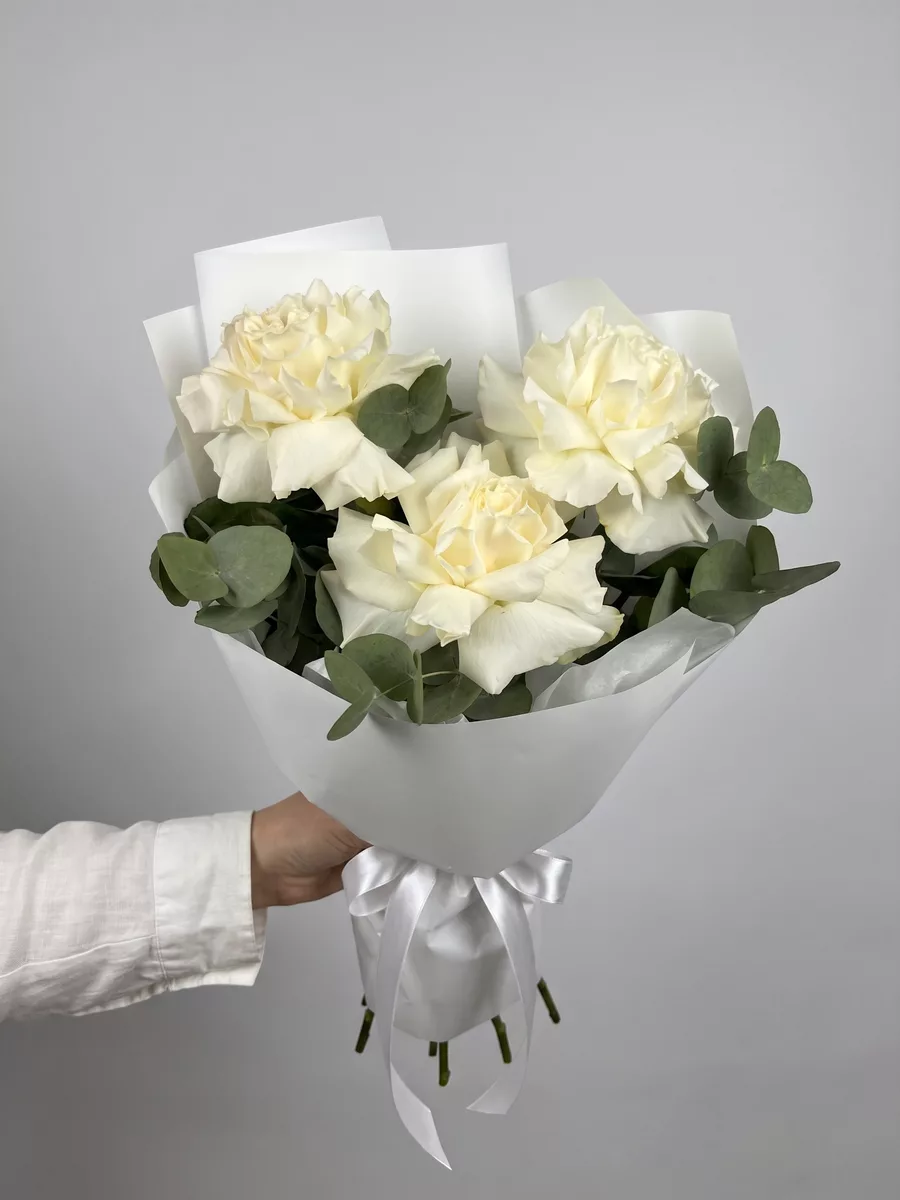
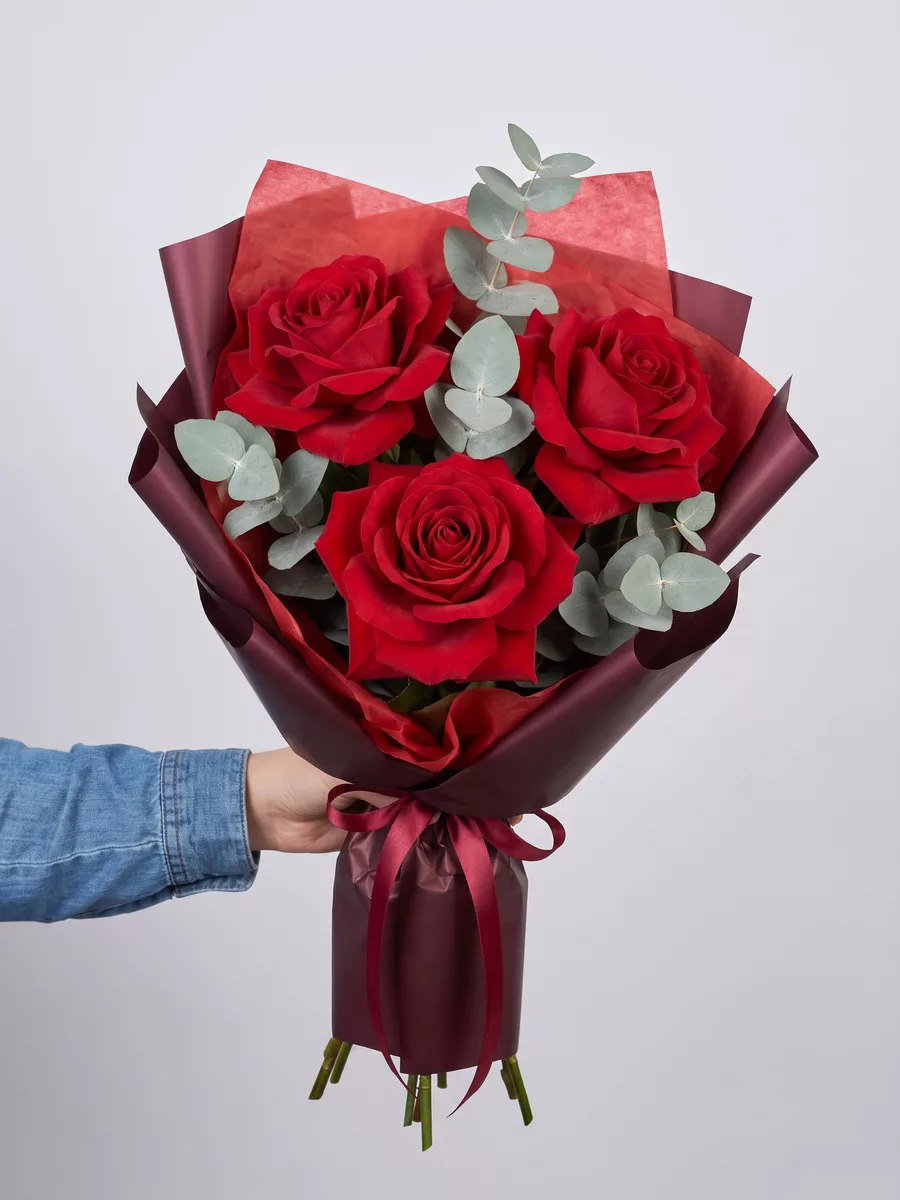
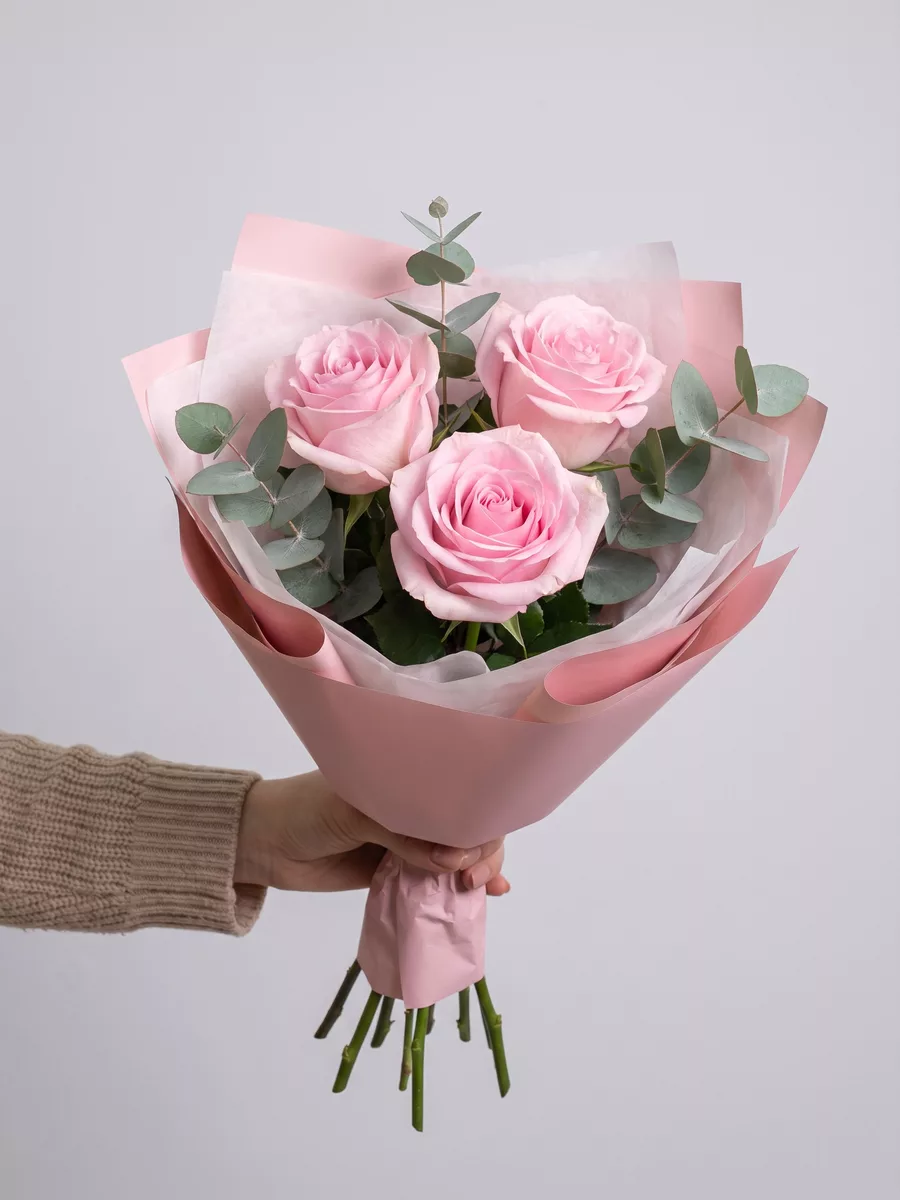
Bouquets we can deliver

Reading the Occasion Before You Read the Catalogue
Before you think about roses versus tulips, think about who is receiving the flowers and what they will feel when the door opens. A grandmother celebrating her seventieth birthday has different expectations from a colleague who just got promoted, and a young woman receiving flowers from a partner overseas has different emotional needs from a friend recovering after a tough month.
In Russian culture, flowers carry strong social meaning. They are given at birthdays, anniversaries, graduations, name days, professional milestones, and as gestures of appreciation or affection. Unlike in some Western countries, flowers in Russia are rarely an afterthought — they are expected to be generous, fresh, and presented well. A small bunch of wilting stems would genuinely disappoint, while a full, fragrant bouquet communicates that the sender cared enough to choose thoughtfully.
Odd numbers of flowers are the convention for living recipients in Russia. Even numbers are associated with mourning and are avoided for celebratory occasions. This is not a strict rule that will cause offence if broken, but it is worth knowing because Russian recipients will notice. A bouquet of eleven roses, fifteen spray carnations, or seven peonies feels right to a Russian eye. Turboflora's florists assemble bouquets with this in mind, so if you order a standard composition, the count is already considered. If you are building a custom order, keep the number odd and you will be aligned with local expectations from the start.
Choosing by the Season in Kotovo's Climate
Kotovo has a continental climate with cold winters and warm summers. January temperatures regularly drop below minus fifteen degrees Celsius, while July averages around twenty-five degrees. This matters for flowers because cold snaps damage delicate petals in transit, and summer heat accelerates wilting if a bouquet sits unrefrigerated for even an hour.
In winter, from November through March, the safest choices are flowers with robust stems and tight petals that handle the cold well. Roses, chrysanthemums, and alstroemeria are all reliable. Spray roses hold up particularly well because their smaller heads lose moisture more slowly. Avoid anemones and sweet peas in deep winter — they bruise in cold air and arrive looking exhausted.
Spring is the best season for tulips, and tulips are beloved across Russia. From late February through April, Dutch tulips in red, pink, white, and bicolour varieties are widely available and feel genuinely seasonal. They are also the flower most associated with International Women's Day on the eighth of March, which is one of the biggest flower-giving days of the Russian year. If your recipient's occasion falls near that date, tulips are the most culturally resonant choice you can make.
Summer brings availability of sunflowers, lisianthus, and garden-style arrangements with texture and volume. Autumn is the season for dahlias, solidago, and warm-toned chrysanthemums. Matching the bouquet to the season not only looks right, it means the flowers were grown closer to their natural cycle and will last longer in the vase.
Budget Ranges and What They Actually Look Like
When you order from abroad, you are thinking in euros, dollars, or dirhams, but the bouquet will be assembled in Russian roubles. Currency conversion fluctuates, so rather than quoting figures that may be outdated by the time you read this, it is more useful to think in terms of composition size and what each tier delivers.
A modest bouquet — suitable for a thank-you gesture, a colleague's birthday, or a friendly congratulation — typically contains seven to nine stems of a single variety, wrapped simply with ribbon. It makes a warm impression without being overwhelming. This is a good choice when you are not sure of the recipient's home space or personal taste.
A mid-range composition moves into mixed arrangements: roses combined with gypsophila, or tulips with muscari, or spray chrysanthemums layered with eucalyptus. These bouquets have visual depth, fragrance, and a sense of occasion. They are appropriate for birthdays, anniversaries, and professional achievements.
A premium bouquet is a statement. Think fifty or one hundred roses, a large peony arrangement in season, or a designer composition with orchid stems, tropical greenery, and a decorative box or hat-box presentation. These are given for milestone birthdays ending in a zero, significant anniversaries, or when the relationship between sender and recipient is close and the distance you are bridging is large. The physical generosity of a large bouquet communicates effort across thousands of kilometres in a way that a small bunch simply cannot.
The Ordering Process When You Are Outside Russia
Placing an order from abroad is straightforward once you understand the three pieces of information that matter most: the recipient's full address including apartment number and entry code if there is one, a working Russian mobile number for the recipient, and your preferred delivery window in Kotovo local time.
The address detail catches many international senders off guard. Russian addresses are written in a specific order — city, street, building number, apartment number — and apartment buildings often have a door code or an intercom system. If the courier cannot enter the building and the recipient does not answer the intercom, the delivery is delayed. Ask the person you are sending to for their full address including any entry codes before you place the order. A quick message saying you want to send them something and need their address is usually enough — most people enjoy the anticipation.
Payment from abroad typically works via international card. Specify any message you want included on the card in the order notes. If you want the card written in Russian, you can write the message in your language and request a translation, or write it in Russian yourself if you speak it. A handwritten card in the sender's own language is also meaningful — the recipient will understand that you wrote it yourself.
Delivery windows of one to two hours are standard. If you need delivery at a specific time — during a birthday dinner, for example, or just before a flight — note that in the order. The earlier in the day you place the order, the more flexibility there is to honour a precise time.
What the Recipient Should Do When the Flowers Arrive
Flowers that have travelled even a short distance benefit from immediate care. If the recipient is unfamiliar with flower care — and many people genuinely are — a short note tucked into the bouquet can make the difference between a vase that lasts four days and one that lasts ten.
The first step is cutting the stems. A diagonal cut with a sharp knife or scissors, made while the stems are held under cool water, removes the air bubble that forms at the base during transport. This single action dramatically improves water uptake. Roses need about two centimetres trimmed off; tulips need the same but should also have any white lower-stem section removed because that part does not absorb water efficiently.
The vase should be clean and filled with cool water. Lukewarm water encourages tulips to open faster if you want them bloomed for an event, but cool water extends vase life for most other varieties. Roses, lisianthus, and chrysanthemums all prefer cool water and a vase placed away from direct sunlight and radiators.
Leaves below the waterline should be removed entirely. Submerged leaves rot quickly, cloud the water, and shorten the life of every stem in the arrangement. Change the water every two days and re-cut the stems each time. In a well-maintained vase, roses typically last seven to ten days, chrysanthemums ten to fourteen, and alstroemeria up to two weeks. Tulips are shorter-lived at five to seven days but are so visually generous while they bloom that the brevity feels worthwhile.
Common Mistakes Senders from Abroad Make — and How to Avoid Them
The most common mistake is underestimating the time zone difference and placing an order that arrives either too early in the morning or too late in the evening. In Russia, it is considered impolite to ring someone's doorbell before nine in the morning or after nine at night. Plan your delivery window with the recipient's schedule in mind, and always check the local time in Kotovo before confirming.
A second mistake is providing an incomplete address. As mentioned earlier, apartment number and building entry code are essential. Many international senders assume the courier will figure it out — they will not, and cannot. A failed first delivery attempt means the flowers sit in a vehicle longer, and every hour out of refrigeration shortens vase life.
Choosing flowers based on what is popular in your own country rather than what is meaningful in Russia is a subtler mistake. White lilies, for example, are associated with mourning in Russian culture and are generally avoided for celebratory occasions. Red roses are universally romantic and appropriate. Yellow flowers have historically been associated with separation or jealousy in Russian folk tradition, though this association has weakened significantly among younger generations. When in doubt, mixed bouquets with pink, white, and red tones are always well received.
Finally, skipping the card message is a missed opportunity. A bouquet without a personal note feels anonymous. Even a single sentence — written in your own language if you prefer — transforms the delivery from a transaction into a genuine human gesture. The recipient will read it multiple times over the days the flowers are on display.
Sending flowers to Kotovo from another country is not complicated once you understand the rhythm of it — the time zones, the cultural conventions around odd numbers and colour choices, the importance of a complete address, and the simple care steps that keep the bouquet beautiful for as long as possible. The distance between you and the recipient is real, but a well-chosen, freshly assembled bouquet delivered to their door closes that distance in a way that a message or a call simply cannot. Turboflora handles the Russian side completely, so your only task is to choose thoughtfully and order in time.
Frequently asked questions
Can I really get flowers delivered to Kotovo the same day I order?
Yes, same-day delivery to Kotovo is available when the order is placed during operating hours and with enough lead time for the florist to assemble the bouquet. Because Kotovo is four hours ahead of Moscow Time, check local time carefully before ordering. Early morning orders in European time zones typically allow comfortable same-day delivery during Kotovo afternoon or evening hours.
What flowers should I avoid sending to a Russian recipient?
White lilies are strongly associated with funerals in Russia and are best avoided for celebratory occasions. Yellow flowers carry a traditional association with separation or bad luck, though younger recipients are less likely to feel this strongly. Even numbers of stems are linked with mourning. Sticking to red, pink, or white flowers in odd numbers keeps you safely within celebratory territory for any occasion.
Do I need to speak Russian to place an order from abroad?
No. The Turboflora website supports international customers, and you can place your order and write your card message in English. If you want the card message translated into Russian for the recipient, you can request this in the order notes. Having the recipient's address written correctly in Russian is helpful — ask the recipient to send it to you directly to avoid errors.
What happens if the recipient is not home when the flowers arrive?
The courier will attempt to contact the recipient by phone before and upon arrival. If no one answers and entry to the building is not possible, the florist will coordinate a new delivery window. This is why providing a working Russian mobile number for the recipient is essential. A missed delivery adds time out of refrigeration, so confirming the recipient will be available significantly improves the outcome.
Which flowers last longest in a Kotovo apartment in winter?
Chrysanthemums are the clear winner for longevity, lasting ten to fourteen days with proper care. Alstroemeria and spray roses also hold well. The main winter challenge in Russian apartments is dry, heated air, which accelerates wilting. Placing the vase away from radiators and changing the water every two days extends vase life noticeably for all varieties, but especially for roses and lisianthus.
Ready to send flowers?
Pick the city, choose the bouquet, and a local florist takes it from there.
Choose a city →