Sending Flowers to Kotovsk from Abroad Without the Guesswork
You are somewhere far from Russia — maybe in Berlin, Dubai, or Toronto — and someone you love is in Kotovsk. A birthday is coming, or an anniversary, or perhaps you simply want them to open their door and find something beautiful waiting. The distance feels large, but the gesture does not have to be complicated. What you need is a clear picture of how flower delivery actually works in a smaller Russian city, what to expect from the seasons, and how to make the arrangement feel personal even when you cannot be there to hand it over yourself.
Why Kotovsk Requires a Different Approach Than a Major City
Kotovsk is a compact city in Tambov Oblast, and that geography matters when you are ordering from abroad. It is not Moscow or Saint Petersburg, where dozens of warehouses hold flowers at every price point around the clock. Kotovsk has its own rhythm, and a sender who understands that will make far better choices.
The practical implication is that you should plan your order at least one to two days ahead of the occasion rather than the morning of. This gives the florist time to source the specific stems you want — particularly anything unusual like garden roses, lisianthus, or ranunculus — rather than substituting on the day.
Delivery windows in smaller cities also tend to be more precise when the order is placed early. A same-day order placed before noon local Kotovsk time is generally achievable, but if you are ordering from a time zone many hours behind Russia, your morning is already their afternoon. Always check the Moscow time equivalent before you confirm, because Tambov Oblast follows Moscow Standard Time with no offset.
Finally, do not underestimate the value of a clear delivery address. Russian addresses follow a specific format: city, street, building number, apartment number. If your recipient lives in a multi-entrance apartment block, include the entrance number if you know it. A florist navigating an unfamiliar entrance in a residential district in winter loses time, and that matters when flowers are sitting in a cold van.
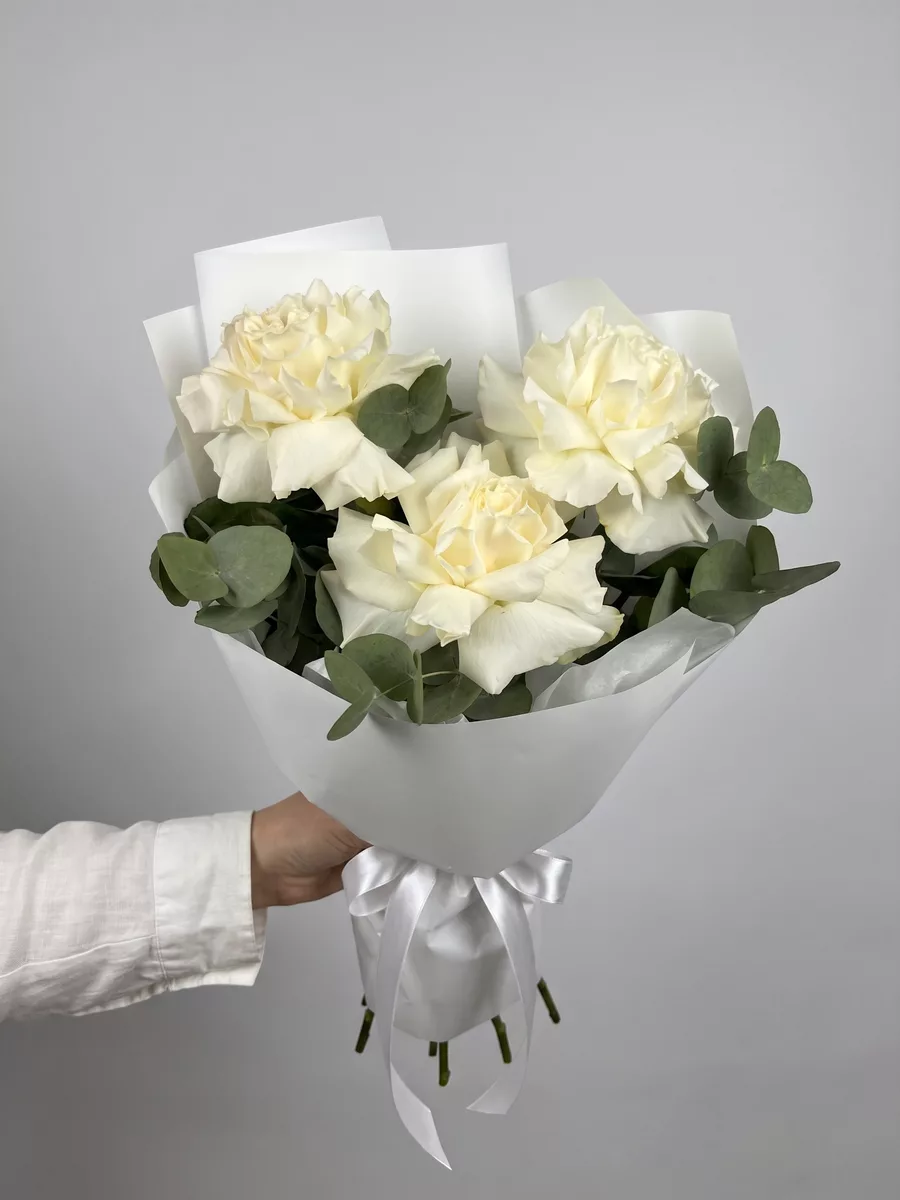
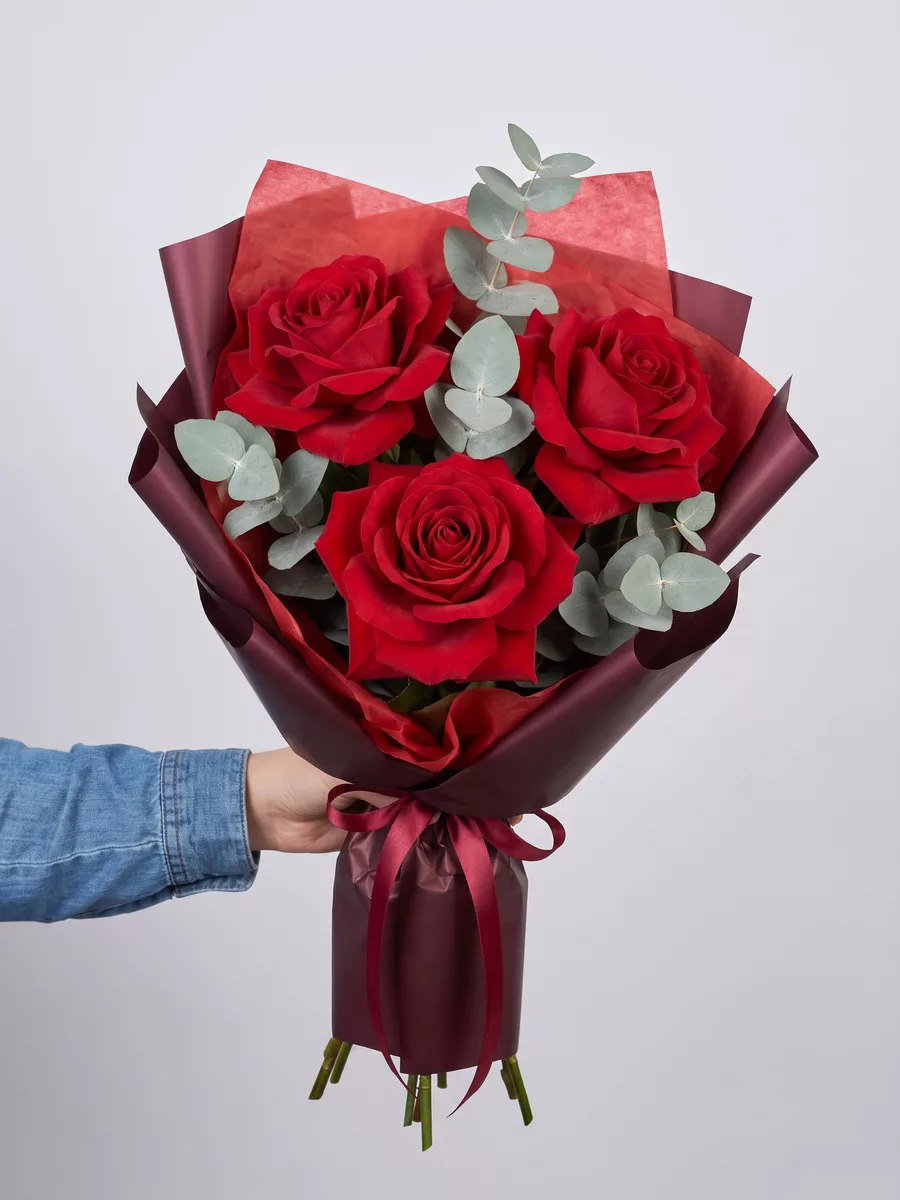
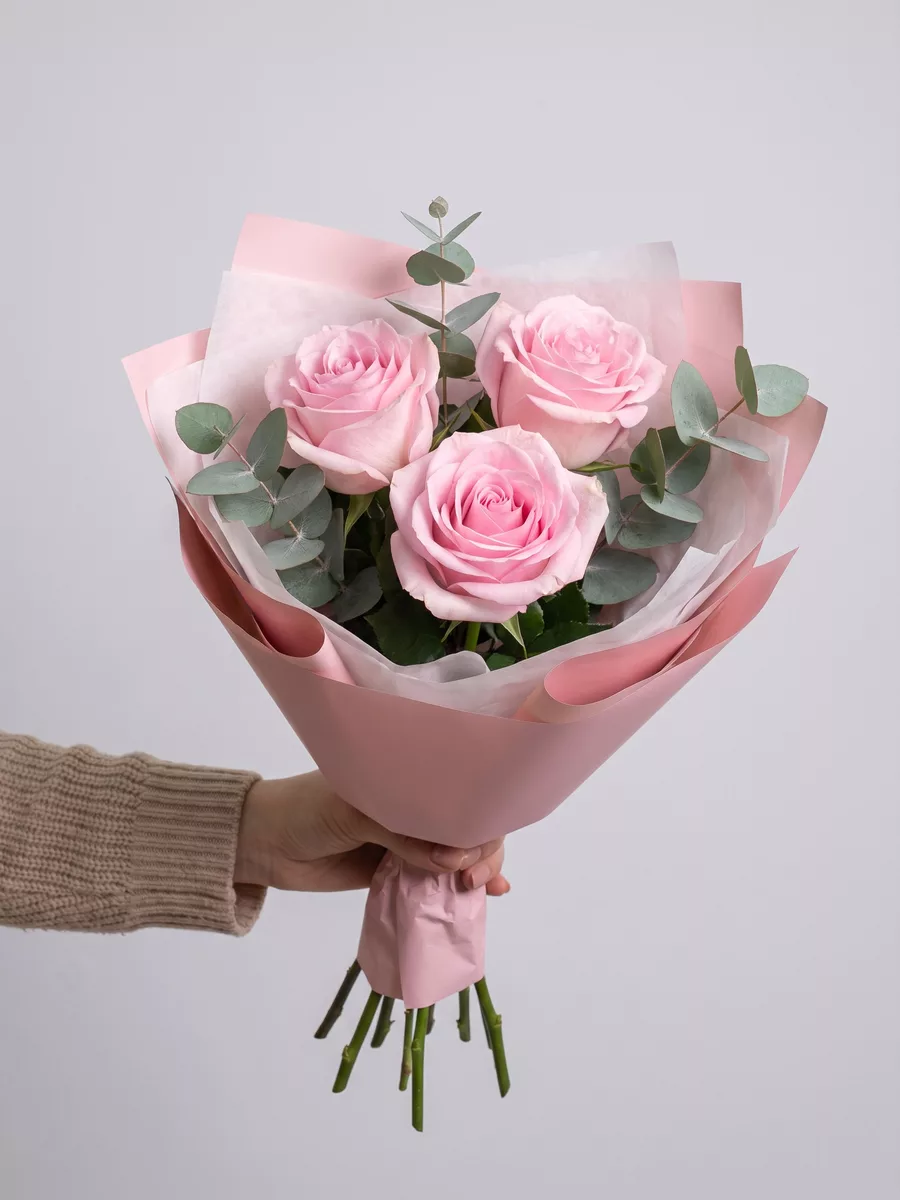
Bouquets we can deliver

Reading the Russian Occasion Before You Choose the Flowers
Russian flower-giving culture has its own logic, and knowing a little of it will help you choose something that lands exactly right rather than something that merely looks pretty on a screen.
Odd numbers of stems are the standard for celebratory gifts. A bouquet of seven roses, nine peonies, or eleven tulips signals a joyful occasion. Even numbers carry a different association in Russian tradition, so when building a custom arrangement, always ask for an odd count. Reputable florists working with international clients will already know this and apply it automatically, but it is worth confirming.
Colour carries meaning too. Red roses remain the clearest romantic gesture and are entirely appropriate for a partner or spouse. For a mother, a colleague, or a friend, softer palettes — blush, peach, ivory, lilac — feel more versatile and are less likely to be misread. White flowers on their own can feel stark in a celebratory context, so they work best mixed with other colours rather than as a single-colour statement.
For milestone birthdays, Russians often appreciate generous scale. A compact hand-tied bouquet is lovely, but a lush arrangement with height and variety — think spray roses combined with eucalyptus, white snapdragons, and a few stems of alstroemeria — reads as genuinely festive. If the recipient is a woman celebrating a significant birthday, going slightly larger than you think necessary is almost always the right instinct.
Seasonal Flowers That Actually Survive the Journey to Kotovsk
Kotovsk experiences a proper continental climate: cold winters with temperatures regularly dropping below minus ten Celsius, warm summers that can push above thirty. The season shapes not just what is available but what will survive being carried from a van to a front door.
In winter, from November through February, cold-hardy flowers are your allies. Chrysanthemums, alstroemeria, and carnations handle temperature fluctuations well and will not wilt in a cold entrance hall. Roses travel well in winter if they are properly conditioned, but very delicate open blooms — garden roses with many petals — can bruise in the cold. Ask for roses to be delivered in bud so they open in the warmth of the recipient's home over the following two to three days.
Spring brings tulips, which are enormously popular in Russia, particularly around early March. Tulips from Dutch growers arrive in good condition and last five to seven days with proper care. Ranunculus appear in spring too and are worth requesting if you want something a little more unusual than the standard tulip arrangement.
Summer is the most abundant season for variety. Peonies are available from late May through June and are arguably the most beloved flower in Russia for gifting — full, fragrant, and unmistakably generous. Sunflowers appear in summer and early autumn and carry a warmth that translates beautifully across any cultural background. Autumn brings dahlias in deep reds and oranges, which photograph beautifully and hold well indoors.
Choosing the Right Arrangement When You Cannot See It in Person
Ordering flowers remotely means trusting a description and a photograph to represent something three-dimensional, fragrant, and alive. There are ways to narrow the gap between what you imagine and what arrives at the door.
Start with the recipient's personality rather than the flower name. Someone who loves bold, graphic interiors will appreciate a structured arrangement — think calla lilies, anthuriums, or a tight cluster of garden roses in a single strong colour. Someone with a more romantic or vintage sensibility will respond to loose, layered arrangements: lisianthus mixed with small spray roses, dusty miller foliage, and a few stems of sweet William.
For senders who genuinely do not know where to start, describing the occasion and the recipient's character in the order notes is more useful than naming specific flowers. A good florist will translate that into something appropriate. Say: she is turning forty, she loves her garden, her kitchen is full of herbs and plants. That is enough to build from.
Packaging matters when you are not there to hand the flowers over. A well-wrapped bouquet with a kraft paper sleeve, a ribbon, and a handwritten card feels complete as a gift even before the recipient has unwrapped it. Ask whether a personal message can be written on a card by hand — this is almost always possible and adds something that a printed label cannot replicate. If the recipient speaks Russian, a short message in Russian will feel more intimate, but a message in English or any other language is equally valid and will be transcribed faithfully.
Timing Your Order Across Time Zones Without Getting It Wrong
This is the section most international senders skip, and it is where most late deliveries originate. Kotovsk runs on Moscow Standard Time, which is UTC plus three. There are no seasonal clock changes in Russia, so the offset stays constant year-round.
If you are in London, Kotovsk is three hours ahead of you in winter and two hours ahead in summer when the UK observes daylight saving time. If you are in New York, Kotovsk is eight hours ahead in winter and seven in summer. If you are in Dubai, Kotovsk is one hour ahead year-round. Do the arithmetic before you place the order, not after.
For a delivery you want to arrive by early afternoon Kotovsk time, you need to have placed and confirmed the order before ten in the morning Kotovsk time at the latest. For same-day delivery, earlier is always safer. If you miss that window, schedule for the following morning rather than hoping a late-day order makes it through.
Birthdays and anniversaries are the occasions where timing matters most emotionally. A bouquet arriving the day after a birthday is a different gesture than one arriving on the morning of. If there is any doubt about the date, go one day early. Flowers arriving slightly before an occasion are a pleasant surprise. Flowers arriving the day after read as an afterthought, however beautiful they are.
For regular senders — those who want to mark a mother's birthday or a partner's anniversary every year — saving the order details and the delivery address in your account makes the next order take under five minutes.
Writing a Message That Crosses the Distance
The card is the part of the gift that speaks when you cannot. For international senders, it deserves more thought than a single line.
Russians do not typically write short, functional messages on flower cards. A message that says only 'Happy Birthday' can feel thin. Something warmer — even a few sentences about what the person means to you, a shared memory, or a specific wish for the year ahead — lands very differently. You do not need to be a poet. Sincerity does the work.
If you want to write in Russian but are not fluent, keep the message simple and have it checked before you submit. Online translation tools handle short, direct sentences reasonably well, but they struggle with idiom and warmth. A phrase like 'I am thinking of you today and wishing you joy' translates cleanly. A complex sentence full of clauses may come out awkward.
For professional occasions — congratulating a colleague on a promotion, thanking a business contact — the tone should be warm but measured. Roses in a rich red are less appropriate here than a mixed arrangement in neutral or soft tones. The message should acknowledge the achievement specifically rather than offering generic congratulations.
If the flowers are for a child or a young person, consider something playful in the arrangement — bright gerberas in orange and yellow, or a mix of colourful tulips — and let the card be light and cheerful rather than formal. A message that makes a child smile is worth more than an elegant one that goes over their head.
Helping Your Recipient Care for the Flowers Once They Arrive
Fresh flowers in Kotovsk will last longest when the recipient knows a few basic things, and as the sender, you can pass these on in your card message or a separate note.
The first step on arrival is to re-cut the stems at an angle, about two centimetres from the base, using a sharp knife rather than scissors. Scissors crush the stem tissue; a clean diagonal cut maximises the surface area drawing water. This single step can add two to three days of vase life.
Water temperature matters more than most people realise. Tulips and most spring flowers prefer cool water, close to room temperature or slightly cooler. Tropical stems like anthuriums prefer warmer water. Roses are happy in cool water with a small amount of flower food added if a sachet is included with the bouquet.
The vase should be placed away from direct sunlight, radiators, and fruit bowls. Ripening fruit releases ethylene gas, which accelerates the ageing of cut flowers — particularly roses and carnations. A cool spot in a room, away from heat sources, is ideal. In Russian winters, a cool room is easy to find, and flowers genuinely last longer in a slightly cooler interior.
Changing the water every two days and re-cutting the stems at the same time will extend the arrangement significantly. A well-conditioned bouquet of roses delivered fresh should last seven to ten days. Chrysanthemums and alstroemeria can go two weeks or more with consistent care. Telling the recipient this in your card message turns the gift into something that keeps giving long after the delivery day.
Sending flowers to Kotovsk from another country is not a complicated act, but it rewards a little preparation. Know the time zone, plan one day ahead, choose flowers that suit the season and the person, and write a card that says something real. The distance between you and someone you care about does not shrink because of a bouquet, but a well-chosen arrangement, arriving on the right morning, in good condition, with your words attached, does something that a message on a screen cannot quite replicate. It is physical, it is fragrant, and it sits in their room for days reminding them that someone far away was thinking of them specifically.
Frequently asked questions
Can I order flowers for Kotovsk delivery if I do not speak Russian?
Yes, entirely. You can place your order and write your card message in English. The florist will transcribe your message faithfully onto the card. If you want the card written in Russian, provide the text and it will be copied as given. No Russian language knowledge is needed at any point in the ordering process.
How far in advance should I order flowers for delivery to Kotovsk?
One to two days ahead is the comfortable window for most occasions, and it gives the florist time to source specific varieties. Same-day delivery is possible for orders confirmed before ten in the morning Kotovsk time, but earlier is always safer. For major holidays like March 8th, order three to four days ahead as demand is very high across Russia.
What flowers are best to avoid sending to Kotovsk in winter?
Very delicate open blooms — fully open garden roses with many petals, fragile anemones, and thin-stemmed sweet peas — can bruise or wilt when carried through cold air. Ask for roses to be delivered in bud so they open indoors. Chrysanthemums, alstroemeria, and carnations are reliably cold-tolerant and a safer choice for winter deliveries.
Is it true that flowers in Russia should come in odd numbers?
Yes, for celebratory occasions this is a genuine and widely observed custom. Odd numbers — five, seven, nine, eleven stems — are associated with joyful gifts. Even numbers carry a different cultural weight in Russian tradition. Any florist familiar with Russian customs will apply the odd-number rule automatically, but it is worth confirming when you place a custom order.
Can the recipient give me feedback that the flowers arrived safely?
Most recipients will message you directly once the bouquet arrives, especially if you have let them know to expect something. You can also request a delivery confirmation from the florist, which typically includes a photograph taken at the door. This is a useful option when you are sending to someone who may be at work or away from home during the delivery window.
Ready to send flowers?
Pick the city, choose the bouquet, and a local florist takes it from there.
Choose a city →