Sending Flowers to Kozelsk from Abroad? Start Here
Kozelsk is a quiet, historic town in the Kaluga region, and when someone you love lives there, distance should not stand between them and a beautiful bouquet. Ordering flowers from another country feels complicated until you understand a few practical details — the time difference, the seasonal climate, what Russian recipients genuinely love to receive, and how to write an address that actually reaches the right door. This article walks you through every step, written by florists who handle exactly these cross-border orders every week.
Why Kozelsk Is Different from Sending to a Big City
Kozelsk sits in central Russia, roughly 250 kilometres southwest of Moscow, with a population of around 17,000 people. It is not a metropolitan hub, and that shapes what a successful flower delivery looks like here. The streets are quieter, addresses sometimes follow older Soviet-era numbering, and recipients are not always expecting a courier at the door the way someone in Saint Petersburg or Moscow might be.
This matters for you as a sender because the address you provide needs to be precise. A building number, an apartment number if applicable, and a working phone number for the recipient are all essential. Russian addresses are written in a specific order — country, region, city, street, building, apartment — and if you are filling out a form in English, it helps to have the address transliterated or written in Cyrillic if possible. Ask the recipient to send you their address exactly as it appears on their post or documents.
The good news is that Kozelsk is well within the delivery zone for same-day and next-day flower orders placed through Turboflora. The town receives deliveries regularly, and the florists preparing your bouquet understand the local context. A freshly assembled arrangement travels in temperature-controlled conditions, which matters enormously in a town where summer heat can climb above 30 degrees Celsius and winter temperatures regularly drop below minus 15.
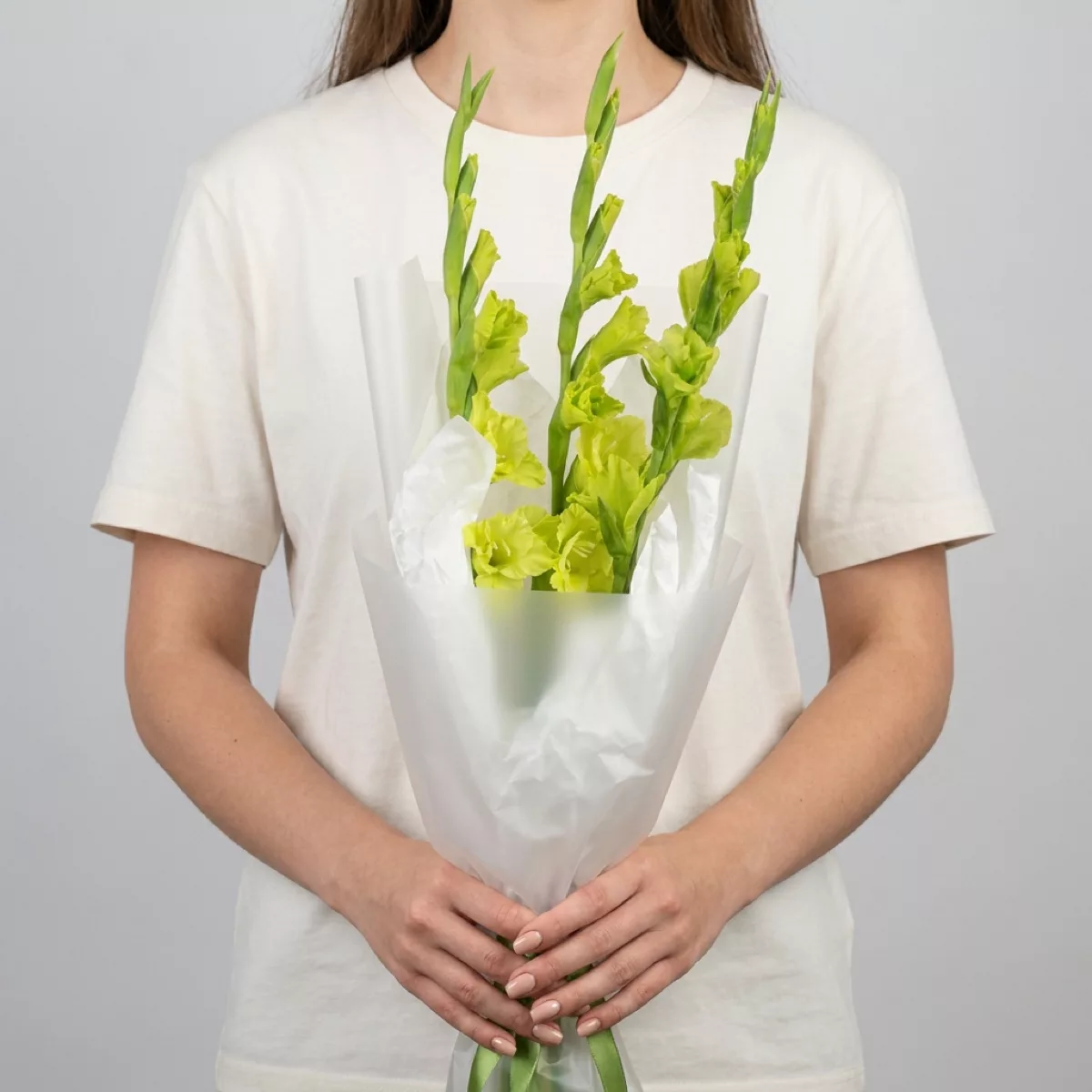
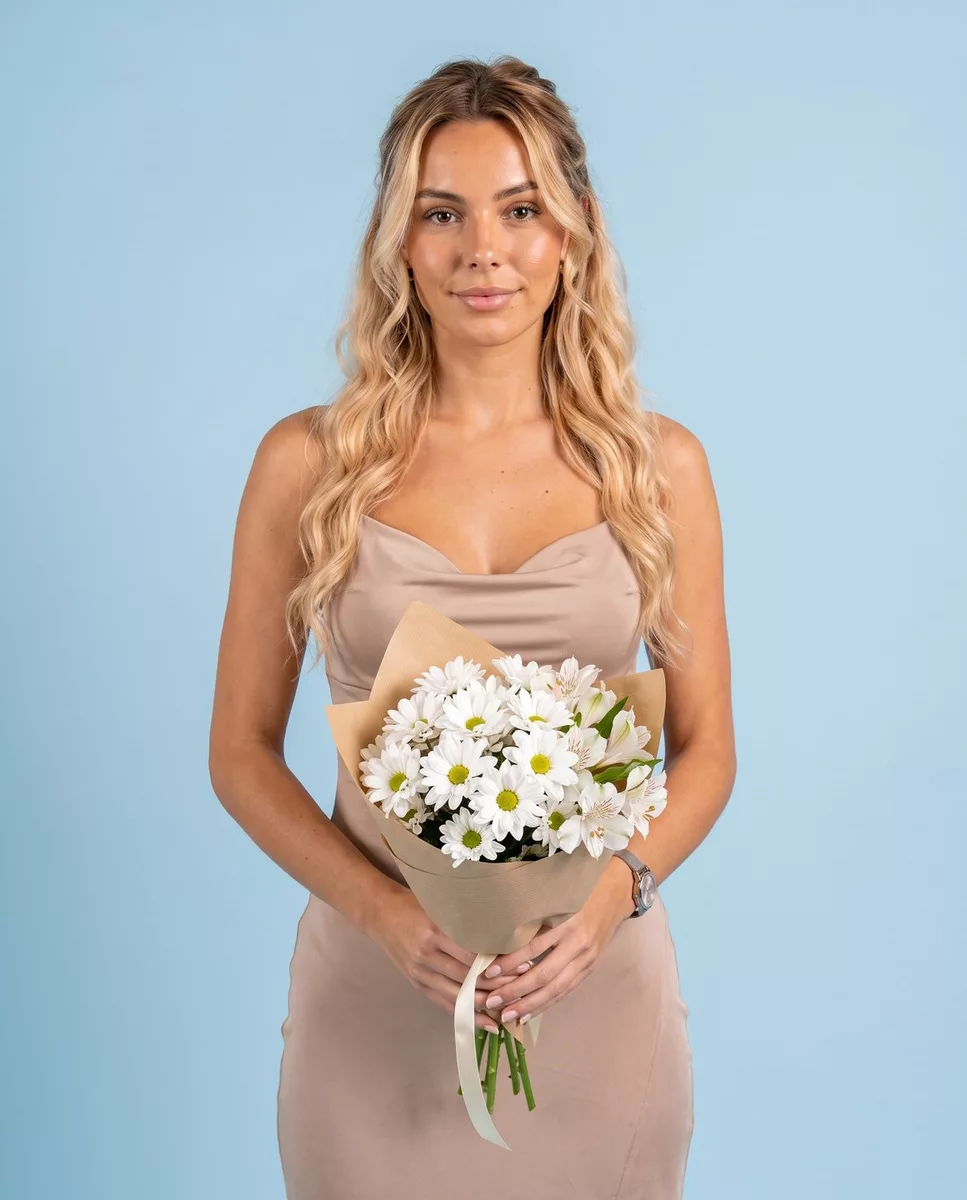
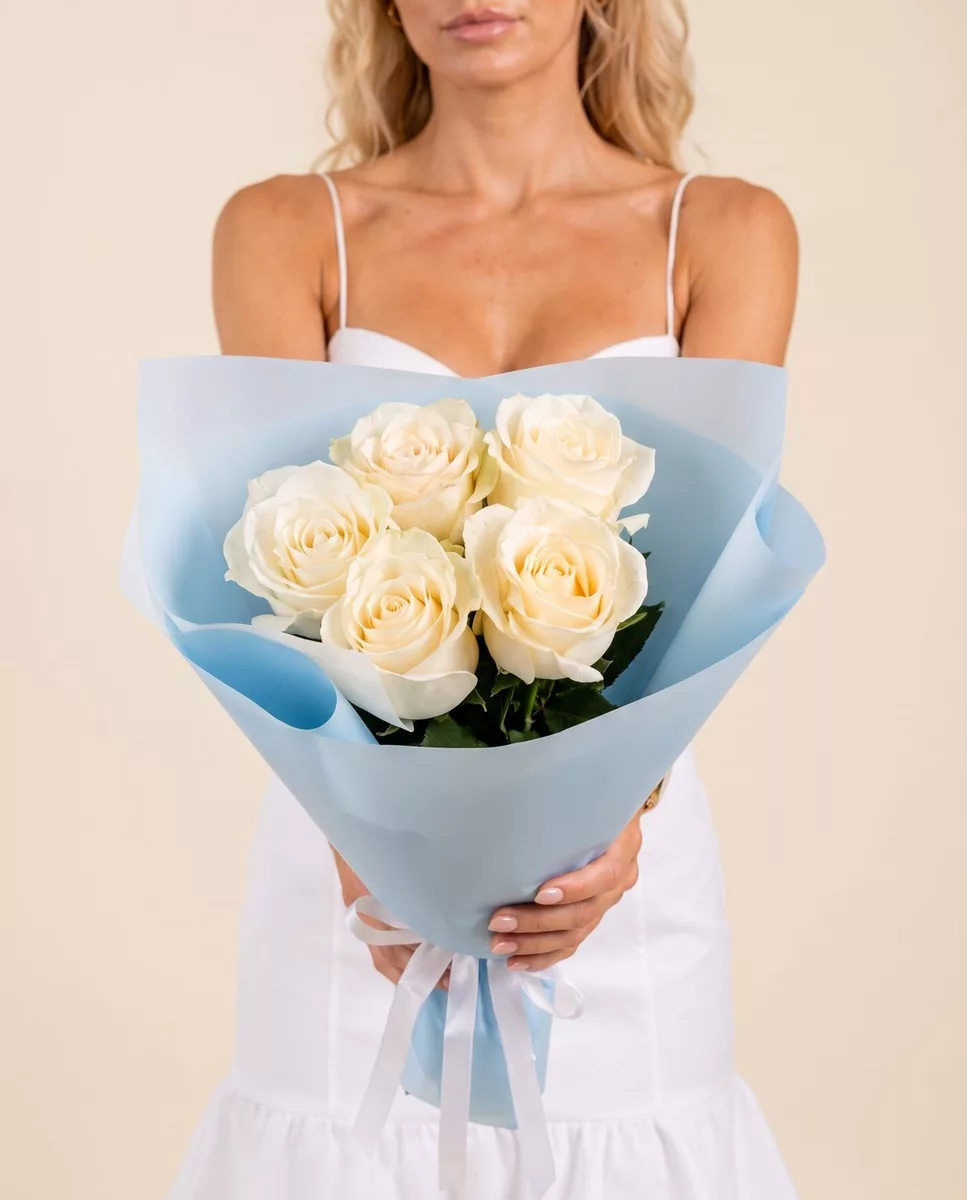
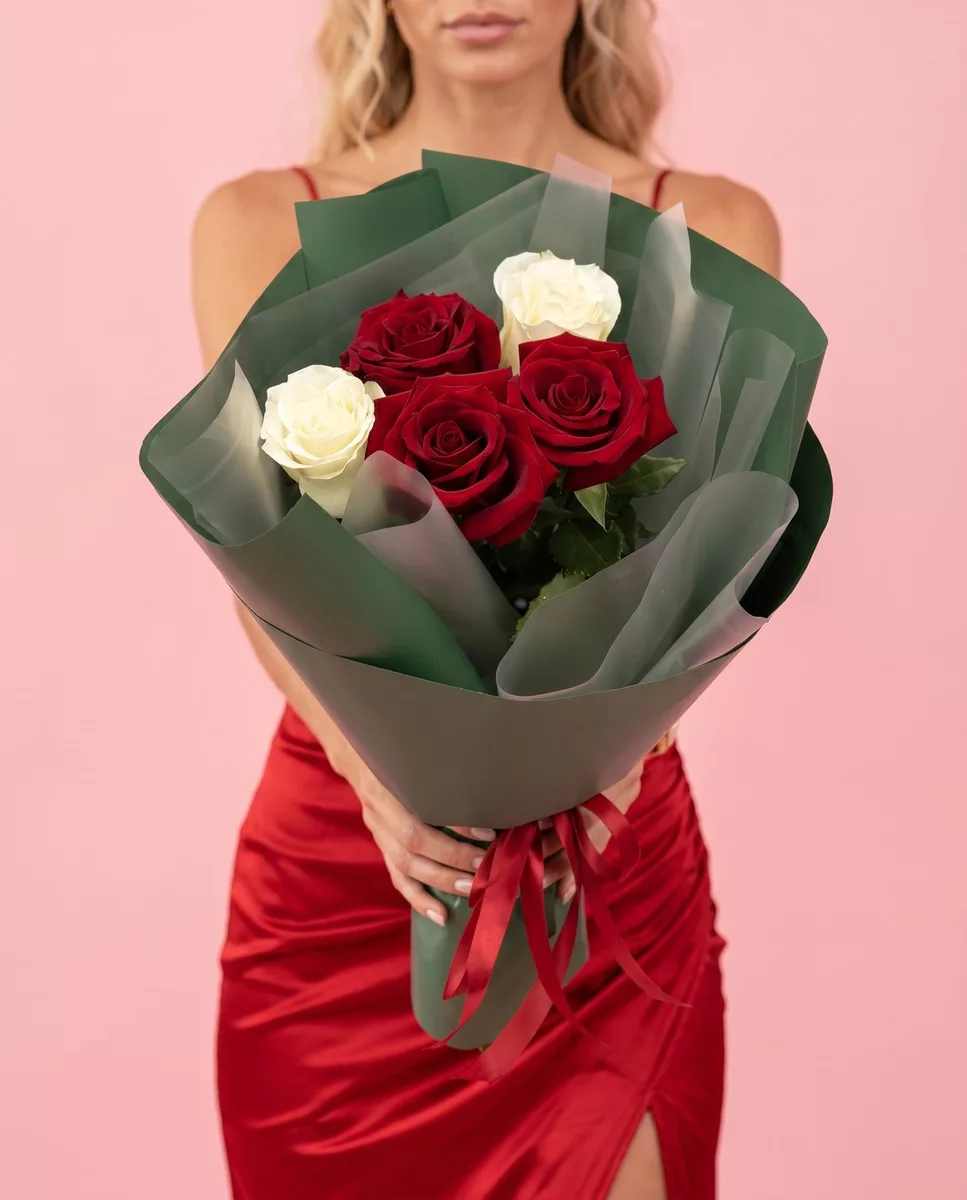
Bouquets we can deliver
Choosing the Right Occasion and Reading Russian Flower Customs
Russian flower-giving culture has a few unwritten rules that are worth knowing before you choose your bouquet. The most important one is the odd-number rule: bouquets should always contain an odd number of stems. Even numbers — two roses, four tulips — are associated with funerals and would feel deeply uncomfortable to a Russian recipient. This is not superstition so much as deeply embedded social habit, and florists here follow it automatically.
Colour carries meaning too, though not rigidly. Red roses remain the classic romantic gesture and are understood as such across all age groups. White flowers — white roses, white lisianthus, white freesia — read as elegant and respectful, suitable for a teacher, a colleague, or an older family member. Yellow flowers, which in some Western countries suggest friendship or cheer, can carry a negative association for some older Russian recipients who connect yellow with separation or bad luck. If you are unsure, a mixed bouquet built around pink, coral, or peach tones is universally safe and genuinely beautiful.
Birthdays are the most common occasion for flower deliveries from abroad, followed by anniversaries, Women's Day on the 8th of March, and professional celebrations. March 8th is enormous in Russia — plan weeks ahead if your delivery falls near that date, as demand is extraordinary and same-day slots fill quickly. Name days are also celebrated in Russia, and if you know your recipient observes theirs, a bouquet on that day will feel especially thoughtful and personal.
What Flowers Travel Well to Kozelsk in Each Season
The Kaluga region has a true continental climate, which means flowers arriving in July face very different conditions than those arriving in January. Understanding this helps you choose varieties that will still look beautiful when the recipient unwraps the bouquet.
In summer, from June through August, temperatures in Kozelsk can be intense. Roses are resilient when properly conditioned and hydrated, but delicate garden flowers like sweet peas or ranunculus suffer in heat. Chrysanthemums, alstroemeria, and carnations are excellent summer choices — they hold their structure, resist wilting, and last well once placed in a vase. Sunflowers are popular in summer and feel genuinely seasonal and joyful.
Autumn brings cooler temperatures and a wonderful palette. Dahlias, if available, are spectacular. Spray roses in warm tones — terracotta, burgundy, dusty rose — look exactly right against the season. Solidago and ornamental grasses add texture and extend vase life by filling space without competing with the focal flowers.
Winter is actually one of the better seasons for flower delivery in terms of transport. Cold air preserves blooms during transit. Roses, tulips, and hyacinths all travel beautifully in winter. Hyacinths in particular fill a room with scent, which makes them a memorable gift when someone is spending a cold January evening at home. Spring brings tulips in every colour — in Russia, tulips are the definitive flower of early spring and of Women's Day, and a generous bunch of them feels celebratory and warm.
How to Place Your Order from a Different Country and Time Zone
Placing an order from abroad introduces two practical challenges: the time zone gap and the language of the order form. Russia uses Moscow Standard Time, which is UTC plus 3, and Kozelsk follows the same zone. If you are ordering from Western Europe, you are one to two hours behind. From the United States East Coast, you are eight hours behind. This means that an order placed at 9 in the morning in New York is received at 5 in the afternoon Moscow time — which may still allow same-day delivery if you are ordering for the following morning, but will not work for a lunchtime arrival on the same calendar day.
The safest approach is to order at least 24 hours ahead of your intended delivery time, and 48 to 72 hours ahead for date-specific occasions like birthdays or anniversaries. This gives the florists time to source any specific varieties you have requested and to confirm the delivery window with the courier.
When filling out the order, write the recipient's name in both Latin and Cyrillic if you can — even a phonetic Cyrillic spelling helps. The delivery address should include the full street name, building number, apartment number, and a mobile phone number beginning with the Russian country code, which is plus 7. The courier will call ahead, so a working number is not optional. If the recipient is at work during the day, note that in the comments — Kozelsk has several large employers and the florist can coordinate accordingly. A short message in Russian is always appreciated; even a simple phrase like 'S dnyom rozhdeniya' for Happy Birthday means a great deal to the person receiving it.
Bouquet Combinations That Work Well as Gifts from Afar
When you are sending flowers from another country, you are sending more than just stems — you are sending a feeling of being remembered across a long distance. The bouquet should express that generosity, which means thinking about composition and presentation rather than simply counting flowers.
A mono-bouquet of roses — say, 15 or 21 stems in a single colour — is elegant and always well received. The recipient understands immediately that care went into the choice. For a more personal touch, a mixed bouquet built around one hero flower, such as garden roses or peonies in season, surrounded by complementary textures like eucalyptus, waxflower, or ruscus, feels like something a florist assembled specifically for them.
For a female recipient of any age, a soft combination of lisianthus, spray roses, and matthiola — also known as stock — creates a bouquet that is romantic without being heavy. The matthiola adds incredible fragrance, which transforms the experience of receiving flowers at home. For a male recipient, which is more common in Russian culture than in some Western countries, a structured bouquet of dark red roses or a bold arrangement of chrysanthemums and tropical greenery reads as confident and appropriate.
If the recipient has a home with limited space, consider asking for a compact but lush arrangement rather than a large, sprawling one. A tight, round bouquet of garden roses and ranunculus takes up less table space but looks abundant and intentional. Ribbon colour and wrapping paper also matter in Russia — gold, deep green, and burgundy wrapping reads as premium and celebratory.
Vase Life and Care Instructions for the Recipient
One of the kindest things you can do when sending flowers from abroad is to make sure the recipient knows how to care for them. Many people, especially those who do not regularly receive flowers, do not know the basics — and a bouquet that could last ten days sometimes wilts in three simply because of avoidable mistakes.
The single most important step is cutting the stems. As soon as the recipient receives the bouquet, they should cut one to two centimetres from the base of each stem at a diagonal angle, using a sharp knife or scissors, and place them immediately into clean, cool water. Diagonal cuts increase the surface area for water uptake. Stems cut straight across sit flat against the bottom of the vase and absorb water poorly.
The vase should be filled with cool water, not warm, and the water should be changed every two days. Any leaves that fall below the waterline should be removed, because submerged foliage rots quickly and introduces bacteria that shorten the life of the entire bouquet. Keeping the bouquet away from direct sunlight, radiators, and fruit bowls — ethylene gas from ripening fruit accelerates wilting — can add several days of vase life.
Roses that have begun to droop can often be revived by re-cutting the stems and placing them in warm water for an hour. Tulips will always continue to grow in the vase and will lean toward light, which is actually charming rather than a problem. Lisianthus and alstroemeria are among the longest-lasting cut flowers, often holding beautifully for 10 to 14 days with basic care. Including a simple care note with your order message is a small gesture that the recipient will genuinely appreciate.
Common Mistakes Senders from Abroad Make and How to Avoid Them
The most frequent mistake is leaving the order too late. Senders often assume that because flower shops operate daily, a same-day order placed in the afternoon will arrive that evening. In a smaller city like Kozelsk, delivery windows are structured, and late orders may push to the following morning. If the occasion is time-sensitive — a birthday dinner, a morning anniversary surprise — place the order the evening before at the very latest.
The second common mistake is providing an incomplete address. Russia uses a structured address format and couriers rely on precise information. Missing the apartment number in a multi-storey building, or giving a street name in English that does not match its Russian transliteration, causes delays. Always confirm the address with the recipient beforehand rather than guessing.
A third mistake is choosing flowers based on what you personally love without considering the recipient's taste or the Russian context. Sending yellow flowers to an older Russian woman, for instance, may be received with quiet discomfort even if she says nothing. Asking the recipient what colours they like, or choosing a universally safe palette of white, pink, and cream, avoids this entirely.
Finally, some senders forget to include a card message, assuming the flowers speak for themselves. In Russian culture, a written message — even a short one — is part of the gift. It shows intention. If you are not confident writing in Russian, a message in English is perfectly acceptable and will be treasured. What matters is that the words came from you, written with thought, sent across the distance that separates you.
Sending flowers to Kozelsk from another country is a genuinely meaningful act, and getting it right is more straightforward than it first appears. Choose the right season for your varieties, respect the odd-number rule, confirm the address carefully, and order with enough lead time to allow for the time zone difference. The recipient on the other end — whether it is your mother, your partner, your old friend — will open the door to something that travelled a long way to reach them, and that is what makes the effort worthwhile.
Frequently asked questions
Can I order flowers to Kozelsk if I do not speak Russian?
Yes, entirely. The order form is available in English, and the florists at Turboflora handle international orders regularly. You can write your card message in English and it will be delivered exactly as written. The only thing to confirm in advance is the recipient's address in its correct Russian format, which the recipient themselves can provide to you.
How far in advance should I order for a birthday delivery in Kozelsk?
At least 24 hours ahead is the safe minimum, and 48 hours is better if you want a specific delivery time such as morning or early afternoon. For major dates like March 8th or New Year, order three to five days in advance. Kozelsk delivery slots are available daily, but popular dates fill quickly and earlier orders always receive priority scheduling.
What if the recipient is not home when the courier arrives?
The courier will call the recipient's mobile number before arriving, so a working Russian phone number is essential on the order. If the recipient is temporarily unavailable, the courier can arrange a short wait or reschedule for a nearby time window. This is why including a correct phone number matters more than any other single detail on the order form.
Are there flowers I should avoid sending to a Russian recipient?
Even numbers of stems should always be avoided, as they carry an association with mourning in Russian culture. Yellow flowers can feel uncomfortable to some older recipients. Strongly scented flowers like lilies may be unsuitable if you know the recipient has allergies. When in doubt, a mixed bouquet in pink, white, and cream tones is universally appropriate and genuinely beautiful for almost any occasion.
How long will the flowers last once they are delivered to Kozelsk?
With basic care — fresh water every two days, trimmed stems, and a cool spot away from direct sun — most bouquets last seven to ten days. Alstroemeria and lisianthus often reach 12 to 14 days. Roses and tulips typically give a solid seven to nine days. Including care instructions with your order message helps the recipient get the most out of the bouquet from the moment it arrives.
Ready to send flowers?
Pick the city, choose the bouquet, and a local florist takes it from there.
Choose a city →