Sending Flowers to Kozmodemyansk from Abroad: What You Need to Know
You are sitting in Berlin, Toronto, or Dubai, and someone you love is celebrating a birthday in Kozmodemyansk. The distance feels enormous, but the gesture does not have to. Fresh flowers delivered to their door within hours can say everything a long-distance call cannot quite manage. This guide walks you through every practical detail — timing, varieties, Russian gifting traditions, and how to make sure the bouquet arrives looking as though you handed it over yourself.
Why Kozmodemyansk Is Worth the Extra Planning
Kozmodemyansk sits on the right bank of the Volga River in the Mari El Republic, roughly 800 kilometres east of Moscow. It is a small but proud city known for its wooden architecture and strong regional identity. Sending flowers here from abroad is not complicated, but it does reward a little preparation that you would not need for a delivery to a major capital.
The city experiences a true continental climate. Winters are long and cold, with temperatures regularly dropping below minus fifteen Celsius, and summers are warm and sometimes humid. That climate matters for your bouquet choice more than you might expect. A delicate arrangement built around garden roses and sweet peas will behave very differently arriving in January than in July, and a florist who understands those conditions will steer you toward varieties that travel and hold well in each season.
The recipient will almost certainly appreciate the effort more because of the distance. People in smaller Russian cities are often genuinely moved when someone overseas takes the trouble to send fresh flowers rather than a digital greeting. The bouquet becomes a story they tell. That emotional weight is worth matching with a thoughtful choice of flowers, a clean presentation, and timing that puts the arrangement on their table at the right moment of the day — not at eight in the morning when they are rushing to work, and not late in the evening when the occasion has already passed.
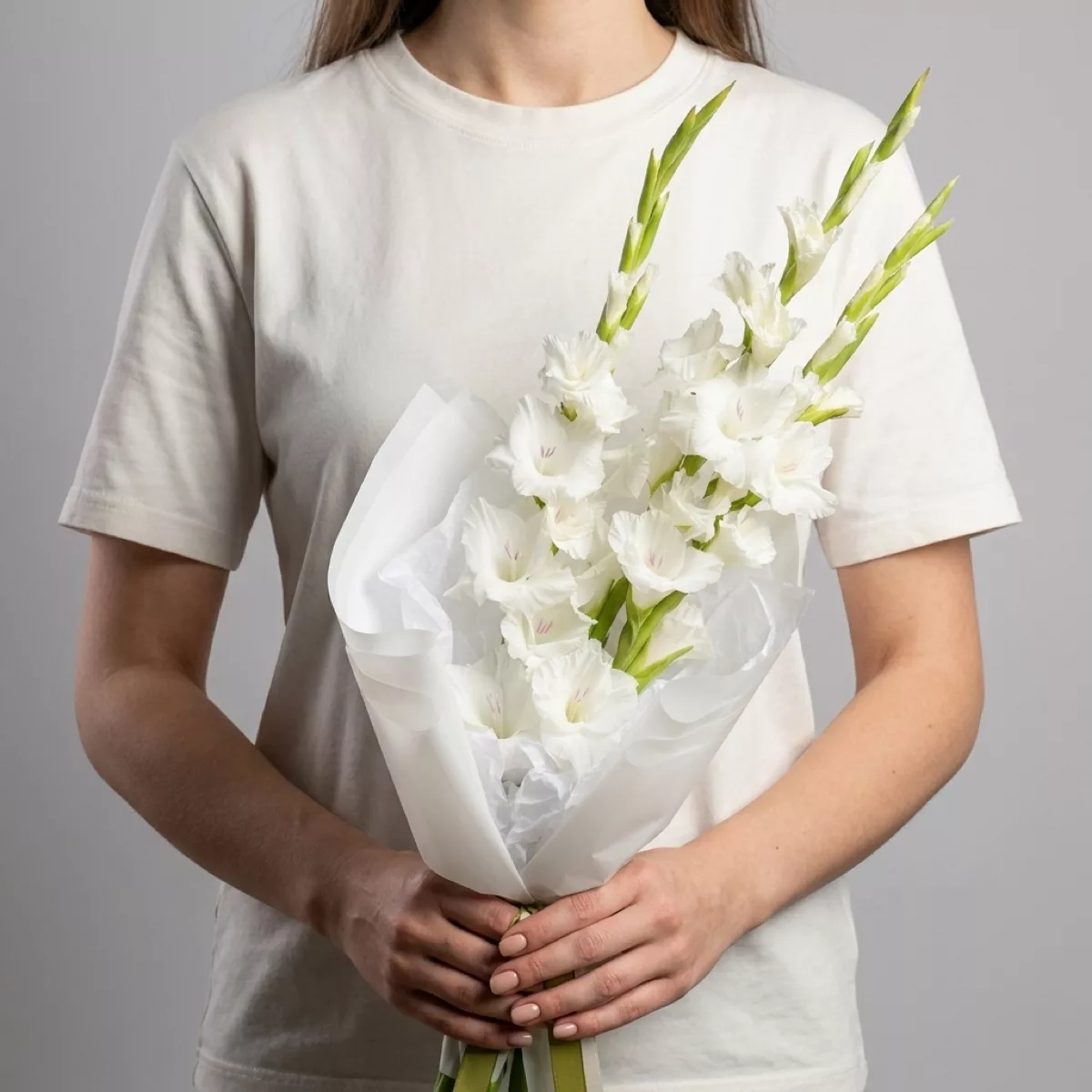
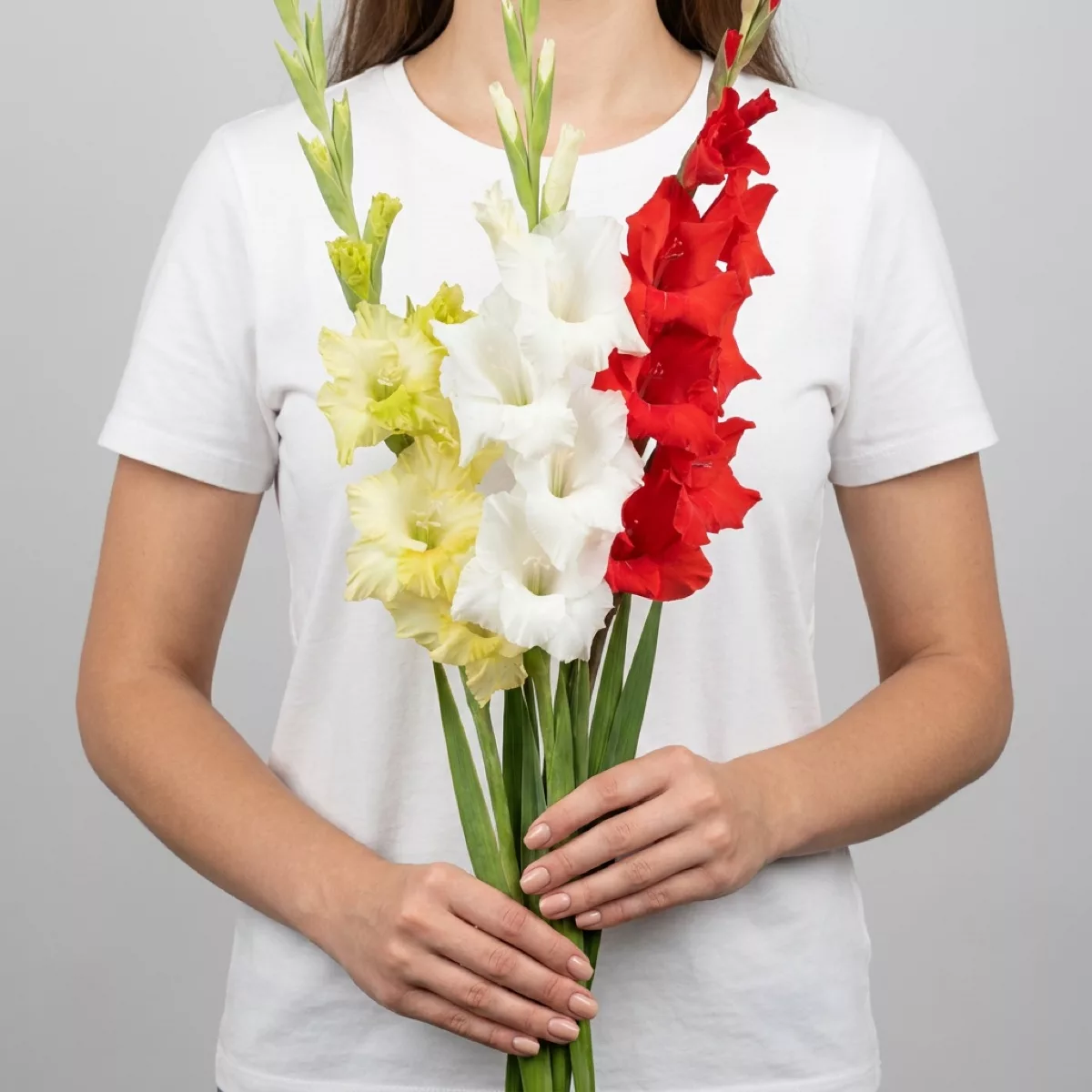
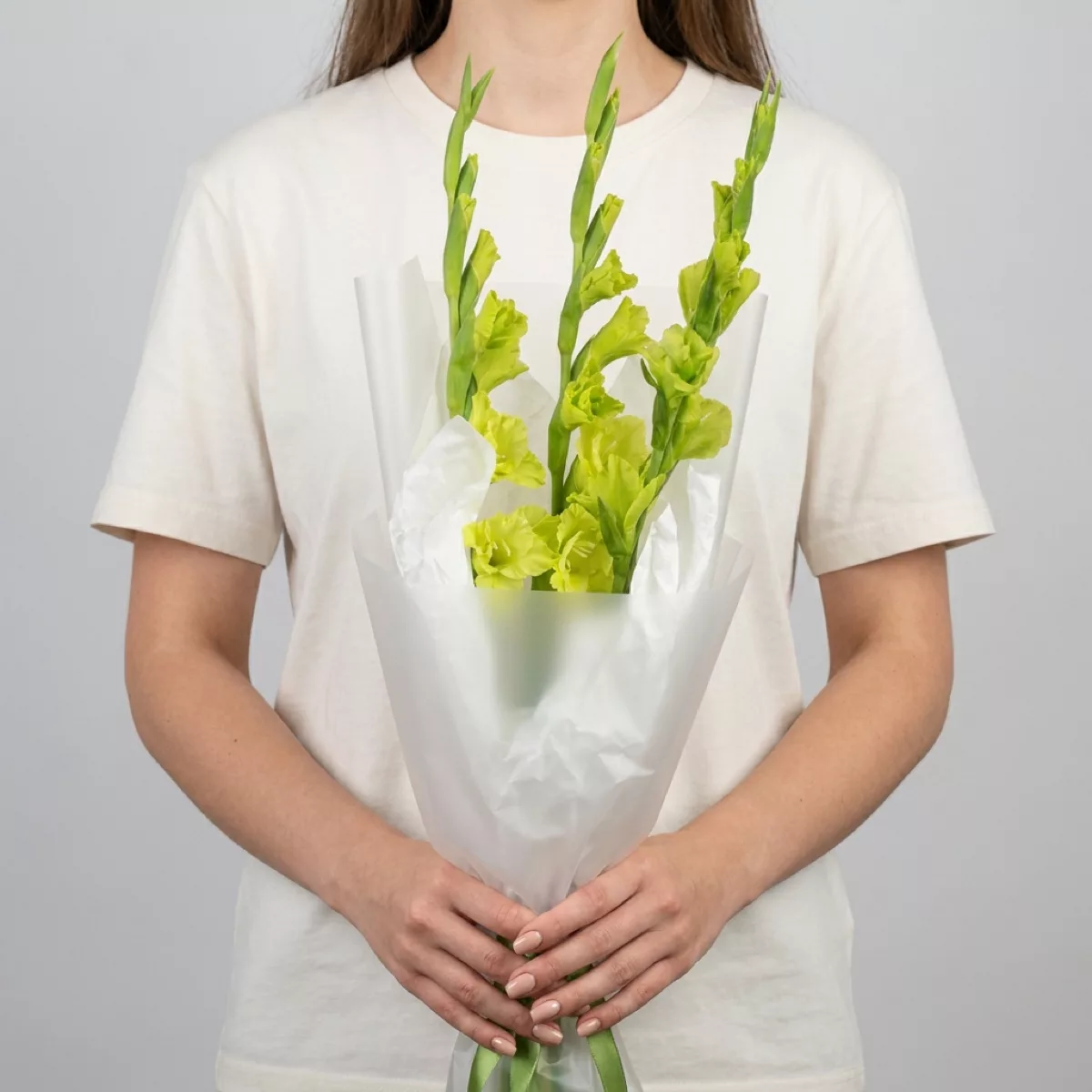
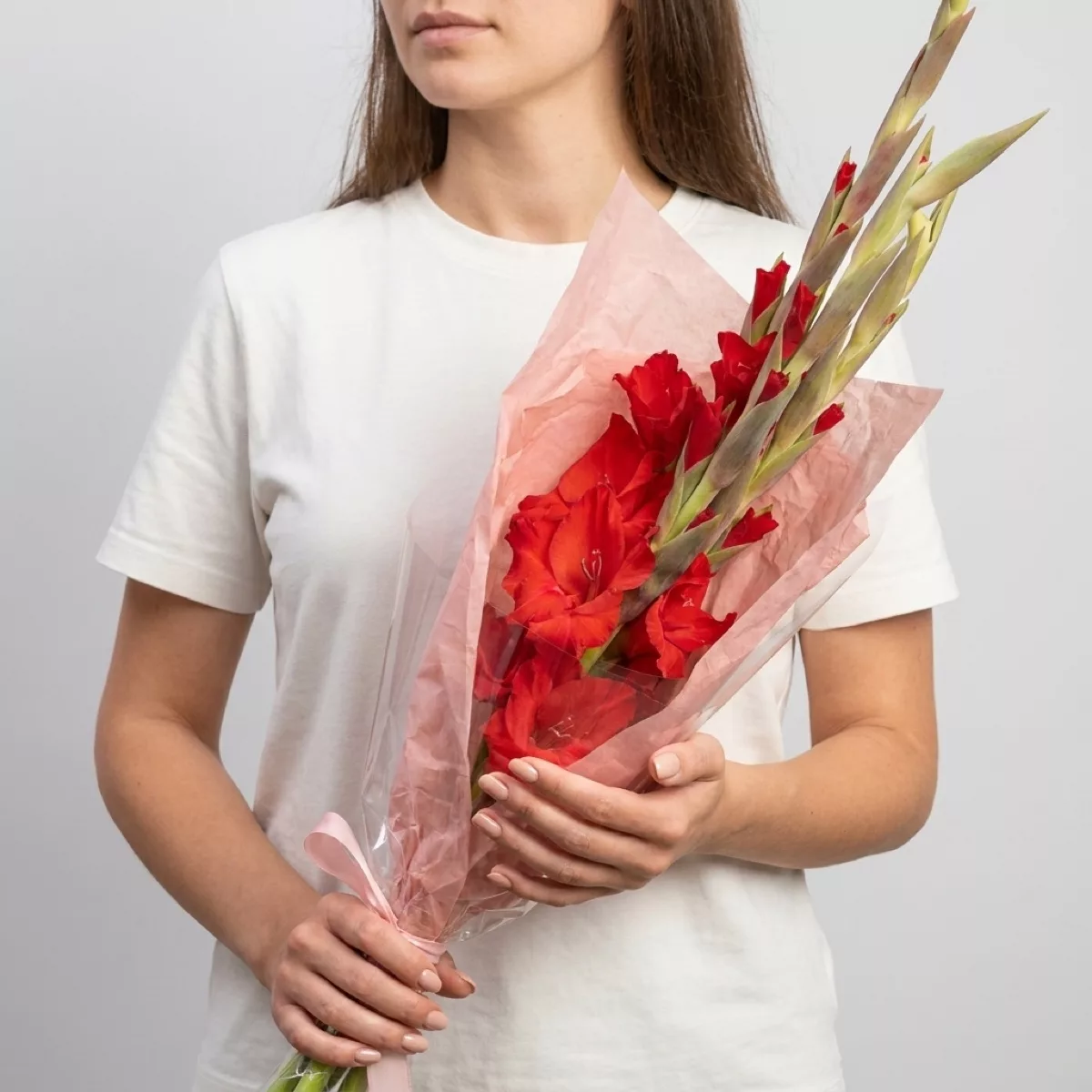
Bouquets we can deliver
Reading the Occasion Before You Choose a Single Stem
Before you think about varieties or colours, think about the person and what they are feeling on this particular day. A woman turning forty wants something different from a young man celebrating a university acceptance. A grandmother receiving flowers on her name day — a tradition still observed widely in Russia — responds to different arrangements than a colleague marking a work anniversary.
Name days, or imeniny, are worth understanding if you are not from a Russian cultural background. Many Russians celebrate them with as much warmth as a birthday, sometimes more. If your recipient's name day falls on the delivery date, lean into soft, celebratory tones: blush pinks, creams, and peach roses paired with lisianthus or alstroemeria, which both hold beautifully over several days.
Birthdays call for something bolder and more personal. Ask yourself what colour the recipient wears most often, what their home looks like if you have ever seen a photograph, whether they prefer something lush and abundant or clean and architectural. A tall, structured arrangement of white calla lilies with eucalyptus reads as elegant and modern. A generous, rounded bouquet of garden roses, spray roses, and matthiola reads as warm and romantic. Neither is wrong; they simply speak to different personalities.
For professional milestones — a promotion, a business opening, a retirement — choose flowers with presence: sunflowers, large-headed chrysanthemums, or a mixed arrangement in confident colours like deep orange and burgundy. Avoid anything that looks tentative or sparse. In Russian gifting culture, generosity of scale is itself a message.
Timing Your Order Across Time Zones
This is where international senders make the most common and most avoidable mistakes. Kozmodemyansk operates on Moscow Time plus one hour, placing it in UTC plus four. If you are in London, that is four hours behind in winter and three in summer. If you are in New York, you are eight or nine hours behind. If you are in Sydney, the recipient is six or seven hours ahead of you.
Work backwards from the moment you want the flowers to arrive. A birthday dinner at seven in the evening local Kozmodemyansk time means you want delivery between four and six. Calculate what time that is where you are sitting, then place your order well before that window — ideally with at least three to four hours of lead time, and more if you are ordering late at night your time, which may already be the following morning in Kozmodemyansk.
Turboflora operates on a same-day and next-day delivery model across Russia, including Mari El. When you place your order, you specify the delivery date and a preferred time window. The system accounts for the local time zone automatically, but it is your responsibility to enter the correct date — the date as it stands in Kozmodemyansk, not the date where you are. A sender in Vancouver ordering on a Sunday evening is already placing a Monday order for the recipient.
If you are unsure, add a day of buffer. Flowers arriving the morning after a birthday are still a beautiful surprise, especially when accompanied by a personal message explaining that you wanted them to have something to enjoy for the whole week ahead.
Choosing Flowers for the Season and the Journey
Kozmodemyansk's climate divides the year into two very different delivery environments. From November through March, the challenge is cold: bouquets need to be wrapped and protected against frost during the final stretch of delivery. From June through August, the challenge shifts to heat and humidity, which accelerates wilting in delicate varieties.
In winter, choose flowers with robust, waxy petals and strong stems. Roses are reliable year-round because they are grown in controlled greenhouse conditions regardless of the season. Chrysanthemums are outstanding winter flowers — they hold for ten to fourteen days in a cool room and are not troubled by cold transport. Carnations are underrated and last extraordinarily well. Avoid tulips in deep winter if the delivery involves any outdoor time, as their stems go soft when they freeze and thaw.
In spring, tulips become ideal. They are culturally beloved in Russia and arrive in abundance from March onward. Hyacinths and daffodils work beautifully in April arrangements and carry a fragrance that makes the whole room feel different. By May, peonies begin their short and glorious season — if your recipient's occasion falls in late May or early June, a peony bouquet is one of the most emotionally resonant gifts you can send.
Summer calls for sunflowers, echinacea, lisianthus, and mixed seasonal arrangements that feel garden-fresh. Autumn brings dahlias, which are spectacular in burgundy and copper tones, alongside solidago and ornamental grasses that give arrangements a rich, textured quality. Match the season and you match the mood.
Budgeting Thoughtfully When You Are Paying in Foreign Currency
Ordering flowers from abroad means you are paying in rubles through a currency conversion, and the final charge on your card will reflect the exchange rate applied by your bank or payment processor on that day. The flower cost itself is straightforward, but factor in that conversion layer when you are deciding between arrangement sizes.
At a modest budget, you can send a clean, single-variety bouquet — fifteen stems of good spray roses, or a dozen tulips in a coordinating colour palette — that still makes a strong impression. The key at this level is choosing one variety and presenting it well rather than trying to include too many elements. A tight, hand-tied bunch of white and blush lisianthus looks intentional and generous.
At a mid-range budget, mixed arrangements become available. This is where you can combine focal flowers like large roses or peonies with supporting elements — eucalyptus, ruscus, waxflower, or gypsophila — that add volume and texture without overpowering the main stems. A bouquet at this level typically has enough presence to fill a dining table and enough variety to reward a second look.
At a generous budget, you can request premium focal flowers like garden roses, David Austin varieties, or large-headed hydrangeas, combined with seasonal fillers and a considered colour story. These arrangements photograph beautifully, which matters because your recipient will almost certainly send you a photograph, and that image becomes the shared memory of the occasion. Whatever your budget, communicate the occasion clearly when you order — a skilled florist will use that context to make every stem count.
Writing a Message That Lands Well Across Cultures
The card message is the part most international senders rush, and it deserves more thought than it usually gets. A few sentences written with care will be read many times. In Russian culture, sincerity is valued over cleverness. A warm, direct expression of affection or congratulation lands better than a witty remark that might not translate perfectly.
If you are writing in English, that is completely fine — many Russians, particularly those with family or friends abroad, read English comfortably, and receiving a message in the sender's native language feels personal and genuine. If you want to include a phrase in Russian, keep it simple: something like Pozdravlyayu, which means Congratulations, or S dnem rozhdeniya, which means Happy Birthday. A single Russian phrase followed by your message in English is a lovely touch that shows you made an effort.
Avoid messages that are too brief. A card that says only Happy Birthday from Mark feels thin when it arrives with a beautiful bouquet. Give the recipient something to hold onto: a specific memory, a reason you are thinking of them today, a hope for the year ahead. Three or four sentences is the right length — enough to feel meaningful without overwhelming the moment.
If the flowers are a surprise, consider mentioning in the order notes that you would like the card placed inside the wrapping rather than visible from outside, so the delivery does not give away the sender before the recipient has a chance to unwrap the bouquet. Small details like this are the difference between a good delivery and one the recipient remembers for years.
After Delivery: Helping Your Recipient Get the Most from the Bouquet
Once the flowers arrive, their lifespan depends almost entirely on what happens in the first thirty minutes. If you have any way to communicate with the recipient before or just after delivery — a message, a call — a few simple instructions will double the life of the arrangement.
The most important step is an immediate fresh cut. The stems should be trimmed at a forty-five degree angle under running water or while submerged in a bowl, removing the bottom two centimetres. This reopens the vascular channels that carry water up the stem and are often sealed by exposure to air during transport. Skip this step and even a beautiful bouquet will begin to droop within a day.
The vase water should be cool and clean. In winter, room temperature water is fine; in summer, slightly cooler water slows bacterial growth. Any leaves that would sit below the waterline should be removed, as submerged foliage rots quickly and contaminates the water. Change the water every two days and re-cut the stems each time.
Placement matters more than most people realise. Flowers last longer away from direct sunlight, radiators, and fruit bowls — ripening fruit releases ethylene gas, which accelerates petal drop noticeably in roses and carnations. A cool room, indirect light, and clean water will keep most arrangements looking their best for seven to ten days. Roses and chrysanthemums are the most forgiving; tulips and hydrangeas need the most attentive care. Passing these tips along to your recipient is itself a small act of care that extends the gift long after delivery day.
Sending flowers to Kozmodemyansk from the other side of the world is a genuinely meaningful act, and it is far more manageable than it sounds. The distance that makes the gesture significant is the same distance that makes the planning worthwhile. Get the timing right, choose varieties suited to the season, write a card that says something real, and the bouquet will do the rest. Turboflora handles the logistics across Russia so that you can focus entirely on the person you are thinking of.
Frequently asked questions
Can I order flowers for Kozmodemyansk delivery if I have no Russian bank account?
Yes. Turboflora accepts international payment cards. Your bank will apply its standard exchange rate to convert the ruble total. No Russian account or Russian phone number is required to complete the order. The checkout process is available in English, and you can enter a recipient address in Russian transliteration if you do not have a Cyrillic keyboard.
How far in advance should I place my order from a different time zone?
At least four to six hours before your chosen delivery window, calculated in Kozmodemyansk local time. Kozmodemyansk is UTC plus four. If you are placing an order late at night in your time zone, check that you have selected the correct delivery date for the recipient, as it may already be the following day where they are.
What flowers are best for a winter delivery to Kozmodemyansk?
Roses, chrysanthemums, and carnations are the most reliable choices in cold weather because they have robust petals and sturdy stems that tolerate low temperatures during the final stage of outdoor delivery. Avoid tulips and hydrangeas in deep winter if possible, as their stems are sensitive to freezing and thawing cycles that can cause wilting on arrival.
Is it acceptable to send flowers to a man in Russia?
Absolutely. Flowers for men are common on professional occasions, birthdays, and significant milestones. Choose confident, structured arrangements: sunflowers, large chrysanthemums, or a bold mixed bouquet in deep tones like burgundy, orange, or cobalt blue. Avoid anything that reads as overly romantic or delicate unless your relationship with the recipient makes that appropriate.
Can the card message be written in English rather than Russian?
Yes, English card messages are warmly received, particularly when the sender is based abroad. Receiving a message in the sender's own language feels personal and genuine. If you want to add a single Russian phrase such as S dnem rozhdeniya for Happy Birthday, that small touch is appreciated, but a heartfelt message written entirely in English is always appropriate.
Ready to send flowers?
Pick the city, choose the bouquet, and a local florist takes it from there.
Choose a city →