Sending Flowers to Krasnoperekopsk from Abroad: What You Need to Know
You are sitting somewhere far from Russia — maybe London, Berlin, Dubai, or New York — and you want someone in Krasnoperekopsk to open their door and find a beautiful bouquet waiting for them. That moment, the surprise, the smell of fresh stems, the color landing in an ordinary afternoon — that is exactly what this is about. Ordering across borders feels complicated, but it does not have to be. Here is everything a sender outside Russia should know before placing an order.
What Krasnoperekopsk Is Like and Why It Matters for Delivery
Krasnoperekopsk is a small city in the Republic of Crimea, sitting on the northern edge of the peninsula near the Sivash lagoon. The climate here is continental with dry, hot summers and mild winters, which matters more than people expect when you are sending cut flowers. In July and August, daytime temperatures regularly exceed 30°C, and a bouquet left at a door even for twenty minutes in that heat will suffer visibly. In winter, the cold is rarely severe enough to freeze stems in transit, but it can dip below zero, so proper wrapping becomes essential.
Because Krasnoperekopsk is a smaller city rather than a regional capital, the recipient may not be used to receiving elaborate floral arrangements. A thoughtfully assembled bouquet of fresh roses or a mixed seasonal composition will feel genuinely special here — more so than in a large metropolitan area where flowers are an everyday sight. That context should shape what you order. A generous, vivid arrangement that fills a room with color and fragrance will land with far more impact than a minimalist single-stem presentation. Think about the space your recipient lives in and choose something that fills it warmly. The city has a quiet, residential character, and a bouquet that feels celebratory and personal fits that atmosphere perfectly.
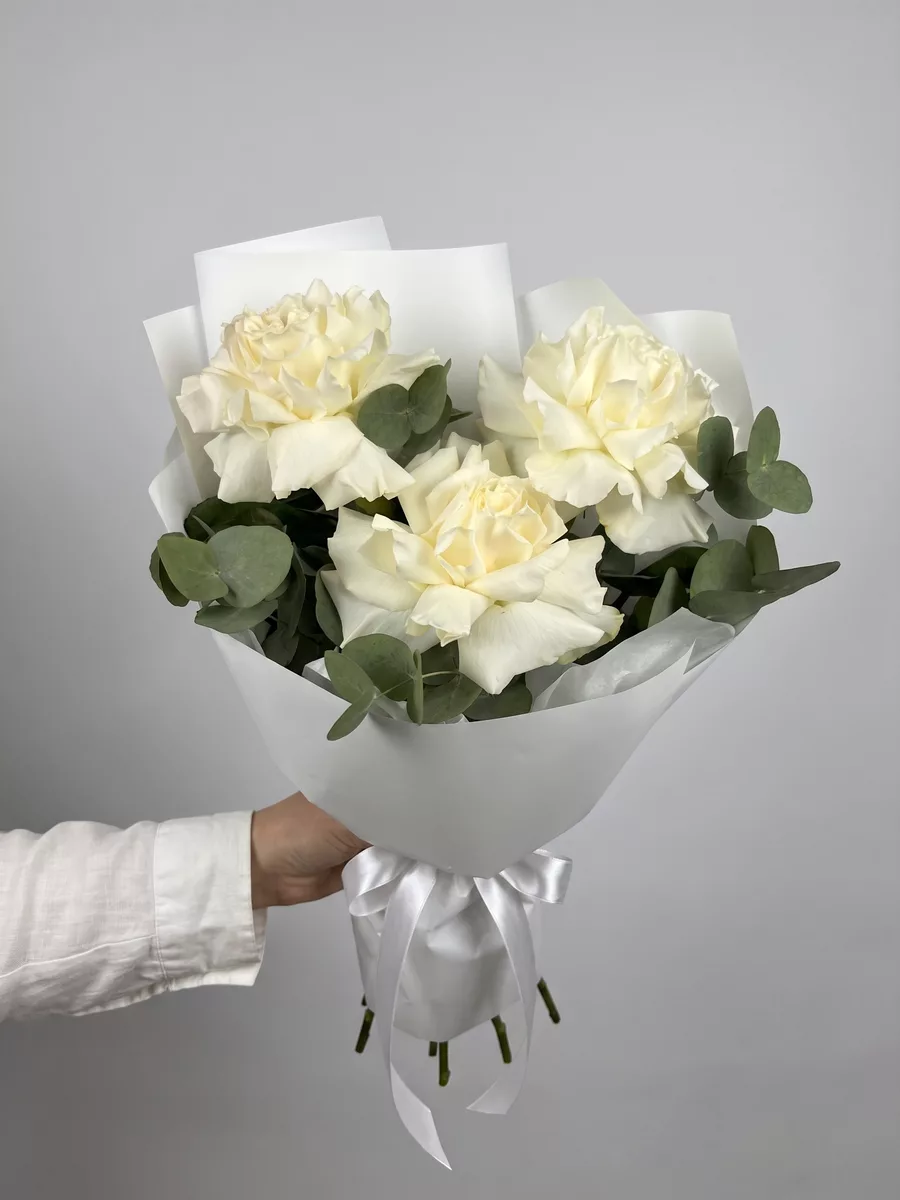
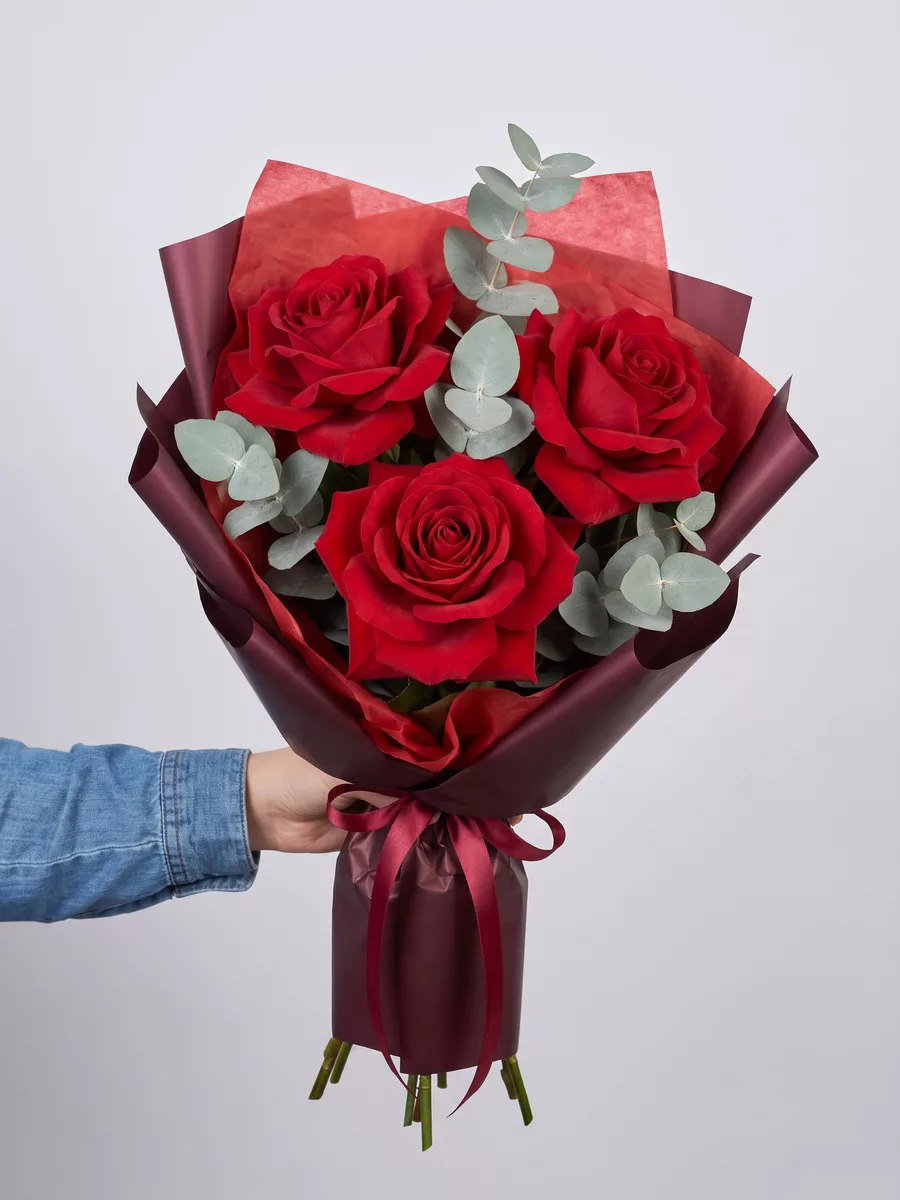
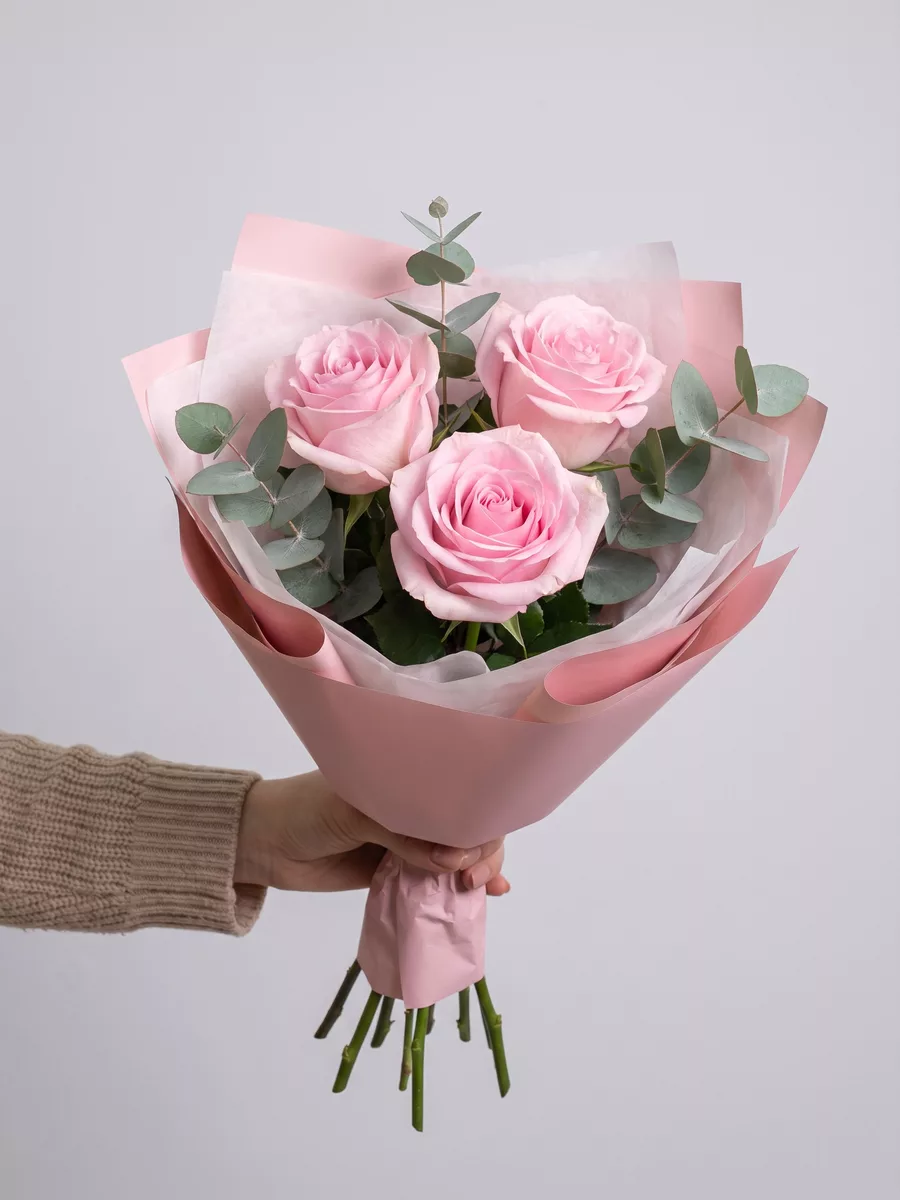
Bouquets we can deliver

Timing Your Order When You Are in a Different Time Zone
Krasnoperekopsk operates on Moscow Standard Time, which is UTC+3. If you are placing an order from Western Europe, you are two hours behind. From the United States East Coast, you are eight hours behind. From the West Coast, eleven. This gap catches senders off guard more often than any other single factor.
Turboflora delivers within one to two hours of a confirmed order, which means timing your purchase correctly is the most important practical step you will take. If you want flowers to arrive at noon Krasnoperekopsk time on a birthday, you need to place the order no later than ten or eleven in the morning local time there — which may be eight or nine in the morning in Berlin, or two or three in the morning in New York. Planning a day ahead is always the safer approach.
For surprise deliveries, consider scheduling the order for mid-morning Krasnoperekopsk time. Recipients are more likely to be home, and the light is good enough that they will immediately want to photograph the bouquet and share it. Avoid late evening deliveries for a first-time surprise — after nine in the evening, many people in smaller Russian cities are already settled in and an unexpected knock can feel alarming rather than delightful. The sweet spot is between eleven in the morning and six in the evening local time. Factor in your time zone before you click confirm.
Russian Flower Customs That Every International Sender Should Know
Russia has a few flower traditions that differ from Western European or North American habits, and knowing them will help you choose more confidently. The most widely known rule is odd numbers. In Russia, even-numbered bouquets are associated with mourning and are brought to grave sites. Always order an odd number of stems — five, seven, nine, eleven, fifteen. Most florists build bouquets this way automatically, but if you are customizing, keep this in mind.
Red roses carry a strong romantic meaning in Russia, similar to most of the world, but they are also given enthusiastically for birthdays and professional achievements — they are not exclusively for romantic partners. If you are sending to a female colleague or a family friend and feel uncertain, a mixed bouquet of roses in soft pink or peach tones with complementary greenery reads as warm and celebratory without being overly intimate.
Flowers are given for almost every occasion in Russia — birthdays, name days, graduations, promotions, new apartments, school events, and visits. There is no need to over-explain the reason in a card. A simple, sincere message in Russian or English will be appreciated. If you want to write in Russian but are not confident, keep the message short: even a single warm sentence means a great deal. Chrysanthemums, which in some European countries are associated with funerals, are perfectly normal gift flowers in Russia and are widely loved for their long vase life and full, round shape.
Choosing Flowers for the Season and the Recipient
The best bouquet is the one chosen with the recipient in mind, not the one that looks most impressive in a photograph. Start with who they are. A grandmother celebrating a birthday will often respond more warmly to a lush arrangement of garden roses, alstroemeria, and eucalyptus than to a sleek, architectural composition. A young woman marking a professional milestone might love bold sunflowers mixed with spray roses and ruscus. A man receiving flowers — which is more common in Russia than in many Western countries, especially for birthdays and professional occasions — tends to appreciate darker, more structured compositions: burgundy roses, calla lilies, or a clean arrangement of irises.
Season shapes what is freshest and most vibrant. In spring, tulips arrive in extraordinary variety — single, double, parrot, fringed — and a monochromatic bundle of white or pale lavender tulips is one of the most elegant things you can send. In summer, peonies have a short but glorious window, and a full peony bouquet in blush or deep rose is genuinely hard to match for impact. Autumn calls for dahlias, chrysanthemums, and warm-toned roses. Winter is the season for classic red and white roses, amaryllis, and evergreen accents.
If you are unsure, roses are never wrong. A well-assembled bouquet of long-stemmed roses in a single color, wrapped neatly and accompanied by a handwritten card message, will be received with genuine pleasure in almost any situation and by almost any recipient in Krasnoperekopsk.
What to Write on the Card When You Are Far Away
The card is the part of the delivery that travels the farthest — emotionally, at least. When you cannot be there in person, the message does the work of your presence. Senders from abroad sometimes write very little because they feel uncertain about language or about saying too much. That restraint often reads as indifference to the recipient. Write more than you think you need to.
A few concrete things that make a card message land well: use the recipient's name, name the occasion or explain why you thought of them today, and say something specific — not just that you are thinking of them, but what you are thinking about. A line like, "I still remember how you made that dinner for everyone last summer and I wanted you to have something beautiful today" is worth ten times more than "Happy Birthday, with love."
If you are writing in English to a Russian speaker, that is completely fine. Most people in Russia today have enough English to read a short, warm message, and receiving something written in another language carries its own kind of charm — it signals that you made an effort across a real distance. If you prefer to write in Russian but are not fluent, write your message in English in the order notes and ask for it to be printed as written. Keep it honest, keep it personal, and do not worry about formality. Flowers are already saying the formal part. The card is for everything else.
Common Mistakes Senders from Abroad Make and How to Avoid Them
The most frequent mistake is not double-checking the delivery address. Russian addresses follow a specific format: city, street name, building number, apartment number. In Krasnoperekopsk, many residential buildings have both a building number and an entrance number, and sometimes a floor or apartment code entry system. If you are not sure of the full address, contact the recipient — or someone close to them — before placing the order. An incomplete address is the single most common reason a delivery is delayed.
The second mistake is underestimating the heat in summer. If your recipient will not be home during the delivery window, make arrangements for the bouquet to be left with a neighbor or building manager. Flowers sitting in direct sunlight at 32°C for two hours will not recover. When you place your order, note any special delivery instructions so the courier can act accordingly.
A third mistake is choosing a bouquet that photographs beautifully online but does not suit the recipient. Tall, dramatic calla lily arrangements look extraordinary in images but can feel cold and impersonal if the recipient is a warm, expressive person who would have loved a tumbling mass of garden roses and lisianthus instead. Trust your knowledge of the person over the visual appeal of the arrangement.
Finally, some senders forget to account for public holidays. In Russia, May 1st, May 9th, and January 1st through 8th are major holidays when traffic patterns and building access can be unusual. Ordering a day early around these dates is always wise.
Helping the Recipient Keep Their Bouquet Fresh Longer
A bouquet sent with care deserves to last as long as possible, and a few practical tips passed along with your order — perhaps in the card or in a quick message — will help the recipient get the most from it. Fresh-cut flowers need clean water changed every two days, and the vase should be rinsed each time. Stems should be recut at a slight diagonal before being placed in fresh water, removing about a centimeter from the bottom. This keeps the vascular tissue open and drawing water efficiently.
Keep the bouquet away from direct sunlight, radiators, and fruit bowls. Ripening fruit releases ethylene gas, which accelerates petal drop in roses and accelerates the aging of most cut flowers significantly. A cool spot — a windowsill away from direct afternoon sun, or a slightly cooler room — will extend vase life noticeably.
Different flowers have different natural lifespans. Alstroemeria and chrysanthemums are exceptionally long-lasting, often holding for ten to fourteen days with good care. Roses typically last seven to ten days. Tulips and lisianthus are somewhere in between. Peonies are glorious but shorter-lived, usually at their best for five to seven days. If your recipient is someone who tends to be away from home frequently, a bouquet built around chrysanthemums or alstroemeria is a kinder choice than one centered on more delicate blooms. Knowing the flowers you have chosen will help you set the right expectations and let the recipient enjoy every stage of the bouquet rather than feeling disappointed when the first petals fall.
Sending flowers to Krasnoperekopsk from abroad is a genuinely meaningful gesture — more so, in some ways, than sending them from down the road. The distance is visible in the act itself, and the recipient knows that you thought of them across time zones and borders. Get the address right, choose flowers that suit the person rather than the occasion alone, write a card that says something real, and let the timing work in your favor. The rest takes care of itself.
Frequently asked questions
Does the summer heat in Krasnoperekopsk affect which flowers I should order?
It does, more than most people expect. In July and August temperatures regularly exceed 30°C, which shortens the vase life of delicate blooms like garden roses and sweet peas dramatically. For warm-month deliveries, choose spray chrysanthemums, alstroemeria, or carnations — stems that hold their structure in heat. Turboflora delivers within one to two hours, which limits exposure, but the flower choice still matters.
Will a bouquet feel out of place in a smaller city like Krasnoperekopsk?
The opposite is true. Because Krasnoperekopsk is not a large regional centre, an unexpected bouquet arriving at someone's door carries more weight than it would in Moscow or Saint Petersburg. Recipients here are less likely to receive elaborate arrangements regularly, so even a well-chosen seasonal composition of roses or mixed flowers will feel genuinely significant and memorable rather than routine.
How do I calculate the right order time when I am in a different country?
Krasnoperekopsk runs on Moscow Standard Time, UTC plus three. From Western Europe you are two hours behind, from the US East Coast eight hours behind, from the West Coast eleven. Turboflora delivers within one to two hours of a confirmed order. If you want flowers at noon Krasnoperekopsk time, place your order by ten in the morning local Krasnoperekopsk time, then convert that backward to wherever you are sitting.
What flower combinations work best when I am sending from abroad and cannot check quality in person?
Choose combinations built around sturdy, reliable stems rather than single-variety statement bouquets. Roses paired with alstroemeria or chrysanthemums travel and hold well. A mixed seasonal composition gives the florist flexibility to substitute if one stem is not at peak freshness that day. Avoid arrangements that rely heavily on tropical or extremely delicate blooms, which are harder to source consistently in a smaller Crimean city.
Are there Russian customs around flower colour or type I should know before ordering for Krasnoperekopsk?
Yellow flowers are traditionally associated with separation or bad news in Russian culture, so avoid all-yellow bouquets unless you know the recipient well and the context is clearly celebratory. White flowers are appropriate for both joyful occasions and funerals, so pairing white with another colour removes ambiguity. Red roses read as romantic. For a birthday or general celebration, warm mixed tones — coral, peach, soft orange — are universally well received.
Ready to send flowers?
Pick the city, choose the bouquet, and a local florist takes it from there.
Choose a city →