Sending Flowers to Krasnoufimsk from Abroad? Here Is What to Know
You are sitting in Berlin, Toronto or Dubai, and someone you love is in Krasnoufimsk — a small city in the Sverdlovsk region of the Ural mountains. You want to send flowers that arrive fresh, feel generous and carry exactly the emotion you mean. The distance feels enormous, but the process is simpler than you think, provided you know a few things about timing, Russian gifting culture and how the Ural climate shapes what blooms best at any given time of year.
What Krasnoufimsk Is Like and Why It Matters for Flowers
Krasnoufimsk sits in the southern Urals at roughly 57 degrees north latitude, which means cold winters that run from November through March, a short but vivid spring, warm summers and a crisp autumn that can turn frosty by late September. That climate shapes everything about flower delivery there. Tropical stems like anthuriums and bird-of-paradise are available year-round because they travel by refrigerated logistics, but they need to be kept above 14 degrees Celsius at all times or they develop cold damage — dark patches on petals that no water can fix. Roses, spray chrysanthemums, lisianthus and alstroemeria handle the Ural temperature swings far better and arrive looking exactly as intended even in February when outdoor temperatures can drop to minus 25. If you are ordering in winter, lean toward cold-tolerant varieties. In summer the city warms enough for delicate blooms like garden peonies, sweet peas and ranunculus to travel safely, and those are the months when a looser, more romantic arrangement really shines. Knowing the season your recipient is living through helps you choose something that will last five to seven days in a vase rather than wilting overnight. The city is a real place with real florists, real kitchens where bouquets sit on tables, and real people who notice when flowers are genuinely fresh.
Bouquets we can deliver

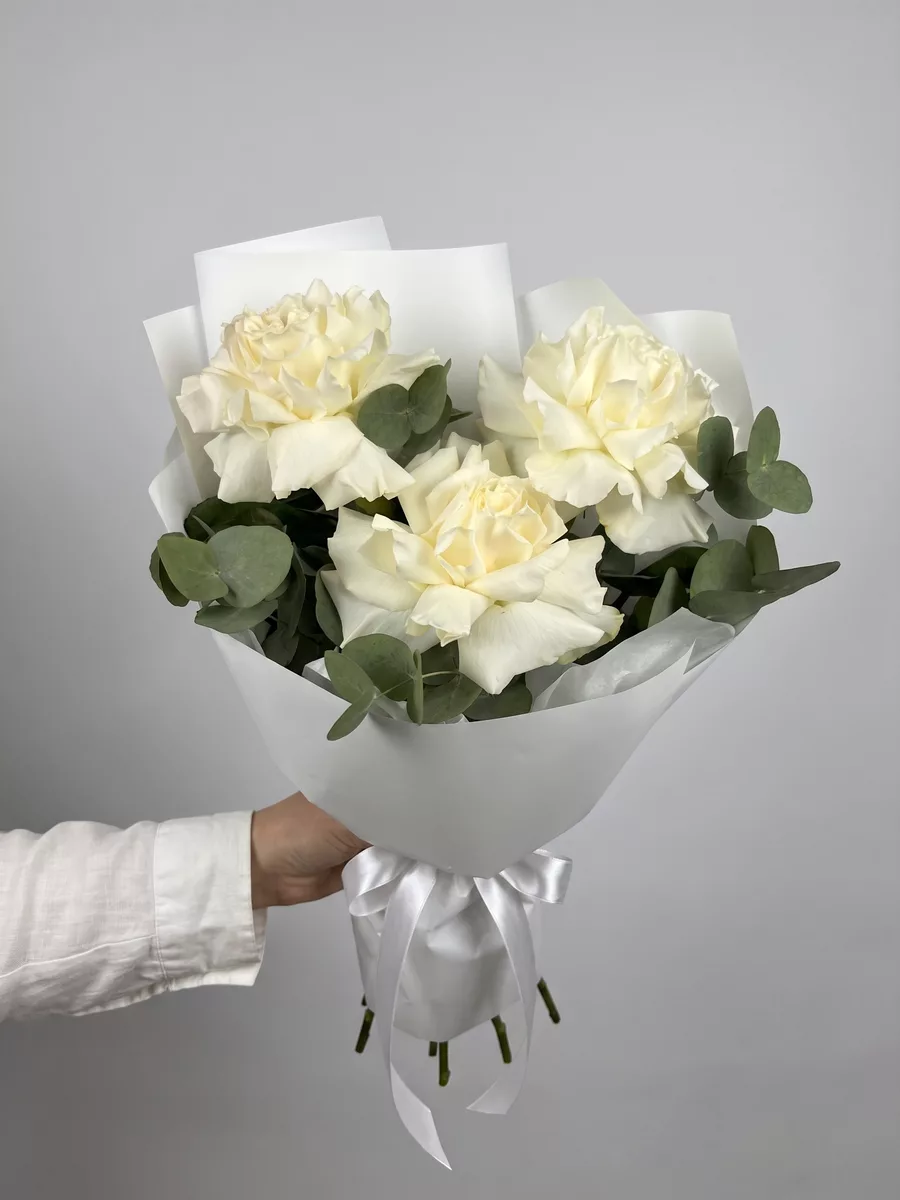
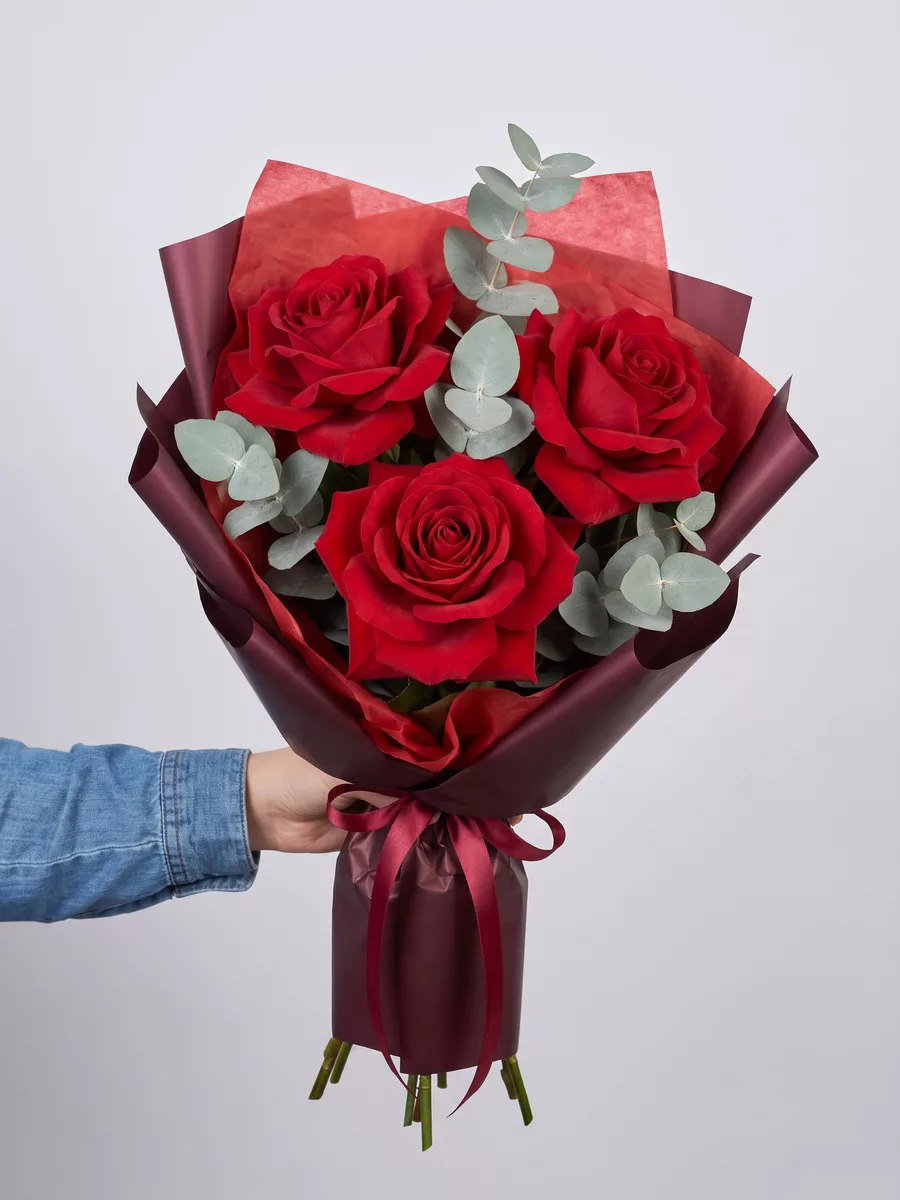
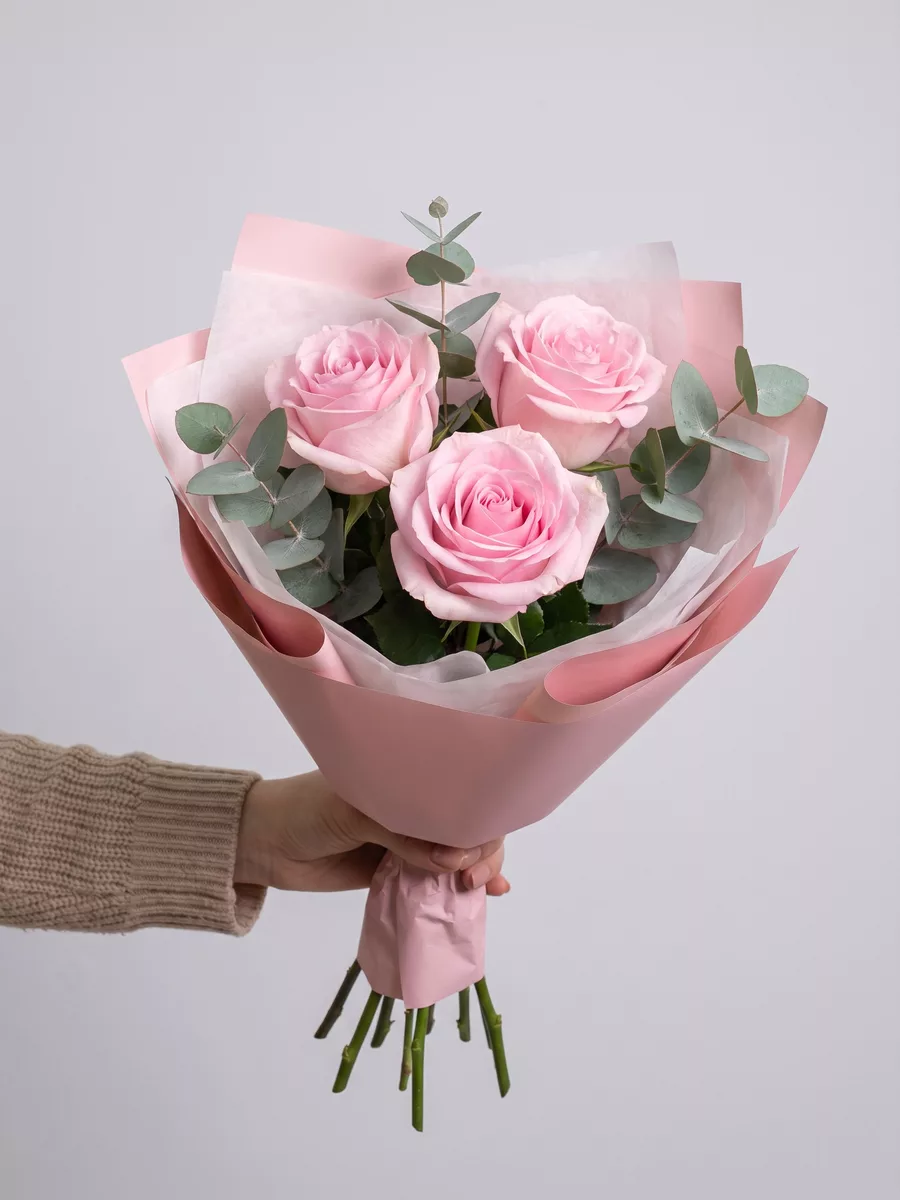
Understanding Russian Flower Customs Before You Order
If you grew up outside Russia, a few gifting rules will feel unfamiliar and it is worth knowing them so your gesture lands exactly right. The most important: always send an odd number of stems. In Russian tradition an even number of flowers — two, four, six — is reserved for funerals and grief. Sending twelve red roses, however romantic that feels in Western culture, carries the wrong meaning here. Thirteen or eleven roses reads as generous and intentional. The rule applies whether you are sending a single variety or a mixed bouquet, and experienced florists count automatically, but it is worth confirming when you place your order. Colour carries meaning too. Red is romantic and passionate — it is the right choice for a partner. Pink signals tenderness and admiration, making it ideal for a mother, a close friend or a colleague you respect. White is elegant and pure, often chosen for graduations, new beginnings and young recipients. Yellow roses, despite a gloomy reputation in some European countries, are perfectly cheerful in Russia and are fashionable in modern bouquets. Wrapping matters as well. In Russia, flowers are almost always presented in visible packaging — kraft paper, cellophane, fabric wrap or a box — rather than handed over bare-stemmed. A beautifully wrapped bouquet signals care and effort, so presentation is never an afterthought. When you order from abroad, describe who the recipient is and what the occasion means, and the florist will make choices that feel native to the culture your recipient grew up in.
Choosing Flowers for the Person, Not Just the Occasion
Start from the recipient rather than from a category. A woman in her sixties who keeps a tidy home and loves order will appreciate a structured hand-tied bouquet of garden roses, eucalyptus and white lisianthus — classic, long-lasting and easy to arrange in a single vase. Her daughter in her thirties who follows interior trends might love a loose, meadow-style mix of ranunculus, anemones and dried pampas accents. A man receiving flowers — yes, Russian men do receive them, especially on professional milestones and birthdays — often responds best to something bold and architectural: large-headed sunflowers with solidago and green bell peppers as textural accents, or a single-variety bundle of deep burgundy dahlias in late summer. Children and teenagers usually love something bright and playful: spray roses in coral or hot pink, gerberas in yellow and orange, or a compact posy of tulips in mixed colours. For a romantic partner, a monochromatic bouquet of garden roses in blush or cream with soft foliage reads as more sophisticated than a mixed colour assortment. For a colleague or a professional thank-you, white and green combinations — white spray chrysanthemums, green trick dianthus, white alstroemeria — feel tasteful without being too intimate. The key is to think about the person's home, their personality and what they will feel when they open the door. Flowers that match the recipient feel like a personal letter; flowers chosen by category feel like a form.
Timing Your Order Across Time Zones
Krasnoufimsk runs on Yekaterinburg time, which is UTC plus five. That is two hours ahead of Moscow, five hours ahead of London, eight hours ahead of New York and ten hours ahead of Los Angeles. When you are planning a delivery for a birthday morning or a specific celebration hour, that gap matters enormously. If you want flowers to arrive at ten in the morning Krasnoufimsk time on a Thursday, and you are in New York, you need to place your order by midnight on Wednesday at the latest — and earlier is always safer. Ordering the day before, or even two days before for a significant date, removes the anxiety of last-minute time zone arithmetic. Turboflora delivers across Russia within one to two hours of order confirmation, so the window is generous once the order is placed correctly. The practical mistake most international senders make is placing an order at what feels like midday their time, not realising the recipient is already asleep and the delivery window has closed. Write down the recipient's local time before you start the order process. If the occasion is a surprise, also consider whether someone will be home. Flowers left at a door in Krasnoufimsk in January face temperatures that will damage them within thirty minutes. A brief message to the recipient that a delivery is coming — without revealing the sender — is a practical kindness that protects the bouquet. Most recipients appreciate the heads-up, and the surprise of who sent the flowers is still fully intact when they open the door.
Seasonal Variety Choices That Make a Real Difference
Russia's flower market is well-supplied year-round through imports, but there is a clear difference between what is genuinely in season and what is technically available. In January and February, roses from Ecuador and Colombia are at their peak quality — long-stemmed, dense-petalled and deeply fragrant — while locally grown anything is impossible. This is the season to lean into classic, structured bouquets of roses, spray carnations and eucalyptus. March is International Women's Day, the single biggest flower date in the Russian calendar, and demand spikes dramatically: tulips are the traditional flower of the day, and mimosa branches add the yellow colour that signals spring is coming. Order early for March eighth — ideally three to four days ahead. April and May bring the first domestic tulips and, by late May, peonies from southern Russian greenhouses. Peonies are enormously popular and have a short natural season; if your recipient loves them, May and June are the months to send them. Summer brings sunflowers, dahlias, zinnias and lush foliage, and this is when looser, garden-style arrangements feel most authentic. September and October are the season for large-headed chrysanthemums, hypericum berries and the last dahlias — rich, warm colours that suit the autumn mood. November through February calls for the most careful variety choices: stick to roses, alstroemeria, lisianthus, spray chrysanthemums and orchids, all of which handle cold transport reliably and last well in a heated apartment.
What to Write on the Card — and What to Avoid
The card message is often the last thing an international sender thinks about and the first thing the recipient reads. A few lines in Russian will always feel more personal, even if the sender does not speak the language. Simple phrases are easy to find and easy to transliterate: 'S dnyom rozhdeniya' means happy birthday, 'Ya tebya lyublyu' means I love you, 'Spasibo za vsyo' means thank you for everything. If you write the message in English, that is completely fine — it often feels romantic and international — but ask the florist to include a transliteration if the recipient is not a confident English reader. Keep the tone warm and specific rather than generic. 'Thinking of you on your big day' feels colder than 'I remember how much you love peonies — I hope these make your kitchen smell like May.' Specificity is what makes a card feel written rather than printed. Avoid anything that sounds like a formal corporate communiqué: phrases like 'wishing you continued success' belong in a business email, not a flower card. For romantic occasions, directness is appreciated in Russian culture — saying exactly what you feel is not embarrassing, it is generous. For family occasions, warmth and humour work well. For professional milestones, keep it sincere and brief: two sentences that acknowledge the achievement and express genuine pride or admiration are exactly right. The card is the voice of the bouquet; give it the same attention you gave the flowers.
Keeping the Flowers Fresh Once They Arrive
Your recipient in Krasnoufimsk will enjoy the flowers far longer if they know a few simple care steps, and sharing these as part of your message is a thoughtful touch. The first thing to do when a bouquet arrives is cut the stems at a forty-five-degree angle under running water — this opens the maximum surface area for water uptake and removes any air bubbles that formed during transport. Use a clean vase, fill it with cool water and add the flower food sachet that comes with the bouquet. Change the water every two days, re-cutting the stems each time. Keep the arrangement away from direct sunlight, radiators and fruit bowls — ripening fruit releases ethylene gas, which accelerates petal drop in roses and lisianthus significantly. In a Krasnoufimsk apartment in winter, where central heating keeps rooms at 22 to 24 degrees Celsius, flowers will last longer if moved to a cooler spot at night — a windowsill away from the draught, or an unheated hallway. Roses and alstroemeria typically last seven to ten days with good care. Lisianthus can last two weeks. Tulips are shorter-lived at five to seven days but dramatic while they last. Chrysanthemums are the endurance champions — up to three weeks in a clean vase. Knowing the vase life of what you have sent helps your recipient enjoy the flowers rather than feeling disappointed when the first petals fall after three days. Good care information is a small gift inside the bigger one.
Sending flowers from abroad to Krasnoufimsk is genuinely possible and genuinely meaningful when you take a few minutes to think about the recipient, the season, the occasion and the time zone. The distance between you and the person you are thinking of does not have to show in the bouquet. A well-chosen arrangement of fresh roses, lisianthus and eucalyptus, wrapped with care and delivered within hours of your order, arrives looking as though you handed it over yourself. The emotion travels perfectly; only the kilometres stay behind.
Frequently asked questions
Can I order flowers for Krasnoufimsk delivery from outside Russia?
Yes. Turboflora accepts international orders through its website. You do not need a Russian phone number or bank card. Choose the recipient's city, select your arrangement, enter the delivery address and pay online. The bouquet is assembled and delivered locally within one to two hours of confirmation, regardless of where you are placing the order from.
What is the best flower choice for a Russian birthday delivery in winter?
In winter, roses from Ecuador or Colombia are at peak quality and travel well in cold conditions. A bouquet of eleven or thirteen long-stemmed roses in red, blush or cream is a classic Russian birthday gift. Alstroemeria and lisianthus are excellent supporting choices — both cold-tolerant, long-lasting and widely loved. Avoid tropical stems like bird-of-paradise in January and February as they are vulnerable to cold damage during transport.
Why do Russian bouquets always have an odd number of flowers?
In Russian tradition, even numbers of flowers are associated with mourning and are placed at graves or brought to funerals. An odd number — three, five, seven, eleven, thirteen — is the correct choice for any celebratory or affectionate occasion. This rule is followed consistently across generations and regions, including in smaller cities like Krasnoufimsk, so it is important to observe it when ordering.
How far ahead should I order for a specific delivery time in Krasnoufimsk?
Krasnoufimsk is UTC plus five, so calculate the recipient's local time carefully before ordering. For a morning delivery, place the order the evening before your local time at the latest. For major dates like March 8th or February 14th, ordering two to three days ahead is strongly recommended as demand across Russia rises sharply and early orders guarantee the best variety availability.
What should I do if the recipient is not home when the flowers arrive?
Send a brief message letting the recipient know a delivery is coming without revealing who sent it — the surprise of the sender is still intact when they open the door. This matters especially in Krasnoufimsk winters, where flowers left unattended outdoors can suffer cold damage within thirty minutes. The florist can also call the recipient ahead of delivery to confirm a suitable time.
Ready to send flowers?
Pick the city, choose the bouquet, and a local florist takes it from there.
Choose a city →