Sending Flowers to Krasnouralsk from Abroad: What You Need to Know
You are somewhere outside Russia — a different time zone, a different season, possibly a different language — and someone you care about is in Krasnouralsk waiting for a moment that matters. Whether it is a birthday, an anniversary, a new baby, or simply a long-overdue way of saying you are thinking of them, flowers still do the job better than almost anything else you can send across a distance. The challenge is not the sentiment. The challenge is the logistics, the customs, the climate, and knowing what will actually arrive looking beautiful rather than tired. This guide covers all of it.
What Krasnouralsk Is Like and Why It Changes Your Choices
Krasnouralsk sits in the Sverdlovsk Oblast in the Ural region of Russia, roughly 2,700 kilometres east of Moscow. That geography matters for flowers. The city experiences a sharply continental climate: winters are long and genuinely cold, with temperatures regularly dropping to minus 20 Celsius or lower between November and March, while summers are warm but short. Spring and autumn arrive quickly and do not linger.
For a sender abroad, this means the season in Krasnouralsk may be completely different from the season where you are sitting. If you are ordering in July from a warm country, your recipient is enjoying one of the few genuinely warm months of the year, and garden-style arrangements with lisianthus, spray roses, and alstroemeria will feel exactly right. If you are ordering in January, you need to think about cold-hardiness in transit and choose varieties that handle temperature swings without wilting at the door.
The city is not a major metropolitan centre, so deliveries require real planning. Turboflora handles the routing directly, but as the person placing the order from abroad, you help enormously by providing a complete street address including the building number, entrance number if it is an apartment block, and a working Russian mobile number for the recipient. Addresses in Russian cities often include details that do not translate neatly into Western address formats, so being thorough here prevents delays more than anything else you can do.
Bouquets we can deliver

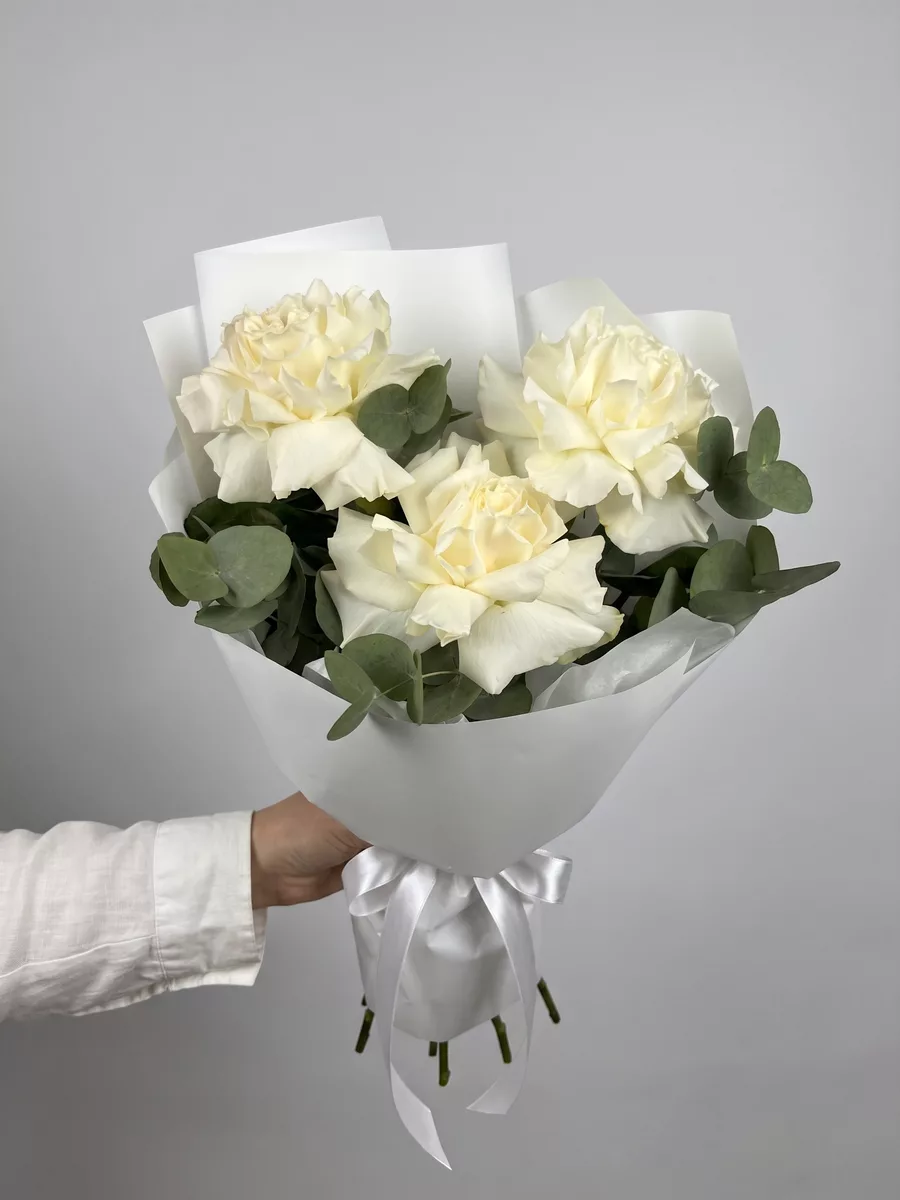
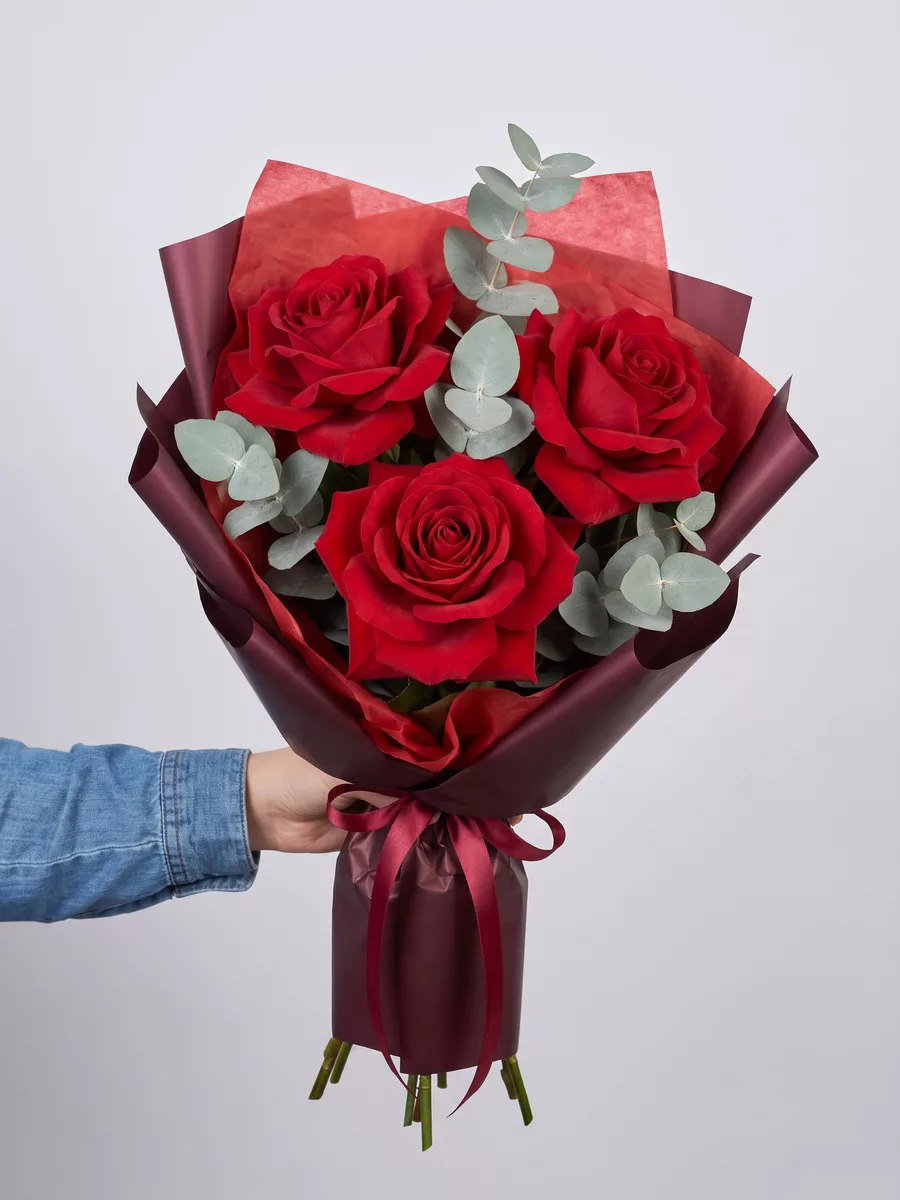
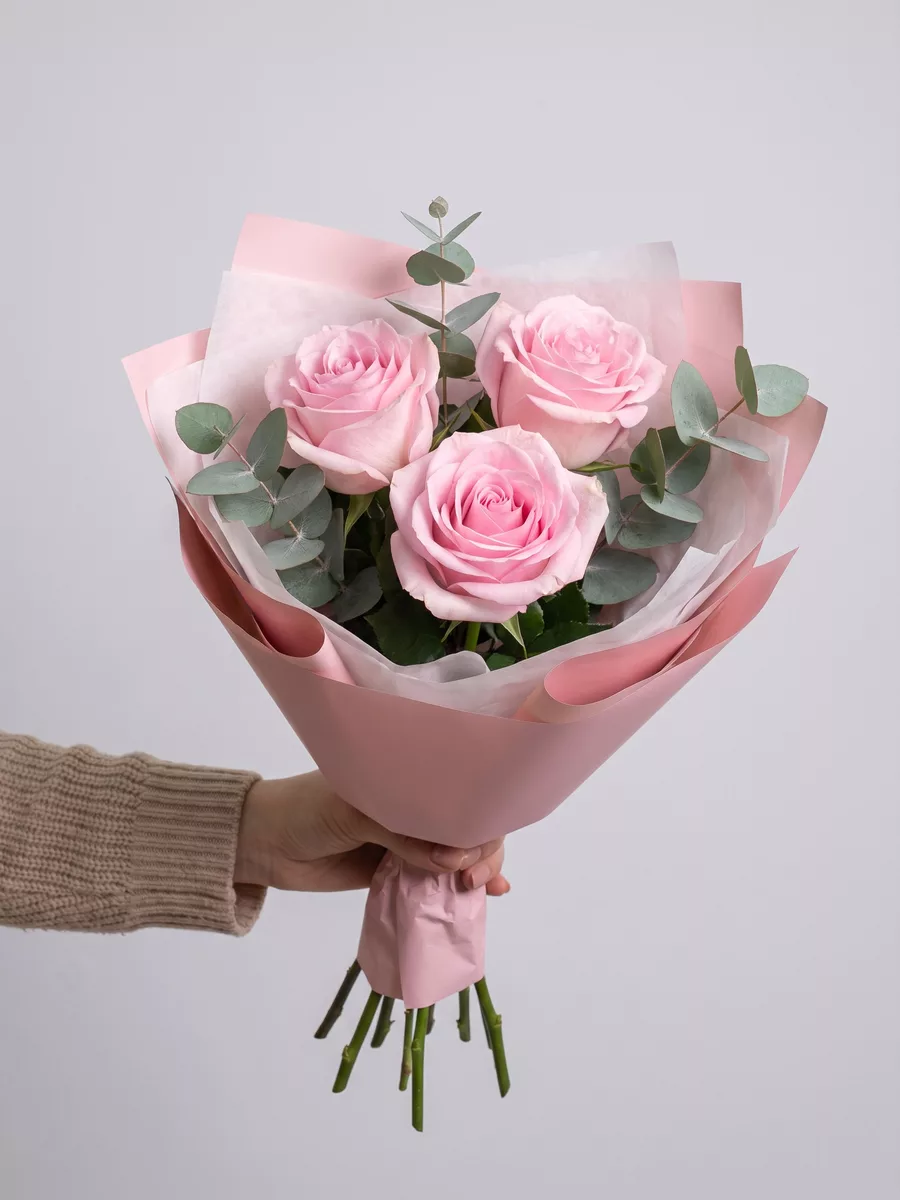
Timing Your Order Across Time Zones
Krasnouralsk operates on Yekaterinburg Time, which is UTC plus five hours. That is two hours ahead of Moscow and significantly ahead of most European cities, and it is a full eight to ten hours ahead of the East Coast of the United States. This gap is the single most common source of confusion for international senders, and it causes missed deliveries more often than any other factor.
When you place an order, think in Krasnouralsk local time, not your own. If you want flowers to arrive on a birthday morning, work backwards from that moment. A delivery scheduled for 10 a.m. in Krasnouralsk needs to be ordered with enough lead time accounting for the time difference. Placing an order at 9 p.m. your time in Western Europe might already be well into the next morning in Krasnouralsk.
For same-day delivery, orders placed before midday Krasnouralsk time have the most flexibility. Orders coming in during the afternoon local time can still be fulfilled for evening delivery, which is often perfectly appropriate — a bouquet arriving at the end of a working day feels generous and thoughtful. Evening deliveries after 8 p.m. local time are not standard, so if the occasion calls for a specific moment, plan a day ahead rather than cutting it close.
Public holidays in Russia also shift the rhythm. Dates like March 8 (International Women's Day) and February 14 see enormous demand, and ordering two to three days ahead for those occasions is strongly recommended. Russian New Year on January 1 is equally busy.
Choosing Flowers for the Occasion and the Person
Russian flower culture is warm, generous, and quite specific in ways that are worth understanding if you have not sent flowers to Russia before. Bouquet size matters. A small arrangement of five or seven stems is a polite gesture; a lush, full bouquet of fifteen or more stems reads as genuinely celebratory. For milestone birthdays, anniversaries, or graduations, bigger is almost always better received.
The number of stems carries meaning in Russian tradition. An even number of flowers is associated with mourning, so all celebratory bouquets should contain an odd number of stems. This is not a superstition you need to navigate yourself — it is built into how florists here compose arrangements — but it is useful to know so you understand why a bouquet of eleven roses looks more festive than one of twelve.
For a woman celebrating a birthday, roses remain the classic choice, and they genuinely never feel wrong. Peony-shaped garden roses, standard hybrid tea roses, or spray roses in soft pinks, corals, and creams work across all ages. For a younger recipient, sunflowers mixed with chamomile and eucalyptus feel current and cheerful. For a colleague or friend, a mixed seasonal bouquet with lisianthus, ranunculus, and fresh greenery strikes exactly the right tone — personal without being too intimate.
For men, which is increasingly common as a category, consider architectural arrangements: anthuriums, tropical foliage, bold single-variety bouquets of calla lilies, or a striking combination of dark red roses with steel grass and minimal greenery. The key is confidence in the composition rather than delicacy.
Seasonal Availability and What Travels Well in Ural Winters
Krasnouralsk does not have local flower farms in any meaningful commercial sense, so all flowers arrive through supply chains from major growing regions. What this means practically is that seasonal availability follows the broader Russian wholesale calendar rather than anything hyper-local. Roses, chrysanthemums, carnations, and alstroemeria are available year-round and travel reliably. Peonies peak in May and June. Tulips flood the market in late February and March ahead of International Women's Day. Sunflowers are most plentiful and affordable from June through September.
Winter delivery — from November through March — requires extra attention. When temperatures outside are minus 15 or colder, flowers need to be wrapped properly for the journey from the door of the delivery vehicle to the door of the recipient's building. Roses, lisianthus, and chrysanthemums handle brief cold exposure well if the bouquet is properly packaged. Tropical varieties like orchid stems and anthuriums are more sensitive to cold shock and may bruise or blacken at the tips if exposed to extreme cold even briefly.
If you are ordering in deep winter, choosing a composition built around roses, spray roses, or chrysanthemums reduces risk. Adding eucalyptus or ruscus as greenery is smart — both are robust in cold conditions and add longevity to the arrangement.
For summer orders, the concern shifts entirely. Heat above 25 Celsius shortens vase life, so requesting delivery in the morning or early afternoon rather than at the hottest point of the day gives the flowers the best start in the recipient's home.
How to Place an Order from Outside Russia Without Stress
Ordering from abroad is straightforward if you approach it with a few things prepared in advance. The most important is the delivery address in full. Russian postal addresses follow a specific format: the city, then the street name, then the building number, then the apartment or office number. Many apartment buildings in Russian cities also have entrance numbers —podezd — which matter for large residential blocks. If your recipient lives in an apartment, ask them for their full address including the entrance number and floor. Delivery drivers navigate by these details.
A working Russian mobile phone number for the recipient is essential. Drivers call ahead to confirm arrival, and without a reachable number, a delivery can be delayed or missed entirely. If your recipient does not have a Russian number, an alternative contact who can meet the driver at the address works as a backup.
When writing the card message, you can write in English, and it will be included exactly as you write it. If you would like the message translated into Russian, simply note that preference when placing the order. A handwritten card matters in Russian gift culture — it is not a minor detail. Even a short, sincere sentence means more than a printed label.
Payment from abroad is handled online, and international cards are accepted. The key is to allow a few minutes for the transaction to process and to check that your bank has not flagged an international transaction for verification, which occasionally delays the order confirmation.
Presentation, Wrapping, and What Your Recipient Will See
The moment a bouquet is handed over is the moment that matters most to the person receiving it, and presentation is a significant part of that experience. In Russian flower culture, elaborate wrapping is standard and expected. A bouquet arriving in kraft paper with ribbon, or in a structured box lined with tissue, signals that the sender cared enough to do it properly. A loosely wrapped or plain bouquet reads as an afterthought, even if the flowers themselves are beautiful.
For bouquets, the most common and universally appreciated presentation is a structured wrap in matte kraft or coloured paper, shaped into a cone or flat wrap, with the stems tied with satin ribbon. The paper should complement rather than overwhelm the flowers — neutral tones let the blooms speak, while deep teal or burgundy paper can make a white or blush arrangement feel dramatic and intentional.
Box arrangements have grown enormously in popularity and are particularly practical for recipients who live alone or who may not have a large vase at home. A hat box or round flower box with a foam base holds the arrangement in place and arrives looking exactly as it was designed. These also travel especially well in cold weather because the box provides an extra layer of insulation.
If you are sending to a workplace address — an office or a school — a box arrangement is often preferable to a loose bouquet, simply because it is easier to display on a desk without needing to find a vase immediately. For home deliveries, a traditional bouquet remains the most emotionally resonant choice.
Caring for the Flowers Once They Arrive
Sharing care tips with your recipient is a genuinely kind thing to do, especially if they are not accustomed to receiving cut flowers regularly. A well-cared-for bouquet of roses or lisianthus can last eight to twelve days. A neglected one may look tired within three. The difference is almost entirely in the first hour after the flowers arrive.
The first step is always a fresh cut. Stems should be trimmed at an angle — about two centimetres from the bottom — using a sharp knife rather than scissors, which can crush the stem tissue. This cut should be made under running water or with the stems immediately placed into water to prevent an air bubble from forming at the base and blocking water uptake.
The vase should be clean and filled with cool, fresh water. In winter, tap water in the Urals can be quite cold, which is actually beneficial for most cut flowers. In summer, avoid warm water. Remove any leaves that would sit below the waterline, as submerged foliage rots quickly and clouds the water, shortening the life of the entire arrangement.
Changing the water every two days and re-trimming the stems each time makes a significant difference. Keeping the bouquet away from direct sunlight, radiators, and drafts extends vase life noticeably. In winter, Russian apartments are often very warm due to central heating, so placing flowers in the coolest room overnight is a simple way to add days to their life. Chrysanthemums and alstroemeria are particularly long-lasting with basic care; roses and ranunculus reward careful attention the most.
Sending flowers to Krasnouralsk from another country is entirely achievable, and when it works well, it works beautifully. The distance does not diminish the gesture — if anything, a bouquet arriving from abroad carries extra weight because the recipient knows the effort that went into it. The practical details are manageable: the right address, the right timing adjusted for the time zone, a seasonal choice suited to the Ural climate, and a card with a few honest words. Get those right, and the flowers do everything else on their own.
Frequently asked questions
Does the extreme cold in Krasnouralsk winters damage flowers during delivery?
Cold is a real concern between November and March when temperatures regularly fall to minus 20 Celsius. Reputable local florists use insulated packaging and plan routes to minimise exposure time. Choosing hardy varieties like chrysanthemums, carnations, or roses over delicate tropical stems gives your arrangement the best chance of arriving in good condition during the coldest months.
How different will the flower selection be compared to what I can order at home?
Quite different, and that is worth accepting early. Krasnouralsk is not a large city, so exotic or highly seasonal varieties you might find easily in London or Amsterdam may simply not be available locally. Roses, chrysanthemums, alstroemeria, and carnations are reliably stocked year-round. Working within what is genuinely available produces a far better result than insisting on something that cannot be sourced.
Are there Russian customs around flowers I should know before choosing an arrangement?
Yes, and the most important one is the number of stems. In Russia, even numbers of flowers are associated with funerals and grief, so always choose an odd number for any celebratory occasion. White flowers carry mourning associations for some recipients, particularly older generations. A warm-coloured arrangement in an odd count is a safe and genuinely appreciated choice for birthdays, anniversaries, or congratulations.
What is the time difference between my country and Krasnouralsk, and does it affect when I should order?
Krasnouralsk runs on Yekaterinburg Time, UTC plus five hours, which puts it well ahead of most European countries and eight to ten hours ahead of the eastern United States. This matters because a morning delivery on your recipient's birthday needs to be ordered well before you might expect. Placing the order the day before, accounting for the time gap, is the safest approach for a timed arrival.
Will the florist contact my recipient before delivering, and will that spoil the surprise?
A working Russian mobile number for the recipient is genuinely necessary for delivery in an apartment city like Krasnouralsk, where entrance numbers and floor access make unannounced deliveries difficult. If surprise matters to you, consider asking a family member or friend of the recipient to be the contact point instead, someone who can coordinate access without revealing what is coming.
Ready to send flowers?
Pick the city, choose the bouquet, and a local florist takes it from there.
Choose a city →